
Decentralized Real Estate for Beginners: Understanding the Basics


Welcome to Blockchain Trends, your guide to navigating the revolutionary world of decentralized technologies. Are you ready to unlock the future of property ownership? Delve into Decentralized Real Estate for Beginners: Understanding the Basics and discover how blockchain is reshaping the traditional real estate landscape. Intrigued by the possibilities? Let's explore the fundamentals of blockchain real estate investing basics and uncover the potential for a more transparent and efficient future.
Decentralized Real Estate: A Beginner's Guide
- Introduction to Blockchain Real Estate
- Blockchain Fundamentals for Real Estate
- Benefits of Decentralized Real Estate Investing
- Risks and Challenges
- Types of Blockchain Real Estate Investments
- Getting Started
- Real-World Examples
- Future Trends
- Conclusion
- Frequently Asked Questions
- Final Reflection: Embracing the Future of Property Ownership
- Ignite Your Decentralized Real Estate Journey!
Introduction to Blockchain Real Estate
Understanding Decentralized Real Estate
Decentralized real estate refers to the application of blockchain technology to the traditional real estate market. At its core, it involves recording property ownership, transfer, and related data on a distributed ledger, rather than relying solely on centralized government registries or intermediaries like title companies. This shift aims to remove single points of failure and enhance transparency, security, and efficiency in property transactions. For those interested in blockchain real estate investing basics, understanding this fundamental departure from conventional methods is crucial.
This innovative approach allows for the potential tokenization of real estate assets, where ownership rights are represented by digital tokens on a blockchain. This not only simplifies the process of buying and selling interests in property but also opens up new possibilities like fractional ownership, making investments more accessible to a wider range of participants. The goal is to create a more liquid and equitable market by leveraging the inherent properties of blockchain technology.
Blockchain Technology's Potential in Real Estate
Blockchain technology holds significant potential to disrupt the multi-trillion-dollar global real estate market, which is often plagued by inefficiency, lack of transparency, and high transaction costs. Traditional real estate transactions can take weeks or months to complete, involving numerous intermediaries such as brokers, lawyers, banks, and title insurers, each adding layers of complexity and expense. Estimates suggest that transaction costs can range from 5% to 10% or more of the property value, a substantial barrier for many investors.
By utilizing blockchain, many of these steps can be automated or streamlined. Recording ownership on an immutable ledger drastically reduces the possibility of fraud and disputes over title history. Smart contracts can automate processes like escrow or rental payments based on predefined conditions. Furthermore, by enabling fractional ownership, blockchain dramatically lowers the entry barrier for investors, potentially transforming illiquid assets into more easily tradable digital units. This foundational shift is what makes exploring blockchain real estate investing basics so compelling for those seeking alternatives to traditional markets.
Blockchain Fundamentals for Real Estate
How Blockchain Works
At a high level, a blockchain is a distributed, immutable ledger that records transactions across many computers. When a new transaction occurs (like a property ownership transfer or the sale of a token representing property), it is grouped with other transactions into a "block." This block is then cryptographically linked to the previous block, forming a chain. This process is secured through complex cryptographic algorithms and a consensus mechanism, where network participants must validate the transaction before it is added to the ledger.
Once a block is added to the chain, it is extremely difficult to alter or remove, as doing so would require changing all subsequent blocks and gaining consensus from the majority of the network. This inherent security and immutability are key benefits for recording valuable assets like real estate. For individuals learning about blockchain real estate investing basics, grasping this concept of a transparent, tamper-proof record distributed across a network is fundamental to understanding the technology's value proposition.
Key Terminology: Smart Contracts, NFTs, DAOs
Understanding key blockchain terminology is essential when exploring blockchain real estate.
- Smart Contracts: These are self-executing contracts with the terms of the agreement directly written into code. They run on the blockchain and automatically execute actions when predefined conditions are met. In real estate, a smart contract could automate the release of funds upon verification of title transfer, manage rental agreements, or distribute dividends to fractional owners. For example, a smart contract could hold escrow funds until a specific block confirming property token transfer is added.
- NFTs (Non-Fungible Tokens): Unlike cryptocurrencies where each coin is interchangeable (fungible), NFTs are unique digital assets. An NFT can represent ownership of a specific, distinct item, whether digital or physical. In real estate, an NFT can represent the unique title or deed to a property, or a specific fractional share of a property, providing verifiable proof of ownership on the blockchain.
- DAOs (Decentralized Autonomous Organizations): A DAO is an organization represented by rules encoded as a transparent computer program, controlled by the organization's members, and not influenced by a central government or single entity. In the context of real estate, a DAO could collectively own and manage property, with members voting on decisions regarding management, sale, or development of the asset based on their token holdings.
These concepts are foundational building blocks for many decentralized real estate initiatives and are critical for anyone diving into blockchain real estate investing basics.
Benefits of Decentralized Real Estate Investing
Transparency and Security
One of the most compelling benefits of using blockchain in real estate is the significant increase in transparency and security. Traditional property records can be fragmented, opaque, and susceptible to fraud or errors. By contrast, a public or permissioned blockchain ledger provides a single, immutable, and transparent record of ownership history and transactions. Anyone with access to the network can verify the history of a property's token or NFT, drastically reducing the risk of title disputes or fraudulent claims.
The cryptographic security of blockchain technology makes it extremely difficult for unauthorized parties to tamper with records. Each transaction is encrypted and linked to the previous one, creating a secure chain. This enhanced security not only protects investors but also streamlines the due diligence process, as verifying the authenticity and history of an asset becomes more straightforward and reliable. This inherent security is a key reason why many are exploring blockchain real estate investing basics.
Reduced Costs and Faster Transactions
Decentralized real estate solutions have the potential to significantly reduce the costs and time associated with property transactions. Traditional real estate deals involve numerous intermediaries, each charging fees for their services – lawyers, brokers (often charging 5-6% commission), escrow agents, title companies, etc. By automating processes through smart contracts and recording ownership directly on a blockchain, many of these intermediaries can be bypassed or their roles minimized.
This streamlining can lead to substantial cost savings. While exact figures vary depending on the platform and jurisdiction, estimates suggest that blockchain could reduce transaction costs by 1-2% of the property value and cut transaction times from weeks or months down to days or even hours for certain steps like payment processing and record updates. This increased efficiency and lower overhead make blockchain real estate investing basics more attractive, especially for smaller or more frequent transactions.
Fractional Ownership
Perhaps one of the most revolutionary aspects of decentralized real estate is the enablement of fractional ownership. Traditionally, investing directly in physical real estate requires significant capital, often hundreds of thousands or millions of dollars, making it inaccessible to the average investor. Tokenization allows a single property to be divided into numerous digital tokens, each representing a small percentage of ownership.
These tokens can then be bought and sold individually, dramatically lowering the minimum investment required. An investor could potentially buy a share of a high-value commercial property or a luxury apartment for just a few hundred or thousand dollars, rather than needing the full purchase price. This democratizes access to real estate investment, increases market liquidity, and diversifies investment opportunities, making blockchain real estate investing basics appealing to a broader audience.
Risks and Challenges
Regulatory Landscape
One of the primary challenges facing decentralized real estate is the evolving and often uncertain regulatory landscape. Real estate is heavily regulated at local, national, and international levels, and existing laws were not designed with blockchain or digital assets in mind. The legal status of tokenized real estate, NFTs representing property, and DAO ownership structures is still being defined in many jurisdictions.
Issues such as how to legally transfer title using tokens, how to handle property taxes, zoning laws, and dispute resolution within a decentralized framework require clear legal frameworks. Lack of regulatory clarity creates uncertainty for both investors and platforms and can slow down adoption. Navigating this complex and fragmented legal environment is a significant hurdle for the growth of blockchain real estate investing.
Market Volatility
While the underlying physical asset (the property) may have its own market dynamics, the value of digital tokens or NFTs representing that property can be subject to the volatility of the broader cryptocurrency and blockchain markets. Even if a property's value remains stable, the value of the token representing it might fluctuate based on factors unrelated to the property itself, such as overall crypto market sentiment, platform-specific issues, or liquidity of the token on secondary markets.
This introduces an additional layer of risk compared to traditional real estate investment. Investors in tokenized property must be aware that the value of their digital asset might not perfectly track the value of the physical asset it represents, especially in nascent markets with low trading volume. Understanding this potential for price divergence is crucial when considering blockchain real estate investing basics.
Security and Smart Contract Risks
Despite blockchain's inherent security features, decentralized real estate platforms and smart contracts are not entirely immune to risks. Smart contracts, while powerful, are code and can contain bugs or vulnerabilities that could be exploited by malicious actors. If a smart contract governing property ownership or fund distribution has an error, it could lead to loss of assets or unintended consequences.
Furthermore, the security of the platform hosting the tokens or NFTs is paramount. Centralized points within a decentralized system, such as custodial wallets or exchange platforms, can be targets for hacks. While the blockchain itself is secure, the interfaces and systems built on top of it can have vulnerabilities. Investors must perform due diligence not only on the property but also on the security practices and smart contract audits of the platform they use for blockchain real estate investing.
Types of Blockchain Real Estate Investments
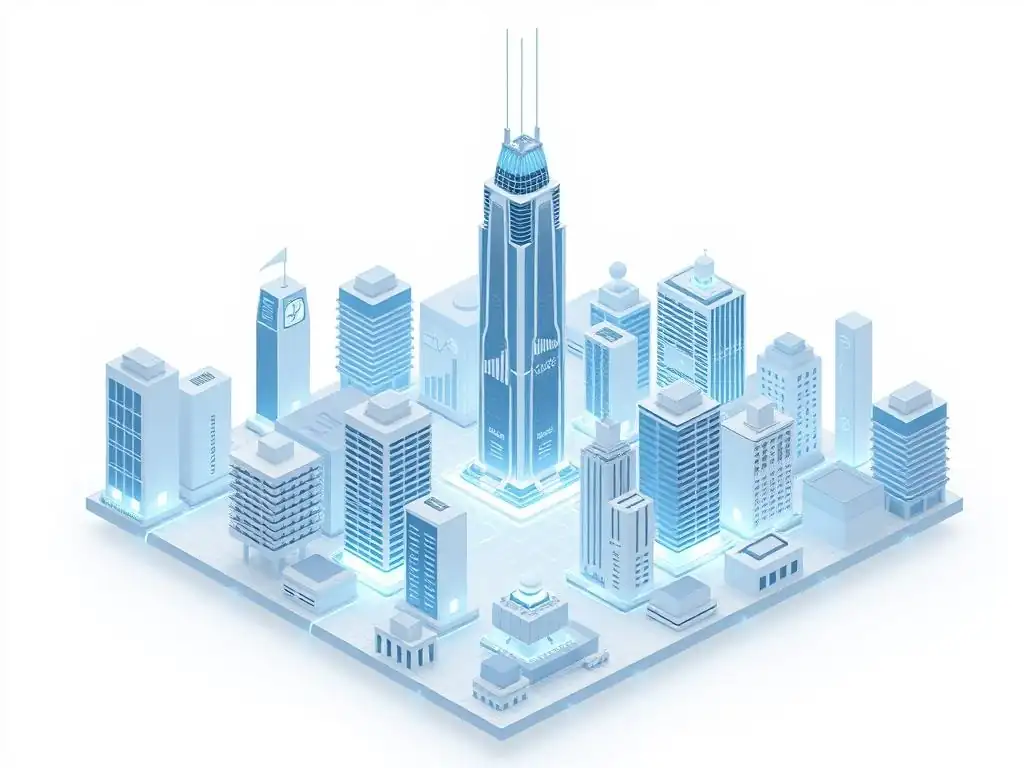
Tokenized Real Estate
Tokenized real estate involves issuing digital tokens on a blockchain that represent ownership or equity in a physical property. These tokens are typically security tokens, meaning they are subject to securities regulations as they represent an investment contract offering potential returns (like rental income or appreciation). Each token represents a fraction of the property's value, allowing investors to own a piece of a building without buying the entire asset.
For example, a commercial building valued at \$10 million could be tokenized into 10 million tokens, each worth \$1. Investors can buy any number of tokens, gaining exposure to the asset based on their investment size. This model significantly improves liquidity compared to traditional real estate, as tokens can be traded on secondary markets, albeit depending on the platform and regulatory environment. This is a core concept within blockchain real estate investing basics.
Real Estate NFTs
Real Estate NFTs are non-fungible tokens that represent unique ownership or rights related to real property. While tokenized real estate often involves fungible tokens representing fractional shares, an NFT can represent the sole ownership of a property, a unique fractional share, or specific rights like access or usage. The NFT acts as a digital deed or title recorded on the blockchain.
Using NFTs for real estate can simplify the transfer of ownership, making it as straightforward as transferring a digital asset from one wallet to another (though legal processes outside the blockchain are still typically required to formalize the transfer in traditional registries). For instance, a luxury apartment could be represented by a single NFT, or a piece of virtual land tied to a physical location could be sold as an NFT. The uniqueness of the NFT makes it suitable for representing distinct properties or specific, non-divisible rights.
DAOs for Real Estate
DAOs offer a structure for collective ownership and management of real estate assets. In a real estate DAO, members pool funds (often cryptocurrency or stablecoins) to purchase property. Ownership is then represented by governance tokens issued by the DAO. These tokens grant members voting rights on decisions related to the property, such as management, rental terms, maintenance, or eventual sale.
This model democratizes real estate investment by allowing a group of individuals to collectively own and govern assets. It provides a decentralized way to manage property investments, removing the need for a traditional management company or partnership structure. For example, a group of investors could form a DAO to buy a portfolio of rental properties, with token holders voting on property managers or rental rates. DAOs represent a more community-driven approach within blockchain real estate investing.
Getting Started
Choosing a Platform
The first step in exploring blockchain real estate investing basics is selecting a suitable platform. Numerous platforms are emerging that specialize in tokenized real estate or real estate NFTs. These platforms vary in terms of the types of properties offered (residential, commercial, land), the blockchain network they operate on (e.g., Ethereum, Polygon, Solana), their regulatory compliance, and the investment structures they support (fractional ownership, full NFT ownership, DAO participation).
Research different platforms, considering factors like their track record, the properties listed, fees, user interface, and regulatory compliance. Some platforms focus on accredited investors, while others are open to retail investors, depending on the legal jurisdiction and the nature of the tokens offered (e.g., security tokens vs. utility tokens).
Setting Up a Crypto Wallet
To participate in decentralized real estate, you will need a cryptocurrency wallet capable of holding the specific type of tokens or NFTs used by your chosen platform. Wallets come in various forms, including browser extensions (like MetaMask), mobile apps, and hardware wallets (like Ledger or Trezor) for enhanced security.
You'll need to fund your wallet with the appropriate cryptocurrency or stablecoin accepted by the platform for investment. Ensure you understand how to securely manage your wallet's private keys, as losing them can result in permanent loss of your digital assets. Familiarity with basic crypto wallet operations is a prerequisite for engaging in blockchain real estate investing.
Researching Properties
Just as with traditional real estate, thorough research into the underlying property is crucial. While the blockchain provides transparency regarding ownership history of the digital asset, you still need to evaluate the physical property itself. This includes assessing its location, condition, market value, potential for appreciation, and expected rental yields.
Platforms often provide details about the property, including appraisals, inspections, and financial projections. However, it is the investor's responsibility to review this information carefully and potentially conduct independent research or due diligence where possible. Do not rely solely on the digital representation; the value is tied to the physical asset.
Due Diligence
Beyond researching the property, comprehensive due diligence is essential when engaging in blockchain real estate investing. This involves evaluating the platform offering the investment – its legitimacy, security measures, compliance with regulations, and the terms of the offering. Understand the legal structure behind the tokenization: what rights does the token actually grant you? Is it equity, debt, or something else?
Furthermore, review the smart contracts involved if possible, or ensure they have been audited by reputable third parties. Understand the risks involved, including market volatility, regulatory uncertainty, and potential liquidity issues on secondary markets. A thorough understanding of these aspects is vital for making informed investment decisions in the decentralized real estate space.
Real-World Examples
Case Study: Aspen Digital
Aspen Digital, formerly known as Aspen Coin, is often cited as an early example of tokenized real estate. In 2018, the St. Regis Aspen Resort in Colorado was tokenized, with security tokens representing \$18 million in fractional ownership equity in the property. These tokens were issued on the Ethereum blockchain and allowed investors to buy shares in the luxury hotel.
The tokenization aimed to provide increased liquidity and lower the investment threshold for investors interested in high-value commercial real estate. While the platform and token structure have evolved, this case demonstrated the feasibility of using blockchain technology to represent and trade equity in physical property assets, illustrating one of the initial practical applications of blockchain real estate investing basics.
Case Study: CityDAO
CityDAO represents an experimental approach to real estate using DAOs. Founded in 2021, CityDAO purchased a parcel of land in Wyoming, aiming to create a decentralized city governed by DAO members. Ownership of the land is effectively managed by the DAO, with decisions regarding its use and development made through token-based voting by DAO members.
Members who own CityDAO's governance tokens have a say in the DAO's operations and the future of the land it controls. While still in its early stages and facing significant challenges related to governance and legal recognition, CityDAO is a prominent example of how decentralized autonomous organizations can be applied to the collective ownership and management of physical land and property, pushing the boundaries of blockchain real estate.
Future Trends
Fractional Ownership and Tokenization Growth
The trend towards fractional ownership facilitated by tokenization is expected to accelerate. As platforms mature and regulatory clarity improves, more properties, both commercial and residential, are likely to be tokenized. This will make real estate investment accessible to a much larger global pool of investors, potentially increasing liquidity in a traditionally illiquid market.
The growth in fractional ownership will likely drive innovation in how properties are managed and how rental income or appreciation is distributed, leveraging smart contracts for automation. This expansion of accessible investment avenues is a key future direction for blockchain real estate investing.
DeFi's Impact
The integration of decentralized finance (DeFi) with tokenized real estate is another significant future trend. Tokenized properties can potentially be used as collateral within DeFi lending protocols, allowing owners to borrow stablecoins or other cryptocurrencies against the value of their real estate holdings without selling the underlying asset.
This convergence could unlock significant liquidity from real estate assets, enabling new financial products and strategies. Imagine being able to instantly borrow funds against your tokenized home equity using a smart contract, bypassing traditional banks and lengthy approval processes.
Streamlining Real Estate Processes with Blockchain
Beyond ownership and investment, blockchain technology has the potential to streamline numerous other real estate processes. This includes simplifying title searches and transfers, automating escrow services, managing property records, and even facilitating the issuance and management of mortgages or property-backed securities through tokenization.
As blockchain infrastructure matures and interoperability between different systems improves, we may see a future where the entire lifecycle of a real estate transaction, from listing and negotiation to financing and transfer of ownership, is managed more efficiently and transparently on distributed ledgers. This comprehensive streamlining represents the long-term vision for blockchain in real estate.
Conclusion
Weighing the Pros and Cons
Decentralized real estate, powered by blockchain technology, offers exciting possibilities for transforming a traditional, often cumbersome, market. The potential benefits are substantial: increased transparency and security through immutable records, reduced transaction costs and faster processes by cutting out intermediaries, and democratized access to investment through fractional ownership. For those exploring blockchain real estate investing basics, these advantages present a compelling case for adoption.
However, significant challenges remain. The regulatory environment is still developing, creating uncertainty. The market for tokenized assets can be volatile, introducing risks beyond the fluctuations of the physical property itself. Furthermore, the technology is still relatively new, and risks related to platform security and smart contract vulnerabilities need careful consideration. Investors must weigh these pros and cons carefully.
Resources for Further Learning
To deepen your understanding of blockchain real estate investing basics, continue researching the topic through reputable sources. Explore the websites of established tokenization platforms and real estate DAOs to see how they operate in practice. Read whitepapers or documentation provided by these projects.
Stay updated on regulatory developments in relevant jurisdictions, as these will significantly impact the market's evolution. Consider taking introductory courses on blockchain technology and cryptocurrencies to build a solid foundation. Engaging with online communities focused on blockchain and real estate technology can also provide valuable insights and perspectives. Continuous learning is key in this rapidly evolving space.
Frequently Asked Questions
What is decentralized real estate investing?
Decentralized real estate investing utilizes blockchain technology to facilitate property transactions directly between buyers and sellers, eliminating the need for intermediaries.
How does blockchain improve transparency in real estate?
Blockchain ensures that all transactions are recorded on a public ledger, providing transparency and reducing the risk of fraud in real estate dealings.
What are the benefits of using DeFi in real estate?
Using DeFi (Decentralized Finance) in real estate allows for greater accessibility, lower transaction costs, and the potential for liquidity through tokenization of assets.
Are there regulatory challenges for blockchain in real estate?
Yes, regulatory challenges exist as governments are still formulating how to integrate blockchain into current laws, affecting compliance and transaction processes.
How can beginners start with blockchain real estate investing?
Beginners can start by researching tokenization platforms, understanding the risks involved, and gradually investing in blockchain-based real estate projects.
Final Reflection: Embracing the Future of Property Ownership
The journey into decentralized real estate, as we've explored, is more than just a technological novelty; it's a fundamental shift in how we perceive and interact with property ownership. The potential for increased accessibility, transparency, and efficiency in real estate transactions is not just a future possibility, but a tangible reality taking shape today.
This evolution is profoundly impacting the cultural landscape, challenging traditional notions of ownership and investment. The democratization of real estate, powered by blockchain, promises to empower individuals and communities in unprecedented ways. The future is already here – it's just not evenly distributed.
- William Gibson. This quote resonates deeply as we consider the potential for blockchain to bridge the wealth gap and create more equitable access to real estate opportunities.
Now, as you stand at the threshold of this new era, consider the implications of decentralized real estate for your own financial future. How can you leverage this technology to build wealth, create opportunities, and contribute to a more equitable and transparent real estate market? The power to shape the future of property ownership is in your hands. Embrace the knowledge you've gained, explore the possibilities, and become an active participant in the evolution of real estate.
Ignite Your Decentralized Real Estate Journey!
Thank you for exploring the basics of decentralized real estate with us. Now that you have a solid understanding of the fundamental concepts, it's time to take your knowledge further and discover how you can get involved in this innovative field. Are you ready?
Here are some steps you can take right now:
- Dive into researching different decentralized autonomous organizations focused on real estate investment. This will help you understand the current landscape and opportunities.
- Join online forums and communities dedicated to blockchain and real estate to connect with experienced investors and learn from their insights. Platforms like Reddit or specialized crypto forums are great places to start.
- Take a virtual tour of a property listed on a blockchain-based real estate platform—seeing is believing!
If you could tokenize any property right now, which one would it be? Share your dream decentralized real estate project in the comments below!
Leave a Reply