
Decentralized Real Estate and the Gig Economy: Opportunities for Flexible Property Ownership

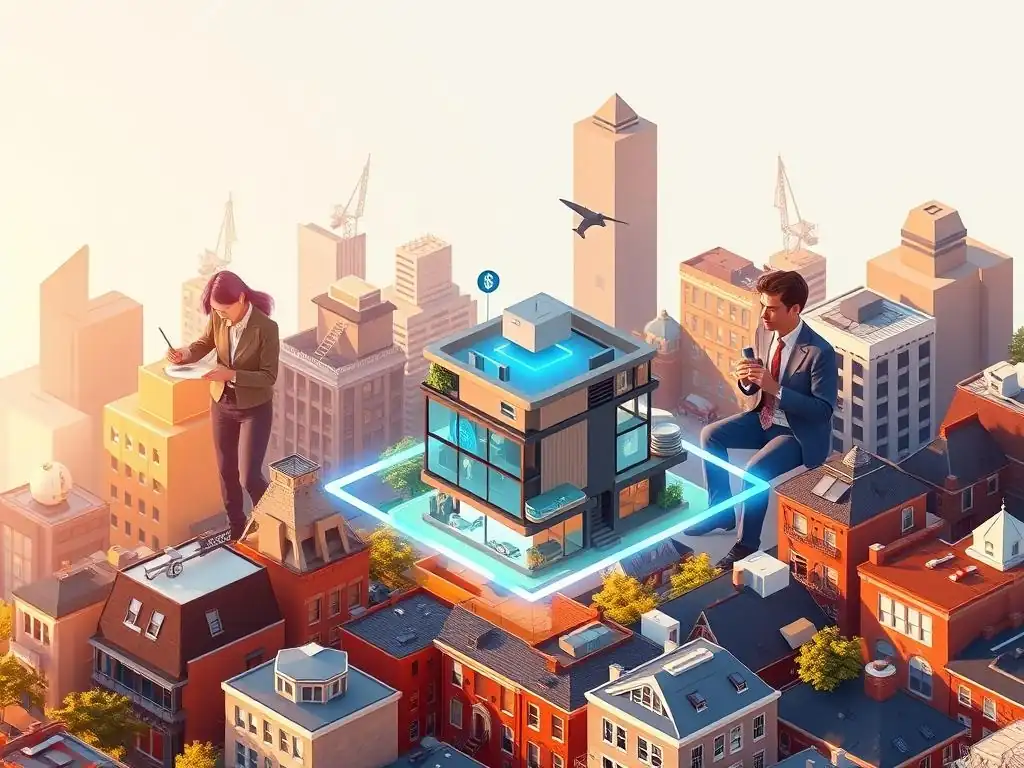
Welcome to Blockchain Trends, your guide to understanding the revolutionary impact of blockchain technology. Are you ready to discover how blockchain is reshaping more than just cryptocurrencies? Dive into our exploration of blockchain real estate flexible ownership, a groundbreaking concept that's poised to transform how we access and invest in property in the age of the gig economy. What if owning a piece of prime real estate was as easy as subscribing to a streaming service? Let's unlock the possibilities together...
Decentralized Real Estate and the Gig Economy: Opportunities for Flexible Property Ownership
- Introduction: Blockchain Real Estate and the Rise of Flexible Ownership Models
- Understanding the Gig Economy's Impact on Housing Needs
- Blockchain-Based Solutions for Flexible Real Estate Ownership
- Benefits of Blockchain Real Estate for Gig Economy Workers
- Challenges and Considerations for Blockchain-Based Flexible Ownership
- Real-World Examples: Blockchain Real Estate Platforms Catering to the Gig Economy
- The Future of Flexible Property Ownership with Blockchain
- Conclusion: Empowering the Gig Economy with Blockchain Real Estate Solutions
-
Frequently Asked Questions
- How can blockchain facilitate flexible ownership in real estate?
- What are the potential benefits of decentralized real estate for gig economy workers?
- How does blockchain technology enhance transparency in real estate transactions?
- What are some of the current regulatory challenges facing blockchain-based real estate platforms?
- What is the future outlook for blockchain real estate, particularly regarding flexible ownership models?
- Final Reflection: Embracing the Future of Property Ownership
- Unlock Your Real Estate Freedom Today!
Introduction: Blockchain Real Estate and the Rise of Flexible Ownership Models
The Convergence of the Gig Economy and Blockchain Technology in Real Estate
The global gig economy has exploded in recent years, fundamentally altering traditional employment structures and consequently, housing needs. Millions of individuals now work as freelancers, contractors, or temporary staff, prioritizing flexibility, location independence, and diverse income streams. This shift creates a significant demand for innovative housing solutions that move beyond rigid long-term leases or traditional single-property ownership, paving the way for new approaches like flexible property ownership.
Concurrently, blockchain technology has emerged as a disruptive force, particularly within finance and asset management, offering unprecedented levels of transparency, security, and efficiency through decentralization. The intersection of these two trends presents a unique opportunity to redefine real estate, offering flexible, accessible, and secure ownership models tailored to the dynamic lifestyle of the gig worker.
This convergence is not merely theoretical; it is actively shaping nascent markets where blockchain enables new forms of blockchain real estate flexible ownership. By leveraging distributed ledgers, smart contracts, and tokenization, it becomes possible to divide property rights into digital tokens, representing fractional ownership. This lowers the barrier to entry for investment and allows for more dynamic transactions than traditional real estate.
The inherent immutability of blockchain records ensures secure and transparent tracking of ownership shares and property-related data, providing a robust foundation for the trust required in decentralized transactions. As the gig economy workforce continues to grow – reports often cite millions of new participants annually globally – the need for housing solutions that mirror this flexibility will intensify, making blockchain-enabled models increasingly relevant.
Defining Flexible Property Ownership in the Context of Blockchain
Flexible property ownership, facilitated by blockchain technology, refers to models where individuals can own or access real estate assets with greater ease, lower capital requirements, and enhanced liquidity compared to conventional methods. This often manifests through fractional ownership, where the value and rights of a property are divided into numerous digital tokens.
Each token represents a specific share of the asset, allowing individuals to buy, sell, or trade small portions of properties rather than requiring the capital for full ownership. This contrasts sharply with traditional ownership, which typically demands significant upfront investment, lengthy legal processes, and illiquid assets that are difficult to sell quickly or partially.
In the context of blockchain real estate flexible ownership, flexibility extends beyond simple fractionalization. It also encompasses innovative usage rights, such as time-sharing models managed by smart contracts, or participation in decentralized autonomous organizations (DAOs) that govern property usage and income distribution. For a gig worker, this could mean owning small shares in multiple properties across different locations, allowing them to align their housing with their nomadic lifestyle or investment strategy.
It could also mean having the ability to quickly sell their fractional shares on a secondary market if their circumstances change, providing a level of liquidity previously unimaginable in real estate investment. The blockchain ledger ensures that all ownership records and transactions are transparent, verifiable, and resistant to tampering, building trust in these flexible, decentralized systems.
Understanding the Gig Economy's Impact on Housing Needs
The Growing Demand for Flexible Living Spaces among Gig Workers
The gig economy's rise has fundamentally altered housing demand, creating a significant need for living spaces that adapt to variable income, changing locations, and non-traditional work schedules. Unlike traditional employees often tied to a single geographic location and stable monthly income, gig workers frequently move for projects, seek lower cost-of-living areas, or require temporary stays in various cities.
This necessitates housing options that are not only affordable but also offer shorter lease terms, furnished units, co-living arrangements, or the ability to easily transition between different properties. Traditional rental markets, often dominated by 12-month leases and stringent requirements, struggle to meet these dynamic needs, leading many gig workers to rely on expensive short-term rentals or suboptimal housing situations.
Estimates suggest that millions of people worldwide are now engaged in the gig economy, and this number is projected to grow substantially. A significant portion of these individuals are under 40, a demographic often prioritizing experiences and flexibility over long-term commitments like traditional homeownership. This demographic requires housing solutions that mirror their work style – adaptable, accessible, and available on demand.
The demand isn't just for rentals; it's also for accessible ownership models that don't tether them to a single location or require massive capital. This is where the potential of blockchain real estate flexible ownership becomes particularly relevant, offering a pathway for gig workers to build equity and invest in assets without sacrificing the mobility their profession demands.
Location Independence and Short-Term Housing Requirements in the Gig Economy
One of the defining characteristics of the gig economy is location independence for many roles, particularly those in the digital or creative sectors. This freedom allows workers to choose where they live based on cost of living, lifestyle preferences, or proximity to specific short-term projects. Consequently, the need for flexible, short-term housing is paramount.
A graphic designer might spend three months in Lisbon for a project, then two months in Chiang Mai, followed by a period working from their hometown. Each transition requires readily available, suitable accommodation, often on terms shorter than typical rental agreements. This constant movement highlights the limitations of conventional real estate models that are built around long-term residency.
The traditional real estate investment model is also ill-suited for this lifestyle. Buying a property is a long-term commitment, both financially and geographically. Even traditional rental property investment requires managing long-term tenants.
The gig worker who wants to invest their earnings into real estate faces a dilemma: tie up capital and location in a single asset, or miss out on potential wealth building through property. Blockchain real estate flexible ownership offers a solution by decoupling ownership from physical residency or long-term management burdens. A gig worker could own fractional shares in properties located anywhere in the world, diversifying their investment portfolio and potentially generating passive income through rental yields distributed via smart contracts, all while maintaining their freedom to live and work wherever they choose.
Blockchain-Based Solutions for Flexible Real Estate Ownership
Fractional Ownership via Tokenization: Democratizing Real Estate Investment
Fractional ownership through tokenization is perhaps the most significant blockchain-based solution enabling blockchain real estate flexible ownership. This process involves dividing the ownership rights of a physical property into a large number of digital tokens on a blockchain. Each token represents a specific percentage or share of the property's value and associated rights, such as rental income or appreciation.
For example, a $1 million property could be tokenized into one million tokens, each worth $1. This allows investors to purchase tokens representing small fractions of the property, rather than needing the entire $1 million to own it outright. This dramatically lowers the barrier to entry, making real estate investment accessible to individuals who previously could not afford it, including many gig economy workers with limited capital.
This democratization of real estate investment is transformative. Instead of requiring tens or hundreds of thousands of dollars for a down payment or full property purchase, an individual might invest just a few hundred or thousand dollars by buying tokens. These tokens can then be held, traded on secondary markets (if available), or earn passive income from rental yields, proportionate to the number of tokens held.
The blockchain provides an immutable record of ownership, ensuring transparency and reducing the need for intermediaries like brokers and lawyers for each transaction, which significantly lowers transaction costs. This model fundamentally changes real estate from an illiquid, high-capital asset class into a potentially more liquid, divisible investment opportunity suitable for smaller investors seeking blockchain real estate flexible ownership.
Decentralized Autonomous Organizations (DAOs) for Property Management and Governance
Decentralized Autonomous Organizations (DAOs) offer a novel framework for managing tokenized real estate assets, aligning perfectly with the decentralized nature of blockchain. A real estate DAO can be established to collectively own and govern one or more properties.
Token holders (fractional owners) typically receive governance tokens that grant them voting rights on decisions related to the property, such as setting rental rates, approving maintenance projects, selecting property managers, or even deciding whether to sell the asset. These decisions are often executed automatically via smart contracts once a consensus is reached through voting, removing the need for a central authority or traditional property management company making all the decisions.
Using DAOs for property management introduces a layer of transparency and community governance to blockchain real estate flexible ownership. All proposals, votes, and transaction records are stored on the blockchain, accessible to all token holders. This shared governance model empowers fractional owners, giving them a direct say in the management of the assets they collectively own.
For gig workers who might own small stakes in multiple properties across different regions, a DAO provides a standardized and transparent mechanism to participate in the oversight and management of these diverse investments without requiring their physical presence or significant time commitment. While challenges exist in structuring effective and legally compliant real estate DAOs, their potential to create transparent, community-driven property governance is significant.
Smart Contracts: Automating Lease Agreements and Payments
Smart contracts are self-executing contracts with the terms of the agreement directly written into code on a blockchain. In the context of blockchain real estate, smart contracts are essential for automating various processes, particularly lease agreements, rental payments, and distribution of income to fractional owners. For instance, a smart contract can be programmed to automatically transfer rental income from a tenant (or short-term rental platform) to the DAO or directly to the wallets of fractional owners based on their token holdings, minus predefined expenses like property taxes or maintenance fees, all triggered by receiving the payment.
The automation provided by smart contracts enhances efficiency, reduces administrative overhead, and minimizes the potential for disputes arising from manual processes. For flexible property ownership models catering to the gig economy, smart contracts could also automate flexible lease terms, allowing for dynamic pricing based on demand or seasonal factors, or managing short-term rental bookings and payouts directly on the blockchain.
This level of automation and transparency in financial flows adds another layer of trust and efficiency to blockchain real estate flexible ownership, ensuring that income is distributed correctly and promptly according to the predefined rules embedded in the code, accessible for verification by all relevant parties on the public ledger.
Benefits of Blockchain Real Estate for Gig Economy Workers
Increased Accessibility to Property Ownership
One of the most significant benefits of blockchain real estate, particularly for gig economy workers, is the dramatically increased accessibility to property ownership. Traditional real estate investment requires substantial capital for down payments, closing costs, and often, the full purchase price. This high barrier to entry excludes a large portion of the population, including many gig workers whose income might be variable or insufficient for large upfront investments. Through tokenization, properties can be divided into affordable units (tokens), allowing individuals to invest with much smaller amounts, sometimes as low as a few hundred dollars.
This fractionalization enables gig workers to start building wealth through real estate investment without needing to save for decades or secure large loans. They can gradually accumulate fractional ownership in properties as their income allows, diversifying their portfolio across different locations or property types. This shift from requiring full property purchase to enabling incremental token purchases fundamentally democratizes real estate investment, offering a viable path to asset ownership for individuals previously priced out of the market. It is a core component of enabling blockchain real estate flexible ownership for a broader audience.
Enhanced Liquidity and Reduced Transaction Costs
Traditional real estate is notoriously illiquid. Selling a property typically involves a lengthy process (often months), significant transaction costs (broker fees, legal fees, taxes), and considerable effort. For gig workers who value flexibility and might need to access their capital relatively quickly, this illiquidity is a major drawback of conventional property investment. Tokenized real estate, however, holds the potential to significantly enhance liquidity. Once a robust secondary market for real estate tokens develops, owners could potentially sell their fractional shares much faster than selling a whole property, perhaps within days or even hours, similar to trading stocks or cryptocurrencies.
Furthermore, blockchain transactions inherently reduce the need for numerous intermediaries, such as traditional real estate agents, escrow companies, and title insurers, each charging fees. While some intermediaries might still be involved (e.g., platforms facilitating the tokenization), the direct peer-to-peer nature of blockchain transfers, managed by smart contracts, can streamline processes and significantly lower overall transaction costs compared to the often 5-10% associated with traditional real estate sales. This combination of enhanced liquidity and reduced costs makes blockchain real estate flexible ownership a more agile and cost-effective investment option for gig economy participants.
Greater Transparency and Security in Real Estate Transactions
Blockchain technology's inherent features of transparency and immutability provide enhanced security and trust in real estate transactions. Every transaction involving a tokenized property – from initial token distribution to subsequent trades – is recorded on a public, decentralized ledger that is accessible to all participants and resistant to tampering. This transparency allows anyone to verify ownership records, transaction history, and potentially even property-related documents (like audits or appraisals, stored via decentralized file systems and linked to the tokens). This contrasts with traditional systems where property records can be fragmented across different databases and prone to errors or fraud.
The security of blockchain is derived from cryptographic principles and the distributed nature of the network. Once a transaction is recorded and validated by the network, it is extremely difficult to alter or delete. This immutability provides a high level of security against fraud and disputes over ownership history. For gig workers investing in blockchain real estate flexible ownership across different jurisdictions, the ability to rely on a single, transparent, and secure ledger for verifying ownership and transaction details offers peace of mind and reduces the complexities associated with international property dealings.
Challenges and Considerations for Blockchain-Based Flexible Ownership
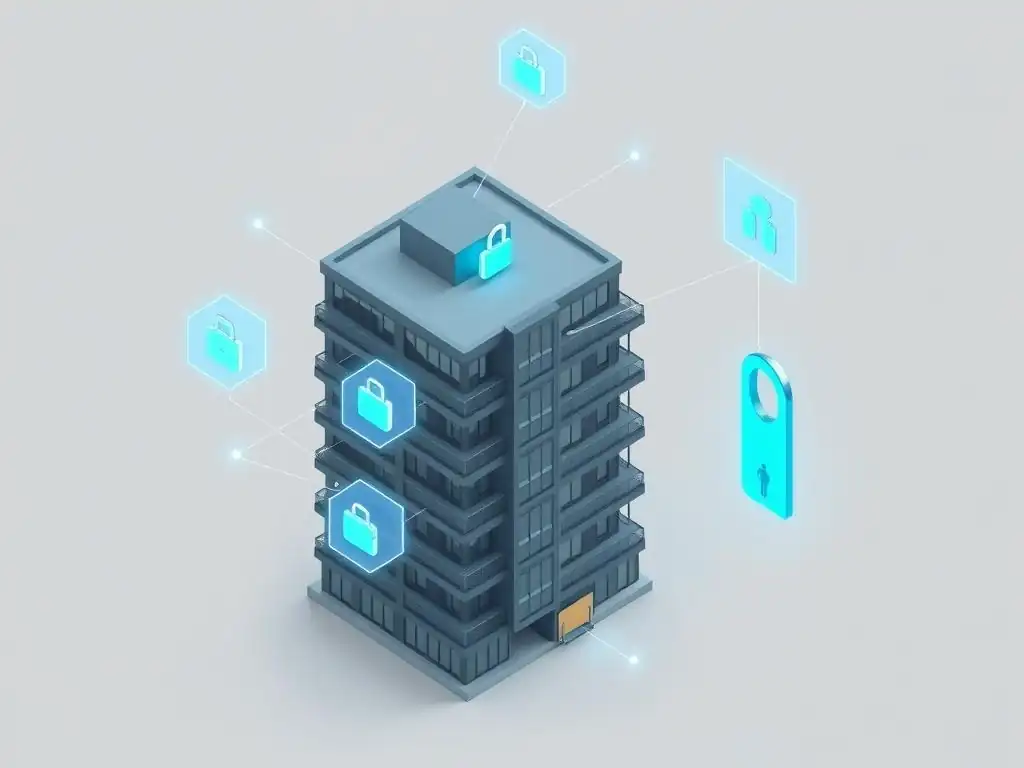
Regulatory Hurdles and Legal Frameworks
One of the most significant challenges facing blockchain real estate flexible ownership is the lack of clear regulatory frameworks in many jurisdictions. Real estate law is traditionally complex and varies significantly from country to country, and even state to state. Applying existing property laws, securities regulations (since tokens might be considered securities), and contract laws to novel blockchain-based ownership models and smart contracts is a major legal hurdle. Questions arise regarding token classification (utility token, security token, etc. ), the legal standing of smart contracts as binding agreements, and how to handle disputes or foreclosures in a decentralized system.
Governments and regulatory bodies are still in the early stages of understanding and legislating blockchain applications beyond cryptocurrencies. This regulatory uncertainty creates risks for investors and platforms operating in this space. Establishing clear legal precedents for tokenized property ownership, defining the rights and responsibilities of token holders versus traditional owners, and ensuring consumer protection within decentralized systems are critical steps needed for widespread adoption. Without clear legal backing, the enforceability and recognition of blockchain real estate flexible ownership remain a key challenge that requires collaboration between technologists, legal experts, and policymakers.
Scalability and Infrastructure Requirements
While blockchain technology has advanced rapidly, scalability remains a challenge for certain use cases, particularly those involving high transaction volumes or large amounts of data, like a global real estate market. Processing potentially millions of fractional ownership transactions, managing rental payments for numerous properties, and handling governance votes within a DAO require a robust and scalable blockchain infrastructure. Public blockchains like Ethereum, while popular for tokenization, have faced issues with network congestion and high transaction fees (gas costs), which could make frequent, small-value transactions (like daily rental payouts to numerous token holders) economically unfeasible.
Developing or utilizing more scalable blockchain solutions, such as Layer 2 scaling solutions or alternative blockchain protocols designed for higher throughput and lower costs, is essential for the practical implementation of widespread blockchain real estate flexible ownership. Furthermore, integrating the physical world of real estate with the digital world of blockchain requires reliable infrastructure for property valuation, legal compliance, and secure data storage (potentially off-chain with cryptographic proofs on-chain). Ensuring the security and reliability of the bridges between physical assets and their digital representations is also a critical technical consideration.
Security Risks and Mitigation Strategies for Tokenized Real Estate
Despite the inherent security features of blockchain, tokenized real estate is not without its security risks. Smart contracts, while powerful automation tools, are susceptible to coding errors or vulnerabilities that could be exploited, potentially leading to loss of funds or ownership rights. The security of the platform or marketplace used to issue and trade tokens is also paramount, as these can be targets for hacking. Furthermore, the security of users' digital wallets holding the tokens is crucial; loss of private keys means loss of access to assets, similar to losing physical property deeds without a backup.
Mitigating these risks requires rigorous security practices. Smart contracts must undergo thorough auditing by independent security experts before deployment. Platforms facilitating blockchain real estate flexible ownership must implement robust cybersecurity measures, including multi-factor authentication, cold storage for significant asset reserves, and regular penetration testing. Educating users on best practices for securing their digital wallets and private keys is also vital. While blockchain offers enhanced security for the ledger itself, the surrounding infrastructure and user practices are critical points that require continuous attention and improvement to ensure the safety of tokenized real estate assets.
Real-World Examples: Blockchain Real Estate Platforms Catering to the Gig Economy
RealT: Offering Fractional Ownership and Short-Term Rentals
RealT is a prominent example of a platform actively enabling blockchain real estate flexible ownership through fractionalization, with a model that can appeal to gig economy workers. The platform tokenizes U.S. properties, primarily single-family homes and duplexes, into ERC-20 tokens on the Ethereum blockchain (and increasingly, on the Gnosis Chain for lower fees). Each token represents a share of ownership in a specific property. Investors can purchase tokens representing as little as $50-$100 worth of property, significantly lowering the entry barrier.
RealT properties are typically rented out, often as long-term rentals, but some experiments with short-term rentals exist. Rental income is collected and then distributed automatically to token holders' digital wallets, typically on a weekly basis, via stablecoins. This provides token holders with passive income streams directly linked to the performance of the underlying physical asset.
The platform handles property management, legal compliance, and income distribution, simplifying the investment process for fractional owners. While not exclusively focused on gig workers, its low entry points and passive income model align well with the financial realities and desire for diversified, accessible investment options within that demographic seeking blockchain real estate flexible ownership.
Propy: Utilizing DAOs for Community-Based Property Management
Propy is another platform exploring the use of blockchain for real estate transactions, including implementing features relevant to flexible ownership and the gig economy, specifically through the concept of DAOs. Propy's core focus has been on streamlining the traditional real estate transaction process using blockchain for recording deeds and automating parts of the closing process via smart contracts. However, they have also introduced concepts and pilots around fractional ownership and decentralized governance.
Propy has demonstrated the ability to transfer property deeds via NFT (Non-Fungible Token) technology, and their platform architecture supports the potential for fractionalizing these property NFTs. More relevant to the gig economy's need for flexible management, Propy has explored using DAOs for community-based property governance.
This allows token holders (fractional owners) to participate in decisions regarding the property, moving towards a model where property management can be decentralized and transparently governed by the ownership community, a key aspect of potential blockchain real estate flexible ownership models for collective assets like co-living spaces or rental properties owned by a group of investors.
Atlant: Facilitating Global Real Estate Investment for Digital Nomads
Atlant is a platform that aimed to facilitate global real estate investment and property tokenization, with a vision that aligns well with the needs of digital nomads and location-independent gig workers. While the platform has faced development challenges, its initial concept centered on creating a decentralized platform for listing, buying, selling, and renting tokenized real estate worldwide. The idea was to allow investors from anywhere to easily invest in properties located in different countries by purchasing tokens.
For digital nomads and gig workers who frequently travel and earn income globally, a platform like Atlant, or others pursuing a similar vision, offers the potential to invest in real estate in diverse international markets without needing physical presence or navigating complex international legal systems manually. By tokenizing properties and standardizing the investment process on a blockchain, it becomes theoretically possible to buy fractional shares in a rental property in Bali, an apartment in Lisbon, or a co-working space in Medellín, all from a single platform.
This global accessibility is a crucial element in realizing the full potential of blockchain real estate flexible ownership for a mobile workforce.
The Future of Flexible Property Ownership with Blockchain
Predictions for the Growth of Blockchain Real Estate in the Gig Economy
Predictions for the growth of blockchain real estate, particularly models enabling flexible ownership, are overwhelmingly positive, albeit with caveats about regulatory clarity. Market reports consistently project significant growth in the tokenized real estate market over the next decade, with some estimates suggesting it could reach trillions of dollars in value globally. While the gig economy segment within this is harder to quantify precisely, the demographic trends driving the gig economy (flexibility, desire for alternative investments, tech savviness) align perfectly with the benefits offered by tokenized property.
As more platforms successfully navigate regulatory landscapes and demonstrate the practical benefits of lower costs, increased liquidity, and accessibility, adoption among gig workers and smaller investors is likely to accelerate. The increasing familiarity with digital assets and blockchain technology among younger generations entering the workforce also bodes well for the future of blockchain real estate flexible ownership. We can expect to see more diverse property types being tokenized, including commercial spaces, vacation rentals, and even infrastructure, offering an even wider range of investment opportunities for a mobile workforce.
Potential Integration with DeFi and Other Blockchain Applications
The future of blockchain real estate flexible ownership is also intrinsically linked to the broader decentralized finance (DeFi) ecosystem and other blockchain applications. Tokenized real estate assets can potentially be integrated into DeFi protocols, allowing owners to use their property tokens as collateral for loans, participate in yield farming (though this is complex with physical assets), or even be included in decentralized real estate investment funds. This integration would further enhance the liquidity and utility of tokenized property, offering gig workers more ways to leverage their real estate investments.
Beyond DeFi, integration with decentralized identity solutions could streamline KYC/AML processes for token purchases, while integration with decentralized autonomous organizations (DAOs) will become more sophisticated for property governance. Furthermore, combining tokenized ownership with blockchain-based rental platforms or property management systems could create a fully decentralized ecosystem for managing flexible living spaces and investments. This interoperability within the blockchain space will unlock new possibilities for how individuals interact with and benefit from blockchain real estate flexible ownership.
The Role of Blockchain in Creating More Equitable and Accessible Housing Markets
Ultimately, blockchain technology has the potential to play a transformative role in creating more equitable and accessible housing markets, particularly for populations historically excluded from traditional real estate investment. By lowering the capital barrier through fractional ownership, it allows individuals with modest incomes, including many gig economy workers, to participate in wealth creation through property appreciation and rental income. This could help bridge the wealth gap and provide a new avenue for financial security.
Moreover, the transparency and efficiency offered by blockchain can reduce opportunities for corruption and make transaction processes fairer. While challenges remain, particularly regarding regulatory adaptation and ensuring technological accessibility, the core principles of blockchain real estate flexible ownership – democratization, liquidity, and transparency – offer a compelling vision for a future where real estate investment and flexible living are within reach for a much wider segment of the global population, aligning well with the evolving needs of the modern gig economy workforce.
Conclusion: Empowering the Gig Economy with Blockchain Real Estate Solutions
Re-emphasizing the Potential of Blockchain for Flexible Ownership
The rise of the global gig economy necessitates innovative solutions across various sectors, and real estate is no exception. Traditional property ownership models are often too rigid, illiquid, and capital-intensive to suit the dynamic lifestyles and variable incomes of gig workers. Blockchain technology offers a powerful set of tools – tokenization, smart contracts, and DAOs – that can fundamentally reshape real estate, enabling genuinely flexible property ownership models. By lowering investment barriers, enhancing liquidity, reducing costs, and increasing transparency, blockchain makes real estate investment accessible and manageable for this growing workforce.
The concept of blockchain real estate flexible ownership is moving from theoretical discussion to practical implementation, as evidenced by platforms offering fractional ownership and exploring decentralized management. While significant challenges related to regulation, scalability, and security still need to be fully addressed, the foundational technology and the market demand from the gig economy are clear indicators of the potential for widespread adoption. Empowering gig workers with accessible, flexible, and secure ways to own and invest in real estate can contribute significantly to their financial stability and ability to thrive in a changing economic landscape.
Call to Action: Exploring Blockchain Real Estate Opportunities for Gig Workers
For gig economy workers seeking ways to build long-term wealth and secure their financial future amidst income variability, exploring the emerging field of blockchain real estate flexible ownership is a compelling opportunity. While due diligence is crucial – understanding the specific platforms, the underlying assets, regulatory compliance, and the risks involved – the potential benefits of low entry points, passive income streams, and increased liquidity are significant.
Research available platforms, understand the tokenization process, and consider how fractional ownership in diverse properties might fit into your personal financial strategy and nomadic lifestyle. The future of real estate is becoming more flexible, and blockchain is paving the way.
Frequently Asked Questions
How can blockchain facilitate flexible ownership in real estate?
Blockchain enables fractional ownership of properties through tokenization. This allows individuals to own a portion of a property without needing to purchase the entire asset, making real estate investment more accessible.
What are the potential benefits of decentralized real estate for gig economy workers?
Gig economy workers often lack stable income and traditional credit history. Blockchain real estate provides opportunities for them to accumulate real estate assets even with limited upfront capital, offering a new avenue for financial stability.
How does blockchain technology enhance transparency in real estate transactions?
Blockchain's immutable ledger ensures that all transactions and ownership records are transparent and verifiable. This reduces the risk of fraud and increases trust between buyers and sellers in the real estate market.
What are some of the current regulatory challenges facing blockchain-based real estate platforms?
Regulatory frameworks for blockchain real estate are still evolving. Issues like securities regulations and investor protection need to be addressed to ensure the responsible growth of this sector.
What is the future outlook for blockchain real estate, particularly regarding flexible ownership models?
The future looks promising, with increased adoption of tokenization and smart contracts expected to drive the growth of flexible ownership models. This could revolutionize how people invest in and utilize real estate assets globally.
Final Reflection: Embracing the Future of Property Ownership
The exploration of decentralized real estate and its connection to the gig economy reveals a potent synergy, highlighting the transformative potential of blockchain technology in democratizing property ownership. This isn't just about technological advancement; it's about reshaping how we interact with one of humanity's most fundamental needs: shelter and investment. The convergence of flexible work arrangements and flexible property ownership, facilitated by blockchain, promises a future where access to real estate is no longer limited by traditional barriers.
The impact of this shift extends far beyond mere financial transactions. It represents a fundamental change in how we perceive ownership, community, and financial security. The ability to participate in real estate investment, regardless of location or income, fosters a sense of empowerment and shared prosperity. The future of real estate is not about owning a piece of land, but about owning a piece of the experience.
This quote encapsulates the essence of decentralized real estate, where fractional ownership and shared access redefine the very meaning of property.
As we stand on the cusp of this new era, let us consider the implications of blockchain real estate flexible ownership for our own lives. How can we leverage these emerging technologies to create more equitable and accessible housing opportunities? How can we embrace the flexibility and freedom that decentralized systems offer? The future of property ownership is not predetermined; it is being shaped by our choices today. Let us choose to build a future where everyone has the opportunity to participate in the real estate market and build a secure financial future.
Unlock Your Real Estate Freedom Today!
Thank you for exploring the exciting possibilities of decentralized real estate and its connection to the gig economy. We hope you've gained insights into how blockchain technology is making property ownership more flexible and accessible. Now, it's time to take action!
Here are some ways to begin your journey:
- Research Platforms: Start exploring fractional ownership platforms that align with your investment goals. This is your first step toward owning a piece of the future.
- Discover Opportunities: Find local co-living or co-working spaces that accept cryptocurrency payments, and share your discoveries with others.
- Join the Conversation: Engage with fellow gig economy workers about your housing plans and ideas for innovative real estate models.
Which innovative real estate approach excites you the most, and how do you think it could transform your lifestyle and work? Share your thoughts in the comments below!
Leave a Reply