
Decentralized Real Estate Investment Trusts (REITs): A New Model for Portfolio Diversification?


Welcome to Blockchain Trends, your trusted source for insights into the evolving landscape of decentralized technologies! Ever wondered how blockchain is revolutionizing sectors beyond the crypto realm? This week, we delve into the exciting world of blockchain real estate investment trusts and explore how they are reshaping portfolio diversification strategies. Dive in to discover the potential of decentralized REITs and unlock a new era of property investment.
- Understanding Decentralized REITs (dREITs)
-
Frequently Asked Questions
- What are Decentralized REITs and how do they differ from traditional REITs?
- How does blockchain technology facilitate the creation and management of Decentralized REITs?
- What are the potential benefits of investing in Blockchain Real Estate Investment Trusts?
- What are the regulatory considerations surrounding Decentralized REITs?
- What is the future outlook for Blockchain Real Estate Investment Trusts and their impact on the real estate industry?
- Final Reflection: Embracing the Future of Real Estate
- Unleash Your Real Estate Potential!
Understanding Decentralized REITs (dREITs)
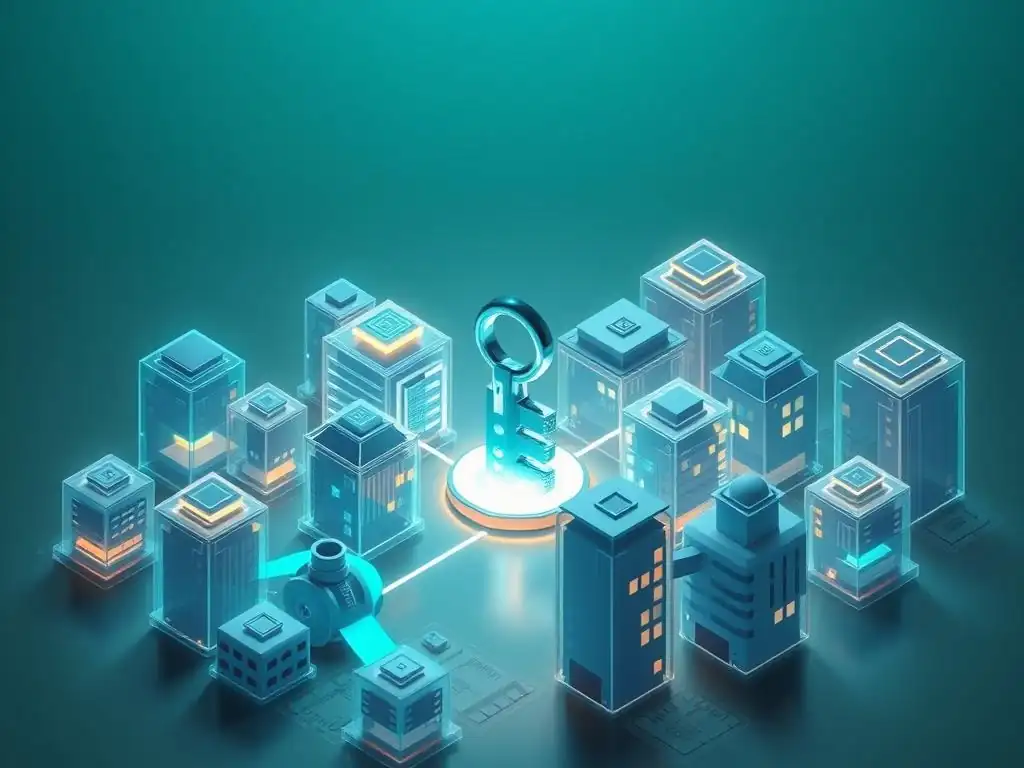
What are dREITs and How Do They Differ from Traditional REITs?
Decentralized Real Estate Investment Trusts, or dREITs, represent a novel approach to real estate investment, leveraging blockchain technology to tokenize underlying assets. Unlike traditional REITs, which are centralized entities that own, operate, or finance income-generating real estate and are typically traded on major stock exchanges, dREITs operate on decentralized networks.
This fundamental difference means that ownership is represented by digital tokens on a blockchain ledger rather than shares held by a brokerage or transfer agent. These tokens can represent fractional ownership in specific properties or portfolios, significantly lowering the barrier to entry for investors who might find the capital requirements of traditional real estate or REIT investments prohibitive.
The structure of a traditional REIT involves a central management team making investment decisions and handling property operations, with investors relying on the fund's performance and management expertise. Conversely, dREITs aim for greater transparency and, in some models, enable token holders to participate in governance decisions regarding the underlying assets or the platform itself.
While traditional REITs require significant capital, often thousands of dollars for minimum investments or share prices, dREIT platforms facilitate fractional ownership where investment minimums can be as low as $50 or $100, depending on the platform and asset. This democratization of access is a key differentiator for blockchain real estate investment trusts.
Key Features of dREITs: Transparency, Accessibility, and Efficiency
One of the most compelling features of dREITs is the enhanced transparency offered by blockchain technology. Every transaction, from the initial token issuance representing property ownership to the distribution of rental income or sale proceeds, is recorded on an immutable, public ledger. This allows investors to verify the ownership of the underlying assets, track income generation, and monitor distributions in a way that is often more accessible and verifiable than the reporting structures of traditional investment vehicles. This inherent transparency builds trust and reduces the reliance on intermediaries.
Accessibility is another cornerstone of the dREIT model. By tokenizing real estate assets, dREITs break down large, illiquid investments into smaller, more manageable digital units. This fractionalization allows individuals to invest in high-value properties or diverse real estate portfolios with relatively modest capital.
Furthermore, the global nature of blockchain networks means that investors from different geographical locations can potentially participate in real estate markets outside their immediate vicinity, subject to regulatory compliance. This global reach and lower entry point significantly expand the potential investor base for blockchain real estate investment trusts. Efficiency is also improved; the automation potential of smart contracts can streamline processes like income distribution and potentially reduce transaction costs and speed up settlement times compared to traditional real estate transactions which often involve extensive paperwork and multiple intermediaries.
The Role of Smart Contracts in Decentralized Real Estate Investment
Smart contracts are foundational to the operation of decentralized real estate investment trusts. These self-executing contracts, with the terms of the agreement directly written into code, automate critical processes within the dREIT ecosystem. For instance, a smart contract can be programmed to automatically distribute rental income generated by a tokenized property to all token holders proportionally to their ownership share. This eliminates the need for a central authority to manually calculate and disburse funds, reducing potential delays and human error.
Beyond income distribution, smart contracts can manage various aspects of the dREIT lifecycle. They can handle the tokenization process itself, ensuring that the correct number of tokens is issued corresponding to the value or equity of the underlying asset. They can also facilitate the transfer of tokens between investors on secondary markets, automating the ownership change on the blockchain ledger.
In some dREIT models, smart contracts can even be used to implement governance mechanisms, allowing token holders to vote on proposals related to property management, asset sales, or platform upgrades. The reliability and transparency of smart contract execution are crucial for the trust and functionality of blockchain real estate investment trusts.
Frequently Asked Questions
What are Decentralized REITs and how do they differ from traditional REITs?
Decentralized REITs, or Blockchain REITs, leverage blockchain technology to fractionalize ownership and streamline operations. They differ from traditional REITs by offering greater liquidity and lower barriers to entry for investors.
How does blockchain technology facilitate the creation and management of Decentralized REITs?
Blockchain enables tokenization of real estate assets, allowing for fractional ownership represented by digital tokens. Smart contracts automate distribution of dividends and governance processes, increasing transparency and efficiency.
What are the potential benefits of investing in Blockchain Real Estate Investment Trusts?
Investing in Blockchain REITs offers potential benefits such as increased accessibility to real estate investment, enhanced portfolio diversification, and reduced transaction costs compared to traditional methods.
What are the regulatory considerations surrounding Decentralized REITs?
Regulatory frameworks for Blockchain REITs are still evolving, presenting uncertainties regarding compliance requirements and investor protection. Careful consideration of jurisdictional regulations is crucial.
What is the future outlook for Blockchain Real Estate Investment Trusts and their impact on the real estate industry?
Blockchain REITs have the potential to revolutionize the real estate industry by democratizing access to investment opportunities and increasing market efficiency. Wider adoption hinges on regulatory clarity and technological advancements.
Final Reflection: Embracing the Future of Real Estate
The exploration of Decentralized REITs reveals a paradigm shift in how we perceive and access real estate investment. The convergence of blockchain technology and traditional REIT structures promises to democratize access, enhance transparency, and unlock unprecedented liquidity in the real estate market. This isn't just a theoretical exercise; it's a glimpse into a future where investment opportunities are more inclusive and efficient, reshaping the landscape for both seasoned investors and newcomers alike.
The potential of Blockchain REITs to disrupt the status quo is undeniable. This exploration has reinforced my belief that innovation, particularly when applied to fundamental sectors like real estate, can create profound positive change. The ability to fractionalize ownership and streamline transactions through blockchain technology offers a compelling alternative to traditional investment models. The future belongs to those who believe in the beauty of their dreams.
- Eleanor Roosevelt. This quote resonates deeply as we consider the transformative potential of Decentralized REITs to make real estate investment a reality for a wider audience.
As we stand on the cusp of this new era, I invite you to consider the implications of Decentralized REITs for your own financial future. Explore the possibilities, research the platforms, and engage in thoughtful discussions about the potential benefits and challenges. The future of real estate investment is being written now, and your understanding and participation can help shape a more equitable and accessible landscape for all. Embrace the opportunity to learn, adapt, and contribute to this exciting evolution.
Unleash Your Real Estate Potential!
Thank you for exploring the world of decentralized real estate investment and discovering how it can transform portfolio diversification. Now that you understand the advantages, it's time to take action and explore your options.
Here are a few steps you can take right now:
- Research existing decentralized real estate platforms. Focus on their investment offerings, security measures, and user feedback to find opportunities aligned with your investment goals.
- Join online communities dedicated to blockchain-based real estate investing. Share insights and connect with fellow investors.
- Attend industry conferences or webinars focused on blockchain technology and real estate to expand your network and stay updated on emerging trends.
Are you ready to start building your decentralized real estate portfolio?
Leave a Reply