
Demystifying Property Tokenization: A Beginner's Guide to Blockchain Real Estate Assets


Welcome to Blockchain Trends, your guide to understanding the revolutionary impact of blockchain technology!
Intrigued by the idea of owning a piece of property without the traditional complexities? You've come to the right place. This week, we're diving deep into the world of blockchain real estate tokenization benefits. Discover how fractional ownership, increased liquidity, and streamlined processes are reshaping the real estate landscape. Is this the future of property investment? Let's explore together and unlock the potential of decentralized real estate!
- How Real Estate Tokenization Works: A Step-by-Step Overview
- Exploring the Different Types of Real Estate Tokens
- Real-World Examples of Successful Property Tokenization Projects
- Addressing the Challenges and Risks of Real Estate Tokenization
- The Future of Blockchain in Real Estate: Tokenization and Beyond
- Investing in Tokenized Real Estate: A Guide for Beginners
- Conclusion: Embracing the Potential of Blockchain Real Estate Tokenization Benefits
-
Frequently Asked Questions
- What is blockchain real estate tokenization and how does it work?
- What are the main Blockchain real estate tokenization benefits for investors?
- How does blockchain technology enhance the security and transparency of real estate transactions?
- What are the potential regulatory challenges associated with tokenizing real estate assets?
- Beyond individual investors, how can enterprise applications of blockchain real estate tokenization benefit larger real estate companies?
- Final Reflection: Embracing the Future of Real Estate
- Unlock Your Real Estate Future: Explore Tokenization!
How Real Estate Tokenization Works: A Step-by-Step Overview
Understanding the process of tokenizing a physical property is crucial for appreciating the blockchain real estate tokenization benefits. It's not simply listing a property online; it involves a structured approach combining legal frameworks, technical execution on a blockchain, and market strategies. This multi-stage process transforms illiquid assets into divisible, tradeable digital tokens.
The tokenization journey typically begins with identifying a suitable asset and performing extensive due diligence, similar to traditional real estate transactions but with added layers related to digital asset compliance. Legal structures must be established to link the physical asset to the digital tokens, ensuring that token holders possess legitimate rights or claims over the underlying property or its income streams. Following these foundational steps, the technical creation and distribution of the tokens take place on a chosen blockchain network.
Selecting a Property for Tokenization
The initial step involves selecting a property that is suitable for tokenization. Not all properties are ideal candidates; factors like market value, potential income generation, legal title clarity, and the specific goals of the tokenization project (e.g., raising capital, enabling fractional ownership) play significant roles. Commercial properties, large developments, or portfolios are often preferred due to their scale and potential to attract a broader investor base, though residential properties are also being tokenized.
For example, a high-value commercial building in a prime location, valued at, say, $50 million, might be considered. The clear title, established income stream from leases, and potential for appreciation make it an attractive underlying asset for tokenization. The legal structure around the property, such as an LLC or SPV (Special Purpose Vehicle), must be reviewed or established to hold the property and issue security tokens representing ownership or economic rights in that entity, thereby benefiting from blockchain real estate tokenization benefits like increased liquidity and access.
Legal and Regulatory Considerations for Tokenized Real Estate
Navigating the legal and regulatory landscape is arguably the most complex part of the tokenization process. Real estate and securities laws vary significantly by jurisdiction, and the intersection with nascent digital asset regulations creates a challenging environment. Projects must determine whether their tokens are classified as securities, requiring compliance with relevant securities regulations, including registration requirements or exemptions (like Regulation D or Regulation S in the US).
Compliance involves rigorous Know Your Customer (KYC) and Anti-Money Laundering (AML) procedures for investors. Furthermore, the legal framework must clearly define the rights of token holders – whether they represent direct equity ownership, a share in rental income, or a debt position. Failure to adhere to these regulations can lead to significant legal penalties and invalidate the entire tokenization effort, underscoring the need for expert legal counsel familiar with both real estate and blockchain law in every target market.
Creating and Issuing Real Estate Tokens on a Blockchain Platform
Once the legal structure is in place and the property is vetted, the technical process of creating the digital tokens begins. This involves choosing a suitable blockchain platform, such as Ethereum, Binance Smart Chain, or Tezos, based on factors like security, transaction speed, costs (gas fees), and smart contract capabilities. Most real estate tokens are issued as security tokens, often following standards like ERC-20 or ERC-1400 on Ethereum, which are designed for regulated assets and include features like transfer restrictions.
Smart contracts are the backbone of the tokenization process. These self-executing contracts, with the terms of the agreement directly written into code, automate the rules governing the tokens – such as dividend distribution, voting rights (if applicable), and transfer restrictions. Developing and auditing these smart contracts is critical to prevent vulnerabilities. A typical smart contract audit by a reputable firm can cost anywhere from $10,000 to $100,000 or more, depending on complexity, highlighting the technical rigor involved in securing the blockchain real estate tokenization benefits.
Offering and Trading Tokenized Real Estate Assets
With the tokens created and the legal framework finalized, the next step is offering the tokens to investors. This is often done through a Security Token Offering (STO) or a private placement, depending on the target investor base (retail vs. accredited investors) and regulatory strategy. The offering details the terms of the investment, the property information, risks, and the rights associated with the tokens.
After the initial offering, a crucial aspect for investors is the ability to trade their tokens. This requires listing the tokens on regulated Security Token Exchanges (STOs) or Alternative Trading Systems (ATSs). The liquidity of tokenized real estate assets heavily depends on the volume and activity on these secondary markets. While still less liquid than traditional stock markets, the potential for increased liquidity compared to physical real estate is one of the primary blockchain real estate tokenization benefits, enabling investors to buy or sell fractional ownership more easily than dealing with traditional property sales.
Exploring the Different Types of Real Estate Tokens
Real estate tokenization can take several forms, each representing a different type of underlying financial instrument or right associated with the property. The type of token issued dictates the rights and potential returns for the token holder. Understanding these distinctions is key for investors looking to leverage the blockchain real estate tokenization benefits for specific investment goals, whether seeking income, capital appreciation, or other property-related access.
The classification of real estate tokens is often linked to how traditional assets are structured. They can represent equity, debt, or, less commonly, utility rights. Each type serves a distinct purpose within the real estate investment lifecycle and appeals to different investor profiles and risk appetites. The choice of token type is determined by the property owner's objectives for tokenization and the desired relationship with the token holders.
Equity tokens represent fractional ownership in the property itself or in the legal entity (like an SPV) that owns the property. Holding equity tokens is analogous to owning shares in a company that holds real estate assets. As owners, equity token holders may be entitled to a portion of the rental income generated by the property (distributed as dividends) and a share of the profits from the property's eventual sale or appreciation.
For instance, if a property is tokenized into 1 million equity tokens, holding 1,000 tokens would represent 0.1% ownership in the underlying asset or entity. These token holders typically have voting rights on certain property-related matters, proportional to their holdings, similar to corporate shareholders. The value of equity tokens is directly tied to the performance and market value of the underlying real estate, offering the potential for both income generation and capital gains, embodying significant blockchain real estate tokenization benefits for fractional investors.
Debt Tokens: Participating in Property Financing
Debt tokens represent a loan made to the property owner or developer, secured by the underlying real estate asset. When you purchase a debt token, you are essentially acting as a lender, and the token represents your portion of the loan. These tokens typically entitle the holder to regular interest payments, similar to bondholders, and the return of the principal amount at the maturity of the loan.
This model allows property developers or owners to raise capital for acquisition, development, or refinancing projects by issuing tokenized debt instead of seeking traditional bank loans or issuing bonds on conventional markets. An example could be a developer tokenizing a $10 million construction loan into 100,000 debt tokens, each priced at $100, offering a fixed annual interest rate of 7%. These tokens provide investors with a predictable income stream and a claim on the property's value in case of default, offering a different avenue for participation in real estate finance through the blockchain.
Utility tokens in the real estate context are less common than equity or debt tokens. When used, they typically grant holders access to specific services, amenities, or usage rights related to a property, rather than representing ownership or a financial claim on the asset itself. Their value is derived from their utility within a specific ecosystem or property.
An example might be a token issued for a shared co-working space or a vacation property. Holders could use the tokens to book desk time, reserve amenities, or gain discounted access to services. While not directly offering financial returns based on property value or income in the way equity or debt tokens do, they leverage blockchain for access management and potentially loyalty programs. The primary blockchain real estate tokenization benefits here relate to efficient access control and community building around a property's use.
Real-World Examples of Successful Property Tokenization Projects
Examining actual projects provides valuable insight into how blockchain real estate tokenization benefits are being realized in practice. These case studies demonstrate the diverse applications of tokenization, from luxury resorts to residential portfolios, and highlight the potential for increased accessibility and liquidity in the market. While challenges remain, these examples showcase the pioneering efforts shaping the future of real estate investment.
These early projects have paved the way by navigating complex legal, technical, and market hurdles. They offer tangible proof points for the theoretical advantages of tokenization, such as enabling fractional ownership for high-value assets and streamlining investment in traditionally illiquid markets. Their successes and lessons learned are crucial for the broader adoption of tokenized real estate assets.
Case Study 1: Elevated Returns – Tokenization of St. Regis Aspen Resort
One of the earliest and most notable examples of real estate tokenization is the St. Regis Aspen Resort in Colorado. Elevated Returns, a real estate asset management company, tokenized approximately $18 million worth of equity in the luxurious resort in 2018. The offering allowed accredited investors to purchase security tokens, known as Aspen Coin (ASP), representing indirect ownership in the limited partnership that owns the resort.
The tokenization aimed to provide broader access to investment in a prime, high-value asset that would typically be out of reach for most investors. The offering was conducted under Regulation D (506c), targeting US accredited investors, and Regulation S for international investors. While secondary market trading faced initial challenges, the project successfully demonstrated the potential of tokenizing fractional equity in a trophy asset, highlighting the potential blockchain real estate tokenization benefits for high-net-worth assets.
Case Study 2: RealT – Tokenized Residential Properties in Detroit
RealT has emerged as a prominent platform specializing in tokenizing single-family rental properties, primarily in Detroit, Michigan. The company acquires residential properties, places each property into a US-based Limited Liability Company (LLC), and then issues security tokens representing fractional ownership in the LLC. Each token typically represents a small fraction, often around $50-$100 per token, making investment highly accessible.
RealT's model focuses on providing investors worldwide with easy access to US real estate rental income. Token holders receive weekly rental income distributions, paid out in stablecoins (like USDC) to their digital wallets. By tokenizing properties into small, affordable units, RealT significantly lowers the barrier to entry for real estate investment, allowing individuals to own a piece of multiple properties with relatively small capital, showcasing the democratization aspect of blockchain real estate tokenization benefits. As of early 2023, RealT had tokenized hundreds of properties, attracting investors from over 100 countries.
Addressing the Challenges and Risks of Real Estate Tokenization
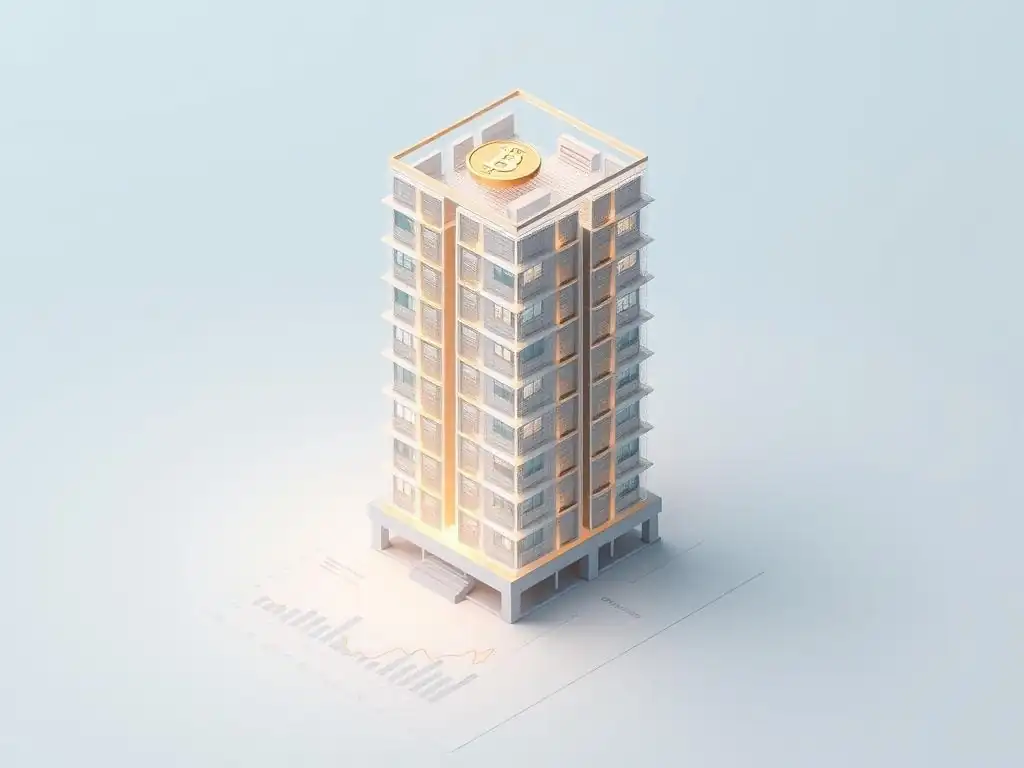
Despite the significant blockchain real estate tokenization benefits, the path to widespread adoption is not without its obstacles. Several challenges and risks must be carefully considered and mitigated by platforms, investors, and regulators alike. These include navigating the complexities of legal frameworks, ensuring the security of the underlying technology, and addressing market-specific issues.
Understanding these potential pitfalls is essential for anyone involved in the tokenized real estate space. While technology offers innovative solutions, the established nature of real estate markets and the evolving landscape of digital asset regulation require careful planning and execution. Addressing these challenges head-on will be crucial for the long-term success and stability of the tokenized real estate market.
Regulatory Uncertainty and Compliance Issues
One of the most significant hurdles is the lack of a clear, globally consistent regulatory framework for security tokens and tokenized real estate. Different jurisdictions classify and regulate these assets differently, creating complexity for cross-border transactions and offerings. Determining whether a token constitutes a security and complying with the relevant offering and trading regulations (like prospectus requirements, exchange licensing, etc.) can be time-consuming and expensive.
For instance, the US Securities and Exchange Commission (SEC) has taken the stance that most security tokens are subject to existing securities laws, requiring issuers to comply with registration requirements or qualify for specific exemptions. Similarly, regulators in Europe, Asia, and other regions are developing their approaches, leading to a patchwork of rules. Navigating this environment requires expert legal counsel and robust compliance protocols, adding substantial costs, potentially ranging from tens of thousands to hundreds of thousands of dollars per offering, impacting the cost-efficiency of blockchain real estate tokenization benefits.
Security Risks and Vulnerabilities in Blockchain Systems
While blockchain technology is inherently secure due to its decentralized and cryptographic nature, the systems built on it can be vulnerable. Smart contracts, which automate the terms of tokenized agreements, can contain bugs or flaws if not properly written and audited, potentially leading to loss of funds or unintended execution of terms. The platforms used for issuing and trading tokens can also be targets for hacking attempts.
Furthermore, the security of an investor's tokens depends on the security of their private keys. Loss or theft of private keys can result in irreversible loss of access to the tokens. Although blockchain itself is robust, the surrounding infrastructure – wallets, exchanges, smart contract code – requires rigorous security measures. High-profile hacks in the broader crypto space, like the estimated $625 million loss from the Ronin Network breach in 2022, serve as stark reminders of the potential security risks in the digital asset ecosystem that must be carefully addressed in tokenized real estate projects.
Market Volatility and Liquidity Concerns
While a core promise of tokenization is enhanced liquidity, the secondary markets for real estate tokens are still nascent compared to traditional stock or bond markets. Finding buyers and sellers for specific property tokens can be challenging, potentially leading to wide bid-ask spreads or difficulty exiting an investment quickly at the desired price. The liquidity of a token is highly dependent on the trading volume on the platforms where it is listed.
Moreover, the value of real estate tokens is fundamentally tied to the underlying property's performance and market conditions. However, in some cases, the value of security tokens can also be influenced by the broader sentiment and volatility in the cryptocurrency markets, especially if traded on platforms primarily used by crypto investors. This dual exposure – to real estate market dynamics and potentially crypto market sentiment – adds a layer of complexity and risk that traditional real estate investors may not be accustomed to, potentially impacting the perceived blockchain real estate tokenization benefits related to stable value.
The Future of Blockchain in Real Estate: Tokenization and Beyond
The trajectory of blockchain technology in the real estate sector points towards increasing adoption, with tokenization serving as a major catalyst for change. As regulatory clarity improves and technology matures, tokenized real estate assets are expected to become a more mainstream investment option, transforming how properties are bought, sold, and managed.
Beyond tokenization of ownership and debt, blockchain's immutable ledger and smart contract capabilities hold the potential to revolutionize other aspects of the real estate lifecycle, from property management to title registry. The long-term impact could be a more efficient, transparent, and accessible global real estate market, unlocking previously untapped blockchain real estate tokenization benefits.
The Growing Adoption of Tokenized Real Estate Assets
Market projections indicate significant growth in the tokenized real estate sector. Some reports estimate the tokenized real estate market size could reach tens of billions of dollars within the next few years, driven by increasing investor awareness, the emergence of more sophisticated platforms, and greater regulatory acceptance. As more successful projects come online and demonstrate the practical blockchain real estate tokenization benefits, institutional investors are also beginning to explore this asset class.
The increasing number of platforms dedicated to real estate tokenization globally, offering diverse property types and investment structures, signals market expansion. From commercial buildings in New York and luxury apartments in Dubai to residential portfolios in Europe, tokenization is being applied across different property classes and geographies, making real estate investment more globally accessible than ever before.
The Impact of Tokenization on Traditional Real Estate Markets
Real estate tokenization has the potential to disrupt traditional market structures significantly. By enabling fractional ownership, it expands the pool of potential investors beyond high-net-worth individuals and institutions, democratizing access. This increased demand could potentially impact property valuations and market dynamics, especially for assets previously considered illiquid.
Furthermore, tokenization can streamline and accelerate transaction processes. Traditional real estate transactions can take weeks or even months to close, involving multiple intermediaries and extensive paperwork. Tokenized transactions, governed by smart contracts and recorded on a blockchain, could potentially be settled in days or hours, dramatically reducing transaction costs and friction. While intermediaries like brokers and title companies may still play roles, their functions could evolve, with some processes being automated, further enhancing the efficiency blockchain real estate tokenization benefits.
Emerging Trends in Blockchain Property Management
Beyond investment and transactions, blockchain is poised to impact property management. Smart contracts can automate rental agreements, rent collection, and even maintenance payments based on predefined conditions. An immutable blockchain ledger can provide a transparent and tamper-proof record of all property-related activities, including maintenance history, repairs, and compliance checks.
Emerging platforms are exploring using tokens for property access control, fractional rental income distribution directly to token holders' wallets, and even creating decentralized autonomous organizations (DAOs) for collective decision-making on property management issues among token holders. These innovations leverage blockchain's core capabilities – transparency, automation, and security – to create more efficient and trustworthy property management systems, adding another layer to the overall blockchain real estate tokenization benefits lifecycle.
Investing in Tokenized Real Estate: A Guide for Beginners
For newcomers interested in exploring the blockchain real estate tokenization benefits by investing in tokenized assets, a cautious and informed approach is essential. While the potential is exciting, it's a relatively new market with unique characteristics and risks compared to traditional real estate or stock market investments.
Prospective investors should undertake thorough due diligence on the specific investment opportunity, the platform facilitating the tokenization, and understand the legal and tax implications involved. This section provides a basic roadmap for beginners looking to enter this innovative space.
Due Diligence and Risk Assessment
Before investing in any tokenized property, conducting comprehensive due diligence is paramount. This involves researching the underlying physical property itself – its location, market value, income-generating potential, and any existing liens or encumbrances. Investors should also scrutinize the legal structure of the tokenization project, understanding exactly what rights the token conveys (equity, debt, etc.) and the legal entity holding the property.
Assessing the risks involves evaluating not only the real estate market risks (e.g., property value fluctuations, rental market changes) but also the specific risks associated with tokenization. These include regulatory risks, platform risks (security, operational reliability), smart contract risks, and liquidity risks in the secondary market. A beginner might start by investing a small amount in a well-established platform with a track record, carefully reviewing all offering documents, similar to reviewing a prospectus for a traditional investment.
Choosing a Reputable Tokenization Platform
Selecting a trustworthy and compliant tokenization platform is a critical step. The platform serves as the marketplace for discovering investment opportunities, facilitating the token purchase, and sometimes managing aspects like income distribution. Key factors to consider include the platform's regulatory compliance (are they registered as an ATS or broker-dealer if required? ), their security measures, the track record of past offerings, the quality of due diligence they perform on listed properties, and their fee structure.
Researching platforms like RealT, Securitize Markets, or other regulated entities operating in your jurisdiction is advisable. Look for platforms that provide transparent information about the property, the token structure, and the risks involved. Checking for positive reviews, regulatory licenses, and robust security audits can help a beginner investor make a more informed decision when seeking blockchain real estate tokenization benefits.
Understanding the Legal and Tax Implications
Investing in tokenized real estate has legal and tax implications that differ from traditional property ownership or stock investments. Token holders need to understand how income generated from the property (like rental distributions) and capital gains from selling tokens will be taxed in their country of residence. This can be complex, especially for cross-border investments.
In the US, for instance, distributions from tokenized real estate held in an LLC might be treated differently for tax purposes than dividends from a corporation. Capital gains tax rules will apply when tokens are sold for a profit. Investors should consult with a tax professional experienced in digital assets and real estate to understand their specific obligations. Legal advice may also be necessary to fully grasp the rights and responsibilities associated with holding the tokens, ensuring investors fully benefit from the intended blockchain real estate tokenization benefits without unforeseen legal burdens.
Conclusion: Embracing the Potential of Blockchain Real Estate Tokenization Benefits
Blockchain real estate tokenization presents a compelling evolution in how property assets can be owned, managed, and traded. By leveraging the inherent characteristics of blockchain technology – transparency, security, and immutability – tokenization addresses several long-standing challenges in the traditional real estate market, primarily the lack of liquidity and high barriers to entry.
The key blockchain real estate tokenization benefits, such as enabling fractional ownership, streamlining transactions, and potentially reducing costs, are driving innovation and opening up real estate investment to a wider global audience. While regulatory clarity and market maturity are still developing, the real-world examples and growing adoption demonstrate a clear trajectory towards a more accessible and efficient future for real estate. As the market matures and challenges are addressed, the transformative potential of tokenized real estate assets is set to reshape the industry landscape significantly.
Frequently Asked Questions
What is blockchain real estate tokenization and how does it work?
Tokenization involves converting real estate ownership into digital tokens on a blockchain. Each token represents a fractional ownership share in the property, making it easier to buy, sell, and manage.
What are the main Blockchain real estate tokenization benefits for investors?
Tokenization offers increased liquidity, lower investment minimums, and greater accessibility to real estate investments. It also enables portfolio diversification and potentially faster transaction speeds.
How does blockchain technology enhance the security and transparency of real estate transactions?
Blockchain's immutable ledger ensures that all transactions are recorded securely and transparently. This reduces the risk of fraud and increases investor confidence in the real estate market.
What are the potential regulatory challenges associated with tokenizing real estate assets?
Regulatory frameworks are still evolving, and compliance with securities laws can be complex. Understanding the legal implications in different jurisdictions is crucial for tokenization projects.
Beyond individual investors, how can enterprise applications of blockchain real estate tokenization benefit larger real estate companies?
Tokenization can streamline asset management, improve operational efficiency, and facilitate global investment opportunities for large real estate companies, ultimately reducing costs and increasing revenue.
Final Reflection: Embracing the Future of Real Estate
The journey through property tokenization, as explored in this guide, reveals a profound shift in how we perceive and interact with real estate. The democratization of investment opportunities, once confined to a select few, is now within reach for a broader audience, thanks to the innovative application of blockchain technology. This isn't just about technological advancement; it's about reshaping the very foundations of wealth creation and access.
This transformation is already underway, subtly but surely influencing the cultural and social landscape of investment. Witnessing this evolution firsthand underscores the importance of understanding and embracing these new paradigms. The future is already here – it's just not evenly distributed.
- William Gibson. This quote resonates deeply as we consider the potential of blockchain real estate tokenization to bridge the wealth gap and empower individuals to participate in previously inaccessible markets.
As we conclude this exploration, I invite you to consider the implications of this technology for your own financial future. How can you leverage the benefits of blockchain real estate tokenization to diversify your portfolio, access new investment opportunities, and contribute to a more equitable and accessible real estate market? The future of real estate is being written now; be a part of shaping it.
Unlock Your Real Estate Future: Explore Tokenization!
Thank you for exploring the world of property tokenization! We hope this guide has helped you understand how blockchain is transforming real estate and given you a solid foundation to build upon. Now, it's time to take the next step!
Consider researching specific tokenized real estate projects that interest you to gain insight into their performance and practical applications. Additionally, explore different blockchain platforms that enable property tokenization to see the variety of opportunities available. Share your thoughts on the future of real estate tokenization with your network and join the conversation in the comments below.
Are you ready to explore investment opportunities in tokenized real estate, or do you believe this trend is just a passing fad?
Leave a Reply