
The Evolution of Real Estate Contracts: From Paper to Smart Code

Welcome to Blockchain Trends, your compass in the ever-evolving landscape of decentralized technologies! Dive in and discover how blockchain is reshaping industries beyond just cryptocurrencies.
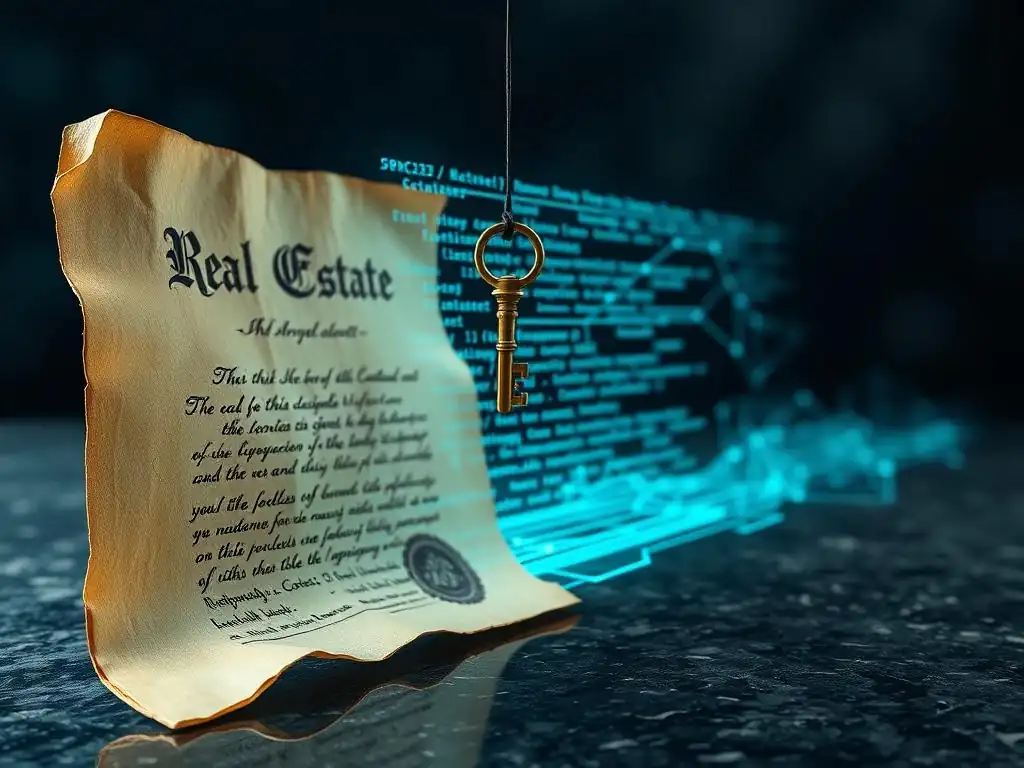
Ever wondered how blockchain can revolutionize the way we buy and sell property? This week, we're unlocking the potential of blockchain real estate smart contracts, exploring how they're streamlining transactions, enhancing security, and paving the way for a more transparent and efficient future. Intrigued? Let's delve into the evolution of real estate contracts and see how code is building the foundation for a new era of property ownership.
The Evolution of Real Estate Contracts: From Paper to Smart Code
- Blockchain Real Estate Smart Contracts: A Revolution in Property Transactions
- The Dawn of Smart Contracts in Real Estate: A New Era
- Key Benefits of Using Blockchain Real Estate Smart Contracts
- Real-World Applications of Blockchain-Based Real Estate Contracts
- Challenges and Considerations for Implementing Smart Contracts in Real Estate
- The Future of Real Estate Transactions: Powered by Smart Contracts
- Conclusion: Embracing the Transformation of Real Estate with Blockchain and Smart Contracts
-
Frequently Asked Questions
- What are Blockchain Real Estate Smart Contracts and how do they differ from traditional contracts?
- How can Blockchain Real Estate Smart Contracts streamline the real estate transaction process?
- What are the key benefits of using Blockchain Real Estate Smart Contracts for buyers and sellers?
- What are some of the current challenges hindering the widespread adoption of Blockchain Real Estate Smart Contracts?
- How might Blockchain Real Estate Smart Contracts impact the future of the real estate industry?
- Final Reflection: Embracing the Future of Property Ownership
- Embrace the Future: Master Real Estate's Blockchain Revolution!
Blockchain Real Estate Smart Contracts: A Revolution in Property Transactions
Understanding the Traditional Real Estate Contract Process
The traditional real estate transaction process is a complex, multi-step journey that has evolved over centuries. It typically begins with an offer and acceptance, leading to a purchase agreement, often a lengthy paper document drafted by legal professionals. This agreement outlines the terms, price, contingencies (like financing or inspections), and timeline for the transaction. Following the contract signing, a period of due diligence commences, involving inspections, appraisals, and title searches.
This phase requires significant manual effort and coordination between various parties: buyers, sellers, real estate agents, lawyers, escrow officers, inspectors, appraisers, and lenders. Each step generates more paperwork and requires signatures, notarizations, and physical exchange of documents. The process culminates in closing, where all conditions are met, funds are transferred, and the deed is recorded, usually involving a physical meeting and a large stack of documents to sign. This reliance on manual steps and intermediaries contributes to the process's duration and cost.
The Pain Points of Traditional Real Estate Agreements: Delays, Costs, and Lack of Transparency
Traditional real estate transactions are notoriously slow and expensive. The average closing time for a residential property in the United States, for example, can range from 30 to 60 days, sometimes extending longer due to complications with financing, title issues, or contingent sales. Each intermediary involved adds to the cost, with fees for agents, lawyers, title companies, escrow services, and recording fees potentially totaling 5-10% or more of the property's value.
Furthermore, the process often suffers from a lack of transparency. Information is siloed between parties, and tracking the progress of contingencies or document flow can be challenging. This opacity can lead to misunderstandings, delays, and even fraud. The reliance on paper documents also introduces risks of loss, damage, or alteration, and verifying the authenticity of signatures and documents can be cumbersome. These inherent inefficiencies and vulnerabilities highlight the need for a more modern, secure, and streamlined approach to real estate contracts.
The Dawn of Smart Contracts in Real Estate: A New Era
What are Smart Contracts? A Brief Overview for Real Estate Professionals
Smart contracts are self-executing contracts with the terms of the agreement directly written into lines of code. This code resides on a blockchain, a decentralized, immutable ledger. Unlike traditional contracts which rely on legal frameworks and human enforcement, smart contracts automatically execute actions (like transferring funds or property ownership) when predefined conditions are met. Think of them as automated escrow agents or digital lawyers that follow instructions precisely as coded.
For real estate professionals, this means a smart contract could hold funds in escrow, verify that a title search is complete, or automatically transfer ownership rights on the blockchain upon receiving payment. The logic is simple: IF condition X is met (e.g., payment received), THEN action Y occurs (e.g., transfer asset). This removes the need for intermediaries to manually verify conditions and execute actions, reducing potential for error and delay.
How Blockchain Technology Enables Secure and Transparent Real Estate Smart Contracts
Blockchain technology provides the foundational security and transparency necessary for effective blockchain real estate smart contracts. The decentralized nature of a blockchain means that the contract code and the transaction history are distributed across a network of computers, making it virtually impossible for any single entity to alter or delete the data unilaterally. This immutability ensures that once a smart contract is deployed and executed, its record is permanent and verifiable.
Furthermore, blockchain's transparency allows relevant parties (with appropriate permissions) to view the smart contract's code and track its execution in real-time on the distributed ledger. This shared, tamper-proof record eliminates information asymmetry and builds trust among participants. The cryptographic security inherent in blockchain technology also protects the integrity of the data and the identity of the parties involved (typically represented by cryptographic addresses), providing a robust environment for executing sensitive real estate transactions.
Key Benefits of Using Blockchain Real Estate Smart Contracts
Reduced Transaction Costs with Automated Smart Contracts
One of the most compelling benefits of implementing blockchain real estate smart contracts is the potential for significant cost reduction. Traditional real estate transactions involve numerous fees paid to intermediaries such as lawyers, title companies, and escrow agents. While some legal oversight might still be necessary, smart contracts can automate many of the functions traditionally performed by these parties, particularly escrow and title verification processes.
By directly encoding the terms and execution logic into code, smart contracts minimize the need for manual verification and coordination between multiple paid service providers. Estimates vary, but some analyses suggest that automating parts of the process with blockchain property contracts could potentially reduce transaction costs by 1-3% of the property value, representing substantial savings on high-value assets. This efficiency gain directly translates into lower closing costs for both buyers and sellers.
Increased Transparency and Security in Property Deals
Blockchain technology inherently provides a high level of transparency and security, which is critical for sensitive real estate deals. When a real estate smart contract is deployed on a public or permissioned blockchain, the code is visible to all participating parties, ensuring that the terms are clear and agreed upon. Once the contract begins execution, the transaction history is immutably recorded on the distributed ledger.
This immutable record prevents retroactive changes or fraudulent alterations to the agreement or transaction details. Every step, from the deposit of earnest money to the final transfer of ownership, is logged and verifiable by all relevant parties. This shared, tamper-proof ledger significantly enhances trust and reduces the potential for disputes arising from conflicting records or hidden information, making blockchain real estate smart contracts a more secure alternative to traditional methods.
Streamlined Processes and Faster Closings Through Smart Contract Automation
The automation capabilities of blockchain real estate smart contracts directly contribute to a more streamlined and faster transaction process. Instead of waiting for intermediaries to manually verify conditions, exchange documents, and coordinate fund transfers, smart contracts can execute these steps automatically once the predefined triggers are met. For instance, a smart contract can be programmed to automatically release earnest money from escrow once inspection contingencies are waived and financing is secured.
This automation drastically reduces the delays often experienced in traditional closings. While a standard closing might take 30-60 days, transactions using smart contracts for real estate could potentially be completed in a matter of days or even hours, depending on the complexity and the integration with external data sources (like land registries or banks). This speed and efficiency free up capital and allow parties to finalize deals much more quickly.
Minimizing Fraud and Disputes with Immutable Blockchain Records
Fraud and disputes are unfortunate realities in the traditional real estate market, often stemming from forged documents, title issues, or disagreements over contractual terms. The immutable nature of blockchain records is a powerful tool for minimizing these risks when using blockchain real estate smart contracts. Once a transaction or condition is recorded on the blockchain, it cannot be altered or deleted.
This permanent and verifiable ledger provides an undeniable source of truth regarding the status and history of the transaction and the property's ownership chain (if the title is also on the blockchain). Any attempt at fraud, such as forging a signature or backdating a document, would be immediately apparent when checked against the immutable blockchain record. This transparency and auditability significantly deter fraudulent activities and provide a clear, objective history should a dispute arise, making resolution simpler and faster.
Real-World Applications of Blockchain-Based Real Estate Contracts
Case Study 1: Propy's Smart Contract Platform for International Real Estate Purchases
Propy is a notable pioneer in applying blockchain technology and smart contracts to real estate transactions, particularly focusing on international property purchases. Their platform utilizes smart contracts to automate key steps in the transaction process, from offer acceptance to final ownership transfer. In 2017, Propy facilitated the first-ever blockchain-based real estate transaction in the US, transferring a property deed in Kyiv, Ukraine, using smart contracts and cryptocurrency.
More recently, Propy has continued to execute transactions using blockchain property contracts, demonstrating the feasibility of transferring ownership rights via non-fungible tokens (NFTs) representing property deeds. They reported facilitating the sale of a Florida property in 2021 as an NFT, with the smart contract handling the transfer of the digital deed upon payment. This case illustrates how blockchain real estate smart contracts are moving beyond theoretical discussions into actual, albeit early-stage, market implementation.
Case Study 2: Tokenization of the St. Regis Aspen Resort
While not a direct example of a purchase contract executed entirely via smart contract, the tokenization of the St. Regis Aspen Resort in 2018 is a significant case study demonstrating the application of blockchain technology and smart contracts to real estate ownership and investment. Aspen Digital Inc., in partnership with Templum Markets, tokenized approximately $18 million worth of fractional ownership in the luxurious resort.
This process involved creating digital tokens on a blockchain, with smart contracts defining the rights associated with holding these tokens (e.g., potential share of rental income or appreciation). The tokens were offered to accredited investors, allowing for fractional ownership in a high-value asset that would traditionally be inaccessible. This case highlights how smart contracts can manage complex ownership structures and facilitate investment in real estate assets in innovative ways, paving the way for future blockchain real estate smart contracts for investment purposes.
Smart Contracts for Title Insurance: A Modern Approach
Title insurance is a critical, albeit often cumbersome, part of real estate transactions, ensuring that a property's ownership history is clear and free of encumbrances. Blockchain technology and smart contracts offer a modern approach to improving this process. By recording property title history on an immutable blockchain ledger, the need for extensive manual title searches and abstracting can be significantly reduced over time.
Smart contracts can be designed to automatically verify the legitimacy of a property's title chain by querying the blockchain record. If the title history on the ledger is complete and accurate, a smart contract could potentially automate the issuance of a digital title guarantee or even facilitate the underwriting of title insurance based on the verified blockchain data. This automation promises to reduce the time and cost associated with traditional title work, enhancing the efficiency of blockchain property contracts.
Smart Contracts and Escrow Services: Enhancing Security and Efficiency
Escrow services act as a trusted third party, holding funds and documents until all conditions of a real estate contract are met. Smart contracts are ideally suited to replicate and enhance the functions of traditional escrow. A blockchain real estate smart contract can be programmed to hold cryptocurrency or stablecoins representing the purchase price and earnest money in a secure digital wallet controlled by the contract code itself.
The smart contract's logic dictates when these funds are released. For example, it could be programmed to release earnest money back to the buyer if financing fails or transfer the full purchase price to the seller only after the digital deed (or proof of recording) is confirmed on the blockchain. This automated, code-based escrow eliminates the need for a human intermediary to manually manage the funds, reducing fees, potential for human error, and increasing the speed and transparency of the escrow process within a blockchain property contract.
Challenges and Considerations for Implementing Smart Contracts in Real Estate
Legal and Regulatory Frameworks for Blockchain Real Estate Smart Contracts
One of the most significant hurdles for widespread adoption of blockchain real estate smart contracts is the lack of clear and consistent legal and regulatory frameworks. While some jurisdictions are exploring or have introduced laws recognizing blockchain signatures or electronic records, the legal standing of a smart contract as a binding real estate agreement varies widely. Real estate law is deeply rooted in centuries of common law and statutory regulations, which often require physical signatures, paper deeds, and specific recording procedures.
Integrating smart contracts into this existing legal structure requires addressing questions about enforceability, jurisdiction, and consumer protection. Who is liable if there is a bug in the smart contract code? How do government land registries interact with blockchain ledgers? Until these legal uncertainties are resolved and standardized regulations are established across different regions, the full potential of blockchain property contracts will remain constrained.
Security Risks and Auditing Best Practices for Smart Contract Code
While blockchain technology itself is highly secure, smart contracts are pieces of code written by humans, and thus are susceptible to coding errors or vulnerabilities. A single bug in a smart contract governing a multi-million dollar real estate transaction could lead to significant financial losses. History has shown examples of smart contract exploits in other domains, such as the infamous DAO hack in 2016, which resulted in the loss of millions of dollars worth of cryptocurrency due to a vulnerability in the contract code.
Therefore, rigorous security auditing and testing are paramount for blockchain real estate smart contracts. This involves thorough code reviews by independent security experts, extensive testing under various scenarios, and potentially formal verification methods to mathematically prove the correctness of the code. Establishing and adhering to best practices for smart contract development and deployment is crucial to mitigate these security risks and build confidence in using smart contracts for real estate.
Overcoming Adoption Barriers: Educating Stakeholders and Building Trust
Implementing blockchain real estate smart contracts requires buy-in from a wide range of stakeholders, many of whom may be unfamiliar with or skeptical of the technology. Real estate agents, lawyers, title companies, lenders, and the general public are accustomed to the traditional process. Educating these parties about the benefits, security features, and practicalities of using blockchain property contracts is a major undertaking.
Building trust is equally important. Stakeholders need assurance that the technology is reliable, the legal framework is sound, and their assets are secure. This requires successful pilot projects, clear communication, user-friendly interfaces for interacting with smart contracts, and demonstrating tangible benefits like cost savings and efficiency gains. Overcoming the inertia of established practices and fostering widespread understanding and acceptance will be key to driving adoption.
Interoperability and Standardization in the Blockchain Real Estate Ecosystem
The current blockchain landscape is fragmented, with multiple blockchain platforms (e.g., Ethereum, Solana, private/consortium chains) offering varying capabilities and standards. For blockchain real estate smart contracts to function seamlessly across different systems and jurisdictions, interoperability and standardization are essential. Property data, identity verification, and financial transactions need to be able to interact reliably regardless of the underlying blockchain or platform used.
Developing common standards for smart contract design, data representation (e.g., for property details or ownership records), and communication protocols between different blockchain networks and legacy systems (like government land registries) is critical. Lack of standardization can lead to isolated systems, hindering widespread adoption and creating complexities. Efforts towards establishing industry-wide standards and ensuring interoperability between different blockchain solutions and traditional infrastructure are ongoing but require significant collaboration.
The Future of Real Estate Transactions: Powered by Smart Contracts
The Convergence of DeFi and Real Estate: Exploring New Investment Opportunities
The decentralized finance (DeFi) ecosystem is rapidly evolving, and its convergence with real estate, facilitated by blockchain real estate smart contracts, opens up exciting new investment opportunities. DeFi protocols enable peer-to-peer lending, borrowing, and asset management without traditional financial intermediaries. By representing real estate assets or fractional ownership shares as tokens on a blockchain, these assets can potentially be integrated into DeFi platforms.
This could allow property owners to use their tokenized real estate as collateral for DeFi loans, or enable investors to gain exposure to real estate markets through liquid, tradable tokens. Smart contracts are the crucial link, automating the terms of these financial interactions, such as interest payments, loan repayments, or the distribution of rental income. This convergence has the potential to democratize access to real estate investment and create more liquid and efficient property markets.
The Role of DAOs (Decentralized Autonomous Organizations) in Real Estate Management
Decentralized Autonomous Organizations (DAOs) are organizations whose rules are encoded as computer programs (smart contracts) on a blockchain, and whose operations are governed by token holders rather than a central authority. DAOs hold significant potential for transforming real estate management and ownership structures, often leveraging blockchain property contracts.
A DAO could own and manage a portfolio of properties, with token holders voting on decisions related to property maintenance, rental agreements, or future investments. Smart contracts would automate the execution of these decisions, such as distributing rental income to token holders or executing maintenance contracts. This model offers a more transparent, potentially more efficient, and community-governed approach to real estate ownership and management compared to traditional corporate structures.
The Potential for Fractional Ownership and Tokenized Real Estate Assets
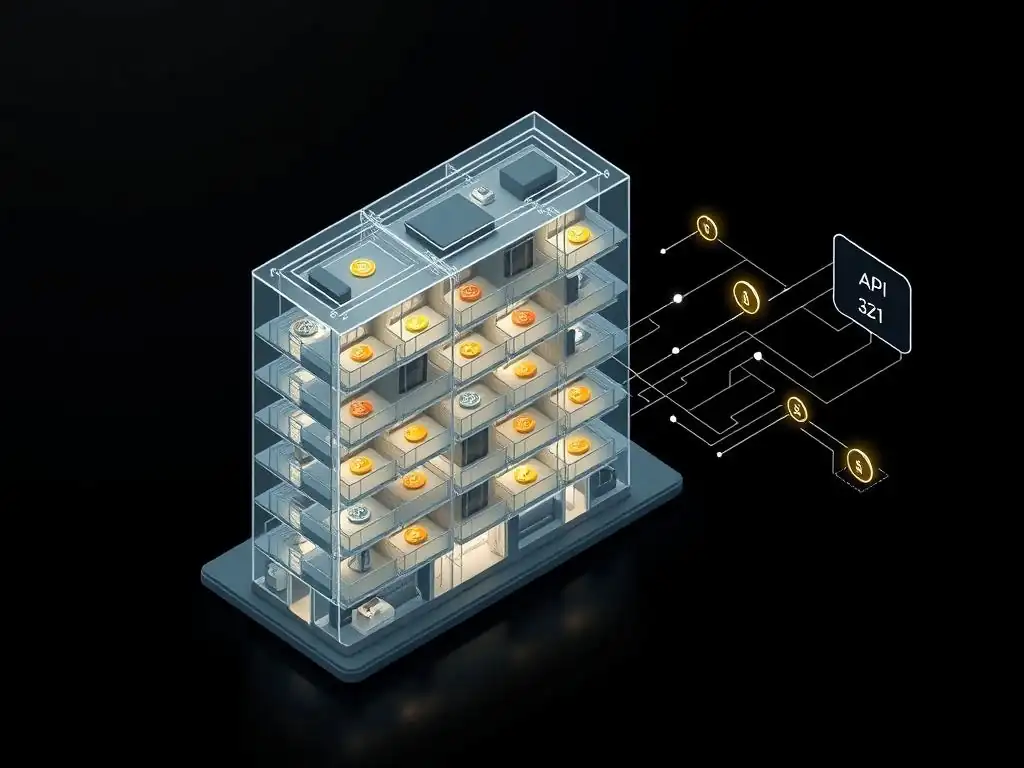
One of the most tangible future applications of blockchain real estate smart contracts is enabling widespread fractional ownership of property through tokenization. Tokenization involves issuing digital tokens on a blockchain that represent a share of ownership in a real asset, like a building. Each token can represent a small percentage of the property's value.
Smart contracts govern the rules associated with these tokens, including how ownership is verified, how rental income or sale proceeds are distributed among token holders, and how voting rights (if any) are assigned. This process makes real estate investment more accessible by lowering the barrier to entry – investors can buy tokens representing just a fraction of a property, rather than needing capital for a full down payment. It also increases liquidity, as tokens can potentially be traded more easily on secondary markets than traditional property shares, powered by efficient blockchain real estate smart contracts.
Conclusion: Embracing the Transformation of Real Estate with Blockchain and Smart Contracts
The Long-Term Impact of Blockchain Real Estate Smart Contracts on the Industry
The long-term impact of blockchain real estate smart contracts on the industry is poised to be profoundly transformative. By automating key processes, enhancing security and transparency, and reducing reliance on traditional intermediaries, smart contracts have the potential to reshape how properties are bought, sold, managed, and invested in. We are likely to see a gradual shift away from cumbersome paper-based processes towards more digital, efficient, and secure transaction flows.
While challenges related to regulation, standardization, and adoption remain, the inherent benefits offered by blockchain property contracts are compelling. We can anticipate a future where transaction times are measured in days rather than weeks, costs are significantly lower, and the risk of fraud and disputes is substantially reduced. This shift won't happen overnight, but the foundation for a more efficient and accessible real estate market is being laid by this technology.
Preparing for a Future Where Property Transactions are Secure, Transparent, and Efficient
As the real estate industry moves towards greater digitization, preparing for a future powered by blockchain real estate smart contracts is crucial for all stakeholders. This involves staying informed about technological developments, understanding the potential legal and operational implications, and exploring pilot programs or platforms that are already leveraging this technology.
For professionals, this might mean acquiring new skills related to blockchain and smart contracts. For regulators, it means developing clear and enabling legal frameworks. For consumers, it means understanding the benefits and risks of engaging with these new systems. Embracing this transformation means moving towards a future where property transactions are not just faster and cheaper, but also fundamentally more secure and transparent, ultimately benefiting the entire real estate ecosystem through the power of blockchain real estate smart contracts.
Frequently Asked Questions
What are Blockchain Real Estate Smart Contracts and how do they differ from traditional contracts?
Blockchain real estate smart contracts are self-executing agreements written in code and stored on a blockchain. They differ from traditional contracts by automating processes, enhancing transparency, and reducing the need for intermediaries.
How can Blockchain Real Estate Smart Contracts streamline the real estate transaction process?
They streamline the process by automating tasks such as escrow release, title transfer, and payment processing, leading to faster and more efficient transactions. This also reduces administrative overhead and potential for errors.
What are the key benefits of using Blockchain Real Estate Smart Contracts for buyers and sellers?
Benefits include increased security and transparency through the immutable blockchain ledger, reduced costs by eliminating intermediaries, and faster closing times due to automated execution. This promotes trust and efficiency.
What are some of the current challenges hindering the widespread adoption of Blockchain Real Estate Smart Contracts?
Challenges include the lack of clear regulatory frameworks, the need for industry-wide standardization, and the complexity of integrating blockchain technology with existing real estate systems. This requires education and collaboration.
How might Blockchain Real Estate Smart Contracts impact the future of the real estate industry?
They could revolutionize the industry by making real estate transactions more accessible, efficient, and secure. This could lead to a more democratized and transparent real estate market.
Final Reflection: Embracing the Future of Property Ownership
The journey from cumbersome paper contracts to the streamlined efficiency of blockchain real estate smart contracts is not merely a technological upgrade; it represents a fundamental shift in how we perceive and interact with property ownership. The promise of transparency, security, and reduced friction offered by these digital agreements is no longer a distant dream, but a rapidly approaching reality reshaping the landscape of real estate transactions.
This evolution profoundly impacts the cultural and social fabric of property ownership. The potential for increased accessibility and reduced barriers to entry, particularly for marginalized communities, is immense. The future is already here – it's just not evenly distributed.
- William Gibson. This quote resonates deeply as we consider the transformative power of blockchain to democratize access to real estate, fostering a more equitable and inclusive system for all.
As we stand on the cusp of this new era, let us embrace the possibilities that blockchain real estate smart contracts offer. Reflect on how you can contribute to a future where property ownership is more transparent, secure, and accessible. Consider how you can leverage these innovative tools to build a more equitable and efficient real estate ecosystem for yourself and for generations to come.
Embrace the Future: Master Real Estate's Blockchain Revolution!
Thank you for exploring the transformative impact of blockchain technology on real estate contracts. We hope you've gained valuable insights into how this innovation is making transactions more secure and transparent. Are you ready to take the next step?
Here are some ways you can get involved and benefit from this revolution:
- Experiment with a Smart Contract: Explore online tutorials and resources to create a basic smart contract for a simple real estate transaction. Experience firsthand how it functions!
- Share Your Insights: Spread the word about blockchain's potential in real estate. Share this article with colleagues and on social media, and start a conversation about its transformative power.
- Become a Pioneer: Connect with local blockchain communities. Find events, forums, or seminars where blockchain applications in your area are discussed.
Are you prepared to discover how smart contracts can streamline and secure your next real estate venture? Share your initial ideas or concerns in the comments below!
Leave a Reply