
Fractional Real Estate Ownership: Investing with Smaller Budgets on Decentralized Platforms


Welcome to Blockchain Trends, your go-to source for understanding the real impact of blockchain technology! Beyond the hype, we delve into the practical applications transforming industries. Intrigued by the idea of property ownership without breaking the bank? Then you'll want to explore our deep dive into blockchain real estate fractional investing. Discover how decentralized platforms are revolutionizing the market, opening doors to smaller budgets and greater opportunities. What are the benefits and risks? Let's find out!
Fractional Real Estate Ownership: Investing with Smaller Budgets on Decentralized Platforms
- Understanding Fractional Real Estate Investing in the Blockchain Era
- Benefits of Blockchain Real Estate Fractional Investing
- Decentralized Platforms for Fractional Real Estate: A New Paradigm
- Investing in Fractional Real Estate Tokens: A Step-by-Step Guide
- Risks and Challenges of Blockchain-Based Fractional Real Estate
- The Future of Fractional Real Estate and Blockchain Technology
- Case Study: Aspen Digital's St. Regis Residence Club Tokenization
- Comparing Traditional Real Estate Investment vs. Blockchain Fractional Ownership
-
Frequently Asked Questions
- What is blockchain real estate fractional investing?
- How does blockchain technology facilitate fractional ownership?
- What are the benefits of blockchain real estate fractional investing compared to traditional methods?
- What are the potential risks and challenges associated with blockchain real estate fractional investing?
- How is blockchain real estate fractional investing impacting the traditional real estate market?
- Final Reflection: Democratizing Real Estate Through Blockchain
- Unlock Your Real Estate Dreams Today!
Understanding Fractional Real Estate Investing in the Blockchain Era
What is Fractional Ownership of Real Estate?
Fractional ownership of real estate involves dividing the ownership rights of a property into multiple shares, allowing several individuals to collectively own a single asset. This concept is not entirely new; it has existed for decades in forms like timeshares or private equity real estate funds. However, the traditional methods often involved complex legal structures, significant minimum investment thresholds typically starting in the tens of thousands of dollars, and limited transferability of shares. The core idea remains consistent: enabling investors to participate in the real estate market without needing to purchase an entire property outright.
By breaking down the high cost of a full property purchase, fractional ownership makes real estate investment accessible to a broader range of investors. Instead of requiring a large down payment and mortgage for a property valued at, say, $500,000, an investor could potentially acquire a fractional share for a much smaller amount.
This democratizes access, moving real estate from being an asset class primarily for wealthy individuals or institutions to one that can be included in the portfolio of average investors seeking exposure to this market. The shift in accessibility is a key driver behind the growing interest in this model, particularly as technology streamlines the process.
The Appeal of Tokenized Real Estate Investments
Tokenized real estate investments leverage blockchain technology to represent fractional ownership shares as digital tokens. This process converts tangible assets like properties into digital assets that can be easily bought, sold, and managed on a distributed ledger. The primary appeal lies in significantly reducing the barriers to entry for real estate investment.
Traditionally, investing in real estate is capital-intensive, illiquid, and involves substantial transaction costs, including agent fees, legal fees, and transfer taxes, which can easily add up to 5-10% of the property value. Tokenization drastically lowers minimum investment amounts, potentially allowing participation for as little as $100 or $1,000, compared to the typical minimums of $50,000 to $100,000 or more for traditional private real estate syndications or funds.
Furthermore, tokenization introduces the potential for increased liquidity, a historically significant challenge in the real estate market. Unlike physical properties that can take months to sell, tokens representing fractional ownership can theoretically be traded on secondary markets, similar to stocks or other digital assets.
This potential for faster transactions and easier exit strategies makes tokenized real estate a more attractive option for investors who might be deterred by the long-term commitment and difficulty of selling traditional real estate assets. The combination of lower entry costs and enhanced liquidity reshapes the investment landscape, making blockchain real estate fractional investing a compelling alternative.
How Blockchain Enables Fractional Real Estate Ownership
Blockchain technology serves as the foundational layer that makes large-scale, efficient fractional real estate ownership possible through tokenization. At its core, a blockchain is a decentralized, immutable ledger that records transactions transparently across a network of computers. When applied to real estate, this ledger can securely track the ownership of property tokens.
Each token represents a specific fraction or share of a real-world property, and the blockchain ensures that the ownership record of these tokens is accurate, transparent, and resistant to tampering. This eliminates the need for centralized intermediaries like title companies to verify ownership, streamlining the process and potentially reducing costs and time delays.
Smart contracts, self-executing contracts with the terms of the agreement directly written into code, are another critical component. These contracts reside on the blockchain and automatically handle various aspects of the fractional ownership process. For instance, a smart contract can be programmed to distribute rental income generated by the property proportionally to token holders based on their share.
It can also manage the payout of sale proceeds if the property is eventually sold. This automation reduces administrative overhead, minimizes the potential for disputes, and ensures that distributions are handled transparently and efficiently, making blockchain real estate fractional investing feasible and scalable.
Benefits of Blockchain Real Estate Fractional Investing
Lowering the Barrier to Entry in Real Estate Investment
One of the most significant advantages of blockchain real estate fractional investing is its ability to dramatically lower the financial barrier to entering the real estate market. Traditionally, real estate is considered an asset class requiring substantial capital, often necessitating down payments and closing costs that can amount to tens or even hundreds of thousands of dollars for a single property. This high entry point excludes a vast majority of potential investors. Tokenization breaks properties into smaller, more affordable digital units.
On decentralized platforms, investors can acquire tokens representing small fractions of a property for minimum investments that can range from as low as $50 or $100 up to a few thousand dollars. This stark contrast with traditional methods opens the door for individuals with limited capital to diversify their portfolios by including real estate assets that were previously out of reach.
For example, instead of needing $100,000 to invest in a traditional real estate syndicate, an investor could potentially spread that amount across 100 different tokenized property investments, each requiring only $1,000, thereby gaining exposure to diverse property types and locations.
Increased Liquidity in Real Estate Assets through Tokenization
Real estate is notoriously illiquid; selling a physical property is a lengthy process involving market listing, negotiations, inspections, and legal procedures that can take anywhere from a few months to over a year. This lack of liquidity makes it difficult for investors to quickly access their capital tied up in real estate. Tokenization addresses this by creating digital assets that can potentially be traded on secondary marketplaces.
While the secondary market for real estate tokens is still developing, the infrastructure exists for investors to buy and sell their fractional ownership tokens much more quickly than traditional property sales. An investor holding tokens representing a share of a property could potentially list their tokens on a compliant digital asset exchange and find a buyer within hours or days, rather than waiting months.
This potential for enhanced liquidity makes blockchain real estate fractional investing a more flexible investment option, allowing investors greater control over their capital and the ability to react more swiftly to market changes or personal financial needs.
Enhanced Transparency and Security with Blockchain Technology
Blockchain technology inherently offers enhanced transparency and security compared to traditional real estate record-keeping. Every transaction involving real estate tokens – from the initial issuance and sale to subsequent transfers of ownership – is recorded on a distributed ledger that is accessible to all participants (depending on the blockchain's privacy features, though transaction history is typically public).
This public ledger creates an immutable and verifiable history of ownership and transactions, significantly reducing the risk of fraudulent claims or disputes over who owns what fraction of a property. Unlike centralized databases that can be susceptible to single points of failure or manipulation, the decentralized nature of the blockchain makes it highly resilient and trustworthy.
Furthermore, the use of smart contracts adds a layer of programmatic security and transparency to investment operations. Smart contracts automate processes like rental income distribution or payout of sale proceeds based on predefined rules coded into the blockchain. Once deployed, these contracts execute automatically and transparently, visible to all token holders.
This removes reliance on manual processes and intermediaries, reducing the potential for errors or malfeasance. Investors in blockchain real estate fractional investing can have greater confidence in the accuracy of ownership records and the fair execution of financial distributions due to the transparent and secure nature of the underlying blockchain infrastructure.
Diversification Opportunities with Fractionalized Properties
Diversification is a cornerstone of sound investment strategy, helping to mitigate risk by spreading investments across different asset classes, industries, or geographical locations. Traditional real estate investment often requires significant capital commitment to a single property, limiting an investor's ability to diversify within the real estate sector itself. Investing $300,000 might only allow for the purchase of one property in a specific location, concentrating risk.
Blockchain real estate fractional investing fundamentally changes this by allowing investors to allocate smaller amounts across multiple tokenized properties. With minimum investments potentially as low as a few hundred or thousand dollars per property, an investor can build a diversified portfolio consisting of shares in residential properties in one city, commercial spaces in another, and perhaps even industrial assets elsewhere. This ability to easily acquire small stakes in various properties across different markets and asset types significantly enhances diversification opportunities, reducing portfolio risk compared to traditional, large-sum single-property investments.
Decentralized Platforms for Fractional Real Estate: A New Paradigm
Overview of Leading Blockchain Real Estate Marketplaces
The emergence of decentralized platforms dedicated to blockchain real estate fractional investing represents a new paradigm in property investment. These platforms serve as marketplaces where property owners or developers can tokenize their assets, and investors can browse, research, and purchase these real estate tokens. While the market is still evolving, several platforms are establishing themselves, each often specializing in different property types (e.g., residential, commercial, development projects) or geographical regions.
Examples include platforms focusing on luxury properties tokenized on blockchains like Ethereum or Tezos, allowing global investors to own fractions of high-value assets. Other platforms might concentrate on more accessible commercial real estate or residential rental properties, aiming to provide yield-generating investments through tokenized shares. These marketplaces typically handle the legal structuring of the tokenization process, ensure regulatory compliance (such as Know Your Customer/Anti-Money Laundering checks), and provide the technological infrastructure for issuing, managing, and potentially trading the real estate tokens, facilitating blockchain real estate fractional investing.
Key Features to Look for in a Decentralized Real Estate Platform
Selecting the right platform is crucial for successful blockchain real estate fractional investing. Potential investors should evaluate platforms based on several key features. Firstly, consider the platform's regulatory compliance and legal framework; it should adhere to relevant securities laws in the jurisdictions where it operates. Look for details on how properties are sourced, vetted, and valued – a robust due diligence process for the underlying physical asset is paramount.
Secondly, examine the platform's technology and security measures. What blockchain network is used? What type of tokens are issued (e.g., security tokens compliant with regulations)? Are smart contracts audited by reputable third parties? Understand the fee structure, including transaction fees, management fees, and any fees associated with potential secondary trading. Finally, assess the platform's track record, the experience of its team, and the level of transparency it provides regarding property performance, distributions, and ownership records. A platform that offers clear reporting and easy access to information enhances investor confidence.
Security Considerations for Investing on Decentralized Platforms
Investing in blockchain real estate fractional investing via decentralized platforms requires careful consideration of security. While blockchain technology itself offers inherent security benefits like immutability and transparency, risks can still arise at the platform level or through user interaction. Investors must ensure the platform employs robust cybersecurity measures to protect user accounts and digital wallets holding tokens. This includes features like two-factor authentication and secure data encryption.
Furthermore, the security of the smart contracts governing the tokenized property is vital. Smart contracts are code, and like any code, they can contain vulnerabilities or bugs that could be exploited. Investors should look for platforms that conduct thorough audits of their smart contracts by independent security firms and are transparent about the audit results. Finally, investors are responsible for their own digital asset security; using strong, unique passwords, enabling wallet security features, and being wary of phishing attempts or scams are essential steps to protect their real estate tokens.
Investing in Fractional Real Estate Tokens: A Step-by-Step Guide
Researching and Selecting a Reputable Platform
The first step in blockchain real estate fractional investing is identifying a trustworthy platform that aligns with your investment goals. Begin by researching platforms specializing in tokenized real estate. Look for information on their legal structure, the types of properties they list (e.g., residential, commercial, development projects), the minimum investment amounts, and the geographical markets they cover. A reputable platform will be transparent about its team, its regulatory compliance efforts, and the process it uses to vet properties before tokenization.
Gather information from multiple sources: the platform's official website, industry news, reviews, and potentially regulatory filings if available. Pay close attention to the platform's track record, the number and value of properties successfully tokenized, and any information available about the performance of past offerings. Contacting their support or reviewing their documentation (whitepapers, offering memorandums) can also provide crucial insights into their operations and the terms of investment.
Due Diligence: Analyzing Fractional Real Estate Investment Opportunities
Once you've selected a platform, the next critical step before committing capital is conducting thorough due diligence on the specific fractional real estate investment opportunity being offered. Treat this with the same seriousness as you would a traditional real estate investment. Analyze the details of the underlying property: its location, physical condition, market value, potential for appreciation, and income-generating potential (e.g., rental yield).
Review the offering memorandum or prospectus provided by the platform. This document should detail the property specifics, the legal structure of the tokenization (e.g., how ownership is held legally by the entity issuing the tokens), the terms of the investment (e.g., distribution schedule for income, expected holding period), the associated fees, and the risks involved. Understand how income distributions (like rent) and potential profits from sale will be handled and whether smart contracts are used for automation. Assess the projected financial performance and compare it to market benchmarks.
Buying and Managing Your Real Estate Tokens on the Blockchain
After completing due diligence and deciding to invest, the process involves acquiring the real estate tokens through the platform. This typically requires creating an account on the platform, undergoing identity verification (KYC/AML procedures), and connecting a compatible digital wallet. Funds are then transferred to the platform (often in fiat currency or stablecoins), which are used to purchase the desired number of real estate tokens during the offering period or on a secondary market if available.
Once the tokens are in your digital wallet, you officially hold a fractional ownership stake recorded on the blockchain. Managing your investment involves monitoring the property's performance through platform dashboards, receiving income distributions (which may be automatically paid to your linked wallet via smart contracts), and staying informed about any property-related updates. If a secondary market exists and you wish to sell your tokens, you would typically list them on the platform's integrated exchange or a compatible external exchange, completing the cycle of blockchain real estate fractional investing.
Risks and Challenges of Blockchain-Based Fractional Real Estate
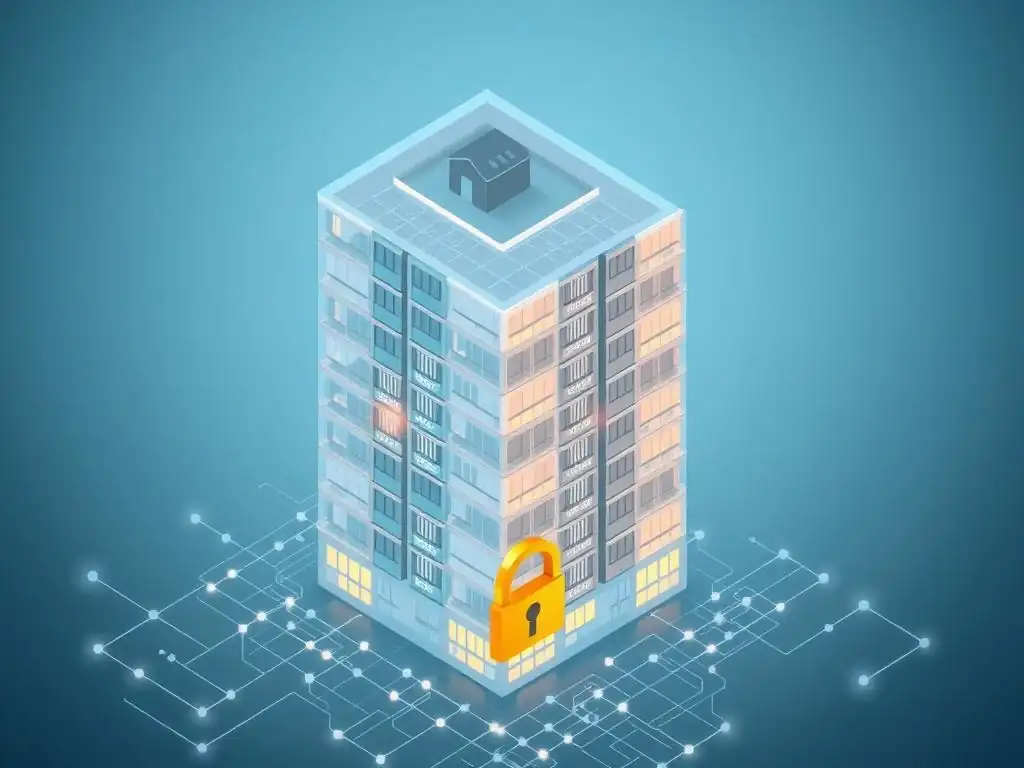
Regulatory Uncertainty in the Tokenized Real Estate Market
One of the primary challenges facing blockchain real estate fractional investing is the evolving and often uncertain regulatory landscape. Real estate tokens often represent ownership interests or rights to income streams derived from physical property, which can classify them as securities in many jurisdictions. This means platforms and offerings must comply with stringent securities regulations, including registration requirements, disclosure obligations, and investor accreditation rules.
Navigating these complex regulations adds cost and complexity to tokenization projects. Different countries and even regions within countries have varying interpretations of how digital assets, particularly those linked to tangible assets like real estate, should be regulated. This lack of global regulatory clarity can create legal risks for platforms and investors alike. Until regulatory frameworks become more standardized and clear, the potential for legal challenges or changes in regulations remains a significant hurdle for widespread adoption.
Market Volatility and Liquidity Concerns
While tokenization promises increased liquidity for real estate assets, the actual liquidity of real estate tokens on secondary markets is still developing and can be volatile. The ability to quickly sell tokens depends heavily on the existence of active trading platforms and sufficient buyer demand. Currently, the secondary market for most real estate tokens is nascent compared to that for cryptocurrencies or traditional stocks.
This means that while it might be easier to sell a token than a physical property, there is no guarantee of finding a buyer immediately or at a desired price. Market sentiment, specific property performance, and broader crypto market volatility can all influence token prices and trading volume. Investors should be aware that their real estate tokens might not be as liquid as anticipated, and they could face challenges selling their holdings quickly without significantly impacting the price, posing a risk in blockchain real estate fractional investing.
Technological Risks Associated with Blockchain Platforms
Investing through decentralized platforms introduces technological risks inherent to blockchain technology and digital platforms. These risks include potential vulnerabilities in the platform's infrastructure, smart contract bugs, and the general security risks associated with digital wallets and online accounts. While blockchain is designed to be secure, the interfaces and applications built on top of it can be susceptible to hacking or technical failures.
A bug in a smart contract governing rental income distribution, for example, could disrupt payouts. A security breach on a platform could potentially compromise user accounts or even the tokens held within the platform's custody (if applicable). Investors must rely on the platform's technical expertise and security audits, but residual technological risk remains. Understanding the underlying technology, using secure practices for managing digital assets, and choosing platforms with a strong security track record are essential precautions.
Understanding Smart Contract Risks in Real Estate Tokenization
Smart contracts are central to automating processes in blockchain real estate fractional investing, such as distributing rental income or managing governance rights. However, smart contracts are lines of code written by humans, and they can contain errors, bugs, or logical flaws. Even audited smart contracts are not entirely immune to vulnerabilities, as complex code can sometimes have unforeseen interactions or edge cases that were not identified during testing.
A flaw in a smart contract could lead to incorrect or failed distributions, unintended access to funds, or even the freezing of assets. Unlike traditional contracts that can be interpreted or amended by legal means, smart contracts execute exactly as coded, regardless of intent, and their immutable nature means errors can be difficult or impossible to fix once deployed. Investors must understand that they are relying on the correctness and security of the smart contract code and should favor platforms that use audited contracts and have contingency plans in place for potential issues.
The Future of Fractional Real Estate and Blockchain Technology
The Potential for Mass Adoption of Real Estate Tokenization
The potential for mass adoption of real estate tokenization through blockchain real estate fractional investing is significant, driven by the clear advantages it offers in terms of accessibility, liquidity, and transparency. As regulatory clarity improves and more institutional players enter the space, confidence in tokenized real estate is likely to grow. Reduced transaction costs compared to traditional methods (potentially lowering costs from 5-10% of property value to 1-2% or less) also make it a more efficient way to invest.
Improvements in blockchain technology itself, such as increased scalability and lower transaction costs on newer or upgraded networks, will further facilitate the growth of real estate tokenization platforms. As user interfaces become more intuitive and the process of buying and selling tokens becomes as simple as trading stocks online, the barrier to entry for average investors will decrease even further. The addressable market for real estate investment expands dramatically when minimums are low and liquidity is enhanced, paving the way for widespread adoption globally.
Innovations in Decentralized Real Estate Finance (DeFi)
The intersection of blockchain real estate fractional investing and decentralized finance (DeFi) is poised to unlock new financial possibilities. DeFi applications allow users to lend, borrow, and earn interest on digital assets without traditional financial intermediaries. As real estate tokens gain traction, they can potentially be integrated into DeFi protocols.
This could enable token holders to use their real estate tokens as collateral for obtaining loans, unlocking liquidity from their illiquid asset without needing to sell the underlying property share. It could also allow for the creation of innovative financial products, such as derivatives based on real estate tokens or yield farming opportunities where investors earn passive income by providing liquidity for trading pairs involving real estate tokens. These DeFi integrations could significantly enhance the utility and financial flexibility of tokenized real estate assets.
The Impact of Blockchain on Traditional Real Estate Markets
Blockchain technology and fractional ownership are set to have a transformative impact on traditional real estate markets. By increasing efficiency, reducing costs, and broadening access, tokenization challenges the existing structures dominated by intermediaries like brokers, lawyers, and title companies. The transparency of the blockchain can streamline due diligence processes, making information about property history and ownership more readily available.
While tokenization is unlikely to fully replace traditional property transactions anytime soon, it is expected to carve out a significant niche, particularly for investment properties and commercial real estate. It could also pressure traditional players to adapt, potentially adopting blockchain-like technologies for their own processes or partnering with tokenization platforms. Ultimately, blockchain real estate fractional investing is poised to make the real estate market more democratic, efficient, and liquid, fundamentally altering how people invest in and manage property.
Case Study: Aspen Digital's St. Regis Residence Club Tokenization
Project Overview and Tokenization Details
One notable real-world example of blockchain real estate fractional investing is the tokenization of a portion of the St. Regis Aspen Resort in Colorado by Aspen Digital (formerly Elevated Returns). This project aimed to offer accredited investors fractional ownership in a luxury hotel property through digital tokens. Approximately $18 million worth of shares in the property's limited partnership were tokenized using the ERC-20 standard on the Ethereum blockchain. Each token, named 'ASPEN', represented a fractional indirect ownership interest in the entity that owned the St. Regis Aspen.
The tokenization was structured as a security token offering (STO) to ensure compliance with U.S. securities regulations. Investors who purchased ASPEN tokens became indirect fractional owners of the resort, entitled to a pro-rata share of the income generated by the property (like room rentals and amenities) and potential appreciation in the property's value. This was a significant step in demonstrating the feasibility of tokenizing high-value, income-generating real estate assets and offering fractional ownership on a global scale via blockchain.
Investment Performance and Outcomes
Following the initial offering, the ASPEN tokens were listed on a regulated trading platform, aiming to provide secondary market liquidity for investors – a key promise of blockchain real estate fractional investing. The project successfully demonstrated that a luxury commercial property could be tokenized and offered as fractional shares. Distributions of income derived from the resort's operations were made to token holders, showcasing the passive income potential of such investments.
However, like any investment, performance is subject to market conditions. The trading volume and price performance of the ASPEN token on the secondary market have fluctuated, reflecting the broader market dynamics for both real estate and digital assets. While the project provided a mechanism for liquidity, the actual liquidity and price stability on the secondary market highlighted the challenges in creating a robust trading environment for specific, asset-backed tokens compared to more widely traded cryptocurrencies. The success of the project lies more in proving the concept and legal/technical framework than necessarily guaranteeing specific investment returns.
Lessons Learned from the Case Study
The Aspen Digital St. Regis tokenization provided valuable lessons for the nascent field of blockchain real estate fractional investing. Firstly, it underscored the critical importance of navigating complex securities regulations; structuring the offering as a compliant STO was essential for proceeding legally in the U.S. market. This highlighted that simply putting assets on a blockchain does not exempt offerings from existing financial laws.
Secondly, the case demonstrated that while tokenization enables liquidity, the creation of a functional and liquid secondary market requires more than just listing the token. Factors like investor base, trading platform accessibility, and overall market demand for the specific asset play crucial roles. Finally, it showed that due diligence on the underlying physical asset remains paramount. The investment performance is ultimately tied to the success and profitability of the St. Regis Aspen Resort itself, demonstrating that the technology is a tool for ownership and transfer, but the fundamental real estate investment principles still apply.
Comparing Traditional Real Estate Investment vs. Blockchain Fractional Ownership
Accessibility and Affordability
| Feature | Traditional Real Estate Investment | Blockchain Fractional Ownership (Tokenized) |
|---|---|---|
| Minimum Capital | High (typically tens or hundreds of thousands USD) | Low (potentially starting from $50 - $1,000 USD) |
| Accessibility | Limited to high-net-worth individuals, institutions | Accessible to a much broader range of investors |
| Entry Process | Complex (mortgages, legal fees, paperwork) | Simpler (platform sign-up, KYC, token purchase) |
Traditional real estate investment is characterized by high capital requirements, often demanding significant down payments and closing costs that place it out of reach for average investors. Acquiring a single property usually involves a lengthy and complex process of securing financing, conducting inspections, and navigating legal procedures. This makes it an asset class primarily accessible to wealthy individuals or large investment firms capable of deploying substantial sums.
In contrast, blockchain real estate fractional investing dramatically lowers the barrier to entry. By tokenizing properties into smaller, divisible units, platforms allow investors to participate with minimum investments that can be orders of magnitude smaller than traditional methods. This democratizes access, enabling individuals with smaller budgets to acquire fractional ownership stakes in properties they couldn't afford outright, making real estate investment more inclusive.
Liquidity and Trading Options
Traditional real estate is notoriously illiquid. Selling a property is a time-consuming process that can take months, involving market listings, showings, negotiations, and closing procedures. There is no centralized, efficient market for quickly buying or selling property interests, making it difficult for investors to exit positions or access their capital when needed.
Blockchain real estate fractional investing aims to solve this illiquidity challenge through tokenization. Real estate tokens can potentially be traded on secondary digital asset marketplaces, offering investors the possibility of selling their fractional shares much faster than selling a physical property – potentially within hours or days, depending on market activity. While the liquidity of real estate tokens is still maturing, the underlying technology provides the framework for more efficient trading and exit strategies compared to the slow and cumbersome process of traditional property sales.
Management and Operational Responsibilities
Investing in traditional real estate, especially direct ownership of rental properties, comes with significant management and operational responsibilities. Property owners are typically responsible for maintenance, repairs, finding tenants, collecting rent, managing leases, paying property taxes, and handling legal compliance. These tasks require time, effort, and expertise, or the hiring of property managers, which adds costs and reduces net returns.
With blockchain real estate fractional investing, these operational burdens are typically handled by a professional management entity associated with the tokenized property. Token holders are passive investors; their primary responsibility is managing their digital wallet and monitoring the investment's performance through the platform. Income distributions (like rental yield) are often automated via smart contracts, further reducing the need for active management by the fractional owner. This passive nature makes tokenized fractional ownership appealing to investors seeking real estate exposure without the operational headaches of direct property management.
Frequently Asked Questions
What is blockchain real estate fractional investing?
It's a method of owning a portion of a property through blockchain technology, allowing smaller investment budgets and increased accessibility. This decentralized approach opens real estate investment to more people.
How does blockchain technology facilitate fractional ownership?
Blockchain creates digital tokens representing shares of a property. These tokens can be easily traded and managed on a blockchain network, making fractional ownership practical.
What are the benefits of blockchain real estate fractional investing compared to traditional methods?
Benefits include lower entry barriers, increased liquidity through tokenization, and greater transparency in property ownership and transactions.
What are the potential risks and challenges associated with blockchain real estate fractional investing?
Risks can include regulatory uncertainty, the volatility of token prices, and the complexities of managing decentralized platforms and smart contracts.
How is blockchain real estate fractional investing impacting the traditional real estate market?
It's potentially democratizing real estate investment, making it more accessible to smaller investors, and introducing new models of property ownership and management.
Final Reflection: Democratizing Real Estate Through Blockchain
The promise of democratized real estate investment is no longer a distant dream, but a tangible reality thanks to the convergence of fractional ownership and blockchain technology. This article has explored how these innovations are breaking down traditional barriers, allowing individuals with smaller budgets to participate in a market previously reserved for the wealthy, and the impact is already being felt across the investment landscape.
This shift towards accessible real estate ownership is profoundly changing the way we think about wealth building and financial security. The ability to invest in tangible assets, even in small increments, empowers individuals to diversify their portfolios and build long-term wealth in a way that was previously unimaginable. The future of real estate is not about owning entire properties, but about owning a piece of the future.
This sentiment perfectly encapsulates the transformative potential of blockchain real estate fractional investing.
As we move forward, let us embrace the opportunities presented by these decentralized platforms. Consider how you can leverage fractional real estate ownership to diversify your investment portfolio, build a more secure financial future, and participate in the evolution of the real estate market. The power to shape your financial destiny is now more accessible than ever – seize it and build the future you envision.
Unlock Your Real Estate Dreams Today!
Thank you for exploring the exciting world of fractional real estate ownership and how blockchain is democratizing investment opportunities. Now that you're equipped with this knowledge, it's time to take the next step and turn your financial aspirations into reality.
Here are a few actions you can take right now:
- Explore different blockchain-based platforms offering fractional real estate. Research their offerings, security features, and community engagement.
- Determine how much you can invest by assessing your budget and financial goals.
- Share this article with friends or family who might be interested in fractional real estate ownership. The more, the merrier!
Ready to take the plunge and become a fractional real estate owner? What's holding you back from making your first investment today? Share your thoughts and questions in the comments below!
Leave a Reply