
The Global Adoption of Real Estate Tokenization: Trends and Regional Differences


Welcome to Blockchain Trends, your premier source for understanding the revolutionary power of blockchain technology!
Dive into our insightful exploration of how blockchain is reshaping industries beyond just cryptocurrencies. This month, we're focusing on a groundbreaking application: Real estate tokenization trends globally. Curious about how this innovative approach is unlocking new investment opportunities and streamlining property management across the globe? Uncover the dynamic landscape of digital asset ownership and discover the regional nuances driving its adoption. Read on to explore the future of real estate, decentralized.
The Global Adoption of Real Estate Tokenization: Trends and Regional Differences
- Introduction: Understanding Real Estate Tokenization's Global Rise
- Global Real Estate Tokenization Trends: A Bird's Eye View
- Regional Analysis of Real Estate Tokenization Adoption
- Factors Driving the Global Real Estate Tokenization Market
- Challenges and Obstacles to Global Real Estate Tokenization Adoption
- The Future of Real Estate Tokenization Globally
- Conclusion: Real Estate Tokenization's Transformative Potential
-
Frequently Asked Questions
- What is real estate tokenization and why is it gaining traction globally?
- What are some of the key real estate tokenization trends observed across different regions globally?
- How does DeFi integrate with real estate tokenization, and what benefits does this integration offer?
- What are the main regulatory challenges facing the global adoption of real estate tokenization, and how are they being addressed?
- How does real estate tokenization impact the accessibility and liquidity of real estate investments for individual investors?
- Final Reflection: Embracing the Tokenized Future of Real Estate
- Unearth Your Next Tokenized Real Estate Opportunity!
Introduction: Understanding Real Estate Tokenization's Global Rise
Defining Real Estate Tokenization and its Benefits
Real estate tokenization involves representing ownership rights or economic interests in a property asset as digital tokens on a blockchain. This process essentially transforms illiquid real estate assets into divisible, tradable digital assets. Each token can represent a fraction of the property's value, allowing investors to buy and sell smaller stakes than traditionally possible. The underlying blockchain ledger provides an immutable record of ownership and transactions, enhancing transparency and security.
The benefits of tokenizing real estate are manifold. It dramatically lowers the barrier to entry for investors by enabling fractional ownership, making high-value properties accessible to a broader pool of capital. This increased accessibility contributes to greater market liquidity compared to traditional real estate transactions, which are often slow and costly. Furthermore, tokenization can streamline administrative processes, reduce intermediaries, and potentially lower transaction fees, offering a more efficient and transparent investment mechanism.
Why is Real Estate Tokenization Gaining Momentum Globally?
The global surge in interest in real estate tokenization is driven by a convergence of technological advancement and evolving investor demands. As blockchain technology matures beyond cryptocurrencies, its potential for asset management and transfer is becoming increasingly clear. Investors, particularly younger generations and those in emerging markets, are seeking more flexible, accessible, and transparent investment options than traditional real estate markets typically offer.
Moreover, the search for alternative asset classes offering stable returns, especially in volatile economic climates, has pushed real estate to the forefront of tokenization efforts. The promise of enhanced liquidity in a historically illiquid market is a significant draw. Governments and regulatory bodies in various jurisdictions are also beginning to explore and even implement legal frameworks supportive of digital assets, including tokenized securities, which provides a necessary foundation for the legitimate growth of real estate tokenization trends globally.
Global Real Estate Tokenization Trends: A Bird's Eye View
Key Trends Shaping the Tokenized Real Estate Market
Several key trends are defining the trajectory of the tokenized real estate market worldwide. One prominent trend is the move towards greater regulatory clarity in key jurisdictions, which is crucial for institutional adoption and investor confidence. Countries are enacting specific laws or adapting existing securities regulations to accommodate tokenized assets, laying the groundwork for compliant offerings. Another significant trend is the increasing focus on tokenizing commercial real estate and high-value properties, as these assets often present the greatest challenges in terms of accessibility and liquidity in traditional markets.
Furthermore, there is a growing emphasis on interoperability between different blockchain platforms and traditional financial systems. This aims to facilitate seamless transactions and integration with existing market infrastructure. The development of specialized real estate tokenization platforms and service providers is also a major trend, offering end-to-end solutions from legal structuring and token issuance to secondary trading. These platforms are refining the process, making tokenization more efficient and scalable, thereby accelerating global real estate tokenization trends.
Market Size and Growth Projections for Tokenized Real Estate Assets
While still in its nascent stages compared to the multi-trillion dollar global real estate market, the tokenized real estate sector is experiencing significant growth. Various market reports estimate the global market size for tokenized real estate assets to be in the low billions of US dollars currently, with substantial growth projected over the next few years. Some optimistic forecasts suggest the market could reach tens or even hundreds of billions by the late 2020s, driven by increasing adoption and regulatory advancements.
Growth is being fueled by a combination of pilot projects, private placements of tokenized property interests, and the emergence of regulated platforms facilitating public offerings. For example, the market saw significant tokenization activity in 2021 and 2022, despite subsequent market corrections in the broader crypto space. While specific figures fluctuate, the compound annual growth rate (CAGR) is projected to be high, potentially exceeding 20-30% in the coming years, indicating strong underlying demand and potential for expansion in real estate tokenization trends globally.
Regional Analysis of Real Estate Tokenization Adoption
North America: Pioneering Real Estate Tokenization Initiatives
North America, particularly the United States and Canada, has been at the forefront of exploring and implementing real estate tokenization. Early initiatives often involved private placements of tokenized interests in specific properties or portfolios, targeting accredited investors. These projects demonstrated the technical feasibility and initial market appetite for digital real estate ownership. The region benefits from a relatively mature financial market infrastructure and a strong base of tech-savvy investors and developers willing to innovate.
The pioneering efforts in North America have focused on proving the concept and navigating existing securities regulations. While progress has been significant, the path has not been without challenges, primarily related to regulatory interpretation and compliance. Despite this, the region continues to lead in terms of the number of platforms being developed and the variety of properties being considered for tokenization, from commercial buildings in major cities to residential developments.
Regulatory Landscape for Real Estate Tokenization in the US and Canada
The regulatory landscape for real estate tokenization in the US and Canada is complex, primarily because tokenized real estate interests are often viewed as securities. In the United States, offerings must comply with federal and state securities laws, typically requiring registration with the SEC or qualifying for an exemption like Regulation D (for accredited investors) or Regulation A (for broader public offerings, albeit with limitations). The "Howey Test" is frequently applied to determine if a token constitutes a security, and tokenized real estate often meets this criteria.
Canada's approach is similar, with provincial securities regulators overseeing tokenized offerings. The Canadian Securities Administrators (CSA) have provided guidance indicating that many token offerings, including those representing real estate ownership, are likely securities. Platforms and issuers must either register as dealers or exchanges or rely on available exemptions. This regulatory environment, while complex, provides a framework, albeit stringent, for compliant real estate tokenization initiatives, contributing to more structured real estate tokenization trends globally within the region.
Leading Real Estate Tokenization Platforms in North America
North America has seen the emergence of several platforms dedicated to facilitating real estate tokenization. These platforms often provide services ranging from legal structuring and token issuance to investor onboarding and managing distributions. Examples include platforms that specialize in offering fractional ownership of commercial properties through tokenization, or those focused on simplifying the investment process for individual investors.
These platforms play a crucial role in driving adoption by providing the necessary technological and legal infrastructure. They handle the complexities of blockchain integration, smart contract development, and compliance with securities regulations. Their success depends heavily on their ability to attract both property owners seeking to raise capital and investors looking for accessible real estate opportunities, thereby shaping the practical application of real estate tokenization trends globally.
Europe presents a diverse landscape for real estate tokenization, characterized by varying regulatory approaches across member states and non-EU countries. While there is no single, harmonized EU-wide framework specifically for tokenized real estate securities, directives like MiFID II and proposed regulations like MiCA (Markets in Crypto-Assets) provide some overarching context for digital assets and investment services. However, national laws regarding securities and property ownership remain paramount, creating a patchwork of requirements.
Despite the regulatory fragmentation, several European countries are actively exploring or implementing frameworks supportive of tokenization. This regional diversity means that while some countries are moving rapidly to facilitate digital securities, others are taking a more cautious approach. This necessitates careful navigation for any platform or issuer operating across multiple European borders, influencing the specific real estate tokenization trends globally observed in the continent.
Real Estate Tokenization in the UK: Opportunities and Challenges
The United Kingdom, post-Brexit, is developing its own approach to digital assets and financial technology. The Financial Conduct Authority (FCA) has been active in exploring the potential and risks of tokenization through initiatives like its regulatory sandbox. Tokenized real estate offerings in the UK are likely to be treated as securities, requiring compliance with the Financial Services and Markets Act (FSMA). This involves considerations around issuing, marketing, and trading regulated investments.
Opportunities in the UK stem from its position as a major global financial hub with a sophisticated legal system and a large pool of potential investors. The challenges lie in adapting existing regulations designed for traditional assets to the unique characteristics of blockchain-based tokens and ensuring investor protection in this new format. Clarity on how property law interfaces with tokenized ownership remains an area of focus for advancing UK real estate tokenization trends.
Germany's Approach to Tokenized Real Estate Investments
Germany has emerged as a notable player in European real estate tokenization due to proactive legislative changes. The Electronic Securities Act (Gesetz über elektronische Wertpapiere) enacted in 2021 allows for the issuance of electronic securities registered on a blockchain, including tokenized debt and, potentially, certain forms of equity or participation rights in real estate entities. This provides a clear legal basis for issuing tokenized bonds or similar instruments backed by real estate assets.
This legislative clarity has spurred several tokenization projects involving German properties, primarily focusing on debt financing or fund structures. While direct tokenization of land title is not yet common, the ability to issue electronic securities representing claims or interests related to real estate significantly lowers the legal uncertainty for certain types of real estate tokenization. This positions Germany as a leading market within Europe for specific real estate tokenization trends globally.
Emerging Real Estate Tokenization Hubs in Europe: France, Spain
Beyond the UK and Germany, countries like France and Spain are also showing increasing interest and activity in real estate tokenization. France has a legal framework that recognizes the use of blockchain for certain financial instruments, provided they meet specific criteria. This has facilitated some tokenization initiatives, although broad adoption for real estate is still developing. Regulatory clarity around tokenized securities and property rights remains a key factor.
Spain has also seen pilot projects and platforms emerge, leveraging blockchain for real estate transactions and fractional ownership models. While a comprehensive regulatory framework specifically for tokenized real estate is still evolving, the general openness to fintech innovation and blockchain technology provides a fertile ground. These emerging hubs contribute to the diverse picture of real estate tokenization trends globally across Europe, each navigating unique national legal systems.
Asia-Pacific: The Rise of Digital Real Estate in Emerging Markets
The Asia-Pacific region is a dynamic area for real estate tokenization, driven by a mix of developed financial centers and rapidly growing emerging economies. The region is characterized by high real estate values in key cities, significant capital flows, and a tech-savvy population, creating both a need and an appetite for innovative investment methods. While regulatory approaches vary widely, several countries are actively exploring or implementing frameworks to support digital assets.
Countries like Singapore and South Korea are leading the charge with supportive regulations and technological infrastructure, while markets like Australia are also seeing increasing activity. The potential for tokenization to democratize access to high-value properties and improve liquidity is particularly appealing in markets with significant foreign investment or large domestic investor bases seeking diversification. This contributes significantly to the shaping of real estate tokenization trends globally.
Real Estate Tokenization in Singapore: A Regulatory Sandbox Approach
Singapore has positioned itself as a leading financial and technology hub in Asia, adopting a progressive stance towards digital assets. The Monetary Authority of Singapore (MAS) has utilized its regulatory sandbox framework to allow companies to test innovative blockchain-based solutions, including those related to real estate tokenization. While strict regulations apply to offerings deemed securities, the sandbox approach allows for experimentation and learning.
MAS's Project Guardian, which explores asset tokenization in areas like fixed income and funds, also provides a potential pathway for real estate-related assets. This supportive regulatory environment, coupled with robust financial infrastructure, makes Singapore a key jurisdiction for developing and piloting sophisticated real estate tokenization projects, influencing real estate tokenization trends globally, particularly in the Asian market.
Tokenizing Real Estate in South Korea, Australia: Market Dynamics
South Korea has a highly developed digital infrastructure and a strong interest in blockchain technology. While the regulatory environment for cryptocurrencies has faced scrutiny, the potential for asset tokenization, including real estate, is being actively explored. Financial institutions and tech companies are developing platforms and pilot programs, often focusing on fractional ownership models for commercial buildings or developments. Regulatory clarity around securities laws and digital assets is a key factor influencing the pace of adoption.
Australia has also seen increasing activity in real estate tokenization. The Australian Securities and Investments Commission (ASIC) has provided guidance on digital assets, and tokenized real estate offerings are typically treated as managed investment schemes or securities, requiring appropriate licensing and compliance. The market dynamics include interest from both retail and institutional investors, with platforms emerging to facilitate tokenized offerings, contributing to the diverse real estate tokenization trends globally.
Opportunities and Challenges for Real Estate Tokenization in Asia
The opportunities for real estate tokenization in Asia are vast. The region boasts some of the world's most expensive property markets, where fractional ownership can significantly broaden investor access. High levels of digital adoption and a large pool of potential investors, both domestic and international, provide fertile ground. Tokenization can also offer greater transparency in markets where traditional processes may be less efficient.
However, significant challenges remain. The regulatory landscape is highly fragmented across different countries, requiring complex legal navigation. Investor education and awareness are still developing in many parts of the region. Furthermore, the integration of tokenization with existing, often deeply entrenched, property registration and legal systems presents technical and logistical hurdles that need to be overcome for widespread adoption of real estate tokenization trends globally in Asia.
Latin America: Untapped Potential in Tokenizing Real Estate Assets
Latin America represents a region with significant untapped potential for real estate tokenization. High levels of economic inequality, coupled with a desire for accessible investment opportunities, make fractional ownership appealing. The region also faces challenges such as currency volatility and difficulties in accessing traditional financing, where blockchain-based solutions could offer alternative pathways. While adoption is still in early stages compared to North America or Europe, interest is growing.
The primary drivers in Latin America include the potential for increased liquidity in often illiquid local real estate markets, the ability to attract foreign investment through tokenized offerings, and the promise of greater transparency and reduced bureaucracy in property transactions. Several countries are seeing nascent projects and platforms emerge, signaling the beginning of real estate tokenization trends globally in the region.
Overcoming Regulatory Hurdles in Latin American Real Estate Tokenization
Regulatory hurdles are a significant challenge for real estate tokenization in Latin America. Legal frameworks for digital assets and securities are often nascent or unclear, creating uncertainty for issuers and investors. Adapting existing property and contract laws to accommodate tokenized ownership interests requires legislative effort. Navigating different legal systems across countries adds another layer of complexity for regional platforms.
Despite these challenges, there is a growing recognition among policymakers and regulators of the potential benefits of tokenization. Some countries are beginning to explore regulatory sandboxes or develop specific legislation for digital assets. Overcoming these hurdles will require collaboration between industry participants, legal experts, and governments to establish clear guidelines and foster a supportive environment for real estate tokenization trends globally in Latin America.
Colombia, Argentina Leading the Way in Latin American Real Estate Tokenization
Within Latin America, countries like Colombia and Argentina have shown notable progress in exploring and implementing real estate tokenization. Colombia, for instance, has seen initiatives leveraging blockchain for fractional property investment, aiming to make real estate accessible to smaller investors. The country's financial regulators have also engaged in discussions around digital assets and their potential applications.
Argentina, despite its economic challenges, has a vibrant blockchain community and a strong interest in innovative financial technologies. Several projects have emerged focusing on tokenizing real estate assets, often targeting foreign investors or seeking to provide alternative investment avenues for domestic capital. These pioneering efforts in Colombia and Argentina are helping to define the early real estate tokenization trends globally within the Latin American context.
Africa: Exploring the Future of Tokenized Real Estate
Africa is perhaps the frontier market for real estate tokenization, offering immense long-term potential despite significant current challenges. The continent's real estate market is vast and diverse, but often suffers from issues like lack of transparency, illiquidity, high transaction costs, and difficulties in accessing traditional finance. Blockchain and tokenization could offer transformative solutions to these problems.
Interest in tokenization is growing, driven by a young, tech-savvy population and increasing smartphone penetration. While large-scale, regulated real estate tokenization projects are still limited, the potential for leveraging blockchain for property records, fractional ownership, and alternative financing models is being explored in various countries, hinting at future real estate tokenization trends globally on the continent.
The Role of Tokenization in democratizing real estate investment in Africa.
One of the most compelling potentials of real estate tokenization in Africa is its ability to democratize investment. Large-scale real estate projects or even individual properties are often beyond the reach of average citizens. By issuing tokens representing small fractions of a property's value, tokenization can enable individuals to invest with relatively small amounts of capital, providing access to an asset class previously available only to the wealthy or institutional investors.
This democratization can help mobilize domestic savings for real estate development, provide alternative investment opportunities away from traditional financial systems, and potentially foster greater financial inclusion. It offers a pathway for individuals to build wealth through asset ownership in a transparent and potentially more liquid manner than traditional methods, shaping future real estate tokenization trends globally in Africa.
Challenges and Opportunities for Real Estate Tokenization in Africa
Challenges for real estate tokenization in Africa are significant and include:
- Regulatory uncertainty: Legal frameworks for digital assets and property rights are often underdeveloped.
- Infrastructure gaps: Reliable internet access and technological literacy vary widely.
- Land registry issues: Many countries have incomplete or inefficient land registries, making it difficult to verify underlying ownership.
- Investor protection: Ensuring adequate safeguards for investors in nascent markets is crucial.
However, the opportunities are substantial. Tokenization can bring much-needed transparency to property markets. It can unlock liquidity, attracting both local and international investment. Furthermore, blockchain technology could potentially improve land registry systems over time. While the path to widespread adoption is long, the potential for tokenization to address fundamental issues in African real estate markets makes it a compelling area for future development and contributes to the long-term vision of real estate tokenization trends globally.
Factors Driving the Global Real Estate Tokenization Market
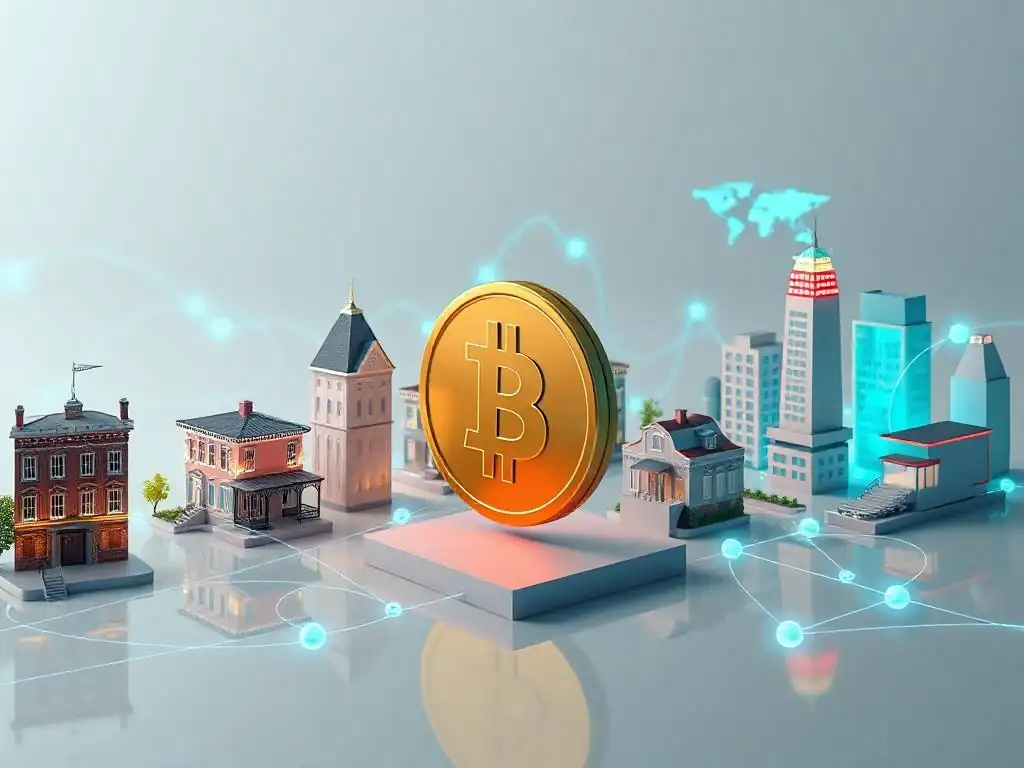
Technological Advancements: Blockchain and Smart Contracts
The core driver behind real estate tokenization is the maturation of blockchain technology and smart contracts. Blockchain provides a decentralized, immutable, and transparent ledger to record ownership and transaction history securely. This inherent trust mechanism reduces the need for intermediaries and increases confidence in the integrity of the data. The efficiency gains from automated record-keeping are significant.
Smart contracts, self-executing contracts with the terms of the agreement directly written into code, automate various aspects of the real estate investment lifecycle. This includes automating dividend distributions from rental income, managing voting rights for property decisions, and even facilitating the transfer of tokens upon sale, conditional on payment. These technological capabilities provide the foundation for the operational efficiency and transparency that underpin global real estate tokenization trends.
Regulatory Clarity and Evolving Legal Frameworks
Increasing regulatory clarity in key jurisdictions is a critical factor accelerating global real estate tokenization trends. As governments recognize the potential benefits of tokenization while also addressing investor protection and financial stability concerns, they are developing specific legal frameworks. Laws that define digital securities, clarify issuance requirements, and outline the legal status of tokenized ownership interests reduce uncertainty and encourage participation from larger investors and institutions.
Examples include Germany's Electronic Securities Act or specific guidance from regulators in Singapore and the US. While a fully harmonized global framework is unlikely in the near future, the progress in establishing clear rules in influential markets provides a blueprint and builds confidence for cross-border activities. This evolving legal landscape is essential for tokenization to move from pilot projects to mainstream adoption.
Increased Investor Demand for Fractional Real Estate Ownership
A significant driver is the growing demand from a diverse range of investors for more accessible ways to invest in real estate. High property prices in many urban centers globally make direct ownership challenging for many individuals. Fractional ownership through tokenization allows investors to participate in the real estate market with smaller capital outlays, sometimes as low as a few hundred dollars.
This democratized access appeals to retail investors, younger demographics, and investors in emerging markets seeking diversification. It also allows accredited and institutional investors to build highly diversified portfolios across different property types and geographies without the administrative burden and illiquidity of traditional methods. This strong investor appetite is a major force propelling global real estate tokenization trends.
Enhanced Liquidity and Accessibility in Real Estate Investments
Traditional real estate is notoriously illiquid; selling a property can take months and involve significant costs. Tokenization aims to fundamentally change this by creating digital assets that can be traded on secondary markets. While the secondary market infrastructure for tokenized real estate is still developing, the potential for faster and cheaper transactions compared to traditional sales is a major draw.
Increased liquidity makes real estate a more attractive asset class, as investors are not locked in for long periods. Accessibility is also enhanced not only through fractional ownership but also by streamlining the investment process. Online platforms allow investors to browse opportunities, complete KYC/AML checks, and invest digitally, removing geographical barriers and simplifying transactions, thereby boosting global real estate tokenization trends.
Challenges and Obstacles to Global Real Estate Tokenization Adoption
Regulatory Uncertainty and Compliance Issues
Despite progress, regulatory uncertainty remains a primary obstacle to the widespread adoption of real estate tokenization trends globally. The lack of a universally accepted legal definition for tokenized assets and varying interpretations of existing securities and property laws across jurisdictions create complexity for issuers and platforms operating internationally. Navigating different KYC/AML requirements and securities registration processes adds significant cost and time.
Compliance is paramount, especially as regulators globally increase scrutiny on digital assets. Ensuring that tokenized offerings meet all relevant legal standards for securities, financial promotions, and data privacy is a continuous challenge. The risk of regulatory changes or enforcement actions can deter potential participants, highlighting the need for continued dialogue between the industry and regulators to foster clearer and more harmonized frameworks.
Security Risks and Cybersecurity Concerns
As digital assets, tokenized real estate is susceptible to cybersecurity risks. While the underlying blockchain is generally considered secure, vulnerabilities can exist at other points in the ecosystem, such as:
- Platform security: Centralized platforms used for issuance or trading can be targets for hacking.
- Smart contract risks: Bugs or vulnerabilities in the smart contract code could lead to loss of funds or incorrect execution of terms.
- Private key management: Investors are responsible for securing their digital wallets and private keys; loss or theft can result in permanent loss of assets.
Ensuring robust security measures across the entire tokenization lifecycle, from issuance to trading and custody, is critical. Building investor trust requires demonstrating that these digital assets are protected against cyber threats and that platforms have strong security protocols in place. Addressing these concerns is vital for building confidence in real estate tokenization trends globally.
Investor Education and Awareness
A significant hurdle is the need for greater investor education and awareness about what real estate tokenization is, how it works, and the specific risks involved. Many potential investors are unfamiliar with blockchain technology, digital wallets, and the nuances of investing in tokenized assets. Distinguishing legitimate tokenized offerings from fraudulent schemes is also a concern.
Educating investors about the benefits, risks (including market volatility, illiquidity on nascent secondary markets, and technological risks), and regulatory status of tokenized real estate is essential for fostering informed participation. Platforms and industry bodies play a crucial role in providing clear, accessible information to build confidence and drive broader adoption of real estate tokenization trends globally.
Scalability and Interoperability Challenges
While blockchain technology offers many benefits, scalability can still be a challenge for certain networks, potentially impacting transaction speed and cost, especially for high-frequency trading or micro-transactions. As the volume of tokenized assets and transactions grows, the underlying infrastructure must be able to handle the load efficiently.
Interoperability, the ability for different blockchain networks and traditional financial systems to communicate and interact seamlessly, is another challenge. For tokenized real estate to achieve mainstream adoption, it needs to integrate smoothly with existing banking systems, payment gateways, and potentially other asset classes. Developing standards and protocols for interoperability is crucial for creating a connected and efficient global market for tokenized assets.
The Future of Real Estate Tokenization Globally
Predictions for the Growth of Tokenized Real Estate
Predictions for the future of tokenized real estate universally point towards significant growth. While the exact pace is debated, the consensus is that tokenization will become an increasingly important method for real estate investment and financing. Some forecasts suggest the market could grow exponentially, potentially reaching a market capitalization in the hundreds of billions or even trillions of dollars within the next decade, capturing a small but growing percentage of the vast global real estate market.
This growth will likely be driven by several factors: increasing regulatory clarity enabling institutional participation, the development of more robust secondary markets improving liquidity, greater investor understanding and acceptance, and the continued evolution of underlying blockchain technology. As these elements mature, tokenized real estate is poised to move from a niche application to a mainstream investment option, profoundly impacting real estate tokenization trends globally.
The Impact of DeFi on Real Estate Tokenization
Decentralized Finance (DeFi) is expected to have a significant impact on the future of real estate tokenization. DeFi protocols offer decentralized lending, borrowing, and trading services without traditional financial intermediaries. Tokenized real estate assets could potentially be integrated into DeFi ecosystems, allowing investors to use their tokenized property holdings as collateral for loans, earn yield by lending tokens, or trade them on decentralized exchanges.
This integration could unlock new levels of liquidity and utility for real estate assets, creating innovative financial products and services built around tokenized properties. While challenges related to asset valuation, legal enforceability, and regulatory compliance within the pseudonymous world of DeFi need to be addressed, the potential for synergy between DeFi and real estate tokenization is immense, promising to reshape financial aspects of real estate tokenization trends globally.
The Role of Institutional Investors in the Tokenized Real Estate Market
The increased participation of institutional investors is seen as a key catalyst for the widespread adoption of real estate tokenization. Large asset managers, pension funds, insurance companies, and investment banks require regulatory certainty, robust infrastructure, and significant market liquidity before committing substantial capital. As these conditions improve, institutional players are expected to enter the market, bringing large pools of capital and enhancing market depth.
Institutional adoption will not only provide legitimacy to the tokenized real estate market but also drive the development of more sophisticated platforms, financial products, and secondary trading venues. Their involvement is crucial for scaling the market and integrating tokenized real estate into mainstream financial portfolios, accelerating real estate tokenization trends globally towards maturity.
Emerging Technologies and Innovations in Real Estate Tokenization
The future of real estate tokenization will also be shaped by emerging technologies and ongoing innovations. Advances in blockchain technology, such as improvements in scalability (e.g., Layer 2 solutions) and energy efficiency, will make tokenization more practical and environmentally friendly. The development of decentralized identity solutions could streamline KYC/AML processes while maintaining privacy.
Furthermore, integration with other technologies like Artificial Intelligence (AI) for property valuation or Virtual/Augmented Reality (VR/AR) for property viewing could enhance the tokenized real estate investment experience. Innovations in legal tech are also crucial for automating compliance and legal documentation associated with tokenized offerings. These technological and legal advancements will continue to refine and expand the possibilities of real estate tokenization trends globally.
Conclusion: Real Estate Tokenization's Transformative Potential
Key Takeaways on Global Real Estate Tokenization Trends
Real estate tokenization represents a significant evolution in how property is owned, invested in, and traded globally. Key takeaways from current real estate tokenization trends globally include:
- It lowers investment barriers through fractional ownership.
- It promises enhanced liquidity compared to traditional real estate.
- Regulatory clarity is increasing in key regions, but remains fragmented.
- North America and Europe are leading in structured initiatives, while Asia and Latin America show high growth potential.
- Africa holds long-term promise for democratization and transparency.
- Technological maturity and investor demand are primary drivers.
- Challenges include regulatory uncertainty, security, and the need for education.
Despite the obstacles, the momentum is building, driven by the fundamental benefits tokenization offers in terms of accessibility, efficiency, and transparency in a historically opaque and illiquid market.
The Long-Term Impact of Tokenization on the Real Estate Industry
The long-term impact of tokenization on the global real estate industry is expected to be transformative. It has the potential to fundamentally alter market structures, making real estate investment more accessible to a broader range of investors worldwide. This increased accessibility can lead to greater capital formation for real estate development and potentially influence property valuations by increasing the pool of buyers.
Tokenization is also likely to drive innovation in real estate financing and investment products, potentially blurring the lines between traditional real estate, capital markets, and decentralized finance. While it may not replace traditional real estate ownership entirely, tokenization is poised to become a significant parallel market, offering a digital alternative that enhances liquidity, transparency, and global reach, ultimately reshaping the landscape of real estate investment for decades to come and solidifying global real estate tokenization trends as a major force.
Frequently Asked Questions
What is real estate tokenization and why is it gaining traction globally?
Real estate tokenization is the process of converting ownership rights in a property into digital tokens on a blockchain. It's gaining traction because it offers fractional ownership, increased liquidity, and reduced transaction costs.
What are some of the key real estate tokenization trends observed across different regions globally?
Key trends include increasing adoption in developed markets like the US and Europe, while emerging markets are exploring tokenization for increased investment opportunities and cross-border transactions. Regulatory frameworks are also evolving, influencing adoption rates.
How does DeFi integrate with real estate tokenization, and what benefits does this integration offer?
DeFi integration allows for decentralized lending and borrowing against tokenized real estate. This offers benefits such as access to capital, improved liquidity, and the potential for higher yields compared to traditional real estate investments.
What are the main regulatory challenges facing the global adoption of real estate tokenization, and how are they being addressed?
Regulatory challenges include securities laws, anti-money laundering (AML) compliance, and the need for clear legal frameworks. These are being addressed through ongoing dialogue between regulators and industry players to create compliant and innovative solutions.
How does real estate tokenization impact the accessibility and liquidity of real estate investments for individual investors?
Tokenization makes real estate investments more accessible by lowering the minimum investment amount. It also enhances liquidity by enabling easier trading of tokens on secondary markets compared to traditional real estate transactions.
Final Reflection: Embracing the Tokenized Future of Real Estate
The journey through the global landscape of real estate tokenization reveals a profound shift in how we perceive and interact with property ownership. The democratization of real estate investment, driven by fractional ownership and enhanced liquidity, is no longer a futuristic concept but a tangible reality unfolding across diverse markets. From the regulatory hurdles in established economies to the innovative leaps in emerging markets, the trends we've explored paint a vivid picture of a sector on the cusp of transformation.
This evolution is not merely about technological advancement; it's about fundamentally altering access to wealth creation and reshaping the very fabric of our financial systems. Witnessing the diverse approaches to tokenization across different regions underscores the adaptability and resilience of this technology, highlighting its potential to address unique challenges and opportunities. The future of real estate is not just about bricks and mortar, but about the seamless integration of technology and finance to create a more inclusive and efficient market.
This quote encapsulates the spirit of innovation driving the global adoption of real estate tokenization.
As we stand at the threshold of this tokenized future, let us not only observe the trends but actively participate in shaping them. Consider how you can leverage the opportunities presented by real estate tokenization, whether as an investor, developer, or simply an informed citizen. Explore the possibilities, engage in thoughtful dialogue, and contribute to building a more accessible, transparent, and equitable real estate landscape for all. The future of property ownership is being written now – be a part of the story.
Unearth Your Next Tokenized Real Estate Opportunity!
Thank you for exploring the world of real estate tokenization and examining its global landscape. We hope you’ve gained valuable insights into the trends and regional differences shaping this innovative field. Now, it’s time to take the next step!
Here are some ways to continue your journey:
- Research local platforms or opportunities in your area to see if there are tokenized real estate offerings that match your investment interests.
- Share this article with colleagues or friends who are interested in blockchain technology or real estate investing. Help spread awareness of this emerging asset class!
- Join the discussion on our forum to connect with other investors and explore the future of tokenized real estate.
What recent project in real estate tokenization has piqued your interest, and what makes it stand out? Share your thoughts in the comments below!
Leave a Reply