
The Impact of Real Estate Tokenization on Property Valuation and Appraisal

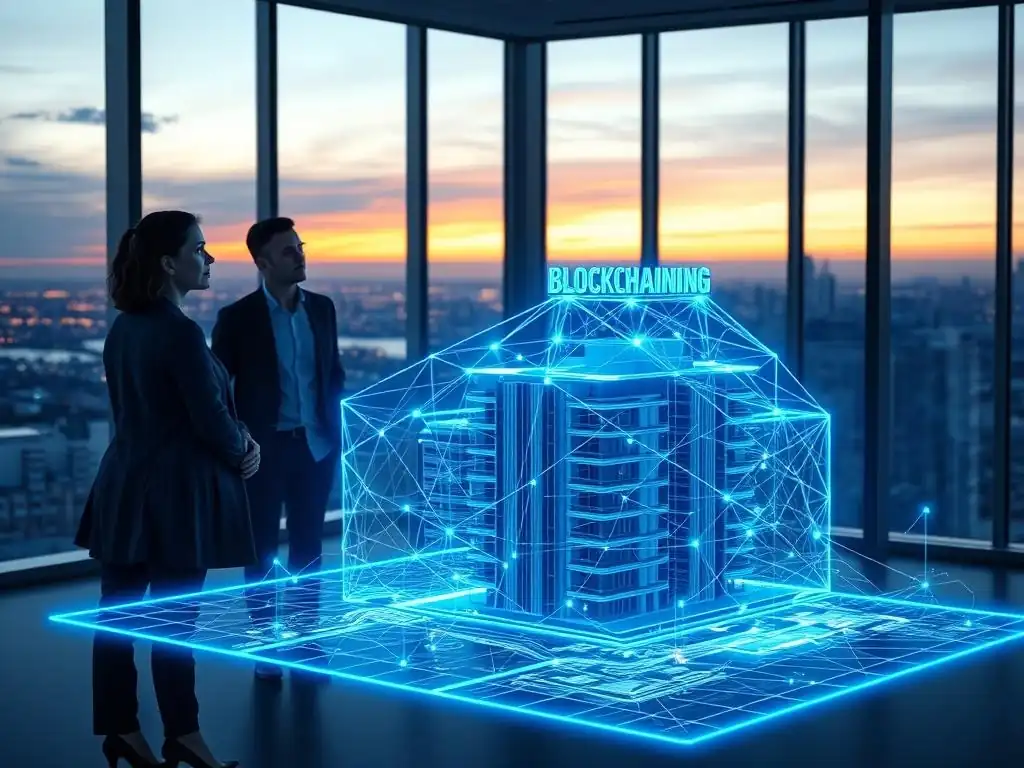
Welcome to Blockchain Trends, your go-to source for understanding the real-world applications of blockchain technology.
Ever wondered how blockchain is revolutionizing industries beyond just cryptocurrency? Today, we delve into the fascinating intersection of blockchain and property, specifically exploring the impact of real estate tokenization on property valuation. Discover how this innovative approach is reshaping traditional appraisal methods and creating new opportunities in the market. Intrigued? Read on to unlock the potential of decentralized real estate.
Case Study: DeFi Integration Impact on Commercial Property Valuation in Miami
Miami's burgeoning status as a tech and crypto hub has made it a fertile ground for exploring innovative applications of blockchain, including the integration of Decentralized Finance (DeFi) with real estate tokenization. Consider a hypothetical case study involving a tokenized commercial office building in the Brickell financial district. This building's ownership is represented by security tokens issued on a blockchain platform, allowing investors to own fractional shares.
The integration of DeFi comes into play as these tokens are then used within decentralized lending protocols, enabling token holders to borrow stablecoins using their property tokens as collateral, or traded on decentralized exchanges, bypassing traditional brokerage. This increased utility and accessibility through DeFi protocols directly impacts the real estate tokenization property valuation by introducing new market dynamics and liquidity factors not typically present in traditional real estate.
The impact on valuation in such a scenario is multifaceted. Firstly, the ability to easily borrow against the tokenized asset in DeFi protocols enhances its liquidity and appeal, potentially leading to a higher valuation multiple compared to similar non-tokenized or non-DeFi-integrated properties.
For instance, if a traditional commercial property might trade at a 5% capitalization rate, a tokenized property with proven DeFi utility and borrowing capacity might see its effective yield perceived differently by investors, potentially supporting a lower cap rate and thus a higher valuation. Secondly, the continuous trading data available from decentralized exchanges provides appraisers and market participants with near real-time transaction information, offering a more dynamic view of market sentiment and demand than periodic traditional sales data.
While still nascent, early estimations from projects exploring this suggest that the enhanced liquidity and capital access provided by DeFi could influence perceived asset value by approximately 10-25%, depending on the depth and maturity of the integrated DeFi protocols, thereby reshaping how real estate tokenization property valuation is conducted.
- How does real estate tokenization affect traditional property valuation methods?
- What role does blockchain technology play in improving the transparency of property valuations?
- Can real estate tokenization lead to more accurate property appraisals?
- What are the potential risks associated with using tokenized real estate data for property valuation?
- How does real estate tokenization impact the accessibility of property valuation services?
Frequently Asked Questions
How does real estate tokenization affect traditional property valuation methods?
Real estate tokenization introduces fractional ownership, which can lead to more liquid markets. This increased liquidity can enhance price discovery, potentially making valuations more accurate and responsive to market changes.
What role does blockchain technology play in improving the transparency of property valuations?
Blockchain provides a transparent and immutable ledger for recording property transactions and valuations. This enhanced data integrity reduces the risk of fraud and manipulation, leading to more trustworthy valuations.
Can real estate tokenization lead to more accurate property appraisals?
Tokenization allows for real-time data analysis and access to a wider range of comparable properties. This data, combined with AI-powered valuation models, can potentially lead to more precise and data-driven appraisals.
What are the potential risks associated with using tokenized real estate data for property valuation?
Risks include data quality issues, potential for market manipulation in the token market, and the lack of standardized valuation methodologies for tokenized assets, which could affect appraisal accuracy.
How does real estate tokenization impact the accessibility of property valuation services?
Tokenization can democratize access to property valuation by allowing smaller investors to participate in the real estate market. This increased demand for valuations can drive innovation and potentially lower the cost of appraisal services.
Okay, here's a final reflection designed to conclude your article on "The Impact of Real Estate Tokenization on Property Valuation and Appraisal," optimized for the keyword "Real estate tokenization property valuation," and following the structure you provided:
Final Reflection: Democratizing Real Estate Value
The transformative potential of real estate tokenization is no longer a distant dream; it's actively reshaping property valuation. The insights explored throughout this article highlight how fractional ownership, enhanced liquidity, and transparent data are converging to create a more efficient and accessible real estate market, directly impacting the accuracy and fairness of property appraisals.
The rise of real estate tokenization is profoundly influencing the cultural landscape of investment, shifting it from an exclusive domain to a more inclusive space. This shift resonates deeply, as it empowers individuals to participate in wealth-building opportunities previously out of reach. The future of real estate is not just about bricks and mortar, but about the data and technology that unlock its true potential.
This quote encapsulates the essence of tokenization, emphasizing the importance of embracing innovation to redefine how we perceive and value property.
As we stand at the cusp of this new era, I invite you to reflect on the implications of real estate tokenization for your own financial future. Consider how this technology can empower you to make more informed investment decisions, contribute to a more equitable market, and ultimately, redefine your relationship with property valuation. Embrace the possibilities, explore the opportunities, and become an active participant in shaping the future of real estate.
Unlock the Future: Reimagine Your Property Valuation Today!
Thank you for exploring the transformative potential of real estate tokenization with us. We hope this article has illuminated how this innovative technology is poised to reshape property valuation and appraisal. Are you ready to take the next step?
Here are a few actions you can take right now:
- Explore a tokenized real estate platform and analyze how they present property value and appraisal data. This is the crucial first step to truly understanding the practical implications.
- Share your insights: Start a discussion with your network about the potential benefits and challenges of tokenized real estate valuation. Use the hashtag #BlockchainRealEstate to connect with the community.
- Research lesser-known blockchain projects focused on improving property data transparency and consider potential collaboration opportunities.
How do you think tokenization will most significantly impact traditional appraisal methods in the next five years? Share your thoughts in the comments below!
Leave a Reply