
Lower Fees, Faster Deals: The Efficiency of Decentralized Real Estate Markets


Welcome to Blockchain Trends, your compass in the rapidly evolving world of decentralized technology. We delve beyond the hype to uncover the real impact of blockchain across industries. Intrigued by the prospect of revolutionizing traditional sectors? Then, prepare to discover how decentralized real estate transaction fees are poised to reshape the market, offering unprecedented efficiency and cost savings. But how exactly does it work, and what are the potential benefits? Dive in to learn more and explore the future of property transactions!
- Introduction to Decentralized Real Estate Markets and Transaction Fees
- The Problem with Traditional Real Estate Transaction Fees
- How Decentralized Real Estate Transaction Fees Are Lowered
- Speeding Up Real Estate Deals Through Decentralization
- Comparative Analysis: Decentralized vs. Traditional Real Estate Transaction Costs
- Regulatory and Security Considerations Affecting Decentralized Real Estate Fees
- The Future Outlook of Decentralized Real Estate Transaction Fees
- Conclusion: The Transformative Potential of Lower Fees and Faster Deals in Decentralized Real Estate
-
Frequently Asked Questions
- How does blockchain technology contribute to lower real estate transaction fees?
- What are the key advantages of decentralized real estate markets compared to traditional systems?
- How does DeFi (Decentralized Finance) integrate with blockchain-based real estate transactions?
- What regulatory challenges exist for blockchain-based real estate transactions?
- What is the future potential of decentralized real estate markets and their impact on the real estate industry?
- Final Reflection: Embracing the Future of Real Estate
- Unveil Your Future in Decentralized Real Estate!
Introduction to Decentralized Real Estate Markets and Transaction Fees
Understanding Decentralized Real Estate Marketplaces
Decentralized real estate marketplaces represent a fundamental shift from traditional property transaction models. Instead of relying on central authorities like brokerages, banks, and title companies to facilitate deals, these platforms leverage blockchain technology to enable peer-to-peer interactions. This architecture aims to remove intermediaries, streamline processes, and ultimately reduce the costs associated with buying, selling, and managing real estate. The core idea is to create a more direct, transparent, and efficient ecosystem for property transactions, directly impacting areas like decentralized real estate transaction fees.
These marketplaces operate on distributed ledgers, often powered by smart contracts, which automate agreement execution based on predefined conditions. This automation is key to reducing reliance on manual processes and the associated human labor and administrative overhead.
Early examples and pilot projects suggest that the operational costs on such platforms can be significantly lower than in traditional settings. For instance, while a traditional real estate transaction might involve dozens of manual steps and third-party verifications, a decentralized system can potentially consolidate many of these functions onto the blockchain, leading to a leaner, less expensive process that benefits all parties by lowering the effective decentralized real estate transaction fees.
The Role of Blockchain in Real Estate Transactions
Blockchain technology provides the foundational layer for decentralized real estate markets. Its immutable, transparent, and distributed nature is ideally suited for recording property ownership, transaction history, and related data. Each transaction or ownership change is recorded on the blockchain as a block, linked to the previous one, creating a tamper-evident ledger accessible to relevant parties. This inherent transparency drastically reduces the potential for fraud and disputes, which are often costly in traditional real estate.
Furthermore, blockchain enables the creation of digital representations of real-world assets, known as tokens. For real estate, this means properties can be tokenized, allowing for fractional ownership and easier transfer of property rights. This tokenization process, combined with smart contracts, automates the escrow, title transfer, and payment processes. By handling these complex steps programmatically, blockchain minimizes the need for multiple intermediaries, such as escrow agents or title insurers, whose fees contribute significantly to overall transaction costs. The elimination or reduction of these third parties is a primary driver behind the potential for lower decentralized real estate transaction fees.
Why Transaction Fees Matter in Real Estate Deals
Transaction fees are a critical component of any real estate deal, directly impacting the final cost for buyers and the net proceeds for sellers. In traditional markets, these fees can accumulate substantially, often totaling 5% to 8% or more of the property's sale price.
This includes real estate agent commissions (typically 5-6%, split between buyer and seller agents), closing costs (covering title insurance, escrow fees, legal fees, appraisal fees, recording fees, etc., which can range from 2% to 5% of the loan amount or sale price), and various taxes or administrative charges. These costs represent a significant barrier to entry for many, reduce investment returns, and can slow down market activity.
The magnitude of these fees means that even small percentage point reductions can translate into thousands or tens of thousands of dollars in savings on a single transaction, depending on the property value. For example, on a $300,000 home, a 6% commission is $18,000, and closing costs could add another $6,000 to $15,000. Reducing these costs through more efficient, decentralized processes is a major value proposition. Lower decentralized real estate transaction fees could unlock greater market liquidity, make property ownership more accessible, and improve the profitability of real estate investments for individuals and institutions alike.
The Problem with Traditional Real Estate Transaction Fees
Traditional real estate transactions are notorious for their high costs, which are often layered and can include numerous hidden charges that become apparent only late in the process. The most significant component is typically the real estate agent commission, which commonly sits around 5% to 6% of the property's sale price. While this fee covers marketing, negotiation, and administrative work, it's a substantial amount for both buyer and seller. Beyond commissions, closing costs encompass a wide array of services from various intermediaries.
These closing costs can include fees for title searches and insurance, which protect against future claims on the property; escrow fees for managing funds and documents; legal fees for drafting and reviewing contracts; appraisal fees to determine the property's market value; survey fees; recording fees paid to local government; and loan origination fees if financing is involved. Each of these services is provided by a separate entity, adding its own layer of cost.
For instance, title insurance premiums alone can range from 0.5% to 1% of the property value. Cumulatively, these fees can add 2% to 5% on top of commissions, resulting in a total transaction cost that is a significant percentage of the property value, highlighting a key area where decentralized real estate transaction fees aim to provide a competitive advantage.
Delays and Inefficiencies Impacting Deal Closures
The complexity and multi-party nature of traditional real estate transactions inherently lead to delays and inefficiencies. A typical home sale process involves numerous steps, including offer negotiation, inspections, appraisals, loan underwriting, title searches, and final closing. Each step often requires coordination between different parties—buyers, sellers, agents, lenders, appraisers, inspectors, attorneys, title companies, and escrow officers. This coordination is frequently manual, involving phone calls, emails, and physical document exchanges.
These manual handoffs and dependencies create bottlenecks. For example, a delay in receiving an appraisal report can push back the loan underwriting process, which in turn postpones the closing date. Title searches can take days or weeks, and resolving any title issues adds further time.
The average time to close on a home in the U.S. often ranges from 30 to 60 days, and complex transactions or market backlogs can extend this period significantly. These delays not only cause frustration but can also lead to deals falling through, resulting in wasted time and resources for all involved, a stark contrast to the potential for faster settlement offered by solutions targeting lower decentralized real estate transaction fees.
Lack of Transparency and Its Effect on Buyer and Seller Trust
Transparency is a major challenge in traditional real estate, contributing to a lack of trust among parties. The fee structure itself can be opaque, with buyers and sellers often receiving a complex breakdown of closing costs shortly before the closing date, making it difficult to understand or dispute individual charges. Information asymmetry is also prevalent; for instance, relying solely on agent recommendations for service providers like inspectors or title companies might not always lead to the most cost-effective options.
Furthermore, the status of a transaction is not always readily available to all parties in real-time. Buyers might be unsure about the progress of their loan application, or sellers might lack visibility into the title search process.
This lack of a single, shared source of truth can lead to miscommunication, anxiety, and a feeling of being excluded from key steps in the process. The closed nature of traditional systems, where critical data is held in silos by various intermediaries, contrasts sharply with the open, auditable ledger approach of blockchain, which promises greater transparency and thus builds trust, a factor that inherently influences perceptions around decentralized real estate transaction fees and overall value.
How Decentralized Real Estate Transaction Fees Are Lowered
Blockchain Technology Enabling Cost Reduction in Property Deals
Blockchain technology fundamentally restructures the cost landscape of real estate transactions by reducing the reliance on expensive intermediaries and automating processes. By providing a secure, transparent, and immutable ledger for recording property ownership and transaction history, blockchain minimizes the need for traditional title insurance and escrow services, or at least significantly streamlines them. Instead of relying on third parties to manually verify ownership chains and manage funds in escrow accounts, these functions can be handled by the blockchain network itself through smart contracts.
Consider the cost of title insurance, which can be a substantial percentage of the property's value. On a blockchain-based system with a verified, secure, and transparent ownership history recorded on the ledger, the risk of title defects is drastically reduced, potentially lowering or even eliminating the need for expensive title insurance premiums.
Similarly, escrow services, which charge fees for holding funds and documents until closing conditions are met, can be replaced by smart contracts that automatically release funds and transfer digital ownership tokens once all predefined conditions are verified on the blockchain. These efficiencies directly translate into lower decentralized real estate transaction fees compared to traditional models.
Smart Contracts Automating Processes and Reducing Intermediaries
Smart contracts are self-executing contracts with the terms of the agreement directly written into code. They run on the blockchain and automatically enforce, perform, or pay when specific conditions are met and verified by the network. In real estate, smart contracts can automate numerous steps that traditionally require manual intervention and third-party fees. This includes:
- Offer and Acceptance: Digital offers can be submitted and accepted via smart contracts.
- Escrow: Funds can be held in a smart contract that automatically releases them to the seller when digital ownership is transferred.
- Title Transfer: Upon verification of payment and fulfillment of other conditions, the smart contract can automatically transfer the digital representation of property ownership (e.g., a token) to the buyer's wallet.
- Payment Distribution: Sale proceeds can be automatically distributed to relevant parties (e.g., seller, agents if applicable, lienholders) according to predefined percentages.
By automating these functions, smart contracts eliminate the need for many traditional roles, such as escrow officers, and reduce the administrative burden on legal professionals, thereby cutting down on associated fees. While there might be small transaction costs (gas fees) to execute smart contracts on the blockchain, these are typically negligible compared to the cumulative fees charged by multiple intermediaries in a traditional transaction, leading to significantly lower decentralized real estate transaction fees.
Tokenization and Fractional Ownership Lowering Entry Barriers and Fees
Tokenization involves converting rights to a real estate asset into digital tokens on a blockchain. Each token can represent a share of ownership in a property. This process has a profound impact on accessibility and fee structures.
- Fractional Ownership: Tokenization allows properties to be divided into many small, tradable tokens. This enables fractional ownership, meaning investors can buy a portion of a property rather than needing capital for the entire asset. This lowers the entry barrier for real estate investment, allowing more people to participate in the market.
- Increased Liquidity: Tokens are much easier and faster to trade than physical properties or shares in traditional real estate investment trusts (REITs). They can be traded on secondary marketplaces, similar to stocks, increasing the liquidity of real estate assets. This increased liquidity can reduce the holding period for sellers and potentially lower the costs associated with prolonged market exposure.
- Reduced Transaction Costs: Trading tokens representing property ownership can involve significantly lower fees compared to traditional property sales. Instead of paying large commissions and closing costs associated with transferring full property deeds, token transfers might only incur small platform fees or blockchain network fees. For example, trading property tokens on a decentralized exchange might involve fees of a fraction of a percentage point, a stark contrast to the typical 5-8% in traditional deals. This model directly contributes to lower decentralized real estate transaction fees for fractional or even full property ownership transfers facilitated via tokenization.
Speeding Up Real Estate Deals Through Decentralization
Eliminating Middlemen to Accelerate Transaction Times
One of the primary reasons traditional real estate transactions are time-consuming is the reliance on multiple intermediaries, each adding their own processing time and requiring coordination. These include real estate agents, banks, appraisers, inspectors, title companies, escrow agents, and lawyers. Information and documents must pass sequentially through these different parties, creating delays at each handover point.
Decentralized real estate platforms, powered by blockchain and smart contracts, aim to remove or reduce the number of these middlemen. By automating processes like identity verification (using decentralized identity solutions), fund handling (via smart contracts), and ownership transfer (via token transfer), the need for separate escrow officers, title agents, and even traditional real estate agents can be minimized or eliminated for direct peer-to-peer transactions.
This streamlined process significantly cuts down on the administrative lag and scheduling complexities inherent in traditional deals, directly accelerating the time it takes from offer to closing. The fewer parties involved, the faster the information flows and the quicker conditions can be met, leading to faster settlements and reinforcing the efficiency benefits beyond just decentralized real estate transaction fees.
Real-Time Verification and Settlement on Blockchain Networks
Blockchain technology enables near real-time verification and settlement of transactions. Unlike traditional systems where verifying funds, conducting title searches, and recording deeds can take days or weeks, these processes can be significantly accelerated on a blockchain.
- Fund Verification: Cryptocurrencies or stablecoins used for payment can be verified instantly on the blockchain network, eliminating the need for bank transfers that can take days to clear.
- Ownership Verification: A property's ownership history, if recorded on a blockchain ledger, can be verified almost instantly by querying the chain, bypassing lengthy manual title searches.
- Automated Settlement: Once all conditions in a smart contract are met (e.g., payment received, identity verified), the smart contract automatically executes the transfer of the digital asset representing ownership. This settlement happens within minutes or hours, depending on network congestion, rather than the days or weeks required for traditional deed recording and fund disbursement processes.
This capability for rapid verification and automated settlement drastically reduces the overall transaction timeline. While a traditional closing might take 30-60 days, a decentralized transaction on a well-designed platform could potentially settle in a matter of days or even hours once terms are agreed upon and necessary off-chain legal requirements (if any) are met. This speed is a major advantage alongside the potential for lower decentralized real estate transaction fees.
Impact of Decentralized Finance (DeFi) Tools on Real Estate Liquidity
Decentralized Finance (DeFi) applications built on blockchain can further enhance the speed and efficiency of real estate transactions, particularly regarding financing and liquidity. DeFi protocols allow for peer-to-peer lending and borrowing without traditional financial institutions.
- Faster Financing: Buyers can potentially access financing more quickly through DeFi lending platforms, using other digital assets as collateral or exploring innovative tokenized debt structures tied to the property itself. This bypasses the lengthy loan application and underwriting processes of traditional banks.
- Increased Liquidity: Tokenization of real estate, combined with DeFi exchanges, makes it easier for sellers to find buyers for fractional or full ownership stakes. Investors can trade property tokens on secondary markets, providing an exit strategy that is far more liquid than selling a physical property traditionally. This increased liquidity reduces the time and effort required to sell an asset.
- Innovative Funding Models: DeFi enables new ways to fund real estate projects or purchases, such as crowdfunding through token sales or using yield farming strategies potentially linked to rental income.
By integrating with or leveraging DeFi tools, decentralized real estate platforms can offer faster and more flexible financing options, increase market liquidity, and accelerate the overall pace of transactions, complementing the cost savings offered by reduced decentralized real estate transaction fees.
Comparative Analysis: Decentralized vs. Traditional Real Estate Transaction Costs
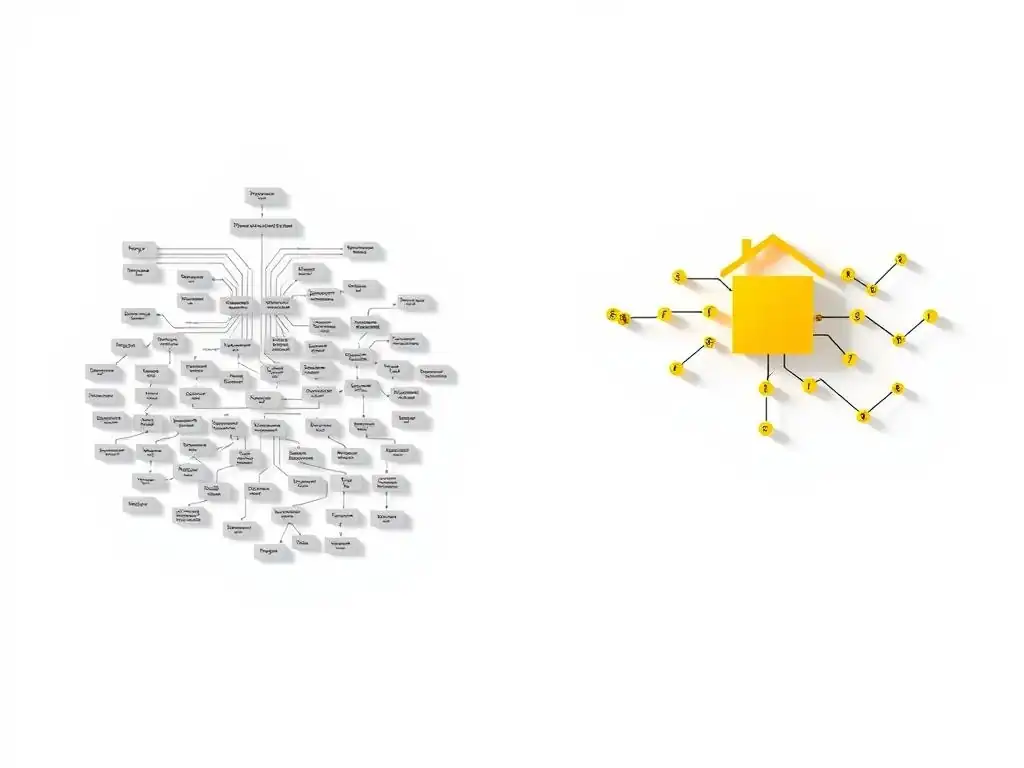
Fee Structures in Decentralized Real Estate Marketplaces
The fee structures in decentralized real estate marketplaces differ significantly from traditional models, primarily due to the reduced reliance on intermediaries and the automation of processes. While specific fees vary depending on the platform and the underlying blockchain network, they generally fall into categories like:
- Platform Fees: Marketplaces may charge a small fee for listing properties or facilitating trades. These are often a low percentage (e.g., below 1%) or a flat fee, considerably less than traditional agent commissions (5-6%).
- Smart Contract Execution Costs (Gas Fees): Transactions on public blockchains (like Ethereum) require 'gas' fees paid to network validators. These costs can fluctuate based on network congestion but are typically very low compared to traditional closing costs. On some newer blockchains or private/consortium chains, these fees can be minimal or non-existent for users.
- Legal/Regulatory Compliance Fees: While blockchain automates many steps, some legal work (e.g., ensuring off-chain compliance, initial tokenization setup) may still require professional services, incurring fees. However, the scope is often more limited than in traditional closings.
- Oracle Fees: If smart contracts rely on external data feeds (oracles) for conditions (e.g., verifying property data), there might be small associated costs.
Overall, the total decentralized real estate transaction fees are designed to be substantially lower. Instead of cumulative fees from multiple service providers summing up to 5-8%+, decentralized models aim for total transaction costs that could be in the range of 0.5% to 3%, depending on the specific services utilized and the platform's fee model.
Case Studies Highlighting Fee Reduction and Faster Deal Closures
While the decentralized real estate market is still nascent, several pilot projects and early platforms have demonstrated the potential for significant cost and time savings.
- Example 1 (Hypothetical Tokenized Property Sale): Consider a $500,000 commercial property tokenized and sold on a decentralized platform. In a traditional sale, costs might include 5% commission ($25,000) and 3% closing costs ($15,000), totaling $40,000 (8%). On a decentralized platform, assuming a 1% platform fee ($5,000) and minimal smart contract gas fees, plus potentially streamlined legal review costing $2,000, the total could be around $7,000 (1.4%). This represents a potential saving of over 80% on transaction costs. The closing time, traditionally 60+ days for commercial property, could potentially be reduced to days or a couple of weeks, depending on legal and off-chain requirements.
- Example 2 (Fractional Ownership Trading): An investor sells $10,000 worth of tokens representing a share in a property. In a traditional model, selling a small share might be impossible or incur disproportionately high fees. On a decentralized exchange, the transaction fee might be a flat fee of $5 or a percentage fee of 0.1%, costing just $10. This ease and low cost of trading significantly contrast with the fees associated with selling shares in a traditional REIT or the impossibility of selling a tiny fraction of a physical property, showcasing the efficiency of decentralized real estate transaction fees for fractional interests.
These examples, while illustrative, highlight the potential for dramatic reductions in both costs and time, making real estate investment and transfer more accessible and efficient.
Long-Term Savings and Value Creation for Buyers and Sellers
The lower decentralized real estate transaction fees and increased speed offered by decentralized platforms translate into significant long-term savings and value creation for market participants.
For buyers, lower transaction costs mean:
- A lower overall cost basis for the property, potentially increasing return on investment.
- More capital available for renovations, improvements, or other investments.
- Increased accessibility to the market, particularly for fractional ownership.
For sellers, lower transaction costs mean:
- Higher net proceeds from the sale.
- Faster access to capital from the sale due to quicker closing times.
- Increased liquidity for their assets, allowing for easier portfolio adjustments.
Over time, as decentralized real estate markets mature and gain wider adoption, the cumulative effect of these savings across numerous transactions can be substantial, potentially lowering the cost of housing and commercial property investment globally. The efficiency gains also free up time and resources that would otherwise be spent navigating complex, slow, and expensive traditional processes, creating value beyond just monetary savings.
Regulatory and Security Considerations Affecting Decentralized Real Estate Fees
Compliance Challenges and Their Effect on Transaction Costs
Navigating the existing legal and regulatory landscape is a significant challenge for decentralized real estate platforms, and compliance efforts can introduce costs. Real estate law is traditionally localized, complex, and varies significantly between jurisdictions. Issues include:
- Legal Recognition of Digital Ownership: Ensuring that tokenized property ownership or blockchain-recorded deeds are legally recognized by governmental authorities and title registries. Achieving this may require legal work and lobbying efforts.
- Anti-Money Laundering (AML) and Know Your Customer (KYC): Decentralized platforms must comply with AML/KYC regulations to prevent illicit activities. Implementing robust identity verification processes, even in a decentralized context, adds complexity and cost.
- Securities Regulation: Depending on how property tokens are structured, they may be classified as securities, triggering compliance requirements with financial regulators (e.g., SEC in the US).
Meeting these regulatory requirements involves legal fees, compliance software costs, and administrative overhead. While the goal is to automate as much as possible, initial legal structuring and ongoing compliance checks are necessary and contribute to the overall cost structure of a decentralized platform, potentially adding a layer to decentralized real estate transaction fees, although proponents argue these costs are still lower than traditional compliance burdens spread across multiple parties.
Security Protocols That Ensure Safe and Transparent Deals
Security is paramount in decentralized real estate to protect valuable assets and sensitive data. Blockchain's inherent security features, such as cryptographic hashing and distributed consensus, make the ledger highly resistant to tampering. However, specific protocols are needed to ensure the safety of transactions:
- Secure Smart Contract Design: Smart contracts must be rigorously audited to prevent vulnerabilities that could lead to loss of funds or incorrect execution. Auditing and formal verification add development costs.
- Secure Wallets and Key Management: Users need secure ways to store their private keys, which control access to their digital assets (property tokens and funds). Platforms may offer or integrate with secure wallet solutions.
- Identity Verification: While aiming for decentralization, verifying the identity of parties involved in real estate transactions is crucial for legal compliance and preventing fraud. Integrating decentralized identity solutions (DIDs) or robust KYC/AML protocols is necessary.
- Data Security: While ownership is on-chain, sensitive off-chain data (like personal information or detailed property inspection reports) needs secure storage solutions, potentially using decentralized storage networks.
Implementing these security measures is essential for building trust and enabling safe transactions. The costs associated with security audits, secure infrastructure, and identity verification protocols are part of the operational expenses for decentralized platforms, factored into their fee models, influencing the final decentralized real estate transaction fees.
Future Regulatory Trends Supporting Efficient Decentralized Transactions
Regulatory environments are slowly evolving to accommodate blockchain and digital assets, which could pave the way for more efficient and lower-cost decentralized real estate transactions in the future. Several jurisdictions globally are exploring or implementing legal frameworks to recognize blockchain-based property registries and digital asset ownership.
- Digital Property Registries: Countries like Sweden and Georgia have piloted blockchain-based land registries to improve efficiency and transparency. Wider adoption of such systems would streamline title verification globally.
- Legal Frameworks for Tokenization: Jurisdictions are developing laws to clarify the legal status of security tokens and other digital assets representing real-world assets, providing a clearer path for real estate tokenization.
- Regulatory Sandboxes: Some regulators are creating sandboxes for fintech and blockchain innovations, allowing companies to test decentralized models under supervisory guidance, potentially leading to more favorable regulations for decentralized real estate transaction fees and processes.
As regulators gain a better understanding of blockchain's potential and establish clear rules, the legal uncertainty and compliance burden for decentralized real estate platforms may decrease. This regulatory clarity can reduce associated legal costs and facilitate smoother, more efficient transactions, further contributing to lower decentralized real estate transaction fees and faster deal closures in the long run.
The Future Outlook of Decentralized Real Estate Transaction Fees
Emerging Technologies Further Reducing Costs and Processing Times
The decentralized real estate space is continuously evolving, with emerging technologies promising to further reduce costs and accelerate transaction times.
- Layer 2 Scaling Solutions: As blockchain networks scale, transaction fees (gas fees) can become volatile or high. Layer 2 solutions (like rollups or sidechains) process transactions off the main chain before settling them on-chain, drastically reducing transaction costs and increasing throughput. This directly impacts the network cost component of decentralized real estate transaction fees.
- Interoperability Protocols: Protocols enabling communication and asset transfer between different blockchains can increase liquidity and broaden the market for tokenized real estate, potentially leading to more competitive fee structures across platforms.
- Decentralized Identity (DID): Advanced DID solutions can streamline KYC/AML processes, making identity verification more efficient and less costly compared to current methods, reducing associated compliance overhead.
- AI and Machine Learning: AI can be used for automated property valuation, risk assessment, and fraud detection within decentralized systems, potentially reducing the need for manual appraisals and due diligence, thereby lowering associated costs.
These technological advancements are expected to improve the efficiency and reduce the technical and operational costs of decentralized platforms, translating into even lower decentralized real estate transaction fees for users in the coming years.
Potential Impact on Global Real Estate Markets and Investment Strategies
The widespread adoption of decentralized real estate with lower fees and faster transactions has the potential to profoundly impact global real estate markets and investment strategies.
- Increased Market Accessibility: Lower transaction costs and fractional ownership make real estate investment accessible to a much broader range of investors globally, democratizing an asset class traditionally limited to wealthy individuals and institutions.
- Enhanced Liquidity: The ability to easily trade tokenized property on secondary markets transforms real estate from an illiquid asset into a more liquid one, allowing investors greater flexibility to enter and exit positions. This could attract new types of investors and capital flows.
- Globalization of Investment: Investing in international properties becomes significantly easier and less costly by removing cross-border transaction complexities and reducing local fees. This could lead to a more integrated global real estate market.
- Shift in Investment Focus: With reduced transaction friction, investors might focus more on the underlying value and yield of properties rather than being deterred by high entry/exit costs. This could encourage investment in diverse property types and locations.
Overall, the efficiency gains driven by reduced decentralized real estate transaction fees and faster processes could lead to a more dynamic, accessible, and global real estate investment landscape.
How Market Adoption Will Shape Fee Structures and Deal Efficiency
The future trajectory of decentralized real estate transaction fees and overall deal efficiency will be heavily influenced by market adoption rates.
- Increased Competition: As more platforms enter the decentralized real estate space, competition will likely drive down fees, benefiting users. Early platforms might charge higher fees, but increased adoption will put pressure on them to become more competitive.
- Network Effects: Greater adoption leads to stronger network effects. More users mean more liquidity, making it easier to buy and sell properties or tokens, further enhancing efficiency and potentially reducing the time-to-deal-closure.
- Standardization: As the market matures, there will likely be greater standardization of processes, smart contracts, and legal frameworks, reducing complexity and costs associated with bespoke solutions.
- Regulatory Clarity: Increased adoption will likely prompt regulators to provide clearer guidelines, reducing legal uncertainty and compliance costs for platforms and users.
While early adoption might present challenges and potentially higher initial platform costs, widespread market acceptance is expected to lead to economies of scale, increased competition, and regulatory clarity, ultimately driving down decentralized real estate transaction fees and maximizing the efficiency gains promised by this transformative technology.
Conclusion: The Transformative Potential of Lower Fees and Faster Deals in Decentralized Real Estate
Summary of Key Benefits of Decentralized Transaction Fee Models
The shift towards decentralized real estate transaction models, powered by blockchain and smart contracts, offers compelling advantages, particularly concerning costs and speed. The core benefits stem from the reduction or elimination of traditional intermediaries and the automation of complex processes.
- Reduced Costs: Decentralized real estate transaction fees are projected to be significantly lower than traditional fees, potentially reducing total costs from 5-8%+ of property value to 0.5-3%. This saving is achieved by minimizing commissions, title insurance premiums, escrow fees, and legal costs through automation and peer-to-peer interactions.
- Increased Speed: The transaction timeline can be drastically shortened from weeks or months to days or even hours by enabling real-time verification, automated settlement via smart contracts, and reducing reliance on manual processes and multiple third parties.
- Enhanced Transparency and Security: Blockchain's immutable and transparent ledger increases trust and reduces the potential for fraud.
- Greater Accessibility and Liquidity: Tokenization enables fractional ownership and easier trading on secondary markets, lowering entry barriers and increasing liquidity.
These combined benefits create a more efficient, cost-effective, and accessible real estate market for buyers, sellers, and investors.
Encouraging Adoption Through Demonstrated Efficiency Gains
For decentralized real estate markets to achieve widespread adoption, it is crucial to clearly demonstrate these efficiency gains to potential users. Showcasing real-world examples, even if initial ones are pilot projects or specific use cases, provides tangible proof of concept.
- Highlighting case studies where a decentralized transaction significantly reduced costs (e.g., saving tens of thousands of dollars on a property sale) resonates strongly with property owners and investors.
- Emphasizing the reduction in closing times (e.g., closing in days instead of weeks) addresses a major pain point in the traditional process.
- Educating the market on how decentralized real estate transaction fees are calculated and why they are lower helps build understanding and trust.
Platforms must focus on user experience, regulatory compliance, and robust security while clearly communicating the value proposition of lower fees and faster deals to encourage migration from traditional methods.
Final Thoughts on the Evolution of Blockchain-Enabled Real Estate Markets
The journey towards fully decentralized real estate markets is ongoing, facing challenges related to regulation, scalability, and user adoption. However, the fundamental benefits offered by blockchain technology—lower decentralized real estate transaction fees, increased speed, enhanced transparency, and greater accessibility—are powerful drivers for change.
As technology matures, legal frameworks adapt, and more successful use cases emerge, the decentralized model is poised to transform the real estate industry. It has the potential to democratize access to real estate investment, unlock liquidity in a traditionally illiquid asset class, and create a more efficient global market. While the complete overhaul of the traditional system will take time, the path towards lower costs and faster deals through decentralization is clear, promising a more equitable and dynamic future for real estate transactions.
Frequently Asked Questions
How does blockchain technology contribute to lower real estate transaction fees?
Blockchain enables direct peer-to-peer transactions, eliminating intermediaries like title companies and escrow services. This reduction in middlemen directly translates to significantly lower fees for both buyers and sellers.
What are the key advantages of decentralized real estate markets compared to traditional systems?
Beyond lower fees, decentralized markets offer increased transparency due to the immutable nature of blockchain. They also promote faster transaction times by streamlining processes and reducing bureaucratic delays.
How does DeFi (Decentralized Finance) integrate with blockchain-based real estate transactions?
DeFi protocols provide innovative ways to finance real estate deals, such as fractional ownership and tokenized mortgages. This integration allows for greater accessibility to real estate investment opportunities for a wider range of individuals.
What regulatory challenges exist for blockchain-based real estate transactions?
Current regulations are often ill-equipped to handle the novel aspects of blockchain. Establishing clear legal frameworks regarding property ownership and smart contract enforcement is crucial for widespread adoption.
What is the future potential of decentralized real estate markets and their impact on the real estate industry?
Decentralized systems promise to revolutionize the industry by creating more efficient, transparent, and accessible markets. This could lead to a more democratized real estate landscape with increased participation and lower barriers to entry.
Final Reflection: Embracing the Future of Real Estate
The promise of decentralized real estate markets is no longer a distant dream, but a rapidly approaching reality. As we've explored the potential for lower fees and faster transactions, it's clear that the traditional real estate landscape is on the cusp of a significant transformation, driven by the power of blockchain technology and the desire for greater efficiency and transparency.
The impact of this shift extends far beyond mere cost savings. It represents a fundamental reimagining of how we interact with property, empowering individuals and fostering a more equitable and accessible market. The future of real estate is not just about buying and selling; it's about creating a more inclusive and efficient ecosystem for everyone involved.
This sentiment underscores the profound potential of decentralized systems to democratize access and reshape the very foundations of property ownership.
Now, as you consider the possibilities outlined in this article, I invite you to reflect on your own role in this evolving landscape. How can you embrace the opportunities presented by decentralized real estate? How can you contribute to a future where property transactions are faster, fairer, and more accessible to all? The power to shape this future lies within each of us.
Unveil Your Future in Decentralized Real Estate!
Thank you for exploring the world of decentralized real estate markets. We hope you now recognize the potential for lower fees and faster transactions. Are you ready to take the next step toward a more efficient and transparent future?
Here's how to get started:
- Begin researching decentralized autonomous organizations focused on real estate investments. This is your primary action—start exploring!
- Join discussions on platforms like Reddit or Discord dedicated to blockchain real estate and share your insights on the benefits of decentralized markets.
- Surprise a friend by forwarding this article and sparking a conversation about how blockchain can transform real estate investment.
What innovative approaches to decentralized real estate excite you the most? Share your thoughts below!
Leave a Reply