
From Manual to Machine: Automating Property Management Tasks with Blockchain Technology


Welcome to Blockchain Trends, your compass in the rapidly evolving world of decentralized innovation. Beyond the headlines, we delve into the real-world applications of blockchain technology. Intrigued by how this revolutionary technology is reshaping industries? Today, we're exploring how it's transforming the real estate sector, specifically uncovering the potential of blockchain property management automation tasks. Discover how this technology can streamline operations, enhance transparency, and redefine efficiency in property management. Read on to see how blockchain is moving property management from manual to machine!
Streamlining Real Estate Operations: Automating Tasks with Blockchain
- Introduction: Transforming Real Estate Management with Blockchain Automation
- Understanding Blockchain Technology for Real Estate
-
Identifying Real Estate Tasks Suitable for Blockchain Automation
- Automating Rental Payments and Financial Transactions with Blockchain
- Streamlining Property Listing and Tenant/Buyer Screening Processes
- Enhancing Lease/Purchase Agreement Management through Smart Contracts
- Improving Property Maintenance and Repair Tracking
- Facilitating Secure and Transparent Property Ownership Transfers
- Benefits of Automating Real Estate Management with Blockchain
-
Implementing Blockchain Solutions for Real Estate: A Step-by-Step Guide
- Assessing Your Current Real Estate Management Workflow
- Identifying Key Areas for Blockchain Integration
- Choosing the Right Blockchain Platform or Solution
- Developing and Deploying Smart Contracts
- Integrating Blockchain with Existing Real Estate Management Systems
- Training Staff and Educating Clients on the New System
- Real-World Examples of Blockchain Real Estate Automation
- Addressing Potential Challenges and Concerns
- The Future of Blockchain in Real Estate: Trends and Predictions
- Conclusion: Embracing Blockchain for a More Efficient and Transparent Real Estate Future
-
Frequently Asked Questions
- How can blockchain technology help automate property management?
- What are some specific "Blockchain property management automation tasks" that can be implemented?
- How does blockchain enhance trust and transparency in property management?
- What are the regulatory considerations for using blockchain in property management?
- Beyond automation, what are the potential future benefits of blockchain in property management?
- Final Reflection: Embracing the Future of Property Management
- Unlock Efficiency: Revolutionize Your Property Management Today!
Introduction: Transforming Real Estate Management with Blockchain Automation
The Current State of Real Estate Management: Challenges and Inefficiencies
The traditional landscape of real estate management is often characterized by manual processes, fragmented data, and significant administrative overhead. Property managers and owners frequently grapple with time-consuming tasks such as rent collection, lease management, maintenance coordination, and ensuring regulatory compliance. These manual workflows are prone to errors, require extensive paperwork, and can lead to delays in transactions and communications.
For instance, processing a single lease agreement, from application to signing, can involve multiple intermediaries and take several days or even weeks, depending on the complexity and location. The reliance on paper trails and centralized databases also increases the risk of data loss, security breaches, and disputes over record authenticity.
Furthermore, the lack of transparency in traditional systems makes it challenging for stakeholders—owners, tenants, buyers, and service providers—to have real-time visibility into processes and transactions. This opacity can erode trust and complicate dispute resolution. Studies and industry reports consistently highlight that administrative tasks consume a significant portion of property managers' time, often exceeding 40-50% of their work week.
This high level of manual effort not only increases operational costs but also limits the capacity for growth and strategic focus, hindering the ability to efficiently manage a larger portfolio or provide enhanced services to clients. Automating these core blockchain property management automation tasks is becoming increasingly critical.
The Potential of Blockchain: Streamlining Operations and Enhancing Security
Blockchain technology offers a compelling solution to many of the inherent inefficiencies in traditional real estate management. By providing a decentralized, immutable, and transparent ledger, blockchain can fundamentally transform how property tasks are executed and recorded. The core promise lies in its ability to automate processes through smart contracts, reduce reliance on intermediaries, and create a single, verifiable source of truth for all transaction data. This can lead to significant improvements in efficiency, security, and transparency across the entire property lifecycle, from listing and leasing to maintenance and ownership transfer.
The application of blockchain for automating property management tasks has the potential to dramatically cut down processing times and associated costs. For example, automating rental payments via blockchain-based systems could reduce transaction fees compared to traditional methods and ensure near-instantaneous settlement. Smart contracts can automatically enforce lease terms, trigger payments upon conditions being met, or manage security deposits, minimizing manual intervention and potential errors.
Industry projections suggest that blockchain adoption in real estate could lead to cost reductions of 15-25% in transaction fees and administrative expenses. Beyond cost savings, blockchain enhances security by making records tamper-proof and transparently auditable, significantly reducing the risk of fraud and increasing trust among all parties involved in property management and transactions.
Understanding Blockchain Technology for Real Estate
What is Blockchain and How Does it Work? A Primer
Blockchain is a distributed ledger technology that records transactions across many computers so that the record cannot be altered retroactively without the alteration of all subsequent blocks and the consensus of the network. It's essentially a chain of blocks, where each block contains a list of transactions. Once a block is completed, it's added to the end of the chain.
Each new block contains a cryptographic hash of the previous block, linking them together and making the chain incredibly secure and resistant to tampering. This structure ensures that any change to a past block would invalidate all subsequent blocks, making such changes immediately obvious to the network participants.
The operation of a blockchain involves a network of participants (nodes) who validate and verify transactions. When a new transaction occurs, it is broadcast to the network. Nodes then work to validate the transaction based on pre-defined rules.
Once validated, the transaction is bundled into a new block along with other validated transactions. This new block is then added to the chain across all nodes, requiring a consensus mechanism (like Proof-of-Work or Proof-of-Stake) to ensure all nodes agree on the new state of the ledger. This distributed and consensus-driven approach eliminates the need for a central authority, like a bank or escrow service, to verify and record transactions, laying the groundwork for automating property management tasks more effectively.
Key Blockchain Features Relevant to Real Estate
Blockchain's core features align remarkably well with the requirements of the real estate industry, offering solutions to long-standing challenges related to trust, efficiency, and security. Understanding these features is crucial for appreciating how blockchain property management automation tasks can be revolutionized. The immutability of records ensures data integrity, while transparency allows for shared, real-time visibility. Smart contracts provide the engine for automation, and decentralization enhances security and reduces reliance on single points of failure.
These inherent characteristics make blockchain a powerful tool for transforming various aspects of real estate. From managing complex ownership structures to streamlining everyday operational tasks like rent collection and maintenance requests, blockchain provides a robust and reliable infrastructure. Its ability to create a transparent, auditable trail of all activities fosters greater accountability and reduces the potential for disputes, ultimately leading to a more efficient and trustworthy real estate ecosystem.
Immutability and Transparency
The immutability of blockchain means that once a transaction or piece of data is recorded on the ledger and added to a block, it cannot be altered or deleted. This creates a permanent and verifiable history of all activities. For real estate, this is critical for establishing irrefutable records of ownership, transaction history, lease agreements, and maintenance logs.
Imagine a scenario where maintenance records for a property are logged on a blockchain; any attempt to falsify a repair date or cost would be immediately detectable by anyone with access to the ledger. This feature significantly enhances the integrity of property data and reduces the potential for fraudulent activities or disputes arising from altered records.
Coupled with immutability is transparency. While privacy can be maintained through cryptography (e.g., using public/private keys), the ledger itself is often public or accessible to authorized participants, allowing for real-time viewing of transactions and data. This transparency is a stark contrast to traditional, opaque systems where information is siloed and access is restricted.
In real estate, this means that all relevant parties—owners, tenants, regulators, etc.—can potentially view the same, consistent record of events, such as rental payment history, lease terms, or ownership transfers. This shared, transparent view builds trust among stakeholders and simplifies auditing and compliance processes, directly supporting blockchain property management automation tasks by ensuring everyone operates from the same reliable data.
Smart Contracts: Automating Agreements
Smart contracts are self-executing contracts with the terms of the agreement directly written into lines of code. They run on the blockchain, automatically executing when pre-defined conditions are met. In real estate, smart contracts are the engine for automating complex processes that traditionally require manual intervention and legal oversight.
For example, a smart contract could be programmed to automatically release a security deposit back to a tenant upon vacating a property, provided certain conditions (like a satisfactory inspection report, verified by an oracle) are met. Another application is automating rental payments: a smart contract could be set up to automatically transfer rent from a tenant's digital wallet to the owner's on a specific date, provided the tenant's wallet has sufficient funds.
The power of smart contracts lies in their ability to enforce agreements automatically, without the need for intermediaries like lawyers or escrow agents for simple transactions. This reduces transaction costs, minimizes delays, and eliminates the risk of human error or bias in execution. They can manage intricate conditional logic, automating processes like property option agreements, payment schedules linked to construction milestones, or even the distribution of rental income among fractional owners of a tokenized property. This direct automation capability is central to achieving efficiency gains through blockchain property management automation tasks.
Decentralization and Security
Decentralization is a core principle of blockchain technology. Instead of storing data in a single, centralized database that is vulnerable to single points of failure, hacks, or manipulation, blockchain data is distributed across a network of computers. If one node fails or is compromised, the network as a whole remains operational and the data remains secure on other nodes. This distributed nature makes blockchain significantly more resilient and resistant to cyberattacks compared to traditional centralized systems. There is no single target for hackers to attack to bring down the entire system or corrupt all data.
Security on the blockchain is further enhanced by cryptographic principles. Each transaction is cryptographically signed, ensuring its authenticity and integrity. The chaining of blocks using cryptographic hashes makes it virtually impossible to tamper with past records without being detected by the network's consensus mechanism. This robust security framework provides a trustworthy environment for managing sensitive real estate data and executing valuable transactions. For property management, this means increased confidence in the security of tenant data, financial records, and ownership information, reducing the risk of data breaches and identity theft, thereby strengthening the foundation for blockchain property management automation tasks.
Identifying Real Estate Tasks Suitable for Blockchain Automation
Many tasks within the real estate management lifecycle are ripe for automation using blockchain technology, promising significant efficiency gains and cost reductions. By leveraging smart contracts and distributed ledgers, processes that are currently manual, paper-intensive, and reliant on intermediaries can be streamlined and secured. Identifying these specific tasks is the first step towards implementing effective blockchain property management automation solutions.
From routine financial transactions like rent collection to complex processes like ownership transfers, blockchain offers a robust framework for automation. The key is to analyze existing workflows, identify bottlenecks, and determine where the characteristics of blockchain—immutability, transparency, and smart contracts—can provide the most value. Focusing on high-volume, repetitive, or high-risk tasks often yields the greatest benefits.
Automating Rental Payments and Financial Transactions with Blockchain
Rental payment collection is a routine yet often cumbersome task in property management. Traditional methods involve checks, bank transfers, or online payment portals, each with potential delays, fees, and reconciliation challenges. Blockchain, particularly with the use of stablecoins or other digital currencies, can automate this process significantly.
Smart contracts can be programmed to automatically debit a tenant's digital wallet and credit the owner's wallet on the due date, provided sufficient funds are available. This eliminates the need for manual tracking, reduces processing times from days to minutes or seconds, and can potentially lower transaction fees compared to credit card processing or international wires.
Beyond simple rent collection, blockchain can automate various financial transactions related to property management. This includes managing security deposits, handling late fees according to lease terms, distributing rental income to multiple owners (in cases of fractional ownership), and managing payments to maintenance vendors upon completion of work verified by an oracle.
The transparency of the blockchain ledger provides a clear, auditable trail of all financial flows, simplifying accounting and reducing the potential for disputes. For instance, a smart contract could hold a security deposit in escrow and automatically release it back to the tenant based on conditions verified by the property manager or a third-party oracle, ensuring fairness and efficiency in the return process, which are key aspects of blockchain property management automation tasks.
Streamlining Property Listing and Tenant/Buyer Screening Processes
Listing properties and screening potential tenants or buyers involves significant data exchange and verification. Currently, this process can be slow, fragmented, and prone to inconsistencies across different platforms. Blockchain can streamline this by creating a decentralized, verified database of property listings and associated documents. Property details, ownership records, floor plans, and even virtual tours could be tokenized or linked via blockchain, providing a single source of truth accessible to authorized parties. This reduces the need for multiple data entries and ensures potential tenants/buyers are viewing accurate, up-to-date information.
Screening processes, including identity verification, credit checks, and background checks, could also be enhanced using blockchain. While sensitive personal data wouldn't typically be stored on the public blockchain, cryptographic proofs and verifiable credentials could be used.
For example, a tenant could use a decentralized identity (DID) system to share verified credentials (like proof of income or a background check result from a trusted provider) without sharing the underlying sensitive data itself. This streamlines the verification process, enhances privacy for applicants, and provides property managers with greater confidence in the authenticity of the information, directly supporting blockchain property management automation tasks related to onboarding.
Enhancing Lease/Purchase Agreement Management through Smart Contracts
Managing lease and purchase agreements involves complex legal documents, negotiations, and signatures, often requiring significant time and manual effort from legal teams and administrators. Smart contracts offer a way to automate the execution and enforcement of key clauses within these agreements. While a full legal contract might still exist in a traditional format, key terms and conditions, such as payment schedules, maintenance responsibilities, lease duration, and conditions for early termination, can be encoded into a smart contract.
For a lease agreement, a smart contract could automatically trigger rent payments, apply late fees, or manage lease renewal options based on predefined criteria. For a purchase agreement, a smart contract could hold earnest money in escrow and release it upon verification of milestones like a successful inspection or title clearance.
The execution of the smart contract is automatic and deterministic once conditions are met, reducing the risk of manual errors or intentional delays. This automation streamlines the entire agreement lifecycle, from signing (potentially using digital signatures linked to blockchain identities) to execution and termination, significantly improving efficiency in blockchain property management automation tasks involving contracts.
Improving Property Maintenance and Repair Tracking
Coordinating property maintenance and repairs involves receiving requests, scheduling vendors, tracking work progress, and processing payments. This is often managed through disparate systems or even spreadsheets, leading to inefficiencies and lack of transparency. Blockchain can provide a decentralized, transparent, and immutable ledger for tracking all maintenance activities. Tenants could submit maintenance requests via a system that logs the request on the blockchain. Property managers could then assign tasks to vendors, with the assignment and acceptance also recorded.
Upon completion of work, vendors could submit proof (e.g., photos verified by the property manager or tenant) which is also logged. A smart contract could then automatically release payment to the vendor once the work is verified as completed satisfactorily. This creates a clear, auditable history of all maintenance activities, including dates, descriptions, assigned vendors, and payment status. It improves accountability for all parties and provides owners with real-time visibility into maintenance expenditures and property condition history, streamlining a crucial part of blockchain property management automation tasks.
Facilitating Secure and Transparent Property Ownership Transfers
Property ownership transfer is one of the most complex, time-consuming, and expensive processes in real estate, involving multiple parties, extensive paperwork, title searches, escrow services, and registration with government authorities. Blockchain has the potential to revolutionize this by creating a secure, transparent, and immutable digital record of property ownership. By tokenizing real estate assets, fractional or full ownership can be represented by digital tokens on a blockchain. Transferring ownership then becomes as simple as transferring tokens from one digital wallet to another, recorded instantly and immutably on the ledger.
Smart contracts can automate key steps in the transfer process, such as holding funds in escrow and releasing them to the seller simultaneously with the transfer of the property token, contingent on conditions like clear title verification (potentially integrated via oracles). This eliminates many manual steps, reduces reliance on traditional escrow services, and significantly shortens the time required to close a transaction—potentially from weeks or months down to days or even hours.
The transparency of the blockchain provides a clear chain of title, reducing the risk of title fraud and simplifying due diligence, making this a prime area for blockchain property management automation tasks.
Benefits of Automating Real Estate Management with Blockchain
Implementing blockchain technology for automating property management tasks offers a multitude of benefits that can significantly impact the efficiency, security, and overall performance of real estate operations. These advantages accrue to property managers, owners, tenants, and even regulators, creating a more streamlined and trustworthy ecosystem. The move from manual processes to automated, blockchain-based systems delivers tangible improvements across the board.
The benefits extend beyond simple cost savings and touch upon fundamental aspects of trust, transparency, and stakeholder satisfaction. By leveraging the unique properties of blockchain, the real estate industry can overcome long-standing challenges and unlock new possibilities for managing properties more effectively and securely.
Increased Efficiency and Reduced Operational Costs
One of the most immediate benefits of blockchain property management automation tasks is the significant increase in operational efficiency. By automating repetitive, manual tasks such as rent collection, payment reconciliation, and document management, property managers can free up valuable time and resources. Smart contracts execute processes automatically based on pre-defined conditions, eliminating delays and errors associated with human intervention. This automation can lead to faster transaction times, quicker onboarding of tenants, and more prompt handling of maintenance requests.
The resulting increase in efficiency directly translates into reduced operational costs. Fewer manual processes mean less time spent on administrative overhead, potentially reducing staffing needs or allowing existing staff to manage larger portfolios. Reduced reliance on intermediaries like escrow agents or payment processors for certain tasks can also lead to lower transaction fees. Studies suggest that blockchain adoption could reduce real estate transaction costs by up to 20-30% by eliminating intermediaries and streamlining processes. This cost reduction is a major driver for adopting blockchain for property management automation tasks.
Enhanced Transparency and Trust Among Stakeholders
Blockchain's inherent transparency creates a shared, immutable record of all transactions and activities accessible to authorized parties. This provides all stakeholders—owners, tenants, buyers, and regulators—with real-time visibility into property data, financial transactions, and agreement statuses. For example, both owner and tenant can view the same, verifiable history of rental payments on the blockchain ledger, eliminating potential disputes over payment records. This level of transparency fosters greater trust among parties who may not have a pre-existing relationship.
The immutable nature of the blockchain ensures that once data is recorded, it cannot be tampered with. This provides a high level of confidence in the accuracy and integrity of the information shared on the ledger. Knowing that records are secure and verifiable reduces the need for extensive manual verification processes and builds a foundation of trust essential for smooth real estate operations. This enhanced trust environment is a crucial outcome of implementing blockchain property management automation tasks.
Improved Security and Reduced Risk of Fraud
Security is a paramount concern in real estate, dealing with high-value assets and sensitive personal and financial data. Traditional centralized systems are vulnerable to hacking, data breaches, and internal fraud. Blockchain's decentralized architecture and cryptographic security features significantly mitigate these risks. Data is distributed across a network, making it extremely difficult for a single point of attack to compromise the entire system. Cryptographic hashing and digital signatures ensure the authenticity and integrity of every transaction and record.
The immutability of the blockchain ledger makes it virtually impossible to falsify records such as ownership titles, transaction histories, or maintenance logs without detection. This dramatically reduces the risk of title fraud, payment fraud, and disputes over property history. By creating a secure, tamper-proof record of all activities, blockchain enhances the overall security posture of property management operations, protecting both assets and sensitive data, which is a significant advantage of blockchain property management automation tasks.
Streamlined Processes and Faster Transaction Times
The automation capabilities of smart contracts, combined with the efficiency of a distributed ledger, significantly streamline real estate processes and reduce transaction times. Tasks that traditionally take days or weeks, such as verifying documents, processing payments, or transferring ownership, can potentially be completed in minutes or hours using blockchain. For instance, a property sale that involves multiple intermediaries and manual checks can be expedited through a smart contract that automatically executes upon the verification of pre-defined conditions, such as fund transfer and title clearance.
This streamlining reduces friction in the process, making transactions faster and more convenient for all parties involved. Quicker tenant onboarding, faster rent collection, and expedited maintenance resolutions contribute to a more agile and responsive property management operation. The ability to complete transactions swiftly is a key benefit derived from implementing blockchain property management automation tasks.
Greater Client Satisfaction Through Improved Services
Ultimately, the benefits of blockchain property management automation tasks translate into improved services for clients—both property owners and tenants. Owners benefit from increased efficiency, reduced costs, greater transparency into their investments, and potentially faster access to rental income. Tenants benefit from streamlined application processes, easier and more transparent payment methods, quicker resolution of maintenance issues, and greater confidence in the security of their data.
Providing faster, more transparent, and more secure services enhances the overall client experience. This can lead to increased tenant retention, higher satisfaction rates among property owners, and a competitive advantage for property management companies that adopt these technologies. Improved service quality is a direct result of the efficiencies and trust built through blockchain-enabled automation.
Implementing Blockchain Solutions for Real Estate: A Step-by-Step Guide
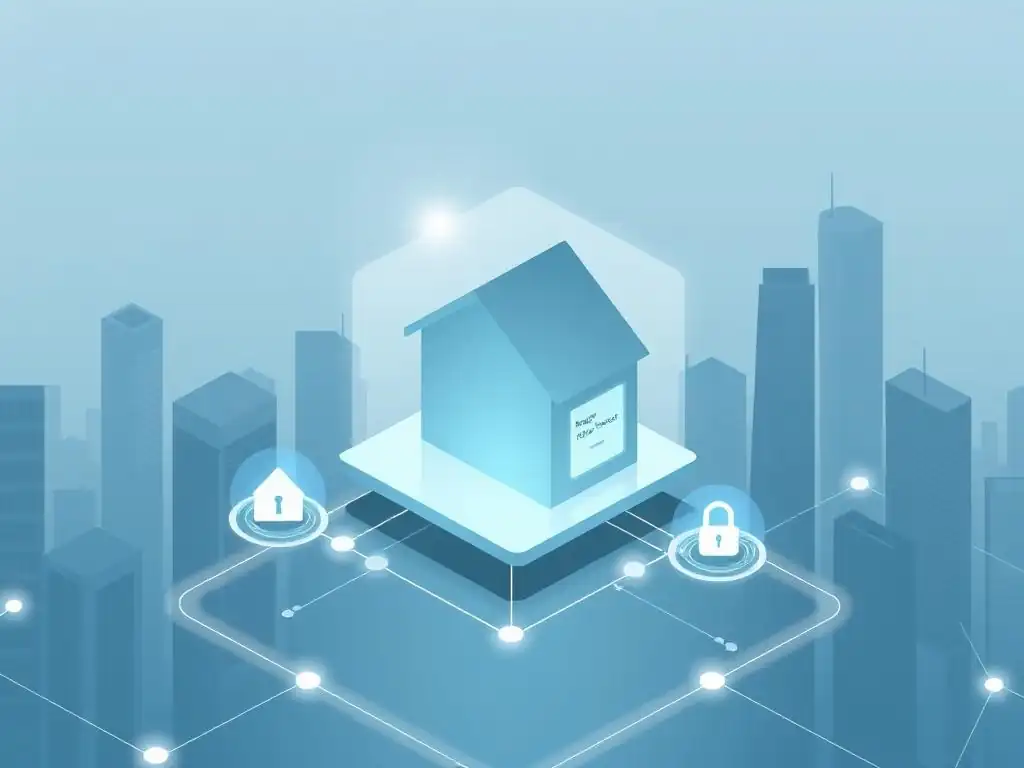
Implementing blockchain property management automation tasks requires a structured approach, moving from assessing current needs to deploying and integrating new solutions. It's not a one-size-fits-all process, and successful adoption depends on careful planning, technology selection, and stakeholder buy-in. This guide outlines the key steps involved in transitioning to blockchain-based property management.
The implementation journey involves understanding your current state, identifying specific areas for improvement, selecting the right technological tools, and ensuring smooth integration and adoption. A phased approach, starting with pilot projects, is often recommended to test the technology and gather feedback before a wider rollout.
Assessing Your Current Real Estate Management Workflow
The first step is to conduct a thorough assessment of your existing property management workflows. Map out all processes, from tenant acquisition and lease signing to rent collection, maintenance management, and financial reporting. Identify bottlenecks, inefficiencies, areas prone to errors, and points of friction for stakeholders. Where are manual tasks consuming the most time? Where is transparency lacking? What are the biggest pain points for your clients (owners and tenants)?
This assessment should involve all key personnel involved in property management operations. Document current tools, systems, and dependencies. Understanding your current state provides a baseline for measuring the impact of blockchain automation and helps identify the most promising areas for initial implementation. For example, if manual rent reconciliation takes 15 hours per week for a portfolio of 200 units, this is a strong candidate for blockchain property management automation tasks focused on payments.
Identifying Key Areas for Blockchain Integration
Based on the workflow assessment, pinpoint the specific property management tasks that are the best candidates for blockchain automation. Prioritize tasks where blockchain's core features—immutability, transparency, smart contracts—offer the most significant advantages in terms of efficiency, cost reduction, or risk mitigation. High-volume, repetitive tasks (like rent collection), tasks involving multiple intermediaries (like ownership transfer), or tasks requiring high levels of trust and transparency (like security deposit management) are often good starting points.
Consider starting with a pilot project focused on a single, well-defined task, such as automating rental payments for a specific subset of properties or using smart contracts for managing maintenance vendor payments. This allows you to test the technology on a smaller scale, gather data on its performance, and understand the practical challenges before attempting a broader implementation of blockchain property management automation tasks.
Choosing the Right Blockchain Platform or Solution
Selecting the appropriate blockchain platform is a critical decision. There are various public (like Ethereum, though often requiring private/consortium layers for sensitive data) and private/consortium blockchains (like Hyperledger Fabric, Corda) available, each with different characteristics regarding scalability, cost, privacy, and smart contract capabilities. Consider factors such as transaction throughput requirements, consensus mechanisms, ease of developing and deploying smart contracts, data privacy needs, and regulatory compliance.
Many companies are developing purpose-built blockchain solutions specifically for the real estate industry. Research these existing platforms and service providers. Evaluate their track record, security features, integration capabilities with existing property management software, and the level of support offered. The choice of platform will significantly impact the feasibility and effectiveness of your blockchain property management automation tasks.
Developing and Deploying Smart Contracts
Once a platform is chosen, the next step involves developing or configuring the smart contracts that will automate the identified tasks. This requires expertise in blockchain development and a clear understanding of the legal and operational logic of the processes being automated (e.g., the exact terms for releasing a security deposit or applying a late fee). The smart contracts must accurately reflect the terms of agreements and be rigorously tested to ensure they function as intended under all possible scenarios.
Deploying smart contracts involves writing the code onto the chosen blockchain platform. This is a critical step that requires careful attention to security, as bugs or vulnerabilities in smart contract code can have significant consequences. Professional smart contract auditing is highly recommended before deploying contracts that handle valuable assets or sensitive transactions as part of your blockchain property management automation tasks.
Integrating Blockchain with Existing Real Estate Management Systems
It's unlikely that a property management company will transition entirely to a blockchain-based system overnight. Therefore, integrating the new blockchain solution with existing property management software, accounting systems, CRM tools, and other operational platforms is essential. This integration ensures a smooth flow of data between systems and avoids creating new data silos. APIs and middleware can be used to connect the blockchain layer with legacy systems.
Successful integration allows property managers to continue using familiar interfaces for certain tasks while leveraging the blockchain for specific automated processes. For example, a property management software might interface with a blockchain system to initiate rent payments or record maintenance completion, with the core data residing on the immutable ledger. Seamless integration is key to maximizing the benefits of blockchain property management automation tasks without disrupting current operations.
Training Staff and Educating Clients on the New System
Implementing blockchain technology requires training for internal staff and education for external stakeholders, including property owners, tenants, and vendors. Staff need to understand how the new system works, how to interact with blockchain-based tools and interfaces, and how to explain the benefits to clients. They should be trained on the new workflows and protocols associated with blockchain property management automation tasks.
Educating clients is crucial for adoption. Explain the benefits of the new system in simple terms: increased transparency, faster transactions, enhanced security. Provide clear instructions on how to use any new tools or interfaces they may encounter (e.g., a tenant portal for viewing payment history on the blockchain). Addressing concerns about the new technology and building confidence in its reliability and security are vital for successful implementation and widespread adoption.
Real-World Examples of Blockchain Real Estate Automation
While the widespread adoption of blockchain for all property management tasks is still evolving, several real-world examples and pilot projects demonstrate the tangible benefits of automating specific processes. These cases highlight how blockchain's unique features are being applied to streamline operations, enhance security, and create new possibilities in the real estate sector. These examples provide concrete illustrations of blockchain property management automation tasks in action.
These case studies, while sometimes representing pilot programs or specialized niches, showcase the potential for broader application across the property management industry. They move beyond theoretical discussions to demonstrate practical implementations and their impact.
Case Study 1: Tokenizing Real Estate Assets for Fractional Ownership
One prominent application of blockchain in real estate is the tokenization of property assets. Companies like Blocksquare and Harbor (though Harbor pivoted) have explored platforms allowing real estate ownership to be represented by digital tokens on a blockchain. This enables fractional ownership, where investors can buy and sell portions of a property, much like buying shares of stock. For property management, this creates new automation possibilities.
A smart contract can be programmed to automatically distribute rental income to token holders based on their percentage of ownership, eliminating the need for manual calculation and distribution. The platform provides a transparent ledger of all token holders and transaction history. While regulatory hurdles remain, tokenization streamlines investment in and management of income-generating properties, automating income distribution and potentially simplifying the management of investor relations – a key aspect of blockchain property management automation tasks for investment properties.
Case Study 2: Automating Escrow Services with Smart Contracts
Traditional real estate transactions heavily rely on escrow services to hold funds and documents securely until all conditions of the sale are met. This process can be slow and involves fees. Several projects and companies are exploring the use of smart contracts to automate the escrow function.
In this model, funds (potentially in stablecoins or other digital assets) are locked in a smart contract. The smart contract is programmed to release the funds to the seller and transfer the digital representation of the property (e.g., a token or digital title) to the buyer only when verifiable conditions are met, such as the successful completion of a title search (verified via an oracle connecting external data to the blockchain) or inspection.
This automation reduces the need for a human intermediary to manage the escrow process. It can significantly speed up transaction times and potentially reduce associated fees. While still facing legal and regulatory challenges regarding the digital representation of legal title, this application of smart contracts directly automates a critical, high-value process within real estate transactions, demonstrating the power of blockchain property management automation tasks in the sales lifecycle.
Case Study 3: Streamlining Cross-Border Real Estate Transactions
Cross-border real estate transactions are notoriously complex, involving different legal systems, currencies, regulations, and intermediaries, leading to significant delays and costs. Blockchain technology can streamline these transactions by providing a single, transparent, and secure platform for managing the process. Companies like Ubitquity have explored using blockchain to help record property titles and track transactions across borders.
By placing relevant documentation and transaction steps on a shared, immutable ledger, all parties in different jurisdictions can have real-time visibility and confidence in the process. Smart contracts can automate conditional payments and document exchanges across borders, potentially handling currency conversion using integrated services. While widespread adoption requires international legal frameworks to recognize blockchain-based titles, pilot programs have shown the potential to reduce transaction times from months to weeks and significantly lower the high costs associated with international intermediaries, showcasing another area for blockchain property management automation tasks.
Addressing Potential Challenges and Concerns
While the potential of blockchain property management automation tasks is significant, several challenges and concerns need to be addressed for widespread adoption. These include technical limitations, regulatory hurdles, data privacy issues, and the inherent resistance to change in a traditional industry. Successfully navigating these challenges is crucial for realizing the full benefits of blockchain in real estate.
Acknowledging and proactively addressing these concerns is vital for building confidence in blockchain solutions and paving the way for their integration into mainstream property management practices. Collaboration between technology providers, industry stakeholders, and regulators is key.
Scalability and Performance Issues
Early blockchain platforms, particularly public ones like early Ethereum, faced limitations regarding scalability and transaction throughput. Processing a large volume of transactions, such as daily rental payments for thousands of properties or recording every minor maintenance request, could strain network capacity and lead to slow transaction times and high fees (gas costs). While newer blockchain platforms and Layer 2 solutions have made significant progress in addressing scalability, it remains a concern for high-volume, real-time property management operations.
For enterprise-level blockchain property management automation tasks, private or consortium blockchains are often considered due to their higher transaction speeds and lower costs, as they involve a smaller, controlled network of participants. However, these platforms sacrifice some of the decentralization benefits of public blockchains. Ensuring the chosen platform can handle the required transaction volume and maintain performance as the system scales is a critical technical challenge.
Regulatory Uncertainty and Compliance Requirements
The legal and regulatory landscape surrounding blockchain and digital assets is still evolving in many jurisdictions. The legal status of tokenized property ownership, the enforceability of smart contracts as legal agreements, and compliance with existing real estate laws (like recording requirements, anti-money laundering (AML), and know your customer (KYC) regulations) pose significant challenges. Different countries and even different states within a country may have varying or unclear rules regarding blockchain applications in real estate.
Property management companies must navigate this complex regulatory environment and ensure that any blockchain solution implemented for blockchain property management automation tasks is fully compliant with all relevant laws and regulations. This may require working closely with legal experts and regulators, and in some cases, advocating for clearer legal frameworks to support blockchain adoption in the industry. Regulatory uncertainty remains a significant barrier to widespread implementation.
Data Privacy and Security Considerations
While blockchain enhances security through immutability and cryptography, it also introduces new data privacy considerations, particularly with public blockchains. The transparent nature means data, once recorded, is permanently visible (though perhaps pseudonymously). Storing sensitive personal data, such as tenant social security numbers or detailed financial information, directly on a public, immutable ledger would raise significant privacy concerns and potentially violate data protection regulations like GDPR.
Solutions involve using private or consortium blockchains with restricted access, storing only hashes or encrypted references to sensitive data on the chain while the actual data is stored off-chain in secure databases, or utilizing zero-knowledge proofs to verify information without revealing the underlying data. Ensuring robust data security practices for off-chain storage and complying with data privacy regulations are crucial aspects of implementing blockchain property management automation tasks securely.
Overcoming Resistance to Change
The real estate industry, particularly property management, has historically been slow to adopt new technologies compared to sectors like finance or retail. There is often a strong reliance on established practices, paper-based processes, and face-to-face interactions. Implementing blockchain property management automation tasks represents a significant shift from these traditional methods and requires overcoming inertia and resistance to change from staff, clients, and even industry partners.
Educating stakeholders about the benefits, providing adequate training, and demonstrating the reliability and ease of use of the new technology are essential for fostering acceptance. Starting with pilot programs, involving key users in the design process, and celebrating early successes can help build momentum and encourage adoption. Change management is a critical, non-technical challenge that must be addressed proactively.
The Future of Blockchain in Real Estate: Trends and Predictions
The trajectory of blockchain technology in real estate suggests a future where automated, transparent, and efficient processes become the norm, moving well beyond basic cryptocurrency applications. Several trends and predictions point towards increased integration of blockchain across various facets of the industry, fundamentally changing how properties are managed, invested in, and transferred. The evolution of blockchain property management automation tasks is set to continue rapidly.
These trends reflect the growing maturity of blockchain technology and increasing awareness within the real estate sector of its transformative potential. As technical challenges are addressed and regulatory clarity emerges, blockchain is poised to become an integral part of the real estate landscape.
Increased Adoption of Blockchain-Based Real Estate Platforms
We are likely to see a significant increase in the adoption of dedicated blockchain platforms designed specifically for real estate. These platforms will offer integrated suites of tools for managing listings, automating lease agreements via smart contracts, handling payments, tracking maintenance, and potentially facilitating fractional ownership. As successful case studies become more prevalent and the technology becomes more user-friendly, property management companies and real estate firms will increasingly migrate towards these specialized platforms to gain a competitive edge through enhanced efficiency and transparency.
This will move blockchain from being a niche technology to a foundational layer for real estate operations. The focus will shift from understanding the underlying technology to leveraging the benefits of integrated, blockchain-powered solutions for various blockchain property management automation tasks.
Integration with IoT Devices for Smart Property Management
The convergence of blockchain and the Internet of Things (IoT) holds significant potential for smart property management. IoT devices (sensors, smart locks, smart meters) within a property can generate vast amounts of data related to property condition, usage, and maintenance needs. Blockchain can provide a secure, immutable ledger for recording and verifying this data.
Smart contracts could be triggered automatically based on data from IoT sensors – for example, a sensor detecting a leak could trigger a maintenance request logged on the blockchain, or a smart meter reading could initiate an automated utility payment via a smart contract. This integration enables predictive maintenance, automated resource management, and enhanced security monitoring, further automating aspects of property management operations. This combination of technologies represents a powerful future direction for blockchain property management automation tasks.
The Rise of Decentralized Autonomous Organizations (DAOs) in Real Estate Investment
Decentralized Autonomous Organizations (DAOs) are organizations represented by rules encoded as a transparent computer program, controlled by the organization members, and not influenced by a central government. DAOs are emerging as a new model for collective investment, including in real estate. A real estate DAO could pool funds from multiple investors to purchase and manage properties.
Smart contracts could automate the governance of the DAO, including voting on property acquisitions, managing rental income distribution among DAO members, and even deciding on property sales. This structure increases transparency for investors and automates many of the administrative tasks associated with managing investment properties, such as distributing profits. While still in early stages, DAOs could revolutionize real estate investment and management, offering a high level of automation for blockchain property management automation tasks related to investment pools.
The Evolution of Blockchain Real Estate Regulations
As blockchain adoption grows, regulatory frameworks will evolve to provide clarity and support for its use in real estate. We can expect to see governments and regulatory bodies develop specific guidelines for tokenized real estate, the legal standing of smart contracts in property transactions, and data privacy requirements for blockchain-based systems. This regulatory clarity will be crucial for mainstream adoption.
Pilot programs and sandboxes initiated by governments to test blockchain applications in land registration and property transfer will likely expand. This evolution of regulations will reduce uncertainty for businesses and consumers, paving the way for broader implementation of blockchain property management automation tasks across the industry.
Conclusion: Embracing Blockchain for a More Efficient and Transparent Real Estate Future
Key Takeaways: The Transformative Power of Blockchain in Real Estate Management
Blockchain technology offers a transformative path forward for the real estate management industry, promising to move beyond the limitations of traditional, manual processes. By leveraging its core features—immutability, transparency, and smart contracts—property managers can significantly enhance efficiency, reduce operational costs, and build greater trust among all stakeholders. Automating key blockchain property management automation tasks such as rent collection, lease management, maintenance tracking, and even ownership transfers can streamline operations, reduce errors, and free up valuable time for strategic activities.
The benefits are clear: faster transactions, improved security against fraud, increased transparency for owners and tenants, and ultimately, enhanced client satisfaction. While challenges related to scalability, regulation, and adoption remain, the potential rewards of embracing blockchain for property management automation tasks are substantial. The technology provides a robust foundation for creating a more secure, efficient, and transparent real estate ecosystem for the future.
Looking Ahead: The Continued Evolution of Blockchain Technology in Real Estate
The journey of blockchain in real estate is far from over. As the technology matures, we can anticipate even more sophisticated applications, including deeper integration with IoT for truly smart buildings, the rise of decentralized investment models like real estate DAOs, and the development of clearer, supportive regulatory frameworks. The focus will increasingly shift towards integrated platforms that offer comprehensive blockchain property management automation solutions.
The real estate industry is on the cusp of a significant technological shift. Property managers and owners who explore and adopt blockchain solutions today will be better positioned to capitalize on the efficiencies, security, and transparency that this technology offers, shaping the future of how properties are managed and transactions are conducted. The continued evolution of blockchain property management automation tasks will redefine industry standards.
Frequently Asked Questions
How can blockchain technology help automate property management?
Blockchain allows for immutable record-keeping and smart contract execution, enabling automated tasks like rent collection, maintenance requests, and lease agreement management. This reduces the need for manual intervention and paperwork.
What are some specific "Blockchain property management automation tasks" that can be implemented?
Specific tasks include automated rent payments, smart contract-based lease renewals, and transparent maintenance request tracking on a decentralized ledger. These processes improve efficiency and reduce disputes.
How does blockchain enhance trust and transparency in property management?
Blockchain's transparent and immutable nature fosters trust by providing a single, verifiable source of truth for all property-related transactions and agreements. This reduces the risk of fraud and disputes.
What are the regulatory considerations for using blockchain in property management?
Regulatory frameworks surrounding blockchain and smart contracts are still evolving, so it's crucial to ensure compliance with existing laws and future regulations related to data privacy and contract enforceability.
Beyond automation, what are the potential future benefits of blockchain in property management?
Future benefits include fractional ownership of properties through tokenization, streamlined property registration, and enhanced security through decentralized identity management for tenants and landlords.
Okay, here's a final reflection designed to fit your article "From Manual to Machine: Automating Property Management Tasks with Blockchain Technology," optimized for the keyword "Blockchain property management automation tasks," and following the structure you outlined:
Final Reflection: Embracing the Future of Property Management
The journey from manual processes to automated systems, particularly in property management, is a testament to human ingenuity. The integration of blockchain technology into property management automation tasks isn't merely a technological upgrade; it's a fundamental shift towards transparency, efficiency, and trust in an industry often plagued by complexity and opacity. The potential for streamlined operations and reduced costs is undeniable, making this transition not just desirable, but increasingly necessary for staying competitive in today's market.
The impact of blockchain on property management extends far beyond simple automation. It's about redefining the relationship between landlords, tenants, and service providers, fostering a more equitable and secure ecosystem. The immutability and transparency inherent in blockchain technology offer a level of accountability previously unattainable. As the saying goes: The best way to predict the future is to create it.
This technology empowers us to create a future where property transactions are seamless, secure, and accessible to all.
Now, as you consider the possibilities presented by blockchain property management automation tasks, I invite you to reflect on your own role in shaping this future. How can you leverage these advancements to create more efficient, transparent, and equitable property management practices? Embrace the potential of this technology, explore its applications, and become a pioneer in building a better, more connected world of property management. The future is here, and it's powered by blockchain.
Okay, here's a Call to Action (CTA) designed for the end of an article titled "From Manual to Machine: Automating Property Management Tasks with Blockchain Technology," targeted for a website called Blockchain Trends (blockchaintrends.org):
Unlock Efficiency: Revolutionize Your Property Management Today!
Thank you for exploring how blockchain can transform your property management processes! We hope this article has illuminated the incredible potential for increased efficiency and transparency in the industry. Now it's time to take the next step and bring these innovations to life.
Here are a few actions you can take to start your journey toward automated property management with blockchain:
- Begin researching blockchain platforms specifically designed for property management. Identify platforms that offer solutions aligned with your current pain points and future goals.
- Explore pilot programs within your organization or local real estate community to test the feasibility of blockchain solutions on a smaller scale.
- Share this article with colleagues and industry peers to spark conversations about the future of property management with blockchain.
What specific blockchain-powered property management task are you most excited to automate first, and how will it impact your business?
Leave a Reply