
Real Estate Investment Trusts (REITs) on the Blockchain: The Next Evolution


Welcome to Blockchain Trends, your go-to source for understanding the revolutionary power of blockchain technology. Beyond the buzzwords and crypto hype, blockchain is reshaping industries, and today we're diving into a particularly exciting area: Blockchain REITs investment opportunities. Intrigued by the prospect of fractionalized ownership and enhanced liquidity in real estate? Then keep reading to uncover how blockchain is poised to revolutionize Real Estate Investment Trusts. The future of REITs may be more decentralized than you think…
- Case Studies: Examples of Blockchain REITs
-
Frequently Asked Questions
- What are Blockchain REITs and how do they differ from traditional REITs?
- What are the potential benefits of investing in Blockchain REITs?
- How does blockchain technology enhance the transparency and security of REIT transactions?
- What are the regulatory considerations surrounding Blockchain REITs?
- What is the future outlook for Blockchain REITs and their impact on the real estate industry?
- Final Reflection: Embracing the Future of Property Investment
- Unlock Your Future: Start Exploring Blockchain REITs Today!
Case Studies: Examples of Blockchain REITs
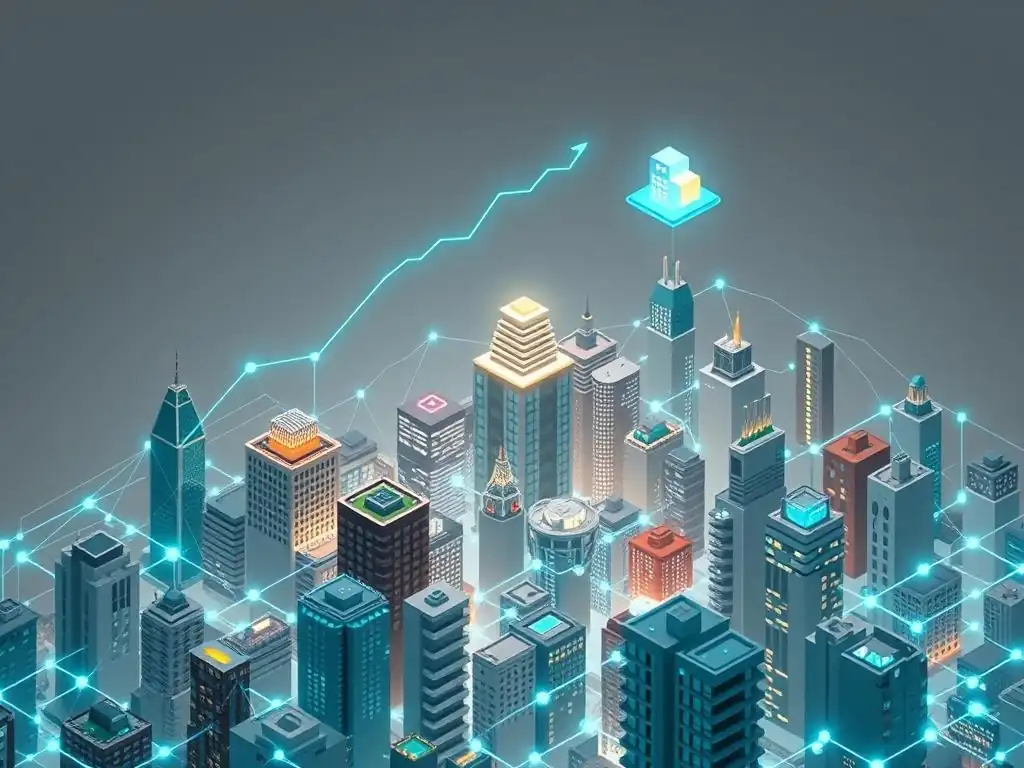
A Successful Blockchain REIT Project
Consider an illustrative example of a successful initiative focused on tokenizing a portfolio of income-generating commercial properties in a major metropolitan area. This project, let's call it "MetroProperty Token," aimed to democratize access to high-value real estate assets previously only available to large institutional investors.
By issuing security tokens representing fractional ownership in the portfolio, MetroProperty Token allowed individuals to participate with investment minimums significantly lower than traditional REITs, sometimes as low as $1,000 compared to typical tens of thousands. The success wasn't just in attracting a diverse pool of investors, but also in demonstrating the efficiency of blockchain technology.
Dividend payments, derived from rental income, were programmed into smart contracts, enabling automated distribution directly to token holders' wallets on a scheduled basis, reducing administrative overhead and increasing payment transparency. Within its first year, the project reported attracting over 500 investors globally, proving the international appeal of Blockchain REITs investment opportunities.
Furthermore, the liquidity aspect, often a challenge in traditional real estate and private REITs, saw improvement. While not achieving the daily trading volume of major stock exchanges, the tokens were listed on a regulated secondary market platform designed specifically for tokenized securities.
This provided investors with an exit strategy that was previously unavailable for fractional property ownership, allowing them to sell their stake without waiting for a full property sale. Data from the platform showed initial trading volumes that, while modest, indicated genuine market interest and the potential for enhanced liquidity compared to illiquid private real estate deals.
The transparency of the blockchain allowed any investor to verify the total number of tokens issued, the distribution of ownership, and the history of dividend payments, building trust and showcasing the inherent advantages of tokenized real estate investments. This case highlights how investing in blockchain REITs can open new avenues for capital formation and investor participation.
Lessons Learned from a Blockchain REIT
Examining the landscape of early blockchain real estate projects reveals valuable lessons, particularly regarding regulatory navigation and investor education. One project, let's call it "Global Estates Token," sought to tokenize a diverse international portfolio. While the technological setup was robust, enabling fractional ownership and automated distributions, the project encountered significant delays and challenges related to differing securities regulations across the various jurisdictions where the properties were located and where potential investors resided. Each country had its own requirements for security offerings, know-your-customer (KYC) procedures, and anti-money laundering (AML) checks, creating a complex web of compliance hurdles. The team underestimated the time and cost associated with legal frameworks, leading to launch delays and increased operational expenses. This underscores that while blockchain provides a global platform, real-world investments are still bound by local laws, and thorough legal due diligence in every relevant jurisdiction is paramount for anyone exploring Blockchain REITs investment opportunities.
Another key lesson revolves around market adoption and investor understanding. Despite offering innovative features like fractional ownership and enhanced transparency, projects like Global Estates Token often found that potential investors, particularly those accustomed to traditional real estate or stock market investing, were hesitant due to unfamiliarity with blockchain technology, cryptocurrency wallets, and security tokens. Educating the market on the benefits and mechanics of tokenized real estate investments required significant resources and time.
Furthermore, integrating with existing financial infrastructure proved more complex than anticipated, limiting easy access for some investors. Early projects learned that building a user-friendly platform and providing comprehensive educational resources are critical for overcoming skepticism and driving adoption among a broader investor base interested in the potential of blockchain-backed real estate assets.
Frequently Asked Questions
What are Blockchain REITs and how do they differ from traditional REITs?
Blockchain REITs are real estate investment trusts that leverage blockchain technology to fractionalize ownership, enhance transparency, and reduce administrative costs. Unlike traditional REITs, they offer increased liquidity and accessibility to a wider range of investors.
What are the potential benefits of investing in Blockchain REITs?
Investing in Blockchain REITs can offer benefits such as lower entry barriers, increased liquidity through tokenization, and diversification of investment portfolios into the real estate market. These also offer potential for higher returns compared to traditional REITs.
How does blockchain technology enhance the transparency and security of REIT transactions?
Blockchain's immutable ledger provides a transparent and secure record of all transactions, reducing the risk of fraud and ensuring accurate tracking of ownership. Smart contracts can automate distribution of profits and voting rights, further enhancing transparency.
What are the regulatory considerations surrounding Blockchain REITs?
The regulatory landscape for Blockchain REITs is still evolving. Investors should be aware of securities laws, KYC/AML compliance, and tax implications in their respective jurisdictions before investing.
What is the future outlook for Blockchain REITs and their impact on the real estate industry?
Blockchain REITs have the potential to revolutionize the real estate industry by democratizing access to investment opportunities. As the technology matures and regulations become clearer, we can expect wider adoption and innovation in this space, potentially leading to significant growth.
Final Reflection: Embracing the Future of Property Investment
The exploration of Real Estate Investment Trusts (REITs) on the blockchain reveals more than just a technological advancement; it unveils a fundamental shift in how we perceive and access property investment. The convergence of these two powerful forces promises increased transparency, efficiency, and accessibility, ultimately democratizing a market traditionally reserved for the privileged few. This isn't just about new technology; it's about a new paradigm for wealth creation and participation in the real estate sector.
The potential impact of blockchain REITs on the cultural and social landscape is profound. Imagine a world where fractional ownership of prime real estate is readily available to anyone with an internet connection, fostering a sense of collective ownership and shared prosperity. This vision resonates deeply, reminding us that technology, when harnessed ethically, can be a powerful tool for social good. The future belongs to those who believe in the beauty of their dreams.
- Eleanor Roosevelt. This quote encapsulates the spirit of innovation driving the adoption of blockchain in REITs, a belief in a more equitable and accessible future.
As we stand on the cusp of this evolution, I invite you to reflect on the possibilities presented by blockchain REITs. Consider how this technology could reshape your own investment strategies and contribute to a more inclusive financial ecosystem. Embrace the opportunity to learn, adapt, and participate in this transformative journey, and together, let's build a future where property investment is truly accessible to all.
Unlock Your Future: Start Exploring Blockchain REITs Today!
Thank you for exploring the innovative world of real estate investment trusts on the blockchain! We hope this article has illuminated the opportunities for increased accessibility and efficiency in real estate investing. Now, it’s time to put that knowledge into action.
Here are the next steps you can take:
- Conduct Your Research: Look into available blockchain-based REITs and review their whitepapers carefully. Understand the underlying assets, tokenomics, and regulatory environment to make informed decisions.
- Explore Platforms: Visit online platforms that offer tokenized REITs. Familiarize yourself with their user interfaces, security measures, and the process of purchasing and managing your digital real estate assets.
- Engage with the Community: Share this article with friends and colleagues interested in real estate or blockchain technology. Join discussions about the future of REITs and contribute your insights.
What excites you most about the potential of blockchain-based REITs? Do you have questions about how to get started in this evolving investment landscape? Share your thoughts in the comments below!
Leave a Reply