
Renting in the Metaverse: Decentralized Platforms for Virtual Landlords and Tenants


Welcome to Blockchain Trends, your premier source for understanding the real-world impact of blockchain technology. Beyond the hype surrounding cryptocurrencies, we delve into the transformative potential of decentralized systems. Curious about how blockchain is reshaping industries? Our latest exploration dives into the burgeoning world of Metaverse land rental platforms, uncovering the innovative ways virtual landlords and tenants are connecting. Discover the future of digital real estate and how blockchain is making it all possible...
Renting in the Metaverse: Decentralized Platforms for Virtual Landlords and Tenants
- Introduction: The Rise of Metaverse Land Rental Platforms
- Decentralized Platforms Powering Virtual Land Rentals
- Top Metaverse Land Rental Platforms: A Comparative Analysis
- Benefits of Renting Metaverse Land Through Decentralized Platforms
- Challenges and Risks Associated with Metaverse Land Rentals
- Use Cases for Metaverse Land Rentals: Beyond Speculation
- The Future of Metaverse Land Rentals: Trends and Predictions
- Becoming a Virtual Landlord or Tenant: A Step-by-Step Guide
- Conclusion: The Potential of Decentralized Metaverse Real Estate
-
Frequently Asked Questions
- What are Metaverse land rental platforms, and how do they differ from traditional real estate rentals?
- How does blockchain technology enhance security and transparency in Metaverse land rentals?
- What are the potential benefits for landlords using Metaverse land rental platforms?
- What are some of the regulatory challenges surrounding Metaverse land rentals?
- What is the future outlook for Metaverse land rental platforms and their impact on decentralized systems?
- Final Reflection: Navigating the Untamed Frontier of Virtual Real Estate
- Claim Your Metaverse Empire: Start Leasing Virtual Real Estate Today!
Introduction: The Rise of Metaverse Land Rental Platforms
Understanding the Metaverse Real Estate Boom
The concept of virtual real estate within the metaverse has rapidly evolved from a niche curiosity into a significant digital asset class. This boom was particularly evident in late 2021 and early 2022, driven by increasing public awareness of the metaverse, significant investments from major corporations, and a surge in NFT popularity.
During this period, the average price of virtual land parcels across major platforms like Decentraland and The Sandbox experienced exponential growth. For instance, reports from late 2021 showed average land parcel prices in Decentraland exceeding $15,000, with some premium locations selling for hundreds of thousands or even millions of dollars.
A notable example is Republic Realm's purchase of a plot in The Sandbox for a reported $4.3 million in November 2021, highlighting the perceived value and investment potential of prime virtual locations. This speculative frenzy, combined with the growing utility of virtual spaces for events, commerce, and experiences, solidified virtual land as a valuable, albeit volatile, asset.
This rapid appreciation and the potential for various use cases have created a vibrant ecosystem around virtual land ownership. Unlike traditional digital assets, virtual land offers not just speculative value but also functional utility. Owners can build structures, host events, create games, or establish virtual businesses on their parcels. This utility is directly tied to the platform's ecosystem and user base.
The demand for space within popular metaverse platforms led to a natural progression: if owning land is valuable, then renting it out for specific purposes or periods becomes a logical extension of its utility. This dynamic laid the groundwork for the emergence and necessity of robust Metaverse land rental platforms. These platforms provide the infrastructure for owners to monetize their virtual assets without selling them outright, and for users to access virtual space for temporary needs without the significant upfront cost of purchase.
The Need for Metaverse Land Rental Solutions
As the metaverse real estate market matured, the limitations of direct peer-to-peer agreements for renting became apparent. Manually arranging rental periods, collecting payments, and managing access permissions between strangers in a decentralized environment is cumbersome and fraught with trust issues. How does a landlord ensure they get paid? How does a tenant guarantee they will have exclusive access for the agreed-upon period?
Traditional rental agreements rely on legal frameworks and intermediaries, which are largely absent or untested in the decentralized metaverse. This lack of a standardized, secure, and automated system created a significant barrier to unlocking the full potential of virtual land as a rentable asset. The need for reliable Metaverse land rental platforms became critical to facilitate transactions and build confidence among potential landlords and tenants.
Dedicated Metaverse land rental platforms address these challenges by providing a structured marketplace and leveraging blockchain technology. They offer tools for listing properties with details like location, size, rental duration options (e.g., daily, weekly, monthly), and pricing (typically in the platform's native token or a stablecoin). More importantly, they integrate smart contracts to automate the rental process.
This automation ensures that payments are released only when conditions are met and that access rights are granted or revoked precisely according to the rental terms. Such platforms also often include features like reputation systems or reviews, adding a layer of trust in a trustless environment. Without these specialized solutions, the virtual rental market would remain fragmented and inefficient, limiting the ability of both landowners to generate passive income and users to access virtual space affordably for temporary use cases.
Decentralized Platforms Powering Virtual Land Rentals
Key Features of Blockchain-Based Metaverse Rental Platforms
Blockchain-based Metaverse land rental platforms distinguish themselves through a suite of features designed to enhance security, transparency, and automation in virtual property transactions. Central among these is the use of Non-Fungible Tokens (NFTs) to represent virtual land ownership. This tokenization provides verifiable proof of ownership, which is fundamental to the rental process. Platforms allow NFT owners to list their specific land parcels (identified by unique token IDs and coordinates) for rent directly on the marketplace.
Another core feature is the integration of smart contracts, which are self-executing contracts with the terms of the agreement directly written into code. These contracts automate key aspects of the rental, such as payment collection and distribution, and managing temporary access permissions or "delegation" of the land's utility to the tenant for the rental period. This eliminates the need for a central authority to enforce the agreement.
Furthermore, these Metaverse land rental platforms often incorporate decentralized identity or wallet-based login systems, allowing users to interact directly using their blockchain addresses, further reducing reliance on centralized accounts. They typically feature built-in marketplaces where landlords can set rental prices (often denominated in the platform's native token like MANA for Decentraland or SAND for The Sandbox, or sometimes in ETH or stablecoins like DAI or USDC), specify rental durations, and outline any specific terms of use for the rented space.
Tenants can browse available properties, filter by location or price, and initiate rental agreements directly through the platform interface, which triggers the underlying smart contract. Additional features might include analytics on rental history, earnings tracking for landlords, and potentially decentralized dispute resolution mechanisms, although the latter is still an evolving area.
How Smart Contracts Facilitate Secure Metaverse Land Leases
Smart contracts are the backbone of secure and automated virtual land rentals on decentralized platforms. When a landlord lists their virtual land NFT for rent on a platform and a tenant agrees to the terms, a smart contract is typically deployed or initiated on the blockchain. This contract holds the terms of the rental agreement, including the specific land NFT being rented, the rental price, the duration of the lease (start and end timestamps), and the wallet addresses of the landlord and tenant.
The tenant pays the total rental fee upfront, which is held in escrow by the smart contract. At the agreed-upon start time, the smart contract might automatically grant the tenant specific permissions related to the land NFT – not ownership, but the right to build on it, host events, or run applications within that parcel for the lease duration.
Crucially, the smart contract is programmed to automatically transfer the rental payment from escrow to the landlord's wallet only once the rental period has begun or concluded, depending on the platform's design. Upon the end of the rental period, the smart contract automatically revokes the tenant's temporary permissions and returns full control/utility rights associated with the NFT back to the landlord's wallet.
Because the logic is embedded in immutable code on the blockchain, neither party can unilaterally alter the terms or renege on the agreement without violating the contract, which is publicly verifiable. This programmatic enforcement significantly reduces counterparty risk and eliminates the need for traditional legal contracts or intermediaries, making Metaverse land rental platforms more efficient and accessible globally.
Top Metaverse Land Rental Platforms: A Comparative Analysis
Platform 1: Decentraland - Features, Advantages, and Use Cases
Decentraland is one of the pioneering decentralized metaverse platforms built on the Ethereum blockchain. Its virtual world is composed of LAND parcels, each a unique NFT (ERC-721 token). Decentraland has a robust marketplace where users can buy and sell LAND, and integrated features or third-party services that facilitate renting.
Landlords can list their LAND NFTs for rent, specifying the duration (in blocks or time) and the price (typically in MANA, Decentraland's native token, or sometimes ETH/DAI). Rental agreements are facilitated through smart contracts, ensuring that the tenant gains temporary control over the parcel's permissions (like deploying scenes or hosting interactions) for the agreed time, while the landlord retains ownership of the NFT. A key advantage is Decentraland's established ecosystem and high user traffic in popular areas, which can drive demand for rental properties.
Use cases for renting land in Decentraland are diverse. Businesses and brands often rent prime locations for limited-time virtual events, product launches, or pop-up shops. Examples include Sotheby's virtual gallery or various music festivals hosted on rented plots. Individuals might rent land to host private parties, art exhibitions, or gaming tournaments.
Content creators might lease space to build and showcase interactive experiences or games without committing to purchasing land permanently. The platform's maturity means there are existing tools and communities supporting both landlords and tenants engaging in Metaverse land rental platforms within Decentraland. However, being on the Ethereum mainnet can sometimes mean higher gas fees, impacting the cost-effectiveness of shorter or lower-value rentals.
Platform 2: The Sandbox - Features, Advantages, and Use Cases
The Sandbox is another prominent voxel-based metaverse platform, also built on Ethereum, where the virtual world consists of LAND NFTs. Similar to Decentraland, The Sandbox has a native marketplace for buying and selling LAND, and supports rental mechanisms, often through third-party integrations or platform features. Landlords in The Sandbox can list their LAND parcels for rent, setting terms related to duration and price (usually in SAND, the platform's utility token).
The rental process utilizes smart contracts to temporarily delegate specific rights associated with the LAND NFT to the tenant, such as the ability to upload ASSETS (voxel models, equipment) or build experiences on the rented parcel for the lease period. A significant advantage of The Sandbox is its strong focus on user-generated content and gaming, attracting creators and brands looking to build interactive experiences.
The Sandbox has seen significant adoption by major brands and celebrities, which drives demand for virtual space, including rentals. Companies like Adidas, Atari, and Snoop Dogg own substantial LAND parcels and often utilize or rent out portions for specific campaigns, virtual concerts, or gaming hubs. Use cases for renting include hosting virtual concerts (like Snoop Dogg's virtual mansion events), creating limited-time game experiences or contests, running marketing activations, or setting up virtual stores to sell digital goods (ASSETS).
The platform's Game Maker and VoxEdit tools make it relatively accessible for tenants to build on rented land. As with Decentraland, transaction costs (gas fees) on the Ethereum network can be a factor, although layer-2 solutions are being explored to mitigate this. The active ecosystem and brand participation make it a key player among Metaverse land rental platforms.
Platform 3: Somnium Space - Features, Advantages, and Use Cases
Somnium Space is a more niche but technologically advanced metaverse platform focused on virtual reality integration and user customization. It is also built on Ethereum, with land parcels represented as NFTs (again, ERC-721). Somnium Space offers a built-in marketplace for land and facilitates rentals directly through its platform interface and smart contracts.
Landlords can list their land parcels (available in three sizes: Small, Medium, Large) for rent, defining the price (in CUBE, the platform's native token, or ETH) and duration. The platform's rental smart contracts manage the temporary delegation of building rights and interaction permissions on the rented land parcel to the tenant for the specified period. A key advantage is its strong emphasis on VR, offering a more immersive experience, and its high degree of customization, allowing tenants to build complex and unique environments.
Use cases for renting land in Somnium Space often lean towards immersive experiences and personal showcases. Artists might rent space for virtual art galleries accessible in VR. Developers or architects might lease land to showcase their VR-optimized builds or host virtual meetings and presentations. Events like conferences, meetups, or even virtual weddings have been hosted on rented parcels.
The platform's focus on persistent worlds and high fidelity can make it attractive for users seeking a more premium virtual space experience. While its user base is smaller than Decentraland or The Sandbox, its dedicated community and VR focus provide specific rental opportunities. The cost of renting in Somnium Space, like others on Ethereum, can be influenced by network gas fees, though the platform continues to develop its infrastructure. It represents another important facet of the landscape of Metaverse land rental platforms.
Comparing Transaction Fees and Rental Yields Across Platforms
Comparing transaction fees and rental yields across Metaverse land rental platforms is complex due to several variable factors. Transaction fees primarily consist of platform fees (a percentage charged by the rental platform marketplace, if any) and blockchain network fees (gas fees). Platform fees vary; some marketplaces might charge a small percentage (e.g., 2-5%) of the rental value, while others might rely solely on network fees.
Gas fees on the Ethereum network, where Decentraland, The Sandbox, and Somnium Space currently reside, fluctuate significantly based on network congestion. During peak times, gas fees can add substantial costs, potentially making short-term or low-value rentals economically unfeasible. Layer-2 scaling solutions or alternative blockchains could mitigate this in the future.
Rental yields are even more variable and depend heavily on the specific land parcel's location, size, historical foot traffic, planned utility (e.g., hosting a major event), and the overall demand within that metaverse at a given time. Prime locations near popular hubs or those owned by well-known entities generally command higher rental prices.
Yields can range from fractions of a percent to potentially significant returns, but they are not guaranteed and are subject to market volatility. For instance, a well-located parcel rented out for a major virtual event could generate a substantial one-time yield, while a less-trafficked plot might yield very little or remain unrented for extended periods.
Data on average rental yields is scarce and constantly changing, making it difficult to provide precise figures, but anecdotal evidence suggests that consistent, high yields require strategic land acquisition and active management on the landlord's part, utilizing the available Metaverse land rental platforms effectively.
Benefits of Renting Metaverse Land Through Decentralized Platforms
Increased Transparency and Security in Virtual Land Transactions
Renting virtual land through decentralized Metaverse land rental platforms significantly enhances transparency and security compared to relying on manual, off-chain agreements. The core of this improvement lies in the use of blockchain technology and smart contracts. Every rental agreement, payment, and the delegation/revocation of temporary land permissions is recorded on the public ledger (like Ethereum).
While the identities of the parties might be pseudonymous (linked to wallet addresses), the transaction itself is transparent and verifiable by anyone. This public record of the agreement's existence and execution minimizes the risk of disputes over terms or payment, as the smart contract code dictates the process unambiguously.
Furthermore, the security aspect is paramount. Smart contracts execute automatically and immutably once deployed. This means that once a rental agreement is locked into a smart contract, neither the landlord nor the tenant can unilaterally change the terms, such as extending the rental period without payment or failing to grant access after receiving funds.
The funds are often held in escrow by the contract until conditions are met, reducing the risk of non-payment for the landlord and non-delivery of access for the tenant. This trustless execution environment, facilitated by the underlying blockchain and the design of Metaverse land rental platforms, provides a level of security and confidence that is difficult to achieve with traditional digital rental arrangements lacking legal enforceability in the virtual realm.
Lower Transaction Costs Compared to Traditional Real Estate
While blockchain network fees (gas fees) can be a consideration, particularly on busy chains like Ethereum, the overall transaction costs associated with renting virtual land through decentralized platforms are often significantly lower than those in traditional real estate rentals. Traditional rentals typically involve intermediaries such as real estate agents, property managers, and legal professionals, all of whom charge fees or commissions that can amount to a substantial percentage of the rental value (e.g., 5-15% or more of monthly rent, plus lease agreement fees). These costs are incurred by both landlords and tenants.
Decentralized Metaverse land rental platforms, by leveraging smart contracts, largely automate the functions performed by these intermediaries. The platform itself might charge a small fee for using its marketplace interface, but this is often a flat fee or a much lower percentage than traditional commissions. The primary cost outside the rental price itself is the network transaction fee required to deploy or interact with the smart contract on the blockchain.
While these "gas" fees can spike, they are often lower than the combined costs of agents, lawyers, and administrative overhead in traditional rentals, especially for shorter-term leases. This reduction in intermediary costs makes virtual land rental potentially more profitable for landlords and more affordable for tenants, expanding market participation.
Accessibility for a Global Audience of Virtual Landlords and Tenants
One of the most compelling benefits of using decentralized Metaverse land rental platforms is their inherent global accessibility. Unlike traditional real estate markets, which are heavily constrained by geographical borders, national laws, and local market conditions, the metaverse exists outside these physical limitations. Anyone with an internet connection, a compatible crypto wallet, and the necessary cryptocurrency can participate as either a landlord or a tenant, regardless of their physical location, nationality, or credit history. This opens up the virtual real estate market to a vastly wider audience.
This global reach means that a virtual landlord in Tokyo can easily rent their land parcel in Decentraland to a tenant in Berlin, with the entire transaction managed securely and automatically by a smart contract on the blockchain. There are no international wire transfer fees, no need for cross-border legal agreements, and no reliance on local real estate regulations that can vary wildly between jurisdictions. This ease of access and participation lowers the barrier to entry for individuals worldwide interested in the virtual economy, fostering a truly global marketplace for Metaverse land rental platforms and virtual property utilization.
Enhanced Control and Ownership Through Blockchain Technology
Blockchain technology provides virtual land owners with unprecedented control and verifiable ownership over their digital assets, which extends directly to the rental process facilitated by Metaverse land rental platforms. When you own a virtual land parcel as an NFT on a blockchain like Ethereum, you hold the private keys associated with that token.
This means your ownership is not dependent on a centralized company's database or terms of service; it's recorded immutably on a decentralized, public ledger. This fundamental ownership is crucial because it ensures that only the NFT holder can list the land for rent or authorize its use.
When renting out land through a decentralized platform, the landlord retains ownership of the underlying NFT throughout the rental period. The smart contract only grants temporary usage rights or permissions to the tenant, clearly defined and limited by the contract's code and duration. The landlord remains the verifiable owner on the blockchain.
This contrasts sharply with some traditional digital asset models where platform providers might have ultimate control or the ability to seize assets. With blockchain, the landlord maintains sovereign control over their asset, and the rental agreement is merely a temporary, permissioned use of that asset, managed securely by code on the decentralized network facilitated by Metaverse land rental platforms.
Challenges and Risks Associated with Metaverse Land Rentals
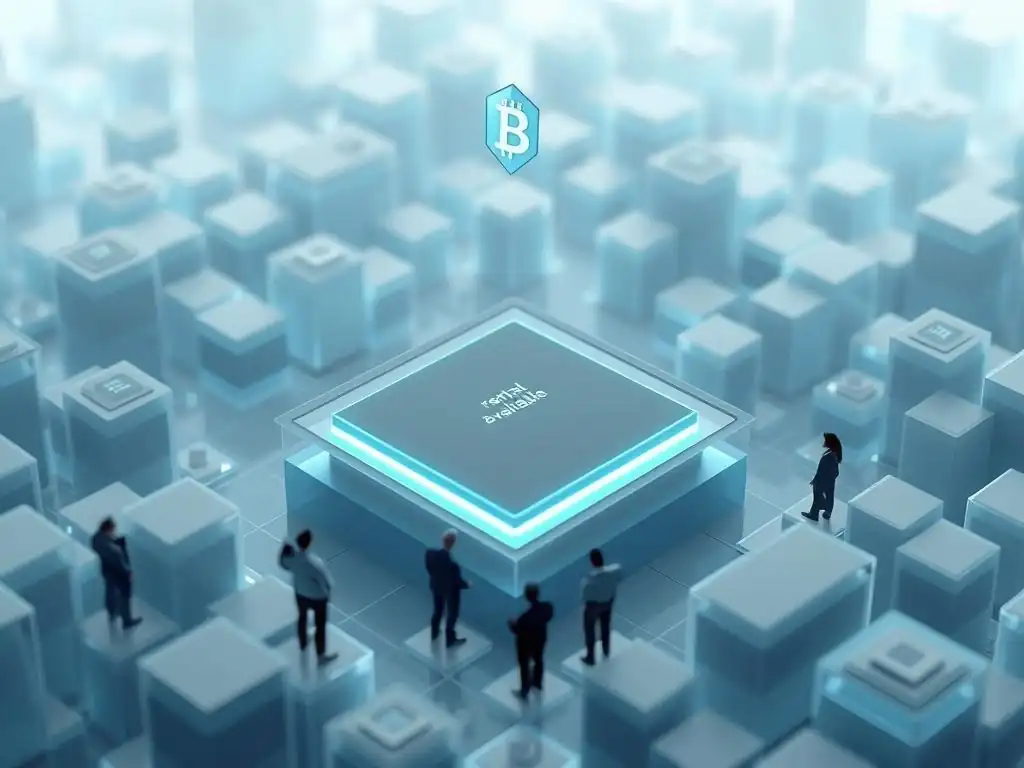
Volatility in Metaverse Land Values and Crypto Assets
One of the most significant risks in the Metaverse land rental platforms market is the inherent volatility of both the underlying virtual land values and the cryptocurrency assets used for transactions. The value of virtual land NFTs is highly speculative and can experience dramatic price swings based on market sentiment, platform popularity, economic trends, and news events. For example, virtual land prices surged significantly in late 2021 but saw a notable correction in 2022 and 2023 as the broader crypto market entered a downturn.
This volatility directly impacts landlords' asset value and can influence rental demand and pricing. A landlord might purchase land at a peak price and struggle to achieve rental yields that justify their initial investment if land values decline.
Furthermore, rental payments are typically made using cryptocurrencies, either the platform's native token (like MANA or SAND) or other major cryptocurrencies (like ETH or stablecoins). While stablecoins are designed to minimize price volatility, native platform tokens and ETH can be highly volatile.
If a rental agreement is priced in a volatile token for a long duration, the actual value received by the landlord in fiat terms could change significantly by the time the payment is received, or the cost to the tenant could fluctuate after the agreement is made if priced upfront. This dual volatility – in the asset being rented and the currency used for payment – adds a layer of financial risk for both parties utilizing Metaverse land rental platforms.
Regulatory Uncertainty Surrounding Virtual Real Estate
The legal and regulatory landscape surrounding virtual real estate and digital assets like NFTs is still nascent and highly uncertain across most jurisdictions globally. This lack of clear regulation poses risks for users of Metaverse land rental platforms. Questions arise about how virtual land is classified legally – is it property, a digital asset, a security, or something else entirely?
The answer can have implications for taxation (e.g., capital gains tax on sales, income tax on rental earnings), inheritance laws, and consumer protection. Without clear legal frameworks, the rights and obligations of virtual landlords and tenants are not defined or protected by traditional law, leaving them reliant solely on the smart contract and platform terms.
This regulatory vacuum creates potential legal risks. For example, if a dispute arises that cannot be resolved by the smart contract or the platform's internal mechanisms, there may be no clear legal recourse in the physical world. Governments could also introduce new regulations that impact the ownership, transfer, or taxation of virtual assets, potentially affecting the viability or structure of existing Metaverse land rental platforms and rental agreements. The evolving nature of these regulations means that participants must navigate a landscape with significant legal ambiguity, and the enforceability of virtual agreements in traditional courts remains largely untested.
Security Risks and Vulnerabilities in Smart Contracts
While smart contracts offer significant advantages in automation and trustlessness, they are not immune to security risks. Smart contracts are code, and like any code, they can contain bugs or vulnerabilities.
A flaw in the smart contract governing a rental agreement could potentially lead to unintended consequences, such as funds being locked, access permissions not being granted or revoked correctly, or even malicious actors exploiting vulnerabilities to steal assets or disrupt agreements. Once a smart contract is deployed on the blockchain, it is typically immutable, meaning bugs cannot be easily fixed without deploying a new contract, which can be complex and disruptive.
Furthermore, interaction with Metaverse land rental platforms and smart contracts requires users to connect their cryptocurrency wallets. If a user's wallet is compromised due to phishing attacks, malware, or losing their private keys, their virtual land NFTs or the funds intended for rental payments could be stolen.
While the smart contract itself might be secure, the points of interaction – the platform interface, user wallets, and the underlying blockchain network – all present potential vectors for security breaches. Users must exercise caution, use reputable platforms, and secure their digital wallets diligently to mitigate these risks when engaging in virtual land rentals.
The Evolving Landscape of Metaverse Platforms and Technologies
The metaverse is not a single, unified entity but a collection of diverse platforms, each with its own technology stack, user base, economy, and rules. The landscape of Metaverse land rental platforms is therefore fragmented across these different virtual worlds (Decentraland, The Sandbox, Somnium Space, etc.). Investing time or money into renting land on one platform carries the risk that the platform might decline in popularity, fail to evolve, or even cease to exist. The success and longevity of a virtual world depend on continuous development, user adoption, and a thriving economy, none of which are guaranteed.
Technological evolution also poses a challenge. As new rendering techniques, networking protocols, or blockchain solutions emerge, existing platforms may need to adapt, which could impact the functionality or value of existing virtual assets and rental mechanisms.
Interoperability between platforms is still limited, meaning a rental agreement on one platform is isolated within that specific world. The rapid pace of development in the metaverse space means that the specific Metaverse land rental platforms and technologies popular today might be superseded by newer, more advanced alternatives in the future, potentially leaving early adopters with assets or rental strategies that become less viable over time.
Use Cases for Metaverse Land Rentals: Beyond Speculation
Virtual Events and Experiences: Renting Space for Concerts and Conferences
One of the most prominent and immediate use cases for renting metaverse land is hosting virtual events and experiences. Rather than purchasing a permanent presence, individuals, brands, or organizations can rent a parcel of virtual land for a specific duration to hold temporary gatherings. This could include virtual concerts featuring digital avatars of artists, conferences with keynote speakers and networking areas, art exhibitions showcasing digital or physical art, or even virtual parties and social meetups. Renting provides flexibility and cost-effectiveness for one-off or periodic events without the long-term commitment and expense of land ownership.
Major brands and artists have already utilized rented or temporarily acquired space for high-profile events. For example, musicians have held virtual concerts in platforms like Decentraland and The Sandbox, drawing large digital crowds. Companies have rented virtual plots to host product launches or corporate events, creating immersive brand experiences for attendees. Metaverse land rental platforms facilitate these use cases by providing the marketplace to find suitable event spaces (e.g., based on size, location, or existing builds) and the smart contract infrastructure to secure the space for the required dates, ensuring exclusive access for the event duration.
Virtual Retail and Commerce: Leasing Land for Digital Storefronts
The metaverse offers a new frontier for retail and commerce, and renting land provides a low-barrier entry point for businesses to establish a virtual presence. Companies can lease virtual land parcels to set up digital storefronts, pop-up shops, or immersive brand experiences where users can browse digital twins of physical products, view digital-only merchandise (like wearables for avatars), or even make purchases that are fulfilled in the physical world. This allows brands to test the waters of metaverse commerce or run limited-time promotional campaigns without investing heavily in permanent virtual real estate.
Examples include fashion brands setting up virtual showrooms or designers leasing space to sell NFT-based clothing for avatars. Automotive companies might rent land to display digital models of new cars. Art galleries could lease space to exhibit and sell digital art. Metaverse land rental platforms enable this by allowing businesses to find appropriately located virtual retail space for the desired period. The rental agreement, managed by a smart contract, grants them the necessary permissions to build and operate their digital storefront on the leased land, providing a dynamic and experimental avenue for virtual commerce.
Virtual Gaming and Entertainment: Renting Land for Interactive Experiences
The metaverse is intrinsically linked with gaming and interactive entertainment, and renting land facilitates the creation and hosting of temporary gaming experiences or entertainment venues. Game developers, studios, or even individual creators can lease virtual land parcels to deploy mini-games, interactive installations, escape rooms, or social gaming hubs for a limited time. This is particularly useful for promoting a new game, hosting a tournament, or creating a unique, temporary entertainment experience tied to an event or partnership.
For instance, a gaming company might rent a large plot in The Sandbox for a month to host a competition related to an upcoming game release, offering in-metaverse or real-world prizes. Independent creators could lease smaller parcels in Decentraland to run unique interactive art pieces or social experiments. Metaverse land rental platforms provide the means for these creators to access the necessary virtual space. The rental smart contract ensures they have the rights to deploy their interactive content and manage user interactions on the leased land for the specified duration, fostering innovation and diverse entertainment options within the metaverse.
Educational and Training Simulations: Leasing Land for Virtual Campuses
Beyond entertainment and commerce, virtual land rentals offer opportunities for educational and training purposes. Institutions or companies can lease virtual land parcels to create temporary virtual classrooms, training simulation environments, or digital campuses for specific courses, workshops, or onboarding programs. This provides an immersive and interactive alternative to traditional online learning platforms, allowing for virtual field trips, hands-on simulations, and more engaging group activities within a shared virtual space.
For example, a university department could rent virtual land for a semester to host a specialized course that requires a specific virtual environment, such as a simulated laboratory or historical site reconstruction. A company might lease space to conduct immersive safety training simulations for employees. Metaverse land rental platforms support these use cases by allowing organizations to acquire access to virtual space for the required educational period. The smart contract ensures that the leased land is available and configured for the specific educational content, enabling innovative approaches to learning and development in a virtual setting.
The Future of Metaverse Land Rentals: Trends and Predictions
Integration with DeFi (Decentralized Finance) for Metaverse Mortgages
A significant future trend for Metaverse land rental platforms and the broader virtual real estate market is deeper integration with Decentralized Finance (DeFi). This integration is expected to lead to the development of DeFi protocols specifically tailored for virtual assets, including the possibility of metaverse mortgages and lending against virtual land. Just as DeFi allows users to borrow and lend real-world cryptocurrencies without traditional banks, future protocols could enable users to take out loans to purchase virtual land, using the land NFT itself as collateral.
Furthermore, DeFi integration could impact rentals directly. Landlords might be able to collateralize their virtual land NFTs to borrow funds while still renting out the land for income. Tenants might be able to secure short-term loans through DeFi protocols to cover rental costs for prime locations needed for specific events. This convergence of DeFi and virtual real estate, facilitated by the underlying blockchain technology and the evolving capabilities of Metaverse land rental platforms, could unlock significant liquidity and new financial strategies within the metaverse economy.
Development of More Sophisticated Virtual Land Management Tools
As the virtual real estate market matures and the demand for rentals grows, there will be a need for more sophisticated tools to manage virtual land portfolios and rental operations. Current Metaverse land rental platforms provide basic listing and smart contract execution, but future tools are likely to offer enhanced features for landlords managing multiple properties. This could include integrated analytics dashboards showing rental history, earnings trends, and potential yield forecasts based on location and market demand.
Advanced tools might also offer dynamic pricing models that adjust rental rates based on real-time events or demand within the metaverse, automated tenant screening (based on on-chain reputation, perhaps), and streamlined accounting features for tracking rental income and expenses. For tenants, future tools could provide better search and filtering options, potentially including virtual tours or previews of the rentable space before committing to a lease. These technological advancements will make operating as a virtual landlord or tenant on Metaverse land rental platforms more efficient and professional.
Increased Institutional Investment in Metaverse Real Estate
The initial metaverse land boom was heavily driven by retail investors and crypto enthusiasts, but there is a growing trend of increased institutional investment. Investment firms, real estate companies, and large corporations are acquiring significant land holdings across various metaverse platforms. This trend is expected to continue, bringing more sophisticated capital and potentially more stable, long-term strategies to the virtual real estate market.
This influx of institutional players will likely impact the rental market. These large landowners may become significant providers of rental inventory, offering professional management and potentially standardized rental products. Their presence could also increase the perceived legitimacy and stability of the market, attracting more users and businesses looking to rent space. As institutions become more involved, they will likely demand more robust and feature-rich Metaverse land rental platforms to manage their extensive virtual portfolios, driving further innovation in the space.
The Role of DAOs (Decentralized Autonomous Organizations) in Metaverse Land Governance
Decentralized Autonomous Organizations (DAOs) are playing an increasing role in the governance of many blockchain-based platforms, including metaverse worlds. In the future, DAOs could significantly influence virtual land management and rental policies. DAOs allow token holders (often holders of the platform's native token or specific governance tokens) to vote on proposals related to platform development, fee structures, rules regarding land use, and potentially even parameters for rental smart contracts or marketplace policies on Metaverse land rental platforms.
This shift towards DAO governance means that the future rules and features governing virtual land rentals may be determined collectively by the community rather than a single central entity. For landlords and tenants, this could mean having a voice in how rental platforms evolve, what fees are charged, and how disputes are handled. However, it also introduces the complexity of decentralized decision-making and the potential for governance attacks or voter apathy. The interplay between DAO governance and the operation of Metaverse land rental platforms will be a key area to watch as the virtual worlds mature.
Becoming a Virtual Landlord or Tenant: A Step-by-Step Guide
Researching and Selecting a Suitable Metaverse Land Rental Platform
The first step to becoming a virtual landlord or tenant is to research and select a suitable platform. Given that the metaverse is comprised of multiple virtual worlds (Decentraland, The Sandbox, Somnium Space, etc.
), each with its own economy, community, and specific Metaverse land rental platforms or features, you need to decide which world aligns with your goals. Consider factors like the platform's popularity and user base (high traffic can mean more rental demand), the type of experiences it supports (e.g., gaming, social, art), the cost of land (if you plan to buy to rent), the native token used, and the specific features and fees offered by its rental marketplace or integrated third-party services.
- [ ] Identify your goals: Do you want to rent out land you own, or rent land to host an event?
- [ ] Research different metaverse platforms (Decentraland, The Sandbox, etc. ).
- [ ] Evaluate each platform's virtual land market and rental ecosystem.
- [ ] Compare the features and fees of available Metaverse land rental platforms within those worlds.
- [ ] Consider the platform's user base and the type of activities prevalent there.
- [ ] Choose the platform that best fits your objectives and resources.
Understanding the Terms and Conditions of Metaverse Land Leases
Before listing your land for rent or entering into a rental agreement as a tenant, it is crucial to thoroughly understand the terms and conditions. While smart contracts automate the execution, the parameters are set based on the agreement's terms defined on the Metaverse land rental platforms. These terms typically include the rental price (and the cryptocurrency accepted), the exact duration of the lease (start and end times), and any specific rules or limitations on how the rented land parcel can be used during the lease period (e.g., no illegal activities, limitations on content types).
It is essential to read the details provided by the landlord (for tenants) or clearly define them (for landlords) on the chosen Metaverse land rental platforms. Understand how payments are handled by the smart contract (e.g., paid upfront into escrow, released daily). Clarify what permissions the tenant receives over the land NFT for the rental period (e.g., building rights, deployment rights). While smart contracts are trustless for execution, the terms themselves are agreed upon by the parties via the platform interface, and misunderstandings here can lead to disputes. Familiarize yourself with the platform's dispute resolution process, if any.
Managing Your Virtual Land Portfolio and Rental Income
For virtual landlords, effectively managing your virtual land portfolio and rental income is key to profitability. This involves listing your properties on the chosen Metaverse land rental platforms with attractive descriptions and competitive pricing. You need to monitor market demand and adjust rental rates or terms accordingly. Keeping track of active rental agreements, their durations, and expected income streams is essential, especially if you own multiple parcels.
- [ ] List your land parcels on selected Metaverse land rental platforms.
- [ ] Set competitive rental prices and clear terms.
- [ ] Track active rental agreements and their end dates.
- [ ] Monitor incoming rental payments via your connected wallet.
- [ ] Reinvest earnings or manage cash flow.
- [ ] Consider using platform analytics or third-party tools for portfolio overview.
You also need to manage the cryptocurrency received as rental income, which may involve holding it, converting it to other assets, or cashing out. Be mindful of potential blockchain network fees associated with receiving payments or interacting with smart contracts. As the market evolves, utilizing more sophisticated management tools offered by Metaverse land rental platforms or third-party services can help streamline operations and optimize rental yields.
Mitigating Risks and Protecting Your Metaverse Assets
Participating in Metaverse land rental platforms involves risks, and taking steps to mitigate them is vital for both landlords and tenants. For landlords, the primary risk is volatility in asset value and rental income. Diversifying virtual land holdings across different platforms or locations might help. Ensure the smart contracts used by the rental platform are audited and reputable to avoid technical vulnerabilities. Secure your crypto wallet with strong passwords, two-factor authentication, and ideally a hardware wallet, as losing access means losing your assets.
For tenants, risks include ensuring the rented land meets expectations and that the smart contract correctly grants and revokes permissions. Use reputable Metaverse land rental platforms with a track record. Be aware of the volatility of the cryptocurrency used for payment. Understand that your rights as a tenant are primarily defined and enforced by the smart contract and the platform's rules, not traditional legal frameworks. Both parties should be cautious of phishing attempts or scams targeting their wallets or platform accounts. Due diligence is paramount in this still-developing market.
Conclusion: The Potential of Decentralized Metaverse Real Estate
Metaverse Land Rental Platforms: Shaping the Future of Virtual Property
Metaverse land rental platforms are playing a transformative role in the evolution of virtual property markets. By leveraging the power of blockchain technology, NFTs, and smart contracts, they are moving beyond simple ownership models to enable dynamic and flexible utilization of virtual space.
These platforms provide the necessary infrastructure for landlords to monetize their virtual assets effectively through rentals and for tenants to access virtual environments for temporary use cases like events, commerce, gaming, and education without the significant capital outlay required for purchase. They are creating a more liquid, accessible, and versatile market for virtual land, unlocking new economic opportunities within the metaverse.
The shift towards decentralized solutions for virtual land rentals addresses key limitations of traditional digital transactions, offering enhanced transparency, security, and reduced reliance on intermediaries. While challenges related to volatility, regulation, and security persist, the development of increasingly sophisticated Metaverse land rental platforms and the integration of technologies like DeFi and DAOs suggest a future where virtual real estate rentals become a more mainstream and integral part of the metaverse economy. These platforms are not just marketplaces; they are foundational elements shaping how virtual space is utilized, valued, and transacted in the decentralized digital frontier.
The metaverse real estate market, particularly the segment focused on rentals facilitated by Metaverse land rental platforms, presents both significant opportunities and notable challenges. The opportunity lies in participating in a nascent digital economy with potential for high returns, innovative use cases, and global accessibility. Landlords can generate passive income from their virtual assets, while tenants gain flexible access to valuable virtual space for creative, commercial, or social endeavors. The decentralized nature of these platforms aligns with the core ethos of blockchain technology, offering users greater control and transparency.
However, navigating this market requires a clear understanding of the associated risks, including market volatility, regulatory uncertainty, and technical security concerns. Success as a virtual landlord or tenant depends on careful research, due diligence, understanding smart contract mechanisms, and prudent risk management.
As the metaverse continues to develop and Metaverse land rental platforms evolve, staying informed about platform updates, market trends, and regulatory changes will be crucial for anyone looking to embrace the potential of decentralized virtual property rentals while effectively mitigating the inherent challenges. The journey into metaverse real estate is just beginning, and rental platforms are key enablers of its growth and utility.
Frequently Asked Questions
What are Metaverse land rental platforms, and how do they differ from traditional real estate rentals?
Metaverse land rental platforms facilitate the leasing of virtual land within metaverse environments. Unlike traditional real estate, these platforms operate on blockchain technology and often utilize smart contracts for automated agreements.
How does blockchain technology enhance security and transparency in Metaverse land rentals?
Blockchain provides a decentralized and immutable ledger, ensuring secure and transparent records of all rental transactions. This eliminates the need for intermediaries and reduces the risk of fraudulent activities commonly associated with traditional rentals.
What are the potential benefits for landlords using Metaverse land rental platforms?
Landlords can benefit from passive income generation, increased liquidity of their virtual assets, and automated rental management through smart contract functionality. They also gain access to a broader tenant pool within the metaverse.
What are some of the regulatory challenges surrounding Metaverse land rentals?
Regulation is still evolving, posing challenges related to property rights, taxation, and legal jurisdiction within the metaverse. Lack of standardized frameworks creates uncertainty for both landlords and tenants.
What is the future outlook for Metaverse land rental platforms and their impact on decentralized systems?
These platforms are poised for significant growth, driving further adoption of decentralized finance (DeFi) and fostering the development of more complex metaverse economies. They may also inspire new models for digital ownership and asset management.
The rise of Metaverse land rental platforms signifies more than just a technological advancement; it represents a fundamental shift in how we perceive ownership, community, and economic opportunity in the digital age. As we've explored the burgeoning landscape of decentralized virtual real estate, it's clear that these platforms are not merely replicating the physical world, but forging entirely new paradigms for interaction and value creation. The implications for landlords, tenants, and the very fabric of the Metaverse are profound and demand careful consideration.
The allure of owning or renting digital land lies in its potential to shape virtual experiences, build thriving communities, and generate passive income. This nascent market, however, is not without its challenges, demanding careful navigation and a deep understanding of the underlying technologies and economic models. As we venture further into these immersive worlds, it's crucial to remember that the principles of fairness, transparency, and community engagement should be paramount. The Metaverse is not just a place, it's a time. A time to build, a time to connect, and a time to redefine what it means to own and share in a digital world.
Ultimately, the success of Metaverse land rental platforms hinges on our collective ability to foster inclusive and sustainable ecosystems. As you consider your own place within this evolving digital frontier, ask yourself: How can you contribute to a Metaverse that is not only innovative and profitable, but also equitable and empowering? The future of virtual real estate is being written now, and your choices will play a vital role in shaping its narrative. Embrace the possibilities, but always remember to tread carefully and thoughtfully as you navigate this exciting, yet uncharted, territory.
Claim Your Metaverse Empire: Start Leasing Virtual Real Estate Today!
Thank you for exploring the exciting world of metaverse rentals! We hope this article highlighted the potential of decentralized platforms for virtual landlords and tenants. Now, it’s time to turn that knowledge into action.
Here are some ways to get started:
- Explore at least three different metaverse platforms, such as Decentraland, The Sandbox, or Somnium Space, to familiarize yourself with their virtual real estate markets. Create a free account and start walking around to get a sense of the environment.
- Investigate the legal and tax considerations related to virtual property ownership in your area. Staying informed is essential as this is a rapidly evolving frontier.
- Share this article with a friend interested in blockchain technology or the metaverse. Together, we can shape the future of digital real estate!
Are you ready to become a virtual landlord or tenant and influence the future of metaverse living? Which platform will you explore first, and what kind of virtual property are you hoping to find?
Leave a Reply