
The Rise of Real Estate DAOs: Decentralized Autonomous Organizations in Property

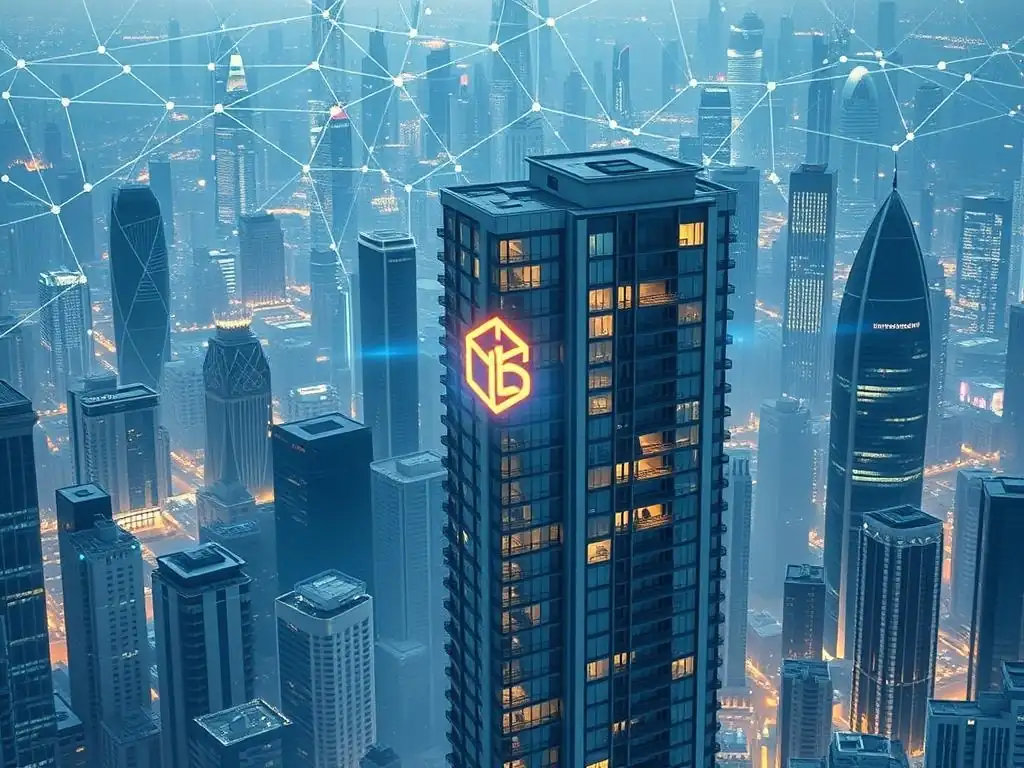
Welcome to Blockchain Trends, where we delve into the fascinating world of blockchain technology and its potential to reshape industries. In this edition, we invite you to explore the groundbreaking concept of Real Estate Decentralized Autonomous Organizations (DAOs). Discover how these innovative structures are revolutionizing property transactions, enhancing transparency, and democratizing real estate investments. As we uncover the intricacies of this transformative trend, prepare to be intrigued by how DAOs are paving the way for a decentralized future in real estate. Keep reading to unlock the full potential of this exciting development!
The Rise of Real Estate DAOs: Decentralized Autonomous Organizations in Property
- Introduction: Revolutionizing Real Estate with DAOs
- The Core Concepts Behind Real Estate DAOs
- Benefits of Real Estate DAOs: A New Paradigm
- Challenges and Risks Associated with Real Estate DAOs
- Real-World Examples of Real Estate DAOs in Action
- The Future of Real Estate DAOs: Trends and Predictions
- How to Participate in Real Estate DAOs: A Beginner's Guide
- Real Estate DAOs vs. Traditional Real Estate Investment: A Comparison
- Conclusion: The Transformative Potential of Decentralized Real Estate Organizations
-
Frequently Asked Questions
- What are Real Estate DAOs, and how do they differ from traditional real estate investment?
- How does blockchain technology facilitate the operation of Real Estate DAOs?
- What are the potential benefits of investing in real estate through a DAO?
- What are the regulatory challenges facing Real Estate DAOs?
- What is the future outlook for Real Estate DAOs in the broader real estate market?
- Final Reflection: Embracing Decentralized Ownership
- Dive Deeper into Decentralized Real Estate!
Introduction: Revolutionizing Real Estate with DAOs
Understanding the Blockchain Impact on Real Estate
Blockchain technology is fundamentally changing how transactions and ownership are recorded and managed, moving beyond its initial application in cryptocurrencies. In the real estate sector, this impact is profound, offering solutions to long-standing issues like illiquidity, lack of transparency, and high transaction costs.
By providing an immutable and transparent ledger, blockchain can streamline property title transfers, reduce fraud, and create fractional ownership opportunities, making real estate investment more accessible to a wider audience. The shift from traditional, paper-based systems or centralized databases to a decentralized, digital framework built on blockchain promises increased efficiency and security across the entire property lifecycle, from acquisition and management to sale.
This technological shift is paving the way for new organizational structures within real estate, most notably Decentralized Autonomous Organizations (DAOs). Blockchain's ability to automate processes through smart contracts and securely record ownership is the bedrock upon which real estate decentralized autonomous organizations are built. These structures aim to remove traditional intermediaries, such as banks, lawyers, and brokers, by encoding rules and processes directly into code on a blockchain.
This not only reduces costs but also speeds up transactions and enhances trust among participants who do not need to rely on a central authority. The integration of blockchain technology into real estate is not just an incremental improvement; it represents a potential paradigm shift towards a more open, efficient, and democratic property market.
What are Real Estate Decentralized Autonomous Organizations (DAOs)?
Real estate decentralized autonomous organizations are blockchain-based entities designed to collectively own, manage, and invest in property assets. Unlike traditional real estate investment structures, which rely on centralized management and legal entities, DAOs operate through rules encoded in smart contracts on a blockchain. Decisions regarding property acquisition, management, and disposition are typically made through a governance mechanism where token holders vote on proposals. This decentralized control structure means that no single individual or entity has absolute authority; instead, power is distributed among the DAO's participants, usually proportional to their token holdings.
The core idea behind real estate decentralized autonomous organizations is to democratize access to property investment. By tokenizing real estate assets and managing them within a DAO framework, investors can buy fractional ownership stakes in properties with relatively small capital outlays.
This lowers the barrier to entry compared to traditional property purchases, which often require significant upfront capital and involve complex legal and administrative processes. These organizations leverage the transparency and immutability of blockchain to ensure that all transactions and governance decisions are publicly verifiable, fostering a level of trust and accountability that is difficult to achieve in traditional real estate investment vehicles.
The Core Concepts Behind Real Estate DAOs
Decentralization and Automation in Property Management
Decentralization in real estate DAOs means that control and decision-making power are distributed among token holders rather than being concentrated in a single entity or management team. This distribution is facilitated by the blockchain, which hosts the DAO's smart contracts and records all governance votes and transactions. Decisions on matters such as selecting properties for investment, approving maintenance budgets, or setting rental prices are proposed and voted upon by the DAO's community.
This contrasts sharply with traditional property management, where decisions are made by a centralized authority, often a property management company or fund manager. The decentralized nature aims to align the incentives of all participants and prevent single points of failure or potential mismanagement.
Automation is achieved through the use of smart contracts, which automatically execute actions when predefined conditions are met. In the context of real estate DAOs, smart contracts can automate various processes, such as distributing rental income to token holders, managing property expenses, or even executing token transfers upon a successful sale vote. This automation reduces the need for human intervention in routine tasks, leading to increased efficiency and reduced operational costs.
For example, a smart contract could be programmed to automatically disburse a portion of collected rent to a maintenance fund and the remainder to token holders' wallets on a specific date each month, provided the rent payment has been received and verified on-chain. This level of automation is a key feature of real estate decentralized autonomous organizations, streamlining operations and ensuring reliable execution of agreed-upon rules.
Smart Contracts: The Foundation of DAO Operations in Real Estate
Smart contracts are the backbone of real estate decentralized autonomous organizations. These self-executing contracts, with the terms of the agreement directly written into lines of code, run on a blockchain, typically Ethereum or other platforms supporting smart contract functionality.
They automate the rules and processes that govern the DAO's operations, from how funds are pooled and invested to how governance votes are tallied and executed. For instance, a smart contract can be designed to hold pooled investment funds in escrow until a property purchase proposal reaches a predefined consensus threshold among token holders, at which point the funds are automatically released to the seller's designated address upon verification of property token transfer.
Furthermore, smart contracts manage the distribution of rental income or profits from property sales. When rent is collected (often converted into cryptocurrency or stablecoins), a smart contract can automatically divide these funds among all token holders based on their proportional ownership stake, minus any predefined operational expenses or reserves.
This eliminates the need for manual accounting and distribution processes, significantly reducing administrative overhead and potential for error or fraud. The transparency of smart contracts on a public blockchain allows any participant to audit the logic governing the DAO's operations, building trust and ensuring that the rules are applied consistently and fairly to all members of the real estate decentralized autonomous organization.
Tokenization of Real Estate Assets: A Key Enabler for DAOs
Tokenization is the process of issuing digital tokens on a blockchain that represent ownership or fractional ownership of a real-world asset, such as a piece of real estate. This process is a critical enabler for real estate decentralized autonomous organizations because it breaks down large, illiquid assets into smaller, tradable units. Instead of buying an entire property, investors can buy tokens representing a percentage of that property's value.
These tokens can then be managed and governed collectively within a DAO framework. For example, a property valued at $1,000,000 could be tokenized into 1,000,000 tokens, each representing $1 of value. Investors could then acquire tokens based on their desired investment amount, potentially starting with as little as a few dollars, depending on the token price.
The tokens issued through tokenization serve multiple purposes within a real estate DAO. They not only represent ownership rights and a claim on future income (like rent) or appreciation but also often function as governance tokens. Holding tokens grants the investor voting rights within the DAO, allowing them to participate in decision-making processes regarding the underlying property or the DAO's overall strategy.
This merging of investment and governance through tokens is fundamental to the operation of real estate decentralized autonomous organizations, enabling fractional, liquid, and democratic ownership structures for real estate assets. The ability to easily transfer and trade these tokens on secondary markets can also significantly increase the liquidity of real estate investments, which have historically been very illiquid.
Benefits of Real Estate DAOs: A New Paradigm
Increased Accessibility and Liquidity in Property Investment
One of the most significant benefits of real estate decentralized autonomous organizations is the dramatic increase in accessibility to property investment. Traditionally, investing in real estate requires substantial capital, often tens or hundreds of thousands of dollars for a down payment, closing costs, and initial renovations. Real estate DAOs, through tokenization, allow investors to acquire fractional ownership stakes in properties by purchasing relatively inexpensive tokens.
This lowers the barrier to entry, making it possible for individuals with limited capital to invest in a diversified portfolio of real estate assets. For example, instead of needing $50,000 for a down payment on a single property, an investor might be able to acquire $1,000 worth of tokens representing ownership in multiple properties managed by a DAO.
Furthermore, real estate DAOs can significantly enhance the liquidity of real estate investments. Unlike traditional property ownership, where selling an asset is a lengthy and often cumbersome process involving brokers, lawyers, and potential buyers, tokens representing ownership in a DAO-managed property can potentially be traded on secondary token marketplaces.
While the liquidity of these markets is still developing, the inherent nature of tokens allows for much faster transfers and potentially easier exit strategies compared to selling physical property or shares in a traditional real estate fund. This increased liquidity makes real estate a more attractive asset class for a broader range of investors who value the ability to enter and exit positions more readily.
Transparent and Efficient Property Management Through Blockchain
Transparency is a core principle of real estate decentralized autonomous organizations, largely due to their operation on public or permissioned blockchains. All transactions, including the pooling of funds, property acquisitions, rental income collection, expense payments, and profit distributions, can be recorded on the blockchain. This provides a transparent ledger that all token holders can audit, eliminating the need for blind trust in a centralized management entity.
Governance decisions, such as voting on proposals, are also recorded on-chain, ensuring that the decision-making process is open and verifiable. This level of transparency helps prevent fraudulent activities and ensures that the DAO operates according to its predefined rules.
Efficiency is another major advantage. By automating processes through smart contracts, real estate DAOs can reduce the administrative burden and costs associated with traditional property management. Tasks like collecting rent, paying bills, and distributing profits can be executed automatically and instantaneously once the necessary conditions are met and verified on the blockchain.
This minimizes the need for human intervention, reduces processing times, and lowers operational expenses. For example, a traditional property manager might charge 8-12% of rental income as a fee, whereas the automated processes within a DAO could potentially operate at a significantly lower cost percentage, directly benefiting the token holders/investors. The streamlined operations contribute to a more efficient and cost-effective investment vehicle.
Reduced Costs and Intermediaries in Real Estate Transactions
Traditional real estate transactions are notorious for involving numerous intermediaries, each adding layers of complexity, time, and cost. Brokers, lawyers, title companies, appraisers, and banks all play a role, and their fees and commissions can add up to a significant percentage of the property's value, often ranging from 5% to 10% or more.
Real estate decentralized autonomous organizations aim to minimize or eliminate many of these intermediaries by leveraging blockchain technology and smart contracts. For instance, property ownership can be transferred directly on the blockchain via token transfer, potentially reducing or removing the need for traditional title insurance and escrow services, provided the legal framework recognizes the on-chain transfer as valid ownership.
The automation inherent in smart contracts also reduces administrative costs. Instead of relying on manual processes for fund management, distribution, and record-keeping, these tasks are handled by code, leading to lower operational expenses.
While some professional services (like property maintenance or legal consultation) may still be required, the overall cost structure of acquiring, managing, and selling real estate through a DAO can be significantly lower than traditional methods. This reduction in costs directly translates into potentially higher returns for investors participating in real estate decentralized autonomous organizations, as a larger portion of the generated income or sale profits remains within the DAO for distribution among token holders.
Challenges and Risks Associated with Real Estate DAOs
Regulatory Uncertainty Surrounding Decentralized Property Ownership
One of the most significant hurdles facing real estate decentralized autonomous organizations is the current regulatory landscape. The legal recognition of tokenized property ownership and the operational status of DAOs themselves vary widely across jurisdictions and are often undefined or unclear. Traditional property laws are based on physical deeds and centralized registries, which do not easily accommodate fractional, tokenized ownership recorded on a distributed ledger.
There is uncertainty about how property titles tokenized and managed by a DAO would be treated in legal disputes, bankruptcies, or during property transfers in the physical world. For example, in many countries, a token on a blockchain does not yet constitute legally recognized ownership of the underlying physical asset in the same way a government-issued deed does.
Furthermore, the legal classification of DAO tokens is ambiguous. Are they securities, commodities, or something else entirely? This classification has major implications for how they can be issued, traded, and regulated. Without clear regulatory guidelines, real estate DAOs face risks related to compliance, potential future enforcement actions, and investor protection. Establishing clear legal frameworks that recognize and govern tokenized real estate and real estate decentralized autonomous organizations is crucial for their mainstream adoption and long-term stability. This requires collaboration between blockchain innovators, legal experts, and regulatory bodies to bridge the gap between traditional legal systems and decentralized digital structures.
Security Vulnerabilities and Smart Contract Risks in DAO Implementation
While blockchain is inherently secure due to its cryptographic nature, real estate decentralized autonomous organizations are built upon smart contracts, which are pieces of code and are susceptible to vulnerabilities. Errors or bugs in the smart contract code that governs the DAO's operations could lead to significant financial losses, as demonstrated by past incidents in the broader DeFi space where faulty smart contracts were exploited, resulting in the loss of millions of dollars.
Since smart contracts automatically execute actions based on their code, any flaw can be immediately and irreversibly exploited, potentially compromising the entire DAO's assets or governance mechanism.
Beyond code vulnerabilities, DAOs also face risks related to governance attacks. If a single entity or colluding group acquires a majority of governance tokens, they could potentially manipulate voting outcomes to benefit themselves at the expense of other token holders, sometimes referred to as a "51% attack" or governance exploit.
While this risk is mitigated in well-designed DAOs with distributed token ownership and robust governance mechanisms, it remains a potential threat. Ensuring the security of smart contracts through rigorous auditing, formal verification, and bug bounty programs, alongside designing resilient governance models, is paramount for the safety and reliability of real estate decentralized autonomous organizations.
Governance and Decision-Making Complexities Within DAOs
While decentralization is a core benefit, it also introduces complexities in governance and decision-making within real estate decentralized autonomous organizations. Reaching consensus among a large, distributed group of token holders on important matters like property acquisitions, sales, or significant management decisions can be challenging and time-consuming. Low voter participation rates can also lead to decisions being made by a small, unrepresentative subset of the community, potentially undermining the decentralized ideal. Designing effective governance models that encourage participation, facilitate informed decision-making, and prevent malicious actors from seizing control is a complex task.
Finding the right balance between decentralized consensus and efficient operation is critical. Too much decentralization can lead to slow, cumbersome decision-making processes that hinder the DAO's ability to act decisively in a dynamic real estate market. Conversely, too little decentralization could centralize power, defeating the purpose of a DAO.
Real estate DAOs must develop robust governance frameworks, potentially incorporating mechanisms like delegated voting, representative bodies, or hybrid models that combine on-chain voting with off-chain discussions and proposal refinement. The ongoing evolution of governance structures within real estate decentralized autonomous organizations is a key area of development and a significant challenge to overcome for widespread adoption.
Real-World Examples of Real Estate DAOs in Action

Case Study 1: CityDAO and its efforts to build a decentralized city
CityDAO is a prominent example of a real estate decentralized autonomous organization with an ambitious vision: to collectively own and govern land with the goal of building a decentralized city. Launched with the purchase of a single plot of land in Wyoming, USA, in 2021, CityDAO tokenized this land, allowing individuals to acquire citizenship NFTs (Non-Fungible Tokens) representing a form of membership and governance rights within the DAO.
While not a traditional real estate investment DAO focused on yielding income from existing properties, CityDAO represents a pioneering effort in using the DAO structure for collective land ownership and democratic governance over physical territory.
The DAO's early efforts focused on establishing its legal structure in Wyoming, a state known for its blockchain-friendly laws, and developing governance mechanisms for its members. Decisions regarding the land's use, development proposals, and the DAO's future direction are put to a vote among citizenship NFT holders.
While still in its nascent stages and facing considerable challenges related to legal recognition, urban planning, and community building, CityDAO demonstrates the potential of real estate decentralized autonomous organizations to enable collective ownership and governance of physical assets on a scale beyond individual properties, aiming towards the creation of entirely new forms of digital-native communities rooted in the physical world.
Case Study 2: Roofstock onChain and its tokenized single-family rentals
Roofstock onChain, an initiative from the established real estate platform Roofstock, provides a concrete example of a real estate decentralized autonomous organization focused on tokenizing single-family rental properties. Launched on the Ethereum blockchain (specifically using the Origin Protocol OUSD stablecoin and ERC-721 NFTs), Roofstock onChain allows investors to purchase NFTs representing ownership of a specific single-family rental home. While the legal ownership structure might still involve a traditional entity holding the deed, the NFT represents beneficial ownership and the right to income generated by the property.
This model aims to make investing in single-family rentals more accessible and liquid. Instead of buying an entire house, which typically requires significant capital and involves complex closing processes, an investor can acquire an NFT representing a property via a platform like Roofstock onChain.
The platform often incorporates elements of a real estate decentralized autonomous organization by allowing NFT holders to potentially participate in certain decisions regarding the property or the platform's future, although the degree of decentralization can vary compared to pure community-driven DAOs. By the end of 2022, Roofstock onChain had facilitated the sale of dozens of tokenized properties, demonstrating a viable model for using blockchain and tokenization to democratize access to this specific real estate asset class.
Analyzing the Performance and Impact of Existing Real Estate DAOs
Analyzing the performance of existing real estate decentralized autonomous organizations requires considering various metrics beyond traditional financial returns, though those are important. For property-holding DAOs like those facilitated by platforms such as Roofstock onChain, performance can be measured by factors like rental yield, property value appreciation, and the liquidity of the associated tokens or NFTs on secondary markets. Early examples have shown promising signs in enabling fractional ownership and potentially reducing transaction times, with some properties seeing relatively quick tokenized sales compared to traditional methods.
However, the overall impact and long-term performance of real estate DAOs are still being evaluated. Challenges such as regulatory clarity, achieving significant token liquidity, and effectively managing properties through decentralized governance models persist. The success of DAOs like CityDAO, focused on collective land ownership and governance, is measured more by progress in community building, legal recognition, and the realization of their decentralized city vision than by immediate financial return on investment in the traditional sense.
As of early 2023, the real estate DAO sector is still relatively small compared to the global real estate market, but the real-world examples demonstrate the tangible steps being taken towards a more decentralized and accessible future for property investment and ownership. Data on rental yield or appreciation for specific tokenized properties varies widely and is often dependent on the individual asset and market conditions, much like traditional real estate.
The Future of Real Estate DAOs: Trends and Predictions
The Growing Adoption of Blockchain in Real Estate Investment
The trend towards integrating blockchain technology into real estate investment is accelerating, driven by the potential for increased efficiency, transparency, and accessibility. While initial applications focused on simply recording property deeds on a blockchain, the focus is increasingly shifting towards tokenization and the creation of structured investment vehicles like real estate decentralized autonomous organizations.
Major real estate players and technology firms are exploring pilot programs and platforms to tokenize assets, including commercial properties, residential portfolios, and even real estate investment trusts (REITs). Predictions suggest that the value of tokenized real estate assets could reach into the trillions of dollars in the coming decade, reflecting a significant shift in how property is owned and traded.
This growing adoption is also being fueled by increasing investor familiarity with digital assets and decentralized finance (DeFi). As more capital flows into the blockchain ecosystem, investors are looking for ways to diversify into real-world assets like real estate through familiar decentralized structures.
The development of more user-friendly interfaces and compliant platforms is also lowering the technical barrier for participation. While challenges remain, particularly regarding regulation and scalability, the fundamental benefits offered by blockchain in addressing real estate's inherent inefficiencies make its continued and expanded adoption in the investment landscape highly probable, paving a smoother path for the growth of real estate decentralized autonomous organizations.
The Evolution of DAO Governance Models for Property Management
As real estate decentralized autonomous organizations mature, their governance models are expected to evolve significantly. Early DAOs often relied on simple token-weighted voting, which can be susceptible to whale attacks or low participation. Future models will likely incorporate more sophisticated mechanisms to ensure fair representation, encourage expert input, and streamline decision-making processes. This could include quadratic voting to give smaller token holders more relative influence, delegated proof-of-stake (DPoS) mechanisms where token holders elect representatives to make decisions, or hybrid models that combine on-chain voting with off-chain expert committees for property-specific operational decisions.
The complexity of managing physical real estate assets requires specialized knowledge in areas like property maintenance, tenant management, and local market dynamics. Future real estate DAOs may integrate mechanisms to leverage the expertise of professional property managers while maintaining decentralized oversight through smart contracts and token holder governance.
This could involve performance-based agreements with property management companies executed via smart contracts, where payments are automatically disbursed based on predefined metrics like occupancy rates or rental income collection. The evolution of these governance structures is crucial for real estate decentralized autonomous organizations to effectively manage complex, real-world assets and scale their operations.
Potential for Fractional Ownership and Global Real Estate Access
Real estate DAOs are poised to unlock unprecedented potential for fractional ownership and global access to real estate markets. Tokenization, facilitated by DAOs, allows properties to be broken down into tiny, affordable units, making high-value assets accessible to a global pool of investors regardless of their geographic location or wealth status. An investor in Europe could easily purchase tokens representing a fraction of a commercial building in Asia, or a residential property in the Americas, without the need for complex international legal procedures, currency exchanges, or minimum investment thresholds typically associated with cross-border real estate investment.
This ability to invest in fractions of properties across different markets significantly enhances portfolio diversification opportunities for individual investors. Instead of being limited to their local market, investors can build a globally diversified real estate portfolio by acquiring tokens from various real estate decentralized autonomous organizations that own properties in different regions and asset classes.
This trend towards fractional, globally accessible real estate investment is expected to reshape the traditional real estate investment landscape, democratizing access and potentially increasing overall market efficiency by connecting global capital with diverse property opportunities. The total value of tokenized real estate is projected to grow substantially, facilitating this global fractional ownership revolution.
How to Participate in Real Estate DAOs: A Beginner's Guide
Understanding the Process of Investing in Real Estate DAO Tokens
Investing in real estate decentralized autonomous organizations typically involves acquiring governance or utility tokens issued by the DAO or a platform facilitating tokenized real estate. The first step is usually to understand the specific DAO's structure, its investment strategy (e.g., focusing on residential, commercial, or specific geographic areas), and the properties it currently owns or intends to acquire. Information is usually available on the DAO's website, whitepaper, and community forums (like Discord or Telegram). Potential investors need to understand what the tokens represent – are they direct fractional ownership, a security token with profit rights, or primarily governance tokens?
Once an investor decides to participate, they will typically need to set up a cryptocurrency wallet compatible with the blockchain the DAO operates on (commonly Ethereum or Solana). They will then need to acquire the necessary cryptocurrency (like ETH or a stablecoin like USDC) to purchase the DAO's tokens.
These tokens are often available for purchase directly from the DAO during an initial offering or on decentralized or centralized cryptocurrency exchanges where they are listed. The process involves sending the required cryptocurrency to the specified address or using the exchange interface to swap for the DAO's tokens, which are then held in the investor's wallet, granting them their fractional ownership and/or governance rights within the real estate decentralized autonomous organization.
Due Diligence and Risk Assessment for DAO-Based Property Investments
Before investing in a real estate decentralized autonomous organization, thorough due diligence is paramount, just as with any investment. Investors should carefully examine the DAO's legal structure (if any), the team behind it, and the specifics of the underlying real estate assets. This includes verifying the existence and ownership of the properties, understanding their market value, rental income potential, and any associated liabilities.
Investors should also scrutinize the smart contracts governing the DAO's operations – are they audited? What are the risks associated with the code? Transparency is key, and reputable DAOs should provide clear access to relevant information and audits.
Assessing the risks involves understanding the potential downsides beyond typical real estate market risks. These include the regulatory uncertainty mentioned earlier – could the DAO's operations or token legality be challenged? There are also technical risks, such as smart contract vulnerabilities or blockchain network issues.
Governance risks are also present – how is decision-making structured, and what prevents malicious actors? Liquidity risk is important too; while tokenization aims to increase liquidity, the market for specific real estate DAO tokens might be thin, making it difficult to sell tokens quickly or at a desired price. Investors should only invest capital they can afford to lose and understand that, despite the promise of transparency, real estate decentralized autonomous organizations are still an emerging and relatively high-risk investment class.
Navigating the legal and regulatory landscape is perhaps the most challenging aspect for participants in real estate decentralized autonomous organizations. As regulations are still evolving globally, investors must be aware of the potential legal implications in their own jurisdiction and the jurisdiction where the DAO and the underlying properties are located. This includes understanding how tokenized ownership is treated legally – does it grant the same rights as traditional ownership? What are the tax implications of receiving rental income or selling tokens? Are there specific registration requirements for the DAO or its tokens?
Investors should seek independent legal and financial advice specifically tailored to decentralized and tokenized assets. Relying solely on information provided by the DAO is insufficient. The regulatory environment for real estate decentralized autonomous organizations is dynamic; what is permissible today may change tomorrow. Staying informed about legal developments in relevant jurisdictions is crucial.
Some DAOs are proactively working to establish clear legal wrappers (like forming an LLC in a blockchain-friendly state like Wyoming) to provide a layer of legal certainty for their operations and token holders. However, this does not eliminate all regulatory risks, particularly in less clear jurisdictions. Understanding and accepting this inherent legal uncertainty is a necessary part of participating in this nascent sector.
Real Estate DAOs vs. Traditional Real Estate Investment: A Comparison
Accessibility and Investment Thresholds
Comparing real estate decentralized autonomous organizations to traditional real estate investment highlights significant differences, particularly in accessibility and investment thresholds. Traditional methods, whether buying a physical property directly or investing in a private real estate fund, typically require substantial upfront capital. Purchasing a home might require a 20% down payment, closing costs, and reserves, easily totaling tens of thousands of dollars or more. Private real estate funds often have high minimum investment requirements, frequently $50,000, $100,000, or even higher, limiting participation to accredited investors.
Real estate DAOs, through tokenization, drastically lower these barriers. Investors can often acquire tokens representing fractional ownership for sums as low as a few hundred or thousand dollars, sometimes even less depending on the token price and platform minimums. This opens up real estate investment to a much broader demographic globally. For instance, someone with $500 could potentially invest in a tokenized property via a DAO, whereas that amount would be entirely insufficient for any traditional real estate investment avenue. This democratized access is a key differentiator and a major appeal of real estate decentralized autonomous organizations.
Transparency and Governance
Transparency is another area where real estate decentralized autonomous organizations offer a distinct advantage over traditional models. In traditional real estate investment, especially in private funds or partnerships, investors often have limited visibility into day-to-day operations, management decisions, and financial flows. They rely on periodic reports from fund managers or property managers, which may not provide a complete or real-time picture. Governance is typically centralized with the fund manager or managing partner holding decision-making authority, with limited input from investors beyond electing board members in larger structures like REITs.
Real estate DAOs operate on a blockchain, where transactions and often governance votes are publicly recorded and auditable. This provides a level of transparency that is difficult to match in traditional structures. Token holders can potentially verify income streams, expense payments, and asset transfers on-chain.
Governance decisions, based on proposals and token holder votes recorded on the blockchain, are also transparent. This decentralized governance model empowers investors by giving them a direct say in the management and future direction of the properties or the DAO itself, a stark contrast to the passive role of investors in most traditional real estate investment vehicles.
Liquidity and Exit Strategies
Liquidity and exit strategies present a notable contrast between real estate decentralized autonomous organizations and traditional investments. Traditional real estate is notoriously illiquid. Selling a physical property can take months, involving marketing, negotiations, inspections, and legal processes. Even selling shares in a private real estate fund can be difficult, often restricted by lock-up periods and requiring finding a buyer for limited partnership interests, which can be complex and result in discounted sales. Publicly traded REITs offer liquidity, but their value is tied to the stock market, which may not always reflect the true value of the underlying assets.
Real estate DAOs aim to enhance liquidity by tokenizing assets. The tokens can potentially be traded on secondary cryptocurrency exchanges or specialized marketplaces, allowing investors to buy or sell their fractional ownership stakes more readily than traditional methods. While the liquidity of these token markets is still developing and can vary significantly, the potential for faster transactions compared to selling physical property is clear.
An investor in a real estate DAO could potentially sell their tokens in minutes or hours, compared to weeks or months for traditional property, although finding a buyer and executing the trade at a favorable price is not guaranteed and depends on market conditions. This improved potential liquidity is a significant draw for investors seeking more flexible real estate investment options.
Conclusion: The Transformative Potential of Decentralized Real Estate Organizations
Real Estate DAOs: Empowering Investors and Reshaping the Property Landscape
Real estate decentralized autonomous organizations represent a significant evolution in how property can be owned, managed, and invested in. By leveraging the power of blockchain technology, tokenization, and smart contracts, DAOs are poised to address many of the long-standing inefficiencies and limitations of the traditional real estate market. They offer unprecedented levels of accessibility, allowing individuals with modest capital to participate in property investment through fractional ownership. The inherent transparency of blockchain operations and the potential for automated processes lead to greater efficiency and reduced costs by minimizing the reliance on numerous intermediaries.
While challenges related to regulatory clarity, technical risks, and governance complexities still need to be fully addressed, the real-world examples and ongoing developments demonstrate the tangible progress being made. Real estate DAOs are not just a theoretical concept; they are actively being built and utilized to acquire and manage properties.
As the technology matures, legal frameworks adapt, and governance models become more refined, real estate decentralized autonomous organizations have the potential to fundamentally reshape the property landscape, making real estate investment more democratic, liquid, and transparent for a global pool of investors. They represent a powerful force in the ongoing decentralization trend, bringing the benefits of blockchain technology to one of the world's largest and oldest asset classes.
Frequently Asked Questions
What are Real Estate DAOs, and how do they differ from traditional real estate investment?
Real Estate DAOs are decentralized autonomous organizations specifically designed for real estate investment. Unlike traditional investment, they operate using blockchain technology, allowing for fractional ownership and community-driven decision-making.
How does blockchain technology facilitate the operation of Real Estate DAOs?
Blockchain provides a transparent and secure ledger for recording ownership and transactions within the DAO. Smart contracts automate processes like rent distribution and voting, enhancing efficiency and reducing the need for intermediaries.
What are the potential benefits of investing in real estate through a DAO?
Investing through a DAO can offer increased accessibility to real estate investments with lower capital requirements. It also promotes greater transparency and democratic control over property management and investment decisions.
What are the regulatory challenges facing Real Estate DAOs?
The regulatory landscape for DAOs, particularly those involved in real estate, is still evolving. Key challenges include securities law compliance and navigating property ownership regulations in different jurisdictions.
What is the future outlook for Real Estate DAOs in the broader real estate market?
Real Estate DAOs have the potential to disrupt traditional real estate investment by democratizing access and improving efficiency. Their future success depends on regulatory clarity and the continued adoption of blockchain technology within the industry.
Final Reflection: Embracing Decentralized Ownership
The exploration of Real Estate DAOs reveals a fascinating intersection of blockchain technology and traditional property ownership, and the potential for democratizing access to real estate investment is more relevant now than ever. As traditional markets grapple with volatility and exclusivity, the promise of fractionalized ownership and transparent governance offered by DAOs presents a compelling alternative for a wider range of investors.
The rise of Real Estate DAOs isn't just a technological advancement; it's a cultural shift towards more inclusive and community-driven investment models. Witnessing this evolution firsthand underscores the importance of understanding and adapting to these emerging paradigms. The future is already here – it's just not evenly distributed.
– William Gibson. This quote perfectly encapsulates the current state of Real Estate DAOs; the technology exists, the potential is clear, but widespread adoption requires education, accessibility, and a willingness to embrace new ways of thinking about property ownership.
As we stand at the cusp of this decentralized revolution, consider the implications for your own financial future and the communities you inhabit. How can you leverage the power of Real Estate DAOs to create more equitable access to property ownership and contribute to a more democratized and transparent real estate landscape? The future of property is being written now, and your understanding and engagement will shape its narrative.
Dive Deeper into Decentralized Real Estate!
Thank you for exploring the fascinating world of Real Estate DAOs with us! We hope you've gained valuable insights into how blockchain technology is transforming property ownership and investment. Now, it's time to take action!
Here are a few ways you can deepen your understanding and get involved:
- Explore your local real estate market and identify properties that could benefit from a DAO ownership model. Share your findings with your network!
- Join online communities and forums dedicated to DAOs and blockchain real estate to connect with like-minded individuals and learn from their experiences.
- Consider researching different blockchain platforms that support DAO creation and try building a mock DAO for a virtual property.
What innovative uses do you see for Real Estate DAOs in the next five years, and what challenges do you think will need to be addressed? Share your thoughts in the comments below!
Leave a Reply