
Smart Contracts and Dispute Resolution in Real Estate: Faster and Fairer Outcomes?


Welcome to Blockchain Trends, your go-to source for understanding the real-world impact of blockchain technology. Beyond the hype, lies a revolution reshaping industries.
Is the future of property disputes fairer and faster? Dive into our exploration of Blockchain real estate dispute resolution and discover how smart contracts are poised to transform the way conflicts are resolved, potentially offering a more transparent and efficient alternative to traditional legal battles. Curious about how this works? Let's unlock the potential of blockchain in real estate together.
- Smart Contracts and Dispute Resolution in Real Estate: Faster and Fairer Outcomes?
- Understanding Smart Contracts for Real Estate
- The Problem: Traditional Real Estate Dispute Resolution Inefficiencies
- Blockchain Real Estate Dispute Resolution: A Smart Contract Approach
- Use Cases: Smart Contracts in Action for Real Estate Disputes
- Benefits of Blockchain-Based Real Estate Dispute Resolution
- Challenges and Limitations of Smart Contract Dispute Resolution
- The Future of Smart Contracts and Dispute Resolution in Real Estate
- Conclusion: Embracing Blockchain for Fairer Real Estate Outcomes
-
Frequently Asked Questions
- How can smart contracts improve dispute resolution in real estate?
- What role does blockchain play in ensuring the fairness of real estate dispute resolution?
- What are the potential benefits of using blockchain for real estate dispute resolution compared to traditional methods?
- How does the "Blockchain Trends" article envision the future of decentralized systems impacting real estate dispute resolution?
- What are some of the regulatory challenges associated with using blockchain for real estate dispute resolution?
- Final Reflection: Embracing Transparency in Real Estate
- Unlock the Future: Embrace Smart Contracts in Real Estate!
Smart Contracts and Dispute Resolution in Real Estate: Faster and Fairer Outcomes?
Revolutionizing Real Estate with Blockchain Technology
Blockchain technology, initially known for powering cryptocurrencies like Bitcoin, is increasingly being recognized for its potential to transform various industries, including real estate. Its core characteristics—decentralization, transparency, immutability, and security—address many long-standing inefficiencies and trust issues inherent in traditional real estate processes. By providing a shared, tamper-proof ledger, blockchain can streamline transactions, enhance record-keeping, and build a foundation for more secure and efficient property management.
This technological shift promises to impact everything from property title management and fractional ownership to financing and, critically, dispute resolution. A blockchain-based system could potentially reduce the reliance on intermediaries, lower transaction costs, and accelerate processes that currently take weeks or months. The integration of blockchain in real estate is moving beyond theoretical discussions, with pilot projects and platforms emerging globally, aiming to digitize assets and simplify complex procedures, including those related to resolving disagreements.
The Challenge of Disputes in Traditional Real Estate Transactions
Real estate transactions are notoriously complex, involving multiple parties—buyers, sellers, agents, lawyers, lenders, escrow companies, and government agencies. This complexity, coupled with large sums of money and intricate legal contracts, creates fertile ground for disputes. Common disagreements arise over property boundaries, title defects, contract terms, payment schedules, property condition disclosures, and escrow fund distribution.
Resolving these disputes through traditional legal channels—litigation or arbitration—is often a protracted and expensive ordeal. Cases can drag on for years, incurring significant legal fees that can easily exceed tens of thousands of dollars, sometimes even surpassing the value of the dispute itself. The lack of transparency in these processes and the potential for human error or bias further exacerbate the frustration for parties involved, highlighting a critical need for more efficient, transparent, and equitable methods for blockchain real estate dispute resolution.
How Smart Contracts Offer a Solution for Real Estate Disputes
Smart contracts represent a paradigm shift in how agreements can be executed and enforced. These are self-executing contracts with the terms of the agreement directly written into lines of code. They reside on a blockchain network, making them immutable and transparent. In the context of real estate, smart contracts can automate various aspects of a transaction, from earnest money deposits to final payment releases, based on predefined conditions being met and verified on the blockchain.
Crucially, smart contracts can embed dispute resolution mechanisms directly into the transaction workflow. Instead of relying solely on external, slow legal systems, disagreements could potentially be handled through automated processes or predefined, code-based arbitration rules triggered by specific events or data inputs. This embedded capability offers a promising pathway towards faster, more cost-effective, and fairer outcomes for blockchain real estate dispute resolution.
Understanding Smart Contracts for Real Estate
What are Smart Contracts? A Simplified Explanation
At its core, a smart contract is a digital agreement where the terms are encoded into a computer program. This program runs on a blockchain, meaning it's decentralized, immutable (cannot be altered once deployed), and transparent (anyone can view the code, though not necessarily the private data it processes). Think of it as an automated escrow service or a digital vending machine for agreements: when specific, predetermined conditions are met, the contract automatically executes the next steps, such as transferring funds or updating property records on the blockchain.
Unlike traditional contracts written on paper, which require intermediaries like lawyers or banks to interpret and enforce, smart contracts are self-enforcing. They operate based on simple "if-then" logic: IF condition X is met, THEN execute action Y. For example, a smart contract for a rental agreement might state: IF tenant_submits_rent_payment_by_date AND landlord_confirms_receipt THEN release_security_deposit_hold. This automation reduces reliance on trust between parties and eliminates the need for third-party enforcement of basic contractual obligations.
Key Features of Smart Contracts: Automation, Transparency, and Security
Smart contracts possess several key features that make them particularly attractive for complex transactions like those in real estate. Automation is perhaps the most significant, enabling processes like payments, document releases, and status updates to occur automatically when specified conditions are met, removing manual steps and potential delays. This can drastically speed up transaction times, potentially reducing a multi-week closing process to a matter of days or even hours in some scenarios.
Transparency is another vital feature. Because smart contracts reside on a public or permissioned blockchain, the code and the execution history are typically visible to all participants and, depending on the blockchain type, potentially the public. This shared visibility reduces information asymmetry and builds trust. Furthermore, the security provided by blockchain's cryptographic principles ensures that once a smart contract is deployed and running, its terms and execution history are immutable and resistant to tampering, providing a high degree of integrity to the agreement and supporting robust blockchain real estate dispute resolution mechanisms.
Benefits of Using Smart Contracts in Real Estate Transactions
The application of smart contracts in real estate offers numerous benefits. Firstly, they can significantly reduce transaction costs by minimizing or eliminating the need for certain intermediaries, such as escrow agents or even some legal services for basic contract execution. Estimates vary, but some studies suggest potential cost savings of 1-3% of the property value by streamlining processes. Secondly, they accelerate transaction speed; automated processes can execute instantly upon condition fulfillment, compared to manual verification and transfers that can take days.
Beyond efficiency and cost savings, smart contracts enhance security and reduce the risk of fraud. The immutable record on the blockchain provides a clear, verifiable history of all actions taken within the contract. This transparency and auditability are invaluable for all parties involved and lay a strong foundation for addressing disagreements. By embedding rules and triggers directly into the code, smart contracts offer a proactive approach to potential issues, potentially preventing disputes or providing a clear, automated path for blockchain real estate dispute resolution when they do arise.
The Problem: Traditional Real Estate Dispute Resolution Inefficiencies
High Costs and Lengthy Processes of Traditional Litigation
Traditional methods for resolving real estate disputes, primarily litigation through civil courts or formal arbitration, are notorious for their high costs and glacial pace. Legal fees, court costs, expert witness fees, and the time spent by parties away from their work can quickly accumulate. A single dispute, such as one over a property boundary or a failed transaction, can easily incur legal expenses ranging from $10,000 to over $100,000, depending on complexity and duration.
The timeline for resolving these disputes is equally discouraging. Court dockets are often backlogged, leading to significant delays. A simple contract dispute might take six months to a year to get to trial, while more complex cases, like construction defects or large-scale property disagreements, could easily span several years before a final judgment or settlement is reached. This lengthy, expensive process creates significant stress and financial burden for individuals and businesses alike, highlighting the urgent need for more efficient blockchain real estate dispute resolution methods.
Lack of Transparency and Potential for Bias in Dispute Resolution
Traditional dispute resolution processes can also suffer from a lack of transparency, which can erode trust between parties. Court proceedings, while public, involve complex legal jargon and procedures that are often opaque to non-lawyers. Arbitration, while potentially faster and more private, still relies on human arbitrators whose decisions, though often binding, may not always be perceived as entirely impartial, depending on their background and the specific case details.
Furthermore, the reliance on paper documents and disparate systems in traditional real estate can make it difficult to track the complete history of events and verify facts independently. Evidence might be presented selectively, and the subjective interpretation of contracts by judges or arbitrators can lead to unpredictable outcomes. This lack of inherent transparency and the potential for perceived bias underscore the limitations of existing systems and strengthen the case for adopting more transparent, code-driven approaches like those enabled by blockchain real estate dispute resolution.
The Need for a More Efficient and Fair System
The cumulative impact of high costs, lengthy timelines, lack of transparency, and potential for bias in traditional real estate dispute resolution creates a significant barrier to justice and efficient market function. Property owners, developers, and investors are often hesitant to pursue legitimate claims due to the anticipated expense and hassle. This can lead to unresolved issues, continued friction between parties, and a general sense of dissatisfaction with the system.
There is a clear and pressing need for a dispute resolution framework in real estate that is not only faster and less expensive but also inherently more transparent and perceived as fairer. Such a system should ideally minimize human intervention in straightforward matters, provide immutable records of events, and offer a clear, predictable path for resolving disagreements based on predefined rules. This is where the promise of blockchain real estate dispute resolution, powered by smart contracts, becomes particularly compelling.
Blockchain Real Estate Dispute Resolution: A Smart Contract Approach
How Smart Contracts Streamline Dispute Resolution
Smart contracts offer a fundamentally different approach to dispute resolution by embedding resolution logic directly within the transaction mechanism itself. Instead of waiting for a dispute to arise and then seeking external legal recourse, smart contracts can be designed to anticipate potential points of conflict and define automated responses or predefined dispute workflows. For example, a contract could specify that if a payment is late by a certain number of days, a notification is automatically sent, a late fee is applied, or a pre-agreed upon mediation clause is triggered.
This proactive embedding of rules streamlines the process significantly. It removes the initial steps of formally filing a complaint and waiting for a response through traditional channels. By automating responses to common trigger events, smart contracts can prevent minor disagreements from escalating into full-blown legal battles. This represents a shift from reactive problem-solving to proactive conflict management, making blockchain real estate dispute resolution potentially much more efficient.
Automated Enforcement of Contractual Terms
One of the most powerful aspects of smart contracts in dispute resolution is their ability to automatically enforce contractual terms based on verifiable data. If a smart contract governs a rental property, for instance, and is connected to an oracle (a mechanism that feeds real-world data into the blockchain) confirming rent payment status, the contract can automatically execute actions defined in the code. If rent is confirmed paid, the contract might release a 'paid' status update; if not, it could automatically initiate late fee calculation or send automated reminders.
This automated enforcement reduces the need for manual tracking and intervention, which are common sources of error and dispute. It ensures that the terms agreed upon are executed precisely as coded, removing subjective interpretation for these specific actions. While complex disputes still require human judgment, automated enforcement handles routine compliance, freeing up parties to focus on more significant issues if they arise and providing a clear audit trail for blockchain real estate dispute resolution processes.
Immutability and Transparency in Dispute Records
A core benefit of using blockchain for real estate dispute resolution is the creation of an immutable and transparent record of all relevant actions and data points related to the smart contract. Every transaction, every data input from an oracle, and every execution of a smart contract function is recorded on the blockchain ledger. This record is tamper-proof and visible to all authorized parties, providing an undeniable history of events.
When a dispute arises, having this immutable and transparent record is invaluable. It provides a single, verifiable source of truth regarding what happened, when it happened, and under what conditions the smart contract executed. This significantly reduces the time and effort traditionally spent on gathering evidence, verifying timelines, and establishing facts. The inherent transparency also fosters trust, as parties can independently verify the sequence of events, contributing to fairer outcomes in blockchain real estate dispute resolution.
Use Cases: Smart Contracts in Action for Real Estate Disputes
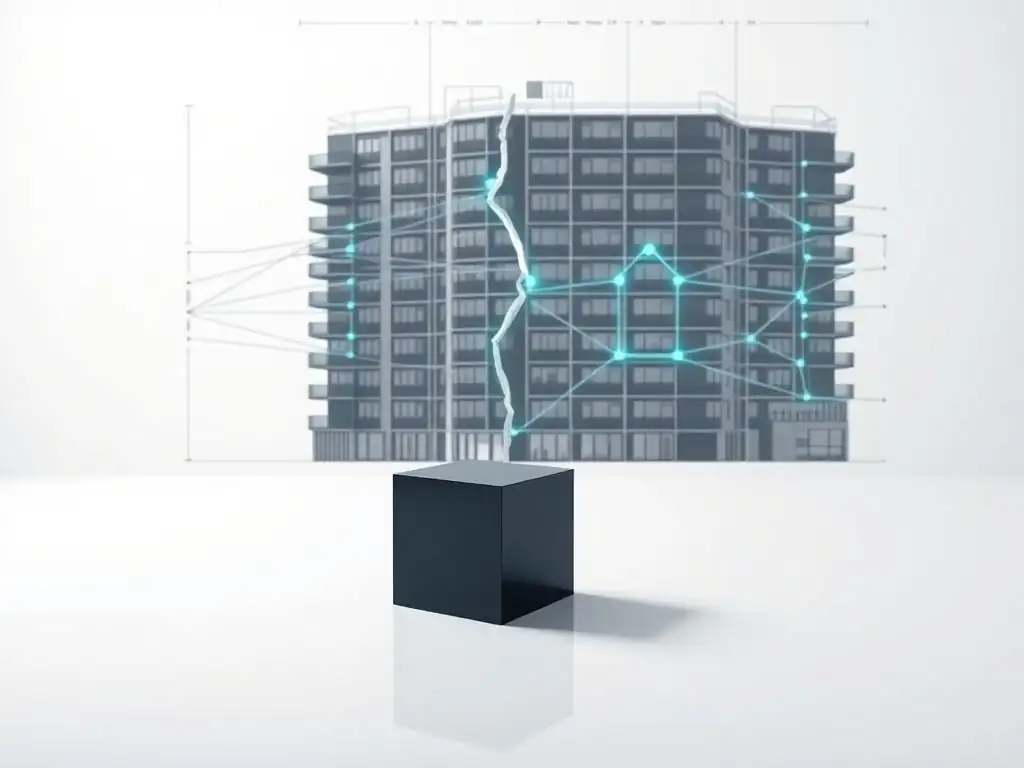
Case Study 1: Resolving Title Disputes with Blockchain
Consider a scenario involving a complex property title history with multiple past transfers and potential liens – a common source of disputes. Traditionally, resolving a title defect can take months or even years, involving extensive manual research of public records across various agencies. A blockchain-based title registry, where property ownership and all associated encumbrances (like mortgages or liens) are recorded as digital tokens or entries on an immutable ledger, offers a solution.
In this blockchain system, a smart contract could govern the transfer of a tokenized property title. The contract could be programmed to verify the 'cleanliness' of the title token against known records on the blockchain before allowing a sale to complete.
If a dispute arises regarding a historical claim or lien, the immutable blockchain record provides a clear, verifiable history of ownership and encumbrances, making it significantly easier and faster to identify the source of the issue and validate legitimate claims versus fraudulent ones. While not fully automated, the transparent and immutable ledger drastically simplifies the evidentiary phase of resolving title disputes, potentially reducing resolution time from months to weeks and costs significantly.
Case Study 2: Handling Property Boundary Disagreements via Smart Contracts
Boundary disputes are another frequent issue in real estate, often requiring land surveys and potentially litigation. Imagine a future where precise property boundaries are not just documented on paper maps but are linked to digital identifiers stored on a blockchain, possibly incorporating data from GPS or other precise mapping technologies fed via oracles. A smart contract could reference these immutable boundary records.
While a smart contract cannot physically move a fence, it could play a crucial role in the resolution process. If a dispute arises, the smart contract, connected to the verified boundary data on the blockchain, could automatically trigger a predefined dispute resolution clause.
This might involve allocating funds held in escrow by the contract for a new, certified digital survey whose results are then fed back onto the blockchain, or initiating a consultation process based on the immutable boundary data. The smart contract ensures funds are released only upon completion of the defined steps and based on verifiable data, streamlining the initial stages of resolving boundary disagreements and providing an undeniable digital reference point for blockchain real estate dispute resolution.
Case Study 3: Rent Payment Disputes and Automated Eviction Processes
Rental agreements are fertile ground for payment disputes. Landlords and tenants frequently disagree on payment dates, amounts received, or the application of late fees. A smart contract governing a rental agreement can automate rent collection and tracking. The tenant sends rent funds to a smart contract address. Upon receipt and verification (e.g., via a stablecoin transfer on the blockchain), the contract automatically logs the payment date and amount, releasing funds to the landlord.
If a payment is late according to the contract's terms, the smart contract can automatically issue warnings, calculate and apply late fees from a pre-funded account (if agreed upon), and maintain an immutable record of the payment history. If the delinquency persists, the smart contract could be programmed to automatically initiate the first steps of a predefined eviction process as permitted by law, such as generating a formal notice documented on the blockchain.
This automation handles routine payment issues and provides an unquestionable record for any escalated blockchain real estate dispute resolution concerning rent or eviction, reducing the manual burden and potential for factual disagreements.
Benefits of Blockchain-Based Real Estate Dispute Resolution
Reduced Costs and Faster Resolution Times
One of the most significant advantages of implementing blockchain real estate dispute resolution is the potential for dramatic reductions in both costs and time. By automating routine processes, providing transparent and immutable records, and embedding dispute resolution steps directly into smart contracts, many minor issues can be resolved automatically or prevented from escalating. For more complex disputes, the availability of a clear, verifiable history of events on the blockchain significantly reduces the time and expense traditionally spent on discovery and evidence gathering.
Consider the example of a failed transaction due to a funding issue. A smart contract could automatically return earnest money (minus agreed-upon penalties) if loan approval conditions aren't met by a specific date, avoiding a dispute entirely. Even if a dispute requires external arbitration, having all transaction details immutably recorded on the blockchain means arbitrators can quickly access verified facts, potentially cutting resolution time by weeks or months and reducing associated legal and administrative fees, which can represent a saving of 20-50% or more compared to traditional litigation in some cases.
Increased Transparency and Impartiality
Blockchain's inherent transparency fosters a more equitable environment for dispute resolution. All parties involved in a smart contract-based transaction have access to the same immutable record of events. This shared, verifiable truth minimizes opportunities for one party to misrepresent facts or conceal information. The logic of the smart contract itself is also transparent (assuming open-source code), meaning the rules governing automated actions are clear from the outset.
While human judgment may still be required for complex interpretations or unforeseen circumstances, the foundation of transparent, immutable data provided by the blockchain enhances the perception and reality of impartiality. Decisions can be based on objectively verifiable facts recorded on the ledger, rather than potentially disputed accounts or interpretations. This increased transparency builds trust in the process and outcomes of blockchain real estate dispute resolution.
Enhanced Security and Data Integrity
The security features of blockchain technology contribute significantly to robust dispute resolution. Data recorded on the blockchain is cryptographically secured and distributed across a network of computers, making it extremely difficult and computationally expensive for any single party to alter or tamper with the record. This immutability ensures the integrity of the transaction history and any data points relevant to a dispute.
In traditional systems, paper records can be lost or altered, and digital records can be vulnerable to hacking or manipulation. A blockchain ledger provides a secure, tamper-evident audit trail that serves as a reliable source of truth. For example, proof of payment dates, document submission times, or fulfillment of specific conditions are securely recorded, providing irrefutable evidence in case of a disagreement. This enhanced data integrity is fundamental to building a reliable system for blockchain real estate dispute resolution.
Improved Trust and Confidence in Real Estate Transactions
Ultimately, the combined benefits of cost reduction, speed, transparency, impartiality, and security fostered by blockchain technology lead to improved trust and confidence in the real estate transaction process as a whole. When parties know that the agreement is governed by transparent, self-executing smart contracts and that all actions are recorded on an immutable ledger, they can engage with greater assurance.
The knowledge that potential disputes have pre-defined resolution paths embedded in the contract, backed by verifiable data, reduces uncertainty and risk. This increased trust can facilitate smoother transactions, encourage participation in the market, and pave the way for more innovative real estate models, such as fractional ownership or tokenized property assets, all while relying on robust blockchain real estate dispute resolution mechanisms when needed.
Challenges and Limitations of Smart Contract Dispute Resolution
The "Oracle Problem": Connecting Smart Contracts to Real-World Data
A significant challenge for smart contracts, particularly in complex real estate scenarios, is the "oracle problem." Smart contracts operate on blockchain networks and can only execute based on data available on that blockchain. However, real estate transactions rely heavily on real-world data and events that occur off-chain, such as property inspections, legal opinions, government approvals, physical possession of the property, or the outcome of external court decisions.
Oracles are third-party services that provide smart contracts with external information. However, if the oracle providing the data is unreliable, compromised, or provides inaccurate information, the smart contract will execute based on faulty premises, potentially leading to incorrect outcomes and disputes. Ensuring the trustworthiness and reliability of oracles for critical real estate data remains a key hurdle in building fully automated blockchain real estate dispute resolution systems that rely on external verification.
Smart Contract Vulnerabilities and Security Risks
While blockchain itself is highly secure, smart contracts are lines of code written by humans, and thus, they are susceptible to coding errors and vulnerabilities. A bug in the smart contract code could lead to unintended execution, loss of funds, or exploitation by malicious actors. High-profile incidents in the blockchain space, such as the DAO hack in 2016 where a vulnerability led to the loss of millions of dollars worth of Ether, highlight these risks.
In real estate, where large sums are involved, a smart contract vulnerability could have severe consequences. Ensuring the security and correctness of smart contract code through rigorous auditing and formal verification is paramount before deployment. The potential for code errors leading to unintended outcomes or exploits presents a significant challenge that must be addressed to build reliable blockchain real estate dispute resolution systems.
Legal and Regulatory Frameworks for Smart Contract Enforcement
The legal status and enforceability of smart contracts are still evolving in many jurisdictions worldwide. While a smart contract may represent a legally binding agreement in code, questions remain about how traditional legal systems will interpret and enforce them, especially when disputes arise that cannot be resolved solely by the code. Issues include how to handle unforeseen circumstances not explicitly covered in the code, the jurisdiction for disputes, and the process for seeking remedies outside of the smart contract's automated functions.
Integrating smart contracts into existing real estate legal frameworks, which are often deeply rooted in centuries of property law, requires clear legal recognition and guidelines. Without established legal precedents for smart contract disputes, parties may face uncertainty about their rights and recourse, potentially hindering widespread adoption of blockchain real estate dispute resolution relying solely on code. Progress is being made, with some jurisdictions enacting legislation recognizing electronic records and smart contracts, but a comprehensive global framework is still under development.
The Need for Standardized Smart Contract Templates in Real Estate
Real estate transactions involve complex contracts with numerous clauses and conditions tailored to specific properties and deals. Currently, creating a reliable smart contract for a real estate transaction often requires custom coding, which is expensive and increases the risk of errors. The lack of standardized, widely accepted smart contract templates specifically designed for various types of real estate agreements (e.g., purchase agreements, lease agreements, option contracts) is a limitation.
Developing standardized, audited, and legally vetted smart contract templates for common real estate transactions would significantly lower the barrier to entry, reduce development costs, and increase confidence in the reliability and security of the code. These templates could incorporate best practices for embedding dispute resolution clauses and connecting to reliable oracles, accelerating the adoption of blockchain real estate dispute resolution solutions.
The Future of Smart Contracts and Dispute Resolution in Real Estate
Emerging Trends in Blockchain Real Estate Dispute Resolution
The field of blockchain real estate dispute resolution is still nascent but evolving rapidly. One key emerging trend is the development of specialized online dispute resolution (ODR) platforms built on blockchain technology. These platforms aim to combine the transparency and immutability of blockchain records with structured, online arbitration or mediation processes. This could involve using smart contracts to manage escrow funds during the dispute process or to automatically execute the outcome of a mediator's or arbitrator's decision once agreed upon or rendered.
Another trend is the exploration of 'hybrid' dispute resolution models. These models acknowledge that not all real estate disputes can be fully automated. They propose systems where smart contracts handle the initial stages (e.g., automated notifications, fee calculations, evidence presentation via immutable records) but escalate to human intervention—like professional mediators or arbitrators—for complex issues, with the blockchain maintaining a transparent record of the entire process. This blends the efficiency of automation with the necessity of human judgment for nuanced cases, advancing practical blockchain real estate dispute resolution.
The Role of AI and Machine Learning in Smart Contract Automation
Artificial intelligence (AI) and machine learning (ML) are poised to play an increasingly important role in enhancing smart contracts and their application in dispute resolution. AI could be used to analyze vast amounts of real estate data to identify potential risks or ambiguities in contract terms before a smart contract is even deployed, helping to prevent future disputes. ML algorithms could also be trained to detect patterns indicative of potential non-compliance or fraudulent activity within ongoing transactions managed by smart contracts.
Furthermore, AI could potentially assist in the dispute resolution process itself. AI-powered systems could analyze the immutable blockchain record and smart contract code to help identify the root cause of a disagreement, predict potential outcomes based on past data, or even assist human arbitrators by summarizing complex information. While full AI-driven dispute resolution is a distant prospect, the integration of AI/ML could significantly enhance the capabilities and fairness of blockchain real estate dispute resolution systems.
The Potential for Decentralized Autonomous Organizations (DAOs) in Real Estate Governance
Decentralized Autonomous Organizations (DAOs) represent a further evolution of blockchain-based coordination. A DAO is an organization whose rules are encoded as a transparent computer program, controlled by its members, and not influenced by a central government or single entity. In real estate, DAOs could potentially govern shared property ownership, manage rental properties collectively, or even function as decentralized real estate investment trusts (REITs).
Within a real estate DAO, dispute resolution could be handled through predefined governance mechanisms embedded in the DAO's smart contracts. For instance, disagreements among co-owners about property management decisions or fund allocation could be resolved through token-based voting mechanisms or predefined arbitration rules triggered and enforced by the DAO's smart contracts. This moves towards a fully decentralized model for managing property and resolving conflicts, representing a cutting-edge frontier for blockchain real estate dispute resolution.
Conclusion: Embracing Blockchain for Fairer Real Estate Outcomes
Blockchain as a Catalyst for Innovation in Real Estate
Blockchain technology is not merely an incremental improvement; it's a powerful catalyst for fundamental innovation across the real estate sector. By providing a foundation of trust, transparency, and security, it enables new models of ownership, financing, and transaction management that were previously difficult or impossible to implement efficiently and securely. From tokenized real estate assets allowing for fractional ownership to streamlined digital closing processes, blockchain is reshaping how property is bought, sold, and managed.
This technological shift addresses many of the deep-seated inefficiencies and trust deficits that have plagued the industry for decades. As the technology matures and regulatory clarity increases, we can expect to see increasingly sophisticated applications emerge, driving greater efficiency and accessibility in real estate markets globally. The potential for blockchain to revolutionize traditional processes is immense, setting the stage for more equitable and dynamic real estate ecosystems.
The Importance of Continued Development and Adoption of Smart Contract Technology
The successful implementation of blockchain real estate dispute resolution hinges significantly on the continued development and widespread adoption of robust smart contract technology. This includes developing more sophisticated and secure smart contract programming languages, creating reliable and decentralized oracle networks for real-world data, and building user-friendly platforms that abstract away the technical complexities for real estate professionals and consumers.
Furthermore, collaboration between technologists, legal experts, and real estate industry stakeholders is crucial to develop standardized, legally sound smart contract templates and best practices. As more transactions are executed using smart contracts, the benefits of automated execution and immutable record-keeping for dispute resolution will become more apparent, driving further adoption and refinement of the technology.
Blockchain Real Estate Dispute Resolution: A Win-Win for All Parties
Ultimately, the promise of blockchain real estate dispute resolution is to create a win-win scenario for all parties involved in property transactions. Buyers and sellers benefit from faster, more transparent, and potentially less expensive transaction processes with clearly defined dispute mechanisms. Property owners and managers gain efficient tools for handling routine issues like rent payments and accessing verifiable records in case of disagreements. Legal professionals may see a shift from lengthy litigation to facilitating smart contract design and handling more complex, non-automated disputes.
While challenges remain, particularly concerning legal integration and oracle reliability, the core benefits of leveraging blockchain's immutability and smart contract automation for dispute resolution are undeniable. As the technology matures and is integrated into mainstream real estate platforms, it has the potential to transform the resolution of disagreements from a costly, time-consuming ordeal into a more efficient, transparent, and ultimately fairer process, solidifying the role of blockchain in the future of real estate.
Frequently Asked Questions
How can smart contracts improve dispute resolution in real estate?
Smart contracts can automate predefined terms and trigger actions based on verifiable data, reducing the potential for disputes and creating a more transparent process. This leads to faster and more efficient resolutions.
What role does blockchain play in ensuring the fairness of real estate dispute resolution?
Blockchain provides an immutable record of transactions and agreements, ensuring that all parties have access to the same information. This transparency and traceability helps prevent manipulation and promotes fairer outcomes in disputes.
What are the potential benefits of using blockchain for real estate dispute resolution compared to traditional methods?
Blockchain offers benefits such as reduced costs, increased speed, and enhanced transparency compared to traditional dispute resolution methods like litigation or arbitration. It also provides a more secure and tamper-proof system.
How does the "Blockchain Trends" article envision the future of decentralized systems impacting real estate dispute resolution?
The article explores how decentralized systems can create a more autonomous and equitable environment for real estate transactions. This includes minimizing the need for intermediaries and empowering individuals with greater control over their data and assets.
What are some of the regulatory challenges associated with using blockchain for real estate dispute resolution?
Regulatory frameworks are still evolving to address the unique aspects of blockchain technology. Key challenges include clarifying legal jurisdiction, ensuring compliance with existing real estate laws, and establishing standards for smart contract execution and enforcement.
Final Reflection: Embracing Transparency in Real Estate
The exploration of smart contracts and blockchain technology in real estate dispute resolution reveals a powerful potential for transforming a traditionally opaque and often contentious process. The promise of faster, fairer outcomes is not just a technological advancement; it's a shift towards greater transparency and trust in property transactions, a need that resonates deeply in today's complex and often volatile market.
This journey into blockchain real estate dispute resolution highlights how technology can reshape our understanding of fairness and accountability. The ability to automate dispute resolution through immutable code offers a compelling alternative to lengthy and expensive legal battles, empowering individuals and fostering a more equitable landscape. The future of law is not about lawyers, it's about code.
- Lawrence Lessig. This quote encapsulates the fundamental shift occurring, where technology is not just a tool, but a core component of justice and efficiency.
As we conclude this exploration, consider the implications of this technology for your own interactions within the real estate world. How can you advocate for the adoption of blockchain solutions to promote transparency and fairness? Let us all strive to build a future where property disputes are resolved with speed, impartiality, and the unwavering certainty that technology can provide.
Unlock the Future: Embrace Smart Contracts in Real Estate!
Thank you for exploring how smart contracts are transforming dispute resolution in the real estate industry. You've gained valuable insights into how these technologies can facilitate faster, fairer, and more transparent outcomes. Now is the time to take action and help shape the future of real estate.
Here’s how you can get started:
- Dive Deeper: Research actual examples of smart contracts successfully resolving real estate disputes to see their real-world impact.
- Start Small: Advocate for including basic smart contract provisions in your next real estate deal to experience their benefits firsthand.
- Share the Knowledge: Post this article on LinkedIn or your preferred social media platform with the hashtag #SmartContractsRealEstate and encourage your network to join the conversation.
Are you ready to champion the adoption of smart contracts in real estate and work toward a more equitable future? What’s one small step you will take this week to learn more or promote their use?
Leave a Reply