
Smart Contracts and Land Registry: Creating Immutable and Accessible Property Records


Welcome to Blockchain Trends, your guide to understanding the revolutionary potential of blockchain technology. Ever wondered how blockchain can reshape industries beyond just cryptocurrencies?
Dive into our latest exploration of immutable land registry smart contracts and discover how this innovative application is creating more secure, transparent, and accessible property records. Is this the future of real estate? Read on to find out!
Smart Contracts and Land Registry: Creating Immutable and Accessible Property Records
- Introduction: Revolutionizing Land Registry with Smart Contracts
- Understanding Immutable Land Registry Smart Contracts
- Benefits of Using Smart Contracts in Land Registry
-
Implementing Smart Contracts for Land Registry: A Step-by-Step Approach
- Digitizing Existing Land Records for Blockchain Integration
- Developing Secure Smart Contract Templates for Property Transactions
- Integrating Smart Contracts with Existing Land Registry Infrastructure: Legal Considerations in the United Kingdom
- Establishing Identity Verification Protocols for Land Ownership
- Use Cases: Real-World Applications of Blockchain Land Registry
- Overcoming the Challenges of Smart Contract Land Registry
- The Future of Land Registry: Blockchain and Smart Contracts
- Conclusion: Embracing the Potential of Immutable Land Registry Smart Contracts
-
Frequently Asked Questions
- How can smart contracts improve land registry systems?
- What are the benefits of using a blockchain for land registry records?
- What is an "Immutable land registry smart contract" and why is it important?
- What role does DeFi (Decentralized Finance) play in land registry applications?
- What regulatory challenges exist for implementing blockchain-based land registries?
- Final Reflection: Forging a Future of Trust Through Immutable Land Records
- Revolutionize Your Property Future: Secure Your Land Title Now!
Introduction: Revolutionizing Land Registry with Smart Contracts
Traditional land registry systems, often reliant on paper-based records and manual processes, face significant challenges in terms of efficiency, security, and accessibility. These systems are prone to errors, susceptible to fraud, and can make property transactions lengthy and complex. The lack of transparency often leads to disputes and difficulties in verifying ownership history.
The advent of blockchain technology and smart contracts offers a promising solution to these long-standing issues. By leveraging the decentralized, immutable, and transparent nature of blockchain, it becomes possible to create a digital, secure, and highly accessible land registry. Smart contracts, self-executing contracts with the terms of the agreement directly written into code, can automate and manage property transactions and ownership records with unprecedented efficiency and security, paving the way for truly immutable land registry smart contracts.
The Challenges of Traditional Land Registry Systems
Traditional land registration processes are notoriously slow and cumbersome. In many jurisdictions, transferring property ownership can take months, sometimes even years, involving multiple government agencies, intermediaries, and extensive paperwork. This inefficiency is often a direct result of outdated infrastructure, manual data entry prone to human error, and a lack of centralized, easily verifiable digital records. For example, in some developing countries, the process can be so opaque and lengthy that it significantly hinders economic development and investment in real estate.
Furthermore, traditional systems are vulnerable to fraud and corruption. Paper records can be lost, damaged, or tampered with, and manual processes offer opportunities for illicit activities. Disputes over land ownership are common, often stemming from incomplete or conflicting records. According to various reports, land disputes are a major source of conflict globally, and the lack of a reliable, secure, and transparent registry system exacerbates this problem. The opacity also makes it difficult for potential buyers or investors to perform due diligence effectively, increasing transaction risk.
How Smart Contracts Offer a Solution for Secure Property Records
Smart contracts provide a robust framework for automating and securing property record management. By encoding the rules and conditions of property ownership and transfer directly into the blockchain, these digital agreements can execute automatically when predefined conditions are met. This eliminates the need for intermediaries in many steps of the process, reducing potential points of failure and opportunities for manual interference or error. For instance, a smart contract could automatically transfer ownership from seller to buyer once proof of payment is verified on the blockchain.
The integration of smart contracts with a blockchain-based land registry creates an immutable and transparent ledger of property ownership. Once a transaction or ownership record is added to the blockchain via a smart contract, it is virtually impossible to alter or delete without the consensus of the network. This inherent immutability ensures the integrity of the land records, providing a single, verifiable source of truth for property titles. The transparency of the blockchain also allows authorized parties to view the transaction history, significantly reducing the potential for fraudulent claims or hidden encumbrances.
Understanding Immutable Land Registry Smart Contracts
At their core, immutable land registry smart contracts are self-executing digital agreements deployed on a blockchain that manage and record property ownership and transfer. Unlike traditional paper contracts or even standard digital documents, the terms of these contracts are written in code and stored on a distributed ledger, making them tamper-proof and transparent to network participants. They define the rules for property transactions, such as conditions for ownership transfer, payment terms, and associated rights or restrictions, automating the execution of these rules without the need for intermediaries.
These smart contracts operate within a blockchain network, which provides the underlying infrastructure for security and immutability. When a property transaction occurs, the details are recorded in a block, which is then added to the chain. Each block is cryptographically linked to the previous one, forming an unbroken chain. This distributed and linked structure makes it incredibly difficult, if not impossible, to alter past records without invalidating the entire chain, thereby ensuring the integrity and permanence of the land registry data managed by the immutable land registry smart contracts.
Defining Smart Contracts for Land Ownership
Smart contracts designed for land ownership formalize the legal rights and obligations associated with a specific property into executable code. They can represent various aspects of property rights, from simple ownership titles to complex easements, liens, or fractional ownership structures. For example, a smart contract could represent the deed to a property, specifying the current owner's identity (represented by a cryptographic key) and linking it to a unique digital token or identifier representing the land parcel.
These contracts are triggered by specific events or conditions. A common example is the transfer of ownership. When a buyer sends the agreed-upon payment (in cryptocurrency or tokenized fiat) to the seller's address specified in the smart contract, the contract automatically executes, updating the ownership record on the blockchain to reflect the new owner. This automated execution based on verified conditions significantly speeds up the transaction process and reduces the risk of human error or deliberate fraud during the transfer of property rights.
Key Features of Blockchain-Based Land Registry Systems
Blockchain-based land registry systems possess several key features that differentiate them from traditional methods. Firstly, they offer decentralization, meaning the ledger is not stored in a single location but distributed across a network of computers. This distribution makes the system highly resilient to single points of failure and censorship. Even if some nodes go offline, the network can continue to function, and the data remains accessible.
Secondly, and critically for land records, is the feature of immutability. Once data, such as a property transfer recorded by an immutable land registry smart contract, is added to the blockchain and verified by the network, it cannot be retrospectively altered or deleted. This permanence ensures the integrity and trustworthiness of historical ownership data, providing a clear and undisputed chain of title. Other features include transparency (transactions are visible to network participants, though identities can be pseudonymous), security (cryptography protects data and transactions), and automation via smart contracts.
The Role of Immutability in Securing Property Titles
Immutability is perhaps the most significant advantage blockchain brings to land registry systems. It ensures that once a property title or transaction is recorded on the distributed ledger via an immutable land registry smart contract, that record becomes a permanent and unchangeable part of the blockchain's history. This eliminates the possibility of fraudulent alteration of records, such as forging deeds, backdating transactions, or deleting evidence of previous liens or claims.
This inherent resistance to tampering provides an unparalleled level of security for property titles. Owners can be confident that their recorded ownership cannot be illicitly challenged based on falsified records. Lenders and investors can trust the accuracy of the title history when performing due diligence. The immutability forms the foundation of a secure and trustworthy system, drastically reducing the risk of disputes and litigation arising from questionable or manipulated property records.
Benefits of Using Smart Contracts in Land Registry
Implementing smart contracts within a land registry framework unlocks numerous benefits, transforming a historically cumbersome process into a more efficient, transparent, and secure system. These benefits extend beyond mere technological upgrades, impacting stakeholders from individual property owners to government agencies and real estate developers. The automation and security provided by immutable land registry smart contracts are central to realizing these advantages.
One of the primary benefits is the significant enhancement of transparency and accessibility. Unlike opaque traditional systems where records might be difficult to access, a blockchain-based system allows authorized parties to view property information and transaction history on a distributed ledger. This openness reduces information asymmetry and builds trust among participants.
Enhanced Transparency and Accessibility in Property Transactions
A blockchain-based land registry inherently provides enhanced transparency. Every transaction, from initial registration to subsequent transfers and encumbrances, is recorded on a public or permissioned ledger accessible to relevant parties. This means anyone involved in a property transaction – buyer, seller, lender, or legal representative – can verify the history of the property and the current ownership status directly on the blockchain. This contrasts sharply with traditional systems where accessing records can be time-consuming and require formal requests, often with associated fees.
This transparency significantly reduces the likelihood of hidden issues, such as undisclosed liens or competing claims, which can derail transactions or lead to future disputes. Furthermore, accessibility is improved as the digital records can be accessed remotely, potentially 24/7, without needing to visit a physical registry office. While identity details might be permissioned, the existence and validity of records managed by immutable land registry smart contracts are easily verifiable, fostering a more open and trustworthy environment for property dealings.
Reduced Fraud and Errors in Land Records Management
The decentralized and immutable nature of blockchain, coupled with the automated execution of smart contracts, drastically reduces opportunities for fraud and manual errors. In traditional systems, errors can occur during manual data entry, and paper records are susceptible to forgery or destruction. With a blockchain, once a record is added via a smart contract and validated by the network, it is extremely difficult to alter. Any attempt to tamper with a record would be immediately detectable by the network participants.
Smart contracts also minimize errors by automating complex processes based on predefined logic. For example, a smart contract ensures that ownership is transferred only after payment is confirmed, eliminating the risk of transferring title before receiving funds. The cryptographic security underpinning the blockchain prevents unauthorized access and manipulation of records. This robust security and automation inherent in immutable land registry smart contracts build a highly reliable system resistant to the vulnerabilities of manual, paper-based processes.
Streamlined Property Transfer Processes with Smart Contracts
Smart contracts can significantly streamline and accelerate the property transfer process. Traditionally, this involves numerous steps: title search, escrow services, fund verification, deed signing, and registration – often requiring coordination between lawyers, banks, real estate agents, and the land registry office. Each step adds time and complexity.
By contrast, a smart contract can automate many of these steps. Once the conditions are met (e.g., buyer's funds are in escrow and verified on-chain, necessary legal documents are tokenized and linked), the smart contract can automatically execute the transfer of the digital property token or update the ownership record on the blockchain. This reduces reliance on manual coordination and paperwork, potentially cutting down the time required for a property transfer from weeks or months to days or even hours. This efficiency is a major driver for adopting immutable land registry smart contracts.
Lowering Costs Associated with Traditional Land Registry
The inefficiencies and intermediaries involved in traditional land registration contribute to significant costs, including legal fees, administrative charges, and potential costs associated with resolving disputes or correcting errors. Implementing a blockchain-based system with smart contracts has the potential to substantially lower these expenses.
Automating processes via smart contracts reduces the need for manual labor and minimizes the role of certain intermediaries, lowering associated fees. The reduction in fraud and errors means fewer resources are spent on investigations, dispute resolution, and corrective actions. While initial implementation costs for a blockchain system can be substantial, the long-term operational costs are expected to be lower due to increased efficiency and reduced overhead, leading to potential savings for both government agencies and individuals involved in property transactions using immutable land registry smart contracts.
Implementing Smart Contracts for Land Registry: A Step-by-Step Approach
Implementing a blockchain-based land registry system utilizing smart contracts is a complex undertaking that involves technical, legal, and administrative challenges. It typically requires a phased approach, starting with digitization and moving towards integration and legal recognition. The success of such a system hinges on careful planning, robust technology development, and collaboration among various stakeholders.
The initial phase often involves piloting the technology on a smaller scale before attempting a nationwide rollout. This allows for testing the technology, identifying potential issues, and refining processes. A critical first step is ensuring that existing land records, often stored in disparate formats and locations, can be accurately and securely digitized and integrated into the new system, which will then be managed by immutable land registry smart contracts.
Digitizing Existing Land Records for Blockchain Integration
The foundational step in migrating to a blockchain land registry is the comprehensive digitization of all existing paper and legacy digital records. This involves scanning documents, extracting key data points (owner information, property boundaries, transaction history, encumbrances), and structuring this data into a format compatible with a blockchain database. This process can be labor-intensive and requires meticulous attention to detail to ensure accuracy, as errors introduced at this stage will persist on the immutable ledger.
Moreover, a robust verification process is essential during digitization. Each digitized record must be cross-referenced and validated against original sources or multiple existing records to confirm its authenticity and accuracy before being committed to the blockchain. Establishing clear standards for data formatting and quality is crucial to ensure interoperability and the reliability of the digital land ledger managed by immutable land registry smart contracts.
Developing Secure Smart Contract Templates for Property Transactions
Developing secure and robust smart contract templates is paramount for the reliable operation of a blockchain land registry. These templates must accurately reflect the legal nuances of property ownership and transfer within the relevant jurisdiction. This involves close collaboration between legal experts and blockchain developers to translate complex legal clauses into executable code. Templates for different transaction types (e.g., sale, inheritance, mortgage) need to be created, tested, and audited for security vulnerabilities.
The security of these smart contracts is critical, as flaws could lead to errors, unauthorized transfers, or loss of assets. Rigorous testing, including formal verification and penetration testing, is necessary before deployment. These smart contracts will serve as the operational backbone for managing property rights on the blockchain, ensuring that transactions are executed automatically and securely according to predefined rules, forming the core of the immutable land registry smart contracts system.
Integrating Smart Contracts with Existing Land Registry Infrastructure: Legal Considerations in the United Kingdom
Integrating a new blockchain system with existing land registry infrastructure presents significant technical and legal challenges. In the United Kingdom, for instance, the HM Land Registry currently operates a centralized digital register. Integrating a decentralized blockchain system would require developing interoperability layers that allow the new system to communicate with legacy databases and processes. This could involve using APIs or other middleware to ensure a smooth transition and continued functionality of existing services.
Legally, the UK, like many jurisdictions, would need to enact new legislation or amend existing laws to grant legal recognition to property ownership recorded solely on a blockchain via smart contracts. The legal framework needs to address questions of jurisdiction, dispute resolution for smart contract execution failures, and how the immutable digital records align with existing legal concepts of title and conveyancing. This requires careful consideration to ensure the new system is legally sound and enforceable.
Establishing Identity Verification Protocols for Land Ownership
A secure and trustworthy land registry, whether traditional or blockchain-based, relies heavily on accurate identity verification. In a blockchain system, while transactions are recorded pseudonymously or anonymously on the public ledger, linking a real-world identity to a digital wallet or key that controls a property token is essential for legal ownership. Establishing robust Know Your Customer (KYC) and Anti-Money Laundering (AML) protocols is therefore critical.
These protocols must ensure that the individuals or entities associated with property ownership on the blockchain are who they claim to be. This might involve integrating with existing national identity databases or utilizing decentralized identity solutions. The process must balance the need for verification with privacy concerns. Ensuring that only verified and authorized parties can initiate transactions via immutable land registry smart contracts is fundamental to preventing illicit activities and maintaining the integrity of the system.
Use Cases: Real-World Applications of Blockchain Land Registry
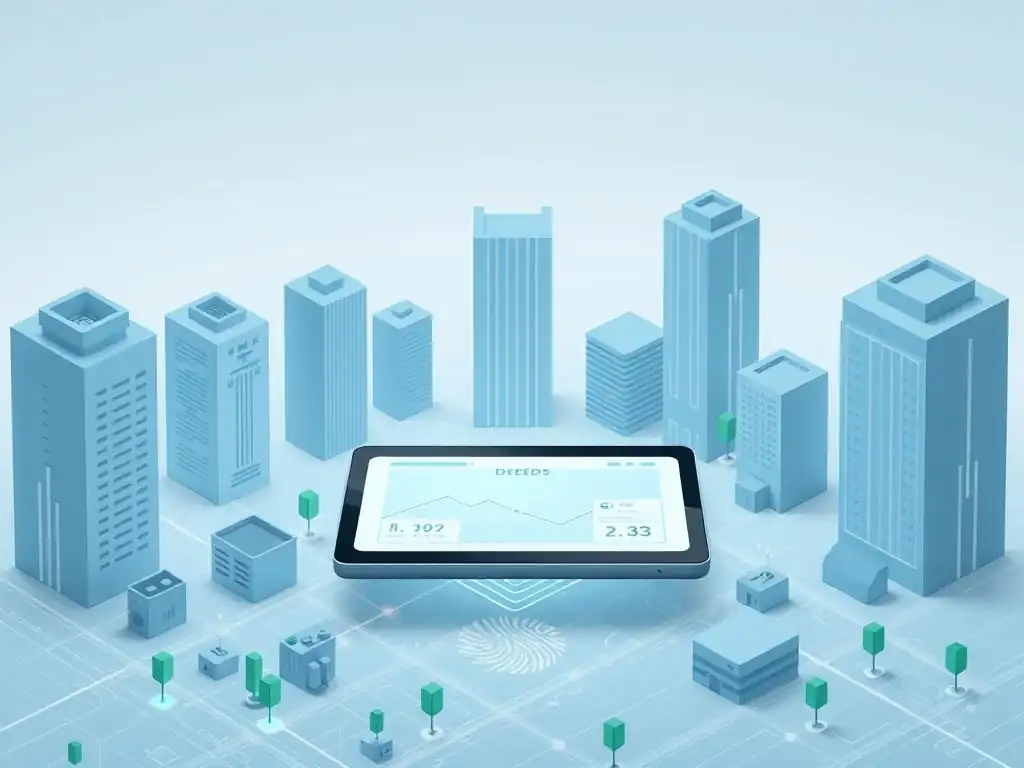
While widespread national adoption is still in early stages globally, several countries and regions have piloted or are actively exploring the use of blockchain and smart contracts for land registry. These real-world applications demonstrate the practical benefits and potential of immutable land registry smart contracts in improving efficiency, transparency, and security in property management. These initiatives serve as valuable test cases and models for future implementations.
These examples highlight different approaches and focus areas, from national-level initiatives aimed at creating a single source of truth to local projects focused on specific types of transactions or reducing specific pain points like disputes. The lessons learned from these pioneers are crucial for informing future, broader deployments of blockchain technology in real estate.
Case Study 1: Sweden Implementing a National Blockchain Land Registry
Sweden's Land Registry (Lantmäteriet) has been a frontrunner in exploring blockchain for land registration. Starting around 2016, they partnered with industry players like Telia and ChromaWay to pilot a system for recording real estate transactions on a blockchain. The goal was to reduce the time and cost associated with property transfers, which traditionally involve multiple steps and intermediaries.
The pilot project demonstrated the feasibility of using blockchain to record the entire process, from the initial agreement to the final registration, leveraging smart contracts to automate steps once conditions were met. While not yet fully implemented nationally, the pilot showed potential time savings of up to 80% in certain parts of the process and increased transparency among stakeholders involved, moving closer to a functional immutable land registry smart contracts system for the nation.
Case Study 2: Streamlining Property Transactions in Dubai with Smart Contracts
Dubai has also been proactive in leveraging blockchain technology across various sectors, including real estate. The Dubai Land Department (DLD) launched the Dubai Blockchain Strategy with the aim of becoming a paperless government by 2021 (a target that has seen progress but is ongoing). As part of this initiative, the DLD has been exploring blockchain for property transactions.
Their efforts focus on creating a secure digital platform that connects all parties involved in a real estate transaction – including tenants, landlords, developers, and government service providers. Smart contracts are envisioned to automate processes like rental payments, service fee management, and eventually, property transfers. While a complete blockchain-based land registry is still under development, these steps aim to streamline processes, enhance transparency, and reduce administrative overhead using immutable land registry smart contracts.
Case Study 3: Reducing Land Disputes with Blockchain-Based Records in the Republic of Ghana
In many parts of the world, particularly in developing economies, land disputes are a significant issue, often stemming from incomplete, inaccurate, or conflicting land records and a lack of clear ownership documentation. The Republic of Ghana has faced challenges related to land administration and disputes. Initiatives are being explored to use blockchain technology to address these issues.
By creating a secure, transparent, and immutable record of land ownership and boundaries on a blockchain, it becomes much harder for fraudulent claims to be made or for records to be contested based on missing or altered documents. A blockchain-based system could provide a single, verifiable source of truth for land rights, significantly reducing the prevalence and complexity of land disputes and providing greater security for landholders through immutable land registry smart contracts.
Overcoming the Challenges of Smart Contract Land Registry
Despite the significant potential, implementing a blockchain-based land registry with smart contracts faces several substantial challenges. These are not merely technical hurdles but also involve complex regulatory, legal, and social considerations. Addressing these challenges effectively is crucial for the successful and widespread adoption of immutable land registry smart contracts.
These challenges require careful planning, collaboration between public and private sectors, investment in infrastructure and education, and a willingness to adapt existing legal and administrative frameworks. Overcoming them will pave the way for realizing the full benefits of this transformative technology in land management.
Addressing Scalability Issues in Blockchain Networks
Scalability is a major technical challenge for many blockchain networks, particularly public ones. Processing a high volume of transactions quickly and efficiently is essential for a national land registry that might handle thousands or even millions of property transfers and updates annually. Many current blockchain platforms have limited transaction throughput compared to centralized databases. For example, Bitcoin processes around 7 transactions per second, and Ethereum (pre-ETH 2.0) around 15-30, whereas a major land registry might require significantly more.
Solutions being explored include using permissioned or private blockchains designed for higher throughput, implementing layer-2 scaling solutions, or developing new blockchain architectures optimized for large-scale data management. Ensuring the chosen platform can handle the required volume of transactions without compromising security or decentralization is critical for a functional immutable land registry smart contracts system.
Ensuring Data Privacy and Security in Land Record Storage
While blockchain offers immutability and transparency, storing sensitive personal data, such as property owner identities and financial details, on a public ledger raises significant privacy concerns. Even on a permissioned blockchain, access control and data protection are paramount. Compliance with data protection regulations, such as GDPR in Europe or similar laws elsewhere, is mandatory.
Strategies to address this include storing only hashes or encrypted references to sensitive data on the blockchain, while the actual data is held off-chain in secure, permissioned databases. Zero-knowledge proofs or other cryptographic techniques can allow verification of data attributes without revealing the underlying data itself. Designing the system to balance the need for transparency and immutability with robust data privacy and security measures is crucial for building trust in immutable land registry smart contracts.
Perhaps the most significant challenge is navigating the complex existing legal and regulatory frameworks surrounding property ownership and land registration. As highlighted in the UK example, current laws are generally designed for paper-based or centralized digital systems. Granting legal recognition to property titles recorded on a decentralized blockchain via smart contracts requires legislative changes.
Governments need to define how smart contracts are legally interpreted, how disputes arising from their execution are resolved, and how the immutable blockchain record interfaces with traditional legal concepts of ownership and evidence. Establishing clear regulatory guidelines for blockchain-based land registries is essential to provide legal certainty and encourage adoption. This involves close collaboration between technologists, legal experts, and policymakers.
Educating Stakeholders on the Benefits of Blockchain Land Registry
A successful transition to a blockchain-based land registry requires the understanding and buy-in of all stakeholders: government officials, land registry staff, legal professionals, real estate agents, banks, and the general public. Many of these groups may have limited understanding of blockchain technology, smart contracts, or the concept of immutable digital assets.
Comprehensive education and training programs are necessary to explain the benefits of the new system, how it works, and how it impacts their roles and processes. Addressing concerns about job displacement, technological complexity, and security through clear communication and practical demonstrations is vital for building confidence and facilitating the smooth adoption of immutable land registry smart contracts.
The Future of Land Registry: Blockchain and Smart Contracts
The future of land registry is increasingly likely to involve blockchain technology and smart contracts. As pilot projects demonstrate feasibility and technology matures, the move towards more efficient, transparent, and secure systems for managing property records seems inevitable. This shift will not only impact how land is registered but also how it is owned, transferred, and invested in.
The convergence of blockchain with other technologies like the Internet of Things (IoT) could also create possibilities for automating compliance with property regulations or managing shared property resources. The long-term vision is a global network of interoperable blockchain land registries, facilitating cross-border property transactions and investment.
Emerging Trends in Decentralized Land Ownership
Blockchain technology is paving the way for new models of land ownership, including fractional ownership and tokenization. By representing a property as a set of digital tokens on a blockchain, ownership can be divided among multiple parties, making real estate investment more accessible to a wider range of investors. Each token could represent a share of the property, and the ownership of these tokens would be managed by smart contracts.
Furthermore, decentralized autonomous organizations (DAOs) could potentially own and manage property collectively, with decisions governed by smart contract rules voted on by token holders. These emerging trends move beyond traditional models of single-owner or entity ownership, leveraging the capabilities of immutable land registry smart contracts to enable innovative forms of shared and collective property rights management.
The Impact of Smart Contracts on Real Estate Investment
Smart contracts are set to significantly impact real estate investment by increasing liquidity and reducing transaction friction. Tokenizing real estate via smart contracts allows properties or shares of properties to be traded more easily on digital exchanges, much like stocks. This increased liquidity makes real estate a more attractive asset class and provides investors with greater flexibility.
Additionally, the transparency and security offered by blockchain reduce the risks associated with real estate transactions, making due diligence simpler and faster. Automated processes via smart contracts can also lower transaction costs and speed up closing times, further enhancing the efficiency of real estate investment processes and facilitating the use of immutable land registry smart contracts in investment platforms.
Potential for Global Adoption of Blockchain Land Registry Systems
While challenges remain, the potential benefits of blockchain-based land registries are significant enough to drive global exploration and eventual adoption. The issues of inefficiency, fraud, and lack of transparency in traditional systems are not unique to any single country. As successful implementations emerge and best practices are established, more jurisdictions are likely to follow suit.
International collaboration and standardization efforts could accelerate this process, leading to interoperable systems that facilitate cross-border property transactions. The vision of a global network of secure, transparent, and efficient land registries powered by immutable land registry smart contracts holds immense promise for economic development, secure property rights, and reduced global land disputes.
Conclusion: Embracing the Potential of Immutable Land Registry Smart Contracts
The journey towards fully integrated, blockchain-based land registry systems powered by smart contracts is ongoing, marked by both significant promise and considerable challenges. However, the fundamental benefits offered by this technology – enhanced transparency, reduced fraud, increased efficiency, and cost savings – address critical shortcomings of traditional systems. The immutability inherent in blockchain technology provides an unprecedented level of security and trustworthiness for property records.
Embracing the potential of immutable land registry smart contracts requires not just technological development but also legal reform, regulatory clarity, and widespread education. As pilots demonstrate viability and frameworks evolve, the transition to a decentralized, secure, and efficient system for managing land ownership becomes increasingly likely, promising a future where property rights are more secure and accessible for everyone.
The Transformative Power of Blockchain in Real Estate
Blockchain technology has the power to fundamentally transform the real estate sector, moving it from a historically slow, opaque, and paper-intensive industry to one that is digital, transparent, and highly efficient. By providing an immutable ledger for recording ownership and transactions, blockchain builds a foundation of trust that was previously difficult and expensive to achieve.
Smart contracts act as the engine of this transformation, automating complex processes and enabling new models of ownership and investment. From speeding up property transfers to enabling fractional ownership and reducing disputes, the impact of blockchain and immutable land registry smart contracts on real estate is profound and far-reaching, promising greater accessibility and security for property stakeholders worldwide.
Building a More Efficient and Transparent Land Registry System
Ultimately, the goal of implementing smart contracts and blockchain in land registry is to build a system that is significantly more efficient and transparent than current models. Efficiency is gained through automation, reduced intermediaries, and streamlined processes. Transparency is achieved through the public or permissioned visibility of transaction histories on an immutable ledger.
A land registry built on these principles provides greater security for property owners, reduces opportunities for corruption and fraud, and facilitates economic activity by making property transactions faster and more reliable. The development and adoption of immutable land registry smart contracts represent a significant step towards achieving this vision of a modern, secure, and accessible global land administration system.
Frequently Asked Questions
How can smart contracts improve land registry systems?
Smart contracts create an immutable and transparent record of land ownership, reducing fraud and disputes. They also automate processes, making property transactions faster and more efficient.
What are the benefits of using a blockchain for land registry records?
A blockchain-based land registry offers enhanced security due to its decentralized and tamper-proof nature. This prevents unauthorized modifications and ensures data integrity.
What is an "Immutable land registry smart contract" and why is it important?
An immutable land registry smart contract is a self-executing agreement that records land ownership details on a blockchain. Its importance lies in its ability to permanently and securely store property information.
What role does DeFi (Decentralized Finance) play in land registry applications?
While not directly related to land ownership per se, DeFi principles can facilitate fractional ownership of land or provide decentralized lending options secured by land assets. This could democratize access to real estate investment.
What regulatory challenges exist for implementing blockchain-based land registries?
Regulatory challenges include defining legal frameworks for blockchain-based ownership, addressing data privacy concerns, and establishing interoperability standards with existing systems.
Final Reflection: Forging a Future of Trust Through Immutable Land Records
The promise of immutable land registry smart contracts is no longer a distant dream, but a tangible solution poised to revolutionize how we perceive and interact with property ownership. The journey from conceptualization to practical application, as explored throughout this article, highlights the transformative potential of blockchain technology to address the persistent challenges of fraud, inefficiency, and lack of transparency within traditional land registry systems. This shift represents a fundamental reimagining of trust, placing it not in fallible institutions, but in the unyielding code of a decentralized network.
The impact of this technology extends far beyond mere efficiency gains; it touches upon the very foundations of social and economic stability. The ability to securely and transparently record land ownership fosters greater trust in the system, empowering individuals and communities, particularly those historically marginalized or vulnerable to exploitation. This resonates deeply with the need for equitable access to resources and the protection of property rights as a cornerstone of a just society. Land is not merely a commodity, subject to the ups and downs of the market. It is the foundation of our lives, our communities, and our future.
This quote underscores the profound responsibility we have to safeguard land ownership and ensure its accessibility for all.
As we stand on the cusp of this technological revolution, let us not simply be passive observers. Let us actively engage in shaping the future of land registry, advocating for the adoption of immutable smart contracts and fostering a culture of transparency and accountability. Consider how you can contribute to this movement, whether through education, advocacy, or innovation. The future of land ownership is being written today, and your voice matters in ensuring that it is a future built on trust, security, and equitable access for all.
Revolutionize Your Property Future: Secure Your Land Title Now!
Thanks for exploring how smart contracts can transform land registry. Blockchain technology offers the promise of greater transparency and security in property ownership. Now, it's time to take action.
Are you ready to be part of the future of real estate?
Here's how you can get started:
- Contact your local government officials and advocate for pilot programs that incorporate blockchain into land registration systems. Your support can drive meaningful change.
- Research existing blockchain-based land registry initiatives around the world. What insights can be gained from their successes and challenges?
- Share this article with your network on social media. Help spark a conversation about the future of property rights and how blockchain can facilitate this transition.
What innovative ideas do you have for integrating smart contracts into land registration to prevent fraud and improve accessibility for everyone? Share your thoughts in the comments below!
Leave a Reply