
Smart Contracts: Making Real Estate Investment Accessible to Everyone?


Welcome to Blockchain Trends, your guide to understanding the revolutionary impact of blockchain beyond the hype. Are you ready to witness how this technology is reshaping industries?
Dive into our latest exploration of Blockchain real estate investment contracts and discover how smart contracts are poised to democratize property ownership, making investment opportunities accessible to a wider audience than ever before. Could this be the future of real estate? Let's unlock the potential together.
- Understanding Smart Contracts and Their Role in Real Estate
-
Frequently Asked Questions
- How do smart contracts revolutionize real estate investment?
- What are the key benefits of using blockchain for real estate investment contracts?
- How do "Blockchain real estate investment contracts" make real estate more accessible?
- What are the potential regulatory challenges facing blockchain-based real estate investment?
- What is the future outlook for smart contracts in the real estate industry?
- Final Reflection: Democratizing Real Estate Through Code
- Unlock Your Real Estate Future!
Understanding Smart Contracts and Their Role in Real Estate
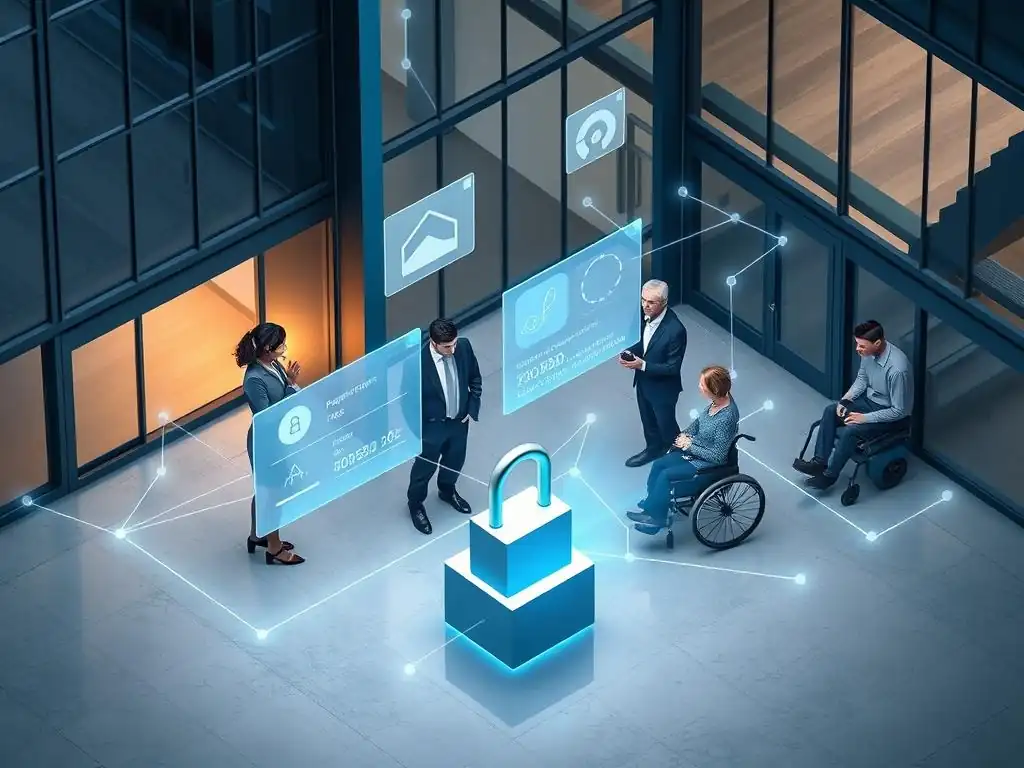
What are Smart Contracts? A Simple Explanation
At their core, smart contracts are self-executing contracts with the terms of the agreement directly written into lines of code. Running on a blockchain network, these digital agreements automatically execute, control, or document legally relevant events and actions according to the terms of a contract or an agreement.
Think of them as automated vending machines for agreements: if a specific condition is met (e.g., funds are deposited), a predetermined action is triggered (e.g., a digital asset is released). This automation removes the need for intermediaries in certain parts of a transaction, fostering a trustless environment where parties can interact based solely on code.
The power of smart contracts lies in their inherent transparency and immutability on the blockchain. Once deployed, the code and the conditions for execution are visible to relevant parties (depending on the blockchain's privacy features) and cannot be altered. This ensures that all participants have the same view of the agreement's logic and that the contract will execute exactly as programmed when the specified conditions are met, making them a foundational technology for innovative blockchain real estate investment contracts.
How Smart Contracts Automate Real Estate Transactions
Smart contracts have the potential to automate numerous steps within complex real estate transactions, significantly reducing manual processes and potential delays. A prime example is the automation of escrow services. Instead of relying on a third-party escrow agent to hold funds during the transaction period, a smart contract can be programmed to hold the buyer's funds securely.
The contract would be coded to release the funds automatically to the seller only when specific, verifiable conditions are met, such as the successful registration of the property title transfer on a blockchain-based registry or the digital signing of relevant documents. This eliminates the need for manual verification and disbursement steps.
Beyond escrow, smart contracts can automate other critical functions. For tokenized real estate, where ownership is represented by digital tokens, smart contracts can automatically distribute rental income or profits from sales directly to token holders based on their proportional ownership. They can also manage voting rights for fractional owners on property-related decisions or handle the automated transfer of tokens upon successful payment. These automated processes inherent in blockchain real estate investment contracts streamline operations and reduce administrative overhead for property managers and investors alike.
Key Benefits of Using Smart Contracts in Real Estate
One of the most compelling benefits of integrating smart contracts into real estate is the potential for significant efficiency gains and cost reduction. By automating tasks that traditionally require intermediaries—such as escrow, documentation verification, and fund disbursement—smart contracts can speed up the transaction process considerably. While exact savings vary, estimates suggest that automating parts of the process could potentially reduce transaction costs by 1-3% of the property value by minimizing fees paid to lawyers, escrow agents, and other third parties. This makes engaging with blockchain real estate investment contracts a more economically attractive proposition.
Furthermore, smart contracts enhance the security and transparency of real estate transactions. Because the contract's logic and execution are recorded on an immutable blockchain ledger, there is a clear and verifiable history of the transaction. This transparency reduces the likelihood of fraud or disputes over the terms of the agreement or whether conditions were met.
The self-executing nature also minimizes counterparty risk, as the performance of the contract is guaranteed by code rather than relying solely on the trust between parties or the diligence of intermediaries. This increased reliability is crucial for building confidence in blockchain real estate investment contracts.
Frequently Asked Questions
How do smart contracts revolutionize real estate investment?
Smart contracts automate transactions and enforce agreements without intermediaries, making real estate investment more efficient and transparent. This reduces costs and increases accessibility.
What are the key benefits of using blockchain for real estate investment contracts?
Blockchain offers enhanced security through its immutable ledger, increased transparency in property records, and reduced fraud by verifying identities and ownership.
How do "Blockchain real estate investment contracts" make real estate more accessible?
They enable fractional ownership, allowing multiple investors to buy portions of a property. This lowers the initial investment required and opens the market to a wider audience.
What are the potential regulatory challenges facing blockchain-based real estate investment?
Current regulations are often unclear or outdated regarding digital assets and smart contracts. Navigating these legal ambiguities and ensuring compliance is a significant hurdle.
What is the future outlook for smart contracts in the real estate industry?
The future involves wider adoption, more sophisticated smart contract applications, and increased integration with traditional real estate processes, transforming how properties are bought, sold, and managed.
Final Reflection: Democratizing Real Estate Through Code
The promise of democratized real estate investment, once a distant aspiration, is now tangibly within reach thanks to the innovative application of smart contracts. This technology is not just a theoretical concept; it's actively reshaping the landscape, offering unprecedented access and transparency to individuals previously excluded from this lucrative market.
The impact of blockchain real estate investment contracts extends far beyond mere financial transactions. It's about empowering individuals, fostering financial inclusion, and building a more equitable future for all. The ability to fractionalize ownership and automate complex processes is revolutionizing how we perceive and interact with real estate. The future of real estate is not about owning property; it's about accessing its value.
This shift in perspective is profound, and smart contracts are the key to unlocking this potential.
As we stand on the cusp of this transformative era, let us embrace the possibilities that blockchain real estate investment contracts offer. Consider how you can leverage this technology to build a more secure and prosperous future for yourself and your community. The power to shape the future of real estate is now in your hands; will you seize it?
Unlock Your Real Estate Future!
Thank you for exploring how smart contracts are transforming real estate investment. We hope you've gained valuable insights into how blockchain technology can make investing more accessible and transparent. Now, it's time to take action!
- Research tokenized real estate platforms available in your region and learn about the legal and regulatory considerations before investing. Take the next step toward becoming an informed participant.
- Share this article with your network to encourage discussions about the future of real estate investment and the impact of blockchain technology. Help others discover this exciting opportunity!
- Brainstorm with a friend or colleague about innovative ways smart contracts could further revolutionize the real estate market. Think outside the box!
Do you have questions about smart contracts and real estate? Share your thoughts in the comments below!
Leave a Reply