
Tokenize Your Property: A New Era of Real Estate Investment and Management with Blockchain


Welcome to Blockchain Trends, your guide to understanding the revolution beyond cryptocurrency. Are you ready to unlock the future of property ownership? This week, we delve into how blockchain technology is reshaping the real estate landscape. Discover our comprehensive guide on blockchain real estate investment strategy and learn how tokenization is creating unprecedented opportunities. Curious about how you can tokenize your property and participate in this new era? Let's explore the possibilities...
Tokenizing Real Estate: Blockchain's Impact on Investment and Management
- Introduction: Blockchain's Revolution in Real Estate
- Real Estate Tokenization: Definition and Process
- Benefits of Tokenized Real Estate Investment
- Blockchain Platforms for Real Estate Tokenization
- Legal and Regulatory Considerations
- Blockchain in Property Management
- Real-World Examples of Tokenized Real Estate
- Challenges and Risks
- Future Trends
- Conclusion: The Future of Real Estate with Blockchain
-
Frequently Asked Questions
- What is tokenization of real estate and how does it relate to a Blockchain Real Estate Investment Strategy?
- How can blockchain enhance Blockchain Real Estate Investment Strategy compared to traditional methods?
- What are the key benefits of using a Blockchain Real Estate Investment Strategy for investors?
- What are the potential regulatory challenges associated with implementing a Blockchain Real Estate Investment Strategy?
- What is the future outlook for Blockchain Real Estate Investment Strategy and its impact on the real estate market?
- Final Reflection: Embracing the Decentralized Future of Real Estate
- Revolutionize Your Real Estate Future!
Introduction: Blockchain's Revolution in Real Estate
Increasing Blockchain Adoption in Real Estate
The real estate sector, traditionally characterized by illiquidity, high transaction costs, and bureaucratic processes, is increasingly looking towards blockchain technology for innovation. While still in its nascent stages compared to traditional finance, the adoption of blockchain in real estate is accelerating. Industry reports project significant growth, with some estimates suggesting the total value of tokenized real estate could reach hundreds of billions or even trillions of dollars within the next decade. This surge is driven by the potential to unlock capital, improve efficiency, and broaden participation in the market.
This growing interest reflects a fundamental shift in how assets, including physical property, can be owned, transferred, and managed. A key driver is the desire among investors and developers to leverage technology to create more flexible and accessible investment vehicles. For instance, a blockchain real estate investment strategy focusing on fractional ownership via tokens can attract a wider pool of investors who might otherwise be priced out of traditional property markets. This strategic pivot is poised to reshape the landscape of property ownership and investment globally.
Understanding Tokenization and its Impact
Tokenization, in the context of real estate, involves converting property rights or shares into digital tokens on a blockchain. Each token represents a fractional or complete ownership stake in a physical asset, such as a building or land parcel. This process essentially digitizes real estate assets, making them divisible and transferable with unprecedented ease. The impact is profound, potentially transforming illiquid assets into highly liquid digital securities that can be traded 24/7 on secondary markets.
The implications for real estate investment are vast. Tokenization enables fractional ownership, allowing investors to buy small portions of high-value properties. This lowers the entry barrier significantly, opening up investment opportunities to a much broader audience. Furthermore, smart contracts embedded within these tokens can automate processes like dividend distribution or voting rights, reducing reliance on intermediaries and decreasing costs. A well-defined blockchain real estate investment strategy will increasingly incorporate tokenization as a core component to leverage these benefits.
Real Estate Tokenization: Definition and Process
Defining Real Estate Tokenization
Real estate tokenization is the process of representing ownership rights, economic interests, or other forms of value associated with a piece of real estate as digital tokens on a blockchain network. These tokens act as verifiable and immutable records of ownership or entitlement. Unlike traditional paper deeds or share certificates, these digital tokens exist on a decentralized ledger, providing a transparent and secure way to manage property interests.
The concept extends beyond simple ownership representation. Tokens can be structured to represent various rights, such as equity shares in a property-holding company, debt instruments secured by real estate, or even rights to rental income streams. This flexibility allows for the creation of diverse investment products tailored to different risk appetites and investment goals, forming the basis of a modern blockchain real estate investment strategy.
The Tokenization Process
The tokenization process typically begins with the identification and legal structuring of the real estate asset to be tokenized. This involves setting up a Special Purpose Vehicle (SPV) or similar legal entity that legally owns the property. The ownership or economic rights of this SPV are then digitized into tokens on a chosen blockchain platform. This step requires legal due diligence to ensure compliance with securities regulations.
Technically, the process involves creating smart contracts on the blockchain that define the rules governing the tokens, such as issuance, transferability, rights of token holders, and distribution of income. These tokens are then issued to investors in exchange for capital. This entire flow, from legal structuring to token distribution, must be meticulously executed to ensure legal validity and technical integrity of the tokenized asset.
Key Components of a Real Estate Token
A real estate token is more than just a digital placeholder; it's a programmable asset with several key components. Fundamentally, each token represents a specific unit of value or ownership in the underlying property or legal structure. For example, 100,000 tokens might represent 100% ownership of a building, meaning each token represents 0.001% ownership.
Beyond the fractional ownership aspect, tokens are governed by smart contracts. These contracts contain the operational logic, including rules for transferring tokens, distributing rental income (potentially automatically triggered by payments received), managing voting rights on property decisions, and handling the process for selling the underlying asset. Furthermore, security tokens representing real estate often include metadata linking them to the legal documentation, property details, and compliance information, ensuring they meet regulatory requirements for securities.
Benefits of Tokenized Real Estate Investment
Increased Liquidity
Real estate is notoriously illiquid. Selling a property typically takes months, involving extensive paperwork, appraisals, and legal processes, incurring significant costs (often 5-10% of the property value). Tokenization dramatically improves this by creating fractional, easily transferable digital assets. Investors can buy or sell their share (tokens) on secondary markets much faster than selling a traditional property or even shares in a private real estate fund.
This enhanced liquidity transforms real estate from a long-term, illiquid hold into a potentially more dynamic investment asset. While the secondary market for real estate tokens is still developing, the underlying technology enables near-instantaneous settlement of transactions. This liquidity potential is a major draw for a blockchain real estate investment strategy, allowing investors greater flexibility in managing their portfolios and accessing capital.
Democratized Investment: Lowered Barriers
Historically, investing directly in commercial real estate or high-value properties required substantial capital, often hundreds of thousands or even millions of dollars, effectively limiting access to wealthy individuals and institutional investors. Tokenization breaks down this barrier by allowing properties to be fractionalized into many tokens, each priced much lower.
Individuals can now invest in a fraction of a skyscraper, a portfolio of rental properties, or development projects with amounts as low as a few hundred or thousand dollars. This democratization opens up real estate investment opportunities to retail investors globally, providing access to asset classes previously out of reach. It allows a broader audience to participate in a blockchain real estate investment strategy.
Enhanced Transparency and Security
Blockchain's inherent properties of transparency and immutability significantly benefit real estate. Every transaction involving the tokens, from initial issuance to subsequent trades, is recorded on the public ledger, providing a transparent history of ownership and transfers. This reduces the potential for fraud and disputes over ownership.
Furthermore, the use of cryptography secures the transactions and the ownership records. While smart contracts introduce their own risks, a well-audited smart contract running on a secure blockchain provides a level of security against tampering and unauthorized access that surpasses traditional paper-based systems. The transparency of the ledger also simplifies due diligence for investors.
Streamlined Management and Reduced Costs
Tokenization, coupled with smart contracts, can automate many aspects of property management and investment administration. Distributing rental income, managing shareholder voting, or even handling property expenses can potentially be automated through pre-programmed smart contracts, reducing the need for manual intervention and administrative overhead.
The reduction in intermediaries (brokers, lawyers for simple transfers, escrow agents for certain functions) and the automation of processes can lead to significant cost savings compared to traditional real estate transactions and management. While legal complexities still require professional input, the ongoing management of tokenized assets can be made more efficient, contributing to the overall return on a blockchain real estate investment strategy.
Blockchain Platforms for Real Estate Tokenization
Ethereum
Ethereum is currently the most popular and widely used blockchain platform for tokenizing assets, including real estate. Its flexibility, robust smart contract capabilities (via Solidity), and large developer community make it a primary choice for issuing security tokens (STOs) representing real estate interests. The ERC-20 token standard is commonly used for fungible tokens representing fractional ownership, while ERC-721 or ERC-1155 can be used for non-fungible tokens representing unique property aspects or entire properties.
The Ethereum ecosystem offers extensive infrastructure, including wallets, exchanges (both centralized and decentralized), and development tools, which facilitates the creation and management of real estate tokens. However, Ethereum's high transaction fees (gas costs), particularly during periods of high network activity, and its scalability limitations have led some projects to explore alternative platforms or Layer 2 solutions.
Alternatives: Tezos and Cardano
While Ethereum dominates, other blockchain platforms offer compelling alternatives for real estate tokenization. Tezos, for example, features a self-amending blockchain governance model and formal verification for smart contracts, which can enhance security – a critical factor for high-value assets like real estate. Its on-chain governance allows for easier protocol upgrades without hard forks.
Cardano is another platform gaining traction, focusing on security, scalability, and sustainability through its Ouroboros proof-of-stake consensus mechanism. Its layered architecture is designed to handle complex applications, and its development is based on peer-reviewed academic research. Both Tezos and Cardano aim to provide more scalable and potentially lower-cost alternatives to Ethereum for issuing and managing tokenized real estate assets, offering different technical foundations for a blockchain real estate investment strategy.
Choosing the Right Blockchain
Selecting the appropriate blockchain platform is a critical decision for any real estate tokenization project or a blockchain real estate investment strategy. Factors to consider include the platform's security features, scalability, transaction costs, regulatory compliance capabilities, smart contract functionality, and the maturity and size of its ecosystem. The choice impacts the token's liquidity, the cost of transactions for investors, and the long-term viability of the tokenized asset.
For security tokens representing regulated real estate investments, features like identity management and transfer restrictions at the protocol level or via smart contracts are crucial. Some platforms offer built-in features for compliance, while others require custom smart contract development. Evaluating the trade-offs between developer flexibility, network costs, and inherent platform security is essential for a successful tokenization venture.
Legal and Regulatory Considerations
Offering real estate tokens to investors invariably involves navigating complex legal and regulatory landscapes, as these tokens often qualify as securities. This means they are subject to the same regulations as traditional stocks or bonds, including requirements for registration with financial authorities or qualifying for specific exemptions. The regulatory framework varies significantly by jurisdiction, making international offerings particularly challenging.
Issuers must conduct thorough legal due diligence to determine if their tokens are securities and, if so, comply with applicable laws regarding public offerings, investor accreditation, anti-money laundering (AML), and know-your-customer (KYC) procedures. Failure to comply can result in severe penalties, including fines and legal action, underscoring the need for expert legal counsel from the outset.
Compliance and Security Token Offerings (STOs)
Given that most tokenized real estate assets represent an investment contract where investors expect profits derived from the efforts of others (a common test for a security, like the Howey Test in the US), they are typically classified as security tokens. Issuing these tokens requires conducting a Security Token Offering (STO), which is a regulated process. Unlike unregulated Initial Coin Offerings (ICOs) prevalent in earlier years, STOs adhere to securities laws.
Compliance involves verifying investor identity and eligibility (e.g., accredited investor status in some jurisdictions), implementing transfer restrictions to comply with lock-up periods or investor suitability rules, and providing prospective investors with detailed information about the investment, often through offering memoranda or prospectuses. Building a compliant blockchain real estate investment strategy hinges on a robust STO framework.
US and EU Regulations for Tokenized Assets
In the United States, real estate tokens are generally considered securities by the Securities and Exchange Commission (SEC). Offerings must either be registered with the SEC or qualify for an exemption (such as Regulation D for accredited investors or Regulation A for smaller public offerings). Secondary trading platforms for these tokens must also comply with regulations applicable to exchanges or broker-dealers.
In the European Union, the regulatory landscape is evolving, influenced by directives like MiFID II (Markets in Financial Instruments Directive) and emerging frameworks like MiCA (Markets in Crypto-Assets Regulation), though MiCA primarily focuses on utility and stablecoins, with security tokens falling under existing financial regulations. Each EU member state may also have specific requirements. Generally, offering security tokens requires prospectus approval and compliance with investor protection rules similar to those for traditional securities, necessitating careful legal navigation for a pan-European blockchain real estate investment strategy.
Blockchain in Property Management
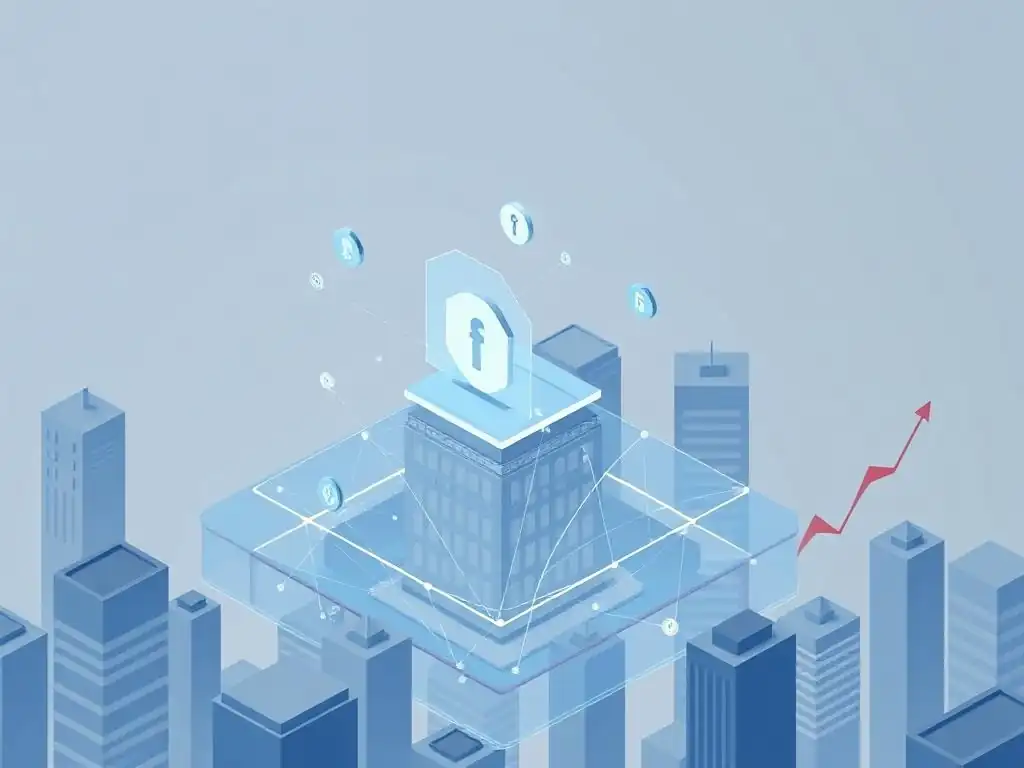
Smart Contracts for Automated Rent
Beyond investment, blockchain and smart contracts hold significant potential for streamlining property management. One key application is the automation of rental payments. By programming rental agreements into smart contracts, rent collection can become more efficient and transparent. For instance, a smart contract could be set up to automatically transfer rent from a tenant's digital wallet to the landlord's wallet on a specific date, provided certain conditions (like proof of property upkeep, if agreed upon) are met.
This automation reduces administrative overhead for landlords and property managers, minimizes payment delays, and provides an immutable record of all transactions on the blockchain. While direct crypto payments might face volatility issues, the principle applies to stablecoin payments or using the smart contract as a trigger mechanism for traditional currency transfers, significantly enhancing the efficiency of property operations.
Improved Tenant Screening
Tenant screening is a critical but often cumbersome part of property management. Blockchain technology could potentially improve this process by providing a secure, verifiable, and consent-based system for managing tenant data and history. Tenants could potentially control access to their verified rental history, credit scores, and identity information stored securely on a decentralized network.
This would reduce the reliance on centralized databases, which can be prone to data breaches or inaccuracies. With a tenant's explicit permission, property managers could access verified credentials and rental payment history recorded immutably on a blockchain, leading to faster, more reliable screening processes and potentially reducing the risk of renting to unreliable tenants.
Decentralized Property Management Systems
The vision extends to creating entirely decentralized property management systems. Instead of relying on a single property management company, aspects of management could be governed and executed through decentralized autonomous organizations (DAOs) or a network of smart contracts. Tasks like scheduling maintenance, collecting feedback, or even making decisions about property upgrades could be managed transparently on the blockchain.
For properties owned by multiple token holders, a decentralized management system could allow token holders to vote on key decisions related to the property's operation and management, with the results automatically enforced by smart contracts. This model fosters greater transparency and direct participation from investors in the property's management, aligning incentives and potentially improving oversight.
Real-World Examples of Tokenized Real Estate
Case Study 1: Tokenized Investment Platform Example
While specific platform names can change rapidly, let's consider a representative example based on publicly known projects. A platform might acquire a high-value commercial property, such as an office building in a major city, valued at, say, $50 million. This property is then legally structured, and 50 million tokens are issued on a blockchain (e.g., Ethereum), with each token representing a $1 share of ownership or economic interest in the SPV holding the building.
These tokens are then offered to investors through a regulated STO. Investors can buy tokens starting from a low minimum investment, perhaps $100 or $1,000. The platform manages the property, collects rent, and distributes rental income proportional to token holdings, often automated via smart contracts. This model allows dozens or hundreds of investors to collectively own a piece of a large asset they couldn't afford individually, demonstrating a tangible blockchain real estate investment strategy in action.
Case Study 2: Blockchain for Efficient Property Management Example
Another practical application involves using blockchain for managing property transactions and data. Consider a fractional ownership platform where multiple parties co-own a vacation home. Instead of relying on a single manager or complex legal agreements for scheduling and expense sharing, a blockchain-based system could track ownership percentages, manage booking schedules via smart contracts, and automate the collection and distribution of maintenance fees based on usage or ownership share.
Every booking, payment, and shared expense could be recorded immutably on the ledger, visible to all co-owners. Smart contracts could automatically trigger payments to service providers upon verification of work completion. This creates a transparent, automated, and potentially lower-cost system for managing shared property compared to traditional methods involving lawyers and accountants for every minor transaction or agreement.
Lessons Learned
Early case studies in real estate tokenization highlight several key lessons. Firstly, legal and regulatory compliance is paramount; simply issuing tokens without navigating securities laws is a recipe for failure. Projects that prioritize robust legal structuring and work closely with regulators have a higher chance of success.
Secondly, liquidity remains a challenge. While tokens enable fractional ownership, the secondary markets for trading these tokens are still developing and may not yet offer the same level of liquidity as traditional stock exchanges. Building a viable secondary market infrastructure is crucial for the long-term success of a blockchain real estate investment strategy relying on liquidity. Finally, investor education is vital, as many potential investors are still unfamiliar with blockchain and tokenized assets.
Challenges and Risks
Security Risks in Smart Contracts
While smart contracts offer significant automation benefits, they also introduce security risks. Errors or vulnerabilities in the smart contract code can be exploited, potentially leading to loss of funds or unauthorized control over the tokenized assets or associated processes. Famous examples of smart contract hacks in the broader blockchain space, like the DAO hack on Ethereum, underscore these risks.
Ensuring the security of smart contracts used for real estate tokenization requires rigorous auditing by experienced blockchain security firms. Even with audits, unforeseen vulnerabilities can exist. The immutability of blockchain also means that once a flawed smart contract is deployed, it can be difficult or impossible to alter, making pre-deployment security paramount.
Market Volatility
Although real estate is generally considered less volatile than cryptocurrencies, real estate tokens can be subject to market volatility related to both the underlying property value and the broader crypto market sentiment. The value of a token is fundamentally linked to the value and performance of the real estate asset it represents. However, if the token is traded on crypto exchanges, its price might also be influenced by the speculative nature and volatility of the crypto market itself, potentially causing price swings unrelated to the property's fundamental value.
This dual source of potential volatility adds complexity for investors accustomed to the more stable, albeit illiquid, nature of traditional real estate investments. A sophisticated blockchain real estate investment strategy must account for potential market fluctuations in both the property sector and the digital asset space.
Regulatory Uncertainty
Despite progress, the regulatory landscape for tokenized securities, including real estate tokens, remains uncertain and fragmented across different jurisdictions. Evolving regulations can create compliance challenges for platforms operating internationally or even within a single country as rules change. Ambiguity in how existing laws apply to novel blockchain structures can deter institutional investors and slow market growth.
Navigating this uncertainty requires constant monitoring of regulatory developments and proactive engagement with legal experts. The lack of a globally harmonized approach to regulating tokenized assets adds complexity and risk for platforms and investors alike, posing a significant hurdle for widespread adoption of blockchain in real estate investment.
Future Trends
DAOs in Property Investment
Decentralized Autonomous Organizations (DAOs) are emerging as a potential future model for collective real estate investment and governance. Instead of a traditional company structure managing a property portfolio, a DAO could be established where token holders collectively vote on decisions related to acquiring new properties, managing existing ones, setting rental terms, or even selling assets.
This model aligns with the decentralized ethos of blockchain and could offer a more transparent and community-driven approach to real estate investment. For example, a group of investors could form a DAO to collectively purchase and manage a portfolio of rental properties, with smart contracts automating income distribution and DAO votes determining strategy. This represents an advanced blockchain real estate investment strategy focused on collective, transparent governance.
Blockchain and IoT for Smart Buildings
The integration of blockchain with Internet of Things (IoT) devices is poised to create truly smart buildings. IoT sensors can collect vast amounts of data on building performance, energy consumption, security, and usage. Blockchain can provide a secure, immutable, and transparent ledger for storing and managing this data, enabling trusted data sharing among stakeholders (building managers, tenants, service providers).
Smart contracts could be triggered by IoT data – for instance, automatically releasing payment to a maintenance provider once a smart sensor confirms a repair is completed. This convergence could lead to more efficient, secure, and responsive building management, potentially reducing operational costs and increasing property value, further enhancing the appeal of a blockchain real estate investment strategy focused on modern, efficient properties.
Metaverse and Virtual Real Estate
The rise of the metaverse introduces a new frontier for tokenized assets: virtual real estate. Digital land parcels and virtual properties within metaverse environments like Decentraland or The Sandbox are being tokenized as Non-Fungible Tokens (NFTs). These NFTs represent unique, verifiable ownership of digital space that can be developed, used for hosting events, or rented out.
While distinct from physical real estate, investment in virtual land uses similar blockchain tokenization principles. As metaverse economies grow, virtual real estate is becoming a speculative asset class. Understanding the dynamics of tokenized virtual assets can provide insights into the broader tokenization trends, although the investment thesis and risks differ significantly from physical property in a blockchain real estate investment strategy.
Conclusion: The Future of Real Estate with Blockchain
Blockchain's Transformative Potential
Blockchain technology holds undeniable transformative potential for the real estate industry, impacting everything from investment and financing to management and transaction processes. By enabling tokenization, blockchain promises to inject much-needed liquidity into an illiquid market, democratize access for smaller investors, and enhance transparency and security throughout the property lifecycle.
While challenges related to regulation, market maturity, and technology adoption persist, the foundational benefits of using a decentralized, immutable ledger for managing property rights and transactions are clear. The ability to fractionate high-value assets and manage them via programmable smart contracts represents a paradigm shift from traditional, paper-based, intermediary-heavy processes.
Implementing a Strategic Approach
For investors, developers, and property managers, implementing a strategic approach to leveraging blockchain is crucial. This involves understanding the technology, navigating the complex legal and regulatory environment, carefully selecting appropriate platforms, and conducting thorough due diligence on tokenized offerings. A successful blockchain real estate investment strategy requires patience, a long-term perspective, and a focus on compliant and well-structured projects.
As the technology matures and regulatory clarity increases, tokenized real estate is expected to become a more mainstream investment class. Early adopters who develop a sound blockchain real estate investment strategy based on solid legal footing and robust technological implementation are best positioned to capitalize on the efficiencies, liquidity, and new opportunities the tokenization of property offers. The future of real estate is increasingly digital, and blockchain is a key enabler of this evolution.
Frequently Asked Questions
What is tokenization of real estate and how does it relate to a Blockchain Real Estate Investment Strategy?
Tokenization involves converting real estate assets into digital tokens on a blockchain. This allows for fractional ownership, making it easier to buy, sell, and manage properties, forming the core of a Blockchain Real Estate Investment Strategy.
How can blockchain enhance Blockchain Real Estate Investment Strategy compared to traditional methods?
Blockchain offers enhanced transparency, security, and efficiency in Blockchain Real Estate Investment Strategy. It reduces intermediaries, streamlines processes, and lowers transaction costs compared to traditional real estate investments.
What are the key benefits of using a Blockchain Real Estate Investment Strategy for investors?
A Blockchain Real Estate Investment Strategy unlocks benefits like increased liquidity, access to global markets, and diversification opportunities through fractional ownership of properties.
What are the potential regulatory challenges associated with implementing a Blockchain Real Estate Investment Strategy?
Regulatory uncertainty surrounding digital assets and securities can pose challenges to Blockchain Real Estate Investment Strategy. Navigating compliance requirements is crucial for successful implementation.
What is the future outlook for Blockchain Real Estate Investment Strategy and its impact on the real estate market?
The future of Blockchain Real Estate Investment Strategy points towards increased adoption and integration within the real estate market. Expect greater accessibility and innovation in property investment and management.
Final Reflection: Embracing the Decentralized Future of Real Estate
The journey through tokenizing property and exploring blockchain real estate investment strategies reveals a profound shift in how we perceive and interact with real estate. The potential to democratize access, streamline processes, and enhance transparency is no longer a futuristic fantasy, but a tangible reality reshaping the investment landscape.
This technological evolution profoundly impacts the cultural and social fabric of real estate. The ability to fractionalize ownership and reduce barriers to entry empowers individuals and communities in unprecedented ways, fostering a more inclusive and equitable market. The future of real estate is not just about bricks and mortar; it's about the community, the accessibility, and the transparency that blockchain enables.
This quote encapsulates the transformative power of blockchain in redefining the very essence of property ownership.
As we stand on the cusp of this decentralized future, I invite you to reflect on the possibilities. How can you leverage these advancements to build a more secure, accessible, and equitable real estate ecosystem? Embrace the potential of blockchain, explore innovative investment strategies, and become a part of shaping the future of property ownership for generations to come.
Revolutionize Your Real Estate Future!
Thank you for exploring the exciting possibilities of tokenizing property with us! You've gained a new perspective on how blockchain can transform real estate investment and management. Are you ready to take the next step and become a pioneer in this innovative field?
Here's how to get started:
- Research tokenization platforms to find one that matches your investment goals and property portfolio. Discover the leading solutions that are empowering real estate professionals.
- Share this article with fellow investors and property owners to spread awareness about the transformative potential of blockchain in real estate. Let’s build a community of innovators!
- Consider attending a blockchain or real estate technology conference in your area. Network with industry experts and learn firsthand how tokenization is being applied in practice. You might uncover some valuable insights!
Which type of property are you most excited to see tokenized, and how do you think it will impact the real estate market? Share your thoughts in the comments below!
Leave a Reply