
The Community Behind Hyperledger: Driving Innovation in Enterprise Blockchain


Welcome to Blockchain Trends, your gateway to understanding the real power of blockchain. Forget just cryptocurrencies! Are you curious about how businesses are actually using this revolutionary technology? This month, we dive deep into how the Hyperledger community is driving enterprise blockchain adoption and innovation. Uncover the secrets behind its success and how it's shaping the future of decentralized systems. Ready to explore?
- The Community Behind Hyperledger: Driving Innovation in Enterprise Blockchain
- Understanding the Hyperledger Ecosystem and its Collaborative Nature
- The Hyperledger Community: The Engine of Enterprise Blockchain Development
-
How the Hyperledger Community Drives Enterprise Blockchain Innovation
- Collaborative Development: The Power of Open-Source Contribution
- Addressing Real-World Business Challenges: Hyperledger Use Cases Driven by Community Needs
- Fostering Interoperability: Connecting Different Blockchain Networks Through Community Efforts
- Education and Training: Empowering Developers to Build Enterprise Blockchain Solutions
- Benefits of Engaging with the Hyperledger Community
- Case Studies: Hyperledger Community Success Stories in Enterprise Blockchain
- The Future of the Hyperledger Community and Enterprise Blockchain Adoption
- Conclusion: The Enduring Importance of Community in Hyperledger's Enterprise Blockchain Journey
-
Frequently Asked Questions
- What is the Hyperledger community, and why is it important?
- How is the Hyperledger community driving enterprise blockchain adoption?
- What are some key projects or frameworks within the Hyperledger community?
- How can businesses and individuals get involved with the Hyperledger community?
- What is the future outlook for the Hyperledger community and its impact on enterprise blockchain?
- Final Reflection: The Enduring Power of Collaborative Innovation
- Ignite Your Blockchain Journey: Join the Hyperledger Revolution!
The Community Behind Hyperledger: Driving Innovation in Enterprise Blockchain
Introduction: The Vital Role of Community in Hyperledger's Enterprise Blockchain Success
In the rapidly evolving landscape of enterprise blockchain, the Hyperledger project stands out not just for its cutting-edge technology, but also for the vibrant and dedicated community that fuels its progress. Unlike permissionless blockchains often associated with cryptocurrencies, Hyperledger focuses on permissioned, enterprise-grade distributed ledger technologies. The success of such complex and impactful technologies hinges significantly on the strength and dynamism of their communities.
A thriving community ensures continuous development, addresses real-world challenges, and fosters widespread adoption. Within Hyperledger, this collaborative ethos is not merely a supplementary aspect; it is the very foundation upon which its innovation and enterprise relevance are built.
The Hyperledger community is a testament to the power of open-source collaboration in driving technological advancement. It brings together a diverse group of individuals and organizations, all united by a common goal: to build robust, scalable, and secure blockchain solutions for the enterprise world. This collaborative spirit is essential because enterprise blockchain applications are inherently complex, requiring diverse expertise across various domains, from cryptography and distributed systems to specific industry knowledge.
The Hyperledger community's open and inclusive nature allows for the pooling of this diverse expertise, leading to more innovative and practical solutions than any single organization could achieve in isolation. This article will delve into the structure, participants, and impact of the Hyperledger community, highlighting its crucial role in driving enterprise blockchain innovation.
Understanding the Hyperledger Ecosystem and its Collaborative Nature
What is Hyperledger? An Overview of the Open-Source Enterprise Blockchain Framework
Hyperledger is not a cryptocurrency, nor is it a single blockchain. Instead, it is an open-source collaborative effort, hosted by the Linux Foundation, to advance cross-industry blockchain technologies. Conceived in December 2015, Hyperledger serves as an umbrella project encompassing a suite of enterprise-grade blockchain frameworks, tools, and libraries. Its primary focus is on developing permissioned blockchains, designed for use within and between organizations, where identity and access control are paramount. This contrasts with public, permissionless blockchains like Bitcoin or Ethereum, which are open to anyone and often involve cryptocurrencies.
The core principle behind Hyperledger is to provide a neutral and open platform for developing enterprise blockchain solutions. This open-source approach is crucial for fostering trust and transparency, essential elements for enterprise adoption. By offering a range of frameworks like Hyperledger Fabric, Hyperledger Besu, and Hyperledger Indy, Hyperledger caters to diverse enterprise needs and use cases.
Each framework is designed with specific functionalities and architectural approaches, allowing organizations to choose the best fit for their requirements. The collaborative nature of Hyperledger ensures that these frameworks are constantly evolving, incorporating the latest advancements in blockchain technology and addressing the practical needs of its user community driving enterprise blockchain solutions.
The Hyperledger Foundation: Fostering Collaboration and Innovation
At the heart of the Hyperledger ecosystem lies the Hyperledger Foundation, the organizational body that governs and nurtures this vast open-source project. Launched by the Linux Foundation, the Hyperledger Foundation provides the necessary infrastructure, governance, and community support to ensure the project's continued growth and success. It acts as a neutral home for developers, organizations, and individuals to collaborate on building enterprise blockchain technologies. The Foundation is instrumental in fostering a collaborative environment where diverse stakeholders can contribute to the common goal of advancing enterprise blockchain.
The Hyperledger Foundation’s structure is designed to be inclusive and transparent. It operates under a set of guiding principles that emphasize open governance, technical meritocracy, and community participation. Membership in the Hyperledger Foundation is open to organizations of all sizes, from startups to multinational corporations, as well as academic institutions and individuals.
This diverse membership base ensures a wide range of perspectives and resources are brought to bear on the project's development. The Foundation organizes working groups, special interest groups, and community events, all aimed at facilitating collaboration, knowledge sharing, and driving innovation within the Hyperledger ecosystem. It is the backbone that supports the Hyperledger community driving enterprise blockchain forward.
Key Projects Within the Hyperledger Ecosystem: A Diverse Portfolio
The Hyperledger ecosystem is characterized by its diverse portfolio of projects, each designed to address specific aspects of enterprise blockchain needs. These projects range from blockchain frameworks to tools and libraries, reflecting the breadth and depth of the Hyperledger initiative. This diverse portfolio allows enterprises to select the components that best suit their specific use cases and technical requirements, providing flexibility and customization in building blockchain solutions.
Among the key projects, Hyperledger Fabric, Besu, Indy, and Iroha are prominent examples, each offering unique features and functionalities. These frameworks are not competing technologies but rather complementary tools within the Hyperledger ecosystem, each catering to different aspects of enterprise blockchain deployment. This modular and diverse approach is a key strength of Hyperledger, allowing it to address a wide spectrum of enterprise blockchain applications and ensuring that the Hyperledger community driving enterprise blockchain has a rich set of tools at its disposal.
Hyperledger Fabric: A Modular Blockchain for Enterprise Solutions
Hyperledger Fabric is arguably the most well-known and widely adopted framework within the Hyperledger ecosystem. It is a modular, general-purpose blockchain framework designed for developing enterprise solutions with a high degree of scalability, flexibility, and confidentiality. Fabric stands out for its permissioned nature, allowing organizations to control who participates in the network and what data they can access. This is crucial for many enterprise use cases where data privacy and regulatory compliance are paramount.
Fabric's modular architecture allows developers to customize and optimize the blockchain network for specific business requirements. Key features of Fabric include its support for pluggable consensus mechanisms, allowing organizations to choose the consensus algorithm that best suits their trust model and performance needs. It also incorporates a sophisticated channel architecture, enabling data isolation and confidentiality among different groups of participants within the same network. Enterprises across various industries, from supply chain management to finance, have adopted Hyperledger Fabric for its robust features and enterprise-grade capabilities. Its popularity within the Hyperledger community driving enterprise blockchain adoption is undeniable.
Hyperledger Besu: An Ethereum Client for Private and Permissioned Networks
Hyperledger Besu is another significant framework within the Hyperledger ecosystem, distinguished by its compatibility with the Ethereum Virtual Machine (EVM). Besu is an open-source Ethereum client designed for both public and permissioned blockchain networks. This dual capability makes it particularly appealing to enterprises seeking to leverage the extensive Ethereum developer community and toolset while maintaining the control and privacy afforded by permissioned networks. Besu's adherence to Ethereum standards ensures interoperability with other Ethereum-based tools and platforms.
Besu offers enterprise-grade features such as pluggable consensus algorithms, privacy through transaction privacy groups, and robust monitoring and operational tools. It supports various consensus mechanisms, including Proof of Authority (PoA) and Proof of Stake (PoS), suitable for permissioned environments. Besu's EVM compatibility allows developers to deploy smart contracts written in Solidity, the most widely used smart contract language, making it easier for enterprises to onboard Ethereum developers and utilize existing Ethereum-based solutions. Hyperledger Besu expands the reach of the Hyperledger community driving enterprise blockchain innovation by bridging the gap with the vast Ethereum ecosystem.
Hyperledger Indy: Decentralized Identity Management with Blockchain
Hyperledger Indy focuses on a critical aspect of enterprise blockchain applications: decentralized identity management. Indy is specifically designed for creating and managing digital identities that are self-sovereign, meaning individuals and organizations have control over their own identities without relying on central authorities. This framework provides tools, libraries, and reusable components for building decentralized identity solutions on blockchain, addressing the growing need for secure and privacy-preserving identity management systems.
Indy's architecture emphasizes privacy by design, allowing for selective disclosure of identity information. It supports verifiable credentials, enabling individuals and organizations to prove claims about themselves without revealing unnecessary personal data. Use cases for Hyperledger Indy range from streamlining KYC (Know Your Customer) processes in financial services to enabling secure data sharing in healthcare. By focusing on decentralized identity, Indy addresses a fundamental requirement for many enterprise blockchain applications, and its development is a key contribution from the Hyperledger community driving enterprise blockchain towards more user-centric and privacy-respecting solutions.
Hyperledger Iroha: Blockchain Framework for Simplified Development
Hyperledger Iroha is designed to be a simple and easy-to-use blockchain framework, particularly suitable for mobile and web applications. Iroha aims to lower the barrier to entry for developers looking to build blockchain solutions, offering a streamlined architecture and a focus on ease of deployment and operation. It is designed to be robust and efficient, making it suitable for a wide range of applications, especially those requiring high transaction throughput and low latency.
Iroha’s design emphasizes simplicity in both development and deployment. It offers a simplified permissioning model and is designed for straightforward integration with existing systems. Iroha is particularly well-suited for use cases such as asset management, identity management, and supply chain tracking, where ease of implementation and operational simplicity are crucial. By providing a more accessible entry point to blockchain development, Hyperledger Iroha broadens the reach of the Hyperledger community driving enterprise blockchain adoption among a wider range of developers and organizations.
The Hyperledger Community: The Engine of Enterprise Blockchain Development
Who Makes Up the Hyperledger Community? A Diverse Range of Contributors
The Hyperledger community is a vibrant and multifaceted ecosystem, comprising a diverse range of contributors who collectively drive the project's innovation and adoption. This community is not limited to just developers; it includes enterprises, startups, academic institutions, and individual enthusiasts, all united by a shared interest in advancing enterprise blockchain technology. This diversity is a key strength of Hyperledger, bringing together varied perspectives, skills, and resources to tackle the complex challenges of enterprise blockchain development and implementation.
The open and inclusive nature of the Hyperledger community fosters a collaborative environment where individuals and organizations can contribute at various levels. Whether it's contributing code, participating in working groups, providing use case feedback, or simply advocating for Hyperledger technologies, every contribution plays a vital role in the project's success. This broad participation ensures that Hyperledger remains relevant, adaptable, and responsive to the evolving needs of the enterprise blockchain landscape. The strength of the Hyperledger community driving enterprise blockchain progress is directly attributable to the engagement and contributions of its diverse members.
Developers: Building and Maintaining the Hyperledger Codebase
At the core of the Hyperledger community are the developers, the individuals who actively contribute to building and maintaining the Hyperledger codebase. These developers come from diverse backgrounds and organizations, ranging from individual open-source enthusiasts to employees of major technology companies. They are the engine room of Hyperledger, writing code, fixing bugs, developing new features, and ensuring the overall quality and stability of the Hyperledger frameworks and tools.
Developers contribute to Hyperledger in various ways, from submitting code patches and participating in code reviews to leading project initiatives and contributing to documentation. The Hyperledger community is structured to encourage developer participation, with clear contribution guidelines and processes in place. The collaborative nature of development within Hyperledger ensures that code is rigorously reviewed and tested, leading to robust and reliable enterprise-grade blockchain solutions. The dedication and expertise of the developers within the Hyperledger community are fundamental to driving enterprise blockchain innovation and ensuring the long-term viability of the Hyperledger project.
Enterprises: Implementing Hyperledger Solutions and Providing Real-World Use Cases
Enterprises form a crucial segment of the Hyperledger community, playing a vital role in implementing Hyperledger solutions and providing real-world use cases that guide the project's development. These enterprises range from Fortune 500 companies to smaller businesses across various industries, including finance, supply chain, healthcare, and manufacturing. Their engagement is essential for validating the practicality and effectiveness of Hyperledger technologies in solving real-world business problems.
Enterprises contribute to the Hyperledger community by deploying Hyperledger frameworks in their operations, sharing their experiences and feedback, and often contributing code and resources back to the project. Their real-world implementations provide valuable insights into the strengths and weaknesses of Hyperledger technologies, helping to identify areas for improvement and future development. Furthermore, enterprise participation ensures that Hyperledger remains focused on addressing the practical needs of businesses, making the Hyperledger community driving enterprise blockchain adoption truly industry-relevant and impactful.
Startups: Innovating with Hyperledger Technologies
Startups represent another dynamic and innovative segment of the Hyperledger community. Often more agile and risk-tolerant than larger enterprises, startups are at the forefront of exploring new and innovative applications of Hyperledger technologies. They bring fresh perspectives and often drive experimentation and development in emerging areas of enterprise blockchain.
Startups contribute to the Hyperledger community by building novel solutions on top of Hyperledger frameworks, developing specialized tools and services, and pushing the boundaries of what's possible with enterprise blockchain. Their innovative projects often serve as proof-of-concepts for larger enterprises and can inspire new directions for Hyperledger development. The entrepreneurial spirit of startups within the Hyperledger community is a significant driver of innovation and helps to expand the ecosystem's reach into new and emerging markets. Startups are a vital part of the Hyperledger community driving enterprise blockchain into new frontiers.
Academic Institutions: Contributing Research and Education
Academic institutions play a significant role in the Hyperledger community by contributing research, education, and talent to the project. Universities and research institutions around the world are actively involved in blockchain research, and Hyperledger provides a valuable platform for applying and testing these research findings in a practical, enterprise-focused context.
Academic contributions to Hyperledger include conducting research on blockchain technologies, developing new algorithms and protocols, and educating the next generation of blockchain developers and professionals. Many universities offer courses and programs focused on Hyperledger and enterprise blockchain, helping to build a skilled workforce capable of deploying and managing Hyperledger solutions. The involvement of academic institutions strengthens the intellectual foundation of Hyperledger and ensures a continuous pipeline of talent and innovation within the Hyperledger community driving enterprise blockchain forward through research and education.
How the Hyperledger Community Drives Enterprise Blockchain Innovation
Collaborative Development: The Power of Open-Source Contribution
The open-source nature of Hyperledger and its emphasis on collaborative development are fundamental drivers of innovation within the ecosystem. By bringing together a diverse community of developers, enterprises, and researchers, Hyperledger harnesses the collective intelligence and expertise of a global network. This collaborative approach accelerates the pace of innovation, ensures higher quality code, and fosters a shared sense of ownership and responsibility for the project's success.
In Hyperledger, development is not confined to a single organization or a small team. Instead, it is a distributed effort, with contributions coming from individuals and organizations around the world. This open and transparent development process allows for greater scrutiny and peer review of code, leading to more robust and secure blockchain solutions. The continuous feedback loop between developers and users within the Hyperledger community ensures that the technology evolves in response to real-world needs and challenges, making collaborative development a powerful engine for innovation within the Hyperledger ecosystem driving enterprise blockchain progress.
Addressing Real-World Business Challenges: Hyperledger Use Cases Driven by Community Needs
The Hyperledger community's focus on real-world business challenges is a key factor in driving practical and impactful innovation in enterprise blockchain. Unlike some blockchain projects that are primarily technology-driven, Hyperledger is deeply rooted in addressing the specific needs and pain points of enterprises across various industries. The community actively engages with businesses to understand their challenges and then collaboratively develops solutions using Hyperledger frameworks.
This user-centric approach ensures that Hyperledger technologies are not just cutting-edge but also practically relevant and valuable to enterprises. The community-driven development process allows for iterative refinement of solutions based on real-world feedback and use cases. For example, the development of features like data privacy channels in Hyperledger Fabric was directly influenced by the needs of enterprises requiring confidential data sharing within permissioned networks. By prioritizing real-world business challenges, the Hyperledger community driving enterprise blockchain adoption ensures that the technology remains grounded and focused on delivering tangible value to businesses.
Fostering Interoperability: Connecting Different Blockchain Networks Through Community Efforts
Interoperability is a critical challenge in the blockchain space, and the Hyperledger community is actively working to address this issue and foster greater connectivity between different blockchain networks. Recognizing that enterprises often need to interact with multiple blockchain platforms and systems, Hyperledger is committed to developing solutions that enable seamless data exchange and communication between different blockchains, including those outside the Hyperledger ecosystem.
The Hyperledger community is exploring various approaches to interoperability, including the development of standards, protocols, and tools that facilitate cross-chain communication. Projects like Hyperledger Cactus are specifically focused on addressing interoperability challenges. By fostering interoperability, Hyperledger aims to break down silos between different blockchain networks, enabling enterprises to leverage the strengths of multiple platforms and build more integrated and comprehensive blockchain solutions. The community's efforts in promoting interoperability are crucial for realizing the full potential of blockchain technology in the enterprise world and further solidifying the Hyperledger community driving enterprise blockchain towards a more connected future.
Education and Training: Empowering Developers to Build Enterprise Blockchain Solutions
Education and training are essential for the widespread adoption of any new technology, and the Hyperledger community recognizes this by investing significantly in educational resources and training programs. To empower developers to build enterprise blockchain solutions using Hyperledger frameworks, the community provides a wealth of learning materials, documentation, tutorials, and online courses. These resources are designed to cater to developers of all skill levels, from beginners to experienced blockchain practitioners.
The Hyperledger community actively organizes workshops, webinars, and hackathons to provide hands-on training and practical experience with Hyperledger technologies. Certified Hyperledger training programs are also available, offering formal recognition of developers' skills and expertise. By investing in education and training, the Hyperledger community is building a strong ecosystem of skilled developers and professionals capable of designing, developing, and deploying enterprise blockchain solutions. This focus on education is a vital component of the Hyperledger community driving enterprise blockchain adoption and ensuring the long-term growth and sustainability of the ecosystem.
Benefits of Engaging with the Hyperledger Community
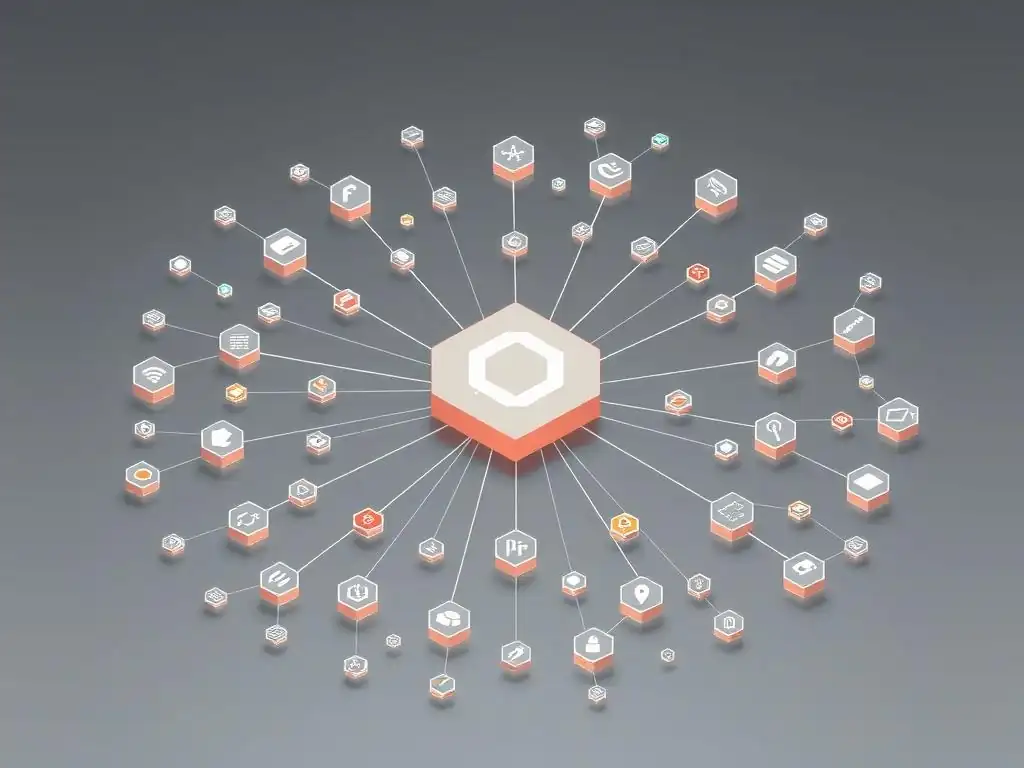
Access to Expertise and Support: Learning from Experienced Developers and Practitioners
Engaging with the Hyperledger community offers unparalleled access to expertise and support from experienced developers and practitioners in the enterprise blockchain space. The community is a rich repository of knowledge, with members possessing deep expertise in various aspects of blockchain technology, from cryptography and consensus mechanisms to smart contract development and enterprise architecture. Newcomers to Hyperledger can benefit immensely from this collective wisdom, learning best practices, troubleshooting issues, and staying up-to-date with the latest advancements.
The Hyperledger community provides various channels for accessing expertise and support, including online forums, mailing lists, chat platforms, and community events. Members are generally very helpful and willing to share their knowledge and experience, creating a supportive and collaborative learning environment. Whether you are a developer facing a technical challenge, an enterprise exploring blockchain adoption, or a researcher investigating new applications, engaging with the Hyperledger community provides invaluable access to expertise and support, making it easier to navigate the complexities of enterprise blockchain and contributing to the Hyperledger community driving enterprise blockchain forward.
Networking Opportunities: Connecting with Other Professionals in the Enterprise Blockchain Space
The Hyperledger community offers exceptional networking opportunities, connecting individuals with other professionals in the enterprise blockchain space. This network includes developers, architects, business leaders, researchers, and representatives from leading enterprises and startups. These connections can be invaluable for career advancement, business development, collaboration opportunities, and staying at the forefront of industry trends.
Community events, such as Hyperledger Global Forums and meetups, provide excellent platforms for networking and building relationships with other professionals. Online forums and social media groups also facilitate ongoing interaction and networking within the community. By engaging with the Hyperledger community, individuals can expand their professional network, forge valuable partnerships, and gain access to a wider range of opportunities in the rapidly growing enterprise blockchain industry. These networking benefits are a significant draw for those looking to build their careers or businesses within the Hyperledger community driving enterprise blockchain innovation and adoption.
Contributing to the Future of Blockchain: Shaping the Direction of Hyperledger and Enterprise Adoption
Engaging with the Hyperledger community offers a unique opportunity to contribute to the future of blockchain technology and shape the direction of Hyperledger and enterprise adoption. By actively participating in the community, individuals can influence the development of Hyperledger frameworks, contribute to new features, and help define the roadmap for the project. This sense of agency and impact is a powerful motivator for many community members.
Contributing to Hyperledger can take many forms, from submitting code contributions and participating in working groups to providing feedback on use cases and advocating for Hyperledger technologies. Every contribution, no matter how small, plays a role in shaping the future of Hyperledger and its impact on the enterprise blockchain landscape. For those passionate about blockchain technology and its potential to transform industries, engaging with the Hyperledger community provides a meaningful way to contribute to this transformative journey and become part of the Hyperledger community driving enterprise blockchain towards a decentralized and more efficient future.
Case Studies: Hyperledger Community Success Stories in Enterprise Blockchain
TradeLens: Transforming Global Trade with Hyperledger Fabric
TradeLens, a platform developed jointly by IBM and Maersk, is a prime example of a Hyperledger Fabric success story in enterprise blockchain. TradeLens utilizes Hyperledger Fabric to create a more efficient, secure, and transparent global trade ecosystem. The platform connects a vast network of participants, including shippers, freight forwarders, ports, terminals, customs authorities, and ocean carriers, enabling them to share and access shipping data in real-time.
Before TradeLens, the global shipping industry was characterized by fragmented and paper-based processes, leading to delays, inefficiencies, and high costs. TradeLens addresses these challenges by providing a single, shared view of shipment data, improving visibility, streamlining workflows, and reducing paperwork. By leveraging the permissioned nature of Hyperledger Fabric, TradeLens ensures data privacy and security while fostering collaboration among diverse stakeholders.
The success of TradeLens demonstrates the transformative potential of Hyperledger Fabric and showcases how the Hyperledger community driving enterprise blockchain innovation can revolutionize entire industries. As of recent data, TradeLens network includes more than 300 organizations, and has processed over 1 billion shipping events.
Walmart's Food Traceability Initiative: Enhancing Food Safety with Hyperledger Fabric
Walmart's food traceability initiative is another compelling case study showcasing the practical benefits of Hyperledger Fabric in enhancing food safety and supply chain transparency. Walmart, a global retail giant, has implemented a Hyperledger Fabric-based solution to track the provenance of food products, starting with leafy greens and expanding to other food categories. This initiative addresses the critical need for faster and more accurate food traceability, particularly in the event of foodborne illness outbreaks.
Using Hyperledger Fabric, Walmart can trace food products back to their source farms within seconds, a process that previously took days or even weeks. This enhanced traceability allows for quicker identification and removal of contaminated products from the supply chain, protecting consumers and reducing food waste. Walmart's initiative demonstrates how Hyperledger Fabric can be used to build practical and impactful blockchain solutions that address real-world challenges in food safety and supply chain management.
This project serves as a powerful example of the Hyperledger community driving enterprise blockchain adoption and delivering tangible benefits to consumers and businesses alike. Walmart reports that they have significantly reduced the time to trace food origins from days to mere seconds using their Hyperledger Fabric based system.
The Future of the Hyperledger Community and Enterprise Blockchain Adoption
Growing the Hyperledger Community: Attracting New Contributors and Expanding the Ecosystem
The future success of Hyperledger and the continued advancement of enterprise blockchain depend on the ongoing growth and expansion of the Hyperledger community. Attracting new contributors, including developers, enterprises, startups, and researchers, is crucial for sustaining the momentum of innovation and ensuring the project's long-term viability. The Hyperledger Foundation and the community are actively engaged in initiatives to expand the ecosystem and make Hyperledger more accessible and appealing to new participants.
Efforts to grow the Hyperledger community include outreach programs to attract developers from diverse backgrounds, educational initiatives to lower the barrier to entry, and community building activities to foster a welcoming and inclusive environment. Expanding the geographic reach of the community and engaging with emerging markets are also key priorities. A larger and more diverse Hyperledger community will bring a wider range of perspectives, skills, and resources to the project, further accelerating innovation and driving enterprise blockchain adoption globally. The ongoing focus on community growth is essential for ensuring the Hyperledger community driving enterprise blockchain remains vibrant and impactful.
Addressing Key Challenges in Enterprise Blockchain: Scalability, Security, and Governance
While enterprise blockchain has made significant strides, key challenges remain that need to be addressed for wider adoption. Scalability, security, and governance are among the most pressing challenges facing enterprise blockchain technologies. The Hyperledger community is actively working to overcome these hurdles through ongoing research, development, and collaboration.
Scalability challenges are being addressed through architectural improvements, consensus mechanism optimizations, and the development of layer-2 solutions. Security is a continuous focus, with ongoing efforts to enhance the security of Hyperledger frameworks and protocols, particularly in areas such as cryptography and smart contract security.
Governance models for enterprise blockchain networks are also evolving, and the Hyperledger community is exploring best practices for establishing transparent, accountable, and effective governance structures. Addressing these key challenges is critical for unlocking the full potential of enterprise blockchain and ensuring the Hyperledger community driving enterprise blockchain can deliver robust and reliable solutions for businesses worldwide.
The Role of the Hyperledger Community in Shaping the Future of Decentralized Enterprise Systems
The Hyperledger community plays a pivotal role in shaping the future of decentralized enterprise systems. As a leading open-source initiative focused on enterprise blockchain, Hyperledger is at the forefront of driving the adoption of decentralized technologies in various industries. The community's collaborative approach, its focus on real-world business challenges, and its commitment to open standards are instrumental in shaping the evolution of enterprise blockchain and the broader landscape of decentralized systems.
The Hyperledger community is not just building technology; it is building a movement towards more transparent, secure, and efficient enterprise ecosystems. By fostering collaboration, sharing knowledge, and driving innovation, the Hyperledger community is empowering enterprises to leverage the transformative potential of blockchain and decentralized technologies.
The community’s continued efforts will be crucial in shaping the future of decentralized enterprise systems and ensuring that blockchain technology delivers on its promise to revolutionize industries and create a more connected and trustworthy world. The Hyperledger community driving enterprise blockchain is, in effect, building the foundations for a new era of decentralized enterprise operations.
Conclusion: The Enduring Importance of Community in Hyperledger's Enterprise Blockchain Journey
The Hyperledger community is not merely a supplementary aspect of the Hyperledger project; it is its lifeblood and the primary driver of its success in the enterprise blockchain domain. This vibrant and diverse community, encompassing developers, enterprises, startups, academic institutions, and individual enthusiasts, is the engine of innovation, collaboration, and adoption that propels Hyperledger forward. The open-source ethos, fostered by the Hyperledger Foundation, creates an environment where collective intelligence and shared purpose lead to robust, practical, and impactful enterprise blockchain solutions.
The Hyperledger community's commitment to addressing real-world business challenges, fostering interoperability, and empowering developers through education and training is crucial for the continued growth and evolution of enterprise blockchain. The success stories of TradeLens and Walmart's food traceability initiative stand as testaments to the transformative power of Hyperledger technologies and the community that supports them.
As enterprise blockchain continues to mature and gain wider adoption, the enduring importance of the Hyperledger community driving enterprise blockchain innovation and shaping the future of decentralized enterprise systems will only become more pronounced. The community’s collaborative spirit and dedication are the bedrock upon which Hyperledger’s journey and the broader enterprise blockchain revolution are built, ensuring a future where blockchain technology delivers on its transformative potential for businesses worldwide.
Frequently Asked Questions
What is the Hyperledger community, and why is it important?
The Hyperledger community is a global collaboration of developers, businesses, and organizations focused on advancing open-source blockchain technologies for enterprise use. It's important because it fosters innovation and standardization in the enterprise blockchain space.
How is the Hyperledger community driving enterprise blockchain adoption?
The community drives adoption by developing modular and versatile frameworks, like Hyperledger Fabric and Hyperledger Besu. These frameworks provide flexible solutions for various industries, enabling businesses to implement blockchain-based solutions efficiently.
What are some key projects or frameworks within the Hyperledger community?
Key projects include Hyperledger Fabric, a permissioned blockchain platform; Hyperledger Besu, an Ethereum client; and Hyperledger Indy, focused on decentralized identity. These offer diverse tools for enterprise blockchain applications.
How can businesses and individuals get involved with the Hyperledger community?
Businesses and individuals can get involved by contributing code, participating in working groups, attending community events, and utilizing Hyperledger technologies in their projects. All of these help grow the community.
What is the future outlook for the Hyperledger community and its impact on enterprise blockchain?
The future looks promising, with the community expected to continue driving innovation in areas like supply chain management, finance, and identity management. They will focus on scalability and interoperability.
Final Reflection: The Enduring Power of Collaborative Innovation
The journey through the Hyperledger community reveals a powerful truth: open-source collaboration is the engine driving enterprise blockchain adoption. What began as a collection of individual efforts has coalesced into a vibrant ecosystem, demonstrating that complex technological challenges are best tackled through shared knowledge and collective ingenuity. The success stories emerging from this community are not just about code; they are about the human connection that fuels innovation.
The Hyperledger community's influence extends far beyond the technical realm, shaping the very fabric of how enterprises approach blockchain implementation. Witnessing this transformation firsthand has reinforced the belief that technology's true potential lies in its ability to empower individuals and foster collaboration. If you want to go fast, go alone. If you want to go far, go together.
This African proverb perfectly encapsulates the spirit of the Hyperledger community, highlighting the importance of shared vision and collective effort in achieving lasting impact.
As we conclude this exploration of the Hyperledger community, consider the lessons learned about the power of collaboration and the importance of shared purpose. How can you apply these principles in your own endeavors, whether in technology, business, or life? Embrace the spirit of open-source, contribute to the collective good, and remember that the most significant advancements are often born from the synergy of diverse perspectives. The future of enterprise blockchain, and indeed, many other fields, depends on our willingness to work together, learn from each other, and build a better world, one block at a time.
Ignite Your Blockchain Journey: Join the Hyperledger Revolution!
Thank you for exploring the vibrant Hyperledger community! You've seen how collaboration drives innovation in enterprise blockchain. Are you ready to become part of this movement?
Here are some ways to get involved today:
- Contribute to a Hyperledger project and help shape the future of enterprise blockchain.
- Visit the Hyperledger Foundation's website to find upcoming events, webinars, and training programs.
- Share this article with your network to inspire discussions about open-source blockchain collaboration.
What aspect of the Hyperledger community are you most excited to contribute to? Let us know in the comments!
Leave a Reply