
CrossChain DeFi Strategies: Leveraging Ethereum, Polkadot, and Cosmos


Welcome to Blockchain Trends, your compass in the rapidly evolving world of decentralized technology!
Are you ready to unlock the full potential of Decentralized Finance? Dive into our analysis of CrossChain DeFi investment strategies and discover how to leverage the unique strengths of platforms like Ethereum, Polkadot, and Cosmos to maximize your returns. What are the hidden opportunities bridging these blockchain ecosystems? Let's explore the cutting-edge strategies shaping the future of finance.
CrossChain DeFi Strategies: Leveraging Ethereum, Polkadot, and Cosmos
- Understanding CrossChain DeFi Investment Opportunities
- Ethereum DeFi: Opportunities and Limitations
- Polkadot DeFi: A Scalable and Interoperable Solution
- Cosmos DeFi: The Internet of Blockchains for DeFi Investment
- Comparing Ethereum, Polkadot, and Cosmos for CrossChain DeFi Investments
- CrossChain DeFi Investment Strategies: A Practical Guide
- Advanced CrossChain DeFi Strategies
- The Future of CrossChain DeFi
- Tools and Resources for CrossChain DeFi Investors
- Conclusion: Maximizing Returns with CrossChain DeFi Investment Strategies
-
Frequently Asked Questions
- What are the primary benefits of using CrossChain DeFi investment strategies?
- How do platforms like Ethereum, Polkadot, and Cosmos facilitate CrossChain DeFi investments?
- What are the key risks associated with CrossChain DeFi investment strategies?
- How does regulation impact CrossChain DeFi investment strategies?
- What is the future outlook for CrossChain DeFi investment strategies?
- Final Reflection: Embracing the Interconnected Future of Finance
- Unlock Cross-Chain Potential: Dive into DeFi Opportunities!
Understanding CrossChain DeFi Investment Opportunities
What is CrossChain DeFi and Why is it Important?
CrossChain DeFi, or Cross-Chain Decentralized Finance, represents the evolution of DeFi beyond the confines of single blockchain networks. Traditionally, DeFi protocols and applications have largely operated within isolated ecosystems, such as Ethereum. However, the emergence of multiple robust blockchains like Polkadot and Cosmos, each with unique strengths and specialized functionalities, has highlighted the limitations of this siloed approach. CrossChain DeFi seeks to break down these barriers, enabling the seamless transfer of assets and data between different blockchains. This interoperability unlocks a new dimension of financial opportunities and efficiencies that are impossible within a single chain environment.
The importance of CrossChain DeFi stems from several critical factors. Firstly, it addresses the scalability challenges faced by individual blockchains. By distributing DeFi activities across multiple chains, network congestion on any single chain, like Ethereum, can be alleviated, leading to faster transaction times and reduced gas fees. Secondly, CrossChain DeFi promotes innovation and specialization.
Different blockchains are optimized for different purposes; for example, some may excel in privacy features, while others are designed for high throughput. CrossChain DeFi allows protocols to leverage the specific advantages of various blockchains, creating more versatile and powerful financial instruments. Finally, and perhaps most importantly, CrossChain DeFi enhances capital efficiency. By bridging liquidity across chains, it reduces fragmentation and allows for a more unified and robust DeFi ecosystem, maximizing the potential for investment and growth.
The Rise of Interoperable DeFi Protocols
The drive towards interoperable DeFi protocols is a direct response to the increasing fragmentation of the blockchain landscape. Early DeFi was predominantly built on Ethereum, but as alternative Layer-1 blockchains like Solana, Avalanche, and Binance Smart Chain gained traction, liquidity and users became distributed across these separate ecosystems. This created isolated pockets of DeFi activity, hindering the overall growth and efficiency of the space. Interoperable protocols are designed to connect these disparate ecosystems, enabling users to seamlessly interact with DeFi applications across multiple chains without being restricted to a single network.
This rise is fueled by technological advancements in blockchain bridging and interoperability solutions. Protocols like Chainlink's Cross-Chain Interoperability Protocol (CCIP), LayerZero, and Wormhole are emerging as key infrastructure components, facilitating the secure and efficient transfer of assets and data across different blockchains.
Furthermore, projects are being built natively with cross-chain functionality in mind, designing their architectures to be chain-agnostic or easily deployable across multiple networks. This trend towards interoperability is not just about technical feasibility; it's driven by a growing recognition within the DeFi community that a more connected and collaborative ecosystem is essential for the long-term success and mainstream adoption of decentralized finance.
Key Benefits of CrossChain Investment Strategies
Adopting CrossChain investment strategies offers a multitude of benefits for DeFi participants. One of the most significant advantages is enhanced diversification. By accessing DeFi protocols across different blockchains, investors can spread their risk and reduce their exposure to the potential vulnerabilities or limitations of any single blockchain ecosystem. For instance, if one blockchain experiences network congestion or a security breach, a diversified cross-chain portfolio can mitigate the impact.
Another key benefit is the potential for higher yields. Different blockchains often offer varying levels of yield and opportunities for earning rewards through staking, lending, and yield farming. CrossChain strategies allow investors to tap into the most lucrative opportunities across multiple chains, potentially maximizing their returns. Furthermore, CrossChain DeFi unlocks access to a wider range of innovative DeFi protocols and assets.
Each blockchain ecosystem often fosters unique projects and financial instruments. By going cross-chain, investors gain exposure to a broader spectrum of DeFi innovations, expanding their investment horizons and potentially discovering undervalued opportunities. Finally, CrossChain strategies can contribute to improved capital efficiency by allowing for seamless asset movement and utilization across different networks, reducing idle capital and optimizing investment deployment.
Ethereum DeFi: Opportunities and Limitations
Exploring DeFi on Ethereum: Current Landscape
Ethereum remains the dominant force in the DeFi landscape, boasting the largest total value locked (TVL) and the most mature ecosystem of DeFi protocols. As of late 2023, Ethereum's DeFi TVL consistently hovers around \$30-40 billion, dwarfing other blockchain ecosystems. This established infrastructure provides a solid foundation for DeFi activities, attracting a vast community of developers, users, and liquidity providers. The Ethereum Virtual Machine (EVM) compatibility has also fostered a rich ecosystem of tools, libraries, and educational resources, making it relatively easier to build and deploy DeFi applications on Ethereum.
The current landscape of DeFi on Ethereum is characterized by a wide array of sophisticated protocols spanning various financial services, including decentralized exchanges (DEXs) like Uniswap and SushiSwap, lending platforms like Aave and Compound, and yield aggregators like Yearn Finance. Furthermore, Ethereum is at the forefront of innovative DeFi concepts such as liquid staking derivatives (LSDs) and Real World Asset (RWA) tokenization within DeFi. Despite the emergence of newer blockchains, Ethereum's first-mover advantage, network effects, and robust community continue to solidify its position as a central hub for DeFi innovation and investment.
Popular Ethereum DeFi Protocols for Investment
For investors looking to engage with DeFi on Ethereum, several established protocols offer compelling opportunities. Uniswap, a leading decentralized exchange, allows for token swaps and liquidity provision, earning fees from trading activity. Its V3 iteration introduced concentrated liquidity, enhancing capital efficiency for liquidity providers. Aave, a decentralized lending and borrowing platform, enables users to earn interest on deposited assets and borrow against collateral. Aave's multi-market approach and innovative features like isolated lending pools make it a popular choice. Compound, another prominent lending protocol, offers algorithmic interest rate adjustments based on supply and demand, providing dynamic yield opportunities.
Beyond these core protocols, Yearn Finance stands out as a yield aggregator, automating yield farming strategies across various platforms to maximize returns for users. MakerDAO, the protocol behind the DAI stablecoin, plays a crucial role in the DeFi ecosystem, offering opportunities to earn yield through stability fees and participating in governance.
Finally, Lido Finance is the dominant liquid staking provider for Ethereum, allowing users to stake ETH and receive stETH in return, which can be used in other DeFi protocols, unlocking liquidity for staked ETH. These protocols, among many others, represent a diverse range of investment options within the Ethereum DeFi ecosystem, catering to different risk appetites and investment strategies.
Challenges of DeFi on Ethereum: Scalability and Gas Fees
Despite its strengths, DeFi on Ethereum faces significant challenges, primarily related to scalability and high gas fees. Ethereum's original Proof-of-Work (PoW) consensus mechanism and network architecture limited its transaction throughput, leading to network congestion, especially during periods of high activity. This congestion manifests as exorbitant gas fees, the transaction fees paid to miners on the Ethereum network. During peak DeFi periods, gas fees for simple token swaps on Ethereum DEXs could reach hundreds of dollars, making DeFi inaccessible and impractical for smaller investors and certain types of transactions.
While the transition to Proof-of-Stake (PoS) with the Merge and subsequent upgrades like sharding aim to address scalability, these solutions are still under development and not fully implemented. Layer-2 scaling solutions, such as Optimistic Rollups and zk-Rollups, offer a partial remedy by processing transactions off-chain and then batching them onto the main Ethereum chain, significantly reducing gas fees and increasing transaction speed.
However, Layer-2 solutions introduce their own complexities, including bridging assets between Layer-1 and Layer-2, and potential fragmentation of liquidity across different Layer-2 networks. The high gas fees and scalability limitations remain a significant hurdle for Ethereum DeFi, pushing users and developers to explore alternative, more scalable blockchain ecosystems.
Polkadot DeFi: A Scalable and Interoperable Solution
Introduction to Polkadot's Parachain Ecosystem for DeFi
Polkadot is designed from the ground up to be a scalable and interoperable blockchain platform, offering a compelling alternative to Ethereum for DeFi applications. Its unique architecture revolves around a central Relay Chain that provides security and interoperability, and multiple parallel blockchains called parachains that connect to the Relay Chain. Each parachain can be customized and optimized for specific use cases, including DeFi. This parachain structure allows for parallel processing of transactions, significantly increasing overall network throughput and addressing the scalability limitations of single-chain architectures.
The Polkadot ecosystem fosters interoperability through its built-in cross-chain messaging system. Parachains can communicate and exchange assets with each other seamlessly via the Relay Chain, enabling native CrossChain DeFi functionality without relying on external bridges in many cases. This inherent interoperability distinguishes Polkadot from Ethereum and other blockchains, positioning it as a strong contender for the future of CrossChain DeFi. Furthermore, Polkadot's Substrate framework provides developers with a modular and flexible toolkit for building custom parachains and DeFi protocols, facilitating innovation and rapid deployment within the ecosystem.
Polkadot DeFi Projects and Investment Strategies
The Polkadot DeFi ecosystem is rapidly growing, with a diverse range of projects leveraging its scalability and interoperability. Acala and Moonbeam are two prominent parachains focused on DeFi. Acala aims to be the DeFi hub of Polkadot, offering a stablecoin (aUSD), a decentralized exchange, and staking derivatives. Moonbeam provides EVM compatibility, allowing Ethereum-based DeFi projects to easily migrate to Polkadot and benefit from its scalability. Parallel Finance is another key DeFi parachain, offering lending, borrowing, and staking services within the Polkadot ecosystem.
Investment strategies within Polkadot DeFi mirror those in Ethereum DeFi but often with the added dimension of cross-chain functionality. Investors can participate in yield farming and liquidity provision on parachain DEXs like HydraDX and Zenlink. Staking DOT, Polkadot's native token, and staking derivatives offered by projects like Acala provide yield opportunities.
Furthermore, the interoperable nature of Polkadot enables unique cross-chain DeFi strategies, such as transferring assets between parachains to take advantage of arbitrage opportunities or accessing specialized DeFi services on different parachains within the Polkadot ecosystem. The nascent but rapidly expanding Polkadot DeFi ecosystem offers early adopters opportunities for potentially high returns as the network matures and adoption grows.
Benefits of Polkadot for CrossChain DeFi
Polkadot offers several key benefits specifically advantageous for CrossChain DeFi strategies. Scalability is a primary advantage. The parachain architecture allows for significantly higher transaction throughput compared to Ethereum's mainnet, resulting in lower transaction fees and faster confirmation times, making complex cross-chain DeFi interactions more efficient and cost-effective. Native interoperability is another crucial benefit. Polkadot's built-in cross-chain messaging system simplifies cross-chain asset transfers and communication between parachains, reducing the reliance on potentially vulnerable and complex external bridges.
Customizability and specialization of parachains further enhance DeFi capabilities. Parachains can be optimized for specific DeFi functionalities, such as privacy-preserving transactions or high-frequency trading, allowing for the development of specialized and more efficient DeFi protocols. Governance and upgrades in Polkadot are designed to be more streamlined and efficient compared to Ethereum. Polkadot's on-chain governance allows for faster decision-making and network upgrades, enabling the ecosystem to adapt quickly to evolving DeFi needs and technological advancements. These combined benefits position Polkadot as a strong platform for building and participating in the next generation of CrossChain DeFi applications.
Cosmos DeFi: The Internet of Blockchains for DeFi Investment
Understanding the Cosmos Hub and Zones
Cosmos, often referred to as the "Internet of Blockchains," is another prominent ecosystem focused on interoperability and scalability, offering a distinct approach to CrossChain DeFi compared to Polkadot. Cosmos is built around the concept of independent blockchains called zones, each powered by the Tendermint consensus engine, known for its speed and security. These zones are designed to be sovereign and customizable, allowing developers to build blockchains tailored to specific applications, including DeFi. The Cosmos Hub acts as a central router and intermediary, facilitating interoperability between these zones through the Inter-Blockchain Communication Protocol (IBC).
The IBC protocol is a key innovation in Cosmos, enabling secure and trustless communication and asset transfers between connected zones. Unlike bridges that often involve centralized intermediaries or complex security assumptions, IBC allows for direct and peer-to-peer communication between blockchains within the Cosmos ecosystem. This decentralized interoperability is fundamental to Cosmos' vision of a network of interconnected blockchains, fostering a robust environment for CrossChain DeFi. The Cosmos Hub also provides shared security and services to zones, enhancing the overall security and functionality of the entire Cosmos network.
Cosmos-Based DeFi Protocols and Opportunities
The Cosmos ecosystem is home to a growing number of DeFi protocols, leveraging its interoperability and scalability. Osmosis is a leading decentralized exchange built on Cosmos, specifically designed for IBC-enabled assets. Osmosis allows for cross-chain swaps and liquidity provision between different Cosmos zones, offering a native CrossChain DeFi experience. Sifchain is another prominent Cosmos-based DEX focused on cross-chain trading, aiming to connect Cosmos with external blockchains like Ethereum. Kava is a DeFi platform built on Cosmos that offers lending, borrowing, and stablecoin functionalities, targeting cross-chain asset support and interoperability.
Investment opportunities within Cosmos DeFi are expanding alongside the ecosystem's growth. Yield farming and liquidity provision on Osmosis and other Cosmos DEXs offer opportunities to earn rewards from cross-chain trading activity. Staking ATOM, the native token of the Cosmos Hub, provides yield and participation in network governance. Furthermore, the IBC protocol opens up unique cross-chain DeFi strategies, allowing investors to move assets and access DeFi services across different Cosmos zones seamlessly. The Cosmos ecosystem's focus on interoperability and its expanding DeFi infrastructure present attractive opportunities for investors seeking exposure to CrossChain DeFi.
Advantages of Cosmos for CrossChain DeFi
Cosmos offers distinct advantages for CrossChain DeFi, primarily centered around its sovereignty and interoperability. The zone architecture allows each blockchain to maintain its sovereignty and customize its functionalities, providing flexibility for DeFi protocols to be optimized for specific use cases. IBC's decentralized interoperability is a significant advantage, enabling secure and trustless cross-chain communication and asset transfers without relying on centralized bridges, reducing counterparty risk and enhancing security.
Scalability is inherent in the Cosmos design, as each zone operates independently and processes transactions in parallel. This distributed architecture contributes to high network throughput and lower transaction fees compared to single-chain architectures. Developer flexibility is another key advantage. The Cosmos SDK provides a modular framework for building custom blockchains, empowering developers to create specialized DeFi zones and protocols tailored to specific needs. The combination of sovereignty, decentralized interoperability, scalability, and developer flexibility makes Cosmos a compelling platform for building and participating in a truly interconnected and robust CrossChain DeFi ecosystem.
Comparing Ethereum, Polkadot, and Cosmos for CrossChain DeFi Investments
Scalability Comparison: Ethereum vs. Polkadot vs. Cosmos
When comparing Ethereum, Polkadot, and Cosmos in terms of scalability for CrossChain DeFi, distinct architectural differences lead to varying performance characteristics. Ethereum, in its current state, remains the least scalable of the three, primarily due to its historical architecture and ongoing transition to full sharding. While Layer-2 solutions improve scalability, they add complexity and potential fragmentation. Ethereum's transaction throughput is significantly lower than Polkadot and Cosmos, leading to higher gas fees during peak demand, impacting the feasibility of frequent or complex cross-chain DeFi operations.
Polkadot, with its parachain architecture, offers a substantial improvement in scalability. Parallel processing across parachains allows for significantly higher transaction throughput compared to Ethereum's mainnet. Transaction fees on Polkadot and its parachains are generally lower and more predictable than on Ethereum, making it more suitable for scalable CrossChain DeFi applications. Cosmos, with its zone architecture, also provides high scalability.
Each zone operates independently, contributing to overall network throughput. The Tendermint consensus engine used by Cosmos zones is known for its speed and efficiency. Both Polkadot and Cosmos are designed to handle a much larger volume of transactions than Ethereum's current mainnet, positioning them as more scalable platforms for CrossChain DeFi.
Security Considerations: CrossChain Risks and Mitigation
CrossChain DeFi, while offering numerous benefits, introduces unique security considerations that investors must be aware of. Bridge security is a primary concern. Bridges that facilitate asset transfers between blockchains are often complex and can become targets for exploits. Historical bridge hacks, such as the Ronin Bridge exploit and the Wormhole hack, resulting in losses of hundreds of millions of dollars, highlight the vulnerabilities associated with cross-chain bridges. These incidents underscore the importance of carefully evaluating the security mechanisms and audit history of any bridge used in CrossChain DeFi strategies.
Smart contract risks are inherent in DeFi, and these risks are amplified in CrossChain DeFi. Complex cross-chain interactions involve multiple smart contracts across different blockchains, increasing the potential attack surface. Thorough smart contract audits and formal verification are crucial for mitigating these risks. Counterparty risks can also arise in CrossChain DeFi, especially when interacting with less established or unaudited protocols on different chains.
Diversification across multiple chains and protocols can help mitigate counterparty risk. Furthermore, understanding the consensus mechanisms and security models of different blockchains is essential. Each blockchain has its own security assumptions and vulnerabilities, and investors should be aware of these differences when engaging in CrossChain DeFi activities.
Transaction Costs and Efficiency Analysis
Analyzing transaction costs and efficiency is crucial when comparing Ethereum, Polkadot, and Cosmos for CrossChain DeFi investments. Ethereum's gas fees are notoriously volatile and often high, particularly during periods of network congestion. This makes frequent or complex cross-chain transactions on Ethereum expensive and less efficient for smaller investors. While Layer-2 solutions reduce gas fees, bridging assets between layers can still incur costs.
Polkadot generally offers significantly lower transaction fees compared to Ethereum's mainnet. Transaction costs on parachains are typically much lower and more predictable, making it more efficient for CrossChain DeFi activities. Cosmos also boasts low transaction fees within its ecosystem.
The Tendermint consensus engine and zone architecture contribute to efficient transaction processing and lower costs. For CrossChain DeFi strategies involving frequent transactions or smaller investment amounts, Polkadot and Cosmos offer a clear advantage in terms of transaction costs and efficiency compared to Ethereum. However, the specific gas fees and transaction times can fluctuate on all three platforms depending on network conditions and protocol usage.
CrossChain DeFi Investment Strategies: A Practical Guide
Identifying Promising CrossChain DeFi Projects
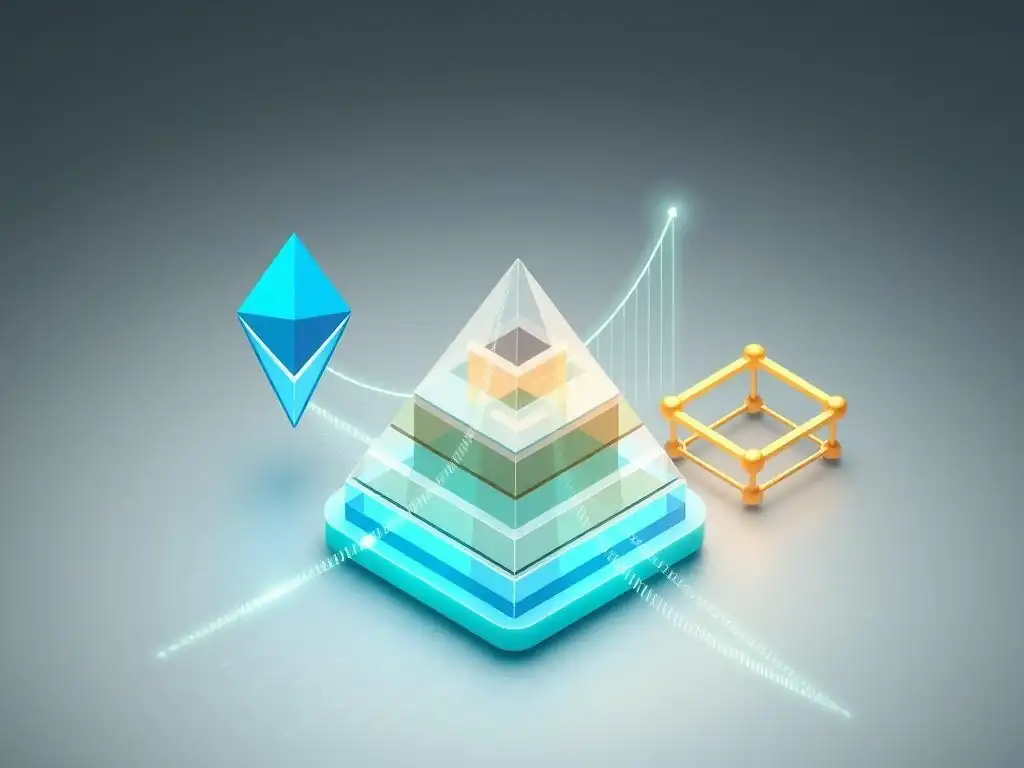
Identifying promising CrossChain DeFi projects requires a combination of fundamental analysis and due diligence, similar to evaluating any DeFi investment, but with an added layer of cross-chain considerations. Assess the project's interoperability strategy: Understand how the project achieves cross-chain functionality. Does it use established bridges, native cross-chain messaging (like IBC or Polkadot's XCM), or proprietary solutions? Evaluate the security and reliability of the chosen interoperability method. Look for projects that prioritize decentralized and trustless interoperability solutions.
Evaluate the project's team and track record: Research the team's experience in blockchain and DeFi. Check for previous projects and their success. A transparent and experienced team is crucial for navigating the complexities of CrossChain DeFi. Analyze the project's tokenomics: Understand the token utility, distribution, and inflationary/deflationary mechanisms. Assess if the tokenomics are designed to incentivize long-term growth and adoption within a cross-chain context.
Review security audits and smart contract robustness: Ensure the project's smart contracts have been thoroughly audited by reputable security firms. Examine the audit reports for any identified vulnerabilities and how they have been addressed. Consider the project's community and adoption: A strong and active community can be an indicator of project health and future growth potential. Look for metrics like social media engagement, developer activity, and user adoption across different blockchains.
Risk Management in CrossChain DeFi
Risk management is paramount in CrossChain DeFi due to the increased complexity and potential vulnerabilities associated with interoperability. Diversification across multiple chains and protocols is a fundamental risk mitigation strategy. Spreading investments across different blockchain ecosystems and DeFi protocols reduces exposure to the specific risks of any single chain or project. Careful bridge selection is crucial. Prioritize bridges with robust security measures, transparent audit histories, and established reputations. Avoid using bridges with known vulnerabilities or limited security audits.
Smart contract risk mitigation involves thoroughly researching and understanding the smart contracts of any CrossChain DeFi protocol you engage with. Review audit reports and be aware of potential smart contract vulnerabilities. Liquidity risk is also relevant in CrossChain DeFi. Ensure there is sufficient liquidity on both sides of a cross-chain transaction to avoid slippage and execution failures.
Keep up-to-date with security news and protocol updates. The CrossChain DeFi landscape is rapidly evolving, and staying informed about emerging security threats and protocol upgrades is essential for proactive risk management. Start with small investment amounts when experimenting with new CrossChain DeFi strategies or protocols to limit potential losses while learning and gaining experience.
Building a Diversified CrossChain DeFi Portfolio
Building a diversified CrossChain DeFi portfolio involves strategically allocating investments across different blockchains, DeFi protocols, and asset types to mitigate risk and maximize potential returns. Determine your risk tolerance and investment goals: Understand your comfort level with risk and define your financial objectives for CrossChain DeFi investments. This will guide your asset allocation and strategy selection. Allocate across different blockchain ecosystems: Consider diversifying across Ethereum, Polkadot, Cosmos, and other relevant blockchains. Aim for a balanced allocation to capture the strengths of each ecosystem and reduce chain-specific risks.
Diversify across DeFi sectors: Within each blockchain ecosystem, allocate investments across different DeFi sectors, such as DEXs, lending platforms, yield aggregators, and stablecoins. Sector diversification reduces exposure to the risks of any single DeFi sector. Include different asset types: Consider incorporating a mix of stablecoins, blue-chip cryptocurrencies (like ETH, DOT, ATOM), and potentially higher-risk, higher-reward altcoins within your CrossChain DeFi portfolio.
Asset diversification can help balance risk and return. Regularly rebalance your portfolio: Periodically review your portfolio allocation and rebalance as needed to maintain your desired diversification targets and adjust to market changes and emerging opportunities in the CrossChain DeFi space. Track your portfolio performance using dedicated cross-chain portfolio trackers to monitor your overall returns and risk exposure across different chains.
Advanced CrossChain DeFi Strategies
Yield Farming Across Multiple Chains
Advanced CrossChain DeFi strategies include yield farming across multiple blockchains, leveraging the best yield opportunities available across different ecosystems. Identify yield farming opportunities across chains: Research yield farming protocols and pools on Ethereum, Polkadot, Cosmos, and other relevant blockchains. Compare APRs (Annual Percentage Rates) and APYs (Annual Percentage Yields) for similar assets across different chains to identify potentially higher-yielding opportunities. Utilize cross-chain bridges to move assets: Employ secure and reputable cross-chain bridges to transfer assets from one blockchain to another to participate in yield farms on different chains. Be mindful of bridge fees and potential slippage during asset transfers.
Automate yield farming strategies with cross-chain aggregators: Explore cross-chain yield aggregators that automate the process of finding and optimizing yield farming opportunities across multiple blockchains. These aggregators can simplify cross-chain yield farming and potentially enhance returns. Consider impermanent loss risks in cross-chain yield farming: Be aware of impermanent loss risks when providing liquidity in cross-chain liquidity pools.
Diversify across different pairs and platforms to mitigate impermanent loss exposure. Regularly monitor and adjust yield farming positions: Yield farming APRs and APYs can fluctuate, so regularly monitor your positions and adjust your strategies as needed to optimize returns and manage risk in the dynamic CrossChain DeFi landscape.
CrossChain Arbitrage Opportunities
CrossChain arbitrage represents another advanced strategy in CrossChain DeFi, exploiting price discrepancies for the same assets across different decentralized exchanges on various blockchains. Identify price discrepancies across DEXs on different chains: Utilize cross-chain price aggregators and DEX screeners to identify assets that are priced differently on DEXs across Ethereum, Polkadot, Cosmos, and other blockchains. Look for significant price differences that can be exploited for arbitrage profits.
Execute cross-chain swaps to capitalize on arbitrage: When a price discrepancy is identified, execute swaps on the lower-priced DEX to buy the asset and simultaneously swap it for a higher price on another DEX on a different chain. Utilize cross-chain bridges to transfer assets between chains to facilitate arbitrage trades.
Automate cross-chain arbitrage strategies with bots: Consider using or developing automated arbitrage bots to execute cross-chain arbitrage trades more efficiently and quickly. Arbitrage opportunities can be short-lived, and automated bots can react faster to price discrepancies. Factor in transaction costs and bridge fees: When calculating potential arbitrage profits, carefully factor in transaction costs on both DEXs and bridge fees for transferring assets between chains.
Ensure that the arbitrage profit outweighs the combined transaction and bridge fees. Be aware of slippage and execution risks: Slippage and execution failures can occur during cross-chain swaps, especially for larger trades. Use limit orders and monitor liquidity to minimize slippage and execution risks in cross-chain arbitrage trading.
Utilizing CrossChain Lending and Borrowing Platforms
CrossChain lending and borrowing platforms extend DeFi lending and borrowing functionalities across multiple blockchains, offering advanced strategies for yield enhancement and capital efficiency. Explore cross-chain lending platforms: Research platforms that enable lending and borrowing assets across different blockchains, such as Kava and projects building on Polkadot and Cosmos. These platforms allow users to lend assets on one chain and borrow against them on another, or access lending pools across multiple chains.
Leverage cross-chain borrowing for leverage and yield farming: Borrow assets on one chain against collateral on another to increase leverage for yield farming or other investment strategies. Cross-chain borrowing can amplify potential returns but also increases risk.
Optimize collateral utilization across chains: Utilize cross-chain lending platforms to optimize collateral utilization. For example, deposit collateral on a chain with lower borrowing rates and borrow assets on a chain with higher yield farming opportunities. Manage liquidation risks in cross-chain lending: Be acutely aware of liquidation risks in cross-chain lending and borrowing.
Monitor collateralization ratios across different chains and ensure sufficient collateral is maintained to avoid liquidation, especially in volatile market conditions. Compare interest rates and borrowing costs across chains: Compare lending interest rates and borrowing costs across different cross-chain lending platforms and blockchains to identify the most favorable terms for your lending and borrowing activities, optimizing capital efficiency.
The Future of CrossChain DeFi
Emerging Trends in CrossChain Interoperability
The future of CrossChain DeFi is being shaped by several emerging trends in interoperability. Advancements in bridge technology: Ongoing development is focused on creating more secure, efficient, and decentralized cross-chain bridges. Innovations include optimistic bridges, zero-knowledge bridges, and light client bridges, aiming to reduce bridge vulnerabilities and improve user experience. Native cross-chain communication protocols: Blockchains like Polkadot and Cosmos are pioneering native cross-chain communication protocols (XCM and IBC respectively), enabling seamless and trustless interoperability within their ecosystems. This trend towards native interoperability is likely to expand to other blockchain platforms.
Standardization of cross-chain messaging: Efforts are underway to standardize cross-chain messaging protocols to improve interoperability between different bridging solutions and blockchain platforms. Standardization can enhance compatibility and reduce fragmentation in the CrossChain DeFi space. Increased focus on security and audits: Following high-profile bridge hacks, there is a growing emphasis on security audits and formal verification for cross-chain infrastructure.
Projects are prioritizing robust security measures and transparency to build trust in CrossChain DeFi. Cross-chain composability and smart contracts: Future developments will likely focus on enabling more complex cross-chain composability, allowing smart contracts on different chains to interact seamlessly and create sophisticated CrossChain DeFi applications.
The Role of Bridges in CrossChain DeFi
Bridges play a critical, albeit evolving, role in CrossChain DeFi. Currently, bridges are the primary infrastructure for cross-chain asset transfers and data communication between many blockchains, particularly for connecting ecosystems like Ethereum to other Layer-1 chains. They enable users to move assets across chains to participate in DeFi activities, access different protocols, and pursue cross-chain strategies. Bridges facilitate liquidity flow between fragmented blockchain ecosystems, contributing to a more interconnected DeFi landscape.
However, bridges also represent a significant point of vulnerability in CrossChain DeFi. Bridge hacks have demonstrated the risks associated with centralized or poorly secured bridge architectures. The future of bridges likely involves a shift towards more decentralized and secure bridge designs, incorporating technologies like multi-signature schemes, threshold cryptography, and optimistic or zero-knowledge proofs. As native cross-chain communication protocols mature and become more widely adopted, the reliance on external bridges may decrease for blockchains with built-in interoperability, but bridges will likely remain essential for connecting isolated blockchain ecosystems and enabling broader CrossChain DeFi functionality for the foreseeable future.
Potential Challenges and Opportunities for CrossChain DeFi Adoption
Despite its immense potential, CrossChain DeFi adoption faces several challenges alongside significant opportunities. Security concerns remain a major hurdle. Bridge vulnerabilities and smart contract risks need to be effectively addressed to build user trust and facilitate mainstream adoption. Complexity and user experience are also challenges. Navigating multiple blockchains, bridges, and cross-chain protocols can be complex for average users. Simplifying user interfaces and improving the overall user experience is crucial for broader adoption. Regulatory uncertainty surrounding DeFi and cross-chain activities adds another layer of complexity. Clearer regulatory frameworks are needed to foster innovation and provide clarity for participants.
However, CrossChain DeFi presents tremendous opportunities. It can unlock greater capital efficiency by bridging liquidity across fragmented ecosystems. Enhanced scalability through multi-chain architectures can address network congestion and reduce transaction costs. Increased innovation is expected as developers can leverage the unique strengths of different blockchains to build more versatile and powerful DeFi applications. Wider accessibility to DeFi services can be achieved by breaking down siloed ecosystems and creating a more interconnected and inclusive financial system. Overcoming the challenges and capitalizing on these opportunities will determine the pace and extent of CrossChain DeFi adoption in the coming years.
Tools and Resources for CrossChain DeFi Investors
Wallets Supporting Multiple Blockchains
For CrossChain DeFi investors, using wallets that support multiple blockchains is essential for managing assets and interacting with protocols across different ecosystems. MetaMask is a widely used browser extension wallet that, while primarily known for Ethereum, supports multiple EVM-compatible chains like Binance Smart Chain, Avalanche, and Polygon. It can be configured to connect to various EVM-compatible networks, providing a multi-chain interface. Trust Wallet is a mobile wallet that supports a wide range of blockchains, including Ethereum, Binance Smart Chain, Solana, and many others, offering broad multi-chain asset management capabilities on mobile devices.
Keplr Wallet is a browser extension wallet specifically designed for the Cosmos ecosystem, supporting Cosmos Hub and numerous Cosmos zones. It provides seamless integration with Cosmos-based DeFi protocols and facilitates IBC transfers. Polkadot{.js} Extension is a browser extension wallet for the Polkadot ecosystem, enabling interaction with Polkadot parachains and managing DOT and parachain assets.
Ledger and Trezor hardware wallets offer secure storage for assets across multiple blockchains and can be integrated with software wallets like MetaMask and Polkadot{.js} Extension to enhance security for CrossChain DeFi investments. Choosing wallets that support the blockchains you intend to use for CrossChain DeFi is crucial for efficient and secure asset management.
CrossChain DeFi Portfolio Trackers
Managing a diversified CrossChain DeFi portfolio requires specialized portfolio trackers that can aggregate data from multiple blockchains and provide a unified view of holdings and performance. Zerion is a popular DeFi portfolio tracker that supports multiple blockchains, including Ethereum, Polygon, Binance Smart Chain, and others. It provides a comprehensive overview of portfolio value, asset allocation, and transaction history across different chains. DeBank is another widely used DeFi portfolio tracker that supports a broad range of blockchains and DeFi protocols. It offers detailed analytics, including portfolio TVL, yield farming positions, and historical performance tracking across multiple chains.
Ape Board is a portfolio tracker specifically designed for yield farming and DeFi investments, supporting numerous blockchains and yield farming protocols. It provides real-time tracking of yield farming positions, impermanent loss calculations, and portfolio performance across different chains. CoinGecko and CoinMarketCap also offer portfolio tracking features that support multiple blockchains, providing basic portfolio overview and price tracking capabilities for a wide range of cryptocurrencies across different ecosystems. Utilizing CrossChain DeFi portfolio trackers is essential for effectively monitoring and managing investments across the fragmented landscape of multi-chain DeFi.
Research Platforms for CrossChain DeFi Projects
Thorough research is paramount for successful CrossChain DeFi investing, and several platforms offer resources and data to aid in this process. Messari provides comprehensive research reports, data analytics, and news updates on various crypto projects, including in-depth analysis of DeFi and cross-chain initiatives. Their research can be valuable for understanding the fundamentals and potential of CrossChain DeFi projects. Nansen is a blockchain analytics platform that provides on-chain data and insights, including wallet tracking, smart contract analysis, and DeFi protocol metrics across multiple blockchains. Nansen's data can be used to assess the activity and health of CrossChain DeFi projects.
DefiLlama is a DeFi analytics platform that aggregates data on DeFi protocols across multiple blockchains, including TVL, yield farming rates, and protocol rankings. DefiLlama is a valuable resource for comparing DeFi opportunities across different chains and identifying promising CrossChain DeFi projects. CoinGecko and CoinMarketCap websites provide basic information, price charts, and market data for a wide range of cryptocurrencies and DeFi tokens, including those involved in CrossChain DeFi. These platforms offer readily accessible information for initial project research and market overview. Utilizing these research platforms can significantly enhance due diligence and informed decision-making in CrossChain DeFi investments.
Conclusion: Maximizing Returns with CrossChain DeFi Investment Strategies
CrossChain DeFi represents a paradigm shift in decentralized finance, moving beyond the limitations of single blockchain ecosystems to unlock new levels of scalability, interoperability, and investment opportunities. By strategically leveraging platforms like Ethereum, Polkadot, and Cosmos, investors can tap into a broader spectrum of DeFi protocols, optimize yield farming strategies, and capitalize on cross-chain arbitrage opportunities.
While CrossChain DeFi introduces complexities and risks, particularly concerning bridge security and smart contract vulnerabilities, prudent risk management, diversification, and thorough research are essential for navigating this evolving landscape. As the technology matures and interoperability solutions become more robust, CrossChain DeFi is poised to become a cornerstone of the future of decentralized finance, offering the potential to maximize returns and build a more interconnected and efficient financial system.
Frequently Asked Questions
What are the primary benefits of using CrossChain DeFi investment strategies?
CrossChain DeFi strategies unlock access to a wider range of DeFi protocols and higher potential yields across different blockchain ecosystems. This also allows for portfolio diversification beyond a single chain.
How do platforms like Ethereum, Polkadot, and Cosmos facilitate CrossChain DeFi investments?
Ethereum provides a robust DeFi ecosystem, while Polkadot and Cosmos offer interoperability solutions allowing assets and data to move between chains. This enables complex CrossChain investment strategies.
What are the key risks associated with CrossChain DeFi investment strategies?
Risks include smart contract vulnerabilities, bridge exploits, and increased complexity in managing assets across multiple chains. Thorough due diligence is crucial.
How does regulation impact CrossChain DeFi investment strategies?
Regulatory frameworks are still developing, creating uncertainty and potential compliance challenges. CrossChain activities may face scrutiny from multiple jurisdictions.
What is the future outlook for CrossChain DeFi investment strategies?
The future involves greater interoperability, more sophisticated tooling, and increased adoption as blockchain technology matures. This will lead to more seamless CrossChain DeFi experiences.
Final Reflection: Embracing the Interconnected Future of Finance
The exploration of CrossChain DeFi investment strategies, as we've seen, isn't just a theoretical exercise; it's a vital roadmap for navigating the evolving landscape of decentralized finance. The fragmentation of liquidity across various blockchains presents both a challenge and an unparalleled opportunity for savvy investors to unlock new avenues for yield and portfolio diversification. Ignoring this interconnectedness would be akin to building a financial fortress on a single, isolated island.
The promise of seamless asset transfer and composability across Ethereum, Polkadot, and Cosmos underscores a fundamental shift in how we perceive and interact with financial systems. This shift, for me, represents a move towards a more inclusive and efficient financial ecosystem, one where barriers are lowered and opportunities are democratized. The future of finance is not about building walls, but about building bridges.
This sentiment perfectly encapsulates the ethos of CrossChain DeFi and its potential to reshape the global financial landscape.
Now, as you consider the potential of CrossChain DeFi, I urge you to reflect on your own investment strategies and how you can leverage these emerging technologies. Don't be afraid to explore the possibilities, to learn from the risks, and to contribute to the growth of this interconnected financial future. The power to shape this future lies within each of us, so let's embrace the challenge and build a more decentralized, accessible, and prosperous world together.
Unlock Cross-Chain Potential: Dive into DeFi Opportunities!
Thanks for exploring the exciting world of cross-chain DeFi with us! We hope you’ve gained valuable insights into how to leverage the power of Ethereum, Polkadot, and Cosmos to maximize your DeFi strategies. Now, let’s put that knowledge into action:
- Take the plunge and explore a cross-chain bridge! Research current options like Polkadot's XCM or Cosmos' IBC and try a small transaction to familiarize yourself with the process.
- Share this article with a fellow crypto enthusiast and spark a conversation about the future of interoperability in DeFi.
- Brainstorm a completely new DeFi application that could benefit from cross-chain functionality. Even a rough sketch can plant the seeds for innovation!
What's one innovative cross-chain DeFi strategy you're most excited to explore, and why?
Leave a Reply