
Decentralized Finance (DeFi) Security Risks on Ethereum, Polkadot, and Cosmos


Welcome to Blockchain Trends, your compass in the rapidly evolving world of decentralized technology. Dive deep into the transformative potential of blockchain beyond the buzzwords, exploring its impact on everything from enterprise solutions to the very future of decentralized systems. But is this future secure? In this article, we tackle a critical question: what are the Ethereum DeFi security risks that could threaten the burgeoning world of decentralized finance? Uncover the vulnerabilities, explore the solutions, and join us as we navigate the complex landscape of security across Ethereum, Polkadot, and Cosmos. Let's begin.
Decentralized Finance (DeFi) Security Risks on Ethereum, Polkadot, and Cosmos
- Introduction: Understanding DeFi Security Vulnerabilities Across Blockchain Ecosystems
- Ethereum DeFi Security Risks: A Deep Dive
- Polkadot DeFi Security Considerations
- Cosmos DeFi Security Landscape
- Comparing Security Risks: Ethereum vs. Polkadot vs. Cosmos
- Mitigation Strategies and Best Practices for DeFi Security
- The Future of DeFi Security: Innovations and Trends
- Conclusion: Navigating the Security Challenges in the Decentralized Finance Landscape
-
Frequently Asked Questions
- What are the main Decentralized Finance (DeFi) security risks on the Ethereum blockchain?
- How does the Ethereum Virtual Machine (EVM) contribute to potential Ethereum DeFi security risks?
- What measures are being taken to mitigate Ethereum DeFi security risks?
- How do Ethereum DeFi security risks compare to those on other blockchains like Polkadot and Cosmos?
- What role does regulation play in addressing Ethereum DeFi security risks?
- Final Reflection: Navigating the Evolving Landscape of DeFi Security
- Fortify Your DeFi Future!
Introduction: Understanding DeFi Security Vulnerabilities Across Blockchain Ecosystems
The Rise of DeFi and the Increasing Importance of Security Audits
Decentralized Finance (DeFi) has emerged as a revolutionary paradigm, aiming to democratize financial services by leveraging blockchain technology. By circumventing traditional intermediaries, DeFi platforms offer users unprecedented access to lending, borrowing, trading, and yield generation opportunities. This rapid expansion, however, has been accompanied by a surge in security vulnerabilities, making robust security audits an indispensable component of the DeFi ecosystem.
The open-source nature of many DeFi protocols, while fostering innovation and transparency, also exposes them to potential threats from malicious actors seeking to exploit code flaws or architectural weaknesses. As billions of dollars flow through these decentralized applications, the imperative for rigorous security measures and continuous monitoring becomes ever more critical to safeguard user funds and maintain the integrity of the DeFi space.
The escalating sophistication of cyberattacks targeting DeFi platforms underscores the urgency of prioritizing security. Early DeFi projects often relied on relatively nascent codebases, making them susceptible to basic coding errors and logical flaws that could be exploited for significant financial gain. As the ecosystem matures, attack vectors are becoming more complex, ranging from intricate smart contract vulnerabilities to sophisticated economic exploits and governance manipulation.
Consequently, comprehensive security audits conducted by reputable firms are now considered a baseline requirement for any DeFi project seeking to build trust and attract users. These audits not only identify potential weaknesses in the codebase but also assess the overall security architecture and operational practices of the platform, contributing to a more resilient and secure DeFi ecosystem.
Why Ethereum, Polkadot, and Cosmos? A Comparative Overview of DeFi Adoption
Ethereum, Polkadot, and Cosmos represent three distinct yet prominent blockchain ecosystems that have witnessed significant DeFi adoption, making them crucial platforms for comparative security analysis. Ethereum, as the pioneering smart contract platform, has become the de facto home for DeFi, boasting the largest ecosystem of decentralized applications and the highest total value locked (TVL). Its first-mover advantage and vibrant developer community have propelled its dominance in the DeFi landscape.
Polkadot, on the other hand, offers a heterogeneous multi-chain architecture, enabling interoperability between different blockchains (parachains) and allowing for specialized DeFi solutions to be built on interconnected networks. This approach aims to address some of Ethereum's scalability and interoperability limitations. Cosmos, similarly, champions interoperability through its Inter-Blockchain Communication (IBC) protocol, focusing on creating an "internet of blockchains" where independent chains can seamlessly interact, fostering a diverse and interconnected DeFi ecosystem.
Choosing these three platforms for a comparative security risk analysis is pertinent because each presents unique architectural and technological approaches to blockchain and DeFi. Ethereum's monolithic structure and reliance on Solidity smart contracts create a specific security profile, characterized by vulnerabilities inherent in its virtual machine and the EVM ecosystem.
Polkadot's parachain model introduces complexities related to cross-chain communication and the security of individual parachains, while Cosmos's IBC protocol brings forth security considerations around inter-chain asset transfers and the robustness of the connected zones. By examining the security risks specific to each of these platforms, we can gain a comprehensive understanding of the diverse challenges facing DeFi security across different blockchain architectures and identify platform-specific mitigation strategies, particularly focusing on the nuances of Ethereum DeFi security risks.
Ethereum DeFi Security Risks: A Deep Dive
Smart Contract Vulnerabilities on Ethereum: Common Attack Vectors
Ethereum's DeFi ecosystem, while innovative and expansive, is underpinned by smart contracts, which are inherently susceptible to vulnerabilities if not meticulously designed and audited. These vulnerabilities can be exploited through various attack vectors, leading to significant financial losses and erosion of user trust. Understanding these common attack vectors is crucial for developers and users alike to navigate the Ethereum DeFi landscape safely. Several recurring types of smart contract vulnerabilities have been identified as major sources of security breaches in Ethereum DeFi.
Reentrancy Attacks: Exploiting Ethereum Smart Contracts
Reentrancy attacks are a classic example of smart contract vulnerability that has plagued Ethereum DeFi since its early days. This attack vector exploits the way Ethereum smart contracts interact with each other, specifically when a contract makes an external call to another contract before updating its own state. A malicious contract can then recursively call back into the original contract before the initial call has completed, potentially draining funds or manipulating contract logic.
The infamous DAO hack in 2016, which resulted in the theft of millions of dollars worth of Ether, was a prominent example of a reentrancy attack. While modern smart contract development practices and tools have mitigated some reentrancy risks, careful coding patterns and robust auditing are still essential to prevent this type of exploit, especially in complex DeFi protocols handling substantial assets.
Integer Overflow/Underflow: Data Integrity Risks in Ethereum DeFi
Integer overflow and underflow vulnerabilities arise from the limitations of integer data types in programming languages, including Solidity, used for Ethereum smart contracts. When arithmetic operations on integers result in values exceeding the maximum or falling below the minimum representable value for a given data type, an overflow or underflow occurs, respectively. In the context of DeFi smart contracts, these vulnerabilities can be exploited to manipulate financial calculations, token balances, or other critical data.
For instance, an attacker could trigger an integer overflow in a token transfer function, causing a much larger amount of tokens to be transferred than intended, or even creating tokens out of thin air. While Solidity versions 0.8.0 and later include built-in overflow/underflow checks, older contracts and those written with unchecked arithmetic are still vulnerable, requiring careful code review and mitigation strategies in legacy DeFi protocols.
Front Running and MEV (Miner Extractable Value): Unfair Advantages in Ethereum DeFi
Front running and Miner Extractable Value (MEV) represent distinct but related security and fairness concerns within the Ethereum DeFi ecosystem. Front running, in its basic form, involves observing pending transactions in the Ethereum mempool and submitting a transaction with a higher gas price to be included in the block ahead of the original transaction.
This allows malicious actors to profit by anticipating and exploiting pending trades or other on-chain activities. MEV, a broader concept, encompasses the total profit that miners (or validators in Proof-of-Stake systems) can extract from manipulating transaction ordering within a block, including front running, back running, and sandwich attacks.
In DeFi, MEV can manifest in various forms, such as exploiting arbitrage opportunities before others, manipulating decentralized exchange (DEX) prices, or unfairly liquidating under-collateralized loans. While not directly a smart contract vulnerability, MEV poses a significant risk to DeFi users by creating unfair trading conditions and potentially destabilizing DeFi protocols, highlighting a critical area of ongoing research and mitigation efforts within the Ethereum ecosystem.
Ethereum Network Congestion and Gas Fees: Indirect Security Implications
Ethereum's popularity and high DeFi activity often lead to network congestion and soaring gas fees, which can have indirect but significant security implications for DeFi users. During periods of peak network usage, transaction processing times can increase dramatically, and gas prices can spike to exorbitant levels, making DeFi interactions expensive and unpredictable. This congestion can indirectly impact security in several ways.
For instance, users trying to respond quickly to security threats, such as liquidating collateral to avoid liquidation in a lending protocol during a market downturn, may face delays and increased costs due to network congestion, potentially exacerbating their losses. Furthermore, high gas fees can disproportionately affect smaller users, making DeFi less accessible and potentially driving them towards less secure or less reputable platforms with lower fees, increasing their overall risk exposure.
Moreover, network congestion can also indirectly impact the security of certain DeFi protocols themselves. Protocols that rely on timely execution of transactions, such as arbitrage bots or liquidation mechanisms, may malfunction or become less efficient during periods of high congestion, potentially creating vulnerabilities or economic inefficiencies that could be exploited.
For example, delayed liquidations in lending protocols due to congestion could increase the risk of under-collateralization and systemic instability. While not a direct security vulnerability in smart contracts, Ethereum network congestion and gas fees represent a significant operational risk factor that can indirectly undermine the security and usability of DeFi applications, particularly during times of market volatility or high network demand.
Rug Pulls and Exit Scams: Investor Protection Challenges on Ethereum
Rug pulls and exit scams represent a significant and often under-discussed category of security risk in the Ethereum DeFi space, particularly concerning investor protection and trust. Unlike smart contract vulnerabilities that exploit technical flaws in code, rug pulls are malicious schemes where project developers abruptly abandon a project, often after artificially inflating the price of its token and draining funds from investors.
These scams exploit the often-anonymous and permissionless nature of DeFi, where projects can be launched with minimal oversight or due diligence, making it easier for bad actors to defraud unsuspecting users. Ethereum's open and permissionless environment, while fostering innovation, also provides fertile ground for rug pulls, as anyone can deploy a token and launch a DeFi protocol without rigorous vetting.
Rug pulls can take various forms, from developers simply disappearing with investor funds after a token sale to more elaborate schemes involving manipulating token contracts to drain liquidity pools or mint unlimited tokens for themselves. The decentralized and often unregulated nature of DeFi makes it challenging to recover funds lost in rug pulls or hold perpetrators accountable.
While not a technical vulnerability in the blockchain or smart contracts themselves, rug pulls represent a critical "human factor" security risk in Ethereum DeFi, highlighting the importance of user education, due diligence, and the development of mechanisms to increase transparency and accountability in DeFi projects. Investors need to be particularly wary of projects with anonymous teams, unsustainable yield promises, and unaudited codebases, as these are often red flags for potential rug pulls and exit scams.
Polkadot DeFi Security Considerations
Potential Security Risks Unique to Polkadot's Parachain Architecture
Polkadot's parachain architecture, while offering scalability and interoperability benefits, introduces a unique set of security considerations for DeFi projects built within its ecosystem. Unlike Ethereum's monolithic structure, Polkadot operates as a network of interconnected blockchains (parachains) secured by a central Relay Chain. This architecture distributes security responsibilities and introduces new attack vectors related to cross-chain communication and the security of individual parachains. Understanding these unique security risks is crucial for DeFi developers and users operating within the Polkadot ecosystem.
Interoperability Vulnerabilities: Exploiting Cross-Chain Communication on Polkadot
Interoperability, a core feature of Polkadot, also presents potential security vulnerabilities stemming from the complexities of cross-chain communication. Parachains in Polkadot communicate with each other and with external networks through message passing mechanisms, such as XCMP (Cross-Chain Message Passing). Vulnerabilities in these communication protocols or in the bridges connecting Polkadot to other blockchains can be exploited to compromise the security of DeFi applications that rely on cross-chain functionality.
For instance, a flaw in a bridge protocol could allow attackers to manipulate cross-chain asset transfers, potentially stealing funds or disrupting DeFi operations that span multiple parachains or blockchains. The security of Polkadot DeFi is therefore not only dependent on the security of individual parachain smart contracts but also on the robustness and security of the interoperability infrastructure that connects them.
Governance Risks in Polkadot DeFi: Referendum Manipulation in Acala Network
Governance in decentralized systems, including Polkadot parachains, is crucial for protocol upgrades and decision-making, but it also presents potential security risks, particularly concerning manipulation and exploits. The Acala Network incident in 2022 serves as a stark example of governance vulnerabilities in Polkadot DeFi.
Acala, a DeFi parachain on Polkadot, experienced a major security incident when a vulnerability in its Honzon protocol allowed attackers to mint billions of its native token, aUSD, without proper collateral. This vulnerability was exploited due to a flaw in a recent upgrade that was approved through Acala's on-chain governance mechanism.
While the issue was ultimately contained through swift community action and governance interventions, the Acala incident highlighted the risks associated with governance processes in DeFi, including potential vulnerabilities in upgrade mechanisms, the possibility of malicious proposals, and the challenges of ensuring robust security audits for governance-related code changes. This event underscored that security in Polkadot DeFi extends beyond smart contracts to encompass the security and integrity of governance processes and on-chain decision-making mechanisms.
Security Audits and Best Practices for Polkadot DeFi Projects
Given the unique security landscape of Polkadot, robust security audits and adherence to best practices are paramount for DeFi projects building on this platform. Security audits for Polkadot DeFi projects must not only focus on smart contract vulnerabilities but also encompass the security of parachain-specific features, cross-chain communication protocols, and governance mechanisms.
Audits should assess the resilience of parachain consensus mechanisms, the security of bridge implementations, and the robustness of on-chain governance processes against manipulation and attacks. Furthermore, best practices for Polkadot DeFi development should emphasize secure coding patterns tailored to the Substrate framework, rigorous testing of cross-chain interactions, and proactive monitoring of network activity for anomaly detection.
Adopting formal verification techniques, where applicable, can also enhance the security of critical Polkadot DeFi components. Regular security reviews and penetration testing should be conducted throughout the development lifecycle and after significant protocol upgrades. Collaboration with reputable security firms specializing in blockchain and Polkadot security is essential for identifying and mitigating potential risks. Moreover, Polkadot DeFi projects should prioritize transparency and open communication with their communities regarding security measures, audit findings, and incident response plans to build trust and foster a more secure and resilient DeFi ecosystem on Polkadot.
Cosmos DeFi Security Landscape
IBC (Inter-Blockchain Communication Protocol) Security Challenges in Cosmos
Cosmos's DeFi ecosystem, built around the Inter-Blockchain Communication (IBC) protocol, presents a distinct security landscape shaped by the interconnected nature of its "internet of blockchains." While IBC enables seamless asset transfers and data exchange between independent blockchains (zones) within the Cosmos network, it also introduces specific security challenges related to cross-chain communication and the security of individual zones. Understanding these challenges is crucial for navigating the Cosmos DeFi landscape securely.
Risks Associated with Pegged Assets and Bridges in Cosmos DeFi
Pegged assets and bridges play a vital role in Cosmos DeFi, facilitating the movement of assets between different zones and connecting Cosmos to external blockchains. However, these bridges and pegged asset mechanisms often represent significant security risks in the Cosmos ecosystem.
Many Cosmos DeFi protocols rely on pegged assets, such as wrapped Bitcoin or Ethereum tokens, to bring liquidity and interoperability to their platforms. The security of these pegged assets is often dependent on the robustness of the bridge protocols used to mint and redeem them, as well as the security of the underlying blockchain where the original asset resides.
Vulnerabilities in bridge contracts or pegging mechanisms can be exploited to mint unauthorized pegged assets, steal collateral, or disrupt cross-chain asset transfers, potentially leading to significant financial losses for Cosmos DeFi users. Several high-profile bridge hacks in the broader blockchain space, including those affecting bridges connecting to Ethereum and other networks, serve as cautionary tales highlighting the inherent risks associated with cross-chain bridges and pegged assets in DeFi.
Consensus Mechanism Security: Tendermint BFT and Potential Liveness Issues
Cosmos zones commonly utilize the Tendermint BFT (Byzantine Fault Tolerance) consensus mechanism, known for its security and performance. However, even with robust consensus mechanisms like Tendermint, potential security considerations and liveness issues can arise in Cosmos DeFi contexts.
While Tendermint provides strong fault tolerance against malicious actors attempting to compromise the consensus process, certain scenarios, such as network partitions or coordinated attacks, could potentially lead to liveness failures, where the blockchain temporarily halts block production. In DeFi applications, such liveness issues can have significant consequences, disrupting trading, lending, and other financial operations, and potentially creating vulnerabilities that could be exploited.
Furthermore, the security of a Cosmos zone ultimately depends on the validators participating in its consensus process. If a significant portion of validators are compromised or collude, they could potentially manipulate the blockchain state or disrupt network operations, highlighting the importance of robust validator security and decentralized governance in Cosmos DeFi.
Security Audits and Mitigation Strategies for Cosmos DeFi
Securing Cosmos DeFi requires a multi-faceted approach that addresses both protocol-level vulnerabilities and the unique security challenges of its interconnected ecosystem. Comprehensive security audits for Cosmos DeFi projects should encompass smart contract security, IBC protocol implementations, bridge security, and the robustness of the underlying zone's consensus mechanism.
Audits should assess the potential risks associated with pegged assets and bridges, scrutinize the security of cross-chain communication logic, and evaluate the resilience of the zone's validator set and governance processes. Mitigation strategies for Cosmos DeFi should include employing secure coding practices tailored to the Cosmos SDK framework, implementing robust monitoring and anomaly detection systems for IBC and bridge activity, and establishing clear incident response plans to address potential security breaches.
Furthermore, Cosmos DeFi projects should prioritize decentralization and diversification of validator sets to enhance the security and resilience of their zones. Regular security reviews and penetration testing, conducted by experienced blockchain security experts, are essential for identifying and mitigating potential vulnerabilities. Collaboration within the Cosmos community and sharing of security best practices are crucial for fostering a more secure and robust DeFi ecosystem across the "internet of blockchains."
Comparing Security Risks: Ethereum vs. Polkadot vs. Cosmos
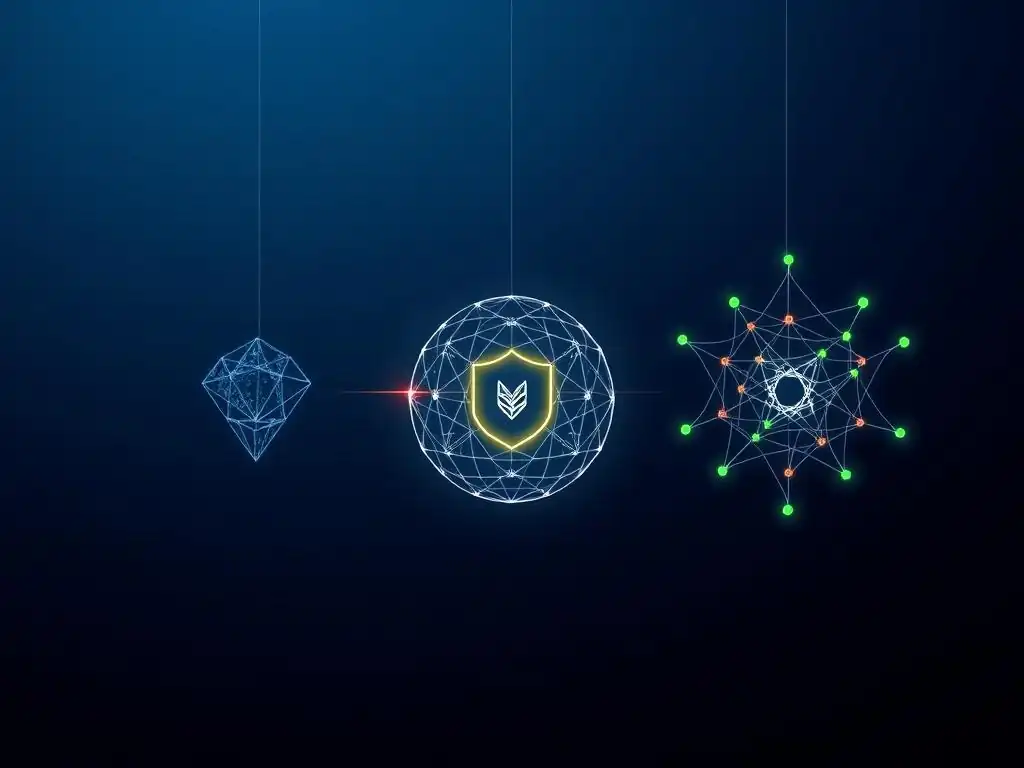
Key Differences in Security Architectures and Their Implications
Ethereum, Polkadot, and Cosmos exhibit fundamental differences in their security architectures, which significantly impact the types and severity of security risks prevalent in their respective DeFi ecosystems. Ethereum, with its monolithic architecture, relies on the security of its single, shared execution environment and the Ethereum Virtual Machine (EVM). Security vulnerabilities in the EVM or in widely used Solidity libraries can have broad implications across the entire Ethereum DeFi ecosystem.
Polkadot, in contrast, employs a shared security model where parachains benefit from the security of the central Relay Chain. However, the security of individual parachains can still vary, and vulnerabilities in parachain-specific code or cross-chain communication protocols pose unique risks. Cosmos, with its sovereign zone architecture, emphasizes the security autonomy of individual blockchains.
Each Cosmos zone is responsible for its own security, relying on its chosen consensus mechanism and validator set. This model offers greater flexibility but also places a higher burden on individual zones to ensure their own security, with potential fragmentation of security standards across the Cosmos ecosystem.
These architectural differences lead to distinct security risk profiles. Ethereum's shared security can amplify the impact of vulnerabilities, but its mature ecosystem and extensive security tooling offer some advantages in detecting and mitigating risks. Polkadot's shared security model provides a baseline level of security for parachains, but cross-chain vulnerabilities and parachain-specific risks require careful attention. Cosmos's sovereign zone model necessitates a decentralized and collaborative approach to security, with a focus on interoperability security and the robustness of individual zone's security practices.
A Comparative Analysis of Common DeFi Attack Vectors Across Platforms
While common DeFi attack vectors, such as smart contract vulnerabilities and rug pulls, are relevant across Ethereum, Polkadot, and Cosmos, their manifestation and impact can differ across these platforms. Reentrancy attacks, integer overflows, and front running are prevalent in Ethereum DeFi due to the EVM's execution model and the high transaction volume on the network. These vulnerabilities can also exist in Polkadot and Cosmos DeFi projects, particularly those that are EVM-compatible or utilize similar smart contract paradigms.
However, the multi-chain nature of Polkadot and Cosmos introduces additional attack vectors related to cross-chain communication and bridge security, which are less prominent in Ethereum's monolithic architecture. Rug pulls are a concern across all three platforms, as the anonymity and permissionless nature of DeFi can facilitate exit scams regardless of the underlying blockchain technology.
The severity and impact of these attack vectors can also vary. Vulnerabilities in core Ethereum infrastructure or widely used DeFi protocols can have cascading effects across the entire ecosystem due to its interconnectedness.
In Polkadot and Cosmos, the impact of a security breach might be more localized to specific parachains or zones, but cross-chain vulnerabilities can still have systemic implications if they affect critical interoperability infrastructure or bridges that connect multiple chains. Therefore, while common DeFi security risks are present across all three platforms, the specific architectural nuances and ecosystem characteristics shape the nature and potential impact of these risks.
Addressing Security Trade-offs: Decentralization, Scalability, and Security
Achieving a balance between decentralization, scalability, and security is a fundamental challenge in blockchain and DeFi, and Ethereum, Polkadot, and Cosmos each represent different points in this trade-off space. Ethereum, while highly decentralized, has historically faced scalability limitations, leading to network congestion and high gas fees, which, as discussed, can have indirect security implications. Ethereum's transition to Proof-of-Stake (PoS) through "The Merge" aims to improve scalability and energy efficiency, but the long-term security implications of PoS and sharding are still evolving.
Polkadot aims to achieve scalability through its parachain architecture, distributing transaction processing across multiple chains while maintaining shared security through the Relay Chain. This approach seeks to balance scalability and security, but the complexity of cross-chain communication and the security of individual parachains remain critical considerations.
Cosmos prioritizes scalability and interoperability by enabling sovereign zones to operate independently and communicate through IBC. This model offers high scalability and flexibility but places a greater emphasis on the security autonomy of individual zones, potentially leading to a wider variance in security standards across the Cosmos ecosystem.
In the context of DeFi security, these trade-offs are crucial. Highly decentralized platforms may prioritize censorship resistance and robustness but may face scalability challenges that indirectly impact security. Scalable platforms may achieve higher transaction throughput but may introduce new attack vectors related to cross-chain communication or distributed security models. Ultimately, the optimal balance between decentralization, scalability, and security depends on the specific requirements and priorities of different DeFi applications and ecosystems. Understanding these trade-offs and choosing platforms and architectures that align with desired security characteristics is essential for building robust and secure DeFi solutions.
Mitigation Strategies and Best Practices for DeFi Security
Comprehensive Smart Contract Auditing and Formal Verification
Comprehensive smart contract auditing is a cornerstone of DeFi security, serving as a proactive measure to identify and mitigate potential vulnerabilities before they can be exploited. Audits involve a thorough review of smart contract code by experienced security professionals, focusing on identifying common vulnerabilities, logical flaws, and potential attack vectors. Reputable audit firms employ a range of techniques, including static analysis, dynamic testing, and manual code review, to assess the security posture of smart contracts.
For DeFi projects handling significant user funds, multiple independent audits are often recommended to provide a layered security approach. Audit reports typically detail identified vulnerabilities, their potential impact, and recommended remediation steps, allowing developers to address security issues before deployment.
Formal verification represents a more rigorous and mathematically grounded approach to smart contract security. Formal verification techniques use mathematical proofs to demonstrate the correctness and security properties of smart contracts, providing a higher level of assurance than traditional auditing methods. While formal verification can be more time-consuming and resource-intensive, it is particularly valuable for critical DeFi protocols where even minor vulnerabilities could have severe consequences. Combining comprehensive auditing with formal verification, where feasible, can significantly enhance the security of DeFi smart contracts and reduce the risk of costly exploits.
Bug Bounty Programs: Incentivizing Security Researchers
Bug bounty programs play a crucial role in DeFi security by incentivizing security researchers and ethical hackers to proactively identify and report vulnerabilities in DeFi protocols. These programs offer financial rewards to individuals who discover and responsibly disclose security flaws, creating a crowdsourced security approach that complements traditional audits. Bug bounty programs can be particularly effective in uncovering edge cases and subtle vulnerabilities that might be missed by traditional audits. Well-designed bug bounty programs typically define clear rules, scope, and reward structures, encouraging responsible disclosure and collaboration with security researchers.
Many prominent DeFi projects have implemented bug bounty programs on platforms like Immunefi and HackerOne, attracting a global community of security researchers to scrutinize their codebases. By offering competitive rewards and fostering open communication with security researchers, DeFi projects can leverage the collective intelligence of the security community to continuously improve their security posture and proactively address potential threats. Bug bounty programs are an essential component of a comprehensive DeFi security strategy, providing an ongoing layer of security assessment and vulnerability discovery.
Insurance Protocols and Risk Mitigation Tools for DeFi Users
Insurance protocols and risk mitigation tools are emerging as crucial components of the DeFi ecosystem, aiming to protect users against financial losses resulting from smart contract exploits, hacks, and other security incidents. DeFi insurance protocols, such as Nexus Mutual and InsurAce, offer decentralized insurance coverage for smart contract risks, allowing users to purchase insurance policies to protect their deposited funds in DeFi protocols.
These protocols typically operate on a decentralized and transparent basis, using smart contracts to manage insurance policies, claims processes, and payouts. While DeFi insurance is still a relatively nascent market, it offers a valuable risk mitigation tool for DeFi users seeking to protect themselves against unforeseen security events.
In addition to insurance, other risk mitigation tools are being developed for DeFi users, such as security scoring platforms, risk assessment dashboards, and automated vulnerability scanners. These tools aim to provide users with better visibility into the security risks associated with different DeFi protocols, enabling them to make more informed decisions about where to allocate their funds. As the DeFi ecosystem matures, the development and adoption of robust insurance protocols and risk mitigation tools will be crucial for fostering greater user confidence and mitigating the financial impact of security breaches.
The Importance of DeFi Education and User Awareness
DeFi education and user awareness are paramount for mitigating security risks and promoting responsible participation in the decentralized finance space. Many DeFi security incidents stem from user error, lack of understanding of protocol risks, or falling victim to phishing scams and social engineering attacks. Educating users about common DeFi security risks, best practices for securing their wallets and private keys, and how to identify and avoid scams is crucial for empowering users to protect themselves. DeFi platforms, educational resources, and community initiatives all play a vital role in raising user awareness and promoting security best practices.
Educational content should cover topics such as smart contract risks, impermanent loss, rug pulls, phishing scams, wallet security, and responsible DeFi usage. Providing users with clear and accessible information about the risks and rewards of DeFi, as well as practical guidance on how to navigate the ecosystem safely, is essential for fostering a more secure and resilient DeFi community. User awareness campaigns, educational workshops, and user-friendly security tools can all contribute to empowering DeFi users to make informed decisions and protect their assets in the decentralized finance landscape.
The Future of DeFi Security: Innovations and Trends
Advancements in Smart Contract Security Tools and Techniques
The future of DeFi security is being shaped by continuous advancements in smart contract security tools and techniques, driven by the need to address increasingly sophisticated attack vectors and enhance the overall robustness of DeFi protocols. Innovations in static analysis tools are enabling more comprehensive and automated vulnerability detection in smart contracts, reducing the reliance on manual code review and improving the scalability of security audits.
Dynamic analysis and fuzzing techniques are being refined to better simulate real-world attack scenarios and uncover runtime vulnerabilities that static analysis might miss. Furthermore, formal verification techniques are becoming more accessible and practical, allowing for mathematically rigorous proofs of smart contract security properties.
The development of more user-friendly and integrated security tooling is also a key trend. Integrated Development Environments (IDEs) and developer platforms are incorporating security analysis tools directly into the development workflow, enabling developers to identify and address security issues early in the development lifecycle. The increasing adoption of secure coding libraries and frameworks, designed with security best practices in mind, is also contributing to more secure smart contract development. These advancements in smart contract security tools and techniques are collectively enhancing the ability to build more secure and resilient DeFi protocols in the future.
The Role of AI and Machine Learning in DeFi Security
Artificial intelligence (AI) and machine learning (ML) are emerging as promising technologies with the potential to revolutionize DeFi security. AI and ML techniques can be applied to various aspects of DeFi security, including anomaly detection, threat intelligence, and automated security analysis. ML models can be trained to identify unusual patterns in on-chain transactions, smart contract interactions, and network activity, flagging potential security breaches or malicious activities in real-time. AI-powered threat intelligence platforms can analyze vast amounts of security data to identify emerging attack vectors, track malicious actors, and provide early warnings of potential threats to DeFi protocols.
Furthermore, AI and ML can enhance automated smart contract security analysis by improving the accuracy and efficiency of vulnerability detection tools. ML models can be trained to recognize complex vulnerability patterns and improve the precision of static and dynamic analysis techniques. While AI and ML are still in the early stages of adoption in DeFi security, their potential to automate security monitoring, enhance threat detection, and improve vulnerability analysis is significant, promising to play a growing role in securing the future of decentralized finance.
Regulatory Considerations and the Evolution of DeFi Security Standards
Regulatory considerations are increasingly shaping the future of DeFi security, as governments and regulatory bodies worldwide grapple with the challenges and opportunities presented by decentralized finance. As DeFi adoption grows and its potential impact on the traditional financial system becomes more apparent, regulatory scrutiny is intensifying. Regulatory frameworks for DeFi are still evolving, but there is a growing focus on consumer protection, anti-money laundering (AML), and financial stability. These regulatory considerations are likely to drive the evolution of DeFi security standards and best practices.
Increased regulatory oversight may lead to the development of more formal security standards and compliance requirements for DeFi protocols. Regulatory bodies may mandate minimum security audit requirements, KYC/AML compliance for DeFi platforms, and stricter liability frameworks for security breaches.
The DeFi industry is likely to see greater emphasis on self-regulation and the development of industry-wide security standards to proactively address regulatory concerns and build trust with users and regulators. The interplay between regulatory developments and industry innovation will shape the future landscape of DeFi security, driving the adoption of more robust security practices and contributing to a more mature and regulated DeFi ecosystem.
Prioritizing Security for Sustainable DeFi Growth Across Ethereum, Polkadot, and Cosmos
Prioritizing security is not merely a technical imperative but a fundamental prerequisite for the sustainable growth and mainstream adoption of DeFi across platforms like Ethereum, Polkadot, and Cosmos. The inherent risks associated with smart contracts, cross-chain communication, and decentralized governance necessitate a proactive and multi-faceted approach to security.
Neglecting security in the pursuit of rapid innovation or high yields can have devastating consequences, eroding user trust, hindering adoption, and potentially destabilizing the entire DeFi ecosystem. For DeFi to realize its transformative potential, security must be embedded into every stage of protocol development, deployment, and operation, becoming a core value and guiding principle for the entire industry.
Across Ethereum, Polkadot, and Cosmos, fostering a security-conscious culture is essential. This includes promoting secure coding practices, mandating rigorous security audits, incentivizing vulnerability disclosure through bug bounty programs, and prioritizing user education and awareness. Collaboration between developers, security researchers, auditors, and the broader DeFi community is crucial for sharing knowledge, developing best practices, and collectively addressing the evolving security challenges in the decentralized finance landscape. Only through a concerted and sustained effort to prioritize security can DeFi build a foundation of trust and resilience necessary for its long-term success.
The Need for Continuous Security Innovation in DeFi
The dynamic and rapidly evolving nature of the DeFi landscape demands continuous security innovation. As attack vectors become more sophisticated and new vulnerabilities emerge, the DeFi industry must proactively adapt and innovate in security tools, techniques, and best practices. Complacency and reliance on outdated security measures are not viable options in the face of persistent and evolving threats. Continuous investment in security research, development of advanced security tooling, and exploration of novel security paradigms are essential for staying ahead of malicious actors and maintaining the security integrity of DeFi.
The future of DeFi security hinges on fostering a culture of continuous learning, adaptation, and innovation. This includes embracing emerging technologies like AI and ML for security enhancement, exploring formal verification techniques for critical protocols, and actively engaging with the security research community to identify and address new vulnerabilities. By prioritizing continuous security innovation, the DeFi industry can build a more robust, resilient, and trustworthy ecosystem capable of fulfilling its promise of democratizing finance and empowering individuals globally.
Frequently Asked Questions
What are the main Decentralized Finance (DeFi) security risks on the Ethereum blockchain?
The main risks include smart contract vulnerabilities, such as reentrancy attacks, integer overflows, and front-running. There are also risks associated with oracle manipulation and governance attacks that can compromise DeFi protocols.
How does the Ethereum Virtual Machine (EVM) contribute to potential Ethereum DeFi security risks?
The EVM, while powerful, can introduce vulnerabilities due to its complexity and the specific ways smart contracts interact with it. EVM limitations can lead to unexpected behavior and security exploits. Thorough auditing and formal verification are crucial to mitigate these risks.
What measures are being taken to mitigate Ethereum DeFi security risks?
Mitigation efforts include formal smart contract audits, bug bounty programs, and insurance protocols to cover potential losses. Developers are also implementing enhanced security practices during development, such as using secure coding libraries and formal verification methods.
How do Ethereum DeFi security risks compare to those on other blockchains like Polkadot and Cosmos?
While the fundamental risks are similar (smart contract vulnerabilities, oracle issues), each blockchain has its own unique architecture and consensus mechanisms. This can introduce blockchain-specific attack vectors. Ethereum, being the most mature, has a larger attack surface and more historical data on vulnerabilities.
What role does regulation play in addressing Ethereum DeFi security risks?
Regulation is still evolving, but it can enforce compliance standards for DeFi projects, potentially reducing risks. It can also provide a framework for accountability and consumer protection, although over-regulation might stifle innovation.
The exploration of Decentralized Finance (DeFi) security risks across Ethereum, Polkadot, and Cosmos underscores a critical truth: innovation demands vigilance. While DeFi promises a more accessible and equitable financial future, its inherent complexities and nascent stage make it a breeding ground for vulnerabilities. The stakes are high, and the potential for exploitation is ever-present, demanding a proactive and collaborative approach to security.
The rise of DeFi, with its promise of financial freedom and disintermediation, has undeniably reshaped the financial landscape. This evolution, however, is not without its perils. The constant emergence of new protocols and the rapid pace of development often outstrip the security measures in place. Security is not a product, but a process.
This quote highlights the ongoing need for continuous monitoring, rigorous auditing, and community collaboration to mitigate the inherent risks within the DeFi ecosystem.
As we stand at the cusp of a new financial paradigm, let us not be blinded by the allure of innovation. Instead, let us embrace a culture of security consciousness. Reflect on the lessons learned from past exploits, and actively contribute to building a more resilient and secure DeFi ecosystem. The future of finance depends on our collective commitment to safeguarding its foundations.
Fortify Your DeFi Future!
Thank you for exploring the vital aspects of DeFi security. With a better understanding of the risks on platforms like Ethereum, Polkadot, and Cosmos, you can take proactive steps to enhance your safety.
Start by thoroughly reviewing the security protocols of any DeFi service you use—don't just rely on trust, verify for yourself. Consider exploring emerging insurance solutions and risk mitigation strategies within the DeFi ecosystem to protect your investments.
Feel free to share this article with your network to raise awareness about essential security practices. Together, we can make DeFi safer for everyone.
What security measures are you prioritizing to protect your DeFi assets today? Share your tips in the comments below!
Leave a Reply