
Hyperledger and Data Governance: Ensuring Control and Compliance in Enterprise Blockchains


Welcome to Blockchain Trends, your compass in the rapidly evolving world of decentralized technologies. Beyond the buzz of cryptocurrencies, lies a universe of possibilities. This article delves into a critical aspect of enterprise blockchain adoption: Hyperledger data governance compliance. Can Hyperledger frameworks truly deliver the robust control and compliance necessary for real-world applications? Explore with us how businesses are navigating this complex landscape and unlocking the full potential of blockchain while safeguarding their sensitive data. Read on to discover the key considerations and best practices shaping the future of enterprise blockchain implementation.
- Hyperledger and Data Governance: Ensuring Control and Compliance in Enterprise Blockchains
- Understanding Data Governance in the Context of Hyperledger
-
Hyperledger Frameworks and Tools for Data Governance Compliance
- Hyperledger Fabric and Data Governance Capabilities: Channel Data Policies, Private Data Collections
- Hyperledger Besu and Data Governance Strategies: Permissioning, Data Encryption, Privacy Enhancements
- Leveraging Hyperledger Indy for Identity Management and Data Privacy
- Exploring Hyperledger Cactus for Interoperable Data Governance Across Blockchains
-
Implementing a Robust Data Governance Framework for Hyperledger
- Step 1: Defining Data Ownership and Responsibilities within the Hyperledger Network
- Step 2: Establishing Data Access Control Policies and Permissions
- Step 3: Implementing Data Provenance and Audit Trails in Hyperledger
- Step 4: Ensuring Data Security and Encryption within the Hyperledger Ecosystem
- Step 5: Monitoring and Auditing Data Governance Compliance in Hyperledger
- Compliance and Regulatory Considerations for Hyperledger Data
- Best Practices for Hyperledger Data Governance Implementation
- The Future of Data Governance in Hyperledger and Enterprise Blockchain
- Conclusion: Achieving Data Control and Compliance with Hyperledger
-
Frequently Asked Questions
- How does Hyperledger facilitate data governance in enterprise blockchain solutions?
- What are the key benefits of using Hyperledger for data governance compliance?
- What are some common challenges in achieving Hyperledger data governance compliance?
- How can organizations ensure data privacy within a Hyperledger-based blockchain network?
- What role does regulation play in shaping Hyperledger data governance compliance?
- Final Reflection: Navigating the Future of Trust
- Empower Your Enterprise Blockchain Journey
Hyperledger and Data Governance: Ensuring Control and Compliance in Enterprise Blockchains
Introduction: The Critical Role of Data Governance in Hyperledger-Based Enterprise Blockchains
In the burgeoning landscape of enterprise blockchain adoption, Hyperledger stands out as a suite of open-source frameworks, libraries, and tools designed to build and deploy permissioned blockchain networks. These networks are increasingly being utilized for sensitive business processes, handling vast amounts of critical data across supply chains, financial transactions, and healthcare records.
As organizations entrust more and more data to these decentralized systems, the imperative for robust data governance becomes paramount. Effective data governance within Hyperledger environments is not merely a best practice; it is a foundational requirement for ensuring regulatory compliance, maintaining data integrity, and fostering trust among network participants.
Without a well-defined data governance strategy, enterprises deploying Hyperledger blockchains risk encountering significant challenges. These range from data silos and inconsistent data quality to regulatory breaches and compromised security. Consider a global supply chain network built on Hyperledger Fabric.
If data governance is neglected, discrepancies in product origin, handling conditions, or delivery times could easily arise across different participants. This not only undermines the efficiency gains promised by blockchain but also creates legal liabilities and reputational damage. Therefore, understanding and implementing comprehensive data governance is crucial for realizing the full potential of Hyperledger in the enterprise context and achieving sustainable, compliant blockchain solutions.
Understanding Data Governance in the Context of Hyperledger
What is Data Governance? Defining Key Principles and Objectives
Data governance is a comprehensive framework encompassing the policies, procedures, standards, and roles that define how an organization manages, utilizes, and protects its data assets. It is about establishing clear accountability and responsibility for data, ensuring data quality, and adhering to regulatory requirements. At its core, data governance aims to maximize the value of data while minimizing risks associated with its use.
Key principles of data governance include data integrity, data security, compliance, auditability, and transparency. These principles are not just theoretical concepts; they translate into tangible objectives such as improving decision-making, enhancing operational efficiency, mitigating risks, and building customer trust.
For instance, consider a financial institution using Hyperledger Besu to manage interbank settlements. Strong data governance would dictate clear protocols for data validation at each settlement stage, ensuring that transaction records are accurate and immutable. It would also mandate robust access controls to prevent unauthorized modifications or disclosures of sensitive financial data.
Furthermore, data governance would establish audit trails to track data lineage and changes, facilitating regulatory compliance and dispute resolution. By adhering to these principles and objectives, organizations can transform data governance from a compliance burden into a strategic asset that drives business value and competitive advantage within their Hyperledger deployments.
Data Governance Challenges Specific to Hyperledger Networks
While the fundamental principles of data governance remain consistent, Hyperledger networks introduce unique challenges that demand tailored approaches. One primary challenge stems from the distributed and often permissioned nature of Hyperledger blockchains. Unlike traditional centralized databases, data in a Hyperledger network is replicated across multiple nodes, often belonging to different organizations. This distributed control necessitates a consensus-driven approach to data governance, requiring agreement and collaboration among network participants on data policies and procedures. Achieving this consensus can be complex, especially when dealing with diverse organizational cultures, regulatory jurisdictions, and competitive interests.
Another significant challenge lies in managing data privacy and confidentiality within Hyperledger. While permissioned blockchains offer enhanced privacy compared to public networks, sensitive data may still be shared and processed across network participants. For example, in a healthcare consortium using Hyperledger Fabric, patient data needs to be shared for certain collaborative processes, while maintaining strict privacy and compliance with regulations like HIPAA.
Balancing data sharing with data protection requires sophisticated techniques like channel data policies, private data collections in Hyperledger Fabric, and encryption strategies in Hyperledger Besu. Furthermore, ensuring data provenance and auditability across a distributed ledger while adhering to data minimization principles adds another layer of complexity to Hyperledger data governance.
Why Data Governance is Crucial for Hyperledger Enterprise Adoption
Effective data governance is not simply a desirable attribute for Hyperledger implementations; it is a critical enabler for wider enterprise adoption. Firstly, it directly addresses regulatory compliance concerns. As blockchain technology matures, regulatory scrutiny is intensifying, with frameworks like GDPR and CCPA imposing stringent requirements on data handling and privacy. Enterprises deploying Hyperledger solutions must demonstrate adherence to these regulations, and robust data governance is the cornerstone of achieving compliance. Failure to comply can result in hefty fines, legal battles, and reputational damage, effectively hindering enterprise blockchain adoption.
Secondly, strong data governance builds trust within the Hyperledger network ecosystem. Participants in a multi-organizational blockchain network need assurance that their data is handled responsibly and ethically by all members. Clear data governance policies, transparent data access controls, and auditable data trails foster this trust, encouraging greater participation and collaboration.
Consider a trade finance network built on Hyperledger. Banks and trading partners are more likely to participate if they are confident in the data security and integrity measures enforced by the network's data governance framework. Ultimately, data governance provides the necessary foundation of trust and compliance that allows enterprises to confidently embrace Hyperledger and unlock its transformative potential for business innovation and efficiency.
Hyperledger Frameworks and Tools for Data Governance Compliance
Hyperledger Fabric and Data Governance Capabilities: Channel Data Policies, Private Data Collections
Hyperledger Fabric, a modular and versatile enterprise blockchain platform, offers several built-in features that are crucial for implementing effective data governance. Channels, a fundamental concept in Fabric, provide a mechanism for data partitioning and isolation. By creating separate channels for different business transactions or participant groups, organizations can control data access and visibility, ensuring that sensitive information is only shared with authorized parties.
For instance, in a supply chain network, a dedicated channel can be created for financial transactions, limiting access to only banks and relevant financial institutions, while other channels manage logistics and product information with different participant permissions. Channel data policies further define rules governing data within a channel, including endorsement policies, access control lists (ACLs), and chaincode instantiation policies, providing granular control over data handling.
Private Data Collections (PDCs) represent another powerful data governance tool within Hyperledger Fabric. PDCs enable organizations to store private data off-chain, accessible only to authorized organizations within a channel. This feature is particularly valuable for scenarios where data confidentiality is paramount, such as handling pricing information or sensitive customer data.
Instead of storing such data on the shared ledger, it can be kept in private collections, with only cryptographic hashes committed to the ledger for verification and auditability. For example, in a pharmaceutical supply chain using Fabric, drug manufacturers can utilize PDCs to store confidential drug formulations and pricing details, while still leveraging the shared ledger for tracking drug provenance and authenticity across the network. These features, combined with Fabric's robust identity management and access control capabilities, make it a strong platform for building data governance-centric blockchain solutions.
Hyperledger Besu and Data Governance Strategies: Permissioning, Data Encryption, Privacy Enhancements
Hyperledger Besu, an enterprise-grade Ethereum client, offers distinct features and strategies for achieving data governance within permissioned blockchain networks. Permissioning is a core aspect of Besu's data governance framework, allowing network administrators to control node participation and access to the network. Besu supports both node permissioning, controlling which nodes can join the network, and account permissioning, managing which accounts can perform specific actions, such as deploying smart contracts or sending transactions.
This granular permissioning mechanism ensures that only authorized entities can participate in the network and interact with data, enhancing data security and compliance. For example, in a consortium blockchain for energy trading using Besu, permissioning can restrict network access to verified energy companies and regulatory bodies, preventing unauthorized participation and data breaches.
Data encryption is another critical strategy for data governance in Hyperledger Besu. Besu supports various encryption techniques, including data-at-rest encryption and data-in-transit encryption, protecting data confidentiality both when stored on disk and during network communication. Furthermore, Besu is actively incorporating privacy-enhancing technologies, such as privacy groups and zero-knowledge proofs, to enable confidential transactions and data sharing within the network.
Privacy groups in Besu allow for the creation of private networks within the main permissioned network, enabling confidential transactions between specific participants. These features, combined with Besu's enterprise-focused architecture and adherence to Ethereum standards, make it a viable platform for building data governance-aware blockchain applications, particularly in sectors like finance and supply chain management where data privacy and security are paramount.
Leveraging Hyperledger Indy for Identity Management and Data Privacy
Hyperledger Indy stands out within the Hyperledger ecosystem as a framework specifically designed for decentralized identity management. While not a general-purpose blockchain platform like Fabric or Besu, Indy plays a crucial role in data governance by providing tools for verifiable credentials and secure data exchange, particularly focused on self-sovereign identity. Indy enables individuals and organizations to control their own digital identities and share verified data selectively and securely. This is achieved through the use of Decentralized Identifiers (DIDs) and Verifiable Credentials (VCs), which allow for tamper-proof and cryptographically secure representation of identity and attributes.
In the context of data governance, Indy’s capabilities are invaluable for enhancing data privacy and compliance. For example, in a KYC (Know Your Customer) process within a financial network, individuals can use Indy-based VCs to prove their identity and eligibility to participate, without needing to repeatedly share sensitive personal data with each institution. Instead, they can present a verifiable credential issued by a trusted authority, granting access based on verified attributes while minimizing data exposure.
Similarly, in healthcare, patients can use Indy to control access to their medical records, granting permissions to specific doctors or hospitals through verifiable credentials. By focusing on decentralized identity and verifiable data exchange, Hyperledger Indy provides a foundational layer for building data governance frameworks that prioritize user privacy and data control within broader Hyperledger ecosystems.
Exploring Hyperledger Cactus for Interoperable Data Governance Across Blockchains
Hyperledger Cactus addresses the critical challenge of interoperability in the blockchain space, providing a framework for secure and compliant data exchange across different blockchain platforms, including Hyperledger Fabric and Besu, as well as other enterprise blockchains. In the context of data governance, Cactus is particularly relevant for scenarios where data needs to be shared and managed across heterogeneous blockchain networks, potentially governed by different policies and standards.
Cactus enables the creation of "plugs" that facilitate secure communication and data transfer between different ledgers, while maintaining data integrity and provenance. This interoperability is crucial for organizations operating in complex ecosystems involving multiple blockchain deployments.
For instance, consider a global trade finance scenario where different stages of the supply chain are tracked on separate blockchain platforms – perhaps Hyperledger Fabric for manufacturing, and Corda for shipping and logistics. Hyperledger Cactus can be used to bridge these platforms, allowing for seamless data exchange and visibility across the entire supply chain. Crucially, Cactus is designed with data governance in mind, enabling the enforcement of access control policies and data transformation rules during cross-chain data transfer.
This ensures that data governance standards are maintained even when data flows across different blockchain environments. By facilitating interoperability and cross-chain data management, Hyperledger Cactus empowers organizations to implement consistent data governance practices across complex, multi-blockchain landscapes, enhancing overall data control and compliance.
Implementing a Robust Data Governance Framework for Hyperledger
Step 1: Defining Data Ownership and Responsibilities within the Hyperledger Network
The first critical step in establishing a robust data governance framework for Hyperledger is clearly defining data ownership and responsibilities. In a decentralized network, data ownership is not always straightforward, as data is often generated and shared by multiple participants. Therefore, it is essential to establish clear roles and responsibilities for different types of data within the Hyperledger network.
This involves identifying who is accountable for data quality, data security, data privacy, and compliance with data governance policies. For example, in a supply chain network, the manufacturer might be deemed the data owner for product origin information, while the logistics provider is responsible for shipment tracking data.
Defining data ownership should be a collaborative process involving all relevant stakeholders in the Hyperledger network. A data governance committee or working group, comprising representatives from different participating organizations, can be established to define data ownership policies and resolve any disputes. These policies should clearly articulate who has the authority to create, modify, and delete data, as well as who is responsible for ensuring data accuracy and completeness.
Furthermore, data stewardship roles should be assigned to individuals within each organization who are responsible for implementing and enforcing data governance policies related to their data domains. Clear data ownership and responsibility are foundational for establishing accountability and ensuring effective data governance across the Hyperledger network.
Step 2: Establishing Data Access Control Policies and Permissions
Once data ownership and responsibilities are defined, the next crucial step is to establish robust data access control policies and permissions within the Hyperledger network. Data access control ensures that only authorized users and applications can access specific data, preventing unauthorized data breaches and maintaining data confidentiality. In Hyperledger environments, access control policies can be implemented at various levels, including network level, channel level, chaincode level, and even at the data attribute level. These policies should be aligned with the principle of least privilege, granting users only the minimum necessary access to perform their designated tasks.
Implementing effective access control requires a clear understanding of user roles and responsibilities within the Hyperledger network. Role-Based Access Control (RBAC) is a widely adopted approach, where users are assigned roles based on their job functions, and each role is granted specific data access permissions. For example, in a healthcare network, doctors might have access to patient medical records, while administrative staff may only have access to billing information.
Hyperledger Fabric and Besu both offer mechanisms for implementing RBAC, including Access Control Lists (ACLs) and policy-based access control. Regularly reviewing and updating access control policies is essential to adapt to changing business needs and ensure ongoing data security and compliance within the Hyperledger ecosystem.
Step 3: Implementing Data Provenance and Audit Trails in Hyperledger
Data provenance and audit trails are essential components of a robust data governance framework, particularly in distributed ledger environments like Hyperledger. Data provenance refers to the lineage of data, tracing its origin, transformations, and movements throughout its lifecycle. Audit trails, on the other hand, provide a chronological record of all data-related activities, including data creation, modification, access, and deletion. Implementing data provenance and audit trails in Hyperledger ensures data transparency, accountability, and compliance with regulatory requirements. These features are crucial for verifying data integrity, resolving disputes, and demonstrating adherence to data governance policies.
Hyperledger platforms inherently provide some level of data provenance through their immutable ledger structure. Every transaction recorded on the blockchain is timestamped and cryptographically linked to previous transactions, creating a verifiable history of data changes. However, for comprehensive data provenance and audit trails, additional mechanisms may be needed.
This could involve implementing chaincode logic to explicitly record data provenance information as metadata alongside transactional data. Furthermore, organizations may need to integrate Hyperledger networks with external audit logging systems to capture detailed audit trails of user access and data modifications. Regularly reviewing audit logs and analyzing data provenance information is crucial for monitoring data governance compliance and identifying any anomalies or potential security breaches within the Hyperledger environment.
Step 4: Ensuring Data Security and Encryption within the Hyperledger Ecosystem
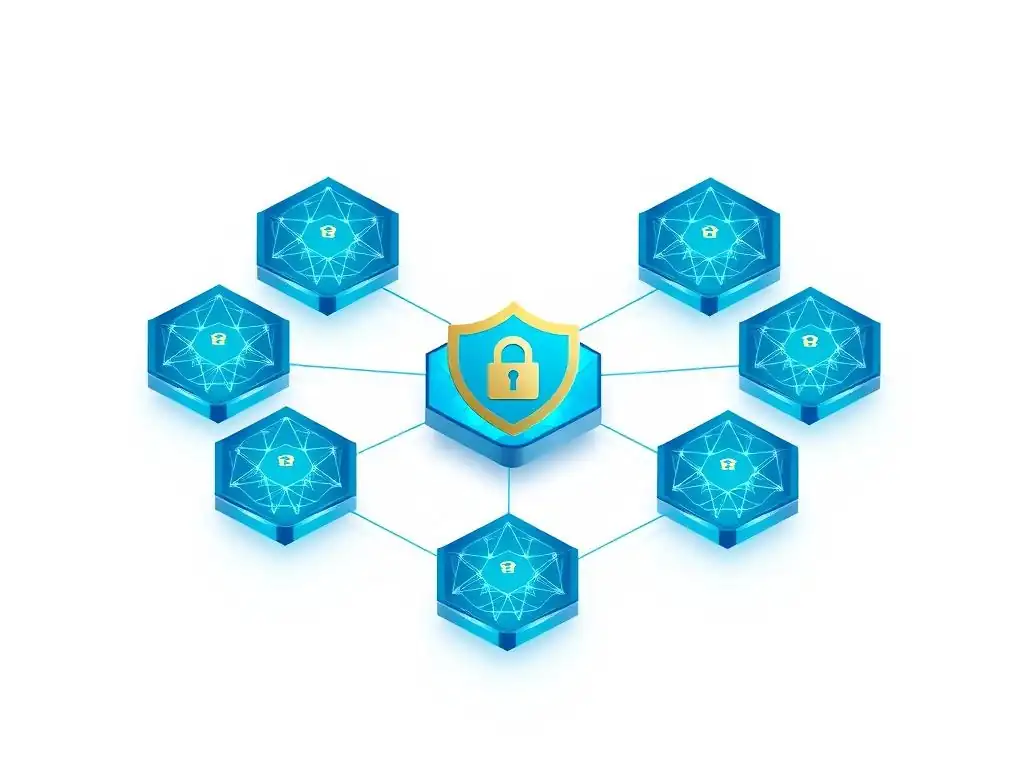
Data security and encryption are paramount for protecting sensitive data within Hyperledger networks and ensuring compliance with data privacy regulations. A comprehensive data security strategy should encompass multiple layers of protection, including network security, endpoint security, and data encryption both in transit and at rest. Network security measures, such as firewalls and intrusion detection systems, are essential to protect the Hyperledger network infrastructure from unauthorized access and cyber threats. Endpoint security measures, including secure node configurations and access controls, safeguard individual nodes participating in the network.
Data encryption is a critical component of data security, protecting data confidentiality even if unauthorized access occurs. Hyperledger platforms support various encryption techniques. Data-in-transit encryption, typically using TLS/SSL protocols, secures data during network communication between nodes and clients.
Data-at-rest encryption, encrypting data stored on disk, protects data confidentiality when nodes are compromised or storage media is lost. Furthermore, for highly sensitive data, organizations may consider using homomorphic encryption or secure multi-party computation techniques to enable computation on encrypted data without decryption. Regularly assessing and updating data security measures and encryption protocols is crucial to mitigate evolving security threats and maintain data protection within the Hyperledger ecosystem.
Step 5: Monitoring and Auditing Data Governance Compliance in Hyperledger
The final step in implementing a robust data governance framework is establishing continuous monitoring and auditing mechanisms to ensure ongoing compliance with data governance policies and procedures. Data governance is not a one-time implementation but an ongoing process that requires regular monitoring, evaluation, and improvement. Monitoring data governance compliance involves tracking key metrics and indicators related to data quality, data security, data access, and audit trail integrity. This can be achieved through automated monitoring tools that collect data from Hyperledger network nodes, chaincode logs, and external audit systems.
Regular audits of data governance practices are also essential to identify any gaps or weaknesses in the framework and ensure its effectiveness. Data governance audits should assess the implementation and enforcement of data policies, access control mechanisms, data security measures, and audit trail integrity. Audits can be conducted internally by a dedicated data governance team or externally by independent auditors.
The findings of monitoring and audits should be used to continuously improve data governance policies, procedures, and technologies within the Hyperledger environment. Regular training and awareness programs for network participants are also crucial to promote a data governance-conscious culture and ensure ongoing compliance across the Hyperledger ecosystem.
Compliance and Regulatory Considerations for Hyperledger Data
The General Data Protection Regulation (GDPR) is a landmark data privacy regulation in the European Union (EU) that imposes stringent requirements on the processing of personal data of EU residents. Enterprises deploying Hyperledger solutions that handle personal data of EU citizens must ensure GDPR compliance. Key GDPR principles relevant to Hyperledger include lawful basis for processing, data minimization, purpose limitation, data accuracy, storage limitation, integrity and confidentiality, and accountability. Hyperledger's permissioned nature and data privacy features can aid in GDPR compliance, but careful design and implementation are crucial.
To navigate GDPR compliance with Hyperledger, organizations should implement data minimization techniques, such as using private data collections in Hyperledger Fabric to store personal data off-chain and only share necessary data on the ledger. Purpose limitation can be enforced by clearly defining the purpose of data processing within smart contracts and access control policies. Data accuracy can be ensured through data validation mechanisms and data quality checks within the Hyperledger network.
Data subjects' rights under GDPR, such as the right to access, rectify, erase, and restrict processing of their personal data, need to be addressed within the Hyperledger application design. This may involve implementing mechanisms for data retrieval, modification, and deletion, while maintaining the immutability of the blockchain ledger for auditability purposes. Data protection impact assessments (DPIAs) should be conducted for Hyperledger projects involving personal data to identify and mitigate privacy risks and ensure GDPR compliance.
Addressing CCPA Requirements with Hyperledger's Data Privacy Features
The California Consumer Privacy Act (CCPA) is a comprehensive data privacy law in California, USA, granting California residents significant rights over their personal information. Similar to GDPR, CCPA imposes requirements on businesses that collect personal information of California residents, including the rights to know, access, delete, and opt-out of the sale of their personal information. Enterprises using Hyperledger solutions and handling personal data of California residents must address CCPA requirements. Hyperledger's data privacy features can be leveraged to facilitate CCPA compliance.
To address CCPA requirements with Hyperledger, organizations should implement mechanisms to provide consumers with the right to know what personal information is collected, the sources of collection, and the purposes of use. Hyperledger's audit trails and data provenance features can assist in providing transparency about data handling practices. The right to access can be addressed by enabling data retrieval mechanisms for consumers to access their personal information stored within the Hyperledger network or related systems.
The right to delete, often referred to as the "right to be forgotten," poses a challenge in blockchain environments due to data immutability. However, techniques like pseudonymization, anonymization, and data minimization can be employed to mitigate the impact of data retention on CCPA compliance.
The right to opt-out of sale requires careful consideration of data sharing practices within the Hyperledger network and ensuring that data sharing does not constitute a "sale" under CCPA definition. Implementing robust data governance policies and privacy-enhancing technologies within Hyperledger are crucial for achieving CCPA compliance.
Meeting Industry-Specific Data Governance Regulations (e.g., HIPAA, Financial Regulations)
Beyond general data privacy regulations like GDPR and CCPA, many industries are subject to specific data governance and compliance regulations. In healthcare, HIPAA (Health Insurance Portability and Accountability Act) in the USA mandates strict rules for protecting patient health information (PHI). In finance, regulations like PCI DSS (Payment Card Industry Data Security Standard) and various financial industry regulations impose requirements for data security, privacy, and auditability. Enterprises deploying Hyperledger solutions in these regulated industries must ensure compliance with these industry-specific regulations.
For HIPAA compliance in healthcare Hyperledger applications, organizations must implement robust access controls, data encryption, and audit trails to protect PHI. Hyperledger Fabric's private data collections and channel data policies can be used to isolate and secure PHI. Compliance with PCI DSS in financial applications requires implementing strong security measures for handling payment card data, including encryption, access control, and regular security assessments. Financial regulations often mandate specific data retention policies and audit trail requirements.
Hyperledger's immutable ledger and audit logging capabilities can aid in meeting these requirements. Organizations operating in regulated industries should conduct thorough compliance assessments and engage with legal and compliance experts to ensure that their Hyperledger implementations meet all applicable industry-specific data governance regulations. Adopting a "privacy-by-design" approach and integrating compliance considerations throughout the Hyperledger application development lifecycle is crucial for navigating these complex regulatory landscapes.
Best Practices for Hyperledger Data Governance Implementation
Defining Clear Data Governance Policies and Procedures
Establishing clear and comprehensive data governance policies and procedures is the cornerstone of effective Hyperledger data governance implementation. Data governance policies should articulate the principles, rules, and guidelines for managing data within the Hyperledger network. These policies should cover data ownership, data quality, data security, data privacy, data access control, data retention, and compliance requirements.
Data governance procedures should provide step-by-step instructions and workflows for implementing and enforcing these policies in day-to-day operations. Clear policies and procedures provide a framework for consistent data management practices across the Hyperledger network and ensure that all participants are aligned on data governance standards.
Developing data governance policies and procedures should be a collaborative effort involving all relevant stakeholders in the Hyperledger ecosystem. A data governance committee, comprising representatives from participating organizations, should be established to define, review, and update these documents. Policies and procedures should be documented clearly and communicated effectively to all network participants.
Regular training and awareness programs should be conducted to ensure that all users understand their roles and responsibilities in data governance. Data governance policies and procedures should be living documents, regularly reviewed and updated to adapt to evolving business needs, regulatory changes, and technological advancements within the Hyperledger environment.
Utilizing Data Encryption and Anonymization Techniques
Data encryption and anonymization techniques are essential best practices for enhancing data privacy and security within Hyperledger networks. Data encryption, as discussed earlier, protects data confidentiality by rendering it unreadable to unauthorized parties. Implementing end-to-end encryption, covering data in transit, at rest, and even in use where possible, minimizes the risk of data breaches and unauthorized access. Organizations should choose strong encryption algorithms and employ robust key management practices to ensure the effectiveness of encryption measures.
Data anonymization techniques, such as pseudonymization, data masking, and generalization, can further enhance data privacy by removing or obscuring personally identifiable information (PII) from datasets. Anonymization allows organizations to utilize data for analysis and research purposes without compromising individual privacy. In Hyperledger environments, anonymization can be applied to data before it is committed to the shared ledger or when sharing data with external parties.
Choosing appropriate anonymization techniques and ensuring that anonymized data is truly de-identified are crucial for maintaining data privacy and compliance. Combining data encryption and anonymization techniques provides a multi-layered approach to data protection, mitigating privacy risks and fostering trust in Hyperledger-based solutions.
Implementing Role-Based Access Control (RBAC) for Data Security
Role-Based Access Control (RBAC) is a widely recognized best practice for managing data access permissions and enhancing data security in Hyperledger environments. RBAC simplifies access management by assigning users to roles based on their job functions and granting permissions to roles rather than individual users. This approach reduces administrative overhead, improves security consistency, and facilitates compliance with data access control policies. Implementing RBAC in Hyperledger involves defining clear roles within the network, such as administrator, operator, user, and auditor, and assigning specific permissions to each role based on the principle of least privilege.
Hyperledger Fabric and Besu offer built-in mechanisms for implementing RBAC. In Fabric, access control lists (ACLs) and policy-based access control can be used to define role-based permissions at the channel, chaincode, and data level. In Besu, account permissioning and smart contract-based access control can be leveraged to implement RBAC.
Organizations should carefully design their RBAC model to align with their data governance policies and business requirements. Regularly reviewing and updating user roles and permissions is essential to adapt to changes in organizational structure and job responsibilities. Enforcing RBAC consistently across the Hyperledger network ensures that data access is controlled and authorized, minimizing the risk of unauthorized data breaches and internal threats.
Regularly Auditing and Reviewing Data Governance Practices
Regular auditing and reviewing of data governance practices are essential for ensuring the ongoing effectiveness and compliance of Hyperledger data governance frameworks. Data governance is not a static implementation but a dynamic process that requires continuous monitoring, evaluation, and improvement. Regular audits should assess the implementation and enforcement of data governance policies, procedures, and controls across the Hyperledger network. Audits should cover data quality, data security, data privacy, access control, audit trail integrity, and compliance with regulatory requirements. Audit findings should be documented, and corrective actions should be taken to address any identified gaps or weaknesses.
Data governance reviews should be conducted periodically to evaluate the overall effectiveness of the data governance framework and identify areas for improvement. Reviews should involve key stakeholders from different participating organizations and consider feedback from users and auditors. Data governance policies and procedures should be reviewed and updated regularly to adapt to evolving business needs, regulatory changes, and technological advancements.
Regular training and awareness programs for network participants should be conducted to reinforce data governance principles and best practices. By establishing a cycle of regular auditing and review, organizations can ensure that their Hyperledger data governance framework remains robust, effective, and compliant over time, fostering trust and enabling sustainable blockchain adoption.
The Future of Data Governance in Hyperledger and Enterprise Blockchain
Emerging Trends in Blockchain Data Governance
The field of blockchain data governance is rapidly evolving, driven by technological advancements, regulatory pressures, and growing enterprise adoption. Emerging trends are shaping the future of data governance in Hyperledger and enterprise blockchain. One key trend is the increasing focus on privacy-enhancing technologies (PETs). Techniques like zero-knowledge proofs, secure multi-party computation, and homomorphic encryption are gaining traction to enable confidential transactions and data sharing within blockchain networks while preserving data privacy. These PETs offer potential solutions for addressing data privacy regulations like GDPR and CCPA in blockchain environments.
Another emerging trend is the development of decentralized data governance frameworks. Traditional data governance models are often centralized, with a single authority controlling data policies and procedures. Decentralized data governance models aim to distribute data governance responsibilities across network participants, leveraging blockchain's decentralized nature.
This can involve using smart contracts to encode data governance policies and automate enforcement, as well as employing decentralized identity solutions to manage data access and permissions. Furthermore, the integration of AI and machine learning into data governance tools is emerging to automate data quality monitoring, anomaly detection, and compliance reporting within blockchain networks. These trends indicate a future where blockchain data governance becomes more privacy-preserving, decentralized, and automated, enhancing trust and enabling broader enterprise adoption.
The Role of AI and Automation in Enhancing Hyperledger Data Governance
Artificial intelligence (AI) and automation are poised to play a transformative role in enhancing Hyperledger data governance. AI-powered tools can automate many manual and time-consuming data governance tasks, improving efficiency, accuracy, and scalability. For example, AI can be used for automated data quality monitoring, analyzing data within Hyperledger networks to detect anomalies, inconsistencies, and data quality issues in real-time. AI algorithms can also automate data classification and tagging, categorizing data based on sensitivity and compliance requirements, facilitating data access control and policy enforcement.
Automation can streamline data governance workflows, such as data access request approvals, data breach incident response, and compliance reporting. Smart contracts can be used to automate the enforcement of data governance policies, triggering alerts and actions when policy violations are detected. AI-powered audit logging and analytics can enhance audit trail analysis, identifying suspicious activities and potential security breaches more effectively.
Furthermore, AI can assist in data privacy compliance by automating data anonymization and pseudonymization processes, ensuring adherence to regulations like GDPR and CCPA. By leveraging AI and automation, organizations can significantly enhance the efficiency, effectiveness, and scalability of their Hyperledger data governance frameworks, reducing manual effort and improving overall data control and compliance.
Hyperledger's Ongoing Development in Data Privacy and Security
Hyperledger is continuously evolving to enhance data privacy and security capabilities within its frameworks and tools. The Hyperledger community is actively working on incorporating new privacy-enhancing technologies and security features to address the growing demands for data protection in enterprise blockchain deployments. Ongoing development efforts include enhancing support for zero-knowledge proofs, secure multi-party computation, and homomorphic encryption within Hyperledger platforms. These advancements aim to enable confidential transactions and data sharing while preserving data privacy and security.
Hyperledger is also focusing on improving identity management and access control mechanisms, enhancing granular control over data access and permissions within blockchain networks. Efforts are underway to simplify the implementation of role-based access control (RBAC) and attribute-based access control (ABAC) within Hyperledger frameworks. Furthermore, the community is actively working on strengthening data encryption capabilities, including end-to-end encryption and secure key management solutions.
These ongoing developments demonstrate Hyperledger's commitment to providing robust data privacy and security features, making it a leading platform for building data governance-centric enterprise blockchain solutions. As Hyperledger continues to evolve, data governance will remain a central focus, driving innovation and ensuring that the platform meets the stringent data protection requirements of enterprises worldwide.
Conclusion: Achieving Data Control and Compliance with Hyperledger
Effective data governance is not merely an ancillary consideration but a fundamental pillar for successful Hyperledger adoption in the enterprise. By implementing robust data governance frameworks, organizations can unlock the transformative potential of Hyperledger blockchain while ensuring data control, regulatory compliance, and fostering trust within their network ecosystems. From defining clear data ownership and access control policies to leveraging Hyperledger's inherent data privacy features and embracing best practices like data encryption and regular audits, a comprehensive approach to data governance is paramount.
As the landscape of blockchain technology and data privacy regulations continues to evolve, staying abreast of emerging trends and continuously refining data governance practices will be essential for organizations utilizing Hyperledger. The ongoing development within the Hyperledger community, particularly in areas of privacy-enhancing technologies and AI-driven data governance tools, promises a future where data control and compliance are seamlessly integrated into enterprise blockchain solutions.
Ultimately, achieving robust Hyperledger data governance is not just about mitigating risks; it is about building a foundation of trust and transparency that empowers organizations to confidently embrace blockchain and realize its full potential for innovation and efficiency in the data-driven economy.
Frequently Asked Questions
How does Hyperledger facilitate data governance in enterprise blockchain solutions?
Hyperledger provides frameworks and tools that allow organizations to define and enforce data governance policies on their blockchain networks. This includes features for access control and data provenance.
What are the key benefits of using Hyperledger for data governance compliance?
Using Hyperledger enables organizations to maintain data integrity, comply with regulatory requirements, and improve transparency in their blockchain operations. It also fosters greater trust among participants.
What are some common challenges in achieving Hyperledger data governance compliance?
Challenges include complexity of implementation, the need for strong data governance policies, and ensuring interoperability with existing systems. Careful planning is crucial.
How can organizations ensure data privacy within a Hyperledger-based blockchain network?
Organizations can implement privacy-enhancing technologies like zero-knowledge proofs and channel segregation within Hyperledger. These techniques protect sensitive data from unauthorized access.
What role does regulation play in shaping Hyperledger data governance compliance?
Regulations such as GDPR and CCPA directly influence how Hyperledger networks handle data privacy and security. Organizations must adapt their data governance strategies to align with these laws.
The exploration of Hyperledger and data governance highlights a critical intersection in today's digital landscape. The ability to ensure control and compliance within enterprise blockchains is no longer a theoretical concern, but a fundamental requirement for widespread adoption and sustained trust. Without robust data governance frameworks, the promise of decentralized, secure, and transparent systems risks being undermined by regulatory scrutiny and operational inefficiencies.
This topic has profoundly influenced how we perceive the potential of blockchain technology, shifting the focus from mere technological innovation to responsible implementation. The ongoing need for adaptable data governance strategies underscores the importance of proactive engagement and continuous learning in this rapidly evolving field. Data is the new oil, but without proper governance, it's just a spill waiting to happen.
This quote encapsulates the critical need for responsible data management in the age of blockchain, emphasizing that the value of data is contingent upon its ethical and compliant handling.
As we look to the future, let us not only embrace the transformative power of Hyperledger but also commit to building robust data governance frameworks that prioritize control, compliance, and ethical considerations. Consider how you can contribute to shaping a future where blockchain technology empowers organizations to operate with greater transparency and accountability. The responsibility to build a trustworthy digital future rests on our collective shoulders.
Empower Your Enterprise Blockchain Journey
Thank you for exploring the world of Hyperledger and data governance. We hope you've gained valuable insights into maintaining control and ensuring compliance within your enterprise blockchain initiatives. Now, it's time to take action.
Here are some steps to continue advancing your efforts:
- Start a pilot project: Launch small-scale experiments within a limited Hyperledger Fabric network to test your data governance strategies in real-world conditions. This will help you identify effective practices and make necessary adjustments quickly.
- Dive into resources provided by the Hyperledger Foundation. Go beyond basic documentation by exploring community forums and webinars to deepen your understanding and connect with other experts.
- Share this article with your team! Encourage discussions around data governance and blockchain security. Use the social sharing buttons below to spread the message.
What data governance challenge are you most eager to address in your Hyperledger implementation? Share your thoughts in the comments below!
Leave a Reply