
Interoperability and Hyperledger: Connecting Enterprise Blockchains for Seamless Data Flow


Welcome to Blockchain Trends, your compass in the rapidly evolving world of distributed ledger technology!
Ever wondered how to unlock the full potential of blockchain beyond the hype? We delve into the transformative applications shaping industries worldwide. Our latest article explores the benefits of enterprise blockchain interoperability solutions, a crucial piece of the puzzle for seamless data flow across disparate systems. Discover how connecting Hyperledger and other enterprise blockchain platforms can revolutionize your business processes and pave the way for a truly decentralized future. Intrigued? Read on to uncover the secrets of interoperability!
- Understanding Enterprise Blockchain Interoperability
- Hyperledger's Role in Enabling Interoperability
- Enterprise Blockchain Interoperability Solutions: A Deep Dive
- Use Cases: Hyperledger Interoperability in Action
- Implementing Interoperability Solutions with Hyperledger: Key Considerations
- The Future of Enterprise Blockchain Interoperability
- Conclusion: Maximizing Enterprise Blockchain Value Through Interoperability
-
Frequently Asked Questions
- What are the main benefits of Enterprise Blockchain Interoperability solutions?
- How does Hyperledger contribute to Enterprise Blockchain Interoperability?
- Why is interoperability important for the future of decentralized systems in enterprise environments?
- What challenges exist in implementing Enterprise Blockchain Interoperability solutions?
- Beyond data flow, what other benefits can Enterprise Blockchain Interoperability solutions benefits offer?
- Final Reflection: Embracing the Interconnected Future of Enterprise Blockchains
- Unlock the Power of Connected Blockchains!
Understanding Enterprise Blockchain Interoperability
What is Blockchain Interoperability and Why is it Crucial?
Blockchain interoperability, in essence, refers to the ability of different blockchains to communicate, share data, and transact with each other seamlessly and securely. Imagine different departments within a large corporation each using their own isolated software systems; efficiency plummets due to data silos and duplicated efforts. Similarly, in the blockchain world, without interoperability, enterprise blockchains function as islands, limiting their potential and hindering widespread adoption.
This isolation prevents the true potential of distributed ledger technology from being realized across diverse business ecosystems. For example, a supply chain blockchain used by a manufacturer may need to interact with a financial blockchain used by their bank to automate payments upon delivery confirmation. Without interoperability, this would require complex and often manual processes, negating many of the efficiency gains promised by blockchain.
The crucial nature of blockchain interoperability stems from the inherent need for collaboration and data exchange in modern business environments. Enterprises rarely operate in isolation; they are part of complex networks involving suppliers, distributors, customers, and various other stakeholders. If each entity utilizes a separate blockchain for their specific needs, the inability to connect these blockchains creates friction and inefficiencies.
Interoperability acts as the bridge, enabling a smooth flow of information and value across these disparate systems. This capability is not merely a technical nicety; it is a fundamental requirement for realizing the full transformative power of blockchain technology in enterprise settings. It allows for the creation of interconnected ecosystems where data can be shared securely and efficiently, fostering greater transparency, efficiency, and innovation across industries.
The Challenges of Isolated Enterprise Blockchains
Isolated enterprise blockchains, while offering benefits within their specific domains, present significant challenges that hinder broader adoption and value creation. One primary challenge is data fragmentation. When different departments or organizations deploy separate, non-interoperable blockchains, valuable data becomes siloed. This fragmentation makes it difficult to gain a holistic view of operations, hindering data-driven decision-making and limiting the potential for cross-functional process optimization. For instance, if a retailer uses one blockchain for inventory management and another for customer loyalty programs, gaining a unified perspective on customer purchasing behavior across inventory levels becomes cumbersome without interoperability.
Another significant hurdle is inefficiency and duplicated effort. Without interoperability, processes that span multiple blockchains become complex and require manual intervention or the development of bespoke point-to-point integrations. This leads to duplicated effort in data entry, reconciliation, and process management, negating some of the efficiency gains that blockchain technology aims to deliver. Consider a scenario where a logistics company uses blockchain for tracking shipments and a customs agency uses a separate blockchain for customs clearance.
Without interoperability, sharing shipment information and obtaining customs approvals requires manual data transfer and verification, slowing down the entire process and increasing costs. Furthermore, the lack of interoperability can stifle innovation and limit scalability. Isolated blockchains restrict the potential for creating new applications and services that require data or functionality from multiple blockchain networks. This limits the overall network effect and hinders the development of truly interconnected and collaborative business ecosystems.
Benefits of Enterprise Blockchain Interoperability Solutions
Enterprise blockchain interoperability solutions benefits are multifaceted and contribute significantly to unlocking the true potential of distributed ledger technology for businesses. One of the most prominent advantages is enhanced efficiency and reduced operational costs.
By enabling seamless data flow and process automation across different blockchain networks, interoperability eliminates redundant manual tasks, streamlines workflows, and minimizes errors. For example, in international trade, interoperable blockchain solutions can automate the exchange of trade finance documents between banks, customs authorities, and shipping companies, significantly reducing processing times and associated costs, which are estimated to be around $1.8 trillion globally according to the World Economic Forum.
Furthermore, interoperability fosters greater innovation and the creation of new business models. By breaking down data silos and enabling the combination of functionalities from different blockchains, businesses can develop novel applications and services that were previously impossible. Imagine a platform that combines a supply chain blockchain with a payment blockchain and an IoT blockchain to create a fully automated and transparent ecosystem for product provenance and delivery.
This level of innovation is unlocked by the ability of blockchains to interact with each other. Another key benefit is increased scalability and network effects. Interoperability allows enterprises to connect their existing blockchain networks, expanding their reach and creating larger, more robust ecosystems.
This interconnectedness enhances the overall value proposition of blockchain technology, as businesses can participate in broader networks and benefit from increased data sharing and collaboration. Ultimately, enterprise blockchain interoperability solutions benefits translate to a more agile, efficient, and innovative business environment, driving greater adoption and realizing the transformative potential of blockchain technology.
Hyperledger's Role in Enabling Interoperability
Hyperledger Projects Focused on Interoperability
Hyperledger, recognizing the critical importance of interoperability for enterprise blockchain adoption, has actively fostered projects and initiatives aimed at addressing this challenge. Hyperledger Cactus stands out as a key project specifically designed to enable secure and reliable interoperability between different blockchain platforms. Cactus aims to simplify the integration of diverse DLTs by providing a standardized interface and protocol for cross-chain communication.
It focuses on pluggability, allowing developers to easily integrate different blockchains and interoperability protocols. Cactus is designed to support a wide range of blockchains, including Hyperledger Fabric, Hyperledger Besu, and potentially even public blockchains like Ethereum and Corda. This project directly tackles the fragmentation issue by providing tools and frameworks for building interoperable blockchain solutions.
Beyond Cactus, other Hyperledger projects contribute indirectly or are evolving to incorporate interoperability aspects. For example, projects focusing on data privacy and secure multi-party computation, such as Hyperledger Avalon, contribute to creating a more secure and trustworthy environment for cross-chain data sharing. While Avalon's primary focus is on off-chain computation, its principles of secure data handling are crucial for building interoperable systems where data privacy is paramount.
Furthermore, the ongoing development and evolution of core Hyperledger platforms like Fabric and Besu are increasingly incorporating features and functionalities that facilitate interoperability, reflecting the growing recognition of its importance within the Hyperledger community. The continuous development and community focus within Hyperledger clearly indicate its commitment to providing robust and practical interoperability solutions for enterprise blockchain deployments.
Hyperledger Fabric and Interoperability Capabilities
Hyperledger Fabric, a permissioned blockchain platform designed for enterprise use, offers several features and architectural elements that contribute to interoperability, although it may not be interoperable 'out-of-the-box' with all blockchain platforms. Fabric's modular architecture is a key enabler for interoperability. Its design allows for the integration of different consensus mechanisms, membership services, and data storage options, making it adaptable to various interoperability solutions.
This modularity allows developers to potentially build or integrate interoperability bridges or adapters into Fabric networks. Furthermore, Fabric's channels provide a mechanism for creating private and isolated sub-networks within a larger Fabric network. While channels themselves are not directly for cross-chain communication, they demonstrate Fabric's capability to manage and isolate data and transactions, which is a fundamental requirement for building secure interoperable systems.
While Fabric may not inherently possess direct cross-chain communication protocols, its architecture allows for the implementation of such protocols. Organizations can leverage Fabric's chaincode (smart contracts) to develop logic for interacting with external systems or other blockchains through interoperability bridges or oracles. These custom chaincodes can be designed to facilitate data exchange or asset transfer with other networks, effectively extending Fabric's reach beyond its own ecosystem.
The Hyperledger community is also actively exploring and developing interoperability solutions specifically tailored for Fabric, often leveraging projects like Hyperledger Cactus to provide standardized and robust cross-chain communication capabilities. Therefore, while Fabric itself is not inherently interoperable with all blockchains without additional development, its architecture and the ongoing efforts within the Hyperledger ecosystem make it a strong foundation for building interoperable enterprise blockchain solutions.
Hyperledger Besu: Interoperability in the Ethereum Ecosystem
Hyperledger Besu, an enterprise-grade Ethereum client within the Hyperledger family, offers a unique advantage in terms of interoperability, particularly within the broader Ethereum ecosystem and with public Ethereum networks. Being EVM-compatible, Besu inherently possesses a degree of interoperability with any blockchain that also adheres to the Ethereum Virtual Machine standard. This compatibility allows for relatively easier integration and communication with other Ethereum-based private, consortium, or public blockchains. Smart contracts written for Ethereum can be readily deployed and executed on Besu, simplifying the development of applications that need to span across different Ethereum environments.
Besu's design and development within the Hyperledger umbrella further enhance its interoperability potential. As a Hyperledger project, Besu benefits from the community's focus on enterprise-grade features and interoperability solutions.
It can be readily integrated with other Hyperledger projects like Cactus, allowing for communication and data exchange with non-Ethereum blockchains as well. Furthermore, Besu's compatibility with public Ethereum networks opens up opportunities for hybrid blockchain architectures where enterprises can leverage the security and decentralization of public Ethereum while maintaining private, permissioned Besu networks for sensitive data and operations.
This bridge to the public Ethereum ecosystem provides a significant pathway for enterprises to participate in larger, more diverse blockchain networks and access the vast ecosystem of tools and applications built on Ethereum. Besu's position within both the Hyperledger and Ethereum communities makes it a crucial component for building interoperable enterprise blockchain solutions that can seamlessly connect with both permissioned and public blockchain environments.
Enterprise Blockchain Interoperability Solutions: A Deep Dive
Cross-Chain Communication Protocols for Hyperledger
Enabling cross-chain communication for Hyperledger platforms requires the implementation of specific protocols and mechanisms that facilitate secure and reliable data and value transfer between different blockchain networks. One prominent approach involves the use of interoperability bridges. These bridges act as intermediaries, establishing a communication channel between two or more blockchains.
They typically involve smart contracts or dedicated nodes on each network that monitor events and relay transactions or data across the bridge. For instance, a bridge between Hyperledger Fabric and Hyperledger Besu might involve smart contracts on both platforms that can verify and execute transactions initiated on the other network. The security and reliability of these bridges are paramount, requiring robust cryptographic mechanisms and consensus protocols to ensure trust and prevent malicious activities.
Another category of cross-chain communication protocols involves atomic swaps. Atomic swaps enable the direct exchange of assets between different blockchains without the need for a trusted intermediary. They rely on cryptographic techniques like Hash Time-Locked Contracts (HTLCs) to ensure that either both parties receive their respective assets, or neither does, eliminating the risk of one party defaulting after receiving their part of the exchange.
While atomic swaps are primarily focused on asset exchange, they represent a powerful mechanism for secure and trustless cross-chain interactions. Furthermore, relayer networks are emerging as a scalable solution for cross-chain communication. Relayers are off-chain entities that monitor multiple blockchains and relay messages or transactions between them.
They often utilize economic incentives to ensure reliable operation and can facilitate more complex cross-chain interactions beyond simple asset swaps. Choosing the appropriate cross-chain communication protocol depends on the specific interoperability requirements, the types of blockchains involved, and the desired level of security and performance.
Tokenization and Asset Transfer Between Hyperledger Networks
Tokenization plays a crucial role in facilitating asset transfer between Hyperledger networks and enabling interoperability for value exchange. By representing real-world assets or digital rights as tokens on a blockchain, interoperability solutions can leverage these tokens to facilitate seamless and secure transfer of value across different Hyperledger deployments. For example, a company might tokenize invoices on a Hyperledger Fabric network.
Through interoperability mechanisms, these invoice tokens can be transferred to a Hyperledger Besu network used by a financing institution, enabling automated invoice discounting or financing processes. This tokenization approach allows for the representation of diverse assets, including financial instruments, supply chain documents, or intellectual property rights, as transferable digital units.
The process of asset transfer between Hyperledger networks often involves locking and minting mechanisms. When an asset is to be transferred from Network A to Network B, the corresponding tokens on Network A are "locked" or frozen, and an equivalent number of tokens are "minted" or created on Network B, representing the asset on the destination network. This ensures that the total supply of tokens representing the asset remains consistent across the interoperable system.
Upon completion of the intended use case on Network B, the tokens can be "burned" or destroyed on Network B, and the original tokens on Network A can be "unlocked" or released. This lock-and-mint mechanism ensures secure and verifiable asset transfer without double-spending or asset duplication.
Furthermore, standards for token representation and metadata are crucial for ensuring interoperability. Adopting common token standards across different Hyperledger networks allows for easier recognition and exchange of tokens, simplifying the development of interoperable applications and services.
Data Sharing and Synchronization Strategies
Effective data sharing and synchronization are essential for achieving meaningful interoperability between Hyperledger networks, particularly when applications require consistent and up-to-date information across different blockchains. One strategy involves selective data sharing, where only specific, agreed-upon data points are shared between networks. This approach is often preferred for privacy and security reasons, limiting the exposure of sensitive information.
For instance, in a supply chain scenario, only shipment status updates and key milestones might be shared between a manufacturer's blockchain and a logistics provider's blockchain, while more detailed internal data remains private within each network. Selective data sharing can be implemented through interoperability bridges that filter and relay only the necessary data points.
Another approach is data synchronization through oracles or trusted intermediaries. Oracles act as trusted data feeds, providing external data to blockchain networks. In an interoperable context, oracles can be used to synchronize data between different blockchains by fetching data from one network and providing it as input to another.
Similarly, trusted intermediaries, such as notaries or data aggregators, can be used to verify and relay data between networks, ensuring data consistency and integrity. Furthermore, state channels can facilitate near real-time data synchronization for specific applications. State channels are off-chain communication channels established between participants of different blockchains.
They allow for frequent data updates and transactions to occur off-chain, with only the final state being recorded on the respective blockchains. This approach can significantly improve the speed and efficiency of data synchronization for use cases requiring rapid data exchange. Choosing the appropriate data sharing and synchronization strategy depends on the specific application requirements, data sensitivity, and performance considerations.
Use Cases: Hyperledger Interoperability in Action
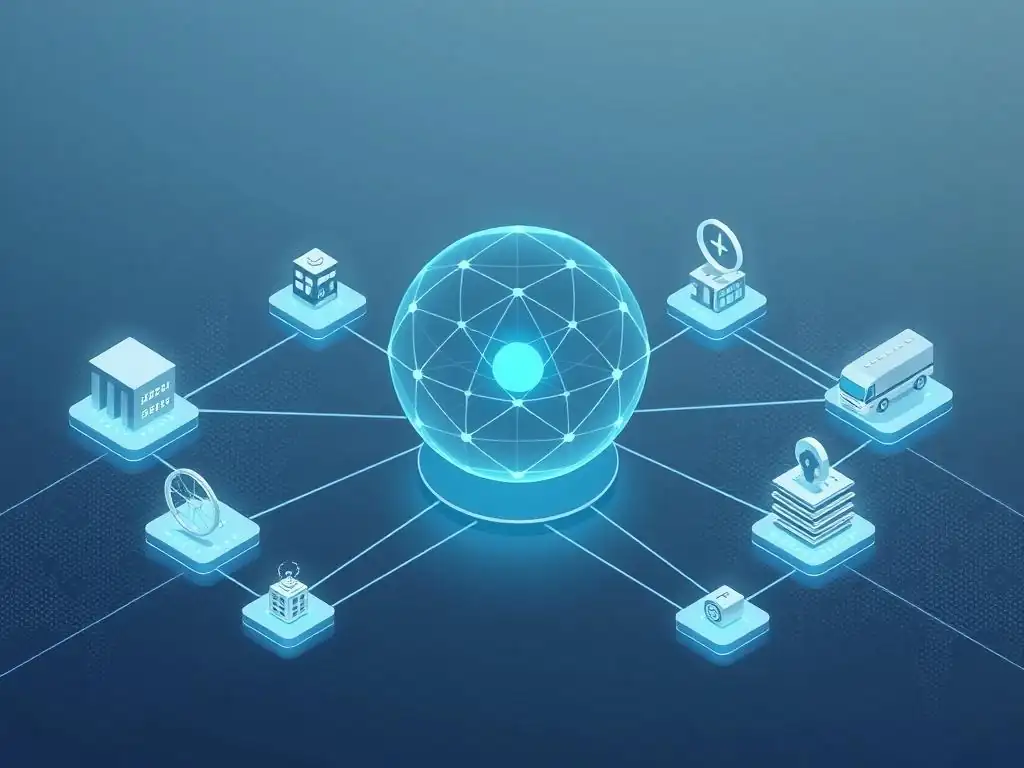
Supply Chain Management: Enhanced Traceability and Transparency
In supply chain management, Hyperledger interoperability can significantly enhance traceability and transparency across complex, multi-tiered networks. Imagine a global food supply chain involving farmers, processors, distributors, retailers, and consumers. Each participant might utilize their own Hyperledger network optimized for their specific operations – farmers using Fabric for farm management, processors using Besu for processing and packaging, and retailers using Iroha for inventory and sales tracking. Interoperability solutions, like Hyperledger Cactus, can connect these disparate networks, creating a unified view of the product journey from farm to consumer.
For example, when a batch of coffee beans is harvested, the farmer records the origin, date, and other relevant details on their Fabric network. This information, through interoperability protocols, is relayed to the processor's Besu network when the beans are received.
The processor then adds data about processing, roasting, and packaging on their network, which is subsequently shared with the distributor's network and finally the retailer's Iroha network when the packaged coffee reaches the store. Consumers, using a mobile app connected to the interoperable system, can scan a QR code on the coffee package to access a complete, verifiable history of the product, including its origin, processing details, certifications, and journey through the supply chain.
This enhanced traceability, enabled by Hyperledger interoperability, builds consumer trust, improves supply chain efficiency, and facilitates faster recall management in case of issues. Real-world examples include initiatives tracking seafood provenance using blockchain, where interoperability is crucial for connecting fishing vessels, processing plants, and retailers across different systems.
Financial Services: Streamlining Cross-Border Payments
Hyperledger interoperability holds immense potential for streamlining cross-border payments in the financial services industry, a sector plagued by inefficiencies, high costs, and slow processing times. Consider a scenario involving cross-border payments between banks in different countries, each operating on their own Hyperledger-based payment networks. Without interoperability, these payments would typically rely on correspondent banking relationships, involving multiple intermediaries and lengthy settlement processes, often taking days and incurring significant fees. Interoperability solutions can directly connect these disparate bank networks, enabling near real-time and cost-effective cross-border payments.
For example, a bank in Europe using Hyperledger Fabric for its internal payments system can directly connect to a bank in Asia using Hyperledger Besu for its payments network through an interoperability bridge. When a customer initiates a payment from Europe to Asia, the transaction can be processed and settled directly between the two banks' blockchain networks, bypassing traditional correspondent banking intermediaries. Tokenization can further enhance this process by representing fiat currencies as stablecoins on the respective Hyperledger networks.
The payment flow would involve transferring stablecoins from the sending bank's network to the receiving bank's network, with near-instantaneous settlement and significantly reduced transaction costs. This application of Hyperledger interoperability directly addresses the inefficiencies of the current cross-border payment infrastructure. Initiatives like the Mojaloop project, focused on financial inclusion, are exploring interoperability to create seamless and affordable payment systems across diverse payment providers and platforms.
Healthcare: Secure and Interoperable Patient Data Management
In healthcare, Hyperledger interoperability can revolutionize patient data management by enabling secure and seamless exchange of medical information between different healthcare providers, hospitals, and specialists, while respecting patient privacy. Imagine a patient seeking treatment from multiple healthcare providers – a primary care physician, a specialist, and a hospital – each using their own Hyperledger-based systems for managing patient records.
Without interoperability, accessing a complete and up-to-date patient medical history across these providers becomes challenging, often relying on manual record transfers and risking data fragmentation and errors. Hyperledger interoperability can create a patient-centric data ecosystem where authorized providers can securely access and share relevant patient information, improving care coordination and patient outcomes.
For example, a hospital using Hyperledger Fabric for its electronic health records (EHR) system can interoperate with a specialist clinic using Hyperledger Besu for their patient management system. When a patient is referred from the hospital to the specialist, relevant portions of the patient's EHR, with patient consent, can be securely shared with the clinic's Besu network through interoperability protocols. This ensures that the specialist has access to the necessary medical history to provide informed care.
Furthermore, patients can have greater control over their data, granting permission to specific providers to access their records and track data access logs, enhancing transparency and trust. This interoperable healthcare data ecosystem, built on Hyperledger, can reduce medical errors, improve diagnostic accuracy, and facilitate more efficient and personalized healthcare delivery. Projects focusing on patient data exchange and interoperability, while still in early stages, highlight the transformative potential of blockchain in healthcare.
Implementing Interoperability Solutions with Hyperledger: Key Considerations
Security Implications of Cross-Chain Communication
Implementing cross-chain communication in Hyperledger environments introduces unique security considerations that must be carefully addressed to maintain the integrity and trustworthiness of the entire interoperable system. One primary concern is the security of interoperability bridges. Bridges often act as central points of communication between blockchains, making them potential targets for attacks.
A compromised bridge could lead to the theft of assets or manipulation of data exchanged between networks. Therefore, robust security measures are crucial for bridge design and implementation, including secure multi-party computation, cryptographic verification of cross-chain transactions, and regular security audits. The complexity of cross-chain protocols themselves can also introduce vulnerabilities if not designed and implemented with rigorous security considerations.
Another key security aspect is managing trust assumptions across different blockchains. Interoperability inherently involves relying on the security and consensus mechanisms of multiple blockchain networks. If one of the interconnected blockchains has weaker security or is compromised, it could potentially impact the security of the entire interoperable system. Therefore, understanding and carefully evaluating the security models of each participating blockchain is essential.
Furthermore, smart contract vulnerabilities in cross-chain communication logic can be exploited by attackers to manipulate cross-chain transactions or gain unauthorized access to assets. Thorough testing, formal verification, and secure coding practices are critical for developing secure smart contracts for interoperability solutions. Finally, key management becomes more complex in interoperable environments, as private keys may need to be managed across multiple blockchain networks. Secure key management practices and potentially multi-signature schemes are necessary to protect cryptographic keys and prevent unauthorized access to cross-chain assets and operations.
Governance and Consensus Mechanisms for Interoperable Networks
Establishing effective governance and consensus mechanisms is crucial for the smooth and trustworthy operation of interoperable Hyperledger networks, particularly when multiple organizations and blockchains are involved. Governance models for interoperable systems need to define rules and procedures for decision-making, dispute resolution, and network upgrades that span across multiple blockchains. This can be more complex than governing a single blockchain network, as it requires agreement and coordination among different stakeholders and potentially different governance structures of the individual blockchains. Developing clear and transparent governance frameworks is essential for building trust and ensuring the long-term sustainability of interoperable networks.
Consensus mechanisms in interoperable environments need to ensure consistency and agreement on cross-chain transactions and data exchanges. When transactions span multiple blockchains with potentially different consensus algorithms, mechanisms are needed to achieve atomic cross-chain transactions and prevent inconsistencies. This might involve using specialized consensus protocols for interoperability bridges or relying on trusted intermediaries to validate cross-chain interactions. Furthermore, identity management and access control are critical for governing interoperable networks.
Mechanisms are needed to manage identities and permissions across different blockchains, ensuring that only authorized participants can access and interact with specific data and functionalities in the interoperable system. Decentralized Identity (DID) solutions can play a significant role in establishing a unified identity layer across interoperable networks, simplifying identity management and access control. Establishing robust governance and consensus mechanisms is fundamental for building scalable, secure, and trustworthy interoperable Hyperledger ecosystems.
Scalability and Performance Optimization
Scalability and performance optimization are key considerations when implementing interoperability solutions with Hyperledger, especially as the number of interconnected blockchains and the volume of cross-chain transactions increase. Cross-chain communication can introduce latency compared to on-chain transactions, as it involves communication and verification steps across multiple networks. Optimizing the performance of interoperability bridges and protocols is crucial to minimize latency and ensure acceptable transaction speeds. Techniques like asynchronous communication, parallel processing, and efficient consensus mechanisms can be employed to improve cross-chain performance.
Furthermore, the scalability of individual Hyperledger networks involved in the interoperable system directly impacts the overall scalability. If one of the interconnected blockchains has limited transaction throughput, it can become a bottleneck for the entire system. Therefore, optimizing the performance and scalability of each participating Hyperledger network is essential.
Data synchronization strategies also impact scalability and performance. Synchronizing large volumes of data across blockchains can be resource-intensive and time-consuming. Choosing efficient data synchronization techniques, such as selective data sharing or state channels, and optimizing data transfer protocols is important for maintaining performance. Furthermore, resource management across interoperable networks needs to be carefully considered.
Cross-chain transactions and data exchanges can consume resources on multiple blockchains. Efficient resource allocation and management mechanisms are necessary to prevent resource contention and ensure smooth operation of the interoperable system. Load balancing and resource monitoring tools can be used to optimize resource utilization and maintain performance under increasing workloads. Addressing scalability and performance challenges proactively is crucial for building interoperable Hyperledger solutions that can handle real-world enterprise demands and scale effectively as the ecosystem grows.
The Future of Enterprise Blockchain Interoperability
Emerging Standards and Protocols
The future of enterprise blockchain interoperability is being actively shaped by the development of emerging standards and protocols aimed at streamlining and standardizing cross-chain communication. Organizations like the InterWork Alliance (IWA) and the Baseline Protocol are working on establishing industry-wide standards for blockchain interoperability, focusing on areas like token definitions, data exchange formats, and cross-chain workflows. These standardization efforts aim to reduce fragmentation and promote greater compatibility between different blockchain platforms, including Hyperledger and others. Adopting common standards will simplify the development of interoperable applications and reduce the complexity and cost of cross-chain integrations.
Furthermore, advancements in cryptographic protocols are driving the development of more secure and efficient interoperability solutions. Research and development in areas like zero-knowledge proofs, secure multi-party computation, and verifiable computing are contributing to the creation of more robust and privacy-preserving cross-chain communication mechanisms. These cryptographic advancements will enhance the security and trustworthiness of interoperable systems, making them more suitable for sensitive enterprise applications.
The evolution of interoperability protocols themselves is also shaping the future landscape. Protocols like Cosmos' Inter-Blockchain Communication (IBC) and Polkadot's parachain model are demonstrating new approaches to achieving scalable and secure cross-chain communication, and these innovations are influencing the development of interoperability solutions within the Hyperledger ecosystem and beyond. The ongoing development and adoption of emerging standards and protocols are crucial for realizing the full potential of enterprise blockchain interoperability.
The Role of Decentralized Identity (DID)
Decentralized Identity (DID) is poised to play a pivotal role in enhancing enterprise blockchain interoperability by providing a unified and portable identity layer across different blockchain networks. In interoperable environments involving multiple organizations and blockchains, managing identities and access control becomes complex. DID offers a solution by enabling individuals and organizations to control their own digital identities, independent of centralized authorities or specific platforms. Using DIDs, a user's identity can be verified and recognized across different Hyperledger networks and potentially even across different blockchain platforms, simplifying identity management and access control in interoperable systems.
For example, a user with a DID could use the same digital identity to access applications and services running on different Hyperledger Fabric, Besu, or Iroha networks, without needing to create separate accounts and credentials for each network. DID can facilitate secure and privacy-preserving data sharing in interoperable environments. Users can selectively grant access to their data stored on different blockchains to authorized parties using their DIDs, maintaining control over their personal information.
Furthermore, DID can enable seamless cross-chain authentication and authorization. When a user interacts with an application spanning multiple blockchains, their DID can be used to authenticate their identity and authorize their actions across all participating networks, simplifying user experience and improving security. The adoption of DID standards and technologies is crucial for building user-centric and privacy-respecting interoperable blockchain ecosystems, and Hyperledger projects are actively exploring and integrating DID solutions to enhance interoperability.
Interoperability and the Convergence of Blockchain and AI
The convergence of blockchain interoperability and Artificial Intelligence (AI) presents exciting possibilities for creating intelligent and interconnected enterprise applications. Interoperability enables AI models to access and analyze data from multiple blockchain networks, providing a richer and more comprehensive dataset for training and inference. This enhanced data access can improve the accuracy and effectiveness of AI algorithms, leading to more intelligent and data-driven decision-making in enterprise settings. For example, in a supply chain scenario, AI models can leverage interoperable blockchain data from different participants to optimize logistics, predict demand, and identify potential disruptions more effectively.
Furthermore, blockchain interoperability can enhance the transparency and auditability of AI systems. AI algorithms can be deployed and executed on blockchain networks, and interoperability can ensure that the data used for training and inference, as well as the AI model's outputs, are securely and verifiably recorded across multiple blockchains. This can improve the trust and accountability of AI systems, particularly in sensitive applications like financial services or healthcare.
Conversely, AI can be used to enhance the efficiency and security of interoperability solutions. AI algorithms can be applied to optimize cross-chain routing, detect anomalies in cross-chain transactions, and improve the security of interoperability bridges and protocols. The synergistic combination of blockchain interoperability and AI has the potential to unlock new levels of intelligence, efficiency, and transparency in enterprise applications, driving innovation and creating new business opportunities across industries.
Conclusion: Maximizing Enterprise Blockchain Value Through Interoperability
Enterprise blockchain interoperability is not merely a technical feature; it is a strategic imperative for maximizing the value and impact of distributed ledger technology in the business world. By breaking down data silos, streamlining data flow, and enabling seamless communication between different blockchain networks, interoperability unlocks a plethora of benefits, ranging from enhanced efficiency and reduced costs to greater innovation and expanded network effects. The benefits of enterprise blockchain interoperability solutions are tangible and directly address the limitations of isolated blockchain deployments.
Hyperledger, with its dedicated projects like Cactus and the evolving capabilities of platforms like Fabric and Besu, is at the forefront of enabling enterprise blockchain interoperability. As emerging standards and protocols mature, and as technologies like Decentralized Identity and AI converge with blockchain, the future of interoperability is bright. For enterprises seeking to leverage the transformative power of blockchain, embracing interoperability is crucial. It is the key to building truly interconnected and collaborative ecosystems that can drive significant business value and unlock the full potential of distributed ledger technology for years to come.
Frequently Asked Questions
What are the main benefits of Enterprise Blockchain Interoperability solutions?
Interoperability solutions enable seamless data sharing between different blockchains, leading to increased efficiency and reduced operational costs within an enterprise ecosystem. This fosters collaboration and innovation.
How does Hyperledger contribute to Enterprise Blockchain Interoperability?
Hyperledger provides a suite of tools and frameworks, such as Hyperledger Fabric and Hyperledger Besu, that are designed with interoperability in mind. These tools facilitate the creation of standardized protocols for blockchain communication.
Why is interoperability important for the future of decentralized systems in enterprise environments?
Interoperability is crucial for unlocking the full potential of blockchain in enterprises. It prevents data silos, allowing for the creation of more robust and scalable decentralized applications that can interact across different platforms.
What challenges exist in implementing Enterprise Blockchain Interoperability solutions?
Key challenges include security concerns, lack of standardized protocols, and the complexity of integrating different blockchain networks. Addressing these requires careful planning and robust implementation strategies.
Beyond data flow, what other benefits can Enterprise Blockchain Interoperability solutions benefits offer?
Beyond data flow, interoperability enables cross-chain smart contract execution, asset transfer across networks, and the creation of more complex and interconnected business processes, further enhancing the value of blockchain technology.
Final Reflection: Embracing the Interconnected Future of Enterprise Blockchains
The exploration of interoperability within enterprise blockchains, as highlighted throughout this article, underscores its critical role in unlocking the full potential of distributed ledger technology. No longer can we afford to view blockchain solutions as isolated silos; the future demands seamless data flow and collaborative ecosystems, driving efficiency and innovation across industries.
The impact of enterprise blockchain interoperability extends far beyond mere technical integration. It's about fostering trust, transparency, and collaboration on a global scale. Witnessing the evolution of these technologies, and the potential they hold for transforming how businesses operate, is truly inspiring. The power of the blockchain is not just in its technology, but in its ability to create new forms of collaboration and trust.
This quote encapsulates the essence of what interoperability aims to achieve: a world where data flows freely and securely, empowering businesses to build stronger, more resilient networks.
As you reflect on the possibilities presented by enterprise blockchain interoperability solutions, consider how you can contribute to this interconnected future. What role can you play in advocating for open standards, promoting collaboration, and building bridges between disparate systems? The journey towards seamless data flow requires vision, dedication, and a willingness to embrace change. Let us all strive to build a future where the benefits of blockchain technology are accessible to all, driving innovation and creating a more connected and equitable world.
Unlock the Power of Connected Blockchains!
Thank you for exploring the world of interoperability and Hyperledger. We hope this article has highlighted the potential for seamless data exchange between enterprise blockchains and inspired you to consider how interconnected systems can transform your organization. Are you ready to take the next step?
Here are some actions you can pursue:
- Experiment with a Hyperledger Fabric network to understand its capabilities for cross-chain transactions. Hands-on experience is the best way to learn!
- Share this article with your colleagues and initiate a discussion about how interoperable blockchain solutions could enhance your organization's data management strategies.
- Contribute to open-source Hyperledger projects, helping to improve interoperability tools and expand their accessibility.
What innovative use case for interoperable Hyperledger networks excites you the most? What challenges do you foresee in implementing such solutions? Share your thoughts in the comments below!
Leave a Reply