
Polkadot Parachain Development: A StepbyStep Guide


Welcome to Blockchain Trends, your hub for unraveling the transformative power of blockchain! Intrigued by the possibilities beyond cryptocurrency? Dive in to discover how this groundbreaking technology is reshaping industries. Today, we're tackling a cutting-edge topic: Polkadot parachain development. Ever wondered how to build your own decentralized application within the Polkadot ecosystem? Our comprehensive Polkadot parachain development tutorial will guide you through the process, step-by-step. Get ready to unlock the future of decentralized systems – let's begin!
- Polkadot Parachain Development Tutorial: A Step-by-Step Guide
-
Step-by-Step Polkadot Parachain Development Process
- Step 1: Defining Your Parachain's Purpose and Functionality
- Step 2: Choosing a Parachain Development Framework
- Step 3: Setting Up Your Parachain Template with Substrate
- Step 4: Implementing Your Parachain's Logic and Runtime
- Step 5: Testing and Debugging Your Parachain
- Step 6: Connecting Your Parachain to the Polkadot Relay Chain
- Step 7: Deploying and Maintaining Your Polkadot Parachain
- Advanced Parachain Development Concepts
- Common Challenges in Polkadot Parachain Development and How to Overcome Them
- The Future of Polkadot Parachain Development and Blockchain Trends
-
Frequently Asked Questions
- What is a Polkadot parachain, and why should I consider developing one?
- What are the key steps involved in Polkadot parachain development?
- What is Substrate, and why is it important for Polkadot parachain development?
- What are the potential benefits of using a Polkadot parachain over building a standalone blockchain?
- What are some of the challenges involved in Polkadot parachain development?
- Final Reflection: Embracing the Decentralized Future
- Unlock Your Polkadot Parachain Potential!
Polkadot Parachain Development Tutorial: A Step-by-Step Guide
Introduction to Polkadot Parachains and Their Significance
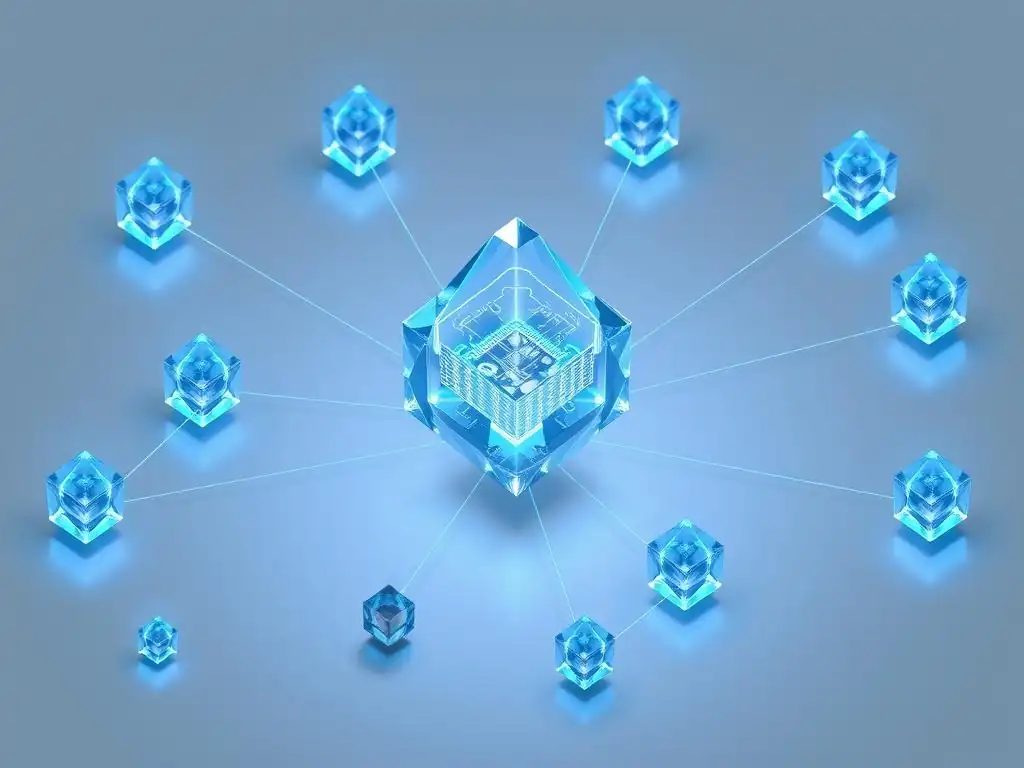
Polkadot is a groundbreaking blockchain platform designed to enable interoperability and scalability through its unique architecture, primarily centered around parachains. Parachains are essentially independent blockchains that run in parallel and are connected to Polkadot's Relay Chain, the central chain that provides security and coordination. This innovative structure allows for a network of specialized blockchains to operate together, each optimized for specific use cases while benefiting from the shared security and interoperability of the Polkadot ecosystem. Understanding parachains is crucial for grasping the full potential of Polkadot and its vision for a decentralized web.
The significance of parachains in the blockchain landscape cannot be overstated. Unlike monolithic blockchains that attempt to handle all types of applications, parachains offer a modular and scalable approach. Each parachain can be tailored to specific needs, whether it's focused on DeFi, supply chain management, identity solutions, or any other application. This specialization leads to increased efficiency and performance compared to general-purpose blockchains.
Moreover, the interoperability facilitated by the Relay Chain allows parachains to communicate and exchange value seamlessly, fostering a vibrant ecosystem of interconnected blockchains. For developers looking to build scalable and specialized blockchain applications, Polkadot parachain development presents a powerful and increasingly relevant pathway. This Polkadot parachain development tutorial aims to guide you through the process.
Understanding the Polkadot Ecosystem for Parachain Development
Before diving into the practical steps of parachain development, it's essential to understand the fundamental components of the Polkadot ecosystem that make parachains possible. At the heart of Polkadot is the Relay Chain, which acts as the central hub providing security, consensus, and interoperability. Validators on the Relay Chain secure the entire network by staking DOT, Polkadot's native token, and participating in the consensus mechanism. Parachains, in turn, lease slots on the Relay Chain to connect and benefit from this shared security.
Parachain development also involves understanding the roles of collators and parachain validators. Collators maintain parachains by gathering parachain transactions and producing state transition proofs for validators on the Relay Chain. They essentially act as block producers for parachains. Parachain validators, selected from the Relay Chain validator set, are responsible for verifying the state transitions submitted by collators, ensuring the security and validity of parachain blocks.
Furthermore, the concept of bridges is crucial for Polkadot's interoperability vision. Bridges enable parachains to connect with external blockchains, such as Ethereum or Bitcoin, extending Polkadot's reach beyond its native ecosystem. Grasping these core components – Relay Chain, parachains, validators, collators, and bridges – provides a solid foundation for embarking on Polkadot parachain development.
Prerequisites for Parachain Development on Polkadot
Embarking on Polkadot parachain development requires a specific set of technical skills and knowledge. A strong foundation in programming is crucial, particularly in Rust, the primary language used for Substrate, the framework upon which Polkadot and its parachains are built. While other languages might be used for specific components, proficiency in Rust is highly recommended for core parachain logic and runtime development. Familiarity with blockchain concepts is also essential, including understanding consensus mechanisms, cryptography, and distributed systems.
Beyond programming and blockchain fundamentals, a good grasp of Substrate is paramount. Substrate is a modular framework that simplifies blockchain development, offering pre-built components and libraries that accelerate the development process. Understanding Substrate's architecture, its pallet system (modules for runtime logic), and its command-line interface is key to efficiently building parachains.
Experience with command-line tools, Git version control, and basic networking concepts will also be beneficial. While prior experience with Polkadot specifically isn't strictly necessary, familiarizing yourself with Polkadot's architecture, its token DOT, and its governance model will provide valuable context and accelerate your learning curve in Polkadot parachain development.
Setting Up Your Development Environment for Polkadot Parachains
Setting up a robust development environment is the first practical step in your Polkadot parachain development tutorial. The primary requirement is installing Rust. Polkadot and Substrate are built using Rust, so having the Rust toolchain installed and configured correctly is fundamental. The recommended way to install Rust is through rustup, the official Rust toolchain installer. You should ensure you have a recent stable version of Rust installed, as Substrate development often relies on the latest features and improvements in the Rust language.
Next, you'll need to install Substrate. Substrate provides a command-line interface (CLI) tool that simplifies project creation, compilation, and interaction with Substrate-based blockchains. Installation instructions for Substrate are readily available on the official Substrate documentation website and typically involve cloning the Substrate repository from GitHub and building the CLI from source using Rust's cargo build system. It's also advisable to install Node.js and npm (Node Package Manager), as these are often used for front-end development and tooling related to Polkadot.js API, a crucial library for interacting with Polkadot and parachains. Having these tools installed and properly configured will provide a solid foundation for your Polkadot parachain development journey.
Essential Tools for Polkadot Parachain Development
Several essential tools streamline the Polkadot parachain development process. The Substrate CLI is arguably the most fundamental. It allows you to create new Substrate projects, compile your runtime, generate keys, interact with local testnets, and perform various other development tasks directly from the command line. Mastering the Substrate CLI is crucial for efficient parachain development.
The Polkadot.js API is another indispensable tool. It's a JavaScript library that provides a comprehensive interface for interacting with Polkadot and Substrate-based chains, including parachains. The Polkadot.js API enables you to build front-end applications, interact with smart contracts (if your parachain supports them), query chain state, and submit transactions. Furthermore, the Polkadot UI (also part of the Polkadot.js project) offers a user-friendly web interface for interacting with Polkadot networks. While primarily designed for Polkadot itself, it can be invaluable for testing and debugging your parachain locally. For debugging and runtime development, Rust's debugging tools, such as gdb or lldb, and logging facilities within Substrate are essential for identifying and resolving issues in your parachain logic. Utilizing these tools effectively will significantly enhance your Polkadot parachain development workflow.
Step-by-Step Polkadot Parachain Development Process
Step 1: Defining Your Parachain's Purpose and Functionality
The initial and most crucial step in Polkadot parachain development is clearly defining your parachain's purpose and intended functionality. Before writing any code, you need to articulate the specific problem your parachain aims to solve and the unique value it will bring to the Polkadot ecosystem. This involves identifying the target users or applications for your parachain and the core functionalities it will offer. A well-defined purpose acts as a guiding principle throughout the development process, ensuring that all subsequent design and implementation decisions align with the overall objective.
Consider real-world examples to illustrate this point. A parachain designed for decentralized finance (DeFi) might focus on providing specialized lending and borrowing protocols, decentralized exchanges, or stablecoin issuance. Another parachain could be built for supply chain management, offering features for tracking goods, verifying provenance, and automating logistics processes. A privacy-focused parachain might implement zero-knowledge proofs or other cryptographic techniques to ensure transactional privacy. Clearly articulating the use case and functionality at this stage sets the stage for effective Polkadot parachain development and helps in making informed decisions about the parachain's architecture and features.
Identifying the Use Case for Your Polkadot Parachain
Identifying a compelling use case is paramount for the success of any Polkadot parachain development project. This involves a thorough analysis of existing problems or unmet needs in various sectors that blockchain technology can address. Consider exploring areas where decentralization, transparency, and security offered by blockchain can provide significant advantages over traditional systems. For instance, the need for more efficient and transparent cross-border payments is a well-documented use case that a parachain could address. Similarly, the growing demand for secure and user-controlled digital identity solutions presents another promising avenue.
To identify a viable use case, consider the current trends in blockchain and related industries. The rise of DeFi, the increasing focus on data privacy, and the growing adoption of blockchain in enterprise supply chains are all indicative of areas where specialized parachains can thrive. Research existing blockchain projects and identify gaps or areas for improvement.
For example, if you observe inefficiencies in current decentralized exchanges, you might consider building a parachain optimized for high-throughput and low-latency trading. The key is to find a niche where a dedicated parachain, leveraging Polkadot's interoperability and scalability, can offer a superior solution compared to existing alternatives. A well-defined and compelling use case is the bedrock of successful Polkadot parachain development.
Designing the Core Features of Your Parachain
Once the use case is clearly defined, the next step is to design the core features of your parachain. This involves translating the identified purpose into specific functionalities and technical specifications. Consider the essential features required to fulfill the parachain's use case and how these features will be implemented within the Substrate framework. This design phase should encompass both the on-chain logic (runtime) and any necessary off-chain components or user interfaces.
For example, if your parachain is designed for decentralized identity, core features might include secure key management, verifiable credential issuance and verification, and decentralized identifiers (DIDs). For a DeFi parachain focused on lending, features would likely include loan origination, collateral management, interest rate mechanisms, and liquidation protocols. When designing features, prioritize modularity and scalability.
Substrate's pallet system encourages modular design, allowing you to break down functionality into reusable components. Consider the data structures, state transitions, and external interactions required for each feature. This detailed design phase is crucial for guiding the subsequent implementation steps in Polkadot parachain development and ensures that the parachain effectively addresses its intended use case.
Step 2: Choosing a Parachain Development Framework
Selecting the right development framework is a critical decision in Polkadot parachain development. While Substrate is the foundational framework for building Polkadot parachains, you have choices in terms of how you structure your development process and leverage existing tools and libraries. Substrate itself offers a high degree of flexibility and control, allowing developers to build parachains from the ground up. However, for certain use cases or to accelerate development, specialized frameworks built on top of Substrate might be more suitable.
One notable framework is Cumulus, which is specifically designed to simplify the process of building Polkadot and Kusama parachains. Cumulus provides a set of tools and libraries that streamline parachain integration with the Relay Chain, handling aspects like consensus, networking, and block production. Another option is Parity Frontier, which provides Ethereum compatibility within a Substrate-based chain.
If you aim to build a parachain that is compatible with Ethereum's tooling and smart contracts, Frontier can significantly reduce development effort. Evaluating these different frameworks based on your parachain's requirements, development team's expertise, and desired level of customization is a key step in Polkadot parachain development.
Substrate Framework Overview for Parachain Development
Substrate is the cornerstone of Polkadot parachain development. It's a modular blockchain framework that provides all the necessary building blocks for creating custom blockchains, including parachains. Substrate's architecture is designed for flexibility and extensibility, allowing developers to tailor every aspect of their blockchain, from the consensus mechanism to the runtime logic. At its core, Substrate employs a modular runtime framework based on "pallets." Pallets are essentially modules that encapsulate specific blockchain functionalities, such as accounts, balances, staking, governance, and smart contracts.
Developers can choose from a library of pre-built pallets or create custom pallets to implement their parachain's unique logic. Substrate's runtime is written in Rust and compiled to WebAssembly (Wasm), enabling efficient and secure execution. The framework also provides a robust networking layer, consensus engine (pluggable and customizable), and storage layer. For Polkadot parachain development, Substrate offers specific pallets and libraries that facilitate integration with the Relay Chain, handling parachain-specific functionalities like collator selection, parachain registration, and communication with the Relay Chain. Understanding Substrate's modular architecture and pallet system is fundamental to effectively building parachains on Polkadot.
Comparing Available Parachain Development Frameworks
While Substrate is the underlying framework, several higher-level frameworks and tools can streamline Polkadot parachain development. Cumulus, developed by Parity Technologies, is explicitly designed to simplify parachain development. It provides a set of libraries and tools that abstract away many of the complexities of parachain integration with the Relay Chain. Cumulus handles tasks like setting up collators, managing parachain networking, and interacting with the Relay Chain's consensus mechanism. Using Cumulus can significantly accelerate the development process, especially for teams new to parachain development.
Parity Frontier is another important framework, particularly for teams aiming to build Ethereum-compatible parachains. Frontier provides a set of pallets that implement the Ethereum Virtual Machine (EVM) and Ethereum-compatible APIs within a Substrate runtime. This allows developers to deploy existing Ethereum smart contracts on their parachain with minimal modifications, leveraging the vast Ethereum ecosystem of tools and libraries. Choosing between these frameworks, or opting for a more direct Substrate approach, depends on the specific requirements of your parachain.
If rapid parachain deployment and simplified integration are priorities, Cumulus is a strong choice. If Ethereum compatibility is crucial, Frontier provides a valuable shortcut. For projects requiring maximum customization and fine-grained control, building directly with Substrate pallets might be the most suitable path for Polkadot parachain development.
Step 3: Setting Up Your Parachain Template with Substrate
The practical journey of Polkadot parachain development begins with setting up a parachain template using Substrate. Substrate provides a convenient way to bootstrap a new project with a pre-configured template that includes essential components and functionalities. The Substrate CLI tool, which you installed in the environment setup phase, is used to create a new project. Using the command substrate create-template <your_parachain_name>, you can generate a basic Substrate project structure. This template includes a default runtime with essential pallets like Balances, System, and Timestamp, providing a functional starting point for your parachain.
Once the template is generated, you can navigate into the project directory and explore the file structure. The runtime directory contains the core logic of your parachain, including the runtime configuration and pallets. The node directory contains the code for building and running a Substrate node for your parachain. The pallets directory is where you will add or modify pallets to implement your parachain's specific features. This template provides a well-organized foundation, allowing you to focus on customizing the runtime and adding your unique parachain logic. Setting up this template is the first concrete step in your Polkadot parachain development tutorial.
Creating a New Substrate Project for Your Parachain
Creating a new Substrate project is straightforward using the Substrate CLI. Open your terminal and navigate to the directory where you want to create your parachain project. Then, execute the command substrate create-template <your_parachain_name>, replacing <your_parachain_name> with your desired project name (e.g., substrate create-template my-parachain). The Substrate CLI will then generate a new directory with the specified name, containing the basic project structure and template files.
After the command completes, navigate into the newly created directory using cd <your_parachain_name>. You can then explore the project structure. Key directories include runtime, node, and pallets. The runtime/src/lib.rs file is the main runtime configuration file where you define your parachain's pallets and runtime logic. The node/src/main.rs file contains the entry point for running your parachain node. The pallets directory is initially empty but will house your custom pallets as you develop your parachain's features. This simple command-line operation effectively sets up the initial project structure, providing a clean and organized starting point for your Polkadot parachain development.
Configuring the Genesis Block for Your Polkadot Parachain
The genesis block is the very first block in your parachain's blockchain, and configuring it correctly is essential for initializing your parachain's state. The genesis block defines the initial state of the blockchain, including initial token distribution, validator sets (if applicable for standalone testing), and other parameters. In a Substrate project, the genesis configuration is typically found in the node/src/chain_spec.rs file. This file defines different chain specifications, including a "development" chain spec for local testing and potentially other specs for staging or production environments.
Within the chain_spec.rs file, you'll find functions that define the genesis configuration for each chain spec. You can modify these functions to customize the initial state of your parachain. For example, you can pre-allocate tokens to specific accounts, set initial staking parameters, or configure other pallet-specific settings. For Polkadot parachain development, especially during the initial testing phase, configuring the genesis block is crucial for setting up a predictable and controllable environment. You can define accounts with initial balances for testing transactions, or pre-configure specific storage values for your pallets. Carefully configuring the genesis block ensures that your parachain starts with the desired initial state and facilitates testing and development.
Step 4: Implementing Your Parachain's Logic and Runtime
Implementing your parachain's logic and runtime is the core of Polkadot parachain development. This involves defining the state transitions, business logic, and functionalities of your parachain within the Substrate runtime environment. The runtime is essentially the "brain" of your parachain, responsible for processing transactions, managing state, and enforcing the rules of your blockchain. In Substrate, runtime logic is primarily implemented using pallets. You'll develop custom pallets to implement the specific features you designed in Step 1, such as DeFi protocols, identity management systems, or supply chain tracking mechanisms.
Runtime development in Substrate involves writing Rust code that defines the storage items, dispatchable functions (entry points for transactions), events, and other components of your pallets. You'll use Substrate's macro system and APIs to interact with the runtime environment and manage blockchain state. This phase requires a deep understanding of Substrate's pallet system and Rust programming. Efficient and secure runtime development is critical for building a functional and robust Polkadot parachain. It's where your parachain's unique value proposition is brought to life through code.
Developing Custom Pallets for Your Parachain
Developing custom pallets is the primary way to implement the specific logic and features of your Polkadot parachain. Pallets are modular runtime components in Substrate that encapsulate specific functionalities. To create a custom pallet, you typically start by creating a new directory within the pallets directory of your Substrate project. Inside this directory, you'll define the pallet's structure, storage items, dispatchable functions, events, and errors in Rust. Substrate provides macros and APIs that simplify pallet development, allowing you to define storage items using declarative macros and dispatchable functions as entry points for transactions.
When designing your pallets, consider the specific functionalities you need to implement for your parachain's use case. For a DeFi parachain, you might create pallets for lending, borrowing, decentralized exchange, or stablecoin issuance. For an identity parachain, you might develop pallets for key management, verifiable credentials, and decentralized identifiers. Each pallet should be designed to be modular and reusable, following best practices for software engineering. Thorough testing and documentation of your custom pallets are crucial for ensuring their correctness and maintainability. Developing well-designed and efficient custom pallets is central to successful Polkadot parachain development.
Integrating Off-Chain Workers (OCW) into Your Polkadot Parachain
Off-Chain Workers (OCW) are a powerful feature in Substrate that allows your Polkadot parachain to interact with the outside world and perform tasks that are not suitable for on-chain execution. OCWs are essentially long-running processes that run in parallel with your parachain node. They can perform tasks like fetching data from external APIs, processing computationally intensive calculations, or interacting with external services. Crucially, OCWs can securely write data back to the parachain's on-chain storage, enabling your parachain to react to external events and incorporate off-chain data.
Integrating OCWs into your parachain can significantly expand its capabilities. For example, a DeFi parachain could use OCWs to fetch real-world price feeds from external exchanges to update interest rates or trigger liquidations. A supply chain parachain could use OCWs to monitor the location of goods using IoT devices and update the on-chain tracking information.
Developing OCWs involves writing Rust code that defines the tasks to be performed off-chain and the mechanism for securely writing data back to the chain. Security considerations are paramount when using OCWs, as they interact with external systems and handle potentially sensitive data. Properly implemented OCWs can greatly enhance the functionality and real-world applicability of your Polkadot parachain.
Step 5: Testing and Debugging Your Parachain
Testing and debugging are indispensable phases in Polkadot parachain development. Thorough testing ensures the correctness, security, and robustness of your parachain's logic and runtime. Debugging is crucial for identifying and resolving issues that arise during development and testing. Testing should be conducted at multiple levels, starting with unit tests for individual pallets and modules and progressing to integration tests involving interactions between pallets and the overall parachain runtime. Setting up local testnets and potentially using public testnets like Rococo or Westend are also essential for testing parachain functionality in a more realistic environment.
Debugging Substrate runtime code often involves using Rust's debugging tools, such as gdb or lldb, and leveraging Substrate's logging facilities to trace execution flow and identify errors. Runtime development can be complex, and effective debugging techniques are crucial for efficiently resolving issues. Iterative testing and debugging throughout the development process are key to building a stable and reliable Polkadot parachain. This phase should not be underestimated and requires a systematic approach to ensure the quality of your parachain.
Writing Unit Tests for Your Parachain's Logic
Writing unit tests for your parachain's logic is a fundamental aspect of ensuring the quality and correctness of your Polkadot parachain development. Unit tests focus on testing individual units of code, typically functions or modules within your pallets, in isolation. In Substrate, unit tests are written in Rust and are typically placed within the same files as the pallet code they are testing. Substrate provides a testing framework and utilities that simplify writing unit tests for runtime logic.
When writing unit tests, you should aim to cover different scenarios and edge cases for each function or module. For dispatchable functions, test various inputs, including valid and invalid inputs, to ensure they behave as expected. Test state transitions to verify that storage is updated correctly after transactions are executed.
Use assertions to check expected outcomes and ensure that your pallet logic adheres to the intended specifications. Writing comprehensive unit tests early in the development process helps to catch bugs and regressions quickly, making debugging and maintenance easier in the long run. Prioritizing unit testing is a best practice for robust Polkadot parachain development.
Setting Up a Local Polkadot Testnet for Parachain Testing
While unit tests are essential for testing individual components, setting up a local Polkadot testnet is crucial for testing your Polkadot parachain in a more realistic, integrated environment. A local testnet simulates a simplified Polkadot network, allowing you to test parachain integration with the Relay Chain, parachain-to-parachain communication (XCMP), and other network-level functionalities. Substrate provides tools and documentation for easily setting up a local testnet consisting of a Relay Chain node and one or more parachain nodes.
Typically, you'll need to build both the Relay Chain and your parachain nodes from source. Then, you can configure the nodes to connect to each other and participate in a local Polkadot network. Using the Polkadot UI or Polkadot.js API, you can interact with your local testnet, submit transactions to your parachain, observe block production, and test parachain functionalities in a multi-node environment.
A local testnet provides a valuable testing ground before deploying your parachain to public testnets or the Polkadot mainnet. It allows you to identify integration issues, test network behavior, and refine your parachain's configuration in a controlled setting, significantly aiding in Polkadot parachain development.
Step 6: Connecting Your Parachain to the Polkadot Relay Chain
Connecting your parachain to the Polkadot Relay Chain is a pivotal step in making your Polkadot parachain development efforts come to fruition. This process involves registering your parachain with the Relay Chain and acquiring a parachain slot through a parachain auction. The Relay Chain provides shared security and interoperability to connected parachains, and securing a slot is necessary to become part of the Polkadot ecosystem. The connection process involves several stages, from preparing your parachain for registration to participating in auctions and ultimately onboarding to the Relay Chain.
Understanding the parachain registration process, the auction mechanism, and the requirements for slot acquisition is crucial for successfully launching your parachain on Polkadot. This step marks the transition from development and testing to deployment and real-world operation. Successfully connecting to the Relay Chain unlocks the benefits of Polkadot's shared security, interoperability, and governance for your parachain, enabling it to interact with other parachains and participate in the broader Polkadot ecosystem. This is a critical milestone in Polkadot parachain development.
Understanding the Parachain Registration Process
The parachain registration process is the first formal step towards connecting your Polkadot parachain to the Relay Chain. This process involves submitting a parachain registration extrinsic to the Relay Chain, providing essential information about your parachain, such as its validation function (Wasm runtime), parachain ID, and genesis head. The registration extrinsic is typically submitted by a sudo (super-user) account on the Relay Chain in a test environment or through a governance proposal in a production-like environment.
The validation function is the core logic of your parachain runtime, compiled to Wasm, which is verified by Relay Chain validators to ensure the security and validity of parachain state transitions. The parachain ID is a unique identifier for your parachain within the Polkadot ecosystem. The genesis head is the root of your parachain's genesis block.
Once the registration extrinsic is successfully submitted and processed by the Relay Chain, your parachain becomes recognized by the Polkadot network and is eligible to participate in parachain auctions for slot acquisition. Understanding the details of the registration extrinsic and the required information is essential for initiating the parachain connection process in Polkadot parachain development.
Preparing Your Parachain for Auction and Slot Acquisition
Preparing your parachain for auction and slot acquisition is a crucial phase in Polkadot parachain development, as securing a parachain slot is necessary to connect to the Relay Chain and become a fully functional parachain. Parachain slots are leased for a specific duration, and parachains compete for these slots through auctions.
Auctions are conducted using a candle auction mechanism, where bids are placed for DOT tokens to secure a slot. Parachains typically raise DOT through crowdloans, where DOT holders can lock up their tokens to support a parachain's bid in exchange for potential rewards or utility tokens from the parachain project.
Preparing for an auction involves several key steps. First, you need to determine your slot bid strategy, considering the duration of the lease you are seeking and the amount of DOT you are willing to commit. Second, you need to design and implement a crowdloan strategy to raise DOT from the community.
This includes defining reward mechanisms, communication plans, and technical infrastructure for the crowdloan. Third, you need to prepare your parachain for deployment and ensure it is ready to onboard to the Relay Chain once a slot is secured. Successful slot acquisition is a competitive process, and thorough preparation is essential for securing a parachain slot and launching your Polkadot parachain.
Step 7: Deploying and Maintaining Your Polkadot Parachain
Deploying and maintaining your Polkadot parachain are the final stages of the development lifecycle, transitioning your parachain from a development project to a live, operational blockchain within the Polkadot ecosystem. Deployment involves participating in parachain auctions, securing a slot, and onboarding your parachain to the Relay Chain. Once deployed, ongoing maintenance is crucial to ensure the continued operation, security, and evolution of your parachain. Maintenance includes monitoring parachain performance, applying runtime upgrades, responding to security vulnerabilities, and engaging with the Polkadot governance system.
Successful deployment and maintenance require a dedicated team and robust operational processes. Monitoring parachain metrics, such as block production rate, transaction throughput, and resource utilization, is essential for identifying potential issues and ensuring optimal performance. Runtime upgrades are necessary to introduce new features, fix bugs, and adapt to evolving network conditions. Security audits and vulnerability management are crucial for protecting your parachain and its users. Effective deployment and maintenance are vital for the long-term success and sustainability of your Polkadot parachain.
Participating in Polkadot Parachain Auctions
Participating in Polkadot parachain auctions is the key to securing a parachain slot and deploying your Polkadot parachain on the Relay Chain. Parachain auctions are conducted periodically and utilize a candle auction mechanism to determine the winners. To participate, parachain teams need to bid DOT tokens for a desired slot lease duration. The auction process involves placing bids during an open bidding period, followed by a randomized ending period to prevent last-minute sniping. The winning parachains are those that have placed the highest bids at the auction's close.
Parachains typically raise DOT for auctions through crowdloans, where DOT holders contribute their tokens to support a parachain's bid. Participating in auctions requires careful planning and execution. You need to determine your bid strategy, considering the auction dynamics and the bids of competing parachains. You need to manage your crowdloan campaign effectively to raise sufficient DOT to support your bid. You also need to be prepared to deploy your parachain quickly once you win a slot. Successful participation in parachain auctions is a critical step in deploying your Polkadot parachain and joining the Polkadot ecosystem.
Monitoring and Updating Your Deployed Parachain
Once your Polkadot parachain is deployed and running on the Relay Chain, continuous monitoring and updates are essential for its ongoing health and success. Monitoring involves tracking key performance indicators (KPIs), such as block production rate, transaction throughput, resource utilization, and error rates. Monitoring tools and dashboards can provide real-time insights into your parachain's operational status and help identify potential issues proactively. Regularly reviewing logs and metrics is crucial for maintaining parachain stability and performance.
Updating your parachain's runtime is also a necessary part of maintenance. Runtime upgrades are used to introduce new features, fix bugs, improve performance, and adapt to changes in the Polkadot ecosystem. Runtime upgrades must be carefully planned and executed to avoid disrupting parachain operation. Polkadot provides mechanisms for on-chain runtime upgrades, allowing for seamless transitions without requiring hard forks. Regular monitoring and well-managed runtime updates are vital for ensuring the long-term viability and evolution of your Polkadot parachain.
Advanced Parachain Development Concepts
Optimizing Your Parachain for Performance and Scalability
Optimizing your parachain for performance and scalability is crucial for ensuring it can handle real-world use cases and user demand effectively. Performance optimization involves improving transaction throughput, reducing latency, and minimizing resource consumption. Scalability focuses on designing your parachain to accommodate increasing numbers of users, transactions, and data volume without compromising performance. Several techniques can be employed to optimize parachain performance and scalability in Polkadot parachain development.
Runtime optimization is key, including efficient pallet design, optimized storage access patterns, and minimizing computationally intensive operations within the runtime. Exploring techniques like state pruning and database optimization can also improve performance. For scalability, consider sharding your parachain's state or implementing parallel processing techniques within your runtime. Leveraging Substrate's modular architecture and exploring advanced runtime development techniques are essential for building high-performance and scalable Polkadot parachains. Performance and scalability considerations should be integrated throughout the parachain development lifecycle, from initial design to ongoing maintenance.
Implementing Inter-Parachain Communication (XCMP)
Inter-Parachain Communication (XCMP) is a defining feature of Polkadot, enabling seamless communication and value transfer between parachains. Implementing XCMP in your Polkadot parachain development opens up a wide range of possibilities for interoperability and cross-chain applications. XCMP allows parachains to send messages and transfer assets to each other securely and efficiently through the Relay Chain. This enables the creation of complex, multi-parachain applications where different parachains can specialize in specific functionalities and collaborate to provide a broader range of services.
Implementing XCMP involves defining message formats, handling message routing, and managing message queues within your parachain runtime. Substrate provides pallets and APIs that simplify XCMP integration. You can define dispatchable functions in your pallet that send XCMP messages to other parachains and implement logic to process incoming XCMP messages from other parachains. Properly implemented XCMP enables your parachain to participate in the Polkadot ecosystem and leverage the collective strengths of interconnected parachains, enhancing the overall utility and value proposition of your Polkadot parachain.
Exploring Polkadot's Governance and Treasury System for Parachains
Polkadot's governance and treasury systems are integral parts of the ecosystem, and understanding how they operate is important for Polkadot parachain development. Polkadot has a sophisticated on-chain governance system that allows DOT holders to participate in decision-making processes, including runtime upgrades, treasury spending, and network parameter adjustments. Parachains, as part of the Polkadot ecosystem, are also subject to Polkadot governance and can potentially participate in governance processes.
The Polkadot treasury is a fund accumulated from transaction fees, staking inefficiencies, and slashing penalties. The treasury can be used to fund proposals that benefit the Polkadot network, including parachain development, security audits, and community initiatives. Parachain teams can potentially submit proposals to the treasury to request funding for their projects or initiatives that contribute to the Polkadot ecosystem. Understanding Polkadot governance and the treasury system allows parachain developers to engage with the broader Polkadot community and potentially access resources and support for their Polkadot parachain development efforts.
Common Challenges in Polkadot Parachain Development and How to Overcome Them
Troubleshooting Parachain Integration Issues
Troubleshooting parachain integration issues is a common challenge in Polkadot parachain development, especially during the initial connection to the Relay Chain and testing of XCMP. Integration issues can arise from various sources, including misconfigurations, runtime errors, networking problems, or incompatibilities between parachain and Relay Chain versions. Debugging integration issues often requires a systematic approach and the use of debugging tools and logs.
When facing integration issues, start by reviewing the configuration of your parachain and Relay Chain nodes, ensuring they are correctly configured to connect to each other. Examine the logs of both parachain and Relay Chain nodes for error messages or warnings that can provide clues about the problem. Use debugging tools to step through the code and identify runtime errors.
Test XCMP communication by sending messages between parachains and monitoring message delivery and processing. Consult the Polkadot documentation and community forums for common integration issues and troubleshooting tips. Persistence and systematic debugging are key to overcoming parachain integration challenges in Polkadot parachain development.
Addressing Security Concerns in Parachain Development
Security is paramount in Polkadot parachain development, as parachains handle valuable assets and sensitive data. Addressing security concerns requires a proactive and comprehensive approach throughout the development lifecycle. Security considerations should be integrated into every stage, from initial design to runtime implementation and ongoing maintenance. Conducting thorough security audits by reputable firms is crucial to identify and address potential vulnerabilities in your parachain's runtime and infrastructure.
Runtime security is paramount, ensuring that your pallet logic is free from vulnerabilities that could be exploited by malicious actors. Follow secure coding practices, perform rigorous testing, and leverage Substrate's security features. Network security is also important, protecting your parachain nodes from attacks and ensuring secure communication with the Relay Chain and other parachains. Regularly update your parachain's runtime and node software to patch known vulnerabilities. Implementing robust security measures is essential for building a trustworthy and reliable Polkadot parachain.
The Future of Polkadot Parachain Development and Blockchain Trends
Emerging Trends in Parachain Technology
The field of Polkadot parachain development is constantly evolving, with several emerging trends shaping its future. One significant trend is the increasing specialization of parachains. As the Polkadot ecosystem matures, we are seeing the emergence of parachains focused on specific industry verticals, such as DeFi, gaming, supply chain management, and data privacy. This specialization allows parachains to optimize their functionality and performance for specific use cases, leading to more efficient and targeted blockchain solutions.
Another trend is the development of more sophisticated XCMP applications. As parachain interoperability matures, we can expect to see more complex and innovative cross-chain applications that leverage the communication capabilities of XCMP. This could include cross-chain DeFi protocols, decentralized identity solutions spanning multiple parachains, and cross-chain data marketplaces. Furthermore, advancements in parachain consensus mechanisms, runtime optimization, and tooling are continuously improving the efficiency and developer experience of Polkadot parachain development. These emerging trends point towards a future where parachains play an increasingly vital role in the blockchain landscape.
The Impact of Parachains on the Broader Blockchain Ecosystem
Parachains are poised to have a profound impact on the broader blockchain ecosystem, extending beyond the Polkadot network itself. The modular and interoperable nature of parachains offers a compelling alternative to monolithic blockchains, addressing scalability and specialization challenges that have hindered the wider adoption of blockchain technology. The success of Polkadot and its parachain ecosystem demonstrates the viability of a multi-chain approach to blockchain infrastructure.
The interoperability facilitated by parachains can break down silos between different blockchain networks, fostering a more interconnected and collaborative blockchain ecosystem. Parachains can act as bridges between different blockchain platforms, enabling cross-chain asset transfers and data exchange. The specialization of parachains can lead to the development of more efficient and tailored blockchain solutions for various industries, accelerating the adoption of blockchain technology in real-world applications. The rise of parachains represents a significant evolution in blockchain architecture and has the potential to reshape the future of the decentralized web, making Polkadot parachain development a crucial skill in the evolving landscape.
Conclusion: Embracing the Potential of Polkadot Parachain Development
Polkadot parachain development represents a significant opportunity for developers and businesses to build innovative and scalable blockchain applications. Polkadot's unique architecture, centered around parachains and the Relay Chain, offers a powerful platform for creating specialized blockchains that benefit from shared security and seamless interoperability. This step-by-step tutorial has provided a comprehensive guide to the parachain development process, from understanding the fundamentals to deploying and maintaining a live parachain.
Embracing Polkadot parachain development allows you to tap into the transformative potential of blockchain technology beyond cryptocurrencies, exploring applications in DeFi, enterprise solutions, and decentralized systems. As the Polkadot ecosystem continues to grow and mature, the demand for skilled parachain developers will only increase. By mastering the concepts and techniques outlined in this tutorial, you can position yourself at the forefront of blockchain innovation and contribute to building the future of the decentralized web on Polkadot. The journey of parachain development is challenging but ultimately rewarding, offering the chance to create impactful and transformative blockchain solutions.
Frequently Asked Questions
What is a Polkadot parachain, and why should I consider developing one?
A parachain is a customizable blockchain that connects to and is secured by the Polkadot relay chain. Developing one allows you to leverage Polkadot's shared security and interoperability while creating a blockchain tailored to your specific needs.
What are the key steps involved in Polkadot parachain development?
The process typically involves setting up a development environment, designing your parachain's logic, implementing the blockchain using frameworks like Substrate, and then registering your parachain on the Polkadot network.
What is Substrate, and why is it important for Polkadot parachain development?
Substrate is a modular blockchain framework that provides the building blocks for creating custom blockchains. It's essential for parachain development because it simplifies the process and ensures compatibility with Polkadot's ecosystem.
What are the potential benefits of using a Polkadot parachain over building a standalone blockchain?
Polkadot parachains benefit from shared security, meaning they don't have to bootstrap their own security from scratch. They also gain interoperability with other parachains in the Polkadot ecosystem, facilitating cross-chain communication.
What are some of the challenges involved in Polkadot parachain development?
Challenges can include the complexity of the Substrate framework, understanding Polkadot's governance mechanisms, and successfully winning a parachain slot auction to secure a connection to the relay chain.
Final Reflection: Embracing the Decentralized Future
The journey of building on Polkadot, as outlined in this guide, isn't just about writing code; it's about contributing to a fundamental shift in how we interact with technology and each other. The promise of interoperable, decentralized applications is no longer a distant dream, but a tangible reality being shaped by developers like you, right now.
This movement towards a more equitable and collaborative digital landscape is profoundly impactful. Witnessing the growth of the Polkadot ecosystem, and the ingenuity of its builders, reinforces the belief that technology can be a force for good. The future is already here – it's just not evenly distributed.
- William Gibson. This quote perfectly encapsulates the opportunity we have to democratize access and empower individuals through decentralized technologies.
Now, armed with the knowledge and steps outlined in this Polkadot parachain development tutorial, I encourage you to take the leap. Don't just be a spectator; be a builder. Explore the possibilities, experiment with new ideas, and contribute to the evolution of a more decentralized and interconnected future. The power to shape tomorrow's digital landscape is in your hands.
Unlock Your Polkadot Parachain Potential!
Thank you for exploring the world of parachain development with us. We hope this guide has provided valuable insights and practical steps to bring your blockchain vision to life. Now, it's time to take the next leap!
Ready to dive deeper? Here's how:
- Begin building your own parachain testnet. This hands-on experience is essential for understanding the intricacies of Polkadot's architecture.
- Explore the community forum and connect with fellow developers to share insights and troubleshoot challenges.
- Contribute to a development tutorial on GitHub, helping others learn and grow!
What innovative feature are you planning to implement in your parachain project? Share your ideas in the comments below!
Leave a Reply