
Solana's Contribution to Blockchain Interoperability: Connecting Decentralized Networks

Welcome to Blockchain Trends, your guide to understanding the revolutionary impact of blockchain beyond the hype. Discover how this technology is transforming industries and redefining trust.
Dive into our exploration of Solana's Contribution to Blockchain Interoperability, and uncover the surprising benefits of seamlessly connecting decentralized networks. What makes Solana a key player in this interconnected future, and how can it unlock new possibilities for DeFi and beyond? Read on to find out!
Solana's Contribution to Blockchain Interoperability: Connecting Decentralized Networks
- Introduction to Blockchain Interoperability and its Importance
- Solana: A High-Performance Blockchain Platform
- Solana Blockchain Interoperability Benefits: Addressing the Fragmentation Challenge
- Solana's Approach to Cross-Chain Communication
- Solana's Role in Bridging Different Blockchain Networks
- Use Cases of Solana Interoperability
- Challenges and Future Directions of Solana Interoperability
- Conclusion: Solana's Impact on the Future of Decentralized Networks
-
Frequently Asked Questions
- What is Solana blockchain interoperability and why is it important?
- How does Solana contribute to improving blockchain interoperability?
- What are some of the benefits of achieving greater Solana blockchain interoperability?
- What are some potential challenges in achieving seamless Solana blockchain interoperability?
- How might Solana blockchain interoperability shape the future of decentralized systems?
- Final Reflection: Bridging the Decentralized Future
- Unleash Solana's Interoperability Potential!
Introduction to Blockchain Interoperability and its Importance
Understanding the Need for Interoperable Blockchains
The blockchain space, while revolutionary, currently operates largely as a collection of isolated ecosystems. Imagine a world where different internet providers couldn't communicate, where emails could only be sent within a single network. This siloed environment mirrors the current state of many blockchains. Bitcoin, Ethereum, Solana, and others function independently, making it difficult to transfer assets or data seamlessly between them.
This fragmentation limits the potential of blockchain technology, hindering widespread adoption and innovation. For example, if a user has assets locked in a Bitcoin smart contract and wants to utilize a DeFi protocol on Ethereum, the process is often complex, requiring centralized exchanges or cumbersome bridging solutions. This friction creates barriers and prevents the formation of a truly interconnected and efficient decentralized web.
The need for blockchain interoperability arises from the desire to overcome these limitations. Just as the internet protocol suite (TCP/IP) enabled disparate computer networks to communicate, interoperability protocols aim to connect different blockchains. This would allow for the free flow of information and value across various networks, unlocking new possibilities for users and developers alike.
Consider the potential: using a stablecoin issued on one blockchain within a DeFi application on another, or managing digital identities across multiple platforms built on different chains. Interoperability is not just a technical necessity; it's a crucial step towards realizing the full vision of a decentralized, interconnected future where different blockchains can coexist and collaborate.
The Vision of a Connected Blockchain Ecosystem
The vision of a connected blockchain ecosystem is one where different blockchains can communicate and interact with each other seamlessly, much like different applications on the internet today. This interconnectedness promises to unlock a new era of efficiency, innovation, and user experience within the decentralized space. Imagine a future where users can effortlessly move assets and data between blockchains, accessing the best features of each network without being confined to a single ecosystem. This interconnected web of blockchains would foster greater liquidity, allowing capital to flow more freely and efficiently across the entire decentralized landscape.
Such a connected ecosystem also paves the way for more complex and innovative decentralized applications (dApps). Developers could build applications that leverage the unique strengths of different blockchains, creating hybrid solutions that are more powerful and versatile than those confined to a single chain. For instance, a dApp could utilize Solana's high throughput for transactions and combine it with Ethereum's established DeFi ecosystem through seamless interoperability. Ultimately, a connected blockchain ecosystem aims to create a more user-friendly and accessible decentralized web, driving wider adoption and unlocking the transformative potential of blockchain technology across various industries and applications.
Solana: A High-Performance Blockchain Platform
Solana's Architecture and Key Features
Solana distinguishes itself in the blockchain landscape through its innovative architecture designed for high performance and scalability. At its core, Solana utilizes a groundbreaking consensus mechanism called Proof of History (PoH). Unlike traditional blockchains that rely on timestamps or block intervals to order transactions, PoH provides a historical record that proves the order of events.
This is achieved through a verifiable delay function that allows nodes to independently verify the passage of time, significantly reducing consensus overhead and enabling faster block times. Specifically, Solana boasts block times of around 400 milliseconds, a stark contrast to Ethereum's approximately 15 seconds, leading to significantly higher transaction throughput.
Beyond Proof of History, Solana's architecture incorporates several other key innovations. Turbine, a block propagation protocol, optimizes data transmission to nodes, further enhancing speed. Gulf Stream facilitates transaction forwarding and caching, reducing confirmation times. Sea Level enables parallel transaction processing within a single shard, increasing throughput.
Pipelining is used for transaction processing unit optimization. Cloudbreak is a horizontally scaled accounts database, and Archivers are used for off-chain data storage, reducing the load on validators. These features, combined with a Delegated Proof of Stake (DPoS) consensus mechanism for network security, contribute to Solana's ability to handle thousands of transactions per second, positioning it as a leading platform for demanding decentralized applications.
Advantages of Solana for Decentralized Applications (dApps)
Solana's high-performance architecture translates directly into significant advantages for developers building decentralized applications (dApps). The most prominent advantage is speed and low transaction costs. With its capability to process thousands of transactions per second and maintain average transaction fees significantly lower than many other blockchains (often fractions of a cent), Solana provides an environment conducive to applications requiring high throughput and frequent interactions. This is particularly crucial for use cases like decentralized finance (DeFi), gaming, and high-frequency trading platforms, where speed and cost-effectiveness are paramount.
Furthermore, Solana's developer-friendly environment contributes to its appeal. It supports languages like Rust and provides robust Software Development Kits (SDKs), making it easier for developers to build and deploy dApps. The platform's focus on scalability also means that dApps built on Solana are less likely to encounter network congestion issues as user adoption grows. This scalability assurance, coupled with the speed and low fees, makes Solana an attractive platform for developers looking to create performant and user-friendly dApps that can cater to a large user base without sacrificing speed or incurring prohibitive transaction costs.
Solana Blockchain Interoperability Benefits: Addressing the Fragmentation Challenge
Defining Solana Interoperability: What it Means
Solana interoperability, in essence, refers to the ability of the Solana blockchain to seamlessly communicate and interact with other blockchain networks. This encompasses the capacity to transfer assets, exchange data, and execute cross-chain smart contracts between Solana and other diverse blockchain ecosystems, such as Ethereum, Avalanche, and BNB Chain.
It's about breaking down the existing silos that characterize the blockchain space and establishing bridges that allow for the free flow of information and value across different chains. True interoperability transcends simple token bridging; it aims to create a unified and interconnected blockchain environment where users and developers can leverage the strengths of multiple networks without friction.
Defining Solana interoperability also involves understanding its multi-faceted nature. It's not just about technical protocols but also about fostering collaboration and standardization within the blockchain community. Successful interoperability requires robust security measures to ensure the integrity of cross-chain transactions and prevent vulnerabilities. Moreover, it involves creating user-friendly interfaces and tools that simplify cross-chain interactions for both developers and end-users. Therefore, Solana interoperability is a holistic concept encompassing technical, security, and user experience considerations, all aimed at fostering a more connected and collaborative decentralized ecosystem.
Key Solana Blockchain Interoperability Benefits for Developers and Users
Solana blockchain interoperability benefits are multifaceted and extend to both developers and end-users, addressing critical needs in the fragmented blockchain landscape. For developers, interoperability unlocks access to a wider user base and greater liquidity. By connecting their Solana-based dApps to other blockchain networks, developers can tap into the user communities and capital pools present on those chains, expanding their reach and potential for growth.
Furthermore, interoperability fosters composability, allowing developers to build more complex and innovative applications by leveraging functionalities and data from multiple blockchains. This opens up possibilities for cross-chain DeFi protocols, interoperable NFTs, and more sophisticated decentralized services.
For users, the benefits of Solana blockchain interoperability translate to a more seamless and user-friendly experience within the decentralized web. Interoperability reduces the friction associated with navigating multiple isolated blockchain ecosystems. Users can potentially access a wider range of services and assets across different chains without needing to manage multiple wallets or undergo complex bridging processes.
This enhanced user experience can lead to increased adoption of decentralized technologies as it simplifies interactions and reduces barriers to entry. Moreover, interoperability can potentially lead to lower transaction costs and faster transaction times by allowing users to choose the most efficient and cost-effective blockchain for specific tasks, ultimately creating a more efficient and accessible decentralized ecosystem.
Solana's Approach to Cross-Chain Communication
Wormhole: Enabling Interoperability on Solana
Solana's primary approach to enabling cross-chain communication is through the Wormhole protocol. Wormhole is a generic message-passing protocol that facilitates the transfer of information and assets between different blockchains, with Solana as a key supported network. It is designed to be a secure and efficient bridge, enabling developers to build cross-chain applications and functionalities on Solana and interact with other blockchain ecosystems. Wormhole is not specific to asset transfers; it allows for arbitrary data and message passing, making it a versatile tool for building a wide range of interoperable applications.
The significance of Wormhole for Solana's interoperability strategy is substantial. It provides a foundational layer for connecting Solana to a broader multi-chain ecosystem. By utilizing Wormhole, projects building on Solana can readily interact with networks like Ethereum, BNB Chain, Avalanche, and others, leveraging the strengths of each chain while mitigating the limitations of isolated ecosystems. Wormhole is actively used by numerous projects within the Solana ecosystem to enable cross-chain functionalities, solidifying its position as a central component of Solana's interoperability efforts and a crucial tool for developers seeking to build cross-chain applications on Solana.
Wormhole: Architecture and Functionality
Wormhole's architecture is designed around a network of "Guardians" who observe and verify events on connected blockchains. These Guardians, currently consisting of 19 independent node operators, play a crucial role in securing cross-chain communication. When a user initiates a cross-chain transaction, for instance, transferring tokens from Ethereum to Solana, the process unfolds through several key steps facilitated by these Guardians. First, the user locks their tokens in a smart contract on the source chain (e.g., Ethereum). The Guardians then observe this event and attest to its validity after reaching a consensus through a Byzantine Fault Tolerance (BFT) mechanism.
Once a sufficient number of Guardians have attested to the event, a message is generated containing cryptographic proofs of the transaction's validity. This message is then relayed to the target chain (e.g., Solana). On Solana, the Wormhole protocol smart contract verifies the Guardians' attestations and releases the equivalent tokens to the recipient on the Solana network.
This process ensures that cross-chain transfers are secure and verifiable, relying on the collective consensus of the Guardian network rather than a single point of failure. The use of Guardians and cryptographic proofs are fundamental to Wormhole's functionality, enabling secure and reliable cross-chain communication for the Solana ecosystem and beyond.
Other Solana Interoperability Protocols and Solutions
While Wormhole stands as a prominent interoperability solution for Solana, other protocols and solutions contribute to the broader cross-chain ecosystem. These alternatives offer varying approaches and functionalities, catering to diverse interoperability needs within the Solana ecosystem. Exploring these alternative solutions provides a more comprehensive understanding of Solana's multifaceted interoperability landscape beyond a single protocol dependency. These solutions often focus on specific types of cross-chain interactions or cater to particular use cases, expanding the toolkit available to developers building on Solana.
Allbridge Core and Neon EVM
Among the alternative interoperability solutions for Solana, Allbridge Core and Neon EVM deserve specific mention due to their distinct functionalities and contributions. Allbridge Core focuses primarily on facilitating cross-chain asset transfers. It aims to provide a secure and efficient bridge for moving tokens between Solana and a wide range of other blockchains, including EVM-compatible chains and non-EVM chains. Allbridge Core emphasizes a streamlined user experience for asset bridging, aiming to make cross-chain transfers as simple and accessible as possible.
Neon EVM, on the other hand, takes a different approach to interoperability by bringing Ethereum Virtual Machine (EVM) compatibility to Solana. Neon EVM allows developers to deploy Ethereum dApps directly on Solana without significant code modifications. This "EVM on Solana" solution enables projects built for the Ethereum ecosystem to leverage Solana's high throughput and low fees while maintaining compatibility with the vast Ethereum developer tooling and ecosystem. Neon EVM enhances interoperability by bridging the gap between the Ethereum and Solana developer communities, making it easier for Ethereum-based projects to expand to Solana and vice versa.
Solana's Role in Bridging Different Blockchain Networks
Connecting Solana to Ethereum: Bridging the Gap
Connecting Solana to Ethereum is of paramount importance in the blockchain interoperability landscape. Ethereum, as the leading platform for decentralized applications and home to a vast DeFi ecosystem, represents a crucial network to bridge with. Solana, with its high performance and low transaction costs, offers complementary strengths to Ethereum, creating a synergistic potential when these two ecosystems are effectively connected. Bridging the gap between Solana and Ethereum is not just about technical integration; it's about unlocking greater liquidity, expanding user access, and fostering innovation across both platforms.
The significance of a robust Solana-Ethereum bridge stems from the dominance of Ethereum and the growing prominence of Solana. Ethereum's established network effects and extensive DeFi infrastructure make it a central hub in the decentralized space. Solana's technological advantages in speed and cost-efficiency make it an attractive alternative and a potential scaling solution for certain applications. A seamless bridge between these two networks allows users and developers to leverage the best of both worlds, accessing Ethereum's mature ecosystem and Solana's performance capabilities within a unified framework.
Solana-Ethereum Bridge Details and Transaction Examples
The Solana-Ethereum bridge, largely facilitated by protocols like Wormhole, enables bidirectional transfer of assets and data between these two blockchains. For instance, a user can transfer ETH or ERC-20 tokens from Ethereum to Solana, and vice versa. This process typically involves locking tokens on the source chain (e.g., Ethereum) and minting wrapped representations of those tokens on the destination chain (e.g., Solana). Wormhole's Guardian network plays a crucial role in verifying and relaying these cross-chain transactions securely.
Consider a concrete example: a user wants to utilize a Solana-based DeFi protocol with ETH they hold on Ethereum. Using the Solana-Ethereum bridge, the user would initiate a transfer, locking their ETH in a Wormhole contract on Ethereum. The Guardian network would attest to this transaction, and the bridge would then mint wrapped ETH (often referred to as Wormhole ETH or wETH) on Solana.
The user can then use this wETH within the Solana DeFi ecosystem. The reverse process allows users to redeem their wrapped ETH on Solana back for native ETH on Ethereum, ensuring a fluid and bidirectional flow of assets between the two networks. These transaction examples illustrate the practical mechanics of the Solana-Ethereum bridge and its utility in enabling cross-chain asset movement.
Integrating Solana with Other Layer-1 Blockchains
Beyond Ethereum, Solana's interoperability efforts extend to integrations with other Layer-1 blockchains, further expanding its reach and connectivity within the decentralized ecosystem. Integrating with multiple Layer-1 chains is a strategic imperative for Solana, as it prevents the creation of new silos and fosters a truly interconnected blockchain landscape. This multi-chain approach ensures that Solana is not just connected to Ethereum but also to a diverse range of other networks, each with its unique strengths and communities.
Integrations with Avalanche and BNB Chain
Specific examples of Solana's Layer-1 integrations include connections with Avalanche and BNB Chain, two prominent blockchains in the decentralized space. Integrating with Avalanche, known for its speed and scalability, and BNB Chain, with its large user base and focus on centralized exchange integration, broadens Solana's interoperability horizons significantly. These integrations, often facilitated through protocols like Wormhole and Allbridge, enable cross-chain asset transfers and pave the way for more complex cross-chain applications involving these networks.
For instance, users might transfer assets between Solana and Avalanche to leverage specific DeFi protocols or participate in NFT marketplaces on either chain. Similarly, integration with BNB Chain opens up opportunities for Solana users to interact with the vast Binance ecosystem and its associated services.
Use Cases of Solana Interoperability
Cross-Chain DeFi Applications on Solana
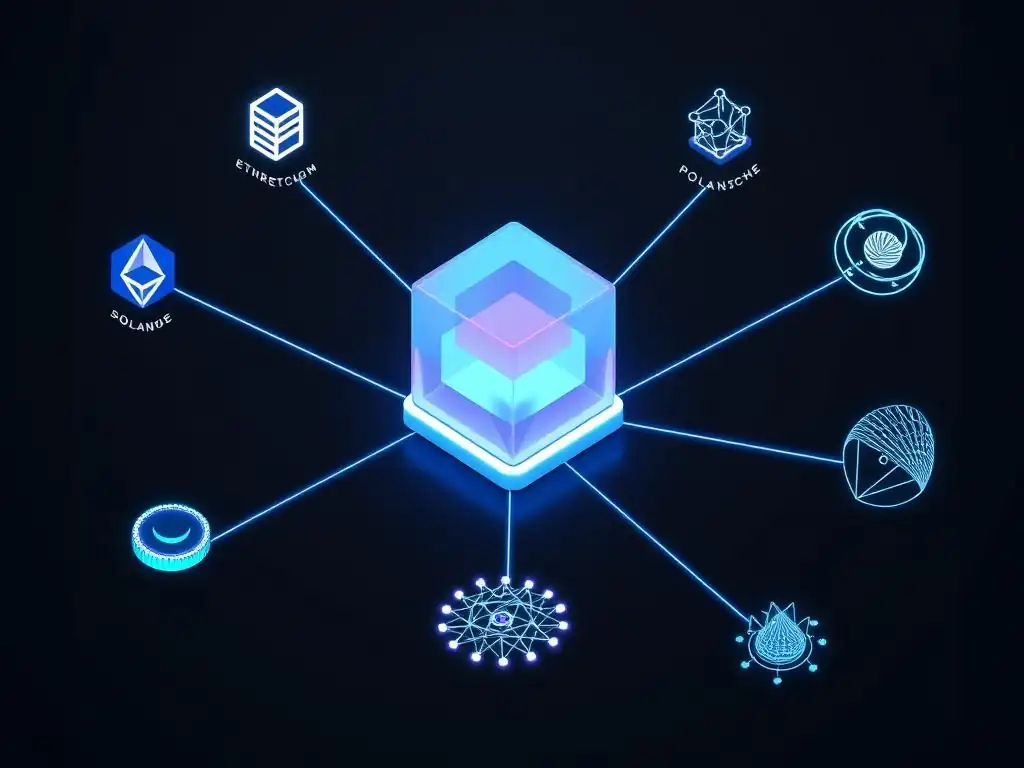
Solana interoperability unlocks a plethora of exciting use cases within decentralized finance (DeFi). Cross-chain DeFi applications on Solana become possible by leveraging the ability to transfer assets and data between Solana and other blockchains. This opens up avenues for more sophisticated and efficient DeFi protocols that transcend the limitations of single-chain ecosystems. Interoperability can facilitate yield aggregation across different chains, cross-chain lending and borrowing platforms, and more complex trading strategies that leverage assets and opportunities across multiple networks.
Examples of DeFi Protocols Leveraging Solana's Interoperability
Several DeFi protocols within the Solana ecosystem are already leveraging interoperability to enhance their offerings. For example, platforms are emerging that allow users to deposit assets from Ethereum or other chains and utilize them within Solana-based DeFi protocols, effectively increasing the capital available within the Solana DeFi ecosystem.
Similarly, cross-chain yield aggregators are being developed that can automatically seek out the highest yields across multiple blockchains, including Solana, and optimize user returns. While specific names and protocols are constantly evolving in this rapidly developing space, the trend is clear: DeFi on Solana is increasingly embracing interoperability to create more versatile, efficient, and user-centric financial applications.
Interoperable NFTs and Digital Assets on Solana
Beyond DeFi, interoperability is transforming the landscape of Non-Fungible Tokens (NFTs) and digital assets on Solana. Interoperable NFTs enable the transfer and utilization of NFTs across different blockchain platforms, breaking down the walled gardens that previously confined NFTs to their native chains. This cross-chain portability of NFTs enhances their utility, liquidity, and accessibility, creating a more open and interconnected NFT ecosystem. Imagine owning an NFT on Solana and being able to display it on a metaverse platform built on Ethereum, or using it as collateral in a DeFi protocol on another chain – interoperability makes these scenarios increasingly feasible.
Transfer of NFTs Across Different Blockchains
The transfer of NFTs across different blockchains is becoming a practical reality through interoperability protocols. While still under development and standardization, methods for securely and efficiently transferring NFTs between chains like Solana and Ethereum are emerging. This often involves techniques similar to token bridging, where an NFT is "locked" on the source chain and a representation of it is "minted" on the destination chain. Protocols are working to ensure the authenticity and provenance of NFTs are maintained during cross-chain transfers, preserving the integrity and value of these unique digital assets as they move across different blockchain environments.
Supply Chain Management and Cross-Border Payments Using Solana
The use cases of Solana interoperability extend beyond the realms of DeFi and NFTs to encompass real-world applications like supply chain management and cross-border payments. In supply chain management, interoperability can enable seamless tracking of goods and information across different blockchain networks used by various stakeholders in the supply chain. For cross-border payments, interoperability can facilitate faster, cheaper, and more efficient transactions by leveraging the speed and low fees of Solana while connecting it to payment networks on other blockchains or traditional financial systems.
Real-World Applications
Real-world applications of Solana interoperability are vast and still largely untapped. Consider a global logistics company tracking shipments across multiple blockchains used by different shipping partners and customs agencies. Interoperability allows for a unified view of the supply chain, improving efficiency and transparency.
In cross-border payments, imagine a scenario where remittances are sent from a traditional banking system onto a blockchain network and then efficiently transferred to a Solana-based wallet for the recipient, leveraging Solana's speed and low costs to reduce transaction fees and settlement times. These examples illustrate the potential of Solana interoperability to bridge the gap between blockchain technology and real-world industries, enhancing efficiency and creating new possibilities across various sectors.
Challenges and Future Directions of Solana Interoperability
Security Considerations for Cross-Chain Bridges
Security considerations are paramount when discussing cross-chain bridges, including those facilitating Solana interoperability. Cross-chain bridges, by their nature, introduce additional complexities and potential vulnerabilities compared to single-chain systems. They act as critical infrastructure points, holding significant amounts of value and relaying sensitive information between blockchains. This inherent complexity makes them attractive targets for malicious actors, and the history of blockchain bridges has unfortunately been marked by notable security breaches and exploits.
Vulnerabilities and Mitigation Strategies
Common vulnerabilities in cross-chain bridges often stem from smart contract risks, oracle failures, and centralized points of control within the bridge architecture. Smart contract vulnerabilities in the bridge's code can be exploited to drain funds. Oracle failures, where the bridge relies on external data feeds to verify cross-chain events, can lead to incorrect or manipulated information being used to execute transactions. Centralized elements within a bridge, such as a small set of validators or custodians, can become single points of failure or targets for attacks.
Mitigation strategies for these vulnerabilities are crucial for ensuring the security of Solana interoperability solutions. These strategies include rigorous smart contract audits by reputable security firms, the implementation of robust oracle mechanisms with redundancy and decentralization, and the adoption of decentralized bridge architectures that minimize reliance on central authorities. Multi-signature schemes, rate limiting on large withdrawals, and formal verification of bridge code are additional security measures being employed to enhance the resilience of cross-chain bridges and protect user funds and data.
Scalability and Performance Issues in Interoperable Environments
Scalability and performance issues can arise in interoperable environments, particularly as cross-chain transaction volumes increase. While Solana itself is designed for high throughput, the performance of cross-chain transactions is often limited by the slowest chain involved in the interaction or by the bridge infrastructure itself. If a cross-chain transaction involves a chain with lower transaction processing capabilities, the overall speed of the transaction may be bottlenecked. Furthermore, the bridge mechanism itself can introduce latency and overhead, impacting the overall performance of cross-chain applications.
Addressing Scalability Within Cross-Chain Transactions
Addressing scalability within cross-chain transactions requires a multifaceted approach. One aspect is optimizing the efficiency of bridge protocols themselves, reducing latency and overhead. Another is exploring layer-2 scaling solutions for interoperability, potentially leveraging technologies like optimistic rollups or state channels in a cross-chain context to aggregate and batch cross-chain transactions. Furthermore, advancements in blockchain technology in general, leading to higher throughput and faster finality across various chains, will naturally contribute to improved scalability in interoperable environments. Ongoing research and development in cross-chain communication protocols are crucial for overcoming scalability challenges and ensuring performant interoperable blockchain ecosystems.
The Future of Solana and its Role in a Multi-Chain World
The future of Solana is intrinsically linked to its role in a multi-chain world. As blockchain technology matures, the vision of a truly interconnected and interoperable ecosystem is gaining momentum. Solana, with its focus on high performance and its active development of interoperability solutions, is well-positioned to play a significant role in this multi-chain future. Its ability to connect with diverse blockchain networks, coupled with its speed and low fees, makes it a valuable platform within a landscape where different blockchains coexist and collaborate.
Solana's future trajectory will likely involve continued advancements in its interoperability capabilities, expanding its connections to more blockchains and refining existing bridge technologies. The ecosystem can expect to see further development of cross-chain applications and use cases that leverage Solana's strengths within a multi-chain context. Ultimately, Solana's success in a multi-chain world will depend on its ability to contribute to a more seamless, secure, and user-friendly interoperable blockchain ecosystem, fostering wider adoption and unlocking the full potential of decentralized technologies.
Conclusion: Solana's Impact on the Future of Decentralized Networks
Summarizing Solana's Contributions to Blockchain Interoperability
Solana's contributions to blockchain interoperability are significant and multifaceted. Through protocols like Wormhole, Allbridge Core, and Neon EVM, Solana is actively bridging the gaps between isolated blockchain ecosystems. Its commitment to interoperability is evident in its strategic integrations with major networks like Ethereum, Avalanche, and BNB Chain, demonstrating a proactive approach to fostering a more connected decentralized landscape. Solana's high-performance architecture, combined with these interoperability efforts, positions it as a crucial player in building a multi-chain future.
Solana's Potential to Unlock a More Connected and Efficient Blockchain Ecosystem
Solana's potential to unlock a more connected and efficient blockchain ecosystem is substantial. By facilitating seamless cross-chain communication and asset transfers, Solana is contributing to the realization of a truly interoperable decentralized web. This interconnectedness promises to enhance user experience, foster innovation, and unlock new use cases across various industries. As Solana continues to develop and expand its interoperability capabilities, it is poised to play a pivotal role in shaping a future where different blockchains can coexist and collaborate seamlessly, creating a more efficient, accessible, and ultimately more powerful decentralized ecosystem for all.
Frequently Asked Questions
What is Solana blockchain interoperability and why is it important?
Solana blockchain interoperability refers to its ability to seamlessly communicate and exchange data with other blockchain networks. This is important because it breaks down silos and fosters a more connected and collaborative decentralized ecosystem.
How does Solana contribute to improving blockchain interoperability?
Solana utilizes various techniques, including bridges and cross-chain protocols, to facilitate communication with other blockchains. This enables the transfer of assets and data, enhancing the overall functionality and accessibility of decentralized applications.
What are some of the benefits of achieving greater Solana blockchain interoperability?
Enhanced Solana blockchain interoperability leads to several benefits, such as increased liquidity, greater accessibility to decentralized finance (DeFi) platforms, and the creation of more innovative and versatile decentralized applications (dApps).
What are some potential challenges in achieving seamless Solana blockchain interoperability?
Challenges include maintaining security across different chains, managing the complexity of cross-chain transactions, and ensuring compatibility between varying blockchain protocols.
How might Solana blockchain interoperability shape the future of decentralized systems?
Improved Solana blockchain interoperability could lead to a more unified and interconnected decentralized landscape. This could unlock new possibilities for collaboration, innovation, and the wider adoption of blockchain technology beyond cryptocurrencies.
Final Reflection: Bridging the Decentralized Future
The exploration of Solana's role in blockchain interoperability reveals a critical truth: the future of decentralized technology hinges on seamless communication between networks. What began as isolated ecosystems are now evolving into a connected web, and Solana's innovations are demonstrably contributing to this vital shift, unlocking previously unimaginable possibilities for developers and users alike.
The impact of improved blockchain interoperability extends far beyond mere technical efficiency. It fosters a more inclusive and dynamic landscape, allowing for the free flow of assets and information across different chains. This interconnectedness is not just a technological advancement; it's a cultural and economic revolution, empowering individuals and communities in unprecedented ways. The power of the blockchain lies not just in its decentralization, but in its ability to connect and collaborate across borders and platforms.
As we look ahead, the lessons learned from Solana's contributions to blockchain interoperability should inspire us all. Consider how you can contribute to building a more connected and collaborative future, whether through supporting interoperable technologies, advocating for open standards, or simply embracing the potential of a truly decentralized web. The future of blockchain is not about isolated silos, but about a vibrant, interconnected ecosystem where innovation thrives and everyone benefits.
Unleash Solana's Interoperability Potential!
Thank you for exploring the fascinating world of blockchain interoperability and Solana's vital role in connecting decentralized networks. Now that you understand the power of seamless communication between blockchains, it's time to take the next step.
Here's how you can dive deeper:
- Explore real-world applications of Solana's interoperability features. Consider researching projects that leverage bridging solutions to connect with other blockchains.
- Join the Blockchain Trends community! Share this article on your favorite social media platform using the hashtag #BlockchainTrends and start a conversation about the future of cross-chain communication.
- Delve further into cross-chain protocols! Check out other innovative technologies that enable blockchains to interact with each other.
Are you ready to explore the endless possibilities of interconnected blockchains and discover how Solana can help you?
Leave a Reply