
The Ultimate Blockchain Platform Checklist: 10 Key Factors to Consider


Welcome to Blockchain Trends, your guide to unraveling the transformative power of blockchain beyond the hype. Are you ready to navigate the complex world of decentralized systems and discover how blockchain is reshaping industries? Today, we're diving deep into a crucial topic: choosing the right platform. Before you even begin building your innovative solution, don't miss our Blockchain Platform Selection Checklist. What are the 10 key factors that can make or break your project? Let's explore them together and unlock the potential of your blockchain vision.
Blockchain Platform Selection Checklist: 10 Key Factors
- Introduction: Strategic Blockchain Platform Selection
- Factor 1: Consensus Mechanism - Security and Validation
- Factor 2: Scalability - Transaction Capacity and Efficiency
- Factor 3: Security - Data and Asset Protection
- Factor 4: Transaction Throughput - Processing Speed
- Factor 5: Smart Contract Functionality - Automation and Logic
- Factor 6: Interoperability - Cross-Chain Communication
- Factor 7: Governance - Platform Management and Evolution
- Factor 8: Developer Ecosystem - Resources and Support
- Factor 9: Regulatory Compliance - Legal and Ethical Considerations
- Factor 10: Cost - Economic Feasibility
- Conclusion: Informed Blockchain Platform Selection
-
Frequently Asked Questions
- What is the most important factor to consider when choosing a blockchain platform?
- How does scalability affect blockchain platform selection?
- What role does interoperability play in blockchain platform selection?
- Why is understanding regulatory compliance important when selecting a blockchain platform?
- How do I evaluate the development ecosystem of a blockchain platform?
- Final Reflection: Navigating the Blockchain Frontier
- Empower Your Blockchain Journey: Take the Next Step!
Introduction: Strategic Blockchain Platform Selection
Importance of a Checklist for Blockchain Project Success
Selecting the right blockchain platform is a pivotal decision that can significantly impact the success of any blockchain project. It's not merely about choosing a trendy technology; it's about strategically aligning the platform's capabilities with the specific needs and long-term objectives of your project. A comprehensive blockchain platform selection checklist is therefore indispensable.
It acts as a structured guide, ensuring that critical factors are systematically evaluated and compared, minimizing the risk of overlooking crucial aspects that could lead to project delays, cost overruns, or even complete failure. Without a checklist, the selection process can become haphazard, driven by incomplete information or biased opinions, potentially leading to the adoption of a platform that is ill-suited for the intended application.
A well-defined checklist helps to navigate the complexities of the blockchain landscape, which is characterized by a plethora of platforms, each with its own unique architecture, features, and trade-offs. From permissioned versus permissionless blockchains to variations in consensus mechanisms and smart contract capabilities, the options can be overwhelming.
Using a checklist ensures a methodical approach, prompting stakeholders to consider all relevant dimensions – security, scalability, cost, regulatory compliance, and developer ecosystem – before making a commitment. This structured evaluation not only reduces the likelihood of making a suboptimal choice but also fosters a shared understanding among project stakeholders regarding the platform's strengths and limitations, setting the stage for more realistic project planning and execution.
Defining Project Requirements Before Platform Evaluation
Before even glancing at blockchain platforms, the crucial first step is to meticulously define the requirements of your blockchain project. This involves a thorough understanding of the problem you aim to solve, the functionalities you need to implement, and the desired outcomes. Rushing into platform evaluation without clear project requirements is akin to choosing a vehicle before knowing if you need to navigate city streets or traverse rugged terrains.
A clear articulation of project needs acts as the benchmark against which different blockchain platforms will be assessed. This foundational step ensures that the platform selection process is driven by project necessities, not by the allure of specific technologies.
Defining project requirements involves several key considerations. Firstly, identify the core functionalities: Will your application require high transaction throughput, complex smart contracts, or robust data privacy? Secondly, consider the user base and access control: Is it a public application requiring permissionless access, or a private enterprise solution needing strict access management?
Thirdly, analyze the data sensitivity and regulatory landscape: Will you be handling sensitive personal data, and are there specific compliance obligations to adhere to? Finally, think about long-term scalability and maintainability: How will your project evolve over time, and what are the anticipated growth trajectories? Answering these questions comprehensively provides a robust framework for evaluating blockchain platforms and ensures that the chosen platform is genuinely capable of supporting the project's current and future demands.
Factor 1: Consensus Mechanism - Security and Validation
Consensus Algorithm Options: Proof-of-Stake, Delegated Proof-of-Stake, and Byzantine Fault Tolerance
The consensus mechanism is the bedrock of any blockchain platform, dictating how participants agree on the validity of transactions and the state of the network. It's the engine that drives trust and security in a decentralized environment. Several consensus algorithms exist, each with its own approach to achieving agreement, impacting the platform's security, speed, and energy efficiency. Proof-of-Stake (PoS) algorithms, for instance, rely on validators staking their cryptocurrency to participate in block creation and transaction validation.
Ethereum 2.0, for example, transitioned to PoS, aiming for greater energy efficiency compared to Proof-of-Work. Validators are chosen based on the amount of cryptocurrency they stake and the duration of their stake, incentivizing good behavior and discouraging malicious actions. PoS generally reduces the computational power needed for consensus, leading to lower energy consumption and potentially faster transaction finality.
Delegated Proof-of-Stake (DPoS) is a variation of PoS that introduces a voting mechanism. Token holders elect delegates who are then responsible for block production and validation. Platforms like EOS and BitShares utilize DPoS.
This model can achieve faster transaction speeds and higher throughput as a smaller, selected group of delegates manages consensus. However, it introduces a degree of centralization, as the power is concentrated in the hands of elected delegates, raising questions about potential collusion and censorship. Byzantine Fault Tolerance (BFT) algorithms, on the other hand, are designed to function reliably even when some nodes in the network are faulty or malicious – the "Byzantine Generals Problem."
Practical Byzantine Fault Tolerance (pBFT) is a popular implementation used in permissioned blockchains like Hyperledger Fabric. BFT algorithms prioritize fault tolerance and consistency, making them suitable for applications where reliability and data integrity are paramount, often at the cost of higher communication overhead and potentially lower scalability compared to PoS or DPoS in public, permissionless settings.
Impact of Consensus on Performance and Scalability
The chosen consensus mechanism has a profound impact on a blockchain platform's performance and scalability, directly influencing transaction speed, throughput, and overall network efficiency. Consensus mechanisms that require extensive computation, like Proof-of-Work (PoW), historically used by Bitcoin, can lead to slower transaction times and lower throughput due to the computational intensity of solving cryptographic puzzles.
Bitcoin's average transaction confirmation time can range from 10 minutes to over an hour during periods of high network congestion, with a limited transaction throughput of around 7 transactions per second (TPS). This can be a bottleneck for applications requiring rapid transaction processing, such as point-of-sale systems or high-frequency trading platforms.
Conversely, consensus mechanisms like Delegated Proof-of-Stake (DPoS) and variations of Byzantine Fault Tolerance (BFT) are designed to enhance performance. DPoS, by relying on a smaller set of elected delegates, can achieve significantly higher TPS. EOS, for example, claims to handle thousands of transactions per second, although real-world performance may vary under heavy load and network conditions.
BFT algorithms, especially in permissioned settings, can also offer faster transaction finality and higher throughput compared to PoW, as they rely on message passing and quorum-based agreement rather than computationally intensive mining. Hyperledger Fabric, using pBFT, is optimized for enterprise environments where high throughput and low latency are critical. However, it's important to note that increased performance often involves trade-offs.
For instance, while DPoS can be faster, it might sacrifice some degree of decentralization compared to PoW or PoS. Similarly, BFT algorithms in permissioned blockchains may prioritize performance within a controlled environment but might not be as readily scalable to a massive, open, permissionless network. Therefore, understanding the performance characteristics and scalability limitations associated with each consensus mechanism is crucial when selecting a blockchain platform aligned with the anticipated transaction volume and speed requirements of your application.
Factor 2: Scalability - Transaction Capacity and Efficiency
Scalability Solutions: Sharding, State Channels, and Rollups
Scalability is a paramount concern for blockchain platforms aiming for widespread adoption and handling increasing transaction volumes as user bases grow. Traditional blockchain architectures, particularly those employing Proof-of-Work consensus, often face scalability limitations, leading to network congestion and increased transaction fees as demand rises. To address this, various scalability solutions have emerged, each with its own approach to enhancing transaction capacity and efficiency. Sharding, for instance, is a database partitioning technique adapted for blockchain.
It divides the blockchain network into smaller, manageable pieces called "shards." Each shard processes a subset of transactions and data, operating in parallel with other shards. Ethereum 2.0's roadmap includes sharding to significantly increase its transaction throughput. By distributing the workload across multiple shards, the network's overall capacity can be substantially increased, allowing it to handle a greater number of transactions concurrently.
State channels offer an off-chain scaling solution. They enable participants to conduct multiple transactions off the main blockchain, only recording the opening and closing states on the chain. This reduces the load on the main blockchain, as only the final outcome of a series of interactions is recorded. The Lightning Network on Bitcoin is a prominent example of state channels, facilitating faster and cheaper microtransactions.
State channels are particularly suitable for applications involving frequent interactions between a limited set of participants, such as payment channels or gaming applications. Rollups are another Layer-2 scaling solution that executes transactions off-chain but posts transaction data on the main chain. There are two main types: Optimistic Rollups and Zero-Knowledge Rollups (ZK-Rollups). Optimistic Rollups assume transactions are valid unless challenged, allowing for faster processing.
Arbitrum and Optimism on Ethereum are examples of Optimistic Rollups. ZK-Rollups use cryptographic proofs to validate transactions off-chain before posting a summary proof to the main chain, offering potentially higher security and efficiency. zkSync and StarkNet are examples of ZK-Rollup solutions. Each of these scaling solutions presents different trade-offs in terms of complexity, security assumptions, and applicability to specific use cases.
Scalable Architecture for Long-Term Growth
Choosing a blockchain platform with a scalable architecture is not just about meeting current transaction demands; it's about future-proofing your project for long-term growth and adaptability. A platform designed for scalability can accommodate increasing user adoption, expanding data volumes, and evolving application requirements without experiencing performance degradation or prohibitive cost increases. A scalable architecture often incorporates modularity and flexibility, allowing for upgrades and the integration of new scaling solutions as technology advances.
Platforms that are initially performant but lack a clear scalability roadmap may become bottlenecks as the project gains traction, hindering user experience and limiting potential growth. For instance, a platform with a rigid, monolithic architecture might be difficult to adapt to handle exponentially increasing transaction volumes, potentially leading to network congestion and high gas fees, as historically experienced by early blockchain networks during periods of peak demand.
A forward-looking approach to scalability involves evaluating the platform's commitment to ongoing development and research in scaling technologies. Does the platform have a clear roadmap for implementing sharding, state channels, rollups, or other advanced scaling solutions? Is there active community involvement and research focused on improving scalability? Platforms actively exploring Layer-2 solutions and future-proofing their architecture demonstrate a commitment to long-term viability and the ability to handle the demands of a growing ecosystem.
Furthermore, consider the platform's underlying infrastructure and its ability to scale horizontally. Can the network easily add more nodes or resources to handle increased load? A platform built with scalability in mind will not only provide better performance today but will also offer a more sustainable and adaptable foundation for your blockchain project to thrive and evolve in the future.
Factor 3: Security - Data and Asset Protection
Security Features: Encryption, Access Controls, and Auditing
Security is non-negotiable for any blockchain platform, as it directly relates to the protection of sensitive data and valuable digital assets. Robust security features are essential to safeguard against vulnerabilities and malicious attacks. Encryption is a fundamental security measure, ensuring that data is protected both in transit and at rest.
End-to-end encryption, for example, ensures that data is encrypted from the sender to the receiver, preventing unauthorized access during transmission. Homomorphic encryption, while still under development for widespread blockchain application, offers the potential to perform computations on encrypted data without decryption, enhancing data privacy. Access controls are critical for managing who can access and interact with the blockchain network and its data.
Permissioned blockchains, in particular, rely heavily on access control mechanisms to restrict participation and data visibility to authorized entities. Role-Based Access Control (RBAC) allows for granular control over user permissions, ensuring that only authorized users can perform specific actions, such as initiating transactions or accessing sensitive information.
Auditing plays a vital role in maintaining security and transparency. Blockchain platforms often incorporate auditing mechanisms to track transactions, user activities, and system changes. Smart contract audits are crucial for identifying vulnerabilities in smart contract code before deployment, preventing potential exploits that could lead to asset loss or data breaches.
Regular security audits of the entire blockchain platform, including its infrastructure and consensus mechanisms, are also essential to identify and address potential weaknesses proactively. Immutable audit trails inherent in blockchain technology itself provide a chronological record of all transactions and changes, enhancing accountability and facilitating forensic analysis in case of security incidents. These core security features – encryption, access controls, and auditing – form the foundation of a secure blockchain platform, protecting data integrity, asset security, and user trust.
Common Security Threats and Mitigation Measures
Blockchain platforms, despite their inherent security advantages, are not immune to security threats. Understanding common threats and the mitigation measures implemented by different platforms is crucial for informed platform selection. A 51% attack, for instance, is a theoretical threat in Proof-of-Work blockchains where a single entity or group gains control of more than 50% of the network's hashing power.
This majority control could potentially allow the attacker to double-spend cryptocurrency or disrupt transaction confirmations. However, for major blockchains like Bitcoin and Ethereum (pre-merge), the immense computational power required to achieve a 51% attack makes it practically infeasible and prohibitively expensive. Proof-of-Stake mechanisms mitigate this risk by making attacks economically disincentivizing, as attackers would need to acquire and stake a majority of the platform's cryptocurrency, risking significant financial losses if they attempt to manipulate the network.
Smart contract vulnerabilities are another significant security concern. Flaws in smart contract code can be exploited by attackers to drain funds, manipulate contract logic, or cause denial-of-service attacks. The DAO hack on Ethereum in 2016, which resulted in the theft of millions of dollars in Ether, highlighted the risks of smart contract vulnerabilities. Mitigation measures include rigorous smart contract auditing, formal verification of code, and the use of secure coding practices.
Platforms that provide robust developer tools and security frameworks to aid in secure smart contract development are preferable. Cross-chain bridge vulnerabilities have also emerged as a prominent threat. Bridges that facilitate the transfer of assets between different blockchains can be targets for exploits, as demonstrated by several high-profile bridge hacks in recent years, resulting in substantial financial losses. Secure bridge design, multi-signature security, and robust monitoring are crucial for mitigating these risks.
Denial-of-Service (DoS) and Distributed Denial-of-Service (DDoS) attacks can also target blockchain platforms, attempting to overwhelm the network with malicious traffic and disrupt service availability. Platforms employ various mitigation techniques, including rate limiting, firewalls, and distributed network architectures to withstand DoS/DDoS attacks. Selecting a platform that proactively addresses these and other security threats with comprehensive mitigation measures is paramount for ensuring the long-term security and reliability of your blockchain application.
Factor 4: Transaction Throughput - Processing Speed
Transaction Processing Capabilities Analysis
Transaction throughput, often measured in Transactions Per Second (TPS), is a critical performance metric for blockchain platforms, particularly for applications requiring high transaction volumes and rapid confirmation times. Analyzing the transaction processing capabilities of different platforms involves understanding not just the theoretical TPS but also the practical, sustained throughput achievable under real-world conditions. Platforms often advertise peak TPS figures, but these may not reflect average or sustained performance, especially during periods of network congestion.
It's essential to look for benchmarks and performance data from independent sources or stress tests to gain a more realistic view of a platform's transaction processing capacity. Factors influencing throughput include the consensus mechanism, block size, block generation time, and network latency. Platforms using faster consensus mechanisms like DPoS or BFT generally achieve higher TPS compared to those using PoW.
Larger block sizes can potentially accommodate more transactions per block, but may also increase block propagation times and network bandwidth requirements. Shorter block generation times can lead to faster transaction confirmations but may also impact network stability and security if not carefully managed.
When analyzing transaction processing capabilities, consider the type of transactions your application will be processing. Simple token transfers generally require less computational resources than complex smart contract executions. Platforms optimized for specific types of transactions may exhibit higher throughput for those transactions but lower throughput for others.
For example, platforms designed for payment processing may prioritize simple transactions, while those focused on decentralized finance (DeFi) may be optimized for complex smart contract interactions. Furthermore, evaluate the platform's throughput scalability. Can the platform maintain its transaction processing speed as the network grows and transaction volume increases?
Platforms with robust scaling solutions, as discussed earlier, are better positioned to maintain high throughput even under increasing load. Understanding the nuances of a platform's transaction processing capabilities beyond just the headline TPS figure is crucial for selecting a platform that can reliably meet the performance demands of your application, both currently and in the future.
Impact of Throughput on User Experience
Transaction throughput directly impacts the user experience of blockchain applications. Low throughput can lead to slow transaction confirmation times, network congestion, and increased transaction fees, all of which can negatively affect user satisfaction and application usability. For applications requiring fast and frequent transactions, such as point-of-sale systems, online gaming, or high-frequency trading platforms, high throughput is paramount.
Imagine using a payment application that takes minutes or even hours to confirm a transaction – this would be an unacceptable user experience for most consumers. Conversely, applications with lower transaction frequency requirements, such as supply chain tracking or digital identity management, may be less sensitive to throughput limitations. However, even in these cases, excessively slow transaction times can still hinder user experience and operational efficiency.
The perceived speed and responsiveness of a blockchain application are directly tied to transaction throughput. Users expect near-instantaneous feedback in modern applications, and blockchain platforms with low throughput can struggle to meet these expectations. Delayed transaction confirmations can lead to user frustration, abandonment of transactions, and a negative perception of the application. High throughput, on the other hand, enables smoother, faster, and more responsive user interactions, contributing to a more positive and engaging user experience.
Furthermore, network congestion caused by low throughput can lead to unpredictable and often higher transaction fees. During periods of high demand, users may need to pay significantly higher fees to prioritize their transactions, making the application more expensive to use and potentially deterring users. Therefore, selecting a blockchain platform with sufficient transaction throughput is not just a technical consideration but a critical factor in ensuring a positive and user-friendly experience for your application users.
Factor 5: Smart Contract Functionality - Automation and Logic
Smart Contract Language Support and Tooling
Smart contract functionality is a defining feature of many blockchain platforms, enabling the automation of complex processes and the creation of decentralized applications (dApps). The choice of smart contract language and the availability of robust developer tooling are crucial factors influencing the ease of development, security, and efficiency of smart contracts on a given platform. Solidity is currently the most widely used smart contract language, particularly for platforms compatible with the Ethereum Virtual Machine (EVM), such as Ethereum, Binance Smart Chain, and Polygon.
Solidity's popularity is supported by a large developer community, extensive documentation, and a rich ecosystem of development tools, including IDEs like Remix and Truffle, testing frameworks, and security audit tools. This mature ecosystem makes Solidity a relatively accessible and well-supported choice for smart contract development.
However, other smart contract languages are gaining traction, each with its own strengths and weaknesses. Vyper, for instance, is another language for EVM-compatible blockchains, designed with a focus on security and simplicity, aiming to reduce common smart contract vulnerabilities. Rust is increasingly popular for platforms like Solana and Polkadot, offering performance advantages and memory safety features, making it suitable for building high-performance and secure smart contracts. Platforms like Cardano use Plutus, a Haskell-based language, emphasizing formal verification and security.
Choosing a platform with a smart contract language that aligns with your development team's expertise and project requirements is important. Beyond language support, the availability of robust developer tooling is equally critical. This includes user-friendly IDEs, debugging tools, testing frameworks, deployment tools, and libraries. A well-developed tooling ecosystem streamlines the development process, reduces development time, and improves the overall developer experience, ultimately contributing to the success of smart contract-based applications.
Role of Smart Contracts in Decentralized Applications
Smart contracts are the building blocks of decentralized applications, enabling automated execution of agreements and logic without intermediaries. They are self-executing contracts with the terms of the agreement directly written into code. Once deployed on a blockchain, smart contracts are immutable and transparent, ensuring that the agreed-upon rules are enforced automatically and predictably.
This automation and transparency are fundamental to the trust and efficiency offered by dApps. In DeFi, smart contracts power decentralized exchanges (DEXs), lending platforms, and yield farming protocols, automating trading, lending, and borrowing processes without relying on traditional financial institutions. For example, a DEX smart contract automatically matches buy and sell orders and executes trades based on pre-defined rules, ensuring transparent and efficient trading.
Beyond DeFi, smart contracts are used in a wide range of dApp applications. In supply chain management, smart contracts can automate tracking goods, verifying provenance, and triggering payments upon delivery milestones, enhancing transparency and efficiency in supply chains. In digital identity management, smart contracts can enable self-sovereign identity solutions, giving users control over their personal data and allowing for secure and verifiable identity credentials.
In voting systems, smart contracts can ensure transparent and tamper-proof voting processes, increasing trust and accountability in elections. The versatility of smart contracts makes them a powerful tool for building decentralized solutions across various industries. The ability to automate complex workflows, enforce agreements programmatically, and create transparent and auditable systems is driving innovation and disruption across numerous sectors, leveraging the unique capabilities of blockchain technology.
Factor 6: Interoperability - Cross-Chain Communication
Interoperability Standards and Solutions
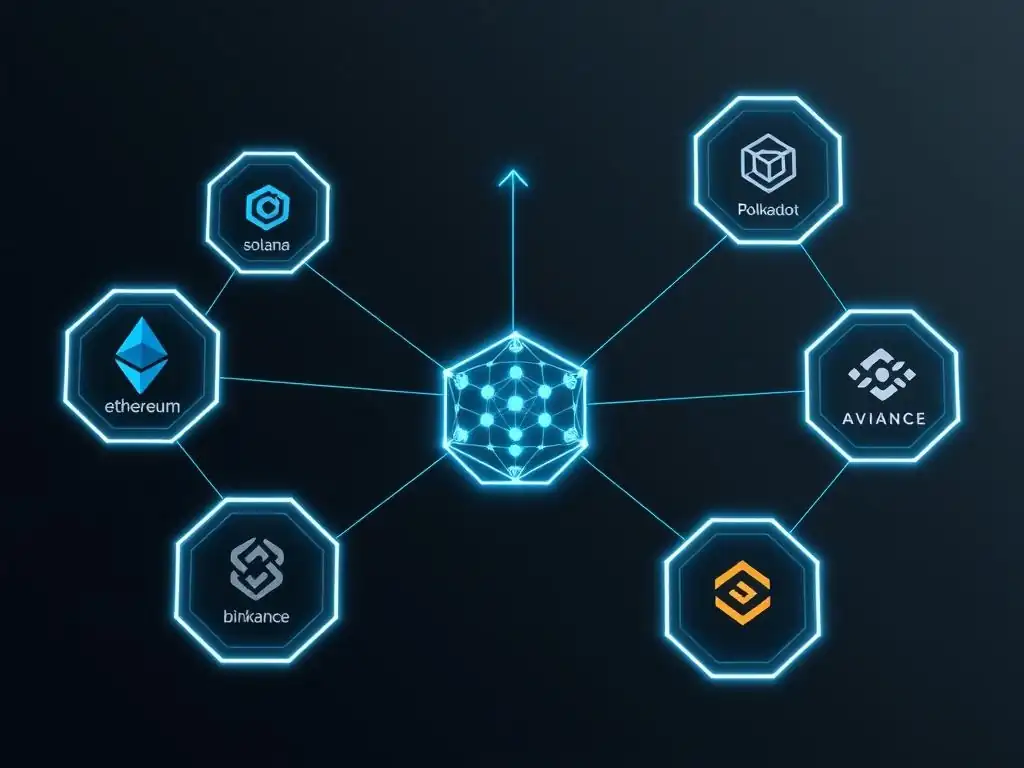
Interoperability, the ability for different blockchain networks to communicate and interact with each other, is becoming increasingly crucial for the evolution of the blockchain ecosystem. In a fragmented blockchain landscape with numerous independent platforms, the lack of interoperability creates silos, limiting the flow of information and value between networks. Interoperability standards and solutions aim to bridge these gaps, enabling seamless cross-chain communication and collaboration.
Cross-chain bridges are a primary solution for interoperability, facilitating the transfer of assets and data between different blockchains. These bridges often involve locking assets on one chain and minting representative assets on another chain, enabling users to utilize assets across multiple ecosystems. However, bridge security has been a significant concern, as highlighted by several high-profile bridge exploits, underscoring the need for robust and secure bridge designs.
Atomic swaps are another interoperability solution, allowing for direct peer-to-peer exchange of cryptocurrencies between different blockchains without relying on intermediaries. Atomic swaps utilize Hash Time-Locked Contracts (HTLCs) to ensure that either both parties complete the exchange or neither does, preventing counterparty risk.
While atomic swaps offer a decentralized and trustless approach to cross-chain exchange, they can be technically complex to implement and may have limitations in terms of scalability and the types of assets they can support. Blockchain communication protocols, such as Inter-Blockchain Communication (IBC) protocol used by Cosmos, aim to establish standardized communication layers for blockchains to exchange data and assets more efficiently and securely.
IBC allows for sovereign blockchains within the Cosmos ecosystem to interoperate seamlessly, fostering a network of interconnected blockchains. As the blockchain space matures, the development and adoption of interoperability standards and robust solutions are essential for realizing the full potential of a multi-chain future, where different blockchains can collaborate and complement each other.
Importance of Interconnected Blockchain Networks
Interconnected blockchain networks are vital for unlocking the full potential of blockchain technology and fostering a more integrated and efficient decentralized ecosystem. Isolated blockchain networks operate in silos, limiting their reach and utility. Interoperability breaks down these silos, enabling the flow of data, assets, and functionality across different platforms, creating network effects and expanding the overall value proposition of blockchain.
Imagine a scenario where a DeFi application built on one blockchain needs to access data or assets residing on another blockchain – interoperability makes this possible, enabling more complex and feature-rich dApps that can leverage the strengths of multiple networks. For instance, a cross-chain DEX could aggregate liquidity from various blockchains, offering users a wider range of trading pairs and deeper liquidity pools.
Interconnected blockchain networks also promote innovation and specialization. Different blockchains can specialize in specific functionalities or use cases, such as privacy-focused blockchains, high-throughput blockchains, or blockchains optimized for specific industries. Interoperability allows these specialized blockchains to work together, creating a more diverse and robust ecosystem where different platforms can complement each other's strengths. Furthermore, interoperability can enhance scalability and resilience.
By distributing applications and data across multiple interconnected blockchains, the overall system can become more scalable and less susceptible to single points of failure. If one blockchain experiences congestion or technical issues, applications can potentially leverage other interconnected networks to maintain functionality. The vision of interconnected blockchain networks is to move beyond isolated silos towards a more collaborative and synergistic ecosystem, where different blockchains can seamlessly interact and contribute to a more powerful and versatile decentralized web.
Factor 7: Governance - Platform Management and Evolution
Governance Models: On-Chain, Off-Chain, and Hybrid
Governance refers to the mechanisms and processes by which a blockchain platform is managed, upgraded, and evolves over time. Effective governance is crucial for ensuring the long-term sustainability, adaptability, and decentralization of a blockchain network. Different governance models exist, each with its own approach to decision-making, community participation, and platform evolution. On-chain governance integrates governance processes directly into the blockchain protocol itself.
Proposals for protocol upgrades or changes are submitted and voted on by token holders using their on-chain voting power, typically proportional to their token holdings. Tezos and Polkadot are examples of platforms employing on-chain governance. On-chain governance aims for greater transparency and direct community participation in decision-making, as all proposals and voting processes are recorded on the blockchain. However, it can also be slower and potentially susceptible to governance attacks if a small group of token holders controls a significant portion of the voting power.
Off-chain governance, in contrast, relies on decision-making processes that occur outside of the blockchain protocol itself. This often involves core development teams, foundations, or elected bodies making decisions, with input from the community gathered through forums, social media, or other off-chain channels. Bitcoin's governance is largely off-chain, with core developers playing a significant role in proposing and implementing protocol upgrades, which are then adopted by the wider community.
Off-chain governance can be more agile and efficient in decision-making, but it may also be less transparent and potentially more centralized, depending on the degree of community involvement and influence. Hybrid governance models combine elements of both on-chain and off-chain governance. They may use on-chain voting for certain types of decisions while relying on off-chain processes for others.
For example, a platform might use on-chain voting to ratify major protocol upgrades proposed and developed by an off-chain core team. Hybrid models aim to balance the benefits of transparency and community participation with the efficiency and agility of off-chain decision-making.
Impact of Governance on Platform Development
The governance model adopted by a blockchain platform significantly impacts its development trajectory, adaptability, and long-term viability. A well-designed governance model fosters a healthy and thriving ecosystem, ensuring that the platform can evolve to meet changing needs and challenges. Effective governance mechanisms facilitate timely protocol upgrades, bug fixes, and the implementation of new features, keeping the platform competitive and relevant.
Platforms with clear and transparent governance processes tend to attract more developers and users, as they provide greater confidence in the platform's long-term direction and stability. Conversely, platforms with unclear or ineffective governance models may struggle to adapt to evolving market demands or address critical issues, potentially leading to stagnation or fragmentation.
The level of decentralization in governance also influences platform development. Highly centralized governance models, where decision-making power is concentrated in the hands of a small group, may lead to faster decision-making but can also raise concerns about censorship, bias, and lack of community representation. More decentralized governance models, while potentially slower in decision-making, can foster greater community ownership, resilience, and alignment with the broader ecosystem's interests.
The speed and efficiency of governance processes are also important considerations. Platforms with overly cumbersome or slow governance mechanisms may struggle to respond quickly to emerging threats or opportunities, hindering innovation and competitiveness. Striking a balance between decentralization, efficiency, and transparency in governance is crucial for ensuring the long-term health and sustainable development of a blockchain platform.
Factor 8: Developer Ecosystem - Resources and Support
Developer Resources, Tools, and Community
A vibrant and robust developer ecosystem is a critical asset for any blockchain platform. The availability of comprehensive developer resources, user-friendly tools, and a supportive community directly impacts the ease of building and deploying applications on the platform, driving adoption and innovation. Developer resources encompass documentation, tutorials, SDKs (Software Development Kits), APIs (Application Programming Interfaces), and code libraries. Well-structured and up-to-date documentation is essential for developers to understand the platform's architecture, functionalities, and best practices.
Comprehensive tutorials and examples help developers get started quickly and learn how to build various types of applications. SDKs and APIs provide pre-built tools and interfaces that simplify development tasks, reducing coding effort and development time. Code libraries offer reusable components and functionalities, further accelerating development and promoting code quality.
Developer tools include IDEs (Integrated Development Environments), debugging tools, testing frameworks, deployment tools, and monitoring tools. User-friendly IDEs with code completion, syntax highlighting, and debugging capabilities enhance developer productivity. Testing frameworks enable developers to thoroughly test their code and ensure its reliability and security. Deployment tools streamline the process of deploying applications to the blockchain network.
Monitoring tools provide insights into application performance and network activity, facilitating maintenance and optimization. A strong and active developer community is invaluable for providing support, answering questions, sharing knowledge, and fostering collaboration. Online forums, chat channels, developer meetups, and hackathons are all important components of a thriving developer community. A supportive community can significantly enhance the developer experience and accelerate problem-solving, contributing to the overall growth and vitality of the platform's ecosystem.
Ecosystem Vitality for Platform Adoption
The vitality of a blockchain platform's developer ecosystem is a strong indicator of its potential for long-term adoption and success. A thriving ecosystem attracts more developers, leading to a wider range of applications, tools, and services being built on the platform. This, in turn, attracts more users and businesses to the platform, creating a positive feedback loop that drives further growth and adoption.
Platforms with active and engaged developer communities tend to innovate faster and adapt more readily to evolving market demands. A large and skilled developer pool increases the likelihood of new and innovative applications being developed, pushing the boundaries of what's possible with blockchain technology.
Ecosystem vitality is also reflected in the availability of developer talent and the ease of finding developers with expertise in the platform's specific technologies and languages. Platforms with large and accessible developer communities are more attractive to businesses looking to build blockchain solutions, as they can more easily find and recruit qualified developers.
Furthermore, ecosystem vitality influences the overall resilience and security of the platform. A larger and more diverse developer community can contribute to identifying and addressing security vulnerabilities, improving code quality, and enhancing the platform's robustness. Open-source platforms with active communities benefit from the collective scrutiny and contributions of numerous developers, leading to more secure and reliable software.
When evaluating a blockchain platform, assessing the vitality of its developer ecosystem is crucial. Look for indicators such as the size and activity of the developer community, the availability and quality of developer resources and tools, the level of community support, and the platform's track record in attracting and retaining developers. A platform with a vibrant and growing developer ecosystem is more likely to be a successful and sustainable choice for building blockchain applications.
Factor 9: Regulatory Compliance - Legal and Ethical Considerations
Compliance Requirements and Considerations
Regulatory compliance is an increasingly important factor in blockchain platform selection, particularly as regulatory scrutiny of the blockchain and cryptocurrency space intensifies globally. Businesses and projects operating in regulated industries or handling sensitive data must carefully consider compliance requirements when choosing a blockchain platform.
Compliance considerations vary depending on the jurisdiction, industry, and specific application, but often include aspects related to Know Your Customer (KYC) and Anti-Money Laundering (AML) regulations, data privacy regulations like GDPR (General Data Protection Regulation) and CCPA (California Consumer Privacy Act), and industry-specific regulations such as those in financial services or healthcare. Platforms that facilitate or enable compliance with these regulations are becoming increasingly sought after.
KYC and AML compliance often requires platforms to implement mechanisms for verifying the identity of users and monitoring transactions for suspicious activity. Permissioned blockchains, with their controlled access and identity management features, can be more readily adapted to KYC/AML requirements compared to permissionless blockchains, where user anonymity is often a core principle. Data privacy regulations necessitate platforms to provide mechanisms for data protection, user consent, and data subject rights, such as the right to access, rectify, or erase personal data.
Blockchain's inherent immutability and transparency can pose challenges to data privacy compliance, requiring careful consideration of data storage practices, encryption, and access controls. Some platforms are exploring privacy-enhancing technologies, such as zero-knowledge proofs and confidential transactions, to address data privacy concerns. Industry-specific regulations may impose additional compliance requirements depending on the sector.
For example, financial institutions may need to comply with regulations related to securities laws, payment processing, or banking licenses when using blockchain technology. Healthcare applications may need to comply with HIPAA (Health Insurance Portability and Accountability Act) or similar regulations regarding patient data privacy and security.
Selecting a Compliance-Focused Blockchain
Choosing a blockchain platform that facilitates regulatory compliance is crucial for businesses operating in regulated environments or seeking to build compliant applications. While no blockchain platform can guarantee full compliance on its own, selecting a platform that offers features and tools to support compliance efforts can significantly reduce risks and streamline regulatory adherence. Permissioned blockchains, by design, often offer greater control over access, data visibility, and identity management, making them more suitable for compliance-sensitive applications.
Platforms like Hyperledger Fabric and R3 Corda are specifically designed for enterprise use cases and incorporate features that support compliance requirements, such as access control lists, data segregation, and audit trails. Even permissionless blockchains are exploring solutions to enhance compliance, such as layer-2 privacy solutions, KYC/AML integration tools, and frameworks for data governance.
When evaluating blockchain platforms for compliance, consider the platform's architecture, features, and community support for compliance efforts. Does the platform offer features that facilitate KYC/AML compliance, such as identity management solutions or transaction monitoring tools? Does it provide mechanisms for data privacy and protection, such as encryption or privacy-enhancing technologies? Is there a clear roadmap for addressing evolving regulatory requirements?
Does the platform have a community or ecosystem focused on compliance and regulatory considerations? Engaging with legal and compliance experts is also essential to understand the specific regulatory requirements applicable to your project and to assess the suitability of different blockchain platforms for meeting those requirements. Selecting a compliance-focused blockchain platform is a strategic decision that can mitigate regulatory risks, build trust with stakeholders, and pave the way for sustainable and responsible blockchain adoption.
Factor 10: Cost - Economic Feasibility
Transaction Fees and Operational Costs
Cost is a significant factor in blockchain platform selection, influencing the economic feasibility and long-term sustainability of blockchain projects. Understanding the different cost components associated with each platform is crucial for making informed decisions. Transaction fees, often referred to as "gas fees" in platforms like Ethereum, are charges incurred for executing transactions on the blockchain network. These fees vary depending on network congestion, transaction complexity, and the platform's fee structure.
Platforms with high transaction fees can become prohibitively expensive for applications with high transaction volumes or microtransactions. Ethereum's gas fees, for example, have fluctuated significantly and can sometimes be very high during periods of network congestion, posing a challenge for certain types of applications. Platforms with alternative consensus mechanisms or scaling solutions often aim to offer lower transaction fees.
Operational costs encompass the expenses associated with running and maintaining the blockchain infrastructure, including node operation costs, storage costs, and development and maintenance costs. Running blockchain nodes can require significant computational resources, electricity consumption, and technical expertise, especially for platforms with demanding node requirements. Storage costs are incurred for storing blockchain data, which can grow substantially over time.
Development and maintenance costs include the expenses of developing and maintaining smart contracts, dApps, and the underlying blockchain infrastructure. These costs can vary depending on the complexity of the project, the platform's developer tools, and the availability of skilled developers. Different blockchain platforms have varying cost structures and operational requirements, impacting the overall economic feasibility of building and running applications on each platform.
Long-Term Cost Analysis of Blockchain Options
A comprehensive cost analysis should not only consider immediate transaction fees and operational costs but also project long-term costs and potential cost implications of scaling and platform evolution. Long-term cost analysis involves evaluating the platform's fee structure, potential for fee fluctuations, scalability roadmap, and upgrade costs. Platforms with volatile transaction fees can introduce uncertainty and unpredictability into project budgets, making it challenging to plan for the long term. Platforms with clear and predictable fee structures, or those offering mechanisms for fee stabilization, may be more attractive for projects requiring cost predictability.
Scalability solutions can significantly impact long-term costs. Platforms that effectively scale to handle increasing transaction volumes without substantial fee increases offer a more cost-effective solution for growing applications. Conversely, platforms that struggle to scale may experience escalating fees as demand rises, potentially making them economically unsustainable in the long run.
Platform upgrade costs are also a factor to consider. Blockchain platforms evolve over time, with protocol upgrades and new features being introduced. These upgrades may require application developers to adapt their code or infrastructure, incurring additional costs. Platforms with well-planned and transparent upgrade processes, and those that provide backward compatibility or migration tools, can minimize upgrade costs and disruption.
A thorough long-term cost analysis should consider all these factors and project the total cost of ownership (TCO) for different blockchain platforms over the project's lifecycle. This analysis should take into account not only direct costs but also indirect costs, such as developer time, opportunity costs, and potential risks associated with platform limitations or uncertainties. Choosing a blockchain platform that is not only technically suitable but also economically feasible in the long term is essential for the sustainable success of any blockchain project.
Conclusion: Informed Blockchain Platform Selection
Key Factors Recap
Selecting the right blockchain platform is a critical decision that requires careful consideration of numerous factors. This checklist has outlined ten key areas that are paramount for informed decision-making:
- Consensus Mechanism: Understanding the security, performance, and scalability implications of different consensus algorithms like PoS, DPoS, and BFT is crucial.
- Scalability: Evaluating the platform's ability to handle increasing transaction volumes and its roadmap for future scalability through solutions like sharding, state channels, and rollups is essential for long-term growth.
- Security: Assessing the platform's security features, including encryption, access controls, and auditing, and understanding its mitigation strategies against common threats is paramount for data and asset protection.
- Transaction Throughput: Analyzing the platform's transaction processing capabilities and understanding its impact on user experience is vital for applications requiring speed and responsiveness.
- Smart Contract Functionality: Evaluating the platform's smart contract language support, developer tooling, and the versatility of its smart contract capabilities is key for building decentralized applications.
- Interoperability: Considering the platform's interoperability standards and solutions and understanding the importance of interconnected blockchain networks for a broader ecosystem.
- Governance: Analyzing the platform's governance model, whether on-chain, off-chain, or hybrid, and its impact on platform development and evolution is crucial for long-term sustainability.
- Developer Ecosystem: Assessing the vitality of the platform's developer ecosystem, including resources, tools, and community support, is vital for attracting developers and fostering innovation.
- Regulatory Compliance: Understanding compliance requirements and considerations and selecting a platform that facilitates regulatory adherence is increasingly important for legal and ethical operations.
- Cost: Analyzing transaction fees, operational costs, and conducting a long-term cost analysis to ensure economic feasibility is essential for project sustainability.
Implementation Strategy
After diligently reviewing this blockchain platform selection checklist and thoroughly evaluating potential platforms against these criteria, the next step is to develop a robust implementation strategy. This involves several key actions to translate the selection process into tangible project progress. Firstly, prioritize the identified key factors based on your project's specific needs and constraints.
Weight the importance of each factor – for instance, security might be paramount for a financial application, while scalability might be the primary driver for a high-volume gaming platform. Secondly, conduct Proof-of-Concept (PoC) projects on the top shortlisted platforms. Building small-scale prototypes allows for hands-on experience with each platform, validating their capabilities and identifying any practical challenges or limitations that may not be apparent from documentation or theoretical analysis.
Thirdly, engage in thorough testing and performance benchmarking of the chosen platform under realistic load conditions. This ensures that the platform can meet the performance requirements of your application in a live environment. Fourthly, develop a phased rollout plan, starting with a pilot deployment or limited launch before full-scale implementation. This iterative approach allows for continuous monitoring, feedback gathering, and adjustments as needed, minimizing risks and optimizing performance.
Finally, establish ongoing monitoring and evaluation mechanisms to track the platform's performance, cost-effectiveness, and alignment with evolving project needs. Regularly reassess the platform selection against the checklist criteria and be prepared to adapt your strategy as the blockchain landscape and your project requirements evolve. A well-defined implementation strategy, grounded in a thorough platform selection process, is essential for maximizing the chances of blockchain project success and realizing the transformative potential of this technology.
Frequently Asked Questions
What is the most important factor to consider when choosing a blockchain platform?
While all factors are important, security is paramount. A robust security infrastructure is crucial to protect against cyberattacks and data breaches.
How does scalability affect blockchain platform selection?
Scalability impacts the platform's ability to handle a growing number of transactions and users. Platforms with limited scalability may experience slow transaction speeds and increased costs.
What role does interoperability play in blockchain platform selection?
Interoperability enables different blockchain platforms to communicate and share data. This is essential for building complex, interconnected applications and avoiding vendor lock-in.
Why is understanding regulatory compliance important when selecting a blockchain platform?
Regulatory compliance ensures the platform adheres to relevant laws and regulations. Failure to comply can result in legal penalties and reputational damage.
How do I evaluate the development ecosystem of a blockchain platform?
Assess the availability of development tools, libraries, and community support. A strong ecosystem simplifies application development and fosters innovation.
The digital landscape is constantly evolving, and the need for robust and reliable blockchain platforms is more critical than ever. The ability to strategically select the right platform is no longer a luxury, but a necessity for businesses seeking to leverage the transformative power of blockchain technology. This checklist, outlining ten key factors, serves as a vital compass in navigating the often-complex world of blockchain adoption.
The impact of blockchain extends far beyond cryptocurrency; it's reshaping industries from supply chain management to healthcare. Understanding the nuances of platform selection is crucial for unlocking the full potential of this technology, ensuring that investments are not only secure but also strategically aligned with long-term goals. The future of finance is decentralized, and the future of the internet is blockchain.
- Vitalik Buterin. This quote encapsulates the profound shift we are witnessing, a shift that demands informed decision-making and a clear understanding of available tools.
As you embark on your blockchain journey, remember that the checklist presented here is not just a set of criteria, but a framework for critical thinking. Consider how each factor – from scalability to security – aligns with your unique needs and aspirations. Let this guide empower you to make informed choices, build resilient solutions, and contribute to a future where blockchain technology empowers innovation and fosters trust.
Empower Your Blockchain Journey: Take the Next Step!
Thank you for exploring our checklist and discovering the key factors for selecting the right blockchain platform. You now have valuable insights into navigating this complex landscape—it's time to turn that knowledge into action.
Are you ready to harness blockchain technology for your organization? Here's how you can continue your journey:
- Prioritize: Start by revisiting your top three priorities based on your unique business needs. Which factors are essential for the success of your project?
- Explore: Compare at least three different blockchain platforms against your prioritized criteria. What are the strengths and weaknesses of each option?
- Share: Contribute to the blockchain community by sharing your biggest challenge in choosing a platform in the comments below. Your experience can help others!
Which feature—scalability, security, or developer tools—is most critical for your specific use case, and why? Let’s discuss!
Leave a Reply