
Unlocking Transparency in Supply Chains with Hyperledger Fabric: A Practical Guide


Welcome to Blockchain Trends, your compass in the rapidly evolving world of decentralized innovation. Beyond the buzzwords, we delve into the real-world applications shaping our future. Curious how blockchain is revolutionizing industries beyond cryptocurrency? Dive in to explore our latest deep dive: Unlocking Transparency in Supply Chains with Hyperledger Fabric. Discover how this powerful platform is transforming logistics and creating unprecedented levels of trust and efficiency. Get ready to explore the practical applications of the Hyperledger Fabric Supply Chain and see how it's setting a new standard for transparency.
- Introduction: The Need for Supply Chain Transparency and Hyperledger Fabric
- Understanding Hyperledger Fabric for Supply Chain Management
-
Implementing a Hyperledger Fabric Supply Chain Solution: A Step-by-Step Guide
- 1. Defining Your Supply Chain Use Case and Objectives
- 2. Identifying Key Participants and Their Roles
- 3. Designing Your Hyperledger Fabric Network Architecture
- 4. Developing and Deploying Smart Contracts (Chaincode) for Supply Chain Processes
- 5. Integrating Hyperledger Fabric with Existing Supply Chain Systems
- 6. Testing and Deploying Your Hyperledger Fabric Supply Chain Application
- Real-World Examples of Hyperledger Fabric in Supply Chain Applications
- Overcoming Challenges and Best Practices for Hyperledger Fabric Supply Chain Implementations
- The Future of Blockchain-Based Supply Chains with Hyperledger Fabric
- Conclusion: Embracing Hyperledger Fabric for a More Transparent and Efficient Supply Chain
-
Frequently Asked Questions
- What is Hyperledger Fabric and how does it relate to supply chain management?
- How can Hyperledger Fabric improve supply chain transparency?
- What are the key benefits of using Hyperledger Fabric in a supply chain?
- What are some real-world use cases of Hyperledger Fabric in supply chain management?
- What are the challenges associated with implementing Hyperledger Fabric in a supply chain?
- Final Reflection: Embracing the Hyperledger Fabric Supply Chain Revolution
- Implement Hyperledger Fabric and Revolutionize Your Supply Chain!
Introduction: The Need for Supply Chain Transparency and Hyperledger Fabric
The Growing Demand for Traceability in Modern Supply Chains
In today's interconnected global economy, consumers and businesses alike are increasingly demanding more information about the products they purchase. This demand for traceability is fueled by several factors, including rising consumer awareness of ethical sourcing, food safety concerns, and the need to combat counterfeit goods. For instance, a 2020 study by Nielsen found that 73% of consumers feel positively about brands that are transparent about their product sources.
This sentiment translates into purchasing decisions, as consumers are willing to pay a premium for products with verifiable origins and ethical production practices. The complexity of modern supply chains, often spanning multiple countries and involving numerous intermediaries, makes it challenging to track products from origin to consumer effectively, creating a significant gap between consumer expectations and current supply chain visibility.
The lack of transparency in supply chains can lead to significant risks for businesses. Consider the food industry, where outbreaks of foodborne illnesses can cause widespread reputational damage and financial losses. In 2018, the Centers for Disease Control and Prevention (CDC) estimated that foodborne diseases in the United States cause approximately 48 million illnesses, 128,000 hospitalizations, and 3,000 deaths annually. Traceability is crucial in these situations to quickly identify the source of contamination and prevent further spread.
Beyond food safety, industries like pharmaceuticals and luxury goods face the constant threat of counterfeiting. The Organization for Economic Co-operation and Development (OECD) estimates that trade in counterfeit and pirated goods represents as much as 3.3% of global trade, costing businesses billions of dollars and endangering consumers with substandard products. These challenges underscore the critical need for robust and transparent supply chain systems.
Addressing Supply Chain Challenges with Blockchain Technology
Blockchain technology, with its inherent properties of immutability, transparency, and decentralization, offers a compelling solution to address the growing challenges of supply chain transparency. Unlike traditional centralized databases, blockchain provides a shared, distributed ledger where every transaction is recorded in a tamper-proof and auditable manner.
This means that once information is recorded on a blockchain, it cannot be altered or deleted, providing an unparalleled level of data integrity and trust among participants. In the context of supply chains, blockchain can be used to track products at every stage of their journey, from raw material sourcing to final delivery, creating a comprehensive and verifiable audit trail.
The application of blockchain in supply chain management goes beyond simple tracking. It enables real-time visibility across the entire network, allowing stakeholders to monitor product location, condition, and provenance at any point in time. For example, sensors integrated with blockchain platforms can automatically record temperature and humidity conditions during transportation, ensuring the quality and safety of perishable goods like pharmaceuticals and fresh produce.
Furthermore, blockchain facilitates secure data sharing among supply chain partners, eliminating information silos and fostering greater collaboration. This enhanced information flow can lead to significant improvements in efficiency, reduced costs through optimized logistics, and faster response times to disruptions or recalls. By leveraging the power of distributed ledger technology, businesses can build more resilient, transparent, and trustworthy supply chains.
Hyperledger Fabric: A Permissioned Blockchain Solution for Enterprises
While public blockchains like Bitcoin and Ethereum are widely recognized, they may not be suitable for enterprise supply chain applications due to their open and permissionless nature. Hyperledger Fabric, an open-source, enterprise-grade permissioned distributed ledger framework, provides a more tailored solution for businesses seeking to implement blockchain in their supply chains. Developed under the Linux Foundation's Hyperledger project, Fabric is designed to address the specific needs of enterprises, offering features such as confidentiality, scalability, and modularity.
Unlike public blockchains where anyone can participate, Hyperledger Fabric operates on a permissioned model, meaning that only authorized participants can access the network and transact on it. This controlled environment is crucial for businesses that require data privacy and regulatory compliance.
Hyperledger Fabric's architecture is specifically engineered for enterprise use cases, offering advantages in terms of performance and customization. Its modular design allows businesses to tailor the platform to their specific supply chain requirements, selecting components like consensus mechanisms and membership services that best fit their needs. Furthermore, Fabric supports private and confidential transactions through features like channels and private data collections, ensuring that sensitive business information is only accessible to authorized parties.
This capability is paramount in supply chains where competitive information and proprietary data need to be protected. By offering a robust, secure, and customizable platform, Hyperledger Fabric empowers enterprises to build transparent and efficient supply chain solutions that enhance trust, reduce risks, and drive business value.
Understanding Hyperledger Fabric for Supply Chain Management
What is Hyperledger Fabric and How Does it Work?
Hyperledger Fabric is a permissioned blockchain platform designed for enterprise-grade solutions, particularly well-suited for complex supply chain networks. At its core, it's a distributed ledger technology (DLT) that facilitates secure and transparent transactions among known and authenticated participants. Fabric operates on the principle of shared ledgers, where data is replicated across multiple nodes in the network, ensuring high availability and fault tolerance.
However, unlike public blockchains, Fabric emphasizes confidentiality and control, making it ideal for business environments where data privacy and regulatory compliance are paramount. Transactions on Hyperledger Fabric are not publicly visible to everyone; instead, access is restricted to authorized participants based on predefined permissions and roles.
The operational flow in Hyperledger Fabric involves several key steps. First, transaction proposals are initiated by clients and endorsed by designated peers, which are nodes within the network responsible for validating transactions. These endorsements ensure that transactions comply with the network's rules and policies, as defined in smart contracts, known as "chaincode" in Fabric terminology. Once a transaction receives sufficient endorsements, it is ordered into a block along with other transactions by an ordering service.
This ordered block is then distributed to all peers in the network, where it is validated and committed to the ledger. This process ensures consensus among network participants and maintains the integrity and immutability of the blockchain. The modular architecture of Hyperledger Fabric allows for flexibility in choosing different consensus mechanisms, membership services, and data storage options, tailoring the platform to specific supply chain needs and performance requirements.
Key Components of Hyperledger Fabric Relevant to Supply Chains
Hyperledger Fabric's architecture comprises several components that are particularly relevant to building robust and efficient supply chain solutions. Understanding these components is crucial for organizations considering adopting Fabric for their supply chain management.
-
Channels and Private Data Collections for Secure Data Sharing
Channels in Hyperledger Fabric provide a mechanism for creating private and isolated communication paths between specific subsets of network participants. Imagine a supply chain with manufacturers, distributors, and retailers. Using channels, a manufacturer and a distributor can establish a private channel to share confidential information related to pricing or inventory levels, without exposing this data to retailers or other participants.
This feature is critical for maintaining data confidentiality and competitive advantage within a supply chain network. Furthermore, private data collections extend this privacy by allowing organizations to store sensitive data off-chain in a private database, while only hashing the data on the channel's ledger for verification and auditability.
For example, a pharmaceutical company might use private data collections to store sensitive patient information related to drug provenance, ensuring compliance with privacy regulations like HIPAA while still leveraging the transparency and security of the blockchain for tracking drug movements. These privacy features are essential for encouraging collaboration and data sharing among supply chain partners who may be competitors in other aspects of their business.
-
Chaincode (Smart Contracts) for Automating Supply Chain Processes
Chaincode, or smart contracts, are the core of Hyperledger Fabric's functionality. They are essentially programs written in languages like Go, Java, or Node.js that define the business logic and rules governing interactions within the supply chain network. Chaincode automates various supply chain processes, such as tracking product movement, verifying product authenticity, managing inventory levels, and executing payments based on predefined conditions.
For instance, chaincode can be developed to automatically trigger payment to a supplier upon confirmation of shipment delivery, eliminating manual invoice processing and reducing payment delays. In the food industry, chaincode can be used to track the temperature of perishable goods throughout the supply chain, automatically alerting stakeholders if temperature thresholds are breached, ensuring food safety and reducing spoilage.
The use of chaincode not only automates repetitive tasks but also enforces consistency and transparency in supply chain operations, reducing errors and improving efficiency across the network. The logic embedded within chaincode ensures that all participants adhere to the agreed-upon rules, fostering trust and accountability.
-
Membership Service Provider (MSP) for Identity Management
The Membership Service Provider (MSP) is a critical component in Hyperledger Fabric that manages identity and access control within the permissioned blockchain network. MSP defines the rules for identifying valid members of the network and authenticating their transactions. It provides a framework for issuing, validating, and revoking digital certificates, which are used to verify the identity of each participant and ensure that only authorized entities can access and transact on the network.
In a supply chain context, MSP ensures that only verified suppliers, manufacturers, distributors, retailers, and other stakeholders can participate in the blockchain network. This robust identity management system is essential for security and compliance, preventing unauthorized access and ensuring that all transactions are attributable to known and trusted parties. For example, MSP can be configured to grant different levels of access to different participants.
A regulatory body might be granted read-only access to the entire supply chain data for audit purposes, while individual participants might only have access to data relevant to their specific roles and transactions. The MSP framework is fundamental to maintaining the permissioned nature of Hyperledger Fabric and ensuring a secure and controlled environment for enterprise supply chain applications.
Benefits of Using Hyperledger Fabric in Supply Chain Applications
Implementing Hyperledger Fabric in supply chain management offers a multitude of benefits that can significantly improve operational efficiency, reduce costs, and enhance trust among stakeholders.
-
Enhanced Transparency and Traceability
One of the primary advantages of Hyperledger Fabric in supply chains is the significant enhancement of transparency and traceability. By recording every transaction and product movement on the blockchain, Fabric creates an immutable and auditable record of the entire supply chain journey. This allows stakeholders to track products from origin to consumer with unprecedented clarity.
For example, in the garment industry, consumers are increasingly concerned about ethical sourcing and labor practices. Using a Hyperledger Fabric based supply chain, consumers can scan a QR code on a garment and instantly access information about the origin of the raw materials, manufacturing processes, and certifications, verifying that the product aligns with their ethical values. This level of transparency builds consumer trust and differentiates brands that are committed to responsible sourcing.
For businesses, enhanced traceability enables faster identification of counterfeit products, quicker response to product recalls, and improved compliance with regulatory requirements, reducing risks and protecting brand reputation. The ability to track and trace products throughout the supply chain journey provides a competitive advantage in today's market where transparency is highly valued.
-
Improved Efficiency and Reduced Costs
Hyperledger Fabric can significantly improve efficiency and reduce costs across the supply chain by automating processes, streamlining workflows, and eliminating intermediaries. Smart contracts (chaincode) automate tasks such as order processing, shipment tracking, and payment execution, reducing manual paperwork and administrative overhead. For instance, automated verification of product quality or quantity upon receipt can trigger automatic payment to suppliers, speeding up the payment cycle and reducing disputes.
Real-time visibility into inventory levels across the supply chain, facilitated by Hyperledger Fabric, allows for optimized inventory management, minimizing stockouts and reducing warehousing costs. Furthermore, the shared ledger eliminates the need for reconciliation between different parties' records, reducing discrepancies and improving data accuracy.
In the logistics sector, for example, using Hyperledger Fabric to manage shipping documentation can eliminate paper-based processes, reduce errors, and speed up customs clearance, leading to faster and more cost-effective transportation of goods. The cumulative effect of these efficiencies translates into significant cost savings and improved operational performance for businesses.
-
Increased Trust and Collaboration Among Stakeholders
Hyperledger Fabric fosters increased trust and collaboration among stakeholders in a supply chain ecosystem. The shared, immutable ledger provides a single source of truth that all participants can rely on, eliminating information asymmetry and reducing disputes. This shared visibility builds confidence and trust among trading partners, even those who may be competitors in other areas.
For example, in a multi-tiered agricultural supply chain, farmers, processors, distributors, and retailers often operate with limited visibility into each other's processes. Implementing a Hyperledger Fabric based system allows all participants to access verified information about product origin, quality, and handling, fostering greater trust and collaboration.
This enhanced trust can lead to stronger, more resilient supply chain relationships, improved information sharing, and more efficient collaboration on initiatives such as sustainability and ethical sourcing. By creating a transparent and trustworthy environment, Hyperledger Fabric facilitates stronger partnerships and collective action to improve the overall performance and resilience of the supply chain.
Implementing a Hyperledger Fabric Supply Chain Solution: A Step-by-Step Guide
1. Defining Your Supply Chain Use Case and Objectives
The first critical step in implementing a Hyperledger Fabric supply chain solution is clearly defining the specific use case and objectives you aim to achieve. This involves identifying the pain points within your current supply chain that blockchain can address and setting measurable goals for improvement.
For example, if your primary concern is combating counterfeit goods, your objective might be to reduce the incidence of counterfeit products in your supply chain by a specific percentage within a defined timeframe, such as 20% reduction in counterfeits in the next year. Alternatively, if you are focused on improving food safety, your objective could be to enhance traceability to reduce the time taken to trace a contaminated food product back to its source from days to hours.
Defining the use case also requires a detailed analysis of your existing supply chain processes, identifying the key stakeholders, data flows, and points of inefficiency or lack of transparency. Consider the specific products or materials you want to track, the stages of the supply chain you want to cover, and the types of data you need to capture at each stage. For instance, if you are in the pharmaceutical industry, you might focus on tracking temperature-sensitive drugs from manufacturing to dispensing, capturing data on temperature, humidity, and location at each point in the journey.
Clearly articulating your use case and objectives will provide a roadmap for the subsequent steps of designing and implementing your Hyperledger Fabric solution, ensuring that the blockchain implementation directly addresses your business needs and delivers tangible value. A well-defined scope also prevents scope creep and keeps the project focused and manageable.
2. Identifying Key Participants and Their Roles
Once you have defined your use case, the next crucial step is to identify the key participants who will be part of your Hyperledger Fabric supply chain network and clearly define their roles and responsibilities. This involves mapping out all the organizations involved in your supply chain, from the initial source of raw materials to the final consumer, and determining which of these entities will participate in the blockchain network.
For a typical agricultural supply chain, participants might include farmers, processors, distributors, retailers, and potentially even certification bodies and regulatory agencies. Each participant will have a distinct role to play in the network, contributing data, validating transactions, and accessing information based on their permissions.
-
Farmers, Processors, Distributors, Retailers
In a food supply chain, farmers are the starting point, responsible for providing data on the origin of raw materials, farming practices, and harvesting dates. Processors then take over, adding information about processing methods, quality checks, and packaging. Distributors handle logistics and transportation, recording data on shipment details, storage conditions, and location updates.
Retailers are the final point of contact with consumers, potentially using the blockchain data to provide transparency to customers and manage inventory. Clearly defining the roles of each participant is essential for designing the Hyperledger Fabric network architecture and developing appropriate chaincode (smart contracts) that govern their interactions and data contributions.
For example, chaincode can be designed to allow farmers to input data about their crops, processors to update the status after processing, and retailers to verify product authenticity at the point of sale. Understanding the data flow and responsibilities of each participant ensures that the blockchain network accurately reflects the real-world supply chain and facilitates seamless information sharing and collaboration.
3. Designing Your Hyperledger Fabric Network Architecture
Designing the network architecture is a critical technical step that determines the performance, security, and scalability of your Hyperledger Fabric supply chain solution. This involves deciding on the number of organizations that will participate in the network, the number of peers each organization will operate, and the type of consensus mechanism that will be used to validate transactions.
-
Determining the Number of Organizations and Peers
The number of organizations participating in the network directly impacts the level of decentralization and trust in the system. In a supply chain context, each distinct entity, such as a manufacturer, distributor, or retailer, typically represents an organization in the Hyperledger Fabric network. Each organization then operates one or more peers, which are the nodes that maintain a copy of the ledger and execute chaincode.
The number of peers per organization can be scaled based on the transaction volume and performance requirements of the network. A larger number of organizations and peers enhances the robustness and fault tolerance of the network, but also increases the complexity of network management and governance. For a smaller supply chain network with a limited number of participants, a simpler architecture with fewer organizations and peers might be sufficient.
However, for larger, more complex supply chains, a more distributed architecture with multiple organizations and peers is recommended to ensure scalability and resilience. Careful consideration of the network size and participant structure is essential for designing an architecture that meets the specific needs of the supply chain.
-
Choosing the Appropriate Consensus Mechanism
The consensus mechanism is the algorithm that ensures agreement among peers on the validity of transactions and the order in which they are added to the blockchain ledger. Hyperledger Fabric offers a pluggable consensus architecture, allowing you to choose from various consensus mechanisms based on your specific requirements for performance, fault tolerance, and security. For supply chain applications, common consensus mechanisms include Raft and Kafka-based ordering services.
Raft is a crash fault-tolerant (CFT) consensus mechanism that is relatively simple to set up and operate, suitable for smaller networks or development environments. Kafka, on the other hand, is a more performant CFT ordering service designed for higher throughput and scalability, often preferred for production environments with larger transaction volumes. Byzantine fault-tolerant (BFT) consensus mechanisms, such as those based on Practical Byzantine Fault Tolerance (pBFT), offer even higher levels of security and fault tolerance, capable of tolerating malicious actors in the network.
However, BFT mechanisms typically have lower performance compared to CFT mechanisms. The choice of consensus mechanism should be based on a careful evaluation of the trade-offs between performance, security, and complexity, considering the specific security risks and performance demands of your supply chain use case.
4. Developing and Deploying Smart Contracts (Chaincode) for Supply Chain Processes
Developing and deploying chaincode (smart contracts) is a crucial step in implementing a Hyperledger Fabric supply chain solution, as chaincode encapsulates the business logic and rules that govern interactions within the network. This involves defining the specific supply chain processes you want to automate and track on the blockchain and translating these processes into executable code.
-
Tracking Product Temperature, Managing Shipment Delivery, Verifying Organic Certification
Chaincode can be developed to automate a wide range of supply chain processes. For temperature-sensitive goods like pharmaceuticals or food, chaincode can track product temperature throughout the supply chain, receiving data from IoT sensors and triggering alerts if temperature thresholds are breached. For shipment delivery management, chaincode can track the location of shipments, update delivery status, and automatically trigger payment upon successful delivery verification.
In industries requiring certifications, such as organic food or fair trade products, chaincode can verify and record certifications, allowing stakeholders to instantly confirm the authenticity of product claims. For example, chaincode could be designed to interact with a database of certified organic farms, automatically verifying the organic certification of a product based on its origin and processing history. The flexibility of chaincode allows for the automation of diverse supply chain processes, improving efficiency, reducing manual errors, and enhancing transparency.
-
Considerations for Data Privacy and Security in Chaincode
When developing chaincode for supply chain applications, data privacy and security must be paramount considerations. Chaincode should be designed to adhere to the principle of least privilege, ensuring that participants only have access to the data they need for their specific roles and responsibilities. Hyperledger Fabric's features like channels and private data collections should be leveraged within chaincode to enforce data privacy requirements.
For instance, sensitive pricing information might be stored in private data collections accessible only to authorized parties, while only non-sensitive data, such as product origin or shipment status, is recorded on the shared channel ledger. Security best practices, such as input validation, access control, and secure coding practices, should be rigorously applied during chaincode development to prevent vulnerabilities and protect sensitive data.
Regular security audits and penetration testing of chaincode are also recommended to identify and address potential security risks. By incorporating data privacy and security considerations throughout the chaincode development lifecycle, you can ensure that your Hyperledger Fabric supply chain solution is both functional and secure.
5. Integrating Hyperledger Fabric with Existing Supply Chain Systems
Integrating Hyperledger Fabric with existing supply chain systems is a critical step for realizing the full potential of blockchain in enhancing transparency and efficiency. Most organizations already have established systems for enterprise resource planning (ERP), warehouse management (WMS), transportation management (TMS), and other supply chain functions. Seamlessly integrating Hyperledger Fabric with these systems is essential for avoiding data silos, ensuring data consistency, and maximizing the value of blockchain implementation.
-
APIs and Integration Strategies
Application Programming Interfaces (APIs) are the primary mechanism for integrating Hyperledger Fabric with existing systems. Fabric provides a rich set of APIs that allow external applications to interact with the blockchain network, submit transactions, query data, and receive event notifications. Integration strategies typically involve developing middleware components or adapters that act as intermediaries between existing systems and the Hyperledger Fabric network.
These middleware components translate data formats, map data fields, and handle communication protocols to enable seamless data exchange. For example, an ERP system can use Fabric APIs to automatically record product shipment information onto the blockchain when a shipment is dispatched, and a WMS can query the blockchain to verify product authenticity upon receiving a shipment.
REST APIs and SDKs in various programming languages (e.g., Java, Node.js, Go) are commonly used for building these integrations. Careful planning and design of APIs and integration points are crucial for ensuring smooth data flow and interoperability between Hyperledger Fabric and existing supply chain infrastructure.
-
Considerations for Data Migration and Interoperability
Data migration and interoperability are important considerations when integrating Hyperledger Fabric with legacy systems. Depending on the use case, you may need to migrate historical supply chain data from existing databases to the blockchain ledger to provide a complete and consistent view of product provenance. Data migration strategies should be carefully planned to ensure data integrity and minimize disruption to ongoing operations. Interoperability between Hyperledger Fabric and other blockchain platforms or external systems may also be required in certain scenarios.
For example, if your supply chain involves partners using different blockchain platforms, you might need to implement interoperability solutions to enable cross-chain data exchange. Standards-based APIs and data exchange formats can facilitate interoperability. Furthermore, consider the long-term scalability and maintainability of the integration. Choose integration technologies and architectures that are robust, scalable, and easy to maintain as your supply chain network evolves and transaction volumes grow.
6. Testing and Deploying Your Hyperledger Fabric Supply Chain Application
The final step in implementing a Hyperledger Fabric supply chain solution is rigorous testing and deployment. Thorough testing is essential to ensure that the application functions correctly, meets performance requirements, and is secure before it is deployed to a production environment.
Testing should encompass various aspects, including functional testing to verify that chaincode and application logic work as expected, performance testing to assess transaction throughput and latency under different loads, security testing to identify and address vulnerabilities, and user acceptance testing to ensure that the application meets the needs of end-users. Test environments should closely mimic the production environment to accurately simulate real-world conditions.
Once testing is complete and all issues are resolved, the Hyperledger Fabric supply chain application can be deployed to a production network. Deployment typically involves setting up the production network infrastructure, deploying chaincode, and configuring application integrations.
Phased rollout strategies, starting with a pilot deployment in a limited scope and gradually expanding to full-scale deployment, are often recommended to minimize risks and allow for monitoring and fine-tuning in a live environment. Post-deployment monitoring, maintenance, and ongoing optimization are also crucial for ensuring the long-term success of your Hyperledger Fabric supply chain solution.
Real-World Examples of Hyperledger Fabric in Supply Chain Applications
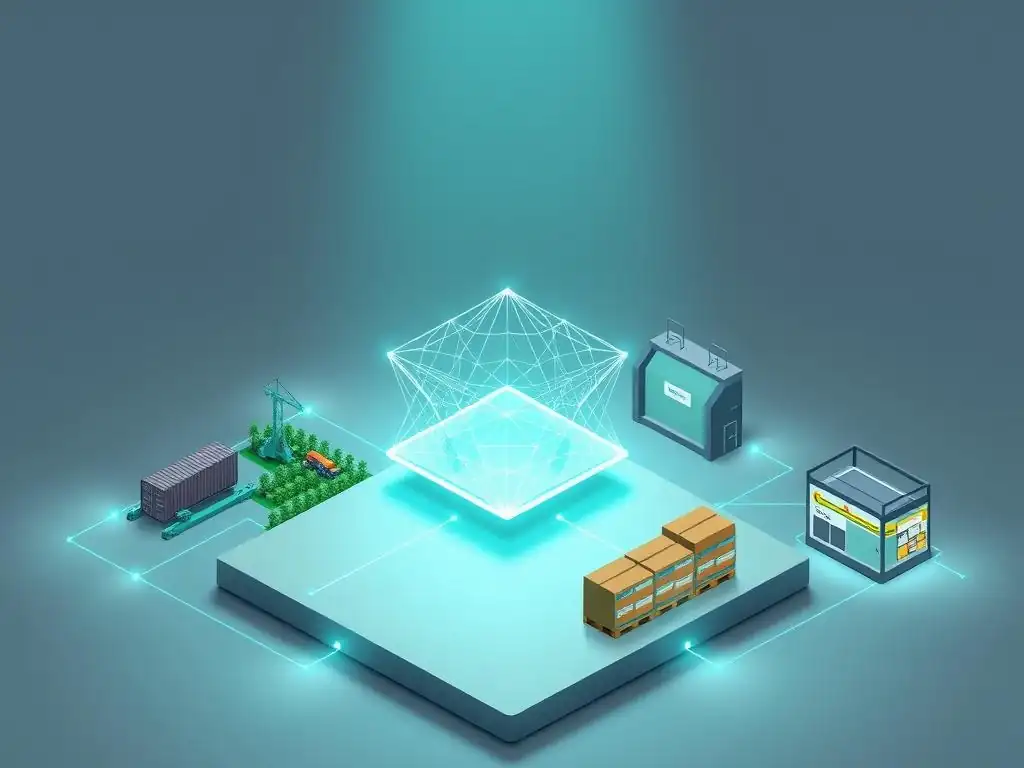
Case Study 1: Food Industry Reduces Foodborne Illness with Hyperledger Fabric
- Problem: A major challenge in the food industry is the slow and often fragmented process of tracing foodborne illnesses back to their source. Traditional paper-based systems and disparate databases make it difficult to quickly identify the origin of contaminated food, leading to delays in product recalls and increased risk of widespread illness. For example, in a large-scale E. coli outbreak linked to romaine lettuce in 2018, it took weeks for health officials to pinpoint the exact source of contamination, resulting in significant economic losses for the industry and numerous illnesses across multiple states.
- Solution: A consortium of food producers, distributors, and retailers implemented a Hyperledger Fabric-based supply chain solution to improve traceability and response times in foodborne illness outbreaks. The solution involved tracking leafy greens from farm to store shelf, recording data at each stage of the supply chain, including farm origin, processing dates, packaging information, and transportation details. IoT sensors were integrated to monitor temperature and humidity during transportation, ensuring food safety throughout the journey. Participants used private channels to share sensitive business data while contributing essential traceability information to the shared ledger.
- Results: The Hyperledger Fabric solution dramatically reduced the time required to trace contaminated food products. In simulated recall scenarios, traceback time was reduced from days to seconds. This speedier response enabled faster and more targeted product recalls, minimizing the impact of foodborne illness outbreaks and reducing food waste. Furthermore, the enhanced transparency built consumer trust and strengthened brand reputation for participating companies, demonstrating a commitment to food safety and quality. The success of this initiative highlighted the potential of Hyperledger Fabric to revolutionize food supply chain traceability and improve public health outcomes.
Case Study 2: Pharmaceutical Company Tracks Drug Provenance Using Blockchain
- Problem: The pharmaceutical industry faces a significant challenge with counterfeit drugs, which not only pose a serious health risk to patients but also erode brand trust and cause substantial financial losses for pharmaceutical companies. Interpol estimates that the counterfeit drug market is worth billions of dollars annually. Traditional methods of tracking drug provenance are often fragmented and vulnerable to manipulation, making it difficult to verify the authenticity of medications and prevent counterfeit drugs from entering the supply chain.
- Solution: A leading pharmaceutical company implemented a Hyperledger Fabric-based solution to track the provenance of prescription drugs from manufacturing to dispensing. The solution involved assigning unique serial numbers to drug packages and recording each transaction on the blockchain as the drugs moved through the supply chain, from manufacturing facilities to distributors, pharmacies, and ultimately to patients. Participants, including manufacturers, distributors, and pharmacies, were permissioned to access and contribute data to the network, ensuring data integrity and confidentiality. Smart contracts were used to automate verification processes and trigger alerts for any suspicious activities or deviations from the expected supply chain path.
- Results: The Hyperledger Fabric solution significantly improved the pharmaceutical company's ability to track drug provenance and combat counterfeiting. The immutable blockchain ledger provided a verifiable record of each drug package's journey, making it easier to identify and remove counterfeit drugs from the supply chain. Pharmacies and patients could verify the authenticity of medications by scanning a QR code on the packaging and accessing the blockchain data. This enhanced transparency and traceability increased patient safety, protected brand reputation, and reduced financial losses associated with counterfeit drugs. The successful implementation demonstrated the effectiveness of Hyperledger Fabric in securing pharmaceutical supply chains and ensuring the integrity of the drug supply.
Other Notable Hyperledger Fabric Supply Chain Projects
Beyond these case studies, numerous other organizations are leveraging Hyperledger Fabric to enhance supply chain transparency and efficiency across diverse industries. For example, the diamond industry is using Hyperledger Fabric to track diamonds from mine to market, combating conflict diamonds and ensuring ethical sourcing. Global shipping companies are exploring Fabric-based solutions to streamline shipping documentation, reduce delays, and improve visibility in global trade.
Fashion brands are utilizing Hyperledger Fabric to track the provenance of textiles and garments, promoting sustainable and ethical fashion practices. These diverse applications demonstrate the versatility and broad applicability of Hyperledger Fabric in addressing supply chain challenges across various sectors, driving innovation and fostering greater transparency and trust in global trade. The continuous growth and adoption of Hyperledger Fabric in supply chain management underscore its potential to transform industries and create more resilient, efficient, and trustworthy supply chains.
Overcoming Challenges and Best Practices for Hyperledger Fabric Supply Chain Implementations
Addressing Scalability and Performance Considerations
Scalability and performance are critical considerations for any blockchain application, especially in supply chain networks that can involve a large number of participants and high transaction volumes. Hyperledger Fabric, while designed for enterprise use, requires careful planning and optimization to ensure it can handle the demands of large-scale supply chains.
Strategies to address scalability include optimizing chaincode performance through efficient coding practices and database interactions, carefully designing channel architecture to partition transaction load across multiple channels, and strategically deploying peers and ordering nodes to distribute processing and storage capacity. Performance monitoring and load testing are crucial for identifying bottlenecks and proactively addressing scalability issues.
Furthermore, exploring advanced Fabric features like peer and ordering service scaling options and considering future platform upgrades are essential for ensuring long-term scalability and performance as the supply chain network grows and transaction volumes increase. Regular performance tuning and capacity planning are best practices for maintaining optimal performance in Hyperledger Fabric supply chain implementations.
Ensuring Data Privacy and Security in a Permissioned Blockchain
While Hyperledger Fabric is a permissioned blockchain designed with privacy and security in mind, careful implementation and configuration are crucial to fully leverage these features and ensure robust data protection. Best practices for ensuring data privacy include utilizing channels and private data collections to restrict data access to authorized participants, implementing granular access control policies within chaincode to limit data visibility based on roles and permissions, and employing encryption techniques to protect sensitive data both in transit and at rest.
Regular security audits and penetration testing are essential for identifying and mitigating potential security vulnerabilities in the Hyperledger Fabric network and applications. Furthermore, adhering to data privacy regulations, such as GDPR or CCPA, and implementing appropriate data governance policies are crucial for maintaining compliance and building trust with supply chain participants and consumers.
A proactive and comprehensive approach to data privacy and security is paramount for building trustworthy and compliant Hyperledger Fabric supply chain solutions.
Managing Identity and Access Control
Effective identity and access control are fundamental to the security and integrity of a Hyperledger Fabric supply chain network. The Membership Service Provider (MSP) plays a crucial role in managing identities and defining organizational membership within the network.
Best practices for managing identity and access control include implementing robust MSP configurations to accurately represent organizational structures and roles, utilizing digital certificates for strong authentication and authorization of participants, and regularly reviewing and updating access control policies to reflect changes in network membership and roles. Role-Based Access Control (RBAC) should be implemented within chaincode to enforce granular permissions based on user roles, ensuring that participants only have access to the data and functionalities they need.
Proper key management practices, including secure key generation, storage, and rotation, are essential for protecting private keys and preventing unauthorized access. A well-defined and consistently enforced identity and access management strategy is crucial for maintaining a secure and controlled environment in Hyperledger Fabric supply chain implementations.
The Importance of Governance and Collaboration
Successful Hyperledger Fabric supply chain implementations require strong governance and effective collaboration among all participating organizations. Establishing a clear governance framework that defines roles, responsibilities, decision-making processes, and dispute resolution mechanisms is essential for ensuring smooth operation and long-term sustainability of the network. Collaboration among participants is crucial for defining common data standards, agreeing on business processes, and ensuring data quality and consistency across the supply chain.
Regular communication, information sharing, and joint problem-solving are necessary for building trust and fostering a collaborative environment. Consider establishing a governing body or consortium to oversee the network, manage membership, and resolve disputes. Clearly defined governance and collaborative practices are key enablers for building successful and impactful Hyperledger Fabric supply chain solutions that benefit all participants.
The Future of Blockchain-Based Supply Chains with Hyperledger Fabric
Emerging Trends and Innovations
The landscape of blockchain-based supply chains with Hyperledger Fabric is continuously evolving, with several emerging trends and innovations shaping its future. One key trend is the increasing integration of IoT devices and sensors to provide real-time data feeds directly into the blockchain, enhancing visibility and automation. For example, temperature sensors, GPS trackers, and RFID tags are being integrated to automatically record environmental conditions, location, and product status throughout the supply chain.
Another trend is the growing adoption of AI and machine learning techniques to analyze blockchain data and gain insights into supply chain performance, predict disruptions, and optimize logistics. Furthermore, advancements in interoperability solutions are enabling seamless data exchange between different blockchain platforms, facilitating broader supply chain network connectivity.
The development of industry-specific Hyperledger Fabric solutions and consortia is also accelerating, addressing the unique needs and challenges of various sectors, such as healthcare, agriculture, and manufacturing. These emerging trends and innovations are driving the evolution of Hyperledger Fabric and expanding its capabilities in transforming supply chain management.
The Role of IoT and AI in Enhancing Supply Chain Transparency
The convergence of IoT and AI with Hyperledger Fabric is poised to significantly enhance supply chain transparency and efficiency in the future. IoT devices provide the real-time data streams necessary to populate the blockchain with accurate and up-to-date information about product conditions, location, and provenance. AI and machine learning algorithms can then analyze this data to identify patterns, predict potential disruptions, optimize routes, and improve decision-making across the supply chain.
For example, AI-powered predictive analytics can be used to forecast demand fluctuations, optimize inventory levels, and proactively mitigate risks. Combining IoT, AI, and Hyperledger Fabric creates a powerful synergy, enabling truly intelligent and transparent supply chains that are more resilient, efficient, and responsive to changing market conditions. This integration is expected to drive significant advancements in supply chain management, leading to greater automation, improved visibility, and enhanced decision-making capabilities.
Hyperledger Fabric and the Evolution of Supply Chain Management
Hyperledger Fabric is playing a pivotal role in the evolution of supply chain management, driving a shift towards more transparent, efficient, and collaborative ecosystems. By providing a robust and secure platform for sharing data and automating processes, Fabric is enabling businesses to build next-generation supply chains that are more resilient, responsive, and customer-centric.
The adoption of Hyperledger Fabric is fostering greater trust and collaboration among supply chain partners, breaking down information silos and enabling seamless data exchange. This increased transparency and traceability are empowering consumers with more information about the products they purchase, driving demand for ethical and sustainable sourcing practices.
As Hyperledger Fabric continues to evolve and integrate with emerging technologies like IoT and AI, it is expected to further revolutionize supply chain management, paving the way for more intelligent, agile, and transparent global trade networks. The future of supply chain management is increasingly being shaped by blockchain technology, and Hyperledger Fabric is at the forefront of this transformation.
Conclusion: Embracing Hyperledger Fabric for a More Transparent and Efficient Supply Chain
Key Takeaways and Recommendations
Hyperledger Fabric offers a powerful and versatile platform for unlocking transparency and efficiency in supply chains. Key takeaways include:
- Transparency and Traceability: Hyperledger Fabric significantly enhances supply chain transparency by providing an immutable and auditable record of product journeys.
- Efficiency and Cost Reduction: Automation through chaincode and streamlined workflows lead to improved efficiency and reduced operational costs.
- Trust and Collaboration: Shared ledger technology fosters trust and collaboration among supply chain stakeholders.
- Data Privacy and Security: Hyperledger Fabric's permissioned nature and features like channels and private data collections ensure data privacy and security.
- Scalability and Performance: Careful architecture design and optimization are crucial for addressing scalability and performance requirements.
Recommendations for organizations considering Hyperledger Fabric for their supply chains include:
- Clearly Define Use Case and Objectives: Start with a well-defined use case and measurable objectives.
- Identify Key Participants and Roles: Map out all stakeholders and their responsibilities within the network.
- Design a Scalable and Secure Architecture: Carefully plan network architecture, consensus mechanism, and security measures.
- Develop Robust and Secure Chaincode: Develop chaincode that accurately reflects business logic and prioritizes data privacy and security.
- Integrate with Existing Systems: Seamlessly integrate Hyperledger Fabric with existing supply chain infrastructure using APIs.
- Focus on Governance and Collaboration: Establish a clear governance framework and foster collaboration among participants.
Call to Action: Exploring the Potential of Hyperledger Fabric for Your Organization.
The transformative potential of Hyperledger Fabric for supply chain management is undeniable. By embracing this technology, organizations can build more transparent, efficient, and resilient supply chains that meet the demands of today's increasingly complex and interconnected global economy. We encourage businesses to explore the potential of Hyperledger Fabric for their own organizations.
Start by identifying a specific supply chain challenge that blockchain can address and conduct a proof-of-concept project to evaluate the feasibility and benefits of Hyperledger Fabric in your context. Engage with blockchain experts and explore the resources available within the Hyperledger community to guide your implementation journey. Embracing Hyperledger Fabric is an investment in the future of your supply chain, paving the way for greater transparency, efficiency, and trust in your operations and across your entire ecosystem.
Frequently Asked Questions
What is Hyperledger Fabric and how does it relate to supply chain management?
Hyperledger Fabric is a permissioned blockchain framework designed for enterprise use. It enables enhanced transparency and traceability in supply chains by creating a secure and immutable record of transactions. This helps build trust and efficiency between participants.
How can Hyperledger Fabric improve supply chain transparency?
By recording every transaction on a distributed and tamper-proof ledger, Hyperledger Fabric allows stakeholders to track goods from origin to consumer. This increased visibility helps identify bottlenecks, prevent counterfeiting, and improve overall supply chain efficiency.
What are the key benefits of using Hyperledger Fabric in a supply chain?
The primary benefits include enhanced traceability, improved trust between partners, and reduced operational costs. It also helps in streamlining processes, preventing fraud, and ensuring compliance with regulations.
What are some real-world use cases of Hyperledger Fabric in supply chain management?
Examples include tracking food origin and safety, managing pharmaceutical supply chains to prevent counterfeiting, and monitoring the movement of goods in global trade networks. These applications demonstrate the practical value of the technology.
What are the challenges associated with implementing Hyperledger Fabric in a supply chain?
Challenges can include the complexity of setting up and managing the blockchain network, the need for cooperation and data sharing among all participants, and the initial investment required to implement the technology.
Okay, here's a final reflection designed to close your "Unlocking Transparency in Supply Chains with Hyperledger Fabric: A Practical Guide" article, optimized for the keyword "Hyperledger Fabric Supply Chain" and following the structure you provided:
Final Reflection: Embracing the Hyperledger Fabric Supply Chain Revolution
The journey towards transparent and efficient supply chains is no longer a futuristic aspiration, but a present-day imperative. The practical applications of Hyperledger Fabric in revolutionizing supply chain management are undeniable, offering unprecedented levels of traceability, security, and trust among stakeholders. This guide has aimed to demystify the process, providing a tangible roadmap for implementing this transformative technology.
The impact of Hyperledger Fabric on supply chains extends far beyond mere efficiency gains. It's about fostering ethical sourcing, combating counterfeiting, and ultimately, building a more responsible and sustainable global economy. Witnessing the growing adoption of blockchain solutions, particularly Hyperledger Fabric, across diverse industries underscores its profound potential to reshape our world. Supply chains are the arteries of global commerce, and blockchain is the blood that will keep them flowing smoothly and transparently.
- Don Tapscott, Blockchain Revolution.
As we look to the future, the possibilities for Hyperledger Fabric in supply chain management are limitless. It's time to move beyond theoretical discussions and embrace the practical implementation of this powerful technology. Consider how you can leverage the insights and guidance provided in this article to initiate or enhance your own Hyperledger Fabric supply chain project. Let's collectively build a future where transparency and trust are the cornerstones of global commerce.
Implement Hyperledger Fabric and Revolutionize Your Supply Chain!
Thank you for exploring how Hyperledger Fabric can transform your supply chain's transparency. Now that you understand the basics, it's time to take action. Here’s how you can proceed:
- Start Building! Launch a proof-of-concept project using Hyperledger Fabric to track a specific aspect of your supply chain. Focus on a manageable scope, such as tracing a single product from origin to delivery. This step could be your most impactful move!
- Explore open-source blockchain tools that complement Hyperledger Fabric to enhance your implementation and discover technologies that can help you expand.
- Share this article with colleagues who could benefit from greater supply chain transparency, or start a discussion on Blockchain Trends about your plans to implement Hyperledger Fabric.
What particular supply chain challenge are you most eager to address with Hyperledger Fabric? Share your ideas in the comments below!
Leave a Reply