
Blockchain Security Best Practices for Voting Systems: Maintaining Integrity and Transparency

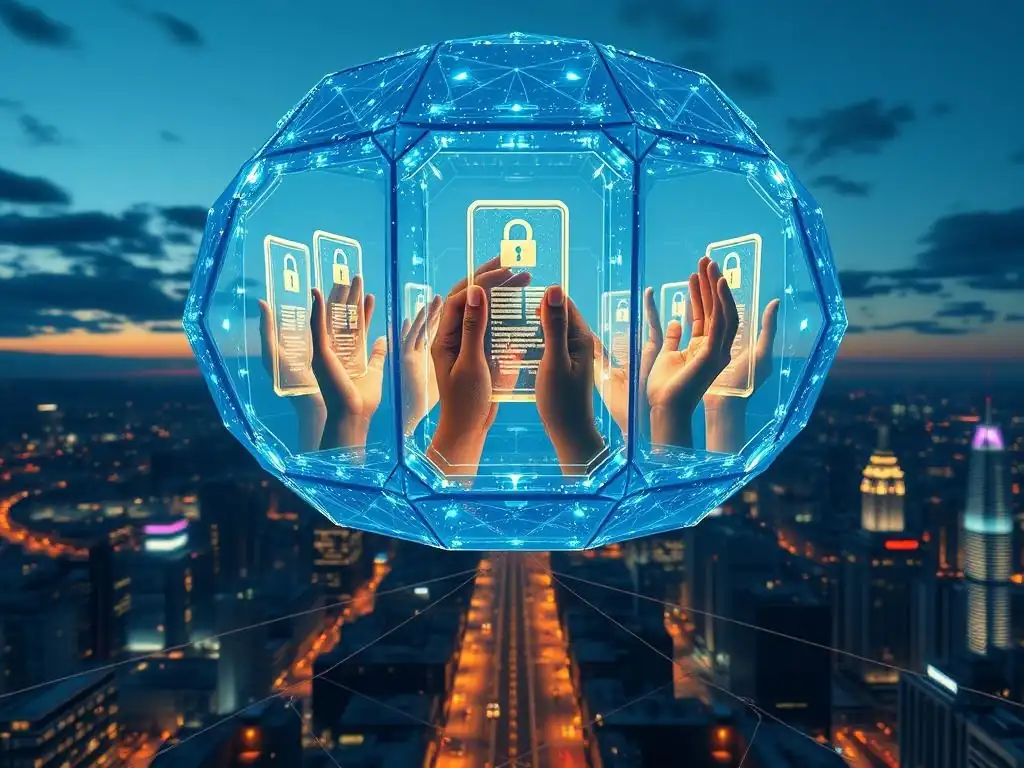
Welcome to Blockchain Trends, your guide to understanding the revolutionary potential of blockchain technology!
Ever wondered how blockchain can secure our elections? This week, we delve into Blockchain voting security best practices, exploring how this innovative technology can enhance integrity and transparency in democratic processes. Discover the strategies and safeguards crucial for building trust in decentralized voting systems. Ready to uncover the future of secure voting? Read on and explore!
1. Secure Key Management for Voter Identity
Secure key management is paramount in blockchain voting systems as it directly underpins voter identity verification and authorization. In a blockchain-based voting system, each voter is typically associated with a pair of cryptographic keys: a public key and a private key. The public key is used to identify the voter and can be shared openly, similar to a username.
Conversely, the private key is highly sensitive and must be kept secret, as it is used to digitally sign votes, proving the voter's identity and intent. Compromising a voter's private key would be equivalent to stealing their ballot and the ability to cast fraudulent votes in their name, severely undermining the integrity of the entire election. Therefore, robust mechanisms for generating, storing, and managing these keys are critical to ensure the security and trustworthiness of blockchain voting platforms.
Poor key management practices represent a significant vulnerability in any cryptographic system, and blockchain voting is no exception. If private keys are stored insecurely – for example, on easily compromised devices or using weak passwords – the entire system becomes susceptible to large-scale voter impersonation and manipulation. Consider the implications of a scenario where malicious actors gain access to a significant number of voter private keys.
They could potentially alter vote tallies, disenfranchise legitimate voters, and completely undermine the democratic process. Therefore, implementing stringent key management protocols is not just a best practice, but a fundamental necessity for any blockchain voting system aiming to achieve verifiable and secure elections.
Implementing Multi-Factor Authentication (MFA)
Multi-factor authentication (MFA) adds a crucial layer of security to voter identity management by requiring voters to present multiple forms of verification before gaining access to their voting credentials or casting their ballot. This significantly reduces the risk of unauthorized access, even if one authentication factor is compromised.
Common MFA methods include combining something the voter knows (like a password or PIN), something the voter has (like a smartphone or security token), and something the voter is (like biometric data such as a fingerprint or facial recognition). For instance, a voter might need to enter their password and then verify their identity via a one-time code sent to their registered mobile phone or authenticate using fingerprint recognition.
The adoption of MFA in blockchain voting systems mirrors best practices in online banking and other high-security environments. By requiring multiple independent verification steps, MFA makes it exponentially harder for attackers to impersonate voters. Imagine a scenario where an attacker steals a voter's password.
With MFA enabled, the attacker would still need to bypass a second authentication factor, such as physical possession of the voter's registered mobile device or biometric verification. This substantially elevates the security bar, making large-scale voter fraud attempts significantly more challenging and less likely to succeed. Moreover, offering voters a choice of MFA methods can enhance accessibility and user experience, catering to diverse technological literacy and device availability.
Secure Storage and Protection of Private Keys
Secure storage and protection of private keys are non-negotiable aspects of blockchain voting security. Private keys, the digital equivalent of a voter's signature, must be shielded from unauthorized access and potential theft. Various secure storage solutions exist, ranging from software-based wallets to hardware-based security modules. Software wallets, while convenient, can be vulnerable if the device they reside on is compromised by malware or physical theft. Hardware wallets, on the other hand, offer a higher degree of security by storing private keys in a dedicated, tamper-proof hardware device, isolated from the operating system and potential online threats.
For blockchain voting systems, particularly those aiming for large-scale adoption, hardware wallets or similarly robust key management solutions are highly recommended for election administrators and potentially for voters themselves, depending on the system design. Consider the analogy of physical ballots: just as paper ballots are stored in secure ballot boxes under strict surveillance, digital private keys require comparable levels of protection. Employing encryption at rest for private keys stored on servers or devices is also essential.
Furthermore, regular security audits and penetration testing of key storage infrastructure should be conducted to identify and remediate any vulnerabilities proactively. The goal is to create a "digital vault" for private keys that is as impenetrable as possible, safeguarding the foundation of voter identity and vote integrity.
Biometric Authentication for Enhanced Identity Verification
Biometric authentication offers a compelling avenue for enhancing voter identity verification in blockchain voting systems, leveraging unique biological traits to confirm a voter's identity. Biometric methods, such as fingerprint scanning, facial recognition, and iris scanning, provide a highly secure and user-friendly alternative or supplement to traditional password-based authentication. Unlike passwords which can be forgotten, stolen, or phished, biometric traits are intrinsically linked to the individual, making them significantly more difficult to replicate or compromise. Integrating biometric authentication into the voter registration or voting process can drastically reduce the risk of voter impersonation and fraudulent access.
The use of biometrics in blockchain voting aligns with the growing trend of biometric adoption in various sectors requiring robust identity verification, from mobile banking to border security. Imagine a voting scenario where a voter is required to scan their fingerprint or use facial recognition to access their digital ballot. This adds a powerful layer of assurance that the person casting the vote is indeed the registered voter, significantly mitigating the risk of unauthorized ballot access.
Furthermore, advancements in biometric technology have led to increased accuracy and reliability, while also addressing privacy concerns through techniques like local biometric processing and template protection. However, it's crucial to consider accessibility and inclusivity when implementing biometric authentication to ensure that all eligible voters, including those with disabilities or limited access to technology, can participate in the voting process without undue barriers.
- What are the primary security advantages of using blockchain for voting systems?
- How does blockchain enhance the integrity of the voting process beyond traditional methods?
- What are some of the main challenges in implementing blockchain-based voting systems securely?
- What are some best practices for ensuring the security of blockchain voting systems?
- How can regulatory frameworks support the secure adoption of blockchain voting systems?
Frequently Asked Questions
What are the primary security advantages of using blockchain for voting systems?
Blockchain offers several key advantages, including immutable records making it difficult to tamper with votes, enhanced transparency due to the distributed ledger, and potential for increased auditability throughout the voting process.
How does blockchain enhance the integrity of the voting process beyond traditional methods?
Traditional voting systems are often vulnerable to fraud and manipulation. Blockchain enhances integrity through decentralization, preventing single points of failure, and cryptographic security, ensuring vote authenticity and preventing unauthorized modifications.
What are some of the main challenges in implementing blockchain-based voting systems securely?
Scalability, ensuring privacy of voters' identities, and addressing potential vulnerabilities in the smart contracts governing the voting process are key challenges. Also, user accessibility for non-technical voters must be considered.
What are some best practices for ensuring the security of blockchain voting systems?
Employing strong encryption techniques, conducting thorough security audits of the blockchain code and infrastructure, and implementing robust identity verification protocols are crucial best practices.
How can regulatory frameworks support the secure adoption of blockchain voting systems?
Clear and well-defined regulations can establish security standards, provide guidance for implementation, and foster public trust in blockchain voting by addressing concerns about privacy and data protection, ultimately leading to wider adoption.
Final Reflection: Securing Democracy's Future
The exploration of blockchain voting security best practices culminates in a crucial understanding: the integrity of democratic processes hinges on robust and transparent technological foundations. The vulnerabilities inherent in traditional voting systems demand innovative solutions, and blockchain technology, when implemented thoughtfully, offers a promising path forward. This is not merely a theoretical exercise; it's a vital conversation for safeguarding the very essence of free and fair elections in an increasingly digital world.
The potential of blockchain to revolutionize voting extends far beyond simple convenience. It touches upon fundamental principles of trust and accountability, shaping the future of civic engagement. Witnessing the growing adoption of blockchain in various sectors underscores its transformative power, and its application to voting systems holds the key to restoring public confidence in electoral processes. Democracy cannot succeed unless those who express their choice are prepared to choose wisely. The real safeguard of democracy, therefore, is education.
- Franklin D. Roosevelt. This quote reminds us that informed choices, facilitated by secure and transparent systems, are the bedrock of a thriving democracy.
As we conclude this exploration, consider the role you can play in advocating for secure and transparent voting systems. Educate yourself on the nuances of blockchain technology, engage in informed discussions with your community, and demand accountability from your elected officials. The future of democracy is not predetermined; it is shaped by the collective actions of informed and engaged citizens. Let us strive to build a future where every vote is secure, verifiable, and contributes to a truly representative government.
Fortify Democracy: Take Action Now!
Thank you for exploring the importance of blockchain security in voting systems. We hope you've gained valuable insights into how to safeguard the integrity and transparency of democratic processes. Ready to put that knowledge into practice?
Here are some ways you can help build a more secure and trustworthy voting system:
- Advocate for implementing pilot programs that utilize blockchain technology in local elections. This is a crucial step toward wider adoption and improvement.
- Explore open-source blockchain voting platforms and consider contributing to their code or documentation. Even small efforts can make a significant difference.
- Share this article with your network and initiate conversations about the importance of blockchain security in ensuring fair and transparent elections. Hosting a community discussion could be a great starting point.
Which security feature discussed in this article do you believe would most improve voter confidence, and how can we practically implement it in the upcoming election cycle?
Leave a Reply