
Inconsistent Blockchain Regulations: The Security Risks of Global Fragmentation


Welcome to Blockchain Trends, your compass in the rapidly evolving world of decentralized technologies. Beyond the hype, we delve into the real impact of blockchain on industries worldwide.
Ever wondered how inconsistent global policies could inadvertently create vulnerabilities in the blockchain ecosystem? Our featured article, " Inconsistent Blockchain Regulations: The Security Risks of Global Fragmentation," explores this critical topic. Discover the hidden dangers lurking beneath the surface of decentralized innovation and understand why a unified approach to blockchain regulation security risks is paramount. Dive in to uncover the potential pitfalls and explore solutions for a more secure, decentralized future.
Introduction: Understanding the Impact of Fragmented Blockchain Regulation on Security
The decentralized and borderless nature of blockchain technology presents a unique challenge to global regulators. Unlike traditional financial systems confined by geographical boundaries, blockchain networks operate without inherent jurisdictional limits. This inherent global reach clashes with the reality of nation-state-based regulation, leading to a fragmented and inconsistent regulatory landscape worldwide.
This fragmentation, far from being a mere bureaucratic inconvenience, introduces significant security risks to the blockchain ecosystem. The lack of a unified global approach to blockchain regulation creates loopholes and vulnerabilities that can be exploited by malicious actors, undermining the security and trust that are crucial for the technology's widespread adoption and sustainable growth.
The implications of this regulatory patchwork are far-reaching, affecting not only businesses operating in the blockchain space but also the security of the technology itself. Inconsistent regulations create uncertainty, making it difficult for companies to navigate legal requirements and implement robust security measures across different jurisdictions. This ambiguity can stifle innovation, as businesses hesitate to invest in projects with unclear legal standing.
Moreover, the variations in regulatory stringency across countries can lead to regulatory arbitrage, where illicit activities migrate to jurisdictions with lax oversight, ultimately increasing the overall risk profile of the blockchain ecosystem. Understanding these security risks is paramount for fostering a safer and more reliable blockchain environment.
- How does inconsistent blockchain regulation across different countries impact security risks?
- What are the main types of security risks stemming from the lack of unified blockchain regulation?
- How can DeFi (Decentralized Finance) be affected by the absence of global blockchain regulation security risks?
- What role do enterprise applications of blockchain technology play in addressing the security risks associated with fragmented regulations?
- What steps can be taken to mitigate security risks caused by the inconsistent blockchain regulation landscape?
The Patchwork Quilt: A Global Overview of Divergent Blockchain Regulations
The current global blockchain regulatory landscape can be aptly described as a patchwork quilt, with each jurisdiction adopting its own unique approach, often with little coordination or consistency. This divergence stems from varying national priorities, legal traditions, and levels of understanding of blockchain technology. Some countries have embraced blockchain with open arms, fostering innovation through permissive regulations and even actively promoting the technology's development. Examples include Switzerland and Singapore, which have established relatively clear and business-friendly frameworks for blockchain and cryptocurrencies, attracting significant investment and fostering thriving ecosystems.
Conversely, other nations have adopted a more cautious or even restrictive stance, driven by concerns about financial stability, money laundering, and consumer protection. China, for instance, has implemented stringent regulations on cryptocurrency trading and mining, effectively banning initial coin offerings (ICOs) and significantly limiting cryptocurrency-related activities within its borders.
The United States, while not as restrictive as China, presents its own form of fragmentation, with regulatory authority divided among various federal and state agencies, leading to a complex and often confusing regulatory environment for blockchain businesses. This lack of uniformity across jurisdictions creates a complex web of compliance requirements for companies operating internationally, significantly increasing operational costs and security vulnerabilities.
Regulatory Approaches to Blockchain Technology: A Comparative Analysis
Examining the regulatory approaches to blockchain technology reveals a spectrum ranging from prohibition to promotion, with various shades of gray in between. Some jurisdictions have opted for a prohibitive approach, largely driven by concerns over the potential use of cryptocurrencies in illicit activities and the perceived threat to monetary sovereignty. Countries like Algeria, Bangladesh, and Nepal have outright banned cryptocurrencies, reflecting a cautious stance towards decentralized digital assets. This approach, while aiming to mitigate risks, can stifle innovation and drive blockchain activity underground, making it harder to regulate and monitor effectively, potentially increasing security risks in the long run.
On the other end of the spectrum are jurisdictions adopting a promotional approach, recognizing the transformative potential of blockchain technology and seeking to become hubs for innovation. Malta, for example, was among the first to establish comprehensive legislation for blockchain and cryptocurrencies, aiming to attract blockchain businesses through regulatory clarity and a favorable legal environment.
Similarly, jurisdictions like Bermuda and Liechtenstein have enacted specific laws to regulate digital assets and blockchain services, fostering innovation and investment. Between these extremes lie a multitude of nuanced approaches, with many countries grappling to find the right balance between fostering innovation and mitigating risks, leading to the current fragmented global regulatory landscape.
Jurisdictional Variations in Cryptocurrency Regulation
Cryptocurrency regulation is perhaps the most visible and contentious area of blockchain regulation, showcasing significant jurisdictional variations. The classification of cryptocurrencies varies widely across countries, with some categorizing them as currencies, others as commodities, securities, or even property. This classification is crucial as it dictates which regulatory framework applies, impacting taxation, anti-money laundering (AML) requirements, and investor protection measures. For example, in the United States, the Securities and Exchange Commission (SEC) has asserted jurisdiction over many cryptocurrencies, classifying them as securities, which triggers stringent registration and disclosure requirements.
In contrast, other jurisdictions, such as Germany, have recognized cryptocurrencies as units of account and private money, leading to different regulatory implications. Furthermore, the implementation of Know Your Customer (KYC) and Anti-Money Laundering (AML) regulations for cryptocurrency exchanges and service providers varies significantly.
While some jurisdictions have adopted stringent KYC/AML requirements aligned with international standards set by the Financial Action Task Force (FATF), others have weaker or less enforced regulations. This disparity creates opportunities for regulatory arbitrage, where illicit actors can exploit jurisdictions with lax KYC/AML controls to launder money and facilitate other criminal activities, posing significant security risks to the global financial system and the blockchain ecosystem itself.
Decentralized Finance (DeFi) presents an even greater regulatory challenge due to its inherently borderless and disintermediated nature. DeFi protocols operate autonomously through smart contracts, often without any central intermediary or identifiable legal entity. This characteristic makes traditional regulatory frameworks, designed for centralized institutions, difficult to apply directly to DeFi. Regulators globally are grappling with how to oversee DeFi, with approaches ranging from attempting to apply existing securities laws to exploring entirely new regulatory frameworks tailored to the unique characteristics of DeFi.
The lack of clarity surrounding DeFi regulation creates significant uncertainty and security risks. The anonymity and pseudo-anonymity inherent in many DeFi protocols, combined with the absence of clear regulatory oversight, can make DeFi platforms attractive for illicit activities, including money laundering and terrorist financing.
Moreover, the complex and often unaudited nature of smart contracts in DeFi protocols can lead to vulnerabilities and exploits, as demonstrated by numerous high-profile DeFi hacks. The inconsistent and nascent regulatory landscape for DeFi further complicates the task of establishing clear legal recourse for victims of DeFi-related security breaches, exacerbating the risks associated with this rapidly evolving sector.
The Impact of Conflicting Regulatory Frameworks on Blockchain Innovation
The patchwork of conflicting regulatory frameworks across the globe significantly impacts blockchain innovation. For blockchain businesses seeking to operate internationally, navigating this complex web of regulations becomes a major hurdle. The costs of legal compliance and adapting business models to different jurisdictional requirements can be substantial, particularly for startups and smaller companies, potentially hindering their ability to innovate and compete. This regulatory fragmentation can also lead to a "race to the bottom," where businesses may choose to domicile in jurisdictions with the weakest regulations to minimize compliance costs, potentially compromising security and consumer protection standards.
Furthermore, regulatory uncertainty can stifle investment in blockchain innovation. Investors are often wary of investing in projects operating in a regulatory gray area, fearing potential legal repercussions and compliance risks. This reluctance to invest can slow down the development and adoption of blockchain technology, hindering its potential to deliver transformative benefits across various sectors.
The lack of harmonized global regulations creates an uneven playing field, favoring jurisdictions with clearer and more business-friendly frameworks, while potentially disadvantaging those with more restrictive or uncertain regulatory environments. This unevenness not only impacts innovation but also contributes to the security risks associated with regulatory arbitrage and the exploitation of jurisdictional loopholes.
Security Risks Amplified by Regulatory Fragmentation
The fragmented and inconsistent global regulatory landscape for blockchain technology directly amplifies several security risks. The lack of a unified approach creates opportunities for malicious actors to exploit regulatory loopholes and jurisdictional arbitrage, undermining the security and integrity of the blockchain ecosystem. This section delves into specific security risks that are exacerbated by regulatory fragmentation, highlighting the urgent need for greater international cooperation and harmonization.
Exploitation of Regulatory Arbitrage: A Security Vulnerability
Regulatory arbitrage, the practice of exploiting differences in regulations across jurisdictions to gain an advantage or avoid stricter rules, becomes a significant security vulnerability in the context of fragmented blockchain regulation. Malicious actors can strategically choose to operate in jurisdictions with lax regulations or weak enforcement to conduct illicit activities, knowing that cross-border enforcement is often challenging and slow. This exploitation can manifest in various forms, including establishing cryptocurrency exchanges in jurisdictions with minimal KYC/AML requirements to facilitate money laundering, or launching DeFi platforms in regulatory havens to avoid scrutiny and operate with lower security standards.
For example, a cryptocurrency exchange operating in a jurisdiction with weak KYC/AML regulations can attract users seeking to anonymously launder illicit funds. These funds can then be transferred across borders and integrated into the legitimate financial system, making it difficult to trace and recover.
Similarly, DeFi protocols launched in jurisdictions with unclear regulatory frameworks may be more susceptible to exploits and hacks, as there may be less regulatory pressure to implement robust security measures and less clarity on legal recourse for victims. This regulatory arbitrage not only facilitates criminal activities but also undermines the overall security and reputation of the blockchain industry.
Cross-Border Data Flow and Regulatory Compliance Challenges
Data privacy regulations, such as the European Union's General Data Protection Regulation (GDPR), introduce another layer of complexity and security challenges in the context of fragmented blockchain regulation. Blockchain networks, by their nature, often involve cross-border data flows, as transactions and data are distributed across nodes located in different jurisdictions. Complying with varying data privacy regulations across these jurisdictions becomes a significant challenge for blockchain businesses, particularly those handling personal data. The inconsistencies in data localization requirements, data transfer restrictions, and data subject rights across different countries create a complex compliance landscape.
For instance, a blockchain-based application operating globally may need to comply with GDPR for EU users, while simultaneously adhering to different data privacy regulations in other jurisdictions. Navigating these conflicting requirements can be costly and complex, and failure to comply can result in significant penalties and reputational damage.
Moreover, the inherent immutability of many blockchains raises challenges in complying with data erasure requests under GDPR and similar regulations. These cross-border data flow and compliance challenges not only increase operational burdens but also introduce potential security vulnerabilities, as businesses may struggle to implement consistent and robust data protection measures across all jurisdictions in which they operate.
Increased Risk of Money Laundering and Illicit Activities
The lack of harmonized KYC/AML regulations across jurisdictions significantly increases the risk of money laundering and other illicit activities within the blockchain ecosystem. As previously mentioned, the varying levels of stringency in KYC/AML requirements create opportunities for regulatory arbitrage. Criminals can exploit jurisdictions with weak KYC/AML controls to convert illicit funds into cryptocurrencies or other digital assets, and then transfer these assets across borders with relative ease. The anonymity and pseudonymity offered by some cryptocurrencies and blockchain platforms further complicate the task of tracing and identifying illicit transactions.
The Financial Action Task Force (FATF) has issued recommendations for regulating virtual assets and virtual asset service providers (VASPs) to combat money laundering and terrorist financing. However, the implementation of these recommendations varies significantly across jurisdictions. Some countries have proactively adopted FATF standards and implemented comprehensive KYC/AML regulations for VASPs, while others lag behind or have weaker enforcement mechanisms.
This uneven implementation creates loopholes that can be exploited by criminals, undermining global efforts to combat money laundering and financial crime in the blockchain space. The fragmented regulatory landscape, therefore, directly contributes to the increased risk of illicit activities and undermines the security and integrity of the blockchain ecosystem.
The Challenge of Enforcing Security Standards Across Jurisdictions
Enforcing security standards in the blockchain space becomes significantly more challenging in the absence of consistent global regulations. When regulations vary widely across jurisdictions, it becomes difficult to establish clear and universally applicable security standards for blockchain platforms and applications. This lack of uniformity makes it harder for regulators to effectively oversee and enforce security measures, particularly in cross-border contexts. A blockchain platform operating globally may be subject to different security standards in different jurisdictions, creating confusion and potentially leading to inconsistent security practices.
Furthermore, cross-border enforcement of security breaches and cyberattacks in the blockchain space is often complex and time-consuming due to jurisdictional differences and the lack of international legal frameworks specifically tailored to blockchain. When a security breach occurs involving entities or assets located in multiple jurisdictions, determining the responsible regulatory authority and coordinating enforcement actions can be challenging. This difficulty in enforcing security standards and pursuing legal recourse for security breaches undermines the overall security posture of the blockchain ecosystem and emboldens malicious actors to exploit regulatory fragmentation.
The Security Implications of Regulatory Uncertainty
Beyond the direct risks of regulatory arbitrage and inconsistent standards, the pervasive regulatory uncertainty surrounding blockchain technology itself poses significant security implications. This uncertainty stems from the evolving nature of blockchain technology and the ongoing debate among regulators about how to best approach its oversight. The lack of clear and predictable regulatory frameworks creates an environment of ambiguity that can hinder the development of robust security protocols, complicate legal recourse in case of security breaches, and reduce investment in blockchain security infrastructure.
Hindered Development of Robust Security Protocols
Regulatory uncertainty can hinder the development and adoption of robust security protocols within the blockchain ecosystem. When the regulatory landscape is unclear, businesses may be hesitant to invest in developing and implementing advanced security measures, as they are unsure which standards will ultimately be required and whether their investments will be aligned with future regulations. This uncertainty can lead to a reactive rather than proactive approach to security, where businesses may only implement minimal security measures to comply with current regulations, rather than investing in cutting-edge security solutions.
Moreover, the lack of clear regulatory guidance on security best practices for blockchain platforms and applications can stifle innovation in security protocols. Security researchers and developers may be less inclined to invest time and resources in developing new security solutions if they are unsure whether these solutions will be recognized or incentivized by regulators. This can lead to a slower pace of security innovation and leave the blockchain ecosystem more vulnerable to emerging threats. Clear and consistent regulatory frameworks that incentivize and recognize robust security protocols are crucial for fostering a more secure and resilient blockchain environment.
Difficulty in Establishing Clear Legal Recourse for Security Breaches
Regulatory uncertainty significantly complicates the process of establishing clear legal recourse for victims of blockchain security breaches. When a security incident occurs, such as a hack or a smart contract exploit, determining the legal jurisdiction, applicable laws, and responsible parties can be challenging, particularly in cross-border contexts and in the absence of clear regulatory frameworks. The decentralized and often anonymous nature of blockchain platforms further complicates the identification and prosecution of perpetrators of security breaches.
The lack of legal clarity and established precedent in blockchain-related security incidents creates uncertainty for victims seeking to recover losses or pursue legal action. The fragmented regulatory landscape exacerbates this problem, as different jurisdictions may have different legal frameworks and approaches to addressing blockchain security breaches. This uncertainty can discourage victims from pursuing legal recourse, leaving them without adequate protection and undermining the overall accountability within the blockchain ecosystem. Clear and harmonized legal frameworks that define liability and provide effective remedies for security breaches are essential for building trust and confidence in blockchain technology.
Reduced Investment in Blockchain Security Infrastructure
Regulatory uncertainty can also lead to reduced investment in blockchain security infrastructure. Investors may be hesitant to invest in companies specializing in blockchain security solutions if the regulatory landscape is unclear and the demand for these solutions is uncertain. This lack of investment can slow down the development and deployment of critical security infrastructure, such as security auditing tools, vulnerability scanning services, and incident response capabilities. Without adequate investment in security infrastructure, the blockchain ecosystem becomes more vulnerable to cyberattacks and security breaches.
Furthermore, blockchain businesses themselves may be less inclined to allocate significant resources to security if they are unsure about the regulatory requirements and the return on investment in security measures. This can lead to underinvestment in security personnel, security training, and security technology, leaving blockchain platforms and applications with inadequate protection against evolving threats. Clear and predictable regulatory frameworks that emphasize the importance of security and incentivize investment in security infrastructure are crucial for fostering a more secure and sustainable blockchain ecosystem.
Increased Vulnerability to Cyberattacks and Fraud
Ultimately, the cumulative effect of regulatory uncertainty is an increased vulnerability to cyberattacks and fraud within the blockchain ecosystem. The lack of clear and consistent regulations creates loopholes and ambiguities that can be exploited by malicious actors. Regulatory arbitrage, hindered security innovation, complicated legal recourse, and reduced investment in security infrastructure all contribute to a less secure environment. This vulnerability not only harms individual users and businesses but also undermines the overall credibility and trust in blockchain technology.
The fragmented regulatory landscape can be perceived as a weakness by cybercriminals and fraudsters, who may see blockchain as a less regulated and therefore more attractive environment for their illicit activities. The perception of increased risk can also deter legitimate businesses and users from adopting blockchain technology, hindering its widespread adoption and potential benefits. Addressing regulatory uncertainty and moving towards a more harmonized and predictable regulatory framework is crucial for mitigating these security risks and fostering a more secure and trustworthy blockchain ecosystem.
Case Studies: Examples of Security Breaches Exploiting Regulatory Gaps
Several high-profile security breaches in the blockchain space serve as stark reminders of the risks amplified by regulatory fragmentation and uncertainty. These cases often highlight how malicious actors exploit regulatory loopholes, jurisdictional ambiguities, and the lack of clear legal frameworks to perpetrate attacks and evade accountability. Examining these case studies provides valuable insights into the real-world impact of inconsistent blockchain regulations and underscores the urgent need for greater harmonization.
The DAO Hack: Exploiting Smart Contract Vulnerabilities and Regulatory Ambiguity
The Decentralized Autonomous Organization (DAO) hack in 2016 stands as a landmark example of a security breach that exposed both technical vulnerabilities in smart contracts and regulatory ambiguity surrounding decentralized entities. The DAO was a complex smart contract-based investment fund built on the Ethereum blockchain. A critical vulnerability in its code allowed an attacker to drain a significant portion of its funds, estimated at around \$50 million at the time. The hack highlighted the nascent stage of smart contract security and the challenges of auditing and securing complex decentralized applications.
Beyond the technical aspects, the DAO hack also exposed significant regulatory ambiguity. The DAO operated without a clear legal jurisdiction or recognized legal entity, making it unclear which regulatory framework, if any, applied. The lack of clarity surrounding the legal status of DAOs and smart contracts complicated the response to the hack and the pursuit of legal recourse.
The incident underscored the need for regulators to address the legal and regulatory challenges posed by decentralized autonomous organizations and smart contracts, and to establish clearer frameworks for liability and accountability in the event of security breaches. While not directly caused by regulatory fragmentation in the traditional sense, the DAO hack illustrated the security risks associated with regulatory novelty and the absence of established legal frameworks for novel blockchain-based entities.
PlusToken Ponzi Scheme: Leveraging Unregulated Exchanges for Money Laundering
The PlusToken Ponzi scheme, which unfolded between 2018 and 2019, demonstrates how criminals can leverage unregulated cryptocurrency exchanges and jurisdictional arbitrage to conduct large-scale financial fraud and money laundering. PlusToken was a purported cryptocurrency investment platform that promised high returns to investors. In reality, it was a Ponzi scheme that defrauded millions of investors worldwide, amassing billions of dollars worth of cryptocurrencies, primarily Bitcoin and Ethereum. The perpetrators of the scheme utilized unregulated cryptocurrency exchanges, particularly those operating in jurisdictions with weak KYC/AML regulations, to launder their ill-gotten gains.
These exchanges provided a convenient on-ramp and off-ramp for converting illicit cryptocurrencies into fiat currencies and transferring them across borders. The lack of consistent KYC/AML enforcement across jurisdictions allowed the PlusToken scammers to operate with relative impunity, moving funds through various exchanges and jurisdictions to obfuscate their origin and ownership.
The PlusToken case highlights the critical role of robust and consistently enforced KYC/AML regulations in preventing money laundering and combating financial crime in the cryptocurrency space. It also demonstrates how regulatory fragmentation can be exploited by criminals to facilitate large-scale illicit activities, posing significant security risks to the global financial system.
Data Privacy Concerns in Decentralized Identity Management Systems
Decentralized Identity (DID) management systems, while offering significant potential for enhancing data privacy and user control, also raise data privacy concerns that are amplified by regulatory fragmentation. DIDs aim to give individuals greater control over their digital identities and personal data, allowing them to manage and share their data selectively and securely. However, the implementation and deployment of DID systems in a global context raise complex data privacy challenges, particularly in light of varying data privacy regulations across jurisdictions, such as GDPR in Europe and CCPA in California.
The decentralized nature of DID systems and the potential for cross-border data flows raise questions about data localization requirements, data transfer restrictions, and the enforcement of data subject rights. Inconsistent data privacy regulations across jurisdictions can create compliance burdens for DID providers and uncertainty for users regarding the protection of their personal data. Moreover, the immutability of blockchain, often used as the underlying technology for DID systems, can pose challenges in complying with data erasure requests under regulations like GDPR.
These data privacy concerns, exacerbated by regulatory fragmentation, can hinder the adoption of DID systems and undermine their potential to enhance user privacy and security. Addressing these concerns requires greater international cooperation and harmonization of data privacy regulations in the context of decentralized technologies like DIDs.
Addressing the Challenges: Towards Harmonized Blockchain Regulation for Enhanced Security
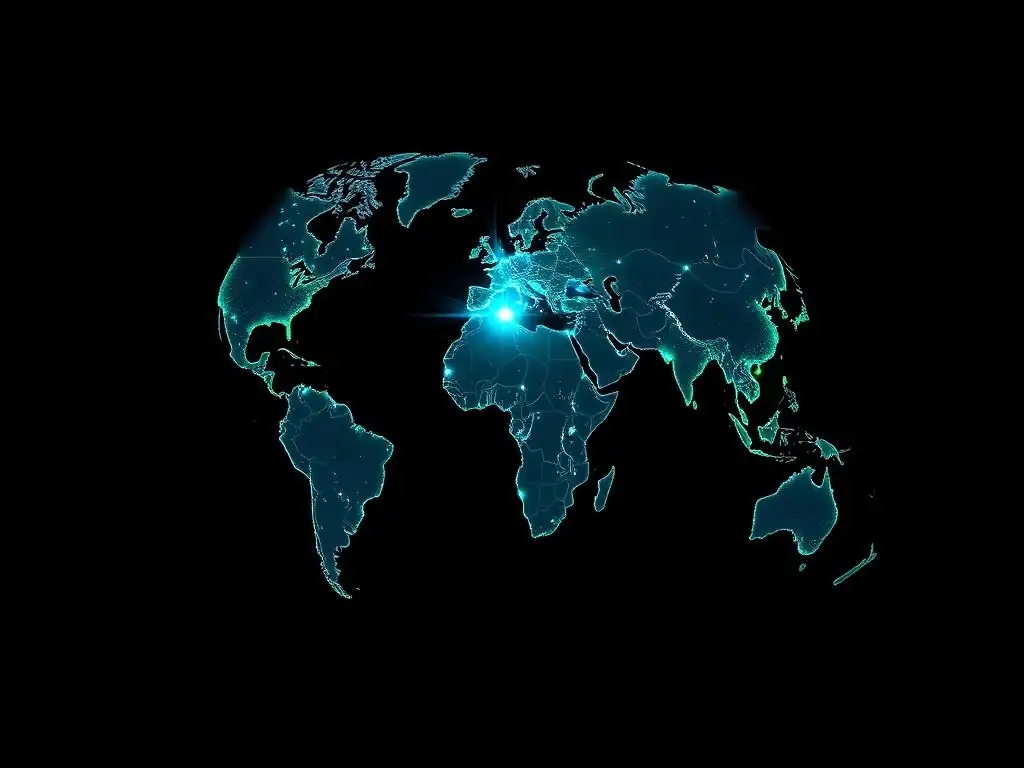
Recognizing the significant security risks posed by fragmented blockchain regulations, it is imperative to move towards a more harmonized global approach. This section outlines key steps and strategies that can be adopted to address the challenges of regulatory fragmentation and enhance security within the blockchain ecosystem through greater international cooperation and standardization.
The Need for International Cooperation and Standardization
International cooperation and standardization are paramount for mitigating the security risks associated with fragmented blockchain regulation. Given the borderless nature of blockchain technology, a purely national or regional approach to regulation is insufficient and can even be counterproductive. Effective regulation requires collaboration among countries to establish common standards, share information, and coordinate enforcement actions. International organizations, such as the Financial Action Task Force (FATF), the International Organization for Standardization (ISO), and intergovernmental bodies like the G20 and the OECD, play a crucial role in fostering this cooperation and promoting standardization.
FATF's recommendations on virtual assets and VASPs provide a foundational framework for global AML/CFT standards in the cryptocurrency space. However, further international cooperation is needed to ensure consistent implementation and enforcement of these standards across jurisdictions. ISO standards for blockchain technology can help establish common technical and security standards, promoting interoperability and enhancing security across different blockchain platforms and applications. International forums and dialogues are essential for sharing best practices, addressing emerging regulatory challenges, and working towards greater harmonization of blockchain regulations globally.
Establishing Clear and Consistent Regulatory Frameworks
Establishing clear and consistent regulatory frameworks is crucial for reducing regulatory uncertainty and fostering a more secure blockchain environment. Jurisdictions should strive to develop regulations that are technology-neutral, risk-based, and proportionate, avoiding overly prescriptive rules that stifle innovation. Regulatory clarity is essential for businesses to understand their compliance obligations and implement appropriate security measures. Consistent regulations across jurisdictions can reduce regulatory arbitrage opportunities and create a level playing field for blockchain businesses operating internationally.
Harmonization does not necessarily require identical regulations in every jurisdiction, but rather greater convergence in key regulatory principles and standards. This could involve adopting common definitions for blockchain-related terms, aligning KYC/AML requirements for VASPs, and establishing consistent frameworks for data privacy and consumer protection in the blockchain space. Clear and consistent regulatory frameworks will provide businesses with greater certainty, encourage investment in security, and reduce the overall security risks associated with regulatory fragmentation.
Promoting Regulatory Sandboxes for Innovation and Security Testing
Regulatory sandboxes can play a valuable role in fostering blockchain innovation while simultaneously enhancing security. Sandboxes provide a controlled environment for businesses to test innovative blockchain applications and business models under regulatory supervision, without being immediately subject to the full weight of existing regulations. This allows regulators to gain a better understanding of emerging technologies and their associated risks, while providing businesses with a safe space to experiment and innovate.
Regulatory sandboxes can be specifically designed to focus on security testing and validation. Businesses participating in sandboxes can be encouraged or required to conduct rigorous security audits and penetration testing of their blockchain applications, with regulatory oversight and guidance. This can help identify and mitigate security vulnerabilities early in the development process, promoting the development of more secure blockchain solutions. The lessons learned from regulatory sandboxes can inform the development of more effective and risk-based regulations that balance innovation and security.
Encouraging Self-Regulation and Industry Best Practices
In addition to formal regulations, self-regulation and industry best practices play a crucial role in enhancing blockchain security. Industry associations, consortia, and standards bodies can develop and promote voluntary codes of conduct, security guidelines, and best practices for blockchain businesses. These self-regulatory initiatives can be more flexible and adaptable than formal regulations, allowing the industry to respond quickly to emerging threats and technological advancements.
Industry-led security standards and certifications can help establish a baseline level of security for blockchain platforms and applications. These standards can cover various aspects of security, including cybersecurity, data privacy, and smart contract security. Encouraging self-regulation and industry best practices can complement formal regulations, creating a multi-layered approach to enhancing blockchain security. Regulators can play a supportive role by recognizing and endorsing industry self-regulatory initiatives and collaborating with industry stakeholders to promote best practices.
Strengthening Blockchain Security Through Proactive Regulatory Measures
Moving beyond harmonization, proactive regulatory measures are essential for strengthening blockchain security and mitigating emerging risks. This section outlines specific regulatory measures that can be implemented to proactively enhance security across various aspects of the blockchain ecosystem, focusing on KYC/AML procedures, cybersecurity measures, transparency, and collaboration.
Implementing Robust KYC/AML Procedures
Implementing robust and consistently enforced KYC/AML procedures for VASPs is a critical proactive regulatory measure to combat money laundering, terrorist financing, and other illicit activities in the cryptocurrency space. Regulators should ensure that VASPs operating within their jurisdictions are subject to comprehensive KYC/AML requirements aligned with FATF recommendations. This includes verifying the identity of customers, monitoring transactions for suspicious activity, and reporting suspicious transactions to relevant authorities.
Enhanced KYC/AML procedures can include risk-based approaches that tailor the level of scrutiny to the risk profile of customers and transactions. Regulators should also promote the use of technology solutions, such as digital identity verification and transaction monitoring tools, to enhance the effectiveness and efficiency of KYC/AML compliance. Cross-border cooperation and information sharing among regulators are essential for effective KYC/AML enforcement in the global cryptocurrency space. Robust KYC/AML procedures not only deter illicit activities but also enhance the overall security and integrity of the blockchain ecosystem.
Enhancing Cybersecurity Measures and Incident Response Plans
Regulators should proactively mandate and enforce enhanced cybersecurity measures for blockchain platforms and applications to protect against cyberattacks and data breaches. This includes establishing minimum cybersecurity standards for VASPs and other blockchain service providers, covering areas such as vulnerability management, penetration testing, incident response, and data security. Regulators can also require blockchain businesses to develop and implement comprehensive incident response plans to effectively manage and mitigate security breaches when they occur.
Cybersecurity regulations should be risk-based and adaptable to the evolving threat landscape. Regulators should stay abreast of emerging cyber threats and update cybersecurity standards accordingly. Promoting cybersecurity information sharing and collaboration between regulators, industry, and security experts is crucial for enhancing the collective cybersecurity posture of the blockchain ecosystem. Proactive cybersecurity measures are essential for protecting blockchain platforms and users from cyberattacks and ensuring the resilience of the technology.
Promoting Transparency and Accountability in Blockchain Operations
Promoting transparency and accountability in blockchain operations is another proactive regulatory measure to enhance security and build trust. Regulators can require blockchain businesses to disclose relevant information about their operations, governance structures, and security practices. This transparency can help users and regulators assess the risks associated with blockchain platforms and applications and make informed decisions. Accountability mechanisms, such as clear lines of responsibility and liability for security breaches, can incentivize blockchain businesses to prioritize security and take proactive measures to prevent incidents.
Transparency can also extend to smart contracts and DeFi protocols. Regulators can encourage or require developers to make smart contract code publicly auditable and to provide clear documentation about the functionality and security features of their protocols. This transparency can facilitate independent security audits and enhance user understanding of the risks associated with DeFi platforms. Promoting transparency and accountability fosters a more responsible and secure blockchain ecosystem.
Fostering Collaboration Between Regulators, Industry, and Security Experts
Effective blockchain regulation requires ongoing collaboration and dialogue between regulators, industry stakeholders, and security experts. Regulators need to engage with industry and security experts to stay informed about technological developments, emerging risks, and best practices. Industry stakeholders can provide valuable insights into the practical implications of regulations and contribute to the development of effective and proportionate regulatory frameworks. Security experts can offer technical expertise and guidance on cybersecurity measures and security standards.
Regular forums, working groups, and information-sharing mechanisms can facilitate this collaboration. Regulators can also establish advisory bodies composed of industry representatives and security experts to provide ongoing input and guidance on blockchain regulation and security. This collaborative approach ensures that regulations are informed by technical expertise, practical considerations, and industry best practices, leading to more effective and security-enhancing regulatory outcomes.
The Future of Blockchain Regulation and its Impact on Security
The future of blockchain regulation is likely to be shaped by several emerging trends and technological advancements, which will have a profound impact on the security landscape. This section explores some of these key trends, including the increasing role of technology in regulatory compliance (RegTech), the ongoing challenge of balancing innovation and security, and predictions for global regulatory harmonization.
Emerging Trends in Blockchain Regulation
Several key trends are shaping the future of blockchain regulation. One notable trend is the increasing focus on regulating DeFi and other decentralized applications. Regulators globally are grappling with how to oversee DeFi protocols and platforms, seeking to address risks related to consumer protection, financial stability, and illicit activities, while still fostering innovation. Another trend is the growing emphasis on data privacy and data security in blockchain regulation, driven by regulations like GDPR and CCPA and the increasing awareness of data privacy concerns.
The development of central bank digital currencies (CBDCs) is another significant trend that will impact blockchain regulation. CBDCs, while not always blockchain-based, often leverage distributed ledger technology and raise new regulatory considerations regarding monetary policy, financial stability, and data privacy. Finally, the increasing use of blockchain technology in various sectors beyond finance, such as supply chain management, healthcare, and identity management, will necessitate sector-specific regulations and guidance to address unique risks and challenges in these domains.
The Role of Technology in Regulatory Compliance (RegTech)
Technology, particularly RegTech solutions, is playing an increasingly important role in facilitating regulatory compliance and enhancing security in the blockchain space. RegTech solutions leverage technologies like artificial intelligence, machine learning, and blockchain itself to automate compliance processes, improve efficiency, and reduce costs. KYC/AML RegTech solutions can automate identity verification, transaction monitoring, and suspicious activity reporting, enhancing the effectiveness of KYC/AML compliance.
Cybersecurity RegTech solutions can automate vulnerability scanning, threat detection, and incident response, improving the cybersecurity posture of blockchain platforms. RegTech solutions can also facilitate regulatory reporting and data sharing, streamlining compliance processes for businesses and regulators alike. The adoption of RegTech solutions can significantly enhance regulatory compliance and security in the blockchain ecosystem, making it easier and more cost-effective for businesses to meet regulatory requirements and implement robust security measures. Regulators can also leverage RegTech to improve their oversight capabilities and enhance regulatory effectiveness.
Balancing Innovation and Security in the Regulatory Landscape
Balancing innovation and security remains a central challenge in the blockchain regulatory landscape. Regulations should aim to mitigate risks and protect consumers and the financial system, without stifling innovation and hindering the potential benefits of blockchain technology. Finding this balance requires a nuanced and risk-based approach to regulation, avoiding overly prescriptive rules that can stifle experimentation and technological advancement. Regulatory sandboxes and innovation hubs can help foster innovation while providing a framework for testing and mitigating risks.
Technology-neutral regulations that focus on outcomes rather than specific technologies can also promote innovation and flexibility. Regulations should be adaptable to the rapidly evolving nature of blockchain technology, allowing for adjustments and updates as new technologies and use cases emerge. Ongoing dialogue and collaboration between regulators, industry, and security experts are crucial for ensuring that regulations effectively balance innovation and security, fostering a thriving and secure blockchain ecosystem.
Predictions for Global Blockchain Regulatory Harmonization
While the current regulatory landscape is fragmented, there are signs of increasing momentum towards greater global regulatory harmonization in the long term. International organizations like FATF and ISO are playing a key role in promoting common standards and frameworks. The increasing awareness of the security risks associated with regulatory fragmentation and the growing recognition of the need for cross-border cooperation are driving forces towards harmonization. The development of international legal frameworks and agreements specifically tailored to blockchain technology could further facilitate harmonization.
However, achieving full global harmonization of blockchain regulations will likely be a long and complex process, given the diverse national interests, legal traditions, and regulatory priorities across jurisdictions. Progress towards harmonization is likely to be gradual and incremental, focusing on key areas such as KYC/AML, cybersecurity, and data privacy.
Regional harmonization efforts, such as the EU's Markets in Crypto-Assets (MiCA) regulation, can serve as models for broader global harmonization. While full harmonization may be a distant goal, continued international cooperation and dialogue are essential for moving towards a more coordinated and consistent global regulatory landscape for blockchain technology, enhancing security and fostering sustainable growth.
Conclusion: Mitigating Blockchain Regulation Security Risks Through Global Collaboration
Inconsistent blockchain regulations across the globe pose significant security risks, primarily arising from regulatory arbitrage, hindered security innovation, and increased opportunities for illicit activities. The fragmented regulatory landscape creates a complex web of compliance challenges for businesses and undermines the overall security and trust in blockchain technology. Addressing these risks requires a concerted effort towards global collaboration and harmonization of blockchain regulations.
International cooperation, standardization, clear and consistent regulatory frameworks, proactive regulatory measures, and ongoing dialogue between regulators, industry, and security experts are crucial steps towards mitigating blockchain regulation security risks. Moving towards a more harmonized global regulatory landscape will not only enhance security but also foster innovation, promote wider adoption of blockchain technology, and unlock its transformative potential across various sectors. Only through global collaboration can we effectively navigate the regulatory challenges of blockchain technology and build a secure and thriving decentralized future.
Frequently Asked Questions
How does inconsistent blockchain regulation across different countries impact security risks?
Fragmented regulations create loopholes, allowing malicious actors to exploit jurisdictions with weaker enforcement. This exposes the entire blockchain ecosystem to increased vulnerabilities and potential attacks.
What are the main types of security risks stemming from the lack of unified blockchain regulation?
These risks include jurisdictional arbitrage for illegal activities, increased vulnerability to hacks and scams, and difficulties in prosecuting blockchain-related crimes due to conflicting laws.
How can DeFi (Decentralized Finance) be affected by the absence of global blockchain regulation security risks?
DeFi's decentralized nature makes it susceptible to exploitation when regulation is inconsistent. Lack of clarity on legal jurisdiction and compliance requirements can lead to security breaches and financial losses.
What role do enterprise applications of blockchain technology play in addressing the security risks associated with fragmented regulations?
Enterprises can adopt internal standards and protocols that exceed the minimum regulatory requirements in each jurisdiction. This reduces their exposure to security threats and provides a model for responsible blockchain adoption, irrespective of local rules.
What steps can be taken to mitigate security risks caused by the inconsistent blockchain regulation landscape?
Promoting international collaboration and standardization of blockchain regulations is crucial. This includes information sharing, harmonizing legal frameworks, and establishing clear guidelines for data privacy and cybersecurity.
The exploration of inconsistent blockchain regulations reveals a critical vulnerability in the digital age. The fragmentation of global regulatory frameworks directly amplifies the security risks inherent in blockchain technology, creating loopholes that malicious actors can exploit. This is not just a theoretical concern; it's a present danger impacting the integrity and trustworthiness of blockchain applications worldwide.
This regulatory patchwork profoundly influences the cultural and social landscape, shaping public perception and hindering widespread adoption. The lack of clear, harmonized rules breeds uncertainty and distrust, potentially stifling innovation and preventing the technology from reaching its full potential. The greatest obstacle to discovery is not ignorance – it is the illusion of knowledge.
- Daniel J. Boorstin. This quote resonates deeply, reminding us that the illusion of security, fostered by fragmented regulations, is far more dangerous than acknowledging the existing vulnerabilities.
As we conclude this exploration, I invite you to reflect on your role in shaping the future of blockchain. Consider how you can advocate for greater regulatory clarity and collaboration, contributing to a more secure and trustworthy digital ecosystem. The responsibility for mitigating blockchain regulation security risks rests not just with policymakers, but with each of us. Let us strive to build a future where innovation and security go hand in hand, ensuring that blockchain technology fulfills its promise of a more transparent and equitable world.
Safeguard the Future: Advocate for Unified Blockchain Regulations!
Thank you for exploring the complexities of blockchain regulation and its impact on global security. You now understand the potential vulnerabilities created by fragmented approaches. It's time to turn that awareness into meaningful action.
You can help create a more secure and harmonized blockchain ecosystem by:
- Contacting your local representatives to urge the development of clear, consistent regulations that prioritize security and protect consumers. Your voice can make a difference!
- Sharing this article with your network to raise awareness about the dangers of regulatory fragmentation and encourage broader discussions.
- Researching existing blockchain regulations in different countries to identify opportunities for collaboration or areas of potential conflict.
What specific regulatory reforms do you think would most effectively reduce the security risks discussed here? How can we work together to advocate for these changes?
Leave a Reply