
Securing Your Assets: Best Practices for DeFi Security


Welcome to Blockchain Trends, your compass in the rapidly evolving world of decentralized technologies. Intrigued by the potential of Blockchain beyond cryptocurrency? Dive in as we explore DeFi, enterprise applications, and the regulatory landscape. In this article, we're tackling a critical area: DeFi security best practices. Uncover the strategies and safeguards you need to navigate the exciting, yet often perilous, world of decentralized finance and protect your digital assets. Want to learn more? Keep reading to find out how!
- Securing Your Assets: Best Practices for DeFi Security
- Implementing DeFi Security Best Practices
- Advanced DeFi Security Strategies
- Staying Ahead of the Curve in DeFi Security
- Conclusion: Prioritizing DeFi Security for Long-Term Success
- Frequently Asked Questions
- Final Reflection: Embracing Vigilance in the Decentralized Frontier
- Bolster Your DeFi Defenses Today!
Securing Your Assets: Best Practices for DeFi Security
The Rising Importance of DeFi Security
Decentralized Finance (DeFi) has emerged as a revolutionary force in the financial world, offering unprecedented access to financial services, innovative investment opportunities, and greater control over assets. As of late 2023, the total value locked (TVL) in DeFi protocols has fluctuated around $40-50 billion USD, showcasing the significant capital entrusted to these platforms. This rapid growth and substantial financial value have made DeFi an increasingly attractive target for malicious actors. The open and permissionless nature of DeFi, while a core tenet of its appeal, also introduces unique security challenges that necessitate robust protective measures.
The importance of DeFi security cannot be overstated. Unlike traditional financial systems that benefit from established regulatory frameworks and centralized control, DeFi relies on code, cryptography, and community governance. Any vulnerabilities in smart contracts, flaws in protocol design, or weaknesses in user practices can lead to devastating financial losses.
High-profile exploits, such as the Ronin Network bridge hack in March 2022, which resulted in the theft of over $600 million USD, serve as stark reminders of the real-world consequences of inadequate DeFi security. Therefore, understanding and implementing best practices for DeFi security is paramount for both individual users and the sustainable growth of the entire DeFi ecosystem.
Common DeFi Security Threats and Vulnerabilities [Example: Flash Loan Attacks]
DeFi platforms are susceptible to a wide range of security threats, many of which are unique to the decentralized and permissionless nature of blockchain technology. Smart contract vulnerabilities are a primary concern. These self-executing contracts, which form the backbone of DeFi protocols, can contain coding errors or logical flaws that attackers can exploit. Reentrancy attacks, integer overflows, and timestamp dependencies are just a few examples of common smart contract vulnerabilities that have been historically exploited, leading to millions of dollars in losses.
Flash loan attacks represent a particularly concerning threat vector in DeFi. These attacks leverage the ability to borrow large amounts of cryptocurrency without collateral within a single blockchain transaction. Attackers can exploit vulnerabilities in DeFi protocols by manipulating market prices or governance mechanisms within the same transaction, profiting at the expense of the protocol and its users.
For instance, in February 2020, bZx, a DeFi lending protocol, suffered a flash loan attack that resulted in a loss of approximately $350,000 USD. This event highlighted the potential for sophisticated attacks that exploit the composability and rapid execution of DeFi transactions. Beyond smart contract vulnerabilities and flash loans, other threats include oracle manipulation, governance attacks, and rug pulls, each requiring specific security considerations.
The Unique Challenges of Securing Decentralized Finance
Securing Decentralized Finance presents a unique set of challenges that distinguish it from traditional cybersecurity. The open and transparent nature of blockchain, while beneficial for auditability, also means that all code, transactions, and protocol logic are publicly accessible. This transparency, while intended to foster trust, can also provide attackers with valuable information to identify and exploit vulnerabilities. Furthermore, the immutability of blockchain once a smart contract is deployed, patching vulnerabilities becomes significantly more complex and often requires costly and disruptive protocol upgrades or migrations.
Another significant challenge stems from the decentralized governance models often employed by DeFi protocols. While decentralization aims to distribute control and mitigate single points of failure, it can also lead to slower response times in critical security situations. Decisions regarding security upgrades or incident response often require community consensus, which can be time-consuming and potentially delay necessary actions to mitigate ongoing attacks.
Moreover, the nascent regulatory landscape surrounding DeFi adds further complexity. The lack of clear regulatory guidelines in many jurisdictions can create uncertainty regarding legal recourse and accountability in the event of security breaches, making user protection even more challenging. Finally, the rapid pace of innovation in DeFi means that new protocols and functionalities are constantly emerging, often outpacing the development of robust security best practices tailored to these novel systems.
Implementing DeFi Security Best Practices
Smart Contract Security Audits: A Critical First Step
Smart contract security audits are an indispensable first step in securing DeFi protocols and protecting user assets. These audits involve a thorough examination of smart contract code by independent security experts to identify potential vulnerabilities, logical flaws, and security risks before deployment on the blockchain. Think of it as a rigorous code review specifically tailored to the unique security considerations of blockchain-based applications. A comprehensive audit can significantly reduce the likelihood of exploits and provide developers with actionable recommendations to improve the security posture of their protocols.
The primary goal of a smart contract audit is to proactively identify and mitigate potential security vulnerabilities. Auditors meticulously analyze the code, simulating various attack scenarios, and scrutinizing the contract's logic, gas efficiency, and adherence to security best practices. A well-executed audit should cover a wide range of potential issues, from common vulnerabilities like reentrancy and integer overflows to more complex logical flaws and business logic vulnerabilities.
The output of a smart contract audit is typically a detailed report outlining identified vulnerabilities, their potential impact, and recommended remediation steps. This report serves as a crucial guide for developers to strengthen their code and build more secure DeFi protocols.
Choosing a Smart Contract Audit Firm [Experience and Specialization]
Selecting the right smart contract audit firm is crucial for ensuring the effectiveness and quality of the security review. Experience and specialization are key factors to consider when making this decision. Opt for firms with a proven track record in auditing DeFi protocols and a deep understanding of blockchain security principles. Look for firms that have audited projects similar in complexity and functionality to your own, as this indicates familiarity with relevant attack vectors and common vulnerabilities within your specific domain.
Specialization within the DeFi space is also becoming increasingly important. As DeFi evolves, different niches and protocol types emerge, each with its own unique security challenges. Some audit firms may specialize in auditing lending protocols, while others may focus on decentralized exchanges or stablecoin mechanisms. Choosing a firm with specific expertise relevant to your project's area can lead to a more targeted and insightful audit.
Furthermore, consider the team's experience and qualifications. Inquire about the auditors' backgrounds, certifications, and previous experience in cybersecurity and blockchain development. A team composed of seasoned security professionals and experienced smart contract developers is more likely to deliver a comprehensive and high-quality audit.
Understanding the Audit Process and Reporting
Understanding the typical smart contract audit process and the nature of the reporting is essential for effectively leveraging audit services. The audit process generally involves several stages, starting with code review and static analysis. Auditors will meticulously examine the codebase, looking for potential vulnerabilities and coding errors. This stage is often followed by dynamic analysis and penetration testing, where auditors simulate real-world attack scenarios to assess the contract's resilience under stress. Communication and collaboration between the audit firm and the development team are crucial throughout the process.
The final deliverable of a smart contract audit is a detailed report. This report should not only list identified vulnerabilities but also provide a clear explanation of their potential impact, severity level (e.g., critical, high, medium, low), and specific recommendations for remediation. A good audit report will prioritize vulnerabilities based on risk and offer practical, actionable steps for developers to address them.
It's important to understand that no audit can guarantee 100% security. However, a thorough and well-executed audit significantly reduces the risk of exploitable vulnerabilities and provides a valuable layer of security assurance. After receiving the audit report, developers should prioritize addressing the identified issues and engage in re-audits to verify the effectiveness of the implemented fixes.
Secure Coding Practices for DeFi Development
Secure coding practices are fundamental to building robust and resilient DeFi protocols. These practices encompass a range of techniques and principles aimed at minimizing vulnerabilities and preventing common coding errors that could be exploited by attackers. Implementing secure coding practices from the outset of development is far more efficient and cost-effective than attempting to patch vulnerabilities after deployment. A proactive approach to security during development is crucial for building trust and long-term sustainability in the DeFi ecosystem.
Secure coding in DeFi extends beyond general software development best practices. It requires a deep understanding of blockchain-specific security considerations, such as gas optimization, reentrancy prevention, and secure handling of cryptographic operations. Developers must be acutely aware of common smart contract vulnerabilities and actively implement safeguards against them.
This includes rigorous input validation, proper error handling, and adherence to established security patterns and libraries. Furthermore, secure coding practices should be integrated into the entire software development lifecycle, from initial design and architecture to testing, deployment, and ongoing maintenance. Regular code reviews, security training for development teams, and the use of automated security analysis tools are all essential components of a comprehensive secure coding strategy in DeFi.
Avoiding Common Smart Contract Vulnerabilities [Example: Logic Errors]
Avoiding common smart contract vulnerabilities is paramount in DeFi development. Logic errors, for example, represent a significant category of vulnerabilities that can have devastating consequences. Logic errors are flaws in the intended functionality or design of the smart contract, often arising from misunderstandings of the protocol's intended behavior or oversights in the implementation. Unlike syntax errors or easily detectable bugs, logic errors can be subtle and difficult to identify through automated tools alone.
One example of a logic error could be a flaw in the calculation of interest rates in a lending protocol. If the interest rate calculation is not implemented correctly, it could lead to users earning less interest than intended, or, more critically, allow attackers to manipulate the system to their advantage. Another example might involve errors in access control logic, inadvertently allowing unauthorized users to perform privileged actions, such as withdrawing funds or modifying critical protocol parameters.
Preventing logic errors requires careful planning, thorough testing, and a deep understanding of the intended behavior of the smart contract in all possible scenarios. Rigorous code reviews by multiple developers and security experts are essential for identifying and mitigating logic errors before deployment.
Utilizing Security-Focused Development Tools
Leveraging security-focused development tools is crucial for enhancing the security posture of DeFi projects throughout the development lifecycle. These tools range from static analyzers that automatically scan code for potential vulnerabilities to fuzzing tools that generate random inputs to uncover unexpected behavior and edge cases. Incorporating these tools into the development workflow can significantly improve code quality and reduce the likelihood of introducing security flaws.
Static analysis tools, such as Slither and Mythril, are particularly valuable for identifying common smart contract vulnerabilities like reentrancy, integer overflows, and timestamp dependencies. These tools can automatically scan Solidity code and generate reports highlighting potential security issues. Fuzzing tools, like Echidna, take a different approach by systematically testing smart contracts with a wide range of inputs to uncover unexpected behavior and potential vulnerabilities that might not be apparent through static analysis alone.
Beyond automated tools, developers should also utilize security libraries and frameworks that provide pre-built, hardened components for common functionalities, such as access control, cryptography, and token management. These libraries help reduce the risk of introducing vulnerabilities by relying on well-vetted and community-audited code.
Rigorous Testing and Formal Verification
Rigorous testing is an indispensable component of DeFi security, extending beyond basic unit tests to encompass comprehensive integration testing and scenario-based simulations. Testing in DeFi must account for the complex interactions between smart contracts, external systems (like oracles), and user behavior. A multi-layered testing strategy is essential to ensure that protocols function as intended under various conditions and are resilient against potential attacks. Insufficient testing can leave critical vulnerabilities undetected, leading to significant financial losses and reputational damage.
Beyond traditional testing methodologies, formal verification techniques are gaining traction in DeFi as a more rigorous approach to security assurance. Formal verification involves mathematically proving the correctness of smart contract code against a formal specification of its intended behavior. This approach goes beyond testing by providing mathematical guarantees about the absence of certain types of vulnerabilities. While formal verification can be resource-intensive and requires specialized expertise, it offers a significantly higher level of assurance compared to traditional testing methods, especially for critical DeFi components.
The Role of Unit Testing in DeFi Security
Unit testing plays a fundamental role in DeFi security by verifying the correctness and robustness of individual smart contract functions and modules in isolation. Unit tests are designed to test specific functionalities with predefined inputs and expected outputs, ensuring that each component of the smart contract behaves as intended. Well-written unit tests serve as a crucial safety net, catching bugs and logical errors early in the development process before they can propagate into more complex system-level vulnerabilities.
In DeFi, unit tests should cover a wide range of scenarios, including normal operation, edge cases, and error conditions. For example, unit tests for a lending protocol might include testing loan origination, repayment, liquidation logic, interest rate calculations, and handling of insufficient funds. Test cases should be designed to specifically target potential vulnerability points, such as reentrancy vulnerabilities, integer overflows, and access control mechanisms. A comprehensive suite of unit tests provides developers with confidence that individual components of their smart contracts are functioning correctly and reduces the risk of introducing vulnerabilities during code modifications or refactoring.
Leveraging Formal Verification Techniques for Enhanced Security
Leveraging formal verification techniques represents a significant advancement in enhancing DeFi security beyond traditional testing methods. Formal verification employs mathematical methods to rigorously prove the correctness of smart contract code against a formal specification of its intended behavior. This approach aims to demonstrate, with mathematical certainty, that a smart contract satisfies certain security properties, such as freedom from reentrancy vulnerabilities, absence of integer overflows, or adherence to specific access control policies.
Formal verification techniques typically involve translating smart contract code and its specification into a formal language that can be analyzed by automated theorem provers or model checkers. These tools then perform exhaustive analysis to verify whether the code satisfies the specified properties.
While formal verification can be computationally intensive and requires specialized expertise in formal methods, it offers a significantly higher level of assurance compared to traditional testing, which can only explore a limited subset of possible execution paths. For critical DeFi components, such as core protocol logic or asset management functions, formal verification can provide invaluable guarantees about their security and reliability.
Multi-Signature Wallets: Enhancing Asset Protection
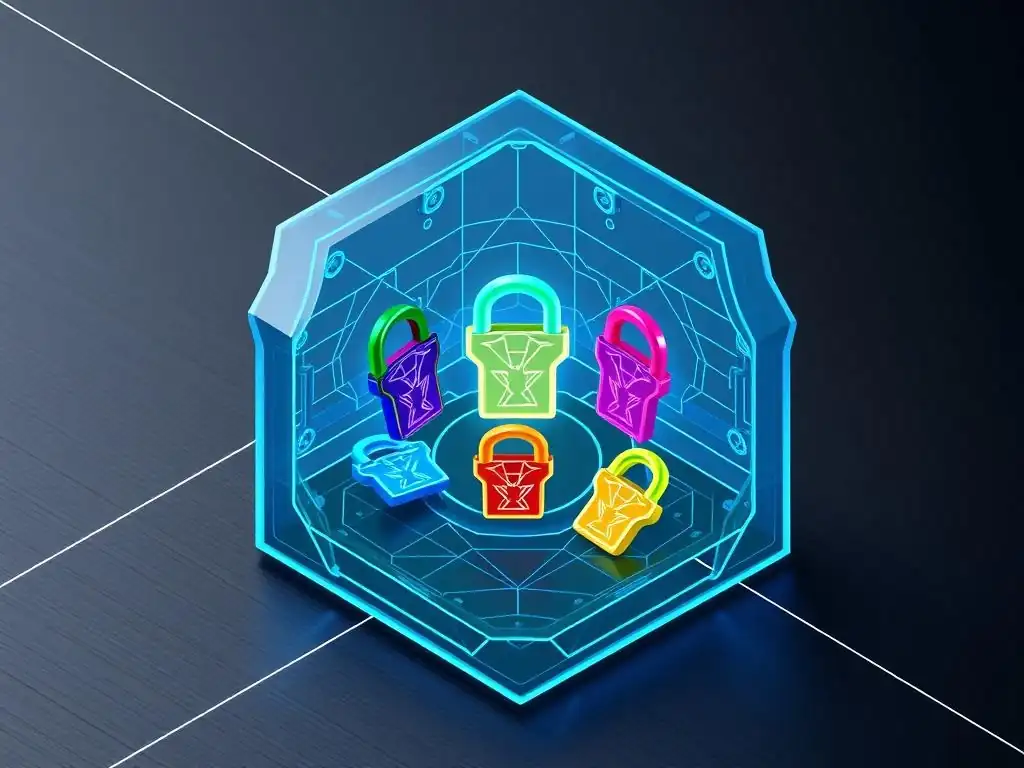
Multi-signature (multi-sig) wallets are a powerful security mechanism for enhancing asset protection in DeFi, particularly for protocols and organizations managing significant amounts of cryptocurrency. Multi-sig wallets require multiple private keys to authorize transactions, thereby distributing control and mitigating the risk of single points of failure. This approach significantly reduces the likelihood of unauthorized access or theft, as an attacker would need to compromise multiple private keys to gain control of the funds. Multi-sig wallets are widely considered a best practice for securing large cryptocurrency holdings in both centralized and decentralized contexts.
The core principle behind multi-sig wallets is the "M-of-N" scheme, where "M" keys out of a total of "N" keys are required to sign and authorize a transaction. For example, in a 2-of-3 multi-sig wallet, two out of three designated key holders must approve a transaction before it can be executed. This setup provides redundancy and prevents any single individual from unilaterally controlling the funds. Multi-sig wallets are particularly valuable for DAOs (Decentralized Autonomous Organizations), DeFi protocols, and cryptocurrency exchanges, where shared control and enhanced security are paramount.
Understanding Multi-Sig Wallet Functionality
Understanding the functionality of multi-sig wallets is essential for effectively implementing and utilizing them for asset protection in DeFi. At their core, multi-sig wallets operate by distributing transaction authorization across multiple private keys. When a transaction is initiated from a multi-sig wallet, it requires signatures from a predetermined number of authorized key holders before it can be broadcast to the blockchain and executed. This mechanism provides a significant security enhancement compared to single-signature wallets, where a single compromised private key can grant an attacker full control over the funds.
The specific functionality and features of multi-sig wallets can vary depending on the wallet software or protocol used. However, common functionalities include the ability to define the M-of-N signature threshold, add or remove key holders, view transaction history, and initiate and approve transactions. Some multi-sig wallets also offer advanced features like transaction scheduling, spending limits, and integration with hardware wallets for enhanced key security. It's crucial to choose a reputable and well-audited multi-sig wallet provider and to thoroughly understand its functionality and security features before entrusting it with significant assets.
Best Practices for Setting Up and Managing Multi-Sig Wallets
Setting up and managing multi-sig wallets effectively requires adherence to specific best practices to maximize their security benefits and minimize potential risks. Key management is paramount. Each private key in a multi-sig setup should be generated securely and stored offline in separate, geographically diverse locations. Avoid storing multiple private keys on a single device or in a single location, as this defeats the purpose of multi-signature security. Consider using hardware wallets to securely store private keys offline and further mitigate the risk of online compromise.
When setting up a multi-sig wallet, carefully choose the M-of-N signature threshold based on the specific security requirements and operational needs of the organization or protocol. A higher "M" value increases security but may also introduce operational overhead, as more key holders need to be involved in transaction authorization. Regularly review and update the list of key holders, especially when personnel changes occur.
Implement robust procedures for key recovery in case of key loss or compromise. Educate all key holders about best practices for private key security and the importance of safeguarding their keys. Regular audits of multi-sig wallet configurations and key management practices are also recommended to ensure ongoing security and compliance.
Decentralized Insurance and Risk Mitigation
Decentralized insurance protocols are emerging as a vital tool for risk mitigation in the DeFi space, offering users a mechanism to protect themselves against potential financial losses arising from smart contract exploits, protocol failures, or other unforeseen events. DeFi insurance aims to replicate the risk transfer function of traditional insurance but in a decentralized and transparent manner, leveraging blockchain technology and smart contracts. While still in its early stages of development, DeFi insurance has the potential to significantly enhance user confidence and promote wider adoption of DeFi protocols by providing a safety net against inherent risks.
DeFi insurance protocols typically operate by pooling capital from users who act as underwriters or liquidity providers. This pooled capital is then used to cover claims from users who have purchased insurance coverage and experienced a covered event, such as a smart contract hack or a stablecoin depeg. The terms of coverage, premiums, and claims processes are typically governed by smart contracts, ensuring transparency and automation. The emergence of DeFi insurance addresses a critical gap in the DeFi ecosystem, where users previously had limited recourse in the event of security breaches or protocol failures.
Exploring DeFi Insurance Protocols [Examples: Unslashed Finance, InsurAce Protocol]
Several DeFi insurance protocols have emerged, each with its own approach to coverage, risk assessment, and governance. Unslashed Finance, for example, offers a broad range of insurance products covering various DeFi risks, including smart contract exploits, oracle failures, and stablecoin depegging events. Unslashed utilizes a decentralized underwriting and claims assessment process, relying on community governance and oracles to determine claim validity and payouts. They offer coverage for various protocols and assets across different blockchains.
InsurAce Protocol is another prominent DeFi insurance provider, focusing on providing comprehensive coverage for DeFi protocols and centralized exchanges. InsurAce utilizes a portfolio-based risk management approach and offers customizable insurance products tailored to specific user needs and risk profiles. They also incorporate a decentralized claims assessment process and aim to provide competitive premiums and efficient claim payouts.
Other notable DeFi insurance protocols include Nexus Mutual, which operates as a decentralized autonomous organization (DAO) and offers community-driven insurance coverage, and Etherisc, which focuses on building decentralized insurance infrastructure and enabling the creation of various insurance products. These examples illustrate the growing diversity and innovation within the DeFi insurance landscape.
Understanding the Limitations of DeFi Insurance
While DeFi insurance offers a valuable risk mitigation tool, it's crucial to understand its limitations and potential drawbacks. DeFi insurance is still a nascent market, and the coverage offered may not be as comprehensive or robust as traditional insurance in all cases. The capacity of DeFi insurance pools is still relatively limited compared to the overall TVL in DeFi, meaning that coverage may not be available for all protocols or for very large sums of assets. Furthermore, the claims process in DeFi insurance, while intended to be transparent and automated, can still be subject to disputes and delays.
Another limitation stems from the complexity of accurately assessing and pricing risks in the rapidly evolving DeFi landscape. Underwriting risk in DeFi is challenging due to the novel and often experimental nature of protocols, the potential for unforeseen vulnerabilities, and the interconnectedness of the DeFi ecosystem. Adverse selection and moral hazard are also potential concerns in DeFi insurance.
Adverse selection occurs when those with the highest risk are most likely to purchase insurance, while moral hazard arises when insured parties may take on more risk because they are protected by insurance. Despite these limitations, DeFi insurance is continuously evolving and improving, and it represents a significant step forward in building a more secure and resilient DeFi ecosystem.
Advanced DeFi Security Strategies
On-Chain Monitoring and Alerting Systems
On-chain monitoring and alerting systems are becoming increasingly critical for proactive DeFi security. These systems continuously monitor blockchain transactions and on-chain data in real-time to detect suspicious activities, anomalies, and potential attacks targeting DeFi protocols. By providing early warnings, these systems enable rapid response and mitigation efforts, minimizing potential damage and protecting user assets. Effective on-chain monitoring is akin to having a 24/7 security surveillance system specifically tailored to the blockchain environment.
The core functionality of on-chain monitoring systems involves analyzing transaction patterns, smart contract interactions, and various on-chain metrics to identify deviations from normal behavior. These systems can be configured to detect a wide range of suspicious activities, such as large or unusual transactions, sudden changes in protocol parameters, unusual smart contract calls, and potential exploits in progress. When suspicious activity is detected, the system generates alerts, notifying protocol developers, security teams, or users, depending on the configuration and severity of the alert. These alerts enable timely investigation and intervention, potentially preventing or mitigating the impact of attacks.
Identifying Suspicious Activity and Potential Attacks
Identifying suspicious activity and potential attacks in DeFi requires sophisticated on-chain monitoring systems capable of analyzing vast amounts of blockchain data and recognizing patterns indicative of malicious behavior. These systems often employ machine learning algorithms and anomaly detection techniques to identify deviations from established baselines and flag unusual or suspicious transactions and smart contract interactions. The definition of "suspicious activity" can be customized based on the specific protocol and its risk profile.
Examples of suspicious activity that on-chain monitoring systems can detect include: large fund movements to unfamiliar addresses, rapid changes in liquidity pool balances, unusual spikes in transaction volume, repeated failed transactions, or smart contract calls that deviate from expected usage patterns. By correlating various on-chain signals and applying intelligent analysis, these systems can differentiate between legitimate protocol activity and potential attacks, reducing false positives and providing actionable alerts.
Furthermore, advanced monitoring systems can often identify the specific type of attack in progress, such as a flash loan attack, reentrancy attack, or oracle manipulation attempt, allowing for more targeted and effective response strategies.
Integrating Real-Time Monitoring Tools
Integrating real-time monitoring tools into a DeFi security strategy requires careful planning and implementation. Several specialized tools and platforms are available that provide on-chain monitoring capabilities for DeFi protocols. These tools often offer dashboards, APIs, and customizable alert configurations to facilitate integration with existing security infrastructure and workflows. When selecting monitoring tools, consider factors such as the tool's coverage of relevant blockchains and protocols, its accuracy in detecting suspicious activity, the customizability of alerts, and the ease of integration with existing systems.
Integration typically involves connecting the monitoring tool to the relevant blockchain nodes or data providers and configuring alerts based on specific security requirements. Alerts can be routed to security teams, developers, or even users via various channels, such as email, SMS, or messaging platforms. Real-time monitoring should be complemented by incident response plans and procedures to ensure that alerts are acted upon promptly and effectively.
Regularly review and refine monitoring configurations and alert thresholds to adapt to evolving attack vectors and protocol changes. Effective integration of real-time monitoring tools provides a crucial layer of proactive security for DeFi protocols and their users.
Decentralized Identity (DID) and Access Control
Decentralized Identity (DID) is emerging as a promising technology for enhancing security and compliance in DeFi by providing users with greater control over their digital identities and enabling more granular access control mechanisms. In traditional systems, identity management is often centralized and controlled by intermediaries. DID offers a paradigm shift by allowing users to own and manage their own identities, represented as verifiable credentials on the blockchain. This self-sovereign identity approach has significant implications for security, privacy, and regulatory compliance in DeFi.
In the context of DeFi security, DID can be leveraged to implement more robust access control mechanisms, moving beyond simple public key-based authorization. DID enables the creation of verifiable credentials that can attest to specific attributes or qualifications of users, such as KYC/AML compliance, accredited investor status, or professional certifications.
These credentials can be selectively disclosed to DeFi protocols, allowing for permissioned access to certain functionalities or services based on verified identity attributes. This approach enhances security by limiting access to sensitive operations to authorized users and improves compliance by enabling protocols to adhere to regulatory requirements related to user verification and access control.
Implementing DID for Enhanced Security and Compliance
Implementing DID for enhanced security and compliance in DeFi requires careful consideration of various technical and design aspects. Choosing a suitable DID method and credential format is crucial for interoperability and compatibility across different DeFi protocols and identity providers. Integrating DID into DeFi protocols typically involves modifying smart contracts to support DID-based authentication and authorization mechanisms. This may involve integrating libraries or oracles that can verify DID credentials on-chain.
User experience is also a critical consideration when implementing DID. The process of creating and managing DIDs and verifiable credentials should be user-friendly and intuitive. Users should have control over what information they disclose and to whom.
Privacy-preserving techniques, such as zero-knowledge proofs, can be employed to minimize the amount of personal information disclosed while still enabling verification of necessary attributes. Compliance with relevant data privacy regulations, such as GDPR, is also essential when implementing DID solutions in DeFi. A well-designed DID implementation can significantly enhance both security and compliance in DeFi while empowering users with greater control over their digital identities.
Managing Access Permissions in Decentralized Environments
Managing access permissions in decentralized environments, particularly within DeFi protocols, presents unique challenges compared to traditional centralized systems. Decentralization necessitates access control mechanisms that are transparent, auditable, and resistant to censorship or manipulation. DID provides a foundational layer for implementing more sophisticated access control in DeFi, allowing for attribute-based access control (ABAC) and role-based access control (RBAC) models in decentralized contexts.
Using DID, DeFi protocols can define fine-grained access permissions based on verifiable credentials and user attributes. For example, access to certain protocol functionalities, such as governance voting or high-value transactions, could be restricted to users holding specific credentials, such as proof of KYC/AML compliance or a minimum staking amount. Smart contracts can be designed to verify these credentials on-chain before granting access, ensuring transparent and auditable enforcement of access control policies.
Decentralized identity management systems can also facilitate dynamic access control, allowing permissions to be adjusted based on changing user attributes or protocol requirements. This approach enhances security by limiting access to sensitive operations to authorized users and promotes compliance with evolving regulatory requirements.
Bug Bounty Programs: Leveraging the Community for Security
Bug bounty programs are a valuable security strategy for DeFi projects, leveraging the collective intelligence and expertise of the security community to identify and report vulnerabilities. These programs incentivize ethical hackers and security researchers to proactively search for bugs in smart contracts and protocols in exchange for rewards or bounties. Bug bounty programs provide a cost-effective and efficient way to augment internal security efforts and uncover vulnerabilities that might be missed by internal audits or testing. They harness the power of crowdsourced security to strengthen the overall security posture of DeFi projects.
The effectiveness of a bug bounty program hinges on its design, execution, and the attractiveness of the rewards offered. A well-designed program should clearly define the scope of eligible vulnerabilities, the rules of engagement, the reward structure, and the process for submitting and triaging bug reports. Transparent communication and timely responses to bug submissions are crucial for building trust and encouraging participation from the security community. Bug bounty programs are particularly beneficial for DeFi projects due to the open and transparent nature of blockchain and the potential for significant financial impact from security vulnerabilities.
Designing Effective Bug Bounty Programs
Designing an effective bug bounty program for a DeFi project requires careful consideration of several key elements. Clearly defining the scope of the program is essential, specifying which parts of the codebase or protocol are in scope and which types of vulnerabilities are eligible for rewards. The scope should be broad enough to incentivize thorough testing but also focused enough to manage submissions effectively. Establishing a clear and transparent reward structure is crucial for attracting skilled security researchers. Rewards should be commensurate with the severity and impact of the reported vulnerabilities, with higher bounties for critical vulnerabilities.
The rules of engagement should be clearly defined, outlining ethical hacking guidelines, responsible disclosure policies, and prohibited activities. A well-defined submission process is essential for streamlining bug reporting and triage. Provide clear instructions on how to submit bug reports, including the required information and preferred communication channels. Establishing a dedicated security team or point of contact to manage bug bounty submissions, triage reports, and coordinate remediation efforts is crucial for the program's success. Publicly promoting the bug bounty program and actively engaging with the security community can further enhance its effectiveness and attract a wider pool of researchers.
Managing Bug Bounty Submissions and Rewards
Managing bug bounty submissions and rewards efficiently and fairly is critical for maintaining the integrity and effectiveness of the program. Establish a clear and transparent process for triaging bug reports, verifying vulnerabilities, and determining reward amounts. Timely acknowledgment of submissions and regular communication with researchers are essential for maintaining positive relationships and encouraging continued participation. Develop a system for prioritizing and addressing reported vulnerabilities based on their severity and impact.
Ensure that reward payments are processed promptly and transparently, adhering to the published reward structure. Publicly acknowledge researchers who submit valid bug reports (with their consent) to recognize their contributions and further incentivize participation in the program. Continuously monitor and evaluate the effectiveness of the bug bounty program, analyzing submission trends, vulnerability types reported, and the overall impact on security.
Regularly review and update the program's scope, reward structure, and rules of engagement to adapt to evolving security landscape and project needs. A well-managed bug bounty program becomes an integral part of a comprehensive DeFi security strategy, fostering a collaborative security culture and continuously improving the protocol's resilience.
Staying Ahead of the Curve in DeFi Security
Continuous Learning and Adaptation
Staying ahead of the curve in DeFi security requires a commitment to continuous learning and adaptation. The DeFi landscape is rapidly evolving, with new protocols, technologies, and attack vectors emerging constantly. Security best practices that are effective today may become outdated or insufficient in the future. Therefore, both individual users and DeFi protocol developers must embrace a mindset of continuous learning, staying informed about the latest security trends, vulnerabilities, and mitigation techniques. Complacency in DeFi security can be costly and lead to significant financial losses.
Continuous learning in DeFi security involves actively seeking out information from various sources, including security research publications, industry blogs, security audit reports, and community forums. Participating in security workshops, conferences, and online courses can also enhance knowledge and skills in DeFi security. Staying updated on the latest security incidents and post-mortem analyses is crucial for understanding emerging attack vectors and learning from past mistakes. Adapting security practices based on new learnings and evolving threats is an ongoing process that requires vigilance and proactive engagement with the DeFi security community.
Following Security Audits and Research
Following security audits and research is an essential practice for staying informed about the security posture of DeFi protocols and the broader DeFi ecosystem. Security audit reports, particularly those from reputable audit firms, provide valuable insights into the identified vulnerabilities, security strengths, and weaknesses of specific protocols. Reviewing audit reports for protocols you interact with can help you assess their security risks and make informed decisions about your participation. Furthermore, following security research publications and blogs dedicated to DeFi security can provide early warnings about emerging vulnerabilities, attack trends, and new security best practices.
Security research often uncovers novel attack vectors and vulnerabilities that may not be readily apparent through traditional security testing methods. Staying abreast of this research allows developers and users to proactively address potential risks and implement appropriate mitigations. Many security audit firms and research groups publish their findings and recommendations publicly, contributing to the collective knowledge and security of the DeFi ecosystem. Actively engaging with this research and incorporating its insights into security strategies is crucial for staying ahead of the curve in DeFi security and mitigating emerging threats.
The Future of DeFi Security: Emerging Trends and Technologies [Example: Account Abstraction]
The future of DeFi security is likely to be shaped by emerging trends and technologies aimed at enhancing security, usability, and resilience. Account abstraction, for example, is a promising concept that has the potential to significantly improve DeFi security and user experience. Account abstraction aims to decouple account ownership and management from the underlying cryptographic keys, enabling more flexible and secure account models. This can pave the way for features like social recovery, multi-factor authentication, and gasless transactions, enhancing user security and simplifying the user experience.
Other emerging trends in DeFi security include the increasing adoption of formal verification techniques for critical smart contracts, the development of more sophisticated on-chain monitoring and alerting systems, and the integration of decentralized identity solutions for enhanced access control and compliance. Advances in cryptography, such as zero-knowledge proofs and secure multi-party computation, may also play a significant role in enhancing privacy and security in DeFi.
The continued evolution of DeFi security will likely involve a combination of technological advancements, improved security best practices, and greater collaboration within the DeFi community to build a more secure and resilient decentralized financial ecosystem.
Conclusion: Prioritizing DeFi Security for Long-Term Success
Prioritizing DeFi security is not merely a technical consideration; it is a fundamental prerequisite for the long-term success and sustainability of the entire DeFi ecosystem. As DeFi continues to mature and attract increasing amounts of capital, robust security measures are paramount for building trust, fostering user adoption, and preventing catastrophic financial losses. Implementing DeFi security best practices, from smart contract audits and secure coding to multi-sig wallets and decentralized insurance, is an investment in the future of decentralized finance.
A proactive and comprehensive approach to DeFi security requires a multi-faceted strategy encompassing technological solutions, community collaboration, and continuous learning. By prioritizing security at every stage of protocol development, user interaction, and ecosystem governance, DeFi can realize its transformative potential and establish itself as a secure and reliable alternative to traditional financial systems. Ultimately, the long-term success of DeFi hinges on the collective commitment of developers, users, and the wider community to prioritize and continuously improve DeFi security.
Frequently Asked Questions
What are the most common security threats facing DeFi users?
The most common threats include smart contract vulnerabilities, rug pulls, and private key compromise. Understanding these risks is crucial for protecting your assets.
Why is auditing so important for DeFi protocols?
Auditing by reputable firms helps identify and fix vulnerabilities in smart contracts before they can be exploited. This significantly reduces the risk of financial losses.
What role does diversification play in DeFi security?
Diversification across multiple DeFi platforms and assets can mitigate risk. Avoid putting all your eggs in one basket to reduce the impact of a single protocol failure.
What are some recommended ways to secure my private keys?
Using a hardware wallet and practicing good password hygiene are essential. Never share your seed phrase or store it digitally without encryption.
How is regulation impacting DeFi security and what should users be aware of?
Increased regulatory scrutiny can improve security standards and accountability. Users should stay informed about changing regulations and their impact on DeFi platforms.
Final Reflection: Embracing Vigilance in the Decentralized Frontier
The exploration of DeFi security best practices underscores a critical truth: the power of decentralized finance comes with the responsibility of proactive protection. As we've seen, the innovative potential of DeFi is constantly threatened by evolving vulnerabilities, making a commitment to continuous learning and adaptation not just advisable, but essential for anyone participating in this rapidly changing landscape.
The impact of DeFi security extends far beyond individual wallets; it shapes the very foundation of trust upon which the entire ecosystem is built. The ongoing struggle to maintain robust security measures highlights the delicate balance between innovation and risk, a balance that demands constant vigilance and a collaborative spirit. Security is always excessive until it's not enough.
This quote perfectly encapsulates the proactive mindset required to navigate the complexities of DeFi security and safeguard the future of decentralized finance.
Now, as you navigate the exciting, yet potentially perilous, world of DeFi, remember the lessons we've explored. Take the time to implement these best practices, share your knowledge with others, and contribute to a stronger, more secure decentralized future. The power to protect your assets, and the future of DeFi, lies within your hands.
Bolster Your DeFi Defenses Today!
Thank you for exploring the world of DeFi security with us. We hope you've gained valuable insights into protecting your digital assets in this rapidly evolving landscape. Now, it's time to put that knowledge into action and take control of your security.
Start by reviewing the security settings of your DeFi wallets and platforms, and enable two-factor authentication whenever possible. Consider setting up a cold storage wallet for your long-term holdings to safeguard your private keys and protect your future wealth. Share this article with fellow enthusiasts to promote best security practices within your community. Together, we can make DeFi safer for everyone.
What is the first security step you plan to take after reading this? Share your commitment below!
Leave a Reply