
Token Smart Contract Vulnerabilities: Risks Associated with Cryptocurrency Tokens


Welcome to Blockchain Trends, your compass in the ever-evolving landscape of decentralized technology. Beyond the headlines, we delve into the real-world applications and transformative potential of blockchain.
Are you truly aware of the hidden dangers lurking within the seemingly secure realm of digital assets? Our latest deep dive uncovers the critical importance of understanding smart contract security vulnerabilities risks, especially when it comes to cryptocurrency tokens. Discover the potential pitfalls and learn how to navigate this complex terrain to protect your investments and build a safer decentralized future. Intrigued? Let's explore the vulnerabilities.
- Introduction to Smart Contract Security Vulnerabilities in Token Contracts
-
Frequently Asked Questions
- What are the most common types of smart contract security vulnerabilities that can affect cryptocurrency tokens?
- How can smart contract security vulnerabilities impact the value and stability of cryptocurrency tokens?
- What are the risks associated with smart contract security vulnerabilities for both token creators and investors?
- What steps can be taken to mitigate smart contract security vulnerabilities risks when developing and deploying cryptocurrency tokens?
- What is the role of smart contract audits in identifying and addressing security vulnerabilities risks?
- Final Reflection: Navigating the Perilous Landscape of Token Security
- Fortify Your Token Security: Take Action Now!
Introduction to Smart Contract Security Vulnerabilities in Token Contracts
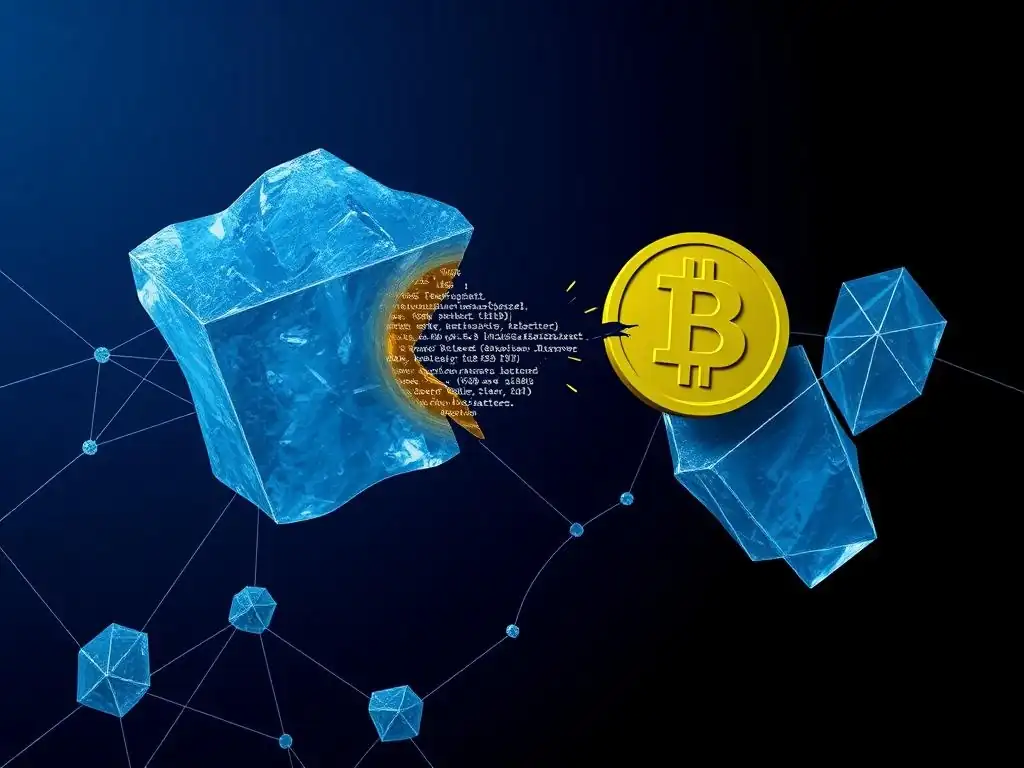
The Growing Importance of Smart Contract Security Audits for Tokens
The proliferation of cryptocurrency tokens has revolutionized digital ownership and financial transactions, yet this burgeoning ecosystem is underpinned by smart contracts, the very foundation upon which tokens operate. As the value locked within these tokens escalates, so does the incentive for malicious actors to exploit vulnerabilities within their underlying smart contracts. Consider the explosive growth of the DeFi (Decentralized Finance) sector, where billions of dollars are managed by smart contracts.
A single flaw in a token contract can lead to catastrophic financial losses, reputational damage, and a significant erosion of user trust. For instance, in 2022 alone, over $3 billion was lost in cryptocurrency hacks, a substantial portion attributed to smart contract vulnerabilities.
This stark reality underscores the critical need for robust smart contract security audits. These audits act as crucial checkpoints, meticulously examining code for potential weaknesses before deployment, safeguarding against exploits that could jeopardize the integrity of token projects and the broader blockchain ecosystem.
The importance of smart contract security audits extends beyond mere financial protection. In the realm of tokenized assets, trust is paramount. Users and investors need assurance that the tokens they are interacting with are built upon secure and reliable foundations. A publicly available, positive security audit report serves as a powerful signal, demonstrating a project's commitment to security and transparency.
This, in turn, can significantly enhance user confidence and attract greater investment. Conversely, a security breach, especially one resulting from a known or easily preventable vulnerability, can severely damage a project's reputation, potentially leading to its demise. In a competitive market, where numerous token projects vie for attention and adoption, demonstrating a proactive approach to security through comprehensive audits is not just a best practice, but a necessity for long-term success and sustainability.
Understanding the Scope of Token Vulnerabilities in the Blockchain Ecosystem
Token vulnerabilities are not isolated incidents; they are systemic risks inherent to the complexity and nascent stage of blockchain technology, particularly within smart contract development. The scope of these vulnerabilities is vast, ranging from fundamental coding errors to intricate flaws in cryptographic logic and economic mechanisms.
Tokens, whether fungible like ERC-20 tokens used for cryptocurrencies or non-fungible like ERC-721 tokens representing NFTs, are essentially programmable assets governed by smart contracts. These contracts, written in languages like Solidity, are susceptible to a wide array of programming errors, much like any other software application, but with significantly higher stakes due to the immutable and financially sensitive nature of blockchain transactions.
The blockchain ecosystem's decentralized and permissionless nature amplifies the scope of token vulnerabilities. Once a smart contract is deployed on the blockchain, it is generally immutable, meaning that vulnerabilities, if present, cannot be easily patched without complex and often contentious hard forks or migrations. This immutability, while a core tenet of blockchain's security model against censorship, becomes a double-edged sword when dealing with flawed code.
Furthermore, the open-source nature of many blockchain projects, while fostering transparency and collaboration, also means that malicious actors can scrutinize codebases for vulnerabilities. The combination of high-value targets, immutable code, and public accessibility creates a challenging security landscape where proactive vulnerability detection and mitigation are absolutely essential to maintain the integrity and trustworthiness of the entire blockchain ecosystem. Token vulnerabilities, therefore, represent a critical area of focus for developers, auditors, and the broader blockchain community.
Frequently Asked Questions
What are the most common types of smart contract security vulnerabilities that can affect cryptocurrency tokens?
Common vulnerabilities include reentrancy attacks, integer overflow/underflow, and timestamp dependence. These can allow attackers to steal or manipulate tokens.
How can smart contract security vulnerabilities impact the value and stability of cryptocurrency tokens?
Exploits stemming from vulnerabilities can lead to massive token theft, eroding investor confidence and causing a significant price crash.
What are the risks associated with smart contract security vulnerabilities for both token creators and investors?
Token creators face reputational damage and potential legal consequences. Investors risk losing their funds due to exploits of the smart contract.
What steps can be taken to mitigate smart contract security vulnerabilities risks when developing and deploying cryptocurrency tokens?
Implementing rigorous auditing, formal verification, and using secure coding practices can greatly reduce the risk of exploitable vulnerabilities.
What is the role of smart contract audits in identifying and addressing security vulnerabilities risks?
Audits conducted by independent security experts are crucial to identify potential flaws before deployment, significantly reducing the chance of exploitation.
The exploration of token smart contract vulnerabilities reveals a stark reality: the decentralized promise of cryptocurrency is inextricably linked to the centralized responsibility of secure code. While blockchain technology offers unprecedented transparency and autonomy, the inherent risks associated with poorly written or exploited smart contracts pose a significant threat to the entire ecosystem, demanding constant vigilance and proactive security measures.
The impact of these vulnerabilities extends far beyond mere financial losses; they erode trust, stifle innovation, and cast a shadow over the future of decentralized finance. Witnessing the repeated exploitation of these flaws underscores the urgent need for a paradigm shift in how we approach smart contract development and auditing. Security is not a product, but a process.
This sentiment perfectly encapsulates the ongoing commitment required to safeguard the integrity of token smart contracts and the value they represent.
As you navigate the exciting, yet often treacherous, world of cryptocurrency, remember the lessons learned here. Let the knowledge of these smart contract security vulnerabilities empower you to make informed decisions, demand rigorous audits, and contribute to a more secure and trustworthy decentralized future. The responsibility for building a robust and resilient ecosystem rests on all of us.
Fortify Your Token Security: Take Action Now!
Thank you for exploring the important issue of smart contract vulnerabilities. We hope this article has given you valuable insights into the risks and challenges associated with cryptocurrency tokens. Now, it's time to put that knowledge into practice.
You can help safeguard your investments and promote a more secure blockchain environment by taking proactive steps:
- Immediately review any smart contracts you interact with or plan to engage with to ensure they are free from common vulnerabilities. Don't rely solely on trust—verify the code yourself or consult with a professional. This is your first line of defense against potential exploits.
- Consider becoming a smart contract auditor or supporting projects that conduct thorough security audits. Your involvement can help identify vulnerabilities early and prevent exploits.
- Share this article with your network! Encourage fellow investors and developers to prioritize security in their cryptocurrency activities. Raising awareness is essential for widespread improvement.
What tools or resources will you explore to better assess the security of your token investments? Share your thoughts in the comments below!
Leave a Reply