
Voting Blockchain Security and Regulatory Assurance: Maintaining Election Integrity


Welcome to Blockchain Trends, your go-to source for understanding the real-world impact of blockchain technology.
Ever wondered how blockchain can revolutionize elections and secure our democratic processes? Dive into our latest article, "Voting Blockchain Security and Regulatory Assurance: Maintaining Election Integrity," where we explore the crucial blockchain voting security regulations shaping the future of secure and transparent elections. Uncover the challenges, opportunities, and regulatory landscapes that are defining this groundbreaking application of blockchain. What safeguards are necessary to ensure trust and prevent fraud? Read on to find out!
Blockchain-Based Identity Management for Healthcare: Enhancing Security and Privacy
- Introduction to Blockchain Identity Management in Healthcare
- Understanding the Regulatory Landscape of Healthcare Data Management
- Blockchain Identity Management Security: Key Considerations
- Mitigating Risks in Blockchain-Based Healthcare Systems
- The Role of Technology in Enhancing Blockchain Identity Management
- Regulatory Assurance and Compliance for Blockchain in Healthcare
- Blockchain Identity Management Regulations: The Path Forward
- Conclusion: Ensuring Trust and Confidence in Healthcare Data Management
-
Frequently Asked Questions
- How does blockchain enhance voting security?
- What are the key regulatory concerns surrounding blockchain voting systems?
- What role does cryptography play in securing blockchain voting?
- How can blockchain voting address voter fraud and improve election integrity?
- What are the future prospects for blockchain voting given the current regulatory landscape?
- Final Reflection: Securing Democracy's Future
- Secure Democracy: Take Action Now!
Introduction to Blockchain Identity Management in Healthcare
The Promise of Blockchain in Securing Patient Data
Blockchain technology, initially famed for cryptocurrencies, offers a compelling paradigm shift for healthcare data management, particularly in identity verification and data security. The inherent characteristics of blockchain – decentralization, immutability, and transparency – address critical vulnerabilities within traditional healthcare systems. Consider the vast amounts of sensitive patient information managed across disparate databases, often vulnerable to cyberattacks and data breaches.
Blockchain, with its distributed ledger system, can create a more secure and unified record of patient identities and medical histories. This distributed nature minimizes single points of failure, making it significantly harder for malicious actors to compromise the entire system compared to centralized databases. Furthermore, the cryptographic principles underpinning blockchain ensure data integrity and authenticity, crucial for maintaining trust in healthcare information.
Defining Data Integrity and Patient Privacy in the Digital Age
In the digital age, data integrity and patient privacy are paramount concerns within healthcare. Data integrity refers to the accuracy and completeness of data throughout its lifecycle, ensuring that medical records are tamper-proof and reliable for clinical decision-making. Patient privacy, on the other hand, encompasses the right of individuals to control the collection, use, and disclosure of their personal health information. Traditional healthcare systems often struggle to balance these two critical aspects.
Centralized databases, while efficient for data aggregation, present inherent risks to both integrity and privacy. Blockchain, through its cryptographic hashing and access control mechanisms, offers a potential solution. By ensuring that data is immutable and access is permissioned and auditable, blockchain-based identity management systems can significantly enhance both data integrity and patient privacy, paving the way for a more secure and patient-centric healthcare ecosystem.
Understanding the Regulatory Landscape of Healthcare Data Management
Current Regulatory Frameworks Governing Healthcare Data (HIPAA, GDPR)
The management of healthcare data is heavily governed by stringent regulatory frameworks aimed at protecting patient privacy and ensuring data security. In the United States, the Health Insurance Portability and Accountability Act (HIPAA) sets the standard for protecting sensitive patient health information (PHI). HIPAA mandates specific security and privacy rules that healthcare providers and related entities must adhere to, including safeguards for electronic PHI (ePHI).
Similarly, the General Data Protection Regulation (GDPR) in the European Union establishes a comprehensive framework for data protection and privacy for all individuals within the EU and the European Economic Area. GDPR places strict requirements on organizations processing personal data, including health data, emphasizing consent, data minimization, and the right to be forgotten. These regulations, while vital, often present challenges in a globally connected and increasingly digital healthcare landscape.
The Need for Specific Blockchain Identity Management Regulations in Healthcare
While existing frameworks like HIPAA and GDPR provide a foundation for healthcare data protection, they may not fully address the unique characteristics and challenges presented by blockchain-based identity management systems. Current regulations are primarily designed for centralized data models, and the decentralized, distributed nature of blockchain necessitates a nuanced regulatory approach. For instance, questions arise regarding data ownership and control in a distributed ledger system. Who is considered the data controller and processor when data is spread across a blockchain network?
Furthermore, the immutability of blockchain raises concerns about data rectification and the "right to be forgotten" as enshrined in GDPR. Therefore, there is a growing need for specific regulatory guidelines and interpretations tailored to blockchain applications in healthcare identity management. These regulations should clarify issues of data governance, liability, and compliance within a blockchain context to foster responsible innovation and adoption.
Exploring International Standards for Healthcare Data Security and Interoperability
Beyond national regulations, international standards play a crucial role in ensuring healthcare data security and interoperability, particularly in a globalized world. Organizations like the International Organization for Standardization (ISO) and the Health Level Seven International (HL7) develop standards that promote best practices for data security, exchange, and interoperability in healthcare. For example, ISO 27799 provides guidelines for information security management in health using ISO 27002 as a base, offering a comprehensive framework for managing health information security risks.
HL7 FHIR (Fast Healthcare Interoperability Resources) is a standard focused on data exchange and interoperability, aiming to simplify the exchange of electronic health records across different systems. These international standards provide a valuable foundation for developing blockchain-based identity management systems that are not only secure but also compatible with existing healthcare infrastructure and promote global data exchange while respecting patient privacy.
Blockchain Identity Management Security: Key Considerations
Patient Consent and Data Ownership in Blockchain-Based Systems
Patient consent and data ownership are fundamental ethical and legal considerations in any healthcare data management system, and blockchain-based solutions are no exception. In traditional systems, patient consent is often obtained in a centralized manner, and data ownership typically resides with the healthcare provider. However, blockchain's decentralized nature allows for potentially more granular and patient-centric consent mechanisms. Patients could potentially have greater control over who accesses their data and for what purpose, using cryptographic keys to grant and revoke permissions.
Furthermore, the concept of data ownership in blockchain can be redefined. While the ledger itself is distributed and immutable, individuals could be empowered to "own" their digital identities and health data representations on the blockchain, granting them greater autonomy and control over their information. Implementing robust consent management and clarifying data ownership models are critical for ethical and legally sound blockchain identity management systems in healthcare.
Ensuring Auditability and Transparency in Data Access Processes
Auditability and transparency are essential security features for healthcare data management, ensuring accountability and enabling detection of unauthorized access or data breaches. Blockchain inherently offers a high degree of auditability due to its immutable ledger. Every transaction, including data access requests and permissions granted, is recorded on the blockchain and can be traced back to its origin.
This transparency can significantly enhance accountability within healthcare systems. For instance, in cases of suspected data breaches or unauthorized access, a blockchain audit trail can provide a clear and verifiable record of events, facilitating investigations and ensuring that responsible parties are held accountable. Implementing well-defined access control mechanisms and leveraging blockchain's audit capabilities are crucial for building trustworthy and secure healthcare identity management systems.
Smart Contract Security for Healthcare Applications: Addressing Vulnerabilities
Smart contracts, self-executing agreements written in code and stored on the blockchain, hold immense potential for automating and streamlining healthcare processes, including identity management. However, smart contract security is a critical concern, as vulnerabilities in these contracts can lead to significant security breaches and financial losses. Healthcare applications, dealing with highly sensitive patient data, demand the highest level of smart contract security. Common vulnerabilities include reentrancy attacks, integer overflows, and logic errors in the contract code.
Rigorous security audits, formal verification methods, and best practices in smart contract development are essential to mitigate these risks. Furthermore, the specific context of healthcare data privacy must be considered when designing smart contracts. For example, access control logic must be meticulously implemented to ensure that only authorized parties can access patient data, and privacy-preserving techniques may be necessary to protect sensitive information within the contract code itself.
Mitigating Risks in Blockchain-Based Healthcare Systems
Addressing Potential Attacks on Blockchain Infrastructure in Healthcare
While blockchain offers enhanced security, it is not immune to attacks. Potential attack vectors on blockchain infrastructure in healthcare need to be carefully considered and mitigated. One concern is 51% attacks, where a malicious actor gains control of more than half of the network's computing power, potentially allowing them to manipulate transactions. Although less likely in larger, well-established blockchains, this risk needs to be assessed, especially for private or permissioned healthcare blockchains.
Another area of concern is Sybil attacks, where an attacker creates numerous fake identities to overwhelm the network. Robust consensus mechanisms and identity verification protocols are crucial to mitigate these infrastructure-level attacks. Furthermore, vulnerabilities in the underlying blockchain platform software itself must be addressed through regular security updates and rigorous testing.
Preventing data breaches and unauthorized access remains a top priority in blockchain-based healthcare systems, even with the inherent security features of blockchain. While blockchain's immutability protects data integrity, it does not automatically prevent unauthorized access. Strong access control mechanisms, such as role-based access control (RBAC) and attribute-based access control (ABAC), must be implemented to ensure that only authorized individuals and applications can access patient data. Furthermore, robust key management practices are essential.
Private keys, which control access to blockchain assets and data, must be securely stored and protected from compromise. Multi-factor authentication and hardware security modules (HSMs) can enhance key security. Regular security audits and penetration testing are crucial to identify and address potential vulnerabilities in the entire system, including access control mechanisms and key management practices.
Specific Case Study: Analyzing a Healthcare Data Breach and Blockchain Mitigation Strategies
Consider the 2015 Anthem data breach, where hackers stole the personal information of nearly 80 million people, including sensitive health data. This breach, like many others in healthcare, exploited vulnerabilities in centralized databases and inadequate security measures.
In a hypothetical scenario where Anthem had utilized a blockchain-based identity management system, the impact of such a breach could have been significantly mitigated. Blockchain's decentralized nature would have made it much harder for attackers to compromise a single point of failure to access such a massive amount of data.
Furthermore, the immutable audit trail on the blockchain could have provided a more detailed and timely understanding of the breach, facilitating faster response and remediation. While blockchain would not have completely prevented the attack, its inherent security features, coupled with robust access controls and encryption, could have significantly reduced the scope and impact of the data breach, highlighting the potential of blockchain in enhancing healthcare data security.
The Role of Technology in Enhancing Blockchain Identity Management
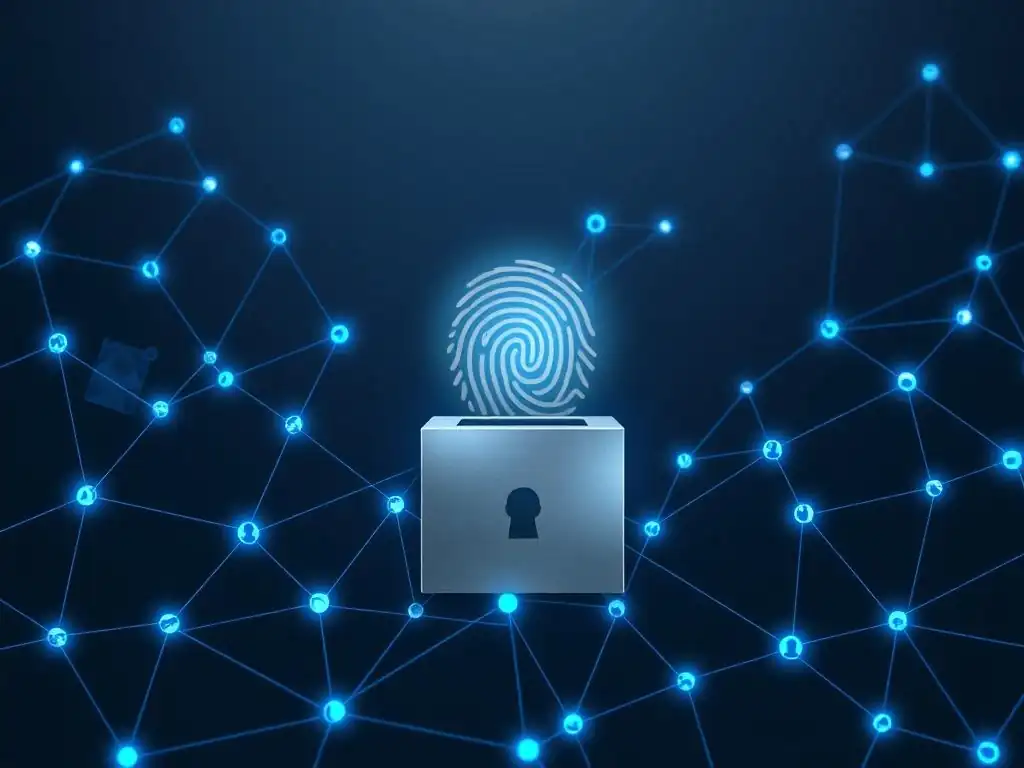
Implementing Biometric Authentication for Patient Verification
Biometric authentication, leveraging unique biological traits like fingerprints, facial recognition, or iris scans, can significantly enhance the security and usability of blockchain-based identity management in healthcare. Integrating biometrics with blockchain can provide a strong and convenient method for patient verification and access control. For instance, patients could use their fingerprint to access their medical records stored on a blockchain, eliminating the need for passwords or usernames that are susceptible to phishing or theft.
Biometric data itself should not be stored directly on the blockchain due to privacy concerns. Instead, cryptographic hashes or zero-knowledge proofs derived from biometric data can be used to verify identity without revealing the raw biometric information. This combination of biometrics and blockchain can create a more secure and user-friendly patient identification and authentication system.
Utilizing Homomorphic Encryption for Enhanced Data Privacy
Homomorphic encryption is an advanced cryptographic technique that allows computations to be performed on encrypted data without decrypting it first. This technology holds immense promise for enhancing data privacy in blockchain-based healthcare systems. In scenarios where data needs to be processed or analyzed while maintaining privacy, homomorphic encryption can be employed.
For example, researchers could analyze encrypted patient data stored on a blockchain to identify trends or patterns without ever having access to the raw, unencrypted data. The results of the computation, also encrypted, can then be decrypted by authorized parties. While homomorphic encryption is computationally intensive and still under development for widespread practical applications, its potential to enable privacy-preserving data processing on blockchain makes it a valuable technology to consider for future healthcare identity management systems.
Leveraging Decentralized Identifiers (DIDs) for Secure Patient Registration
Decentralized Identifiers (DIDs) are a new type of identifier that enables verifiable, decentralized digital identity. DIDs are not controlled by any central authority and allow individuals to control their own digital identities. In the context of blockchain-based healthcare identity management, DIDs can provide a secure and privacy-preserving mechanism for patient registration and identity verification.
Patients can create their own DIDs and use them to register with healthcare providers or access medical services. The DID can be linked to verifiable credentials, such as proof of identity or insurance information, which are stored on the blockchain and can be verified cryptographically. DIDs empower patients with greater control over their digital identities and reduce reliance on centralized identity providers, enhancing both security and privacy in healthcare identity management.
Regulatory Assurance and Compliance for Blockchain in Healthcare
Developing Clear Guidelines for Blockchain Implementation in Healthcare
For responsible and widespread adoption of blockchain in healthcare, clear and comprehensive regulatory guidelines are essential. These guidelines should address key aspects such as data privacy, security, interoperability, and legal liability within a blockchain context. Regulators need to work collaboratively with blockchain developers, healthcare providers, and privacy experts to develop these guidelines.
The guidelines should clarify how existing regulations like HIPAA and GDPR apply to blockchain-based systems and address the unique challenges posed by decentralization and immutability. Areas requiring specific guidance include data governance models, consent management mechanisms, data breach reporting procedures, and the legal status of smart contracts in healthcare. Clear regulatory frameworks will provide legal certainty and foster trust, encouraging innovation and adoption of blockchain for healthcare identity management.
Establishing Independent Auditing and Certification Processes (e.g., SOC 2)
Independent auditing and certification processes are crucial for ensuring the security and compliance of blockchain-based healthcare systems. Similar to existing certifications like SOC 2 (System and Organization Controls 2) for data security, industry-specific certifications tailored to blockchain in healthcare should be established. These certifications would provide assurance to healthcare providers and patients that blockchain systems meet recognized security and compliance standards.
Independent auditors, with expertise in both blockchain technology and healthcare regulations, would assess blockchain systems against established criteria, covering areas such as data security controls, privacy safeguards, and operational reliability. Certification programs would enhance transparency and accountability, promoting trust and confidence in blockchain-based healthcare solutions and facilitating regulatory compliance.
Fostering Collaboration Between Regulators and Blockchain Developers in Healthcare
Effective regulation of blockchain in healthcare requires ongoing collaboration between regulators and blockchain developers. Regulators need to understand the technical nuances of blockchain technology and its implications for healthcare data management. Blockchain developers, in turn, need to be aware of regulatory requirements and design systems that are compliant and ethically sound.
This collaboration can be fostered through regular dialogues, workshops, and pilot projects. Regulatory sandboxes, which provide a controlled environment for testing innovative technologies under regulatory supervision, can be particularly valuable for exploring blockchain applications in healthcare. Open communication and knowledge sharing between regulators and developers are essential for creating a regulatory environment that encourages innovation while safeguarding patient privacy and security.
Blockchain Identity Management Regulations: The Path Forward
The Future of Secure and Private Healthcare Data with Blockchain
Blockchain technology holds significant promise for transforming healthcare data management, offering a future where patient data is more secure, private, and patient-centric. As blockchain technology matures and regulatory frameworks evolve, we can expect to see wider adoption of blockchain-based identity management systems in healthcare. These systems have the potential to address long-standing challenges related to data breaches, fragmented patient records, and lack of patient control over their health information.
The future vision includes patients having greater control over their digital health identities, seamless and secure data exchange between healthcare providers, and enhanced privacy through technologies like homomorphic encryption and decentralized identifiers. Blockchain is not a panacea, but its unique capabilities offer a powerful tool for building a more secure and patient-empowered healthcare ecosystem.
Addressing Challenges and Opportunities in Regulatory Adoption in Healthcare
The regulatory adoption of blockchain in healthcare presents both challenges and opportunities. Challenges include the need for regulators to adapt existing frameworks to the decentralized nature of blockchain, the complexity of developing clear and technology-neutral guidelines, and the need for international harmonization of regulations. Opportunities lie in the potential for regulation to foster innovation and build trust in blockchain-based healthcare solutions.
Well-designed regulations can provide a clear path for developers and healthcare providers, encouraging responsible innovation and ensuring that blockchain is used ethically and effectively to improve healthcare. Proactive engagement from regulators, coupled with ongoing dialogue with the blockchain and healthcare communities, is crucial for navigating these challenges and seizing the opportunities presented by blockchain in healthcare.
Call to Action: Promoting Responsible Blockchain Development in Healthcare
The healthcare sector stands to benefit significantly from the transformative potential of blockchain technology, particularly in enhancing identity management and data security. However, realizing this potential requires a commitment to responsible blockchain development. This includes prioritizing patient privacy and data security in system design, adhering to ethical principles, and engaging proactively with regulators to shape a supportive and responsible regulatory environment.
Blockchain developers, healthcare providers, and policymakers must work together to ensure that blockchain is implemented in a way that benefits patients and strengthens the healthcare system as a whole. By embracing responsible development practices and fostering collaboration, we can unlock the full potential of blockchain to create a more secure, private, and efficient healthcare future.
Conclusion: Ensuring Trust and Confidence in Healthcare Data Management
The Importance of a Robust Regulatory Framework for Blockchain in Healthcare
A robust regulatory framework is paramount for fostering trust and confidence in the application of blockchain technology within healthcare. Without clear guidelines and oversight, the potential benefits of blockchain may be overshadowed by concerns about security, privacy, and compliance. Regulations provide the necessary legal certainty and accountability to encourage responsible innovation and adoption.
They establish a level playing field for developers and healthcare providers, ensuring that blockchain solutions are implemented in a way that protects patient interests and maintains the integrity of the healthcare system. A well-defined regulatory framework is not a barrier to innovation but rather an enabler, fostering trust and paving the way for the widespread and beneficial use of blockchain in healthcare.
Maintaining Data Integrity and Patient Privacy Through Blockchain Innovation
Blockchain innovation offers a powerful pathway to maintaining and enhancing both data integrity and patient privacy in healthcare. The inherent security features of blockchain, combined with privacy-enhancing technologies, can address critical vulnerabilities within traditional healthcare data management systems. By leveraging blockchain's immutability, transparency, and decentralized nature, we can build healthcare systems that are more resilient to cyberattacks, provide patients with greater control over their data, and ensure the accuracy and reliability of medical records.
However, realizing this vision requires a concerted effort from technologists, regulators, and healthcare providers to develop and implement blockchain solutions responsibly, ethically, and in compliance with robust regulatory frameworks. By embracing blockchain innovation thoughtfully and strategically, we can create a future where healthcare data is both secure and empowers patients.
Frequently Asked Questions
How does blockchain enhance voting security?
Blockchain offers immutable record-keeping, making it extremely difficult to alter or tamper with vote data. This transparency and auditability improve confidence in election results.
What are the key regulatory concerns surrounding blockchain voting systems?
Regulators are concerned about voter privacy, the potential for manipulation through smart contracts, and ensuring accessibility for all voters, regardless of technical skill.
What role does cryptography play in securing blockchain voting?
Cryptography ensures data integrity through hashing and secure communication through encryption. This prevents unauthorized access and modifications to vote information.
How can blockchain voting address voter fraud and improve election integrity?
By creating a transparent and auditable ledger of votes, blockchain makes it easier to detect and prevent fraudulent activities. Digital identities can also be verified through the blockchain.
What are the future prospects for blockchain voting given the current regulatory landscape?
The future depends on addressing regulatory concerns and developing robust security protocols that guarantee voter privacy and prevent manipulation. Widespread adoption hinges on building public trust and confidence.
Final Reflection: Securing Democracy's Future
The exploration of blockchain voting security regulations is not merely an academic exercise; it's a critical imperative for safeguarding the very foundation of democratic societies. In an era defined by misinformation and digital threats, the integrity of our elections hinges on our ability to adapt and innovate, ensuring that every voice is heard and accurately represented.
The promise of blockchain technology to enhance voting security and transparency is undeniable, yet its implementation demands careful consideration of regulatory frameworks and potential vulnerabilities. This journey into the complexities of blockchain voting has reinforced my belief in the power of technology to empower citizens, but also the crucial need for responsible development and oversight. Democracy is not a spectator sport; it is a participatory process. If we want to preserve it, we must be active participants in its protection.
This quote underscores the ongoing responsibility we all share in ensuring fair and secure elections.
As we look to the future, let us not shy away from the challenges inherent in adopting new technologies. Instead, let us embrace the opportunity to shape a more secure and transparent electoral process. Consider how you can contribute to the ongoing dialogue surrounding blockchain voting security regulations, whether through education, advocacy, or simply engaging in informed discussions. The future of democracy depends on our collective commitment to safeguarding its integrity.
Secure Democracy: Take Action Now!
Thank you for exploring how blockchain technology can help protect our elections. We hope you've gained valuable insights into enhancing voting security and ensuring regulatory compliance. Now, it's time to turn knowledge into action.
Here are some steps you can take to support secure and transparent elections:
- Advocate for transparency: Reach out to your local representatives and encourage them to consider implementing blockchain-based voting solutions. Your voice can make a significant difference.
- Learn more: Investigate the different blockchain protocols discussed in the article and understand their unique strengths and limitations. Becoming familiar with the technical aspects will make you a more informed supporter.
- Share this article: Start a conversation with friends and colleagues about the future of election security. Together, we can foster a better understanding of these important issues.
Are there additional security measures not covered in the article that you believe could strengthen blockchain voting systems? Share your ideas below!
Leave a Reply