
The Benefits of Transparency: How DLT Enhances Accountability in Organizations


Welcome to Blockchain Trends, your trusted guide to navigating the ever-evolving landscape of decentralized technologies.
Delve into the revolutionary ways blockchain is reshaping industries beyond just cryptocurrencies. This week, we're exploring a critical aspect of this transformation: how DLT transparency enhances accountability within organizations. Curious about how distributed ledger technology can foster trust and efficiency? Keep reading to uncover the benefits of this groundbreaking approach and its potential to redefine organizational structures.
- The Benefits of Blockchain: How it Enhances Accountability in Organizations
- Understanding Blockchain and its Core Principles
- The Importance of Accountability in Modern Organizations
- Blockchain Transparency Enhances Accountability: The Key Mechanisms
- Specific Benefits of Blockchain for Organizational Accountability
-
Real-World Examples of Blockchain Driving Accountability
- Blockchain in Supply Chain Management: Tracking Product Origin and Authenticity
- Blockchain in Financial Services: Enhancing Regulatory Compliance and Preventing Money Laundering
- Blockchain in Healthcare: Securing Patient Data and Improving Data Sharing
- Blockchain in Voting Systems: Enhancing Election Integrity
- Overcoming Challenges to Blockchain Adoption for Accountability
- The Future of Blockchain and Organizational Accountability
- Conclusion: Blockchain as a Catalyst for Greater Accountability and Trust
-
Frequently Asked Questions
- What is Distributed Ledger Technology (DLT) and how does it relate to transparency?
- How does DLT enhance accountability within organizations?
- Beyond cryptocurrencies, what are some real-world applications of DLT that benefit from enhanced transparency?
- What role does regulation play in ensuring DLT transparency leads to genuine accountability?
- What are the potential challenges to achieving full transparency and accountability with DLT?
- Final Reflection: Embracing Transparency for a Trustworthy Future
- Embrace Trust: Unlock Your Organization's Transparency Potential!
The Benefits of Blockchain: How it Enhances Accountability in Organizations
Introduction: Blockchain Transparency and the Need for Organizational Accountability
In today's interconnected and data-driven world, organizational accountability is paramount. Stakeholders, including customers, investors, and regulators, demand transparency and responsibility from the entities they interact with. Traditional systems often struggle to provide the necessary levels of visibility and trust, leading to inefficiencies, fraud, and a lack of confidence. Distributed Ledger Technology (DLT), and specifically blockchain, offers a revolutionary approach to enhancing accountability by providing an immutable and transparent record of transactions and actions. This technology has the potential to transform how organizations operate, fostering trust, streamlining processes, and mitigating risks.
The increasing complexity of global supply chains, intricate financial systems, and the growing emphasis on ethical business practices necessitate robust accountability mechanisms. DLT transparency enhances accountability by design, creating an environment where actions are recorded, verifiable, and auditable. This inherent transparency promotes a culture of responsibility within organizations, making it easier to track performance, identify discrepancies, and ensure compliance. By leveraging the unique features of blockchain, businesses can build more accountable and trustworthy operations, ultimately leading to greater stakeholder confidence and long-term sustainability.
Understanding Blockchain and its Core Principles
What is Blockchain Technology? A Primer
Blockchain technology, at its core, is a decentralized, distributed, and often public digital ledger that is used to record transactions across many computers so that the record cannot be altered without the alteration of all subsequent blocks and the consensus of the network. Imagine a digital record book that is not stored in one central location, but is instead distributed across a network of computers.
Each "block" in the "chain" contains a set of transactions, and once a block is added to the chain, it is extremely difficult to alter or remove. This structure ensures data integrity and transparency, making it a powerful tool for various applications beyond cryptocurrencies.
This innovative technology utilizes cryptographic principles to secure and validate transactions. Each block is linked to the previous block using a cryptographic hash, forming a chain that is resistant to tampering. Furthermore, blockchain networks often employ consensus mechanisms, requiring multiple participants to verify and agree upon the validity of transactions before they are added to the ledger. This distributed and consensus-driven nature of blockchain is what distinguishes it from traditional centralized databases and underpins its inherent transparency and security.
Key Characteristics of Blockchain: Decentralization, Immutability, and Transparency
Decentralization is a fundamental characteristic of blockchain, meaning that control and data are distributed across a network of participants rather than residing in a single authority. This eliminates single points of failure and reduces the risk of censorship or manipulation. Immutability is another defining feature; once data is recorded on a blockchain, it becomes virtually impossible to alter or delete.
This provides a permanent and auditable record of transactions, enhancing trust and accountability. Transparency, in the context of many blockchains, refers to the ability for network participants (and sometimes the public, depending on the blockchain type) to view transaction history. This openness allows for greater scrutiny and verification of data, further contributing to accountability.
These three key characteristics – decentralization, immutability, and transparency – work synergistically to create a system that fosters trust and accountability. Decentralization ensures no single entity can control the data, immutability guarantees the integrity of the recorded information, and transparency allows for verification and auditability. These features collectively make blockchain a powerful tool for enhancing accountability in various organizational contexts, from supply chain management to financial transactions and beyond.
How Blockchain Differs from Traditional Databases
Traditional databases are typically centralized, meaning they are managed and controlled by a single entity. This centralized nature, while offering efficiency in some aspects, also presents vulnerabilities in terms of security, transparency, and accountability. Data in a traditional database can be altered or deleted by authorized administrators, and there is often a lack of inherent transparency regarding data access and modifications. Audit trails may exist, but they are often controlled by the same central authority, potentially creating conflicts of interest.
In contrast, blockchain operates on a decentralized and distributed model. Data is replicated across multiple nodes in the network, and consensus mechanisms ensure that all participants agree on the validity of transactions. The immutable nature of blockchain means that once data is recorded, it cannot be easily changed, and the transparent nature of many blockchains provides visibility into transaction history. This fundamental difference in architecture and principles makes blockchain a significantly more robust and accountable system compared to traditional databases, particularly in scenarios where trust and transparency are critical.
The Importance of Accountability in Modern Organizations
Why Accountability Matters: Building Trust and Efficiency
Accountability is the cornerstone of trust and efficiency in any organization. It signifies the obligation of individuals and entities to be responsible for their actions, decisions, and performance. When accountability is strong, it fosters a culture of responsibility, encourages ethical behavior, and enhances operational efficiency. For stakeholders, accountability provides assurance that the organization is operating with integrity and that their interests are being protected. This trust is crucial for building strong relationships with customers, investors, employees, and the wider community.
From an efficiency standpoint, accountability mechanisms streamline processes and reduce errors. Clear lines of responsibility and transparent workflows enable better monitoring of performance and quicker identification of areas for improvement. Accountability also minimizes the risk of fraud and corruption by creating a deterrent effect and facilitating easier detection of irregularities. In essence, a culture of accountability drives both ethical conduct and operational excellence, contributing to the long-term success and sustainability of the organization.
The Challenges of Maintaining Accountability in Traditional Systems
Traditional organizational structures and systems often face challenges in maintaining robust accountability. Hierarchical structures can sometimes obscure lines of responsibility, making it difficult to pinpoint accountability for specific actions or outcomes. Information silos and a lack of transparency can further hinder accountability, as data may be fragmented and access to information may be restricted. Traditional audit processes, while essential, can be time-consuming, costly, and sometimes retrospective, meaning they may not prevent issues in real-time.
Furthermore, centralized systems are vulnerable to manipulation or single points of failure. Data breaches or insider threats can compromise the integrity of information and undermine accountability efforts. In complex global organizations, tracking actions and ensuring accountability across different departments and geographical locations can be particularly challenging with traditional systems. These limitations highlight the need for more innovative approaches to accountability, and this is where the transformative potential of blockchain becomes evident.
The Role of Transparency in Fostering Accountability
Transparency is inextricably linked to accountability. When organizational processes and data are transparent, it becomes easier to understand how decisions are made, track actions, and assess performance. Transparency creates an environment of openness and visibility, making it more difficult for individuals or entities to act without being held responsible. It allows stakeholders to scrutinize operations, identify potential issues, and demand corrective action. In essence, transparency acts as a powerful enabler of accountability.
By making information accessible and verifiable, transparency empowers stakeholders and promotes trust. It reduces information asymmetry and levels the playing field, allowing for more informed decision-making and better oversight. When organizations embrace transparency, they signal a commitment to ethical conduct and responsible operations, which in turn strengthens their reputation and builds stakeholder confidence. Blockchain technology, with its inherent transparency features, offers a powerful mechanism for enhancing organizational transparency and, consequently, fostering greater accountability.
Blockchain Transparency Enhances Accountability: The Key Mechanisms
Immutability and Audit Trails: Ensuring Data Integrity
Blockchain's immutability is a cornerstone of its accountability-enhancing capabilities. Once data is recorded on a blockchain, it is virtually impossible to alter or delete. This creates an unalterable audit trail of transactions and actions, providing undeniable proof of what occurred and when. This immutable record significantly reduces the risk of data manipulation, fraud, and disputes. In traditional systems, audit trails can be altered or deleted by those with sufficient access, undermining their reliability. Blockchain's inherent immutability eliminates this vulnerability.
Consider a supply chain scenario: if product provenance information is recorded on a blockchain, every step of the product's journey, from origin to consumer, is permanently documented. This immutable audit trail allows for easy verification of product authenticity and origin, building trust and accountability throughout the supply chain. Similarly, in financial transactions, an immutable blockchain record provides definitive proof of transactions, reducing the potential for disputes and enhancing regulatory compliance.
Enhanced Visibility and Traceability: Tracking Transactions and Actions
Blockchain provides enhanced visibility and traceability of transactions and actions across a network. Depending on the type of blockchain (public or permissioned), stakeholders can often view transaction histories and track the movement of assets or information. This level of visibility is significantly greater than in many traditional systems, where data may be siloed and access restricted. Traceability allows for the easy tracking of the origin and destination of assets or information, enabling better monitoring and accountability.
For example, in a pharmaceutical supply chain, blockchain can be used to track drugs from manufacturing to dispensing. This enhanced traceability allows for quick identification of counterfeit drugs and facilitates efficient recalls if necessary. In financial services, blockchain can improve the traceability of funds, aiding in the fight against money laundering and terrorist financing. This increased visibility and traceability empowered by blockchain strengthens accountability by making it easier to follow the flow of information and assets and identify any irregularities.
Smart Contracts and Automated Accountability: Enforcing Rules and Agreements
Smart contracts are self-executing contracts with the terms of the agreement directly written into code. These contracts automatically execute when predefined conditions are met, eliminating the need for intermediaries and reducing the potential for human error or manipulation. Smart contracts can be deployed on blockchain platforms to automate accountability mechanisms and enforce rules and agreements in a transparent and verifiable manner.
Imagine a supply chain scenario where payment to a supplier is triggered automatically by a smart contract upon confirmation of delivery and quality inspection, recorded on the blockchain. This automated process ensures that payment is made promptly and fairly, based on pre-agreed terms, enhancing accountability and reducing the risk of disputes. Smart contracts can also be used to automate compliance processes, such as regulatory reporting or data sharing agreements, further strengthening organizational accountability and efficiency.
Specific Benefits of Blockchain for Organizational Accountability
Improved Supply Chain Transparency with Blockchain
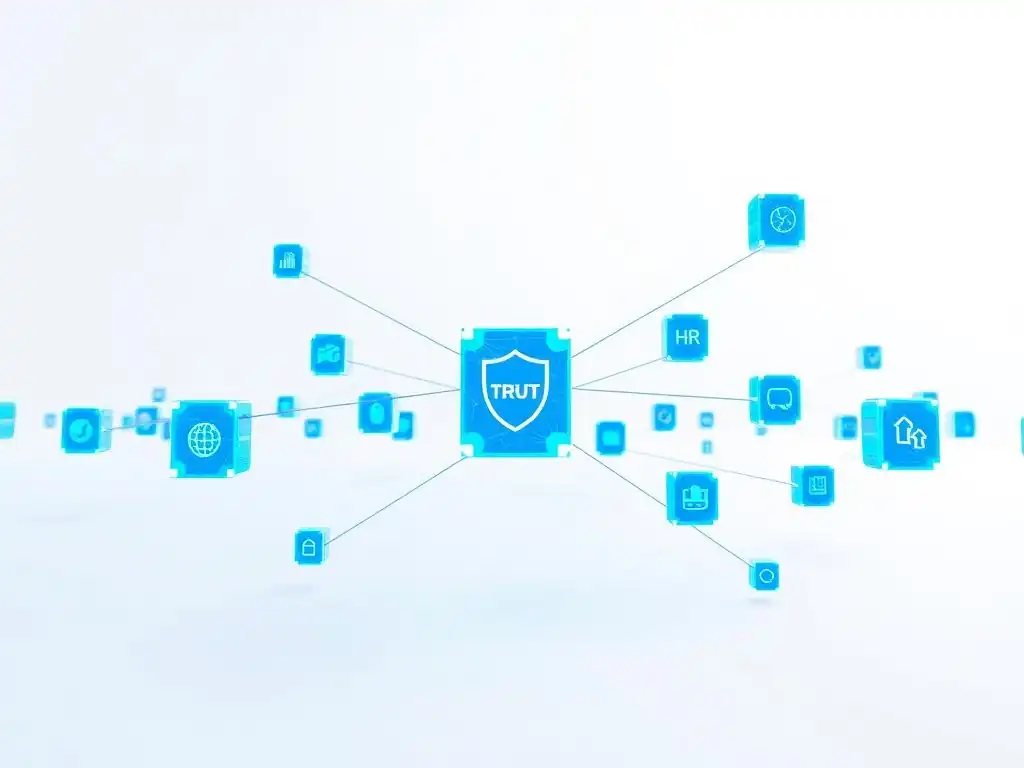
Blockchain technology revolutionizes supply chain transparency by providing an immutable and shared record of product journey from origin to consumer. Traditional supply chains often lack end-to-end visibility, making it difficult to track product provenance, ensure ethical sourcing, and combat counterfeiting. By recording key data points at each stage of the supply chain on a blockchain, organizations can create a transparent and verifiable record of product history. This enhanced transparency benefits consumers, businesses, and regulators alike.
For instance, companies like Provenance are utilizing blockchain to track the origin and journey of food products, allowing consumers to scan a QR code and verify the authenticity and ethical sourcing of their food. This level of transparency builds consumer trust and allows businesses to differentiate themselves based on ethical and sustainable practices. Moreover, blockchain-based supply chain transparency can streamline operations, reduce fraud, and improve efficiency in logistics and inventory management.
Streamlined Audit Processes and Reduced Fraud
Blockchain's inherent transparency and immutability streamline audit processes and significantly reduce the risk of fraud. Traditional audits are often time-consuming, costly, and involve manual verification of records, which can be prone to errors or manipulation. With blockchain, audit trails are built-in and readily accessible, providing auditors with a verifiable and tamper-proof record of transactions and activities. This reduces the need for manual reconciliation and accelerates the audit process.
Several accounting and auditing firms are exploring blockchain-based solutions to enhance audit efficiency and effectiveness. For example, Deloitte is investigating the use of blockchain for audit trails and real-time financial reporting. By leveraging blockchain's transparent and immutable ledger, auditors can gain greater assurance over the accuracy and integrity of financial data, reducing the risk of fraud and improving the reliability of financial statements. This ultimately leads to greater investor confidence and a more accountable financial ecosystem.
Enhanced Data Security and Reduced Risk of Manipulation
Blockchain enhances data security and reduces the risk of manipulation through its decentralized and cryptographic nature. In traditional centralized systems, data breaches and insider threats pose significant risks to data integrity and security. Blockchain's distributed architecture and cryptographic security mechanisms make it significantly more resilient to cyberattacks and data manipulation. Data is distributed across multiple nodes, and cryptographic hashing and encryption protect data integrity and confidentiality.
While no system is entirely immune to security threats, blockchain's inherent security features significantly reduce the attack surface compared to centralized databases. The distributed nature of blockchain makes it difficult for attackers to compromise the entire network, and cryptographic security measures protect data from unauthorized access and alteration. This enhanced data security and reduced risk of manipulation contribute directly to organizational accountability by ensuring the integrity and reliability of recorded information.
Increased Trust and Confidence Among Stakeholders
Ultimately, the enhanced transparency and accountability provided by blockchain lead to increased trust and confidence among stakeholders. Consumers, investors, regulators, and partners are more likely to trust organizations that operate with transparency and demonstrate a commitment to accountability. Blockchain's ability to provide verifiable and auditable records builds confidence in organizational processes and claims, fostering stronger relationships and enhancing reputation.
For example, in the financial services sector, blockchain-based solutions for KYC (Know Your Customer) and AML (Anti-Money Laundering) compliance can enhance transparency and build trust with regulators. Similarly, in the non-profit sector, blockchain can be used to track donations and ensure transparency in fund allocation, increasing donor confidence. By leveraging blockchain to enhance accountability, organizations can build stronger stakeholder relationships, improve their brand image, and foster a more trustworthy and transparent operating environment.
Real-World Examples of Blockchain Driving Accountability
Blockchain in Supply Chain Management: Tracking Product Origin and Authenticity
The diamond industry provides a compelling real-world example of blockchain enhancing accountability in supply chain management. Diamonds have historically been associated with conflict and unethical sourcing. De Beers, a leading diamond company, launched Tracr, a blockchain-based platform to track diamonds from mine to retail. This platform provides a transparent and immutable record of each diamond's journey, ensuring its origin and authenticity.
Tracr assigns a unique digital certificate to each diamond, recording its characteristics and origin on the blockchain. This allows consumers to verify the provenance of their diamonds and ensures that they are not funding conflict or unethical practices. By leveraging blockchain, De Beers is increasing transparency and accountability in the diamond supply chain, building consumer trust and promoting ethical sourcing. This example demonstrates the power of blockchain to address accountability challenges in complex global supply chains.
Blockchain in Financial Services: Enhancing Regulatory Compliance and Preventing Money Laundering
Financial institutions are increasingly exploring blockchain to enhance regulatory compliance and combat financial crime, particularly money laundering. Traditional AML compliance processes are often manual, costly, and inefficient. Blockchain offers the potential to streamline KYC and AML processes, improve transaction monitoring, and enhance transparency for regulators.
For example, several banks are piloting blockchain-based KYC utilities that allow for secure and efficient sharing of customer identity information, reducing duplication and improving compliance. Furthermore, blockchain's transparent and auditable ledger can enhance transaction monitoring capabilities, making it easier to detect and prevent suspicious activities. By leveraging blockchain, financial institutions can improve their AML compliance, reduce regulatory risks, and contribute to a more secure and accountable financial system. JPMorgan Chase's Onyx platform, using blockchain for interbank settlements, is another example of DLT enhancing transparency and efficiency in financial operations.
Blockchain in Healthcare: Securing Patient Data and Improving Data Sharing
Healthcare is another sector where blockchain's accountability features are proving valuable. Securing patient data and improving data sharing are critical challenges in healthcare. Blockchain can provide a secure and auditable platform for managing patient records, ensuring data privacy and enhancing data interoperability. Traditional healthcare data systems are often fragmented and vulnerable to security breaches.
Medicalchain, for instance, is a blockchain platform designed to give patients control over their medical records and facilitate secure data sharing with healthcare providers. Patients can grant permission to doctors and other healthcare professionals to access their records, while maintaining control over their data. Blockchain's security and immutability ensure the integrity and confidentiality of patient data, enhancing accountability and trust in the healthcare system. Furthermore, blockchain can streamline processes like insurance claims and clinical trial data management, improving efficiency and transparency.
Blockchain in Voting Systems: Enhancing Election Integrity
The integrity of voting systems is paramount for democratic societies. Blockchain technology is being explored as a potential solution to enhance election integrity by providing a transparent and auditable voting process. Traditional voting systems can be vulnerable to fraud and manipulation, and public trust in election outcomes can be eroded. Blockchain's immutability and transparency can address some of these concerns.
Voatz is a blockchain-based mobile voting platform that has been used in several pilot elections. Votes are recorded on a blockchain, creating an immutable and auditable record of each vote cast. This enhances transparency and reduces the potential for voter fraud. While blockchain-based voting systems are still in early stages of adoption and face challenges related to security and accessibility, they hold promise for enhancing election integrity and increasing public trust in democratic processes. However, careful consideration of security, privacy, and accessibility is crucial for the successful implementation of blockchain in voting systems.
Overcoming Challenges to Blockchain Adoption for Accountability
Addressing Scalability and Performance Issues
Scalability and performance are significant challenges for blockchain adoption, particularly in enterprise applications requiring high transaction throughput. Public blockchains, in particular, can face limitations in transaction processing speed and capacity. For blockchain to be widely adopted for organizational accountability, these scalability and performance issues need to be addressed.
Solutions like layer-2 scaling solutions (e.g., Lightning Network, Polygon) and sharding are being developed to improve the scalability of blockchain networks. Permissioned blockchains, which are often used in enterprise settings, can also offer better scalability compared to public blockchains. Continuous innovation in blockchain technology is focused on enhancing scalability and performance to meet the demands of real-world applications and ensure efficient operation for accountability purposes. Choosing the right blockchain platform and architecture is crucial for addressing scalability concerns.
Ensuring Data Privacy and Compliance with Regulations (e.g., GDPR)
While transparency is a key benefit of blockchain for accountability, data privacy and compliance with regulations like GDPR (General Data Protection Regulation) are critical considerations. Public blockchains, by design, are transparent and may not be suitable for storing sensitive personal data due to privacy concerns. Organizations need to carefully consider data privacy implications when implementing blockchain for accountability.
Permissioned blockchains offer greater control over data access and privacy compared to public blockchains. Techniques like zero-knowledge proofs and homomorphic encryption are being explored to enhance data privacy on blockchain networks while still maintaining transparency for accountability purposes. Organizations must implement appropriate data privacy measures and ensure compliance with relevant regulations when deploying blockchain solutions, particularly when handling personal or sensitive information. Careful design and implementation are essential to balance transparency and privacy requirements.
Promoting Interoperability Between Different Blockchain Platforms
The proliferation of different blockchain platforms creates challenges for interoperability. Organizations may need to interact with multiple blockchain networks, and the lack of interoperability can hinder seamless data exchange and integration. For blockchain to fully realize its potential for organizational accountability, interoperability between different blockchain platforms is crucial.
Initiatives like cross-chain protocols and blockchain bridges are being developed to enable interoperability between different blockchain networks. These solutions aim to facilitate the transfer of data and assets between different blockchains, fostering a more interconnected and interoperable blockchain ecosystem. Standardization efforts and industry collaborations are also important for promoting interoperability and ensuring seamless integration of blockchain solutions across different platforms and organizations. Greater interoperability will unlock further benefits of blockchain for accountability across various industries and applications.
Managing Key Management and Access Control
Key management and access control are critical security aspects of blockchain technology. Private keys are used to access and control blockchain assets and data, and secure management of these keys is paramount. Loss or compromise of private keys can lead to loss of access to assets or data. Robust key management practices and access control mechanisms are essential for secure and responsible blockchain adoption for accountability.
Solutions like hardware wallets, multi-signature wallets, and key management services are available to enhance the security of private key storage and management. Access control mechanisms on permissioned blockchains allow organizations to define granular permissions for data access and transaction authorization. Organizations must implement strong key management practices and access control policies to mitigate security risks and ensure the integrity and security of their blockchain-based accountability systems. User education and robust security protocols are vital for managing key management and access control effectively.
The Future of Blockchain and Organizational Accountability
Emerging Trends in Blockchain for Accountability
Several emerging trends are shaping the future of blockchain for organizational accountability. The increasing adoption of enterprise blockchain platforms is driving wider deployment of blockchain solutions in various industries. Advancements in scalability and interoperability are making blockchain more practical for large-scale applications. The integration of blockchain with other technologies like AI and IoT is creating new possibilities for enhanced accountability and automation.
Decentralized identity solutions built on blockchain are gaining traction, enabling individuals and organizations to control their digital identities and enhance data privacy. The development of confidential computing technologies is further addressing data privacy concerns on blockchain, allowing for secure computation on sensitive data without revealing the data itself. These emerging trends indicate a promising future for blockchain as a key enabler of organizational accountability across diverse sectors.
The Role of Blockchain in Promoting Ethical Business Practices
Blockchain has a significant role to play in promoting ethical business practices by enhancing transparency and accountability across operations. Consumers and stakeholders are increasingly demanding ethical and sustainable business practices. Blockchain can provide verifiable proof of ethical sourcing, fair labor practices, and environmental sustainability claims. This can help businesses build trust with consumers and differentiate themselves based on ethical values.
For instance, blockchain can be used to track the provenance of ethically sourced coffee beans or garments made in fair labor conditions. This transparency empowers consumers to make informed purchasing decisions and incentivizes businesses to adopt ethical practices. By leveraging blockchain to demonstrate their commitment to ethical business practices, organizations can enhance their reputation, attract socially conscious consumers, and contribute to a more responsible and sustainable global economy.
The Potential for Blockchain to Transform Governance and Compliance
Blockchain has the potential to transform governance and compliance processes by automating and streamlining regulatory reporting, audit trails, and compliance checks. Traditional governance and compliance processes are often manual, costly, and prone to errors. Blockchain can automate many of these processes, reducing administrative burden, improving efficiency, and enhancing transparency for regulators.
Smart contracts can be used to automate compliance checks and ensure adherence to regulatory requirements. Immutable audit trails on blockchain provide regulators with verifiable records of organizational activities, facilitating easier audits and oversight. Blockchain-based platforms can streamline regulatory reporting, reducing paperwork and improving data accuracy. By leveraging blockchain, organizations can enhance their governance and compliance frameworks, reduce regulatory risks, and foster a more transparent and accountable regulatory environment.
Increased Integration with AI and IoT for Enhanced Accountability
The integration of blockchain with Artificial Intelligence (AI) and the Internet of Things (IoT) is creating powerful synergies for enhanced accountability. IoT devices can collect real-time data from physical assets and processes, which can be recorded on a blockchain for immutable tracking and verification. AI can analyze blockchain data to identify anomalies, predict risks, and automate accountability processes.
For example, in supply chain management, IoT sensors can track the temperature and location of goods in transit, with this data recorded on a blockchain. AI algorithms can analyze this data to identify potential spoilage or delays and trigger automated alerts or actions. This integration of IoT, AI, and blockchain creates a more intelligent and accountable system, enabling proactive risk management, improved efficiency, and greater transparency across complex operations. This convergence of technologies will drive further innovation and adoption of blockchain for organizational accountability in the future.
Conclusion: Blockchain as a Catalyst for Greater Accountability and Trust
Key Takeaways: The Power of Blockchain Transparency
Blockchain technology offers a powerful toolkit for enhancing organizational accountability through its core principles of decentralization, immutability, and transparency. DLT transparency enhances accountability by providing verifiable audit trails, improving traceability, and automating accountability mechanisms through smart contracts. This leads to specific benefits such as improved supply chain transparency, streamlined audits, enhanced data security, and increased stakeholder trust. Real-world examples across various sectors, from supply chain to finance and healthcare, demonstrate the tangible impact of blockchain in driving accountability.
While challenges related to scalability, privacy, interoperability, and key management exist, ongoing technological advancements and best practices are addressing these hurdles. Emerging trends like decentralized identity, confidential computing, and integration with AI and IoT further amplify the potential of blockchain for accountability. Ultimately, blockchain's inherent transparency and accountability features position it as a transformative technology for building more trustworthy and responsible organizations.
Embracing Blockchain for a More Accountable Future
Embracing blockchain technology is not just about adopting a new technology; it is about embracing a new paradigm of transparency and accountability. Organizations that proactively explore and implement blockchain solutions for accountability will be better positioned to build trust with stakeholders, enhance operational efficiency, mitigate risks, and foster ethical business practices. The journey towards a more accountable future requires a willingness to adopt innovative solutions and embrace the transformative potential of technologies like blockchain. By leveraging DLT transparency enhances accountability, organizations can create a more trustworthy and sustainable future for themselves and the wider world.
Frequently Asked Questions
What is Distributed Ledger Technology (DLT) and how does it relate to transparency?
DLT is a database replicated across multiple participants. Its inherent design fosters transparency because all transactions are recorded immutably and viewable (subject to permission settings) by authorized parties.
How does DLT enhance accountability within organizations?
By providing a transparent and auditable record of all actions, DLT makes it easier to track responsibility. This increased visibility discourages unethical behavior and promotes accountability across the board.
Beyond cryptocurrencies, what are some real-world applications of DLT that benefit from enhanced transparency?
Supply chain management is a key example. DLT can track goods from origin to consumer, providing transparent provenance and preventing counterfeiting. Other areas include voting systems and identity management.
What role does regulation play in ensuring DLT transparency leads to genuine accountability?
Regulation is crucial for setting standards and guidelines for DLT implementation. It ensures data privacy, security protocols, and legal frameworks are in place to support accountability measures.
What are the potential challenges to achieving full transparency and accountability with DLT?
Data privacy concerns, scalability issues, and the need for interoperability between different DLT systems are major challenges. Addressing these is vital for realizing the full benefits of DLT transparency.
Final Reflection: Embracing Transparency for a Trustworthy Future
The exploration of Distributed Ledger Technology (DLT) and its capacity to foster transparency within organizations culminates in a powerful realization: DLT transparency enhances accountability not just as a technological advancement, but as a fundamental shift in organizational culture. The potential to revolutionize trust, efficiency, and ethical conduct is undeniable, and its current relevance is amplified by the increasing demand for responsible and ethical business practices in a globally interconnected world.
This journey into DLT's capabilities has profoundly influenced my understanding of how technology can shape societal values. The ability to trace transactions, verify data integrity, and promote open access to information through DLT is not merely a technical feat; it's a catalyst for building stronger, more accountable relationships between organizations and their stakeholders. Transparency is not about exposing everything; it's about creating a culture of trust and accountability.
This quote perfectly encapsulates the essence of what DLT can achieve, moving beyond mere compliance to fostering genuine trust and ethical behavior.
As we conclude, I invite you to consider how you can champion transparency in your own sphere of influence. Whether you're a business leader, a consumer, or simply a concerned citizen, the principles of accountability and openness, as illuminated by DLT, are universally applicable. Embrace the opportunity to advocate for systems that promote fairness, integrity, and trust, and together, we can build a future where transparency is not just a buzzword, but a cornerstone of a more equitable and trustworthy world.
Embrace Trust: Unlock Your Organization's Transparency Potential!
Thank you for exploring how distributed ledger technology can revolutionize accountability in organizations. Now that you understand the power of transparency, let's put that knowledge into action!
Here's how you can leverage these insights today:
- Assess your current processes to identify areas where increased transparency could significantly improve trust and efficiency.
- Share this article with your colleagues and initiate a discussion about how this technology could address existing challenges and promote a more accountable culture.
- Consider starting with a small-scale project to test the concept within your team. Begin simply, learn quickly, and expand from there!
What is one area in your organization where greater transparency could make the biggest difference today? Share your thoughts in the comments below!
Leave a Reply