
The Core Principles of DApps: Understanding Decentralization in Applications


Welcome to Blockchain Trends, your guide to navigating the ever-evolving world beyond cryptocurrency. Are you ready to unlock the true potential of blockchain technology? This week, we delve into the foundational elements that power the next generation of internet applications. Our deep dive on decentralized application development principles will give you the core knowledge you need to understand how these innovative systems operate. Read on to discover the key principles that are shaping the future of DApps and decentralized systems.
Core Principles of DApps: Understanding Decentralization in Applications
- Introduction to Decentralized Applications (DApps)
- Key Decentralized Application Development Principles
- Core Components of a Decentralized Application
- Understanding DApp Architecture
- Benefits of Adhering to Decentralized Application Principles
- Challenges in Decentralized Application Development
- Real-World Examples of DApps and Their Implementation of Core Principles
- The Future of DApp Development: Trends and Innovations
- Conclusion: Embracing Decentralized Application Principles for a More Trustworthy Future
-
Frequently Asked Questions
- What are the fundamental differences between traditional applications and decentralized applications (DApps)?
- How does the concept of immutability contribute to the security and reliability of DApps?
- What are some key considerations when designing a DApp with a focus on scalability?
- How do decentralized application development principles address the need for enhanced user privacy?
- What role does governance play in the long-term sustainability and evolution of DApps and their ecosystems?
- Final Reflection: Embracing the Decentralized Future
- Unleash the Power of Decentralized Applications!
Introduction to Decentralized Applications (DApps)
What are Decentralized Applications and Why are They Important?
Decentralized Applications, or DApps, represent a paradigm shift in software development, moving away from traditional, centralized architectures towards systems underpinned by blockchain technology. Unlike conventional applications that rely on a single entity or server to control operations and data, DApps distribute control and data across a network of nodes. This fundamental difference is crucial because it addresses key limitations inherent in centralized systems, such as single points of failure, data manipulation risks, and lack of transparency.
Imagine a social media platform where your posts are stored on a central server controlled by the company. In contrast, a decentralized social media DApp would store your posts across a blockchain network, making them resistant to censorship and giving you more control over your data. This shift to decentralization is not just a technical upgrade; it's about fundamentally changing the power dynamics between users and applications, fostering greater trust and resilience.
The importance of DApps stems from their potential to create more equitable, secure, and transparent digital ecosystems. Centralized systems, while often efficient, are vulnerable to hacking, data breaches, and arbitrary control by the central authority. For example, major data breaches at centralized corporations like Equifax and Yahoo exposed the sensitive information of millions of users, highlighting the risks of centralized data storage. DApps, by their very nature, mitigate these risks through distributed data storage and cryptographic security.
Moreover, the inherent transparency of blockchain technology allows users to verify the application's logic and data, fostering a higher degree of trust. This is particularly vital in sectors like finance, supply chain management, and voting systems, where trust and integrity are paramount. The rise of DApps signifies a move towards a more user-centric internet, where individuals have greater control, privacy, and ownership of their digital interactions.
The Rise of DApps: A Trend in Blockchain Technology
The emergence and increasing popularity of Decentralized Applications (DApps) are intrinsically linked to the maturation of blockchain technology. Initially, blockchain's primary application was cryptocurrency, exemplified by Bitcoin. However, the underlying technology's potential to revolutionize various sectors soon became apparent.
Ethereum, launched in 2015, played a pivotal role in the DApp revolution by introducing smart contracts. These self-executing contracts, written in code and stored on the blockchain, enabled developers to build applications with decentralized logic and data storage, marking a significant step beyond simple cryptocurrency transactions. The number of active DApps has grown exponentially since then, with platforms like DappRadar tracking thousands of DApps across various blockchain networks.
This surge in DApp development is driven by several factors. Firstly, the increasing awareness of the limitations and vulnerabilities of centralized systems, as discussed earlier, fuels the demand for decentralized alternatives. Secondly, the growing sophistication of blockchain infrastructure, including faster transaction speeds and lower fees on newer blockchains like Solana and Polygon, makes DApps more viable for mainstream adoption.
For instance, Solana boasts transaction speeds of up to 65,000 transactions per second, significantly exceeding Ethereum's earlier capabilities, making it suitable for high-throughput DApps. Thirdly, the burgeoning Decentralized Finance (DeFi) sector has showcased the transformative potential of DApps in disrupting traditional financial systems.
DeFi applications like Uniswap and Aave, built on DApp principles, have attracted billions of dollars in value, demonstrating the real-world utility and user demand for decentralized financial services. The trend indicates a clear shift towards leveraging blockchain not just for digital currencies, but as a foundational technology for a new generation of applications that prioritize decentralization, transparency, and user empowerment.
Key Decentralized Application Development Principles
Defining Decentralization in the Context of DApps
Decentralization, in the context of Decentralized Applications (DApps), is a multifaceted principle that extends beyond just the technological infrastructure. It encompasses various layers of an application's architecture and operation, aiming to distribute control, data, and functionality away from a single point of authority. At its core, decentralization in DApps means that no single entity controls the application's backend logic, data storage, or governance.
This is achieved through the use of blockchain technology, which inherently distributes data across a network of nodes, making it resistant to censorship and single points of failure. However, true decentralization is not a binary state but rather a spectrum, and DApps can exhibit varying degrees of decentralization across different dimensions.
One crucial aspect of decentralization in DApps is the distribution of control over the application's code and updates. Ideally, DApp code should be open-source and auditable, allowing the community to verify its integrity and propose improvements. Governance mechanisms, often implemented through Decentralized Autonomous Organizations (DAOs), further decentralize decision-making regarding the DApp's evolution.
For example, projects like MakerDAO utilize token holders to govern protocol upgrades and risk parameters, ensuring that changes are driven by the community rather than a central team. Another dimension is data decentralization, where user data is not stored on centralized servers but rather distributed across the blockchain or decentralized storage networks like IPFS. This enhances user privacy and data ownership.
Finally, infrastructure decentralization refers to the distribution of the nodes that run the DApp's backend. A DApp running on a network with thousands of geographically diverse nodes is considered more decentralized than one relying on a smaller, more concentrated set of nodes. Understanding these different facets of decentralization is crucial for evaluating the true degree of decentralization of any given DApp and its adherence to core DApp development principles.
Open Source and Transparency: A Cornerstone of DApp Development
Open source and transparency are not merely desirable features but fundamental cornerstones of decentralized application development principles. The rationale behind this stems directly from the core values of decentralization: trust, security, and community-driven innovation. In traditional, centralized applications, the codebase is often proprietary and opaque, meaning users have to trust the central entity implicitly regarding the application's functionality and security.
In contrast, DApps, by embracing open source principles, allow for public scrutiny of their code, fostering trust through verifiability. When a DApp's codebase is open source, anyone can examine it to understand its logic, identify potential vulnerabilities, and ensure that it operates as intended without hidden agendas or malicious code.
Transparency, closely linked to open source, is equally vital. DApps built on public blockchains inherently benefit from the transparency of the blockchain ledger. All transactions and smart contract interactions are recorded on the blockchain and are publicly auditable.
This level of transparency is unprecedented in traditional applications and is crucial for building user confidence, especially in sensitive areas like finance and governance. For instance, in DeFi protocols, users can track the flow of funds and verify the smart contract's execution in real-time on blockchain explorers like Etherscan. Furthermore, open source development encourages community contributions and collaboration.
Developers worldwide can contribute to the DApp's codebase, propose improvements, and participate in bug bounty programs, leading to more robust and secure applications. Projects like Linux and Bitcoin have demonstrated the power of open-source collaboration in creating resilient and innovative technologies. By adopting open source and transparency, DApps not only enhance their security and trustworthiness but also foster a collaborative ecosystem that drives continuous improvement and innovation in decentralized application development.
Autonomy and Immutability: Ensuring Trust and Security in DApps
Autonomy and immutability are two intertwined principles that are critical for ensuring trust and security within Decentralized Applications (DApps). These principles are primarily enabled by smart contracts, which are self-executing agreements written in code and deployed on the blockchain. Autonomy in DApps signifies that once a smart contract is deployed, it operates autonomously according to its pre-defined rules, without the need for intermediaries or central authorities to enforce its execution.
This automation eliminates the need for trust in human operators and reduces the risk of manipulation or arbitrary intervention. Consider a decentralized escrow service built as a DApp. Once the smart contract is set up with agreed-upon conditions, the release of funds is automatically triggered when those conditions are met, without requiring a third-party escrow agent to manually verify and authorize the transaction.
Immutability, another defining characteristic of blockchain and smart contracts, further reinforces trust and security. Once a smart contract is deployed on the blockchain, its code and data are immutable, meaning they cannot be altered retroactively. This immutability ensures that the DApp's logic and rules are tamper-proof and predictable.
Users can be confident that the DApp will continue to function as originally programmed, and that no single entity can unilaterally change its rules or manipulate its operations. This is particularly crucial for applications handling financial transactions or sensitive data.
For example, in a decentralized voting DApp, immutability ensures that votes, once recorded on the blockchain, cannot be altered, guaranteeing the integrity and fairness of the voting process. The combination of autonomy and immutability creates a foundation of trust and security that is inherently stronger than that offered by traditional centralized applications, where code and data are susceptible to modification and manipulation by central authorities.
Incentivization and Tokenomics: Fueling DApp Growth and Adoption
Incentivization and tokenomics are crucial principles in decentralized application development, playing a vital role in fueling DApp growth, adoption, and long-term sustainability. Unlike traditional applications that rely on centralized business models for revenue and user acquisition, DApps often leverage tokenomics to align the interests of various stakeholders, including users, developers, and network participants. Tokenomics refers to the economic system built around a DApp's native token, encompassing its distribution, utility, and governance mechanisms. Incentives, often provided in the form of tokens, are designed to encourage desired behaviors and participation within the DApp ecosystem.
One primary function of tokenomics is to incentivize users to adopt and actively participate in the DApp. For example, many DeFi protocols reward users with tokens for providing liquidity, lending assets, or using the platform. Uniswap, a decentralized exchange, rewards liquidity providers with UNI tokens, incentivizing them to contribute to the platform's liquidity pool and facilitating trading.
Similarly, developers can be incentivized to build and contribute to the DApp ecosystem through token grants, developer funds, or revenue-sharing models. Furthermore, tokenomics can play a crucial role in DApp governance. Governance tokens often grant holders voting rights, allowing them to participate in decisions regarding protocol upgrades, parameter adjustments, and the overall direction of the DApp.
This decentralized governance model ensures that the DApp evolves in a way that reflects the interests of its community. The design of effective tokenomics is a complex but essential aspect of DApp development. A well-designed token economy can create a virtuous cycle of growth, where incentives attract users and developers, leading to network effects, increased utility, and ultimately, the long-term success and sustainability of the decentralized application.
Core Components of a Decentralized Application
The Smart Contract Layer: Automating Logic on the Blockchain
The smart contract layer is the foundational core component of any Decentralized Application (DApp). It's where the application's backend logic resides and executes, all on the blockchain. Smart contracts are essentially self-executing contracts written in code, typically languages like Solidity or Vyper for Ethereum-based DApps. They define the rules and logic of the application, automating various processes and interactions without the need for intermediaries.
Imagine a traditional vending machine; you insert money, select an item, and the machine automatically dispenses it. Smart contracts operate similarly, but in a digital and decentralized context. They automatically execute predefined actions when specific conditions are met, as encoded in their logic.
This automation through smart contracts is transformative for applications across various sectors. In DeFi, smart contracts automate lending, borrowing, trading, and yield farming, eliminating the need for traditional financial institutions as intermediaries. For example, a decentralized lending DApp utilizes smart contracts to automatically match lenders and borrowers, manage collateral, and distribute interest payments, all programmatically and transparently.
In supply chain management DApps, smart contracts can automate tracking and verifying product provenance, triggering payments automatically upon delivery milestones. In governance DApps, smart contracts can automate voting processes and enforce the outcomes of decentralized decisions. The key advantage of the smart contract layer is its ability to execute code in a trustless and transparent manner.
Since smart contracts run on the blockchain, their execution is verifiable by anyone, and their results are immutable. This eliminates the need to trust a central authority and ensures that the DApp operates according to its intended logic, making the smart contract layer the bedrock of decentralization in DApps.
The User Interface (UI): Connecting Users to the Decentralized Backend
While the smart contract layer provides the decentralized backend logic, the User Interface (UI) serves as the crucial bridge connecting users to this complex, often technical, decentralized infrastructure. The UI is what users directly interact with – it's the website or application frontend that allows them to access the DApp's functionalities, interact with smart contracts, and manage their digital assets.
A well-designed UI is paramount for DApp adoption because it abstracts away the underlying complexities of blockchain technology, making DApps accessible and user-friendly even for individuals who are not technically proficient in blockchain. Think of a typical online banking application.
The user doesn't need to understand the intricate database systems or network protocols running in the background; they interact with a simple and intuitive UI to manage their accounts and transactions. Similarly, a DApp UI aims to provide a seamless and familiar user experience, despite the decentralized nature of the backend.
Developing effective UIs for DApps presents unique challenges. Firstly, users need to interact with blockchain networks, which often involves managing cryptocurrency wallets and understanding concepts like gas fees. DApp UIs need to guide users through these processes in a clear and user-friendly manner.
Secondly, DApp UIs often need to integrate with decentralized data storage solutions and handle asynchronous interactions with the blockchain, which can introduce latency and require careful UI design to maintain responsiveness. Thirdly, security is paramount. DApp UIs must be designed to protect users' private keys and prevent phishing attacks and other security vulnerabilities.
Despite these challenges, significant progress has been made in DApp UI/UX design. Modern DApp UIs are becoming increasingly sophisticated, employing familiar web design patterns and incorporating features like wallet integration and transaction progress indicators to enhance user experience. The UI layer is thus a critical component in the DApp ecosystem, ensuring that the power of decentralized applications is accessible to a broad audience, not just a niche group of blockchain experts.
The Consensus Mechanism: Validating Transactions and Maintaining Security
The consensus mechanism is a fundamental component of a Decentralized Application (DApp) as it is the underlying process that validates transactions and maintains the security and integrity of the blockchain network upon which the DApp operates. In a decentralized system, there is no central authority to verify transactions. Instead, a consensus mechanism is a protocol that allows distributed nodes in the network to agree on the validity of transactions and the state of the blockchain.
This agreement is crucial for preventing double-spending, ensuring data consistency, and maintaining the overall security of the network. Imagine a group of people working together to verify every transaction in a shared ledger. The consensus mechanism is the set of rules and procedures they follow to reach an agreement on which transactions are valid and should be added to the ledger.
Various consensus mechanisms exist, each with its own trade-offs in terms of security, scalability, and energy efficiency. Two of the most prominent are Proof-of-Work (PoW) and Proof-of-Stake (PoS). Proof-of-Work, used by Bitcoin and initially by Ethereum, requires nodes (miners) to solve complex computational puzzles to validate transactions and add new blocks to the blockchain.
This process is computationally intensive and energy-consuming but provides a high level of security. Proof-of-Stake, used by newer blockchains like Solana and the upgraded Ethereum (post-Merge), requires nodes (validators) to stake or lock up a certain amount of cryptocurrency to participate in transaction validation. PoS is generally more energy-efficient than PoW and can offer faster transaction processing times.
The choice of consensus mechanism for a blockchain platform directly impacts the characteristics of DApps built on it. For example, DApps on PoW blockchains might benefit from higher security but face slower transaction speeds and higher fees, while DApps on PoS blockchains might offer faster and cheaper transactions but rely on a different security model. Understanding the underlying consensus mechanism is essential for comprehending the security, performance, and overall characteristics of any DApp.
Decentralized Storage Solutions: Preserving Data Integrity
Decentralized storage solutions are a crucial component of Decentralized Applications (DApps), particularly for preserving data integrity and enhancing censorship resistance. While blockchain is excellent for storing transactional data and smart contract code, it's not always efficient or cost-effective for storing large amounts of data like images, videos, or documents. Storing large files directly on the blockchain can be expensive and can bloat the blockchain size.
Decentralized storage solutions address this by offering distributed networks for storing and retrieving data, complementing the blockchain's capabilities. Imagine a traditional cloud storage service like Dropbox or Google Drive, where your files are stored on their centralized servers. Decentralized storage solutions, in contrast, distribute your files across a network of computers, making them more resilient to censorship and single points of failure.
Solutions like IPFS (InterPlanetary File System) and Filecoin are prominent examples of decentralized storage networks. IPFS uses content-addressing, meaning files are identified by their content rather than their location, making it resilient to censorship and content manipulation. Filecoin builds upon IPFS and adds a cryptocurrency-based incentive layer, rewarding nodes for providing storage space and ensuring data availability and durability.
For DApps, decentralized storage offers several key benefits. Firstly, it enhances data integrity as data is distributed and often replicated across multiple nodes, making it more resistant to data loss or tampering. Secondly, it improves censorship resistance as there is no single point of control over the data.
Thirdly, it can potentially reduce storage costs compared to centralized cloud storage, especially for large datasets. DApps utilizing decentralized storage can ensure that user data, media files, and application assets are stored securely, redundantly, and in a censorship-resistant manner, further reinforcing the core principles of decentralization and user empowerment.
Understanding DApp Architecture
Frontend Development for DApps: Connecting to the Blockchain
Frontend development for Decentralized Applications (DApps) presents unique considerations compared to traditional web application frontend development. The primary distinction lies in the need for the frontend to interact with the blockchain backend, specifically smart contracts and the blockchain network. Traditional frontends communicate with centralized servers via APIs, whereas DApp frontends need to utilize Web3 libraries and tools to connect to the decentralized blockchain ecosystem.
Imagine a regular website frontend that uses JavaScript to fetch data from a server. A DApp frontend, in addition to standard web technologies, also needs to integrate with blockchain networks, often using libraries like Web3.js or Ethers.js.
Web3 libraries act as bridges, enabling the frontend to communicate with smart contracts deployed on the blockchain. They allow the frontend to send transactions to the blockchain (e.g., calling functions on smart contracts), read data from the blockchain (e.g., querying smart contract state), and manage user accounts and cryptocurrency wallets. Wallet integration is a crucial aspect of DApp frontend development.
Users typically interact with DApps using browser-based wallets like MetaMask or WalletConnect, which manage their private keys and facilitate transaction signing. The frontend needs to seamlessly integrate with these wallets, allowing users to connect their wallets, authorize transactions, and manage their accounts within the DApp interface. Frontend developers for DApps need to be proficient in standard web technologies (HTML, CSS, JavaScript) and also possess knowledge of Web3 libraries, blockchain concepts, and wallet integration.
They must also consider user experience carefully, as interacting with blockchain transactions can sometimes be complex and involve gas fees. Designing intuitive and user-friendly interfaces that abstract away the technical complexities of blockchain is paramount for successful DApp frontend development and broader DApp adoption.
Backend Development for DApps: Smart Contract Design and Implementation
Backend development for Decentralized Applications (DApps) is fundamentally centered around smart contract design and implementation. Unlike traditional backend development which involves building server-side logic and databases, DApp backend development focuses on creating and deploying smart contracts on the blockchain. Smart contracts, as discussed earlier, are the self-executing agreements that define the application's logic, rules, and data management on the blockchain. Imagine building the engine and core logic of an application, not on a central server, but as a set of immutable and transparent rules enforced by code on a distributed network. That's essentially what smart contract development entails.
Smart contract development typically involves using specialized programming languages like Solidity or Vyper for platforms like Ethereum. Developers need to carefully design the smart contract logic to ensure it is secure, efficient, and correctly implements the intended functionality of the DApp. Security is paramount in smart contract development as vulnerabilities in smart contract code can lead to significant financial losses or exploitation.
Smart contract code is immutable once deployed, so bugs or security flaws cannot be easily patched after deployment. Therefore, rigorous testing, auditing, and formal verification are crucial steps in the smart contract development process. Backend developers for DApps need to have a strong understanding of smart contract programming, blockchain architecture, security best practices, and tokenomics principles if the DApp involves a native token.
They also need to consider gas optimization, as smart contract execution on blockchains like Ethereum incurs gas fees, and inefficient code can lead to high transaction costs for users. Effective DApp backend development requires a different skillset and mindset compared to traditional backend development, emphasizing secure, immutable, and transparent code deployed on a decentralized infrastructure.
Choosing the Right Blockchain Platform for Your DApp: Ethereum vs. Solana
Choosing the right blockchain platform is a critical decision in Decentralized Application (DApp) development, significantly impacting the DApp's performance, scalability, cost, and target audience. While numerous blockchain platforms exist, Ethereum and Solana are two of the most prominent and represent contrasting approaches, each with its own strengths and weaknesses. The choice between them, or other platforms, depends heavily on the specific requirements and priorities of the DApp being developed.
Imagine selecting a highway system for your new delivery service. Some highways are well-established and heavily trafficked (like Ethereum), while others are newer and faster but might have less traffic and infrastructure (like Solana).
Ethereum, as the pioneering smart contract platform, boasts the largest DApp ecosystem, the most extensive developer community, and robust security due to its mature Proof-of-Work consensus mechanism (transitioning to Proof-of-Stake). Ethereum's strength lies in its established network effects, wide range of development tools and resources, and strong focus on decentralization and security. However, Ethereum has historically faced challenges with scalability and high gas fees, particularly during periods of network congestion.
Layer-2 scaling solutions like rollups are being developed to address these limitations, but Ethereum's mainnet transactions can still be relatively expensive and slower compared to newer platforms. Solana, on the other hand, is designed for high performance and scalability from the ground up. It utilizes a Proof-of-Stake consensus mechanism combined with innovations like Proof-of-History to achieve significantly higher transaction throughput and lower fees than Ethereum.
Solana is well-suited for DApps requiring high speed and low costs, such as DeFi applications with high trading volumes or games with frequent on-chain interactions. However, Solana's ecosystem is relatively younger than Ethereum's, and it has faced some network stability challenges in the past. The decision between Ethereum and Solana, or other platforms like Polygon, Avalanche, or Binance Smart Chain, involves carefully weighing factors such as scalability requirements, security needs, development resources, community support, and cost considerations to determine the most suitable foundation for a particular DApp.
Benefits of Adhering to Decentralized Application Principles
Enhanced Security and Data Integrity
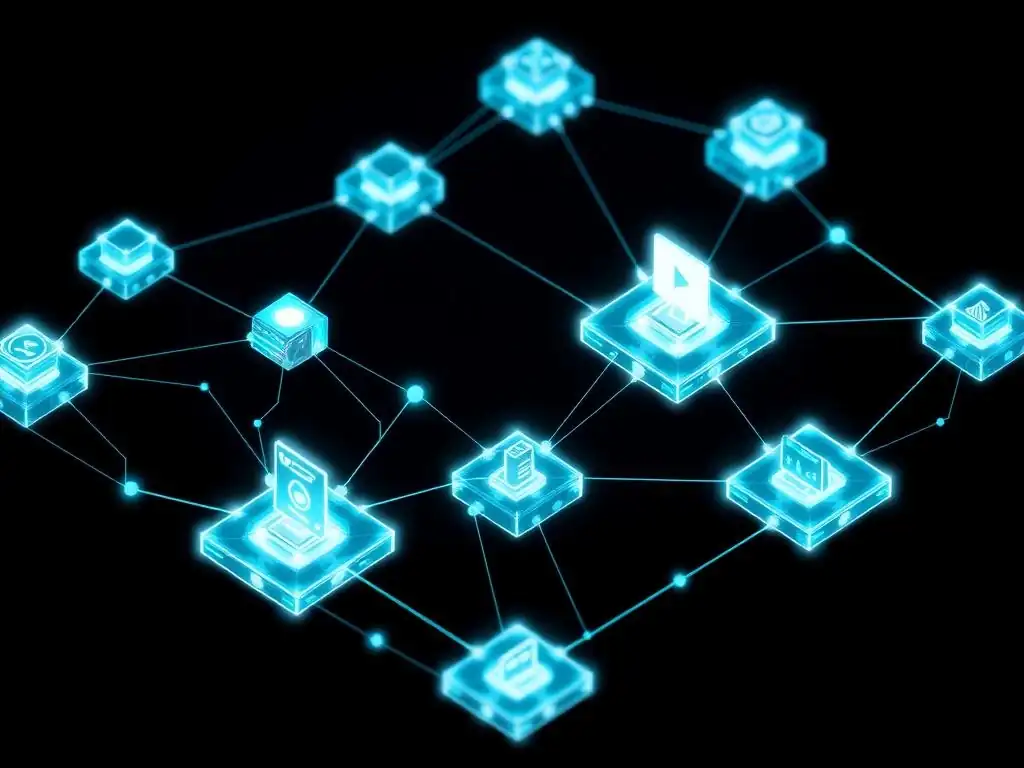
Adhering to Decentralized Application (DApp) principles inherently leads to enhanced security and data integrity compared to traditional centralized applications. This improvement stems from the fundamental architectural differences and the cryptographic underpinnings of blockchain technology. In centralized systems, security often relies on perimeter defenses and the trustworthiness of a single entity controlling the servers and data. This creates a single point of failure and vulnerability to attacks.
DApps, conversely, distribute security across a network of nodes, making them significantly more resilient to attacks and data breaches. Imagine a bank vault protected by a single lock versus a vault distributed across thousands of locations, each requiring multiple keys to access. DApps are analogous to the latter.
The distributed nature of blockchain inherently enhances security. To compromise a DApp, an attacker would need to simultaneously compromise a significant portion of the network, which is computationally infeasible in large, well-distributed blockchain networks. Furthermore, the immutability of blockchain ensures data integrity.
Once data is written to the blockchain, it cannot be altered retroactively, providing a tamper-proof record of transactions and application state. Cryptographic techniques, such as hashing and digital signatures, further secure data and verify transaction authenticity. For example, in a decentralized voting DApp, the immutability of the blockchain ensures that votes, once recorded, cannot be changed, guaranteeing the integrity of the election.
Decentralized storage solutions, often integrated with DApps, also contribute to data integrity by distributing data across multiple locations, reducing the risk of data loss due to hardware failures or localized attacks. The combination of distributed architecture, immutability, and cryptography makes DApps inherently more secure and ensures a higher level of data integrity compared to centralized applications, where data is often more vulnerable to manipulation and breaches.
Increased Transparency and Trust
Increased transparency and trust are significant benefits derived from adhering to decentralized application principles. Traditional applications often operate as black boxes, with users having limited visibility into their inner workings, data handling practices, and algorithms. This opacity can erode trust, especially in sensitive areas like finance and data privacy.
DApps, built on blockchain technology, inherently promote transparency and foster trust through open-source code, public audibility of transactions, and decentralized governance mechanisms. Imagine a company claiming to be fair and ethical but keeping all its operations secret versus a company operating in full public view, allowing anyone to examine its processes. DApps lean towards the latter model of transparency.
Open-source code is a cornerstone of DApp transparency. Many DApps make their smart contract code publicly available, allowing anyone to inspect and verify the application's logic and functionality. This public scrutiny enhances accountability and reduces the likelihood of hidden agendas or malicious code. Blockchain technology itself provides an unparalleled level of transparency.
All transactions and smart contract interactions are recorded on the public blockchain ledger, which is auditable by anyone with an internet connection. This transparency allows users to verify the DApp's operations, track the flow of funds, and confirm the execution of smart contracts. For example, in DeFi protocols, users can monitor transaction histories and smart contract balances on blockchain explorers like Etherscan, providing real-time transparency into the protocol's operations.
Decentralized governance models, often implemented through DAOs, further enhance transparency by involving the community in decision-making processes. Token holders can vote on protocol upgrades and parameter changes, ensuring that the DApp's evolution is driven by a transparent and community-led process. This combination of open-source code, blockchain transparency, and decentralized governance fosters a higher level of trust in DApps compared to traditional opaque applications, where users must rely on the implicit trust of a central authority.
Improved User Control and Privacy
Improved user control and privacy are key advantages of adhering to decentralized application principles, addressing growing concerns about data ownership and privacy in the digital age. Traditional applications often operate on a data extraction model, collecting and monetizing user data with limited user control or transparency. DApps, in contrast, are designed to empower users with greater control over their data and interactions, often prioritizing privacy by minimizing data collection and leveraging decentralized technologies.
Imagine using a service where you have no say in how your data is used versus a service where you have full control over your data and decide who can access it. DApps aim to provide this latter level of user control and privacy.
Decentralization inherently shifts data control from central entities to users. In many DApps, users retain control over their private keys, which are essential for accessing and managing their digital assets and interacting with the application. This self-custodial approach contrasts with centralized services where users entrust their assets and data to a central custodian.
Decentralized storage solutions, often integrated with DApps, further enhance user privacy by distributing data across a network and often employing encryption to protect data confidentiality. DApps can also be designed to minimize data collection. By leveraging blockchain's inherent capabilities, DApps can often function effectively without requiring users to provide extensive personal information.
For example, a decentralized exchange can facilitate trading without requiring users to undergo KYC (Know Your Customer) procedures, preserving user privacy. Furthermore, decentralized identity solutions are emerging, allowing users to control their digital identities and selectively share data with DApps as needed, further enhancing user control and privacy. By prioritizing user empowerment and leveraging decentralized technologies, DApps offer a compelling alternative to traditional applications in terms of user control and privacy, aligning with the growing demand for more user-centric and privacy-respecting digital services.
Resistance to Censorship and Single Points of Failure
Resistance to censorship and single points of failure are critical benefits of adhering to decentralized application principles, making DApps more resilient and robust compared to centralized applications. Centralized applications are inherently vulnerable to censorship as a single entity can control access to the application or its content. They are also susceptible to single points of failure, meaning that if the central server or infrastructure fails, the entire application can become unavailable.
DApps, by their decentralized nature, mitigate these risks, offering greater resilience to censorship attempts and infrastructure failures. Imagine a news website hosted on a single server that can be shut down by a government versus a news platform distributed across thousands of computers globally, making it extremely difficult to censor. DApps are designed to be more akin to the latter, censorship-resistant model.
Decentralization makes DApps inherently resistant to censorship. Because DApps operate on distributed networks, there is no single point of control that can be targeted to censor or shut down the application. Attempts to censor a DApp would require coordinated action across a vast and geographically dispersed network, which is practically infeasible in most cases.
Decentralized storage solutions further enhance censorship resistance by distributing data across multiple nodes, making it difficult to remove or suppress information. Similarly, decentralization eliminates single points of failure. If one or a few nodes in the network fail, the DApp can continue to operate as long as a sufficient number of nodes remain functional.
This distributed architecture makes DApps more robust and resilient to infrastructure failures, denial-of-service attacks, or other disruptions that could cripple centralized applications. For example, a decentralized social media DApp operating on a blockchain network would be significantly more resistant to censorship attempts by governments or corporations compared to a traditional centralized social media platform. This inherent resistance to censorship and single points of failure is a key advantage of DApps, making them attractive for applications requiring high availability, resilience, and freedom from centralized control.
Challenges in Decentralized Application Development
Scalability Issues and Potential Solutions
Scalability remains a significant challenge in decentralized application development. Many blockchain platforms, particularly early ones like Ethereum, face limitations in transaction throughput and processing speed, hindering their ability to handle large-scale DApp adoption. Scalability refers to the ability of a blockchain network to handle an increasing number of transactions and users without compromising performance or increasing transaction costs. Imagine a highway designed for a small town that suddenly has to handle the traffic of a major city. The highway becomes congested, traffic slows down, and tolls increase. This is analogous to scalability issues in blockchain.
The inherent nature of blockchain consensus mechanisms, especially Proof-of-Work, contributes to scalability limitations. Validating every transaction across a distributed network is computationally intensive and time-consuming, leading to lower transaction speeds compared to centralized systems. For example, early Ethereum could process around 15 transactions per second, which is insufficient for applications requiring high transaction volumes, such as mainstream payment systems or high-frequency trading platforms.
However, significant progress is being made in developing scalability solutions for DApps. Layer-2 scaling solutions, such as rollups (e.g., Optimistic Rollups, zk-Rollups) and sidechains (e.g., Polygon), are designed to offload transaction processing from the main blockchain (Layer-1) to separate networks (Layer-2), while still inheriting the security of the main chain. These solutions can significantly increase transaction throughput and reduce gas fees for DApps.
For instance, optimistic rollups can potentially increase Ethereum's transaction throughput to thousands of transactions per second. Furthermore, newer blockchain platforms like Solana and Avalanche are designed with scalability in mind, utilizing different consensus mechanisms and architectural innovations to achieve higher transaction speeds and lower latency. Addressing scalability is crucial for the widespread adoption of DApps, and ongoing research and development in Layer-2 solutions and high-throughput blockchains are paving the way for more scalable decentralized applications.
User Experience (UX) Considerations for DApps
User Experience (UX) is a critical consideration and often a significant challenge in decentralized application development. DApps, while offering numerous benefits, often present UX hurdles that can hinder mainstream adoption. Interacting with blockchain technology and decentralized systems can be complex and unfamiliar to average users, requiring DApps to prioritize user-friendliness and intuitive design.
Imagine trying to use a highly technical tool that requires you to understand complex commands and settings versus a tool that is simple, intuitive, and guides you through the process seamlessly. DApps often fall into the former category currently, but the goal is to make them as user-friendly as the latter.
One major UX challenge is wallet management. Users need to manage cryptocurrency wallets and understand concepts like private keys, seed phrases, and gas fees to interact with most DApps. This can be daunting for non-technical users.
DApp UIs need to simplify wallet integration and transaction signing processes, abstracting away the technical complexities as much as possible. Gas fees, the transaction costs on blockchains like Ethereum, can also be a UX barrier. Users need to understand gas prices and potentially adjust them to ensure timely transaction confirmation, which can be confusing and frustrating.
Furthermore, transaction confirmation times on some blockchains can be relatively slow, leading to a less responsive user experience compared to traditional web applications. DApp developers are actively working on improving UX through various strategies, including simplifying wallet onboarding, providing clearer explanations of gas fees, utilizing Layer-2 solutions to reduce gas costs and transaction times, and designing more intuitive and user-friendly interfaces. Progress in UX design is crucial for bridging the gap between the technical complexities of blockchain and the expectations of mainstream users, making DApps more accessible and appealing to a wider audience.
Regulatory Uncertainty and Compliance
Regulatory uncertainty and compliance pose significant challenges for decentralized application development. The regulatory landscape surrounding blockchain technology and cryptocurrencies is still evolving globally, creating ambiguity and potential risks for DApp developers and users. Governments and regulatory bodies worldwide are grappling with how to classify and regulate DApps, DeFi protocols, and other decentralized technologies. Imagine building a new type of business in a legal gray area, where the rules are unclear and subject to change. This is the situation faced by many DApp developers navigating the current regulatory environment.
The decentralized and borderless nature of DApps complicates regulatory compliance. Traditional regulations are often jurisdiction-based, while DApps can operate globally, making it challenging to determine which regulations apply and how to comply with them. Issues such as securities regulations, anti-money laundering (AML) requirements, and data privacy regulations (e.g., GDPR) can have significant implications for DApps. For example, some DeFi protocols may be classified as securities under certain jurisdictions, requiring them to comply with securities laws.
AML regulations may require DApps to implement KYC procedures, potentially conflicting with the privacy-focused ethos of decentralization. The lack of clear regulatory guidelines creates uncertainty for DApp developers, potentially hindering innovation and investment in the space. Furthermore, regulatory enforcement actions can pose risks to DApps and their users.
Navigating this regulatory uncertainty requires DApp developers to stay informed about evolving regulations, seek legal counsel, and potentially adopt compliance measures proactively. Industry associations and advocacy groups are also working to engage with regulators and promote clear and sensible regulatory frameworks for decentralized technologies. Addressing regulatory uncertainty is crucial for fostering a sustainable and compliant DApp ecosystem, allowing decentralized innovation to flourish within a clear and predictable legal environment.
Security Vulnerabilities and Auditing Best Practices
Despite the inherent security advantages of decentralization, security vulnerabilities remain a significant challenge in decentralized application development. Smart contracts, which form the backend logic of DApps, are particularly susceptible to security risks. Smart contract code is immutable once deployed, meaning that vulnerabilities, if present, cannot be easily patched after deployment.
Exploits of smart contract vulnerabilities have resulted in substantial financial losses in the DApp ecosystem, highlighting the critical importance of robust security practices. Imagine building a complex piece of software that, once launched, cannot be easily updated if bugs are found, and those bugs could lead to significant financial damage if exploited. This underscores the high stakes and security focus required in smart contract development.
Common smart contract vulnerabilities include reentrancy attacks, integer overflows/underflows, and vulnerabilities in access control mechanisms. Reentrancy attacks, for example, have been exploited in several high-profile DeFi hacks, allowing attackers to drain funds from vulnerable smart contracts. Preventing these vulnerabilities requires meticulous coding practices, thorough testing, and rigorous security audits. Security auditing is a crucial best practice in DApp development.
Independent security auditors review smart contract code to identify potential vulnerabilities and security flaws before deployment. Audits are typically conducted by specialized firms with expertise in smart contract security. Formal verification, a more advanced security practice, involves using mathematical techniques to formally prove the correctness and security of smart contract code.
In addition to code audits, developers should also follow secure coding practices, utilize security testing tools, and stay updated on known smart contract vulnerabilities and attack vectors. Bug bounty programs, where developers reward security researchers for reporting vulnerabilities, can also contribute to identifying and mitigating security risks. Adopting comprehensive security practices, including audits, secure coding, and ongoing monitoring, is essential for building secure and resilient DApps and protecting users from potential exploits.
Real-World Examples of DApps and Their Implementation of Core Principles
DeFi (Decentralized Finance) Applications: Uniswap and Automated Market Making
DeFi (Decentralized Finance) applications are prime examples of DApps that embody core decentralized application principles. Uniswap, a leading decentralized exchange (DEX), exemplifies these principles through its implementation of Automated Market Making (AMM). Uniswap is a protocol for swapping tokens on the Ethereum blockchain, operating without intermediaries or central order books. Imagine a traditional stock exchange where brokers and market makers facilitate trading. Uniswap, in contrast, automates this process through smart contracts and algorithms, eliminating the need for intermediaries and central control.
Uniswap's core principle is decentralization. It is governed by a DAO and its smart contracts are open source and auditable, embodying transparency and community-driven development. The AMM mechanism, at the heart of Uniswap, is a key example of autonomy and immutability.
Liquidity pools, which enable trading on Uniswap, are governed by smart contracts that automatically adjust token prices based on supply and demand algorithms. These smart contracts operate autonomously, executing trades and managing liquidity without human intervention. The rules of the AMM are immutable, encoded in the smart contract code, ensuring predictable and transparent trading conditions.
Incentivization is also central to Uniswap's design. Liquidity providers are incentivized to deposit tokens into liquidity pools by earning a share of trading fees, creating a decentralized and community-driven liquidity provision mechanism. Uniswap's success, with billions of dollars in trading volume, demonstrates the real-world viability and impact of DApps built on core decentralized principles, disrupting traditional financial intermediaries and offering users a more transparent, accessible, and user-controlled trading experience.
Supply Chain Management DApps: VeChain and Product Traceability
Supply chain management is another sector where Decentralized Applications (DApps) are demonstrating significant real-world value, with VeChain being a prominent example. VeChain is a blockchain platform focused on enterprise applications, particularly in supply chain traceability and management. Traditional supply chains often suffer from opacity, inefficiencies, and lack of trust between participants. VeChain leverages DApp principles to create more transparent, efficient, and trustworthy supply chains. Imagine tracking a product's journey from origin to consumer, with each step recorded and verifiable on a shared, immutable ledger. VeChain aims to provide this level of transparency and traceability using DApp technology.
VeChain's platform is built on blockchain, inherently embodying decentralization and transparency. Data about products, such as origin, manufacturing process, and transportation history, is recorded on the VeChain blockchain, creating a transparent and auditable record throughout the supply chain. This traceability enhances product authenticity verification and reduces counterfeiting risks.
For example, VeChain has been used to track luxury goods, pharmaceuticals, and food products, providing consumers with verifiable proof of product provenance and authenticity. Autonomy and immutability are also key principles in VeChain's DApps. Smart contracts can automate various supply chain processes, such as tracking shipments, verifying product quality, and triggering payments upon delivery milestones.
The immutability of the blockchain ensures that supply chain data is tamper-proof and reliable. Incentivization, although less direct than in DeFi applications, is present in VeChain's ecosystem through its tokenomics model, which incentivizes businesses and participants to adopt and utilize the VeChain platform for supply chain management. VeChain's real-world deployments across various industries showcase the practical benefits of DApps in enhancing transparency, efficiency, and trust in supply chains, addressing long-standing challenges in traditional centralized systems.
Governance and Voting DApps: Aragon and Decentralized Autonomous Organizations
Governance and voting are crucial areas where Decentralized Applications (DApps) are offering innovative solutions, with Aragon being a leading platform in this space. Aragon is a platform for creating and managing Decentralized Autonomous Organizations (DAOs). DAOs are organizations governed by code and community, operating without traditional hierarchical structures. Traditional organizations often rely on centralized leadership and decision-making processes.
DAOs, in contrast, aim to distribute governance and decision-making power among stakeholders, leveraging DApp principles for more transparent and democratic organizational structures. Imagine an organization where decisions are made by voting through a transparent and secure online system, and the rules of the organization are encoded in code and automatically enforced. Aragon provides the tools to build such DAOs.
Aragon's platform is fundamentally built on decentralization and transparency. DAOs created on Aragon operate on blockchain, ensuring transparency in governance processes and voting records. Voting in Aragon DAOs is typically conducted on-chain, making votes publicly auditable and tamper-proof. Autonomy is a core principle of DAOs.
The rules and governance mechanisms of an Aragon DAO are defined by smart contracts, which automatically enforce the organization's rules and the outcomes of community votes. This automation reduces the need for intermediaries and human intervention in governance processes. Incentivization is also a key aspect of DAO governance.
Many DAOs utilize governance tokens, which grant holders voting rights and potentially other benefits, incentivizing participation in governance and aligning the interests of token holders with the long-term success of the organization. Aragon and DAOs built on its platform are being used for various governance purposes, from managing decentralized protocols and communities to governing online platforms and even traditional organizations exploring decentralized governance models. These real-world examples demonstrate the potential of DApps in revolutionizing governance and voting, creating more transparent, democratic, and community-driven organizational structures.
The Future of DApp Development: Trends and Innovations
Interoperability and Cross-Chain DApps
Interoperability and cross-chain DApps represent a significant trend and innovation in the future of DApp development. Currently, many DApps are built on specific blockchain platforms, creating isolated ecosystems and limiting the flow of assets and data between different blockchains. Interoperability aims to bridge these silos, enabling seamless communication and interaction between different blockchain networks. Imagine different countries with incompatible road systems, hindering trade and travel, versus countries with interconnected highways allowing for smooth flow of goods and people. Interoperability seeks to create these "interconnected highways" for blockchains, enabling cross-chain DApps.
Cross-chain DApps are applications that can operate across multiple blockchain networks, leveraging the unique strengths of different platforms and allowing users to interact with assets and functionalities across various blockchains. This trend is driven by the recognition that no single blockchain is likely to dominate all use cases, and a multi-chain future is emerging. Interoperability solutions, such as bridges and cross-chain communication protocols, are being developed to facilitate the transfer of assets and data between different blockchains.
For example, bridges allow users to move tokens from one blockchain to another, enabling cross-chain DeFi applications. Cross-chain DApps can offer users a wider range of functionalities and access to diverse ecosystems, enhancing the overall utility and reach of decentralized applications.
Examples of cross-chain initiatives include Polkadot and Cosmos, which are designed to be interoperable blockchain networks, and LayerZero, a protocol for building cross-chain applications. The development of interoperable and cross-chain DApps is crucial for unlocking the full potential of blockchain technology, creating a more connected and efficient decentralized ecosystem, and fostering greater collaboration and innovation across different blockchain communities.
Layer-2 Scaling Solutions for DApps
Layer-2 scaling solutions are a critical innovation driving the future of DApp development, particularly for addressing scalability limitations on main blockchains like Ethereum. As discussed earlier, scalability remains a challenge for many blockchains, hindering their ability to support mass adoption of DApps. Layer-2 solutions are designed to improve scalability by processing transactions off-chain, while still inheriting the security and finality of the main blockchain (Layer-1).
Imagine adding express lanes to a congested highway to increase traffic flow, without rebuilding the entire highway system. Layer-2 solutions are like these "express lanes" for blockchains, increasing transaction throughput without fundamentally altering the base layer.
Various types of Layer-2 solutions are being developed, including rollups, sidechains, and state channels. Rollups, such as Optimistic Rollups and zk-Rollups, are particularly promising. They "roll up" multiple transactions into a single transaction on the main chain, significantly increasing transaction throughput and reducing gas fees.
Optimistic Rollups assume transactions are valid by default and only challenge them if fraud is suspected, while zk-Rollups use zero-knowledge proofs to cryptographically prove transaction validity off-chain. Sidechains are separate blockchains that run parallel to the main chain and are connected to it via bridges. They can offer higher transaction speeds and lower fees, but typically have their own security models, which may be less secure than the main chain.
State channels allow for off-chain transactions between a small group of participants, only settling the final state on the main chain, suitable for applications with frequent interactions between a limited number of users. Layer-2 scaling solutions are crucial for making DApps more scalable, affordable, and user-friendly, enabling them to handle larger user bases and more complex applications, paving the way for broader DApp adoption and mainstream integration of decentralized technologies.
The Evolution of DApp Governance Models
The evolution of DApp governance models is a key trend shaping the future of decentralized application development. Governance refers to the mechanisms by which DApps are managed, upgraded, and adapted over time. Traditional applications are typically governed by centralized entities that make decisions about the application's development and operation.
DApps, in line with decentralized principles, are increasingly adopting decentralized governance models, often through Decentralized Autonomous Organizations (DAOs). Imagine a traditional company governed by a CEO and board of directors versus an organization governed by its community members through voting and transparent rules encoded in code. DApp governance is moving towards this more community-driven and decentralized model.
Early DApp governance models often involved limited decentralization, with core development teams retaining significant control. However, there is a growing trend towards more decentralized and community-driven governance, driven by the desire for greater user empowerment, transparency, and resilience. DAO-based governance models are becoming increasingly prevalent.
DAOs utilize governance tokens, which grant holders voting rights, allowing them to participate in decisions regarding protocol upgrades, parameter adjustments, treasury management, and other aspects of DApp governance. Different DAO governance models exist, ranging from simple token-weighted voting to more complex mechanisms involving delegated voting, quadratic voting, and liquid democracy. The evolution of DApp governance models is ongoing, with experimentation and innovation in areas such as on-chain governance, off-chain signaling, and hybrid governance approaches.
Effective decentralized governance is crucial for the long-term sustainability, adaptability, and community alignment of DApps. As the DApp ecosystem matures, governance models are expected to become more sophisticated and robust, empowering users and fostering more decentralized and community-owned applications.
Conclusion: Embracing Decentralized Application Principles for a More Trustworthy Future
The Importance of Decentralization in Shaping the Next Generation of Applications
The importance of decentralization in shaping the next generation of applications cannot be overstated. Decentralization, as embodied by DApp principles, represents a fundamental shift away from the centralized paradigms that have dominated the internet and software development for decades. This shift is not merely a technical preference; it is a response to the inherent limitations and vulnerabilities of centralized systems, and a proactive step towards creating a more trustworthy, equitable, and user-centric digital future.
Imagine a future internet built on principles of openness, transparency, and user empowerment, versus the current internet increasingly dominated by centralized gatekeepers and data silos. Decentralization is the architectural foundation for this more desirable future.
Decentralization addresses critical issues inherent in centralized applications, such as single points of failure, censorship risks, data breaches, and lack of user control. By distributing control and data across networks, DApps enhance security, resilience, and transparency. They empower users with greater control over their data, digital assets, and online interactions.
The principles of open source, immutability, and community governance, central to DApp development, foster trust and accountability, creating a more level playing field for developers and users alike. As we move towards an increasingly digital world, the principles of decentralization become ever more critical for ensuring that technology serves humanity in a fair, transparent, and empowering manner. Embracing decentralized application principles is not just about building better applications; it is about building a better digital society, one that is more resilient, trustworthy, and aligned with the values of openness, collaboration, and user empowerment.
Decentralized Application Development: A Paradigm Shift
Decentralized application development represents a paradigm shift in how software is conceived, built, and deployed. It is more than just a new technology stack; it is a fundamentally different approach to application architecture and development philosophy. This paradigm shift moves away from the traditional client-server model and towards a distributed, peer-to-peer architecture underpinned by blockchain technology. Imagine moving from building applications on isolated islands to building them on a connected continent, where resources and functionalities can be shared and accessed openly. Decentralized application development enables this interconnected and collaborative ecosystem.
This paradigm shift necessitates a new mindset for developers, designers, and users. Developers need to embrace smart contract programming, decentralized infrastructure, and community-driven governance models. Designers need to prioritize user experience in a decentralized context, simplifying wallet interactions and blockchain complexities for mainstream users. Users need to adapt to a world where they have greater control and responsibility over their digital assets and data.
Decentralized application development is not without its challenges, including scalability, UX hurdles, and regulatory uncertainty. However, the potential benefits – enhanced security, transparency, user control, and resistance to censorship – are transformative. As the technology matures, tools and infrastructure improve, and the ecosystem expands, decentralized application development is poised to reshape the future of software, creating a more trustworthy, equitable, and user-centric digital world, marking a true paradigm shift in the evolution of applications and the internet itself.
Frequently Asked Questions
What are the fundamental differences between traditional applications and decentralized applications (DApps)?
Traditional applications are typically centralized, meaning they rely on a single server or authority. DApps, on the other hand, operate on a blockchain network, distributing data and logic across multiple nodes, making them more resilient and transparent.
How does the concept of immutability contribute to the security and reliability of DApps?
Immutability, a core feature of blockchains, ensures that once data is recorded on the blockchain, it cannot be altered or deleted. This creates a tamper-proof record, enhancing the security and trustworthiness of DApp transactions and data.
What are some key considerations when designing a DApp with a focus on scalability?
Scalability is crucial for DApps to handle a growing number of users and transactions. Developers often explore solutions like layer-2 scaling solutions or sharding to improve transaction throughput and overall DApp performance.
How do decentralized application development principles address the need for enhanced user privacy?
DApps can be designed to minimize data collection and give users more control over their personal information. Cryptographic techniques and decentralized identity solutions are used to protect user privacy on the blockchain.
What role does governance play in the long-term sustainability and evolution of DApps and their ecosystems?
Effective governance mechanisms are essential for managing DApp upgrades, resolving disputes, and ensuring community involvement. Decentralized Autonomous Organizations (DAOs) are often used to facilitate transparent and community-driven governance within DApp ecosystems.
Final Reflection: Embracing the Decentralized Future
The journey through the core principles of DApps reveals more than just technical guidelines; it unveils a paradigm shift in how we interact with technology and trust. The enduring relevance of decentralized application development principles lies in their potential to reshape power dynamics and foster greater transparency in our digital lives. As centralized systems face increasing scrutiny, the promise of DApps – security, autonomy, and immutability – becomes ever more compelling, offering a viable alternative for a more equitable digital landscape.
The impact of these principles extends far beyond the realm of code. Decentralization, at its heart, is about empowering individuals and communities, fostering a sense of ownership and control over their data and interactions. This shift resonates deeply with the growing desire for autonomy in a world increasingly dominated by centralized entities. The future is already here – it's just not evenly distributed.
- William Gibson. This quote perfectly encapsulates the current state of decentralization; the technology exists, but its widespread adoption hinges on our understanding and application of these core principles.
As we conclude this exploration of decentralized application development principles, I invite you to consider your role in shaping this future. How can you leverage these principles to build more transparent, secure, and equitable systems? How can you contribute to a world where technology empowers individuals rather than concentrating power? The future of DApps, and indeed the future of the internet, is not predetermined. It is a future we build together, one decentralized application, one line of code, one conscious decision at a time.
Unleash the Power of Decentralized Applications!
Thank you for exploring the world of decentralized applications and understanding the fundamental principles that drive innovation in this space. You now have the knowledge to appreciate the potential of these transformative tools. So, what's next? Let's turn that knowledge into action:
- Start building your own DApp! Even if you're just getting started, look for online tutorials and resources to begin experimenting with smart contracts and blockchain technology.
- Explore existing DApps across different platforms. Dive into categories like decentralized finance, non-fungible tokens, or decentralized social media to see decentralization in practice.
- Share this article with your network to raise awareness about the significance of decentralized applications.
With a solid understanding of the core principles, what is the first small step you will take today to explore or contribute to the DApp ecosystem?
Leave a Reply