
Cryptographic Primitives in Blockchain: Building Secure and Robust Systems


Welcome to Blockchain Trends, your go-to source for unraveling the transformative power of blockchain beyond the hype.
Ever wondered how blockchain truly secures its data, transactions, and systems? This week, we dive deep into the core of it all. Our feature article, " Blockchain security fundamentals explained," unveils the secrets behind cryptographic primitives and their vital role in building robust and secure decentralized ecosystems. Prepare to unlock the foundational knowledge that underpins the future of blockchain technology!
Cryptographic Primitives in Blockchain: Building Secure and Robust Systems
- Blockchain Security Fundamentals Explained: The Role of Cryptography
- Hashing Algorithms: The Foundation of Blockchain Data Integrity
- Digital Signatures: Authenticating Transactions and Securing Ownership
-
Encryption: Protecting Sensitive Data on the Blockchain
- The Need for Encryption in Blockchain Applications: Protecting Confidentiality
- Symmetric vs. Asymmetric Encryption: Choosing the Right Method for Blockchain
- Advanced Encryption Standard (AES) and its Role in Secure Data Storage
- Implementing Encryption for Privacy-Preserving Blockchain Solutions: Use Cases in Healthcare and Supply Chain
-
Merkle Trees: Efficiently Verifying Data Integrity in Large Datasets
- Introduction to Merkle Trees: Organizing and Verifying Blockchain Transactions
- How Merkle Trees Enhance Scalability and Security in Blockchain Systems
- Merkle Roots: Representing the Integrity of Entire Transaction Sets
- Simplified Payment Verification (SPV): Leveraging Merkle Trees for Efficient Verification
-
Consensus Mechanisms and Cryptographic Primitives: Working Together
- Proof-of-Work (PoW) and Cryptographic Hashing: Securing the Bitcoin Blockchain
- Proof-of-Stake (PoS) and Digital Signatures: Alternative Consensus Models
- The Role of Cryptography in Byzantine Fault Tolerance (BFT) Consensus Algorithms
- Ensuring Trust and Security in Decentralized Systems through Cryptography
-
Advanced Cryptographic Techniques for Blockchain Innovation
- Zero-Knowledge Proofs (ZKPs): Enhancing Privacy and Scalability
- Homomorphic Encryption: Performing Computations on Encrypted Data
- Multi-Party Computation (MPC): Collaborative Computation Without Revealing Data
- The Future of Cryptography in Blockchain: Post-Quantum Cryptography and Threshold Signatures
- Best Practices for Implementing Cryptographic Primitives in Blockchain Development
-
Frequently Asked Questions
- What are cryptographic primitives and why are they so important in blockchain security?
- How do hashing algorithms contribute to the security and integrity of blockchain data?
- What role do digital signatures play in securing transactions within a blockchain network?
- How does encryption contribute to data privacy and security within blockchain applications?
- Besides hashing and signatures, what other cryptographic primitives are relevant to blockchain security?
- Final Reflection: Fortifying the Digital Frontier
- Embark on Your Blockchain Security Journey!
Blockchain Security Fundamentals Explained: The Role of Cryptography
Understanding the Importance of Cryptographic Security in Blockchain Technology
Blockchain technology, at its core, relies heavily on cryptography to achieve its much-touted security, transparency, and immutability. Without cryptographic primitives, blockchains would be vulnerable to manipulation, fraud, and data breaches, undermining the very principles upon which they are built. The inherent decentralization and distributed nature of blockchains make them particularly reliant on robust security mechanisms, as there is no single central authority to enforce trust.
Instead, trust is mathematically enforced through cryptographic algorithms that ensure data integrity and secure transactions across the network. Therefore, understanding cryptographic security in blockchain is not just an academic exercise; it is fundamental to grasping how these systems operate and maintain their integrity in real-world applications.
The reliance on cryptography is not merely an optional feature for blockchain; it is the bedrock of its functionality. Consider the immutability of blockchain records. This is achieved through cryptographic hashing, which creates a unique and virtually unchangeable digital fingerprint of data.
Similarly, the security of transactions and ownership relies on digital signatures, enabled by public-key cryptography, ensuring that only the rightful owner can authorize and transfer digital assets. These cryptographic mechanisms are not isolated components; they are interwoven throughout the blockchain architecture, working in concert to provide a layered defense against malicious actors and ensure the integrity of the entire system. In essence, cryptography is the silent guardian of blockchain's promise, ensuring that it remains a secure and trustworthy platform for diverse applications.
Key Concepts: Cryptographic Primitives and Blockchain Functionality
Cryptographic primitives are the foundational building blocks upon which blockchain security is constructed. These are well-established, low-level cryptographic algorithms that perform specific security functions. Think of them as the essential tools in a cryptographer's toolkit, each designed to address a particular security challenge. In the context of blockchain, these primitives are carefully selected and combined to create secure and robust systems. Understanding these key concepts is crucial to grasping the underlying mechanics of blockchain security fundamentals explained.
Among the most critical cryptographic primitives are hashing algorithms, digital signatures, and encryption techniques. Hashing algorithms, like SHA-256, are used to create unique fingerprints of data, ensuring data integrity. Digital signatures, often based on Elliptic Curve Cryptography (ECC), enable authentication and non-repudiation of transactions, proving the origin and integrity of data.
Encryption, while perhaps less directly used in the core blockchain structure itself, plays a vital role in securing sensitive data within blockchain applications and in related technologies. These primitives, alongside others like Merkle trees and zero-knowledge proofs, are not just abstract mathematical concepts. They are practical tools that enable the core functionalities of blockchain, from securing transactions to verifying data integrity and enabling privacy-preserving solutions.
Hashing Algorithms: The Foundation of Blockchain Data Integrity
Introduction to Hashing in Blockchain: Creating Digital Fingerprints
Hashing algorithms are indispensable cryptographic tools within blockchain technology, serving as the cornerstone for data integrity and security. In essence, a hashing algorithm takes an input of any size – be it a transaction, a block of data, or an entire document – and produces a fixed-size output, known as a hash or a message digest. This hash acts as a unique "digital fingerprint" of the input data.
The crucial property of cryptographic hash functions is their deterministic nature: the same input will always produce the same hash output. Furthermore, even a tiny change in the input data will result in a drastically different hash, making it incredibly easy to detect any tampering.
In blockchain, hashing is used extensively to link blocks together, forming the chronological chain that gives the technology its name. Each block contains the hash of the previous block, creating a secure chain of custody for the data. This mechanism ensures that if anyone attempts to alter data in a previous block, the hash of that block would change, consequently altering the hash in all subsequent blocks.
This ripple effect would be immediately detectable by network participants, making it computationally infeasible to tamper with blockchain data retroactively without being noticed. Beyond block chaining, hashing is also used to create Merkle roots, which efficiently summarize all transactions within a block, and to generate addresses for users and smart contracts, adding layers of security and efficiency to the system.
SHA-256: The Dominant Hashing Algorithm in Bitcoin and Blockchain
SHA-256 (Secure Hash Algorithm 256-bit) stands as the workhorse hashing algorithm in the blockchain space, most prominently known for its role in Bitcoin and numerous other cryptocurrencies. Developed by the National Security Agency (NSA) and standardized by NIST, SHA-256 is a cryptographic hash function that produces a 256-bit (32-byte) hash value.
Its widespread adoption is due to its robust security properties, proven track record, and relative efficiency in computation. SHA-256's resistance to collisions (where two different inputs produce the same hash) and preimage attacks (where an attacker tries to find the original input from a given hash) are paramount to its effectiveness in securing blockchain systems.
In Bitcoin, SHA-256 is used in several critical processes. It is central to the Proof-of-Work (PoW) consensus mechanism, where miners compete to solve computationally intensive puzzles that involve finding a hash of a block header that meets certain criteria. This process secures the network and validates new transactions.
Furthermore, SHA-256 is used to hash transaction data, block headers, and addresses, ensuring the integrity and authenticity of every aspect of the Bitcoin blockchain. While newer hashing algorithms have emerged, SHA-256 remains a cornerstone of blockchain security due to its established security profile and the extensive research and scrutiny it has undergone over the years, solidifying its position as a dominant hashing algorithm in blockchain technology.
Other Hashing Algorithms Used in Blockchain: SHA-3, Blake2b, and Their Applications
While SHA-256 dominates the blockchain landscape, particularly within Bitcoin's ecosystem, other hashing algorithms are gaining traction and finding specific applications within different blockchain projects. SHA-3, the successor to SHA-2, represents a significant diversification in hashing algorithm choices. Unlike SHA-1 and SHA-2, which are based on the Merkle-Damgård construction, SHA-3 is based on the Keccak algorithm, offering a fundamentally different design and providing cryptographic agility.
Ethereum 2.0, for example, utilizes SHA-3 in certain aspects of its protocol, showcasing its growing acceptance. SHA-3 is often considered a more secure alternative in the long run, particularly in anticipation of potential future vulnerabilities in the SHA-2 family.
Blake2b is another high-performance hashing algorithm that has found favor in blockchain and cryptographic applications. It is known for its speed and efficiency, often outperforming SHA-256 in terms of computational speed, while maintaining a comparable level of security. Blake2b is used in projects like Zcash and Polkadot, where performance and efficiency are critical considerations.
Its speed advantage makes it particularly suitable for resource-constrained environments or applications requiring high throughput. Beyond SHA-3 and Blake2b, other hashing algorithms like RIPEMD-160 and various cryptographic hash functions are employed in different blockchain projects, each chosen for specific performance or security characteristics tailored to the needs of the particular blockchain application. This diversification of hashing algorithms strengthens the overall robustness of the blockchain ecosystem by reducing reliance on a single algorithm and promoting cryptographic diversity.
Ensuring Data Integrity with Cryptographic Hashing: Preventing Tampering
Cryptographic hashing is the linchpin of data integrity in blockchain, providing a robust mechanism to detect and prevent data tampering. The core strength lies in the hash function's properties: deterministic output, collision resistance, and the avalanche effect. The deterministic nature ensures consistency; the same data always produces the same hash, allowing for verifiable comparisons.
Collision resistance, while not absolute, is computationally infeasible to find two different inputs that produce the same hash, making it practically impossible to create a fraudulent block with the same hash as a legitimate one. The avalanche effect means even a minuscule change in the input data will drastically alter the resulting hash, making any unauthorized modification immediately apparent.
In blockchain, this translates to a powerful system of checks and balances. When data is hashed, and that hash is recorded on the blockchain (for example, in a block header), any subsequent alteration of the original data will inevitably change its hash. Since the blockchain is distributed and replicated across numerous nodes, any attempt to tamper with data on one node will be readily detectable by comparing the hashes with those on other nodes.
This inherent tamper-evidence is crucial for applications requiring high levels of data integrity, such as supply chain management, digital identity, and secure record-keeping. Cryptographic hashing, therefore, acts as a digital guardian, continuously verifying data integrity and ensuring the trustworthiness of information stored on the blockchain.
Digital Signatures: Authenticating Transactions and Securing Ownership
The Power of Digital Signatures in Blockchain: Verifying Identities
Digital signatures are a cornerstone of blockchain security, providing a robust mechanism for verifying identities and authenticating transactions. In the physical world, a signature serves as proof of agreement and authorship. In the digital realm, digital signatures replicate this functionality, offering a way to cryptographically link a transaction or a piece of data to a specific individual or entity.
This is crucial in a decentralized system like blockchain, where trust needs to be established without relying on central intermediaries. Digital signatures ensure that transactions are authorized by the rightful owner of the associated private key, providing non-repudiation – meaning the sender cannot deny having sent the transaction.
The power of digital signatures in blockchain stems from their cryptographic properties. They utilize public-key cryptography, where each user possesses a pair of keys: a private key, kept secret, and a public key, which can be shared. A digital signature is created by using the private key to "sign" a transaction or data.
Anyone with the corresponding public key can then verify this signature, confirming that the transaction originated from the holder of the private key and that the data has not been tampered with since it was signed. This verification process is mathematically secure and computationally efficient, making digital signatures a practical and reliable method for establishing trust and security in blockchain networks, forming a key component of blockchain security fundamentals explained.
Elliptic Curve Cryptography (ECC): The Preferred Choice for Blockchain Signatures
Elliptic Curve Cryptography (ECC) has emerged as the preferred cryptographic algorithm for digital signatures in blockchain technology, particularly due to its efficiency and strong security at relatively smaller key sizes. Compared to older public-key cryptosystems like RSA, ECC offers equivalent security levels with significantly shorter keys. For instance, a 256-bit ECC key provides roughly the same security as a 3072-bit RSA key. This smaller key size translates to faster computations, lower bandwidth usage, and reduced storage requirements, making ECC particularly well-suited for the resource-constrained environments often found in blockchain networks, especially mobile devices and IoT applications.
The most widely adopted ECC scheme in blockchain is ECDSA (Elliptic Curve Digital Signature Algorithm), used by Bitcoin, Ethereum, and many other prominent cryptocurrencies. ECDSA leverages the mathematical properties of elliptic curves to generate digital signatures and verify their authenticity. Specific elliptic curves, such as secp256k1 used by Bitcoin and secp256r1 used by Ethereum, are standardized and widely vetted for security.
The choice of ECC for digital signatures in blockchain is a testament to its balance of strong security, efficiency, and practicality, making it an essential cryptographic primitive for securing transactions and managing digital identities in decentralized systems. Its adoption highlights the importance of efficient and robust cryptography in the widespread deployment of blockchain technology.
How Digital Signatures Prevent Double Spending and Fraud in Blockchain
Digital signatures are instrumental in preventing double-spending and various forms of fraud in blockchain systems, particularly in cryptocurrency applications. Double-spending, a critical concern in digital currencies, refers to the possibility of spending the same digital currency tokens more than once. In traditional financial systems, this is prevented by centralized institutions. In decentralized cryptocurrencies, digital signatures, combined with consensus mechanisms, play a crucial role in mitigating this risk.
When a user initiates a transaction to send cryptocurrency, they must digitally sign the transaction using their private key. This signature acts as proof that the transaction is authorized by the legitimate owner of the funds. Network nodes then verify this signature using the sender's public key.
Furthermore, the consensus mechanism ensures that only valid and authorized transactions, with valid digital signatures, are included in the blockchain. Because each transaction is cryptographically linked to the sender's identity through the digital signature, and because the blockchain records transactions in a chronological and immutable manner, attempts to double-spend become computationally infeasible and easily detectable by the network. The combination of digital signatures and the distributed ledger architecture creates a robust defense against double-spending and other fraudulent activities, ensuring the integrity and reliability of blockchain-based transactions.
Understanding Public and Private Keys: The Basis of Secure Transactions
The foundation of secure transactions in blockchain, enabled by digital signatures, rests upon the fundamental concept of public and private key pairs. This asymmetric cryptography paradigm is crucial to understanding blockchain security fundamentals explained. Each participant in a blockchain network possesses a unique pair of keys: a private key, which must be kept secret and secure, and a public key, which can be freely shared.
The private key is analogous to a secret password, granting exclusive control over associated digital assets and the ability to authorize transactions. The public key, derived mathematically from the private key, is used to verify the authenticity of transactions signed with the corresponding private key and to encrypt messages intended for the private key holder.
The relationship between public and private keys is mathematically intricate but practically straightforward. Transactions are signed using the private key, and this signature can be verified by anyone using the corresponding public key without revealing the private key itself. This one-way cryptographic function ensures that only the holder of the private key can create valid signatures for transactions associated with that key pair.
The security of the entire system hinges on the secrecy of private keys. If a private key is compromised, an attacker can impersonate the key holder and authorize fraudulent transactions. Therefore, secure key management is paramount in blockchain security, and understanding the distinction and interplay between public and private keys is fundamental to grasping how secure transactions are achieved in these decentralized systems.
Encryption: Protecting Sensitive Data on the Blockchain
The Need for Encryption in Blockchain Applications: Protecting Confidentiality
While blockchain is renowned for its transparency and immutability, these characteristics can pose challenges when dealing with sensitive or confidential data. In many real-world applications, particularly in enterprise and regulated industries, the need to protect data confidentiality is paramount. Encryption emerges as a critical cryptographic primitive to address this challenge within blockchain applications. While the core blockchain ledger often stores transaction details in a transparent manner, encryption can be strategically applied to protect sensitive payloads, ensuring that only authorized parties can access and decipher specific information.
The need for encryption arises in various blockchain use cases. Consider supply chain management where sensitive pricing information or proprietary product details need to be recorded on the blockchain but should not be visible to all participants. In healthcare applications, patient data must be protected to comply with privacy regulations like HIPAA or GDPR, even when utilizing blockchain for secure data sharing and interoperability.
In financial services, transaction details beyond the essential payment information may need to be encrypted to maintain client confidentiality and competitive advantage. Encryption allows blockchain to be adapted to scenarios requiring data privacy, expanding its applicability beyond purely transparent and public ledgers and enabling its use in contexts where confidentiality is a critical requirement.
Symmetric vs. Asymmetric Encryption: Choosing the Right Method for Blockchain
When implementing encryption in blockchain applications, developers must choose between symmetric and asymmetric encryption methods, each offering distinct advantages and trade-offs. Symmetric encryption uses the same key for both encryption and decryption. Algorithms like AES (Advanced Encryption Standard) are widely used symmetric ciphers known for their speed and efficiency. Symmetric encryption is well-suited for encrypting large volumes of data due to its performance, making it practical for securing data at rest or in transit within a blockchain application. However, the key management challenge of securely distributing the shared secret key among authorized parties can be complex.
Asymmetric encryption, also known as public-key encryption, utilizes separate keys for encryption and decryption: a public key for encryption and a private key for decryption. RSA and ECC are common asymmetric encryption algorithms. Asymmetric encryption simplifies key distribution, as the public key can be freely shared, while the private key remains secret. It is often used for secure key exchange and establishing secure communication channels.
However, asymmetric encryption is generally slower than symmetric encryption, making it less efficient for encrypting large datasets directly. In blockchain applications, a hybrid approach is often employed. Asymmetric encryption can be used to securely exchange symmetric keys, and then symmetric encryption is used for the bulk encryption of sensitive data, combining the benefits of both methods: secure key exchange and efficient data encryption.
Advanced Encryption Standard (AES) and its Role in Secure Data Storage
The Advanced Encryption Standard (AES) is a widely adopted symmetric encryption algorithm and plays a significant role in secure data storage within blockchain applications. AES is a block cipher, meaning it encrypts data in fixed-size blocks (typically 128, 192, or 256 bits). It is renowned for its strong security, efficiency, and versatility, making it a preferred choice for protecting sensitive data at rest and in transit across various computing environments, including blockchain systems. AES has been rigorously vetted and is considered resistant to known cryptanalytic attacks, providing a high level of confidence in its security.
In blockchain contexts, AES can be used to encrypt sensitive data fields within transactions or smart contracts before they are stored on the ledger. For example, in a permissioned blockchain used for supply chain tracking, product pricing information could be encrypted using AES before being added to the blockchain. Only authorized participants with the correct decryption key would be able to access this sensitive pricing data.
AES can also be used to secure off-chain storage solutions that complement blockchain applications. While the blockchain itself might store hashes or pointers to data, the actual sensitive data could be stored in an encrypted database using AES, ensuring confidentiality even if the off-chain storage is compromised. The efficiency of AES makes it practical for encrypting large volumes of data, contributing to the secure and scalable storage of sensitive information in blockchain-based systems.
Implementing Encryption for Privacy-Preserving Blockchain Solutions: Use Cases in Healthcare and Supply Chain
Encryption is a crucial enabler for privacy-preserving blockchain solutions, particularly in sensitive sectors like healthcare and supply chain management. In healthcare, blockchain offers potential for secure and interoperable patient data management. However, stringent privacy regulations like HIPAA and GDPR necessitate robust data protection mechanisms.
Encryption allows healthcare providers to leverage blockchain's benefits while ensuring patient confidentiality. Patient records can be encrypted using techniques like attribute-based encryption or homomorphic encryption, allowing for secure data sharing and analysis without revealing sensitive details to unauthorized parties. For example, researchers could perform statistical analysis on encrypted patient data to identify trends without accessing individual patient identities.
In supply chain management, blockchain can enhance transparency and traceability. However, competitive sensitivities often require protecting certain data points, such as pricing, supplier details, or proprietary manufacturing processes. Encryption can be applied to selectively encrypt sensitive information recorded on the blockchain.
For instance, pricing data could be encrypted and only accessible to authorized participants in the supply chain, while other data points, like product origin and shipment status, could remain transparently recorded. This selective encryption approach allows for a balance between transparency and confidentiality, enabling blockchain adoption in supply chains without compromising competitive advantages. Furthermore, techniques like zero-knowledge proofs, combined with encryption, can enable privacy-preserving supply chain applications where participants can verify product authenticity or compliance without revealing sensitive details about their processes or data, showcasing the power of encryption in fostering privacy-preserving blockchain solutions.
Merkle Trees: Efficiently Verifying Data Integrity in Large Datasets
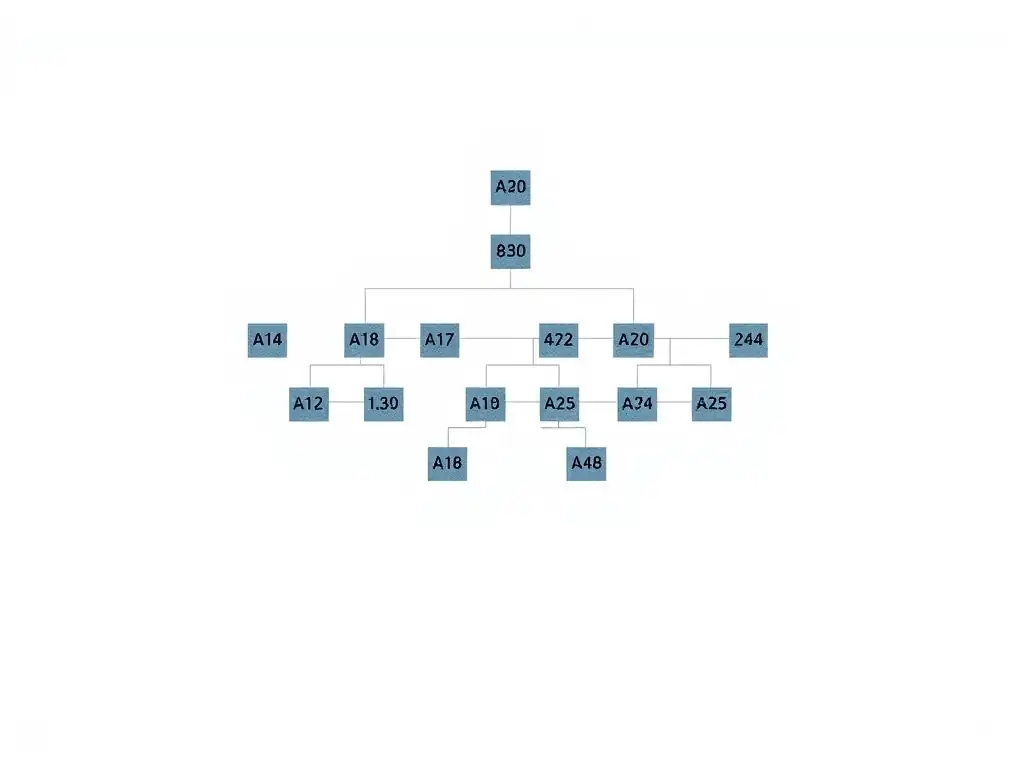
Introduction to Merkle Trees: Organizing and Verifying Blockchain Transactions
Merkle trees, also known as hash trees, are a fundamental data structure in blockchain technology that efficiently organizes and verifies the integrity of large datasets, particularly transaction data within blocks. A Merkle tree is constructed by recursively hashing pairs of data blocks (in blockchain, typically transaction hashes) until a single hash, known as the Merkle root, is obtained.
This tree-like structure allows for efficient and secure verification of data integrity without needing to download or process the entire dataset. The Merkle root acts as a cryptographic summary of all the data in the tree, similar to how a hash function creates a fingerprint for a single piece of data, but for a collection of data.
The construction process begins at the leaves of the tree, where each leaf node represents the hash of a single data block (e.g., a transaction hash). These leaf hashes are then paired up, and their concatenated value is hashed to create the parent node's hash. This process is repeated recursively until a single root hash, the Merkle root, is generated at the top of the tree.
Any change to even a single data block at the leaf level will propagate up the tree, resulting in a different Merkle root. This property makes Merkle trees exceptionally useful for verifying data integrity in a distributed and potentially untrusted environment like a blockchain network. By comparing Merkle roots, nodes can quickly determine if they have the same set of transactions without needing to exchange and compare every transaction individually.
How Merkle Trees Enhance Scalability and Security in Blockchain Systems
Merkle trees significantly enhance both the scalability and security of blockchain systems, particularly when dealing with large volumes of transactions within each block. Scalability is improved because Merkle trees enable efficient data verification without requiring nodes to download and process the entire block. Instead, a node only needs to download a small "Merkle proof" or "Merkle path" to verify the inclusion of a specific transaction within a block.
This Merkle proof consists of a small set of hashes from the Merkle tree, allowing the node to recompute the Merkle root and confirm if the transaction is indeed part of the block represented by that root. This drastically reduces the bandwidth and computational overhead for nodes, especially for lightweight clients or nodes with limited resources.
Security is enhanced because Merkle trees provide cryptographic proof of data integrity. If any transaction within a block is tampered with, the Merkle root will change, and any attempt to present a modified block with the original Merkle root will be easily detectable. The Merkle root, securely anchored in the block header and subsequently chained into the blockchain, acts as a cryptographic commitment to the entire set of transactions in the block.
This makes it computationally infeasible to tamper with transactions retroactively without invalidating the Merkle root and thus the block itself. Merkle trees, therefore, contribute to both the efficiency and security of blockchain systems by enabling scalable and cryptographically verifiable data integrity, especially for large transaction datasets.
Merkle Roots: Representing the Integrity of Entire Transaction Sets
Merkle roots serve as concise cryptographic representations of the integrity of entire transaction sets within blockchain blocks. The Merkle root, computed as the top hash of a Merkle tree constructed from all transactions in a block, acts as a unique digital fingerprint for that specific set of transactions. It effectively summarizes the integrity of potentially thousands of transactions into a single, fixed-size hash value. This Merkle root is then included in the block header, which is subsequently hashed and linked to the previous block's header, forming the immutable chain of blocks.
Because the Merkle root is derived from all transactions in the block, any alteration to even a single transaction will result in a completely different Merkle root. This sensitivity to data modification is crucial for maintaining data integrity. When a new block is added to the blockchain, nodes verify the Merkle root included in the block header against the Merkle tree they reconstruct from the transactions in the block.
If the computed Merkle root matches the one in the block header, it provides cryptographic assurance that the transaction set is intact and has not been tampered with. Merkle roots, therefore, are essential for ensuring the integrity of transaction data in blockchain, providing a compact and verifiable summary of the entire transaction set within each block.
Simplified Payment Verification (SPV): Leveraging Merkle Trees for Efficient Verification
Simplified Payment Verification (SPV) is a technique that leverages Merkle trees to enable lightweight blockchain clients to efficiently verify transaction inclusion without downloading the entire blockchain. SPV clients, often used in mobile wallets or resource-constrained devices, do not need to store a full copy of the blockchain. Instead, they rely on Merkle proofs to verify that transactions affecting their addresses are indeed included in the blockchain and have been confirmed by the network. This is made possible by the structure of Merkle trees and the properties of Merkle roots.
When an SPV client wants to verify if a specific transaction has been included in a block, it requests a Merkle proof from a full node. The full node provides a Merkle path, which is a subset of hashes from the Merkle tree, sufficient to reconstruct the Merkle root from the transaction hash.
The SPV client then uses this Merkle path and the block header (which contains the Merkle root and is downloaded from full nodes) to verify if the transaction hash is indeed part of the Merkle tree represented by the Merkle root in the block header. If the verification is successful, the SPV client can be confident that the transaction is included in the blockchain and has been confirmed.
SPV, enabled by Merkle trees, is crucial for making blockchain technology accessible and usable on devices with limited storage and processing power, expanding the reach and practicality of blockchain applications.
Consensus Mechanisms and Cryptographic Primitives: Working Together
Proof-of-Work (PoW) and Cryptographic Hashing: Securing the Bitcoin Blockchain
Proof-of-Work (PoW) is a consensus mechanism that fundamentally relies on cryptographic hashing to secure the Bitcoin blockchain and many other cryptocurrencies. PoW requires participants, known as miners, to expend computational effort to solve a cryptographic puzzle. This puzzle involves finding a nonce (a number used only once) that, when combined with the block's data and hashed using a cryptographic hash function like SHA-256, produces a hash value that meets certain predefined criteria, typically starting with a specific number of leading zeros. This process of "mining" is computationally intensive and requires significant energy expenditure.
The security of PoW stems from the difficulty of finding a valid nonce. Due to the properties of cryptographic hash functions, there is no better way to find a valid nonce than through brute-force trial and error. Once a miner finds a valid nonce and creates a block that meets the target hash criteria, they broadcast this block to the network.
Other nodes can easily verify the proof by hashing the block header with the provided nonce and checking if the resulting hash meets the target. The computational cost associated with finding the proof makes it economically infeasible for a malicious actor to rewrite the blockchain history or double-spend coins. The combination of cryptographic hashing and the computationally expensive nature of PoW provides a robust security model for decentralized consensus in blockchain networks, making it a cornerstone of blockchain security fundamentals explained.
Proof-of-Stake (PoS) and Digital Signatures: Alternative Consensus Models
Proof-of-Stake (PoS) emerges as an alternative consensus mechanism to Proof-of-Work, reducing the reliance on energy-intensive computation and instead leveraging digital signatures and token staking for network security. In PoS systems, validators are selected to propose and validate new blocks based on the amount of cryptocurrency they "stake" or lock up in the network. The more tokens a validator stakes, the higher their probability of being chosen to validate a block and earn rewards. PoS significantly reduces the energy consumption associated with PoW, as it eliminates the need for computationally intensive hashing puzzles.
Digital signatures play a crucial role in PoS. When a validator is selected to propose a new block, they digitally sign the block using their private key. Other validators then verify this signature using the proposer's public key, ensuring the authenticity and integrity of the proposed block.
The stake acts as a form of economic collateral, incentivizing validators to act honestly. If a validator attempts to propose invalid blocks or engage in malicious behavior, they risk losing their staked tokens. The combination of digital signatures for block authentication and economic incentives through staking provides a different security model compared to PoW, relying less on raw computational power and more on economic alignment and cryptographic verification to achieve consensus in blockchain networks.
The Role of Cryptography in Byzantine Fault Tolerance (BFT) Consensus Algorithms
Byzantine Fault Tolerance (BFT) consensus algorithms are designed to ensure consensus in distributed systems even when some nodes may be faulty or malicious (Byzantine faults). Cryptography plays a critical role in enabling BFT algorithms to achieve this fault tolerance in blockchain and distributed ledger technologies. BFT algorithms are particularly important for permissioned blockchains and enterprise applications where high levels of security and resilience are required.
Cryptographic techniques like digital signatures and message authentication codes (MACs) are essential components of BFT algorithms. Digital signatures are used to authenticate messages exchanged between nodes, ensuring that messages are genuinely from the claimed sender and have not been tampered with. MACs provide message integrity and authentication using shared secret keys in scenarios where symmetric cryptography is more appropriate or efficient.
BFT algorithms often involve multiple rounds of message exchange and voting among nodes to reach consensus. Cryptography ensures the integrity and authenticity of these messages and votes, preventing malicious nodes from disrupting the consensus process by forging or altering messages. The robust security provided by cryptographic primitives is fundamental to the ability of BFT algorithms to achieve consensus in the presence of Byzantine faults, making them a valuable tool for building resilient and secure blockchain systems.
Ensuring Trust and Security in Decentralized Systems through Cryptography
Cryptography is the bedrock upon which trust and security are built in decentralized systems like blockchains. In the absence of central authorities, cryptography provides the mathematical and algorithmic mechanisms to establish trust and verify the integrity of data and transactions. The cryptographic primitives discussed – hashing, digital signatures, encryption, Merkle trees – are not merely isolated tools; they work synergistically to create a layered security architecture that underpins the functionality and trustworthiness of blockchain networks.
Hashing algorithms ensure data integrity and immutability, digital signatures authenticate transactions and secure ownership, encryption protects sensitive data confidentiality, and Merkle trees enable efficient data verification in large datasets. These cryptographic techniques are embedded within the core protocols of blockchain, enabling secure communication, transaction validation, and consensus building among distributed participants. The reliance on cryptography in blockchain is not just a design choice; it is a fundamental necessity.
It is cryptography that provides the security guarantees that allow decentralized systems to function without relying on intermediaries, fostering trust and enabling secure and transparent interactions in a trustless environment. Therefore, understanding cryptography is paramount to appreciating the security and transformative potential of blockchain technology.
Advanced Cryptographic Techniques for Blockchain Innovation
Zero-Knowledge Proofs (ZKPs): Enhancing Privacy and Scalability
Zero-Knowledge Proofs (ZKPs) are advanced cryptographic techniques that are revolutionizing blockchain technology by enhancing both privacy and scalability. ZKPs allow one party (the prover) to convince another party (the verifier) that a statement is true, without revealing any information beyond the validity of the statement itself. This "zero-knowledge" property is transformative for privacy-preserving blockchain applications, as it allows for verification of sensitive information without exposing the underlying data.
In blockchain, ZKPs can be applied to various use cases. For privacy-preserving transactions, ZKPs can enable users to prove that they have sufficient funds to make a transaction without revealing their account balance. For identity management, ZKPs can allow users to prove certain attributes about themselves (e.g., age verification) without revealing their actual identity or other personal details.
Furthermore, ZKPs are being explored for scalability solutions, such as zk-Rollups, which can bundle multiple transactions together and use a ZKP to prove the validity of the entire batch to the main blockchain. This significantly increases transaction throughput while maintaining security and privacy. ZKPs represent a cutting-edge cryptographic innovation that is unlocking new possibilities for blockchain applications requiring enhanced privacy and scalability.
Homomorphic Encryption: Performing Computations on Encrypted Data
Homomorphic encryption is a groundbreaking cryptographic technique that allows computations to be performed on encrypted data without decrypting it first. This seemingly paradoxical capability has profound implications for data privacy and security, particularly in blockchain and cloud computing environments. With homomorphic encryption, data can remain encrypted throughout the entire computation process, and only the final result needs to be decrypted, ensuring data confidentiality even during processing.
In blockchain, homomorphic encryption can enable privacy-preserving smart contracts and data analysis. Imagine a scenario where sensitive financial data is stored on a blockchain. With homomorphic encryption, smart contracts could perform computations on this encrypted data, such as calculating aggregate statistics or performing risk assessments, without ever decrypting the individual data points.
This allows for valuable data analysis and computation to be performed while maintaining strict data privacy and compliance with regulations. While still computationally intensive for complex operations, homomorphic encryption is a rapidly evolving field with the potential to unlock a new era of privacy-preserving data processing and computation in blockchain and beyond.
Multi-Party Computation (MPC): Collaborative Computation Without Revealing Data
Multi-Party Computation (MPC) is another advanced cryptographic technique that enables multiple parties to collaboratively compute a function on their private inputs without revealing their individual data to each other. MPC achieves secure computation by distributing the computation across the participating parties in a way that ensures no single party learns more than the intended output of the computation. This is achieved through complex cryptographic protocols that involve secret sharing, secure communication, and cryptographic operations performed on encrypted or masked data.
In blockchain applications, MPC can be used to enable collaborative decision-making, secure data aggregation, and privacy-preserving data sharing. For example, in a supply chain consortium, multiple companies could use MPC to collaboratively calculate aggregate demand forecasts based on their private sales data, without revealing their individual sales figures to competitors.
In decentralized finance (DeFi), MPC can be used to create secure and private decentralized exchanges or to enable secure multi-signature wallets where multiple parties must authorize a transaction without revealing their private keys to each other. MPC provides a powerful tool for enabling secure and privacy-preserving collaboration in blockchain networks, fostering trust and enabling new forms of decentralized applications.
The Future of Cryptography in Blockchain: Post-Quantum Cryptography and Threshold Signatures
The future of cryptography in blockchain is being shaped by emerging threats and innovative cryptographic advancements. Post-quantum cryptography (PQC) is gaining increasing importance as quantum computers pose a potential threat to currently used public-key cryptosystems like RSA and ECC. Quantum computers, if sufficiently powerful, could break these widely used cryptographic algorithms, compromising the security of blockchain systems that rely on them.
Post-quantum cryptography focuses on developing cryptographic algorithms that are resistant to attacks from both classical and quantum computers. Researchers are actively developing and standardizing PQC algorithms, and blockchain projects are beginning to explore their integration to future-proof their security against quantum threats.
Threshold signatures are another area of active research and development in blockchain cryptography. Threshold signatures allow a group of participants to collectively generate a digital signature, where a threshold number of participants (e.g., t out of n) must cooperate to create a valid signature. This enhances security by distributing key management and reducing the risk of single points of failure.
Threshold signatures can be applied to multi-signature wallets, consensus mechanisms, and key management systems in blockchain, improving security and resilience. The ongoing evolution of cryptography, including PQC and threshold signatures, is crucial for ensuring the long-term security and innovation of blockchain technology, adapting to emerging threats and enabling more robust and secure decentralized systems.
Best Practices for Implementing Cryptographic Primitives in Blockchain Development
Secure Key Management: Protecting Private Keys and Preventing Loss
Secure key management is paramount in blockchain development, as private keys are the gateway to accessing and controlling digital assets and authorizing transactions. Compromised or lost private keys can lead to irreversible loss of funds or unauthorized access to sensitive data. Best practices for secure key management involve a multi-faceted approach encompassing generation, storage, and usage of private keys.
Key generation should be performed using cryptographically secure random number generators to ensure unpredictability. Keys should be stored securely, ideally offline in hardware wallets or secure enclaves, to protect against online attacks. Software wallets should employ strong encryption and access controls to safeguard keys stored on devices.
Regular backups of private keys are essential to prevent loss due to hardware failures or accidental deletion. However, backups must also be securely stored to prevent unauthorized access. Key usage should be minimized and restricted to authorized operations.
Multi-signature schemes can enhance security by requiring multiple private keys to authorize transactions, mitigating the risk of a single key compromise. Implementing robust key management practices is not merely an optional step; it is a fundamental requirement for building secure and trustworthy blockchain applications. Neglecting secure key management can undermine even the strongest cryptographic algorithms, highlighting its critical importance in blockchain security fundamentals explained.
Regular Security Audits: Identifying and Addressing Vulnerabilities
Regular security audits are indispensable for maintaining the robustness and security of blockchain systems and applications. Blockchain technology, while inherently secure in many aspects, is not immune to vulnerabilities. Smart contracts, cryptographic implementations, and system architectures can contain flaws that could be exploited by malicious actors. Security audits, conducted by independent cybersecurity experts, are crucial for proactively identifying and addressing these potential vulnerabilities before they can be exploited.
Security audits should be performed throughout the blockchain development lifecycle, from initial design to deployment and ongoing maintenance. Audits should cover various aspects, including smart contract code review, cryptographic algorithm implementation analysis, penetration testing, and infrastructure security assessments. Audit findings should be carefully reviewed and prioritized for remediation. Vulnerabilities should be patched promptly, and security updates should be regularly applied to blockchain platforms and applications. Regular security audits, conducted by qualified professionals, provide an essential layer of defense, helping to ensure the ongoing security and resilience of blockchain systems and applications against evolving threats.
Staying Updated on the Latest Cryptographic Advancements and Threats
The field of cryptography is constantly evolving, with new algorithms, techniques, and threats emerging regularly. For blockchain developers and security professionals, staying updated on the latest cryptographic advancements and threats is crucial for maintaining the security and relevance of blockchain systems. Cryptographic research is continuously advancing, leading to the development of more efficient, secure, and privacy-preserving cryptographic primitives. Staying informed about these advancements allows developers to leverage cutting-edge cryptography to enhance blockchain security and functionality.
Conversely, new cryptographic threats and attack vectors are also constantly being discovered. Staying abreast of these threats is essential for proactively mitigating potential risks and adapting security measures accordingly. This involves continuously monitoring security news, research publications, and vulnerability disclosures related to cryptography and blockchain technology. Participating in security communities, attending conferences, and engaging in ongoing learning are vital for staying at the forefront of cryptographic knowledge and effectively addressing the ever-evolving security landscape in blockchain. Proactive learning and adaptation are key to ensuring the long-term security and robustness of blockchain systems.
Ensuring Robustness and Resilience in Blockchain Systems through Secure Cryptography
Ensuring robustness and resilience in blockchain systems hinges on the foundation of secure cryptography. Robustness refers to the ability of the system to withstand attacks and maintain its functionality even under adversarial conditions. Resilience refers to the system's ability to recover quickly and effectively from attacks or failures. Secure cryptography is the cornerstone of both robustness and resilience in blockchain. By employing strong cryptographic primitives, implementing them correctly, and adhering to best practices, blockchain developers can build systems that are inherently more resistant to attacks and more capable of recovering from security incidents.
Secure cryptographic algorithms provide the necessary security guarantees for data integrity, transaction authentication, and confidentiality. Proper implementation of these algorithms is crucial to avoid introducing vulnerabilities through coding errors or misconfigurations. Regular security audits and proactive threat monitoring further enhance robustness by identifying and addressing potential weaknesses.
Resilience is enhanced through robust key management, secure backup and recovery procedures, and well-defined incident response plans. By prioritizing secure cryptography and adopting a holistic security approach, blockchain developers can build robust and resilient systems that can withstand the challenges of a decentralized and potentially hostile environment, ensuring the long-term viability and trustworthiness of blockchain technology.
Frequently Asked Questions
What are cryptographic primitives and why are they so important in blockchain security?
Cryptographic primitives are the basic building blocks that provide the security guarantees for blockchain technology. They include hashing algorithms, digital signatures, and encryption, crucial for data integrity and authentication.
How do hashing algorithms contribute to the security and integrity of blockchain data?
Hashing algorithms create a unique fingerprint of data, ensuring that any alteration to the data results in a completely different hash. This allows for easy detection of data tampering and verifies the immutability of the blockchain.
What role do digital signatures play in securing transactions within a blockchain network?
Digital signatures use public-key cryptography to verify the authenticity of a transaction and the identity of the sender. They ensure that only the owner of the private key can authorize transactions, preventing fraudulent activity.
How does encryption contribute to data privacy and security within blockchain applications?
Encryption transforms data into an unreadable format, protecting sensitive information from unauthorized access. While often used for specific applications, encryption adds a layer of data confidentiality and controls access permissions.
Besides hashing and signatures, what other cryptographic primitives are relevant to blockchain security?
Beyond the basics, other primitives include zero-knowledge proofs, which allow verification of information without revealing the information itself, and homomorphic encryption, which enables computation on encrypted data, enhancing privacy.
Final Reflection: Fortifying the Digital Frontier
The exploration of cryptographic primitives within blockchain technology underscores a critical truth: security is not an afterthought, but the very bedrock upon which trust is built. In a world increasingly reliant on decentralized systems, understanding these fundamental building blocks is no longer a niche interest, but a necessity for anyone engaging with the digital landscape. The vulnerabilities exposed by neglecting these principles are not theoretical; they are real, costly, and constantly evolving.
The enduring influence of cryptography on blockchain extends far beyond mere transaction security. It shapes our understanding of digital identity, data ownership, and the very nature of trust in a trustless environment. This journey into the heart of blockchain security has reinforced the profound responsibility we have to ensure these technologies are developed and deployed with the utmost care. Security is always excessive until it's not enough.
This quote perfectly encapsulates the delicate balance between innovation and protection that defines the ongoing evolution of blockchain.
As we navigate the complexities of the digital age, let us remember the lessons learned from these cryptographic foundations. Let us strive to be informed participants, demanding robust security measures and advocating for responsible innovation. The future of blockchain, and indeed the future of decentralized systems, rests on our collective commitment to understanding and upholding these fundamental principles. Consider how you can contribute to a more secure and trustworthy digital world, starting today.
Embark on Your Blockchain Security Journey!
Thank you for exploring the fascinating world of cryptographic primitives and their essential role in securing blockchain systems. Now that you understand the fundamental building blocks of robust security, it’s time to apply that knowledge.
Here's how you can continue your journey into blockchain security:
- Experiment with implementing a simple hashing algorithm using your preferred programming language. This hands-on experience will strengthen your understanding of core cryptographic concepts.
- Research the latest advancements in cryptography, such as zero-knowledge proofs and homomorphic encryption, and share your insights with our community.
- Consider contributing to open-source blockchain projects by applying your knowledge of cryptographic primitives to improve existing security measures.
Which cryptographic primitive are you most excited to explore further, and how do you plan to use it to enhance blockchain security? Share your thoughts below!
Leave a Reply