
DLT and Data Integrity: Ensuring Immutability and Traceability in Digital Records

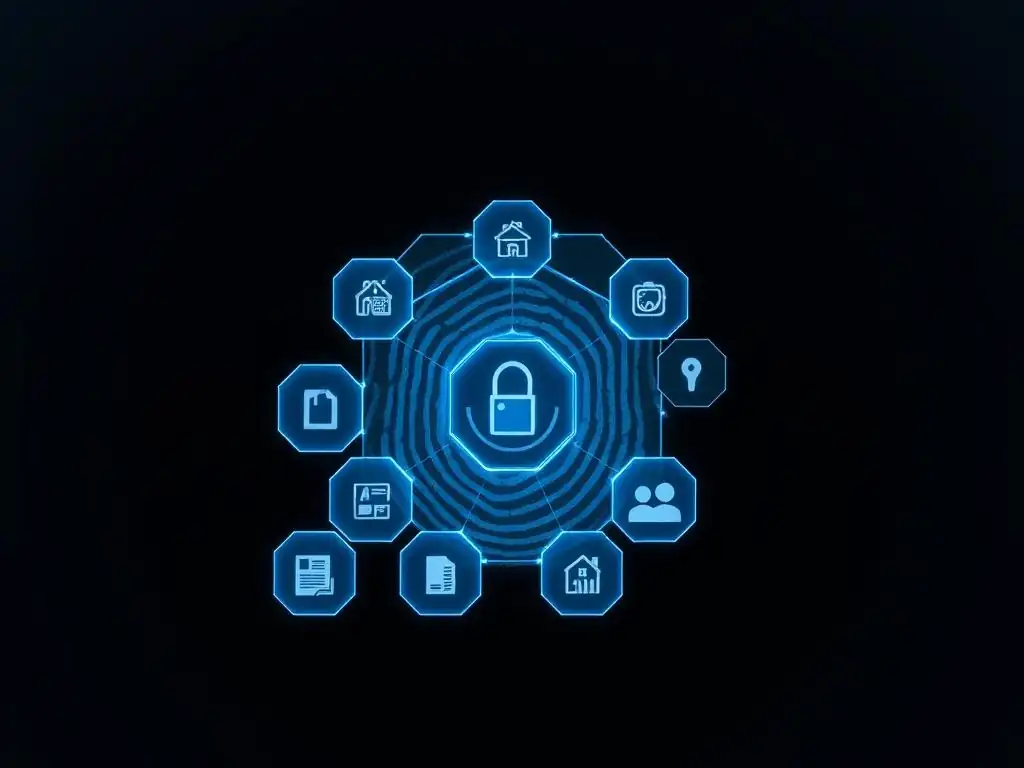
Welcome to Blockchain Trends, your go-to source for understanding the revolutionary impact of blockchain beyond the hype. Ever wondered how to guarantee the accuracy and reliability of your digital records in a world riddled with data breaches? This week, we dive deep into Blockchain data integrity solutions, exploring how distributed ledger technology (DLT) is reshaping industries and providing unprecedented levels of immutability and traceability. Discover how these solutions are becoming essential for building trust and transparency in everything from supply chains to healthcare. Ready to unlock the secrets to ensuring unshakeable data?
DLT and Data Integrity: Ensuring Immutability and Traceability in Digital Records
- Introduction: The Critical Role of Data Integrity in the Digital Age
- DLT as a Foundation for Blockchain Data Integrity Solutions
- Immutability in Blockchain: The Cornerstone of Data Integrity
- Traceability: Tracking Data Provenance and History with DLT
- Blockchain Data Integrity Solutions: Practical Applications and Use Cases
- Comparing DLT and Traditional Data Integrity Methods
- Implementing DLT for Enhanced Data Integrity: Key Considerations
- The Future of Blockchain Data Integrity Solutions
- Conclusion: DLT as a Key Enabler for Data Integrity
-
Frequently Asked Questions
- What are the primary benefits of using blockchain for data integrity?
- How can blockchain data integrity solutions be applied beyond financial applications?
- What are some key challenges in implementing blockchain data integrity solutions?
- How does blockchain ensure traceability of data within a system?
- What is the role of consensus mechanisms in maintaining blockchain data integrity?
- Final Reflection: Embracing Trust Through Immutable Records
- Dive Deeper: Secure Your Future with Unbreakable Data!
Introduction: The Critical Role of Data Integrity in the Digital Age
Understanding Data Integrity and its Importance
Data integrity, at its core, refers to the accuracy and completeness of data throughout its lifecycle. In our increasingly digital world, where vast amounts of data are constantly generated, processed, and stored, ensuring data integrity is paramount. Think about financial transactions, medical records, or supply chain information; any compromise in the integrity of this data can lead to severe consequences, ranging from financial losses and operational disruptions to compromised patient safety and eroded trust.
For instance, in the financial sector, inaccurate transaction records could result in miscalculations, fraud, and systemic instability. A study by IBM found that data breaches cost companies an average of $4.24 million globally in 2021, with data integrity breaches being a significant contributing factor. This highlights not just the financial implications but also the reputational damage and loss of customer confidence that can stem from compromised data integrity.
The importance of data integrity extends across all sectors. Consider the healthcare industry, where patient records must be accurate and unaltered to ensure proper diagnosis and treatment. Imagine a scenario where a patient's allergy information is incorrectly modified in a hospital's database. This could lead to a life-threatening allergic reaction due to incorrect medication administration.
Similarly, in manufacturing, maintaining the integrity of product specifications and quality control data is critical to ensure product safety and regulatory compliance. Data integrity, therefore, is not just a technical concern but a fundamental requirement for operational efficiency, regulatory adherence, and maintaining trust in the digital age. It forms the bedrock upon which reliable digital systems and processes are built.
The Challenges to Data Integrity in Traditional Systems
Traditional centralized systems, while widely used, face inherent challenges in maintaining data integrity. These systems often rely on a single point of control, making them vulnerable to both internal and external threats. Data stored in centralized databases is susceptible to unauthorized modifications, accidental deletions, and cyberattacks.
For example, SQL injection attacks, a common vulnerability in web applications connected to databases, can allow malicious actors to bypass security measures and directly manipulate data. Furthermore, insider threats, where individuals with authorized access intentionally or unintentionally compromise data, pose a significant risk. A report by Verizon indicated that 30% of data breaches in 2020 involved internal actors, underscoring the vulnerability of centralized systems to internal threats.
Another significant challenge is the lack of transparency and auditability in many traditional systems. Changes to data are often logged in audit trails, but these trails themselves can be manipulated or deleted by those with sufficient access. This lack of inherent immutability makes it difficult to definitively prove the integrity of data over time. Consider supply chains managed using traditional systems.
Tracking the provenance of goods and ensuring authenticity can be complex and prone to fraud. Information silos and a lack of interoperability between different systems further complicate the process of verifying data integrity across the entire chain. These challenges demonstrate the need for more robust and transparent solutions to ensure data integrity in an increasingly interconnected and data-driven world.
How Distributed Ledger Technology (DLT) Addresses Data Integrity Concerns
Distributed Ledger Technology (DLT) offers a paradigm shift in how data integrity can be ensured. Unlike traditional centralized systems, DLT distributes data across multiple nodes in a network, eliminating the single point of failure vulnerability. This inherent decentralization is a cornerstone of blockchain data integrity solutions. Changes to the ledger require consensus from a majority of the network participants, making it exceptionally difficult for unauthorized parties to tamper with the data. This consensus mechanism, depending on the specific DLT, could involve proof-of-work, proof-of-stake, or other variations, each designed to secure the network against malicious activities.
DLT's architecture inherently promotes immutability and transparency, two key pillars of data integrity. Once data is recorded on a DLT, it becomes extremely difficult, practically infeasible, to alter or delete it due to the cryptographic hashing and distributed consensus mechanisms employed. Every transaction is cryptographically linked to the previous one, creating a chain of blocks that is tamper-evident.
Furthermore, many DLTs are designed to be transparent, allowing authorized participants to view the ledger and verify the history of transactions. This transparency enhances auditability and accountability, making it easier to trace data provenance and identify any unauthorized modifications. By leveraging these core features, DLT provides a robust framework for blockchain data integrity solutions, offering a significant improvement over traditional data management approaches.
DLT as a Foundation for Blockchain Data Integrity Solutions
Exploring the Core Principles of Distributed Ledger Technology
Distributed Ledger Technology (DLT) operates on several fundamental principles that collectively contribute to its ability to enhance data integrity. At its heart is the concept of a distributed ledger, which is a database replicated and shared across a network of computers. This distribution eliminates the single point of failure inherent in centralized systems.
Each participant, or node, in the network holds a copy of the ledger, ensuring redundancy and resilience. When a new transaction or data entry is proposed, it needs to be validated by the network through a consensus mechanism. This consensus mechanism is a critical component, ensuring that all nodes agree on the validity and order of transactions before they are added to the ledger.
Different types of DLTs utilize various consensus mechanisms. Proof-of-Work (PoW), famously used by Bitcoin, requires nodes to solve complex computational puzzles to validate transactions, making it computationally expensive to tamper with the ledger. Proof-of-Stake (PoS), an alternative, selects validators based on the amount of cryptocurrency they hold and are willing to "stake," reducing energy consumption compared to PoW. Beyond consensus, cryptography plays a vital role.
Cryptographic hash functions are used to link blocks of transactions together, creating a chain where each block's hash is dependent on the previous block. This chaining mechanism, combined with digital signatures, ensures data immutability and authenticity. These core principles of distribution, consensus, and cryptography are the building blocks of blockchain data integrity solutions.
Immutability and Tamper-Proof Records: A DLT Advantage
Immutability is arguably the most significant advantage of DLT in the context of data integrity. In DLT, particularly in blockchain implementations, once data is written to the ledger, it becomes virtually impossible to alter or delete. This immutability stems from the cryptographic hashing and the distributed consensus mechanism.
Each block of data is cryptographically linked to the previous block through a hash, creating a chain of blocks. Any attempt to modify data in a block would change its hash, and consequently, break the chain. To successfully alter data, an attacker would need to recalculate the hashes of all subsequent blocks and gain control of a majority of the network's computing power – a feat considered computationally infeasible for well-established blockchains like Bitcoin or Ethereum.
This inherent immutability ensures that records are tamper-proof. Consider a scenario where a company uses a blockchain-based system to record the provenance of diamonds. Once a diamond's origin and certifications are recorded on the blockchain, this information cannot be retroactively changed.
This provides a high level of assurance to consumers and stakeholders about the authenticity and ethical sourcing of the diamond. The tamper-proof nature of DLT records is crucial for applications requiring verifiable and trustworthy data, making it a cornerstone of robust blockchain data integrity solutions. This capability contrasts sharply with traditional databases where audit trails can be manipulated and data alterations are often difficult to detect definitively.
Decentralization and Enhanced Security for Data Protection
Decentralization, a defining characteristic of DLT, significantly enhances security and data protection. In centralized systems, all data is stored in a single location, creating a single point of failure and a prime target for cyberattacks. A successful attack on the central server can compromise the entire dataset. DLT, by distributing data across a network of nodes, eliminates this single point of failure. If one node is compromised, the rest of the network remains unaffected, and the data remains accessible and secure. This distributed nature makes DLT networks inherently more resilient to attacks.
Furthermore, decentralization reduces the risk of data manipulation by a single entity. In centralized systems, a malicious administrator with sufficient privileges could potentially alter data without detection. In a DLT network, altering data requires consensus from a majority of the network participants, making it significantly more difficult for any single entity to control or manipulate the data.
This distributed control and consensus mechanism enhances data security and builds trust in the integrity of the data. For example, in a decentralized voting system using DLT, the distribution of voting records across multiple nodes and the requirement for consensus before any vote is recorded or changed ensures a more secure and transparent voting process compared to traditional centralized systems. This enhanced security through decentralization is a key benefit of leveraging DLT for blockchain data integrity solutions.
Immutability in Blockchain: The Cornerstone of Data Integrity
Understanding Blockchain's Immutability Mechanism
Blockchain's immutability mechanism is a sophisticated interplay of cryptographic hashing, block chaining, and consensus protocols. At the core is the concept of blocks, where transactions are bundled together. Each block is assigned a unique cryptographic hash, a digital fingerprint that is virtually impossible to reverse-engineer to obtain the original data and is highly sensitive to even minor changes in the block's content. This hash is calculated based on the data within the block and, crucially, the hash of the previous block in the chain. This linking of blocks through their hashes creates a chronological and tamper-evident chain.
When a new block is added to the blockchain, nodes in the network validate the transactions within the block and the correctness of the hash. This validation process is governed by the consensus protocol. Once a block is validated and added to the chain, its hash becomes part of the subsequent block's hash calculation, and so on.
Any attempt to alter data in a previous block would necessitate recalculating the hash of that block, and consequently, all subsequent blocks in the chain to maintain the integrity of the chain. This would require immense computational power and control over a majority of the network, rendering it practically infeasible for established blockchains. This robust mechanism ensures the immutability of blockchain records and is fundamental to blockchain data integrity solutions.
Cryptographic Hash Functions and Data Integrity Verification
Cryptographic hash functions are essential tools in ensuring data integrity within blockchain technology. These functions possess key properties that make them ideal for this purpose: determinism, one-way function, and collision resistance. Determinism means that the same input will always produce the same hash output.
The one-way property implies that it is computationally infeasible to reverse the process – to derive the original input data from its hash. Collision resistance means it is extremely difficult to find two different inputs that produce the same hash output. SHA-256 is a widely used cryptographic hash function in blockchain, known for its robust security properties.
In blockchain, hash functions are used to generate the unique identifier for each block. This hash acts as a digital fingerprint of the block's data. To verify the integrity of a block, one can recalculate its hash based on the data it contains and compare it to the stored hash.
If the hashes match, it confirms that the data within the block has not been tampered with. Furthermore, the linkage between blocks through their hashes ensures that any alteration to a block will be immediately detectable because it will break the chain of hashes. This cryptographic verification mechanism is a cornerstone of blockchain data integrity solutions, allowing for independent and auditable verification of data authenticity and integrity.
Preventing Data Manipulation with Blockchain Technology
Blockchain technology's architecture is specifically designed to prevent data manipulation, making it a powerful tool for blockchain data integrity solutions. The combination of cryptographic hashing, block chaining, and distributed consensus creates a formidable defense against tampering. As previously explained, altering data in a block requires changing its hash and all subsequent block hashes, a computationally intensive task. Moreover, to successfully manipulate the blockchain, an attacker would need to control a majority of the network's computing power, known as a 51% attack, and perform this recalculation across a distributed network simultaneously.
The economic and logistical barriers to launching a successful 51% attack on a large, established blockchain like Bitcoin or Ethereum are incredibly high. The cost of acquiring and maintaining the necessary computing power, coupled with the inherent decentralization and global distribution of nodes, makes such attacks extremely improbable.
Even if a hypothetical attacker were to succeed in altering a block, the network's consensus mechanism would likely detect the discrepancy as the altered chain would diverge from the majority chain held by honest nodes. This inherent resistance to data manipulation makes blockchain a highly secure platform for applications requiring unalterable and trustworthy records, solidifying its role in enhancing data integrity.
Traceability: Tracking Data Provenance and History with DLT
The Importance of Data Provenance in Enterprise Applications
Data provenance, the ability to trace the origin and history of data, is increasingly critical in enterprise applications. It provides a verifiable audit trail of data's journey, from its creation or entry point to its current state. In industries like pharmaceuticals and food supply chains, provenance is essential for ensuring product authenticity, safety, and regulatory compliance.
For example, in the pharmaceutical industry, tracking the provenance of drugs from manufacturing to dispensing helps combat counterfeit medications and ensure patient safety. Similarly, in the food industry, tracing the origin of food products allows for rapid identification and containment of contaminated food in case of outbreaks.
Beyond regulatory compliance, data provenance enhances trust and transparency within and between organizations. It allows businesses to demonstrate the authenticity and integrity of their products and processes to customers and partners. In complex supply chains involving multiple stakeholders, provenance provides a shared and verifiable record of each step in the process, reducing disputes and improving accountability.
Consider the luxury goods industry, where proving the provenance of items like diamonds or designer handbags is crucial to combat counterfeiting and protect brand reputation. Data provenance, therefore, is not just a compliance requirement but a strategic asset that enhances trust, transparency, and efficiency in enterprise operations, and DLT based blockchain data integrity solutions are ideal for this purpose.
DLT's Role in Creating Transparent Audit Trails
DLT's inherent characteristics make it exceptionally well-suited for creating transparent and immutable audit trails. Every transaction or data update on a DLT is recorded as a block and linked chronologically to previous blocks, forming a permanent and tamper-evident record. This creates an automatic and comprehensive audit trail that is inherently more trustworthy than traditional audit logs, which can be altered or deleted. The distributed and decentralized nature of DLT ensures that this audit trail is not controlled by a single entity, further enhancing its credibility.
The transparency of many DLT platforms allows authorized participants to access and verify the audit trail, providing a clear and auditable history of data. This transparency is crucial for regulatory compliance, internal audits, and dispute resolution. For instance, in financial transactions, a DLT-based system can provide regulators with a transparent and auditable record of all transactions, facilitating compliance checks and fraud detection.
Similarly, in supply chain management, a DLT-based audit trail can provide all stakeholders with visibility into the movement of goods, enhancing accountability and reducing inefficiencies. DLT's ability to create transparent audit trails is a key component of its value proposition for blockchain data integrity solutions.
Enhancing Accountability and Trust through Traceability
Traceability, facilitated by DLT, significantly enhances accountability and trust in digital systems and processes. By providing a verifiable and immutable record of data provenance, DLT enables clear accountability for data modifications and actions taken within a system. This accountability is particularly important in sensitive applications where trust is paramount, such as healthcare, legal services, and government operations. For example, in healthcare, using DLT to track patient records can enhance accountability by providing a clear audit trail of who accessed and modified patient data, improving data privacy and security.
Furthermore, traceability builds trust among stakeholders by providing verifiable evidence of data integrity and process transparency. When all participants in a system have access to a shared and immutable record of transactions and data history, it fosters a greater sense of trust and reduces the potential for disputes and fraud. In supply chains, for instance, traceability can build trust between suppliers, manufacturers, distributors, and consumers by providing verifiable information about product origin, quality, and handling. This enhanced accountability and trust, enabled by DLT's traceability capabilities, are crucial benefits of implementing blockchain data integrity solutions in various sectors.
Blockchain Data Integrity Solutions: Practical Applications and Use Cases
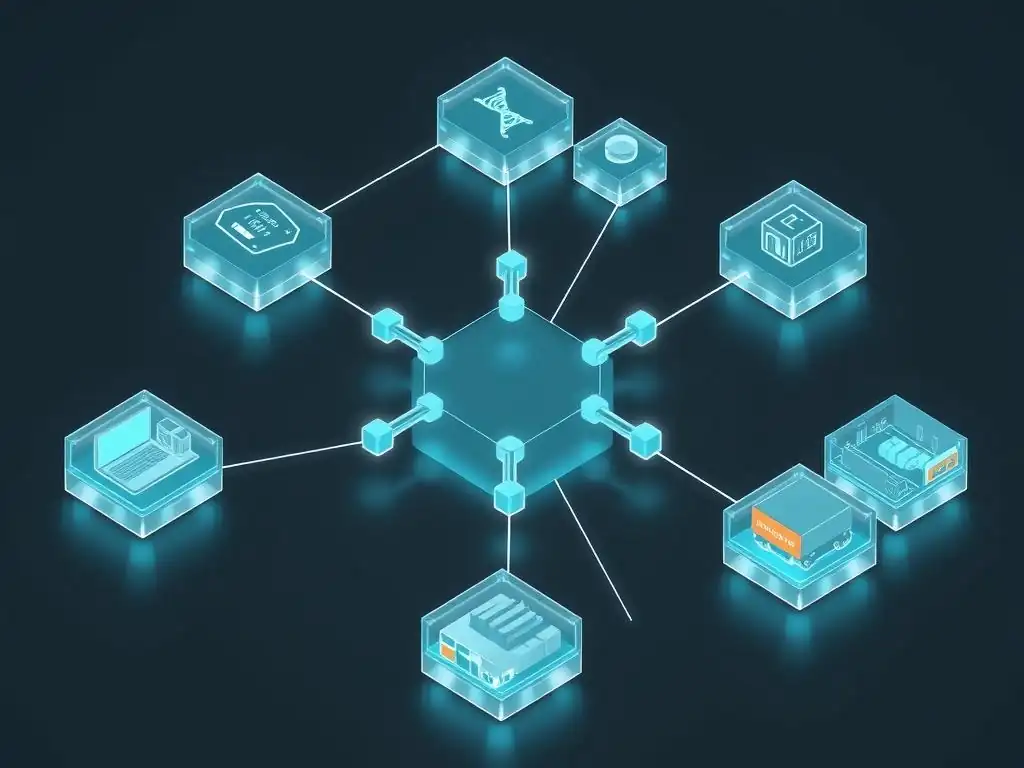
Supply Chain Management: Tracking Products from Origin to Consumer
Supply chain management is a prime area where blockchain data integrity solutions offer significant benefits. Tracking products from their origin to the consumer is often complex and fragmented, involving multiple intermediaries and paper-based processes, leading to inefficiencies, lack of transparency, and increased risks of counterfeiting and fraud.
Blockchain can revolutionize supply chain visibility and integrity by providing a shared, immutable, and transparent ledger for recording product information at each stage of the supply chain. From raw material sourcing to manufacturing, distribution, and retail, every step can be recorded on the blockchain, creating a comprehensive and verifiable history of the product's journey.
For example, consider the case of tracking coffee beans. Using blockchain, farmers can record details about bean origin, harvesting dates, and certifications. Processors can add information about roasting and packaging, distributors can log shipment details, and retailers can verify product authenticity before selling to consumers.
Consumers, in turn, can scan a QR code on the product packaging to access this blockchain-verified information, ensuring they are purchasing authentic and ethically sourced coffee. This enhanced transparency and traceability not only combats counterfeiting but also improves supply chain efficiency, reduces disputes, and builds consumer trust. Companies like IBM Food Trust are already leveraging blockchain to provide supply chain transparency and traceability solutions for the food industry.
Healthcare: Securing Patient Records and Ensuring Data Privacy
The healthcare industry handles highly sensitive patient data, making data integrity and privacy paramount. Traditional healthcare data management systems are often siloed, vulnerable to breaches, and lack interoperability. Blockchain data integrity solutions offer a secure and privacy-preserving approach to manage patient records. Blockchain can be used to create a decentralized and secure repository for patient medical records, giving patients greater control over their data and enhancing data security and interoperability. By encrypting patient data and storing only hash pointers on the blockchain, sensitive information can be kept private while ensuring data integrity.
Imagine a scenario where a patient's medical history is stored on a blockchain. The patient can grant permissioned access to different healthcare providers, ensuring that doctors have access to the necessary information while maintaining patient privacy. Any access or modification to the records can be tracked on the blockchain, creating a transparent audit trail and enhancing accountability. Furthermore, blockchain can facilitate secure and efficient data exchange between different healthcare institutions, improving care coordination and reducing medical errors. Projects like MedRec are exploring blockchain applications for managing electronic health records and enhancing data privacy in healthcare.
Financial Services: Preventing Fraud and Ensuring Regulatory Compliance
The financial services industry is heavily regulated and faces constant threats from fraud and cybercrime. Blockchain data integrity solutions can significantly enhance security, transparency, and regulatory compliance in this sector. Blockchain can be used to create immutable records of financial transactions, improving auditability and reducing the risk of fraud. For example, in payment processing, blockchain can provide a secure and transparent platform for recording transactions, reducing the risk of chargebacks and fraudulent activities. Furthermore, blockchain can streamline KYC (Know Your Customer) and AML (Anti-Money Laundering) processes by creating a shared and verifiable identity platform.
Consider the application of blockchain in cross-border payments. Traditional cross-border payments are often slow, expensive, and lack transparency. Blockchain-based payment systems can facilitate faster, cheaper, and more transparent cross-border transactions, improving efficiency and reducing costs for both businesses and consumers. The immutable and auditable nature of blockchain transactions also enhances regulatory compliance by providing a clear record of all financial activities. Companies like Ripple and Stellar are developing blockchain-based solutions for cross-border payments and financial settlements, demonstrating the potential of blockchain data integrity solutions in the financial services industry.
Digital Identity Management: Secure and Verifiable Credentials
Digital identity management is another critical area where blockchain data integrity solutions can offer significant improvements. Traditional digital identity systems are often centralized, vulnerable to identity theft, and lack user control. Blockchain can enable self-sovereign identity, giving individuals greater control over their digital identities and enhancing security and privacy. Using blockchain, individuals can create and manage their digital identities, storing verifiable credentials and selectively sharing their information with relying parties. These credentials can be cryptographically signed and verified on the blockchain, ensuring authenticity and preventing identity fraud.
For example, consider the use case of verifying educational credentials. Universities can issue digital diplomas and certificates recorded on a blockchain. Students can then securely share these verifiable credentials with potential employers or other institutions without the need for intermediaries.
Employers can directly verify the authenticity of the credentials on the blockchain, reducing the risk of fraudulent applications. Blockchain-based digital identity solutions can also enhance online security and privacy by allowing users to control what information they share and with whom, reducing reliance on centralized identity providers and minimizing the risk of data breaches. Projects like Sovrin are focused on developing decentralized identity solutions using blockchain technology, highlighting the transformative potential of blockchain data integrity solutions in this domain.
Comparing DLT and Traditional Data Integrity Methods
DLT vs. Centralized Databases: A Comparative Analysis
When comparing DLT and traditional centralized databases in terms of data integrity, several key differences emerge. Centralized databases rely on a single point of control and storage, making them potentially vulnerable to single points of failure, unauthorized access, and data manipulation. While they offer established infrastructure and mature tools, their inherent architecture presents limitations in ensuring robust data integrity, particularly in scenarios requiring high transparency and tamper-proof records. Security relies heavily on access controls, encryption, and regular backups, but these measures can be circumvented or compromised.
DLT, on the other hand, is inherently decentralized and distributed, eliminating the single point of failure. Its cryptographic mechanisms, particularly hashing and digital signatures, coupled with consensus protocols, provide a much stronger foundation for data integrity.
Immutability, a core feature of many DLTs, ensures that once data is recorded, it is extremely difficult to alter, offering a significant advantage over the often mutable nature of traditional databases. Transparency, another key differentiator, is often built into DLT designs, allowing for verifiable audit trails and increased accountability, features that are typically less robust or more complex to implement in centralized systems.
However, DLTs can face challenges in scalability and may require more specialized expertise for implementation and management compared to traditional databases. In essence, while centralized databases offer familiarity and control, DLT provides enhanced security, immutability, and transparency, making blockchain data integrity solutions a compelling alternative for applications demanding high levels of data assurance.
Advantages of DLT over Traditional Data Management Systems
DLT offers several distinct advantages over traditional data management systems in the context of data integrity. Firstly, enhanced security is a primary benefit. Decentralization eliminates single points of failure and reduces vulnerability to centralized attacks. Cryptographic mechanisms provide robust protection against data tampering and unauthorized modifications.
Secondly, immutability offers a level of data permanence and trustworthiness that is difficult to achieve with traditional systems. Once data is recorded on a DLT, it becomes virtually unalterable, ensuring a reliable and verifiable record over time. Thirdly, transparency is often inherent in DLT designs, providing auditable and verifiable data histories, enhancing accountability and trust among stakeholders.
Furthermore, DLT can improve data provenance and traceability significantly. The chronological and linked nature of DLT records makes it easier to track the origin and history of data, which is crucial for applications requiring audit trails and verifiable data lineage.
DLT can also enhance data sharing and interoperability in certain scenarios, particularly in permissioned or private DLTs, by providing a shared and consistent data layer across different organizations. While traditional systems may offer advantages in terms of scalability for certain types of applications and established infrastructure, DLT's strengths in security, immutability, transparency, and traceability make blockchain data integrity solutions a superior choice for many data-sensitive and trust-critical applications.
Addressing the Limitations of DLT for Data Integrity
While DLT offers significant advantages for data integrity, it's important to acknowledge its limitations. Scalability remains a challenge for many public blockchains. Transaction throughput and processing speed can be limited compared to centralized databases, particularly for applications requiring high transaction volumes. Solutions like layer-2 scaling technologies are being developed to address this, but scalability remains a consideration. Data privacy can also be a concern, especially with public blockchains where all data is inherently transparent. While encryption and private or permissioned DLTs can mitigate this, careful design and implementation are necessary to ensure data confidentiality.
Complexity of implementation and integration can be another limitation. Developing and deploying DLT-based solutions may require specialized expertise and can be more complex than using traditional database systems. Regulatory uncertainty surrounding blockchain technology in some jurisdictions can also pose challenges for adoption. Furthermore, while DLT ensures data integrity within the ledger, it does not inherently guarantee the integrity of data before it is recorded on the ledger.
"Garbage in, garbage out" still applies. Therefore, robust data validation and input processes are crucial even when using DLT. Despite these limitations, ongoing development and innovation are addressing many of these challenges, and for many use cases, the benefits of blockchain data integrity solutions outweigh these limitations.
Implementing DLT for Enhanced Data Integrity: Key Considerations
Choosing the Right DLT Platform for Your Needs
Implementing DLT for enhanced data integrity requires careful consideration of various factors, starting with choosing the right DLT platform. The choice depends heavily on the specific use case, requirements for privacy, scalability, and governance. Public blockchains, like Ethereum or Bitcoin, offer high levels of decentralization and transparency, making them suitable for applications requiring maximum trust and openness, but they can face scalability limitations and may not be ideal for sensitive data due to their public nature.
Private blockchains, on the other hand, offer greater control over access and permissions, making them suitable for enterprise applications where data privacy and regulatory compliance are paramount. They often offer better scalability and customization options but may sacrifice some degree of decentralization.
Consortium blockchains represent a middle ground, where a group of organizations jointly govern and operate the blockchain. This model can be suitable for industry-specific solutions or collaborations where shared governance and controlled access are desired. Platforms like Hyperledger Fabric and Corda are popular choices for private and consortium blockchains, offering enterprise-grade features and flexibility.
Factors to consider when choosing a platform include the required level of decentralization, transaction throughput, privacy requirements, development tools and ecosystem support, and the level of technical expertise available. A thorough assessment of these factors is crucial to selecting the DLT platform that best aligns with the specific needs of the blockchain data integrity solution being implemented.
Data Governance and Compliance with DLT Solutions
Data governance and regulatory compliance are critical considerations when implementing DLT for data integrity. While DLT enhances data integrity, it does not automatically ensure compliance with data protection regulations like GDPR or HIPAA. Organizations must establish clear data governance policies and procedures that address data privacy, security, and access control within the DLT environment. This includes defining roles and responsibilities for data management, establishing protocols for data access and modification, and implementing mechanisms for data privacy and security.
For instance, when dealing with personal data, organizations must ensure compliance with data minimization principles, data subject rights, and data security requirements under GDPR. This may involve implementing privacy-enhancing technologies, such as encryption and zero-knowledge proofs, and carefully designing the DLT system to minimize the collection and processing of personal data. Furthermore, organizations need to consider regulatory requirements specific to their industry and jurisdiction.
In the financial services sector, for example, compliance with KYC/AML regulations is essential. Implementing blockchain data integrity solutions requires a proactive approach to data governance and compliance, ensuring that the technology is used responsibly and ethically, and in accordance with applicable regulations.
Scalability and Performance Considerations for DLT Implementations
Scalability and performance are crucial factors to consider when implementing DLT for data integrity, especially for applications with high transaction volumes or large datasets. Public blockchains, in particular, can face scalability challenges due to their distributed consensus mechanisms and network latency. While transaction throughput has improved over time, it may still be a limiting factor for certain applications. Private and consortium blockchains often offer better scalability due to their permissioned nature and more efficient consensus mechanisms, but even they can face performance bottlenecks as the network grows and transaction volume increases.
Strategies to address scalability and performance concerns include choosing a DLT platform that is designed for scalability, optimizing the DLT application architecture, and exploring layer-2 scaling solutions. Layer-2 solutions, such as state channels and rollups, can offload transaction processing from the main blockchain, improving throughput and reducing transaction costs. Furthermore, carefully considering the data model and transaction structure can optimize performance.
For applications requiring high throughput and low latency, performance testing and optimization are crucial steps in the implementation process. Selecting the right DLT platform and employing appropriate scalability strategies are essential to ensure that blockchain data integrity solutions can meet the performance demands of the intended application.
The Future of Blockchain Data Integrity Solutions
Emerging Trends in DLT and Data Security
The landscape of DLT and data security is constantly evolving, with several emerging trends shaping the future of blockchain data integrity solutions. Interoperability between different blockchains is gaining momentum. Projects focused on cross-chain communication and data exchange are emerging, aiming to break down data silos and enable seamless interaction between different DLT networks.
This interoperability will enhance the versatility and applicability of blockchain for data integrity across diverse ecosystems. Advancements in consensus mechanisms are also driving innovation. New consensus algorithms, such as proof-of-stake variations and delegated proof-of-stake, are being developed to improve efficiency, scalability, and security compared to traditional proof-of-work.
Privacy-enhancing technologies (PETs) are becoming increasingly important in DLT, particularly for applications handling sensitive data. Techniques like zero-knowledge proofs, secure multi-party computation, and homomorphic encryption are being integrated into DLT platforms to enable privacy-preserving data processing and sharing. Decentralized identity (DID) solutions built on blockchain are also gaining traction, empowering individuals with greater control over their digital identities and enhancing data security and privacy. These emerging trends indicate a future where DLT becomes even more powerful and versatile for securing data integrity across a wider range of applications and industries.
The Role of DLT in Building Trustworthy Digital Ecosystems
DLT is poised to play a pivotal role in building trustworthy digital ecosystems. In an increasingly interconnected and data-driven world, trust is paramount. DLT's inherent properties of immutability, transparency, and decentralization make it an ideal foundation for establishing trust in digital interactions and data exchange. By providing verifiable and tamper-proof records, DLT can enhance trust in various digital ecosystems, from supply chains and financial networks to digital identity systems and online marketplaces. In supply chains, DLT can foster trust between suppliers, manufacturers, distributors, and consumers by providing transparent and verifiable information about product provenance and quality.
In financial ecosystems, DLT can enhance trust in transactions and financial instruments by providing immutable and auditable records, reducing fraud and improving regulatory compliance. In digital identity ecosystems, DLT can empower individuals with self-sovereign identity, enhancing trust in online interactions and reducing identity theft. By fostering transparency, accountability, and verifiability, DLT is contributing to the development of more trustworthy and resilient digital ecosystems. As adoption of blockchain data integrity solutions grows, we can expect to see a significant increase in trust and transparency across various digital domains.
Integration with AI and IoT for Enhanced Data Integrity
The integration of DLT with other emerging technologies like Artificial Intelligence (AI) and the Internet of Things (IoT) holds immense potential for further enhancing data integrity. IoT devices generate vast amounts of data, which can be secured and validated using DLT. Blockchain can provide a secure and auditable platform for managing IoT device identities, securing data streams from IoT sensors, and ensuring the integrity of IoT data. For example, in industrial IoT applications, blockchain can be used to track sensor data from machinery, ensuring the integrity of data used for predictive maintenance and operational optimization.
AI can be used to analyze data stored on DLT to detect anomalies, identify potential data breaches, and improve data quality. AI algorithms can be trained to identify patterns and anomalies in blockchain transaction data, enhancing security and fraud detection. Furthermore, AI can be used to automate data validation and integrity checks within DLT systems, improving efficiency and accuracy.
The synergistic combination of DLT, AI, and IoT can create powerful and intelligent systems that offer unprecedented levels of data integrity, security, and automation. This integration represents a significant step forward in the evolution of blockchain data integrity solutions, paving the way for more robust and trustworthy digital systems.
Conclusion: DLT as a Key Enabler for Data Integrity
Reinforcing the Benefits of DLT for Immutability and Traceability
Distributed Ledger Technology (DLT) stands out as a key enabler for achieving robust data integrity in the digital age. Its core benefits, particularly immutability and traceability, provide a significant leap forward compared to traditional data management systems. Immutability ensures that data, once recorded on a DLT, is virtually tamper-proof, providing a high level of assurance about data authenticity and reliability. Traceability, facilitated by DLT's chronological and linked record-keeping, creates transparent and auditable data histories, enhancing accountability and trust. These features collectively contribute to a more secure and trustworthy data environment, essential for various critical applications across industries.
The decentralized nature of DLT further strengthens data integrity by eliminating single points of failure and reducing the risk of centralized control and manipulation. Cryptographic mechanisms provide robust protection against unauthorized access and data tampering. By leveraging these inherent advantages, DLT offers a compelling solution for organizations seeking to enhance data integrity and build trust in their digital systems and processes. The combination of immutability, traceability, and decentralization makes DLT a powerful foundation for blockchain data integrity solutions.
The Transformative Potential of Blockchain Data Integrity Solutions
The transformative potential of blockchain data integrity solutions is vast and spans across numerous sectors. From securing supply chains and healthcare records to enhancing financial transactions and digital identity management, DLT is revolutionizing how data integrity is approached and achieved. In supply chains, blockchain is enabling greater transparency and traceability, combating counterfeiting, and improving efficiency. In healthcare, it is enhancing data security, privacy, and interoperability of patient records. In financial services, it is reducing fraud, improving regulatory compliance, and streamlining processes. In digital identity management, it is empowering individuals with self-sovereign identity and enhancing online security.
These are just a few examples of the broad applicability of blockchain data integrity solutions. As the technology matures and adoption accelerates, we can expect to see even more innovative use cases emerge, further demonstrating its transformative potential. The ability to ensure data integrity in a decentralized, transparent, and immutable manner is fundamentally changing how organizations manage and trust their data, paving the way for more secure, efficient, and trustworthy digital ecosystems.
Embracing DLT for a More Secure and Transparent Future
Embracing DLT for data integrity is not just a technological upgrade, but a strategic move towards a more secure and transparent digital future. In a world increasingly reliant on data, ensuring its integrity is paramount for maintaining trust, fostering innovation, and building resilient digital systems. DLT offers a powerful toolkit for achieving this, providing organizations with the means to enhance data security, improve transparency, and build trust with stakeholders. By adopting blockchain data integrity solutions, organizations can position themselves at the forefront of this technological revolution, benefiting from increased efficiency, reduced risks, and enhanced reputation.
As the technology continues to evolve and mature, the benefits of DLT for data integrity will only become more pronounced. Organizations that proactively explore and implement DLT-based solutions will be better equipped to navigate the challenges of the digital age and capitalize on the opportunities presented by a more secure and transparent data landscape. The future of data integrity is inextricably linked to the adoption and innovation within the DLT space, and embracing this technology is crucial for building a more trustworthy and secure digital future for all.
Frequently Asked Questions
What are the primary benefits of using blockchain for data integrity?
Blockchain provides immutability and traceability, meaning data cannot be easily altered and all changes are recorded permanently. This ensures a high level of data integrity compared to traditional systems.
How can blockchain data integrity solutions be applied beyond financial applications?
Beyond finance, blockchain can secure supply chain management, verify digital identities, and protect intellectual property rights, ensuring data accuracy across various industries.
What are some key challenges in implementing blockchain data integrity solutions?
Scalability, interoperability with existing systems, and regulatory uncertainty are significant hurdles. Furthermore, data privacy concerns and the complexity of blockchain technology can impede adoption.
How does blockchain ensure traceability of data within a system?
Each transaction or data update is recorded in a block, linked chronologically to previous blocks, forming a chain of immutable records. This allows for easy auditing and verifiable traceability.
What is the role of consensus mechanisms in maintaining blockchain data integrity?
Consensus mechanisms, like Proof-of-Work or Proof-of-Stake, ensure that all participants agree on the validity of new blocks before they are added to the chain. This prevents malicious actors from manipulating the data and ensures data integrity.
Final Reflection: Embracing Trust Through Immutable Records
The journey through the landscape of Distributed Ledger Technology (DLT) and its impact on data integrity culminates in a profound realization: the quest for verifiable truth in the digital age is no longer a distant aspiration, but a tangible reality. The solutions explored, from cryptographic hashing to consensus mechanisms, are not merely technological advancements; they are cornerstones of a future built on transparency and trust.
The enduring influence of DLT on data integrity continues to reshape our understanding of digital records. It's not just about preventing tampering; it's about fostering a culture of accountability and empowering individuals with control over their data. This shift is fundamental, moving us away from centralized control and towards a more democratic and transparent information ecosystem. The blockchain is more than just a technology; it's a social and political movement.
- Don Tapscott
As we stand at the precipice of this transformative era, consider the implications of immutable and traceable data in your own life. How can you leverage these principles to safeguard your information, build stronger relationships, and contribute to a more trustworthy world? The power to shape the future of data integrity lies within each of us. Embrace the potential of DLT, advocate for its responsible implementation, and become a champion of verifiable truth in a world increasingly reliant on digital records.
Okay, here's a CTA designed for the end of a web article titled "DLT and Data Integrity: Ensuring Immutability and Traceability in Digital Records" published on Blockchain Trends (blockchaintrends.org):
Dive Deeper: Secure Your Future with Unbreakable Data!
Thank you for exploring the power of DLT in safeguarding data integrity. Now that you understand how distributed ledger technology can ensure immutability and traceability, it's time to put this knowledge into action and fortify your own systems.
Here are a few steps you can take:
- Start a pilot project using a DLT platform to secure a critical dataset within your organization. This is your chance to experience the transformative power firsthand.
- Explore open-source DLT frameworks and experiment with building your own data integrity solutions. Push the boundaries of innovation.
- Share this article with your colleagues and spark a discussion about how DLT can revolutionize data management within your industry. Don't keep this knowledge to yourself!
What specific data integrity challenges are you facing that DLT might help you overcome, and what initial steps will you take to explore those possibilities? Let's talk in the comments!
Leave a Reply