
DLT for Land Registry: Creating Secure and Transparent Property Records


Welcome to Blockchain Trends, where we delve into the revolutionary applications of blockchain technology. Forget just cryptocurrencies; we're exploring the vast potential of decentralized systems to reshape industries. Ever wondered how blockchain could safeguard your property rights? Our in-depth look at Blockchain Land Registry Security reveals how Distributed Ledger Technology (DLT) is poised to create a more secure and transparent future for property records. Discover the innovative solutions and challenges ahead – the future of land ownership might just be on the chain. Read on to uncover the details...
DLT for Land Registry: Creating Secure and Transparent Property Records
- Introduction: Revolutionizing Land Records with DLT
- Understanding Distributed Ledger Technology (DLT) and its Relevance
- The Problem: Inefficiencies and Vulnerabilities in Current Land Registry Systems
- DLT Land Registry: Enhancing Transparency and Trust
- Implementing DLT in Land Registry: A Phased Approach
- Case Studies: Global Examples of DLT Land Registry Implementations
- The Future of Land Registry: DLT and Beyond
- Conclusion: DLT as a Catalyst for Secure and Efficient Land Management
-
Frequently Asked Questions
- How does blockchain technology improve land registry security?
- What are the benefits of using a DLT (Distributed Ledger Technology) for land registry?
- What role does decentralization play in enhancing the security of a blockchain-based land registry?
- What are some potential challenges in implementing blockchain for land registry systems?
- How can blockchain ensure the accuracy and authenticity of land ownership records?
- Final Reflection: Embracing Trust in the Digital Landscape
- Unlock the Future of Land Ownership: Get Started Today!
Introduction: Revolutionizing Land Records with DLT
The Promise of DLT in Land Administration
Distributed Ledger Technology (DLT) is rapidly emerging as a transformative force across various sectors, and land administration is no exception. The promise of DLT in this domain is profound, offering the potential to overhaul traditional land registry systems that are often plagued by inefficiencies, lack of transparency, and vulnerabilities to fraud.
By leveraging the inherent characteristics of DLT, such as decentralization, immutability, and transparency, we can envision a future where land ownership is recorded and managed with unprecedented security and efficiency. This technological shift has the potential to empower individuals, governments, and institutions involved in land management, fostering greater trust and streamlining processes that are currently complex and often opaque.
The application of DLT in land administration is not merely a theoretical concept; it is a practical solution that addresses real-world challenges faced by land registries globally. From developing nations grappling with insecure land tenure to developed economies seeking to enhance the efficiency of property transactions, the benefits of DLT are increasingly recognized and explored.
Imagine a system where land records are instantly verifiable, resistant to tampering, and accessible to authorized stakeholders in a secure and transparent manner. This vision, fueled by the power of DLT, is driving innovation and pilot projects worldwide, signaling a significant evolution in how we approach land ownership and management in the digital age.
Addressing Challenges in Traditional Land Registry Systems
Traditional land registry systems, while serving as the cornerstone of property rights for centuries, often struggle to keep pace with the demands of a modern, interconnected world. These systems, frequently centralized and paper-based, are susceptible to a range of challenges that undermine their effectiveness and reliability.
One of the most significant issues is the lack of transparency, where access to land records can be restricted or cumbersome, leading to delays and disputes. Furthermore, the centralized nature of these systems makes them vulnerable to single points of failure, whether due to natural disasters, cyberattacks, or internal corruption, potentially leading to data loss or manipulation.
Beyond security and transparency, traditional land registries often suffer from operational inefficiencies. Manual processes for recording and transferring land titles are time-consuming and costly, involving multiple intermediaries and bureaucratic hurdles. This inefficiency not only burdens individuals and businesses involved in property transactions but also hinders economic development by slowing down land markets and increasing transaction costs. The need for a more robust, transparent, and efficient system is evident, and DLT offers a compelling pathway to overcome these inherent limitations of traditional land registry models.
Understanding Distributed Ledger Technology (DLT) and its Relevance
What is DLT and How Does it Work?
Distributed Ledger Technology (DLT) is a revolutionary approach to data recording and management that departs significantly from traditional centralized databases. At its core, DLT involves a database replicated and shared across a network of computers. This distribution is the key differentiator, as it eliminates the need for a central authority to validate and record transactions.
Instead, consensus mechanisms, such as Proof-of-Work or Proof-of-Stake, are employed to ensure that all participants in the network agree on the validity of each transaction before it is added to the ledger. This process creates a shared, immutable record of transactions that is highly resistant to tampering and fraud.
The "ledger" in DLT refers to a chronological record of transactions, organized into blocks that are cryptographically linked together, forming a "blockchain" in many implementations. Each block contains a set of validated transactions and a cryptographic hash of the previous block, creating a chain of blocks that is extremely difficult to alter retroactively.
This cryptographic chaining, coupled with the distributed nature of the network and consensus mechanisms, provides a robust framework for maintaining data integrity and security. Different types of DLT exist, including permissionless (public) blockchains like Bitcoin and Ethereum, and permissioned (private or consortium) blockchains, where access to the network is controlled, often preferred for enterprise applications and scenarios requiring regulatory compliance.
Key Benefits of DLT for Data Management
The inherent characteristics of Distributed Ledger Technology (DLT) translate into a multitude of benefits for data management, particularly in sectors requiring high levels of security, transparency, and efficiency. One of the foremost advantages is enhanced security. The decentralized and cryptographically secured nature of DLT makes it exceptionally difficult to tamper with data. Any attempt to alter records would require controlling a majority of the network nodes, a computationally prohibitive and practically infeasible task in well-established DLT networks. This robust security is paramount for sensitive data like land ownership records, where data integrity is non-negotiable.
Furthermore, DLT fosters increased transparency. While access can be permissioned and controlled, the inherent transparency of the ledger allows authorized stakeholders to view and verify transaction history and data records. This transparency builds trust among participants and reduces the potential for disputes and corruption. Another significant benefit is improved efficiency.
By automating processes through smart contracts and eliminating intermediaries, DLT can streamline workflows, reduce transaction times, and lower costs associated with data management. This is particularly relevant for complex processes like land transactions, which often involve multiple parties and lengthy procedures. Finally, data immutability is a crucial advantage. Once data is recorded on a DLT ledger, it becomes virtually impossible to alter or delete, ensuring a permanent and auditable record, essential for maintaining the integrity of land ownership records over time.
The Problem: Inefficiencies and Vulnerabilities in Current Land Registry Systems
Lack of Transparency and Accessibility
Current land registry systems, in many parts of the world, are characterized by a significant lack of transparency and accessibility, creating barriers for citizens and hindering efficient land management. Often, land records are stored in paper-based archives, making them physically difficult to access and search. Even in digitized systems, access can be restricted, requiring individuals to navigate complex bureaucratic processes and pay fees to obtain information about land ownership. This opacity can breed mistrust and impede due diligence processes, particularly for potential land buyers and investors who need to verify property titles.
This lack of accessibility disproportionately affects marginalized communities and those in developing nations where land rights are often less formalized and documented. Limited access to land records can exacerbate land disputes, hinder economic development, and create opportunities for corruption.
Furthermore, the lack of transparency in land ownership can also impede effective land use planning and urban development, as authorities may lack a clear and readily available picture of land ownership patterns. In contrast, a DLT-based system promises to enhance transparency by providing authorized users with secure and auditable access to land records, fostering greater accountability and trust in the land administration process.
Risk of Fraud and Data Manipulation in Land Records
Traditional land registry systems, particularly those reliant on paper-based records and centralized databases, are inherently vulnerable to fraud and data manipulation. The centralized nature of these systems creates a single point of failure, making them susceptible to both external cyberattacks and internal corruption. Paper records can be easily lost, damaged, or deliberately altered, while centralized digital databases can be hacked or manipulated by individuals with malicious intent or privileged access. The consequences of such fraud can be devastating, leading to loss of property rights, protracted legal battles, and erosion of public trust in land administration institutions.
Instances of land fraud and data manipulation are unfortunately prevalent in many countries, highlighting the urgent need for more secure and tamper-proof systems. For example, reports of officials altering land records for personal gain, or sophisticated scams involving forged documents, underscore the vulnerabilities of current systems.
The economic and social costs of land fraud are substantial, hindering investment, fueling social unrest, and undermining the rule of law. Blockchain land registry security, therefore, becomes a critical imperative, and DLT offers a robust solution to mitigate these risks by providing an immutable and auditable record of land ownership, drastically reducing the potential for fraudulent activities.
Inefficient and Costly Processes for Land Transactions
The processes involved in land transactions within traditional land registry systems are often inefficient, time-consuming, and costly, creating significant burdens for individuals and businesses. These processes typically involve multiple intermediaries, including lawyers, notaries, and land registry officials, each adding layers of bureaucracy and associated fees. The manual handling of paper documents, coupled with fragmented systems and lack of interoperability between different agencies, contributes to lengthy processing times, sometimes taking weeks or even months to complete a land transaction.
These inefficiencies not only increase the direct costs of land transactions but also create indirect economic costs by slowing down property markets and hindering investment. The complexity and cost of land transactions can also discourage formalization of land rights, particularly in developing countries, where many landholders may opt to remain outside the formal system due to the perceived burdens.
DLT-based land registry systems offer the potential to streamline these processes significantly by automating workflows through smart contracts, reducing the need for intermediaries, and providing a more efficient and transparent platform for land transactions, ultimately lowering costs and accelerating the pace of property market activity.
DLT Land Registry: Enhancing Transparency and Trust
Immutability and Data Integrity: Securing Land Ownership Records
The immutability and data integrity inherent in DLT are fundamental to enhancing security in land ownership records. Once a land transaction or record is validated and added to a DLT-based land registry, it becomes virtually impossible to alter or delete it. This is due to the cryptographic hashing and distributed consensus mechanisms that underpin DLT.
Each block in the blockchain is linked to the previous one through a cryptographic hash, creating a chain of records that is tamper-evident. Any attempt to modify a record would require altering all subsequent blocks and gaining control of a majority of the network, a computationally infeasible task in a robust DLT network.
This immutability ensures that land ownership records are protected from unauthorized alterations, fraud, and accidental data loss. The integrity of the data is further reinforced by the distributed nature of the ledger. Copies of the land registry are held across multiple nodes in the network, eliminating a single point of failure and ensuring data redundancy.
In contrast to centralized databases, where a single point of compromise can lead to widespread data corruption, DLT's distributed architecture significantly enhances data resilience and security. This robust data integrity is paramount for building trust in land registry systems and ensuring the long-term security of property rights.
Decentralized Access and Control: Empowering Stakeholders
DLT-based land registry systems promote decentralized access and control over land records, empowering various stakeholders and fostering a more collaborative and transparent land administration ecosystem. While traditional systems often centralize control with government agencies, DLT can enable a more distributed model where authorized stakeholders, such as landowners, government officials, and financial institutions, can have secure and permissioned access to land information. This decentralized access can streamline processes, reduce bureaucratic bottlenecks, and improve the efficiency of land-related services.
Decentralization in this context does not imply a lack of control or governance. Instead, it refers to a shift from centralized control to a more distributed and transparent model where rules and permissions are defined and enforced through the DLT network itself. Smart contracts can be used to automate access control and ensure that only authorized parties can view or modify specific land records.
This approach can empower landowners by giving them greater control over their property information and facilitating easier access to land-related services. Furthermore, decentralized access can enhance accountability and reduce the potential for corruption by making land records more transparent and auditable to relevant stakeholders.
Streamlining Land Transactions with Smart Contracts
Smart contracts, self-executing contracts with the terms of the agreement directly written into code, are a key feature of DLT that can revolutionize land transactions. In a DLT-based land registry, smart contracts can automate many of the manual and time-consuming steps involved in buying, selling, or transferring land. For example, a smart contract can be programmed to automatically transfer land title upon verification of payment and fulfillment of other pre-defined conditions, eliminating the need for manual paperwork and reducing the involvement of intermediaries.
The use of smart contracts can significantly streamline land transactions, making them faster, cheaper, and more transparent. By automating processes such as title searches, due diligence, and payment processing, smart contracts can reduce transaction times from weeks or months to potentially days or even hours. This efficiency can lower transaction costs, making property ownership more accessible and stimulating economic activity in the land market. Moreover, the transparency and auditability of smart contracts enhance trust and reduce the potential for disputes, as all terms and conditions are clearly recorded on the DLT ledger and automatically executed according to pre-defined rules.
Implementing DLT in Land Registry: A Phased Approach
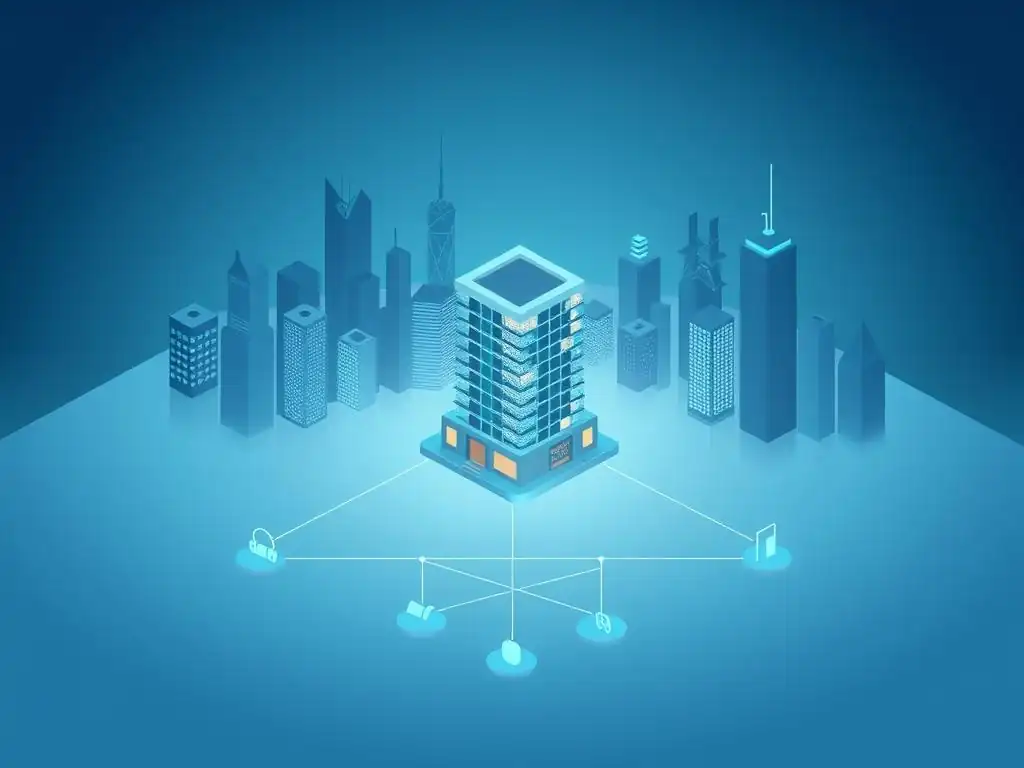
Phase 1: Assessing Current Land Registry Infrastructure
The first phase in implementing DLT in land registry involves a comprehensive assessment of the existing infrastructure, processes, and legal frameworks. This includes a detailed evaluation of the current land registry system, identifying its strengths, weaknesses, and areas for improvement. A crucial part of this assessment is understanding the current data landscape, including the format, quality, and accessibility of existing land records. Many land registries still rely on paper-based systems or outdated digital systems with fragmented data, which can pose significant challenges for migration to a DLT platform.
Furthermore, a thorough legal and regulatory analysis is necessary to identify any legal barriers or requirements that need to be addressed before implementing DLT. This includes examining existing land laws, data privacy regulations, and any other relevant legislation that may impact the deployment of a DLT-based land registry. Stakeholder engagement is also critical in this phase. Consultations with land registry officials, government agencies, legal professionals, and landowners are essential to understand their needs, concerns, and expectations regarding a DLT-based system. This initial assessment provides a foundation for developing a tailored and effective DLT implementation strategy.
Phase 2: Designing a DLT-Based Land Registry System
Phase 2 focuses on the design of the DLT-based land registry system, taking into account the findings from the initial assessment. This involves selecting the appropriate DLT platform, considering factors such as scalability, security, permissioning requirements, and interoperability with existing systems. Decisions need to be made regarding whether to use a permissioned or permissionless blockchain, or another type of DLT, depending on the specific needs and regulatory environment. The system architecture needs to be designed to accommodate the specific requirements of land registry, including data storage, transaction processing, and user access management.
Data modeling is a crucial aspect of this phase, defining how land ownership data will be represented and stored on the DLT ledger. This includes determining the data fields, data structures, and metadata standards to ensure data consistency and interoperability. User interface and user experience (UI/UX) design are also important to ensure that the system is user-friendly and accessible to all stakeholders, including land registry officials, landowners, and the public.
Security considerations must be paramount throughout the design process, incorporating robust cryptographic measures and access controls to protect the integrity and confidentiality of land records. This phase culminates in a detailed system design document that outlines the technical specifications and functional requirements of the DLT-based land registry.
Phase 3: Developing and Testing the DLT Platform
Phase 3 involves the actual development and rigorous testing of the DLT platform based on the system design. This is typically an iterative process, involving software development, coding smart contracts, and building the necessary APIs for integration with existing systems. Agile development methodologies are often employed to allow for flexibility and adaptation during the development process. Security is a continuous focus throughout development, with regular security audits and penetration testing to identify and address potential vulnerabilities in the code and infrastructure.
Testing is a critical component of this phase, ensuring that the DLT platform functions as designed and meets the required performance and security standards. This includes unit testing of individual components, integration testing of different modules, and system-wide testing under various load conditions. User acceptance testing (UAT) is also essential, involving end-users in testing the system to ensure that it is user-friendly and meets their needs.
Performance testing, scalability testing, and security testing are all crucial to validate the robustness and reliability of the DLT platform. This phase concludes with a fully functional and tested DLT platform ready for deployment.
Phase 4: Onboarding Stakeholders and Data Migration
Phase 4 focuses on onboarding stakeholders and migrating existing land records to the newly developed DLT platform. This involves training land registry officials, legal professionals, and other relevant stakeholders on how to use the new system. Effective change management and communication strategies are crucial to ensure smooth adoption and minimize resistance to change. Pilot programs may be implemented to gradually onboard users and test the system in a live environment before full-scale deployment.
Data migration is a complex and critical task, particularly if existing land records are in paper format or stored in disparate systems. Data cleansing, digitization, and validation are often necessary to ensure data quality and accuracy before migration to the DLT platform. Data mapping and transformation are required to convert existing data into the format required by the DLT system.
Secure data migration procedures must be implemented to protect data integrity and confidentiality during the migration process. This phase ensures that all relevant stakeholders are trained and ready to use the DLT system, and that existing land records are securely and accurately migrated to the new platform.
Phase 5: Ensuring Compliance and Regulatory Adherence
Phase 5 is an ongoing process focused on ensuring continuous compliance and regulatory adherence of the DLT-based land registry system. This involves establishing clear legal and regulatory frameworks that govern the operation of the DLT system and the use of land records stored on the platform. Ongoing monitoring and auditing are necessary to ensure compliance with data privacy regulations, security standards, and other relevant legal requirements. Regular updates to the system may be required to adapt to evolving legal and regulatory landscapes.
Collaboration with regulatory bodies and legal experts is crucial to ensure that the DLT system remains compliant and aligned with evolving legal frameworks. Data governance policies and procedures need to be established to define roles, responsibilities, and access controls for managing land records on the DLT platform. User training and awareness programs should be ongoing to ensure that all stakeholders understand their responsibilities and comply with regulatory requirements. This phase ensures the long-term sustainability and legal validity of the DLT-based land registry system by maintaining continuous compliance and regulatory adherence.
Case Studies: Global Examples of DLT Land Registry Implementations
Georgia: National Land Registry System on Blockchain
Georgia has emerged as a pioneering nation in adopting blockchain technology for its national land registry system. Recognizing the potential of blockchain to enhance transparency and security, the Georgian government partnered with blockchain technology companies to develop and implement a blockchain-based land title registry. This initiative aimed to address issues of corruption and inefficiency that plagued the traditional system. Since 2017, Georgia has been recording new land title registrations on a permissioned blockchain, making land ownership information more secure and accessible.
The Georgian blockchain land registry has demonstrated tangible benefits, including increased transparency, reduced transaction times, and improved data integrity. The system has streamlined the process of registering property titles and reduced the risk of fraud and manipulation. While still evolving, the Georgian example serves as a significant case study demonstrating the feasibility and advantages of using blockchain for national-scale land registry systems. This initiative has garnered international attention and inspired other countries to explore similar DLT-based solutions for land administration.
Sweden: Pilot Project for Land Title Transfers Using Blockchain
Sweden, known for its advanced digital infrastructure, conducted a pilot project to explore the use of blockchain for land title transfers. The Lantmäteriet, Sweden's land registry agency, partnered with blockchain technology providers and banks to test a blockchain-based platform for streamlining the land transaction process. The pilot focused on automating and securing the transfer of land titles, aiming to reduce the complexity and time involved in traditional property transactions.
The Swedish pilot project demonstrated the potential of blockchain to significantly reduce the time and cost associated with land title transfers. By automating processes through smart contracts and leveraging the transparency and security of blockchain, the pilot showed promising results in improving efficiency and reducing the need for intermediaries.
While the Swedish initiative was a pilot project and not a full-scale national implementation, it provided valuable insights into the practical application of blockchain technology in land registry and highlighted the potential for future adoption. The lessons learned from this pilot have informed ongoing discussions and explorations of DLT in land administration in Sweden and beyond.
Lessons Learned and Best Practices from Existing Implementations
Analyzing existing DLT land registry implementations, such as those in Georgia and Sweden, provides valuable lessons and best practices for future deployments. One key takeaway is the importance of strong government leadership and commitment. Successful implementations require proactive government support and a clear vision for leveraging DLT to improve land administration. Stakeholder collaboration is also crucial, involving land registry officials, legal professionals, technology providers, and landowners in the design and implementation process. Engaging with stakeholders early and often helps to ensure buy-in and address concerns.
Phased implementation is another best practice, starting with pilot projects and gradually scaling up to national-level deployments. This allows for iterative development, testing, and refinement of the DLT system based on real-world experience. Focus on data quality and migration is paramount, as the success of any DLT land registry system hinges on the accuracy and integrity of the data migrated to the platform.
Finally, ensuring regulatory clarity and compliance is essential for the long-term sustainability and legal validity of DLT land registry solutions. Learning from the experiences of early adopters is crucial for navigating the complexities of DLT implementation and maximizing the benefits of blockchain land registry security.
The Future of Land Registry: DLT and Beyond
Integration with Other Technologies (e.g., IoT, GIS)
The future of land registry will likely involve the integration of DLT with other emerging technologies, further enhancing its capabilities and applications. The Internet of Things (IoT) can play a significant role in providing real-time data updates to the land registry. For example, IoT sensors could be used to monitor land use, track property boundaries, and automatically update land records based on physical changes. Geographic Information Systems (GIS) can be integrated with DLT land registries to provide a visual and spatial representation of land ownership, enhancing land management and planning capabilities.
Combining DLT with Artificial Intelligence (AI) and Machine Learning (ML) could also lead to more intelligent and automated land administration processes. AI and ML algorithms could be used for fraud detection, predictive analysis of land market trends, and automated land valuation. The integration of these technologies with DLT has the potential to create a more dynamic, efficient, and responsive land registry ecosystem, moving beyond simple record-keeping to proactive land management and governance. Exploring these synergistic integrations will be crucial for unlocking the full potential of DLT in the future of land registry.
Potential for Decentralized Land Governance
Beyond simply digitizing land records, DLT has the potential to enable more decentralized models of land governance. Traditional land administration is often centralized within government agencies, but DLT can facilitate a more distributed and participatory approach. Decentralized autonomous organizations (DAOs), governed by smart contracts and community consensus, could potentially play a role in land governance. While fully decentralized land governance is still a nascent concept, DLT provides the technological foundation for exploring alternative models of land administration that are more transparent, accountable, and participatory.
This could involve empowering local communities and landowners with greater control over land management decisions, fostering more inclusive and equitable land governance. Smart contracts could be used to automate land use regulations, environmental compliance, and community-based land management initiatives. While significant legal and social challenges remain in realizing fully decentralized land governance, DLT offers a pathway to explore more democratic and participatory approaches to land administration in the future. The potential for DLT to transform not only land registry but also land governance is a significant area for future exploration and development.
Overcoming Challenges and Scaling DLT Land Registry Solutions
While the potential benefits of DLT land registry are significant, several challenges need to be overcome to ensure successful scaling and widespread adoption. Scalability is a key technical challenge, as DLT platforms need to be able to handle large volumes of transactions and data associated with national-scale land registries. Interoperability between different DLT systems and legacy systems is also crucial for seamless data exchange and integration. Data privacy and security remain paramount concerns, requiring robust security measures and compliance with data protection regulations.
Legal and regulatory frameworks need to evolve to accommodate DLT-based land registries and provide legal recognition for digital land titles. Stakeholder education and capacity building are essential to ensure that land registry officials, legal professionals, and landowners are equipped to use and understand DLT systems.
Finally, cost of implementation and maintenance needs to be carefully considered to ensure the economic viability of DLT land registry solutions, particularly in developing countries. Addressing these challenges through technological innovation, policy reforms, and collaborative efforts is crucial for realizing the full potential of DLT to revolutionize land registry and enhance blockchain land registry security globally.
Conclusion: DLT as a Catalyst for Secure and Efficient Land Management
The Transformative Potential of DLT Land Registry
Distributed Ledger Technology (DLT) stands as a powerful catalyst for transforming land registry systems worldwide. Its inherent characteristics of immutability, transparency, and decentralization address critical vulnerabilities and inefficiencies inherent in traditional, often centralized and paper-based, land administration models. By enhancing blockchain land registry security, DLT promises to reduce fraud, increase transparency, streamline transactions, and empower stakeholders in land management. The case studies from Georgia and Sweden, among others, demonstrate the real-world feasibility and tangible benefits of DLT in this domain.
The transformative potential extends beyond mere digitization of records. DLT offers the foundation for fundamentally rethinking land governance, potentially enabling more decentralized, participatory, and efficient systems. Integration with other technologies like IoT, GIS, and AI further amplifies the capabilities of DLT land registries, paving the way for smarter and more responsive land management practices. While challenges remain in scaling and implementing DLT solutions, the trajectory is clear: DLT is poised to play an increasingly vital role in shaping the future of land registry and securing property rights globally.
Call to Action: Embracing Innovation in Land Administration
The transition to DLT-based land registry systems represents a significant opportunity to modernize and strengthen land administration worldwide. Governments, land registry agencies, technology providers, and legal professionals are called to embrace innovation and actively explore the potential of DLT to create more secure, transparent, and efficient land management systems. This requires proactive policy development, strategic investments in technology, and collaborative partnerships to drive adoption and overcome implementation challenges.
Embracing DLT in land administration is not just about technological advancement; it is about building trust, fostering economic development, and empowering individuals and communities with secure and accessible land rights. The journey towards DLT-enabled land registries is underway, and continued innovation, collaboration, and commitment are essential to realizing the full transformative potential of this technology and ushering in a new era of secure and efficient land management for all.
Frequently Asked Questions
How does blockchain technology improve land registry security?
Blockchain creates an immutable and transparent record of land ownership. This makes it difficult to tamper with records and reduces the risk of fraudulent transactions. Every change is recorded on a distributed ledger.
What are the benefits of using a DLT (Distributed Ledger Technology) for land registry?
DLT offers increased transparency, efficiency, and security compared to traditional systems. It can also lead to reduced costs and faster transaction times by automating processes.
What role does decentralization play in enhancing the security of a blockchain-based land registry?
Decentralization means that no single entity controls the land registry data. This makes it more resilient to attacks and prevents manipulation, increasing the overall trustworthiness of the system.
What are some potential challenges in implementing blockchain for land registry systems?
Challenges include scalability issues, the need for regulatory frameworks, and the integration with existing legacy systems. Also, data privacy is a major concern.
How can blockchain ensure the accuracy and authenticity of land ownership records?
Blockchain uses cryptographic hashing to link each transaction to the previous one, creating an unchangeable chain of records. This ensures that all records are tamper-proof and easily verifiable.
Final Reflection: Embracing Trust in the Digital Landscape
The exploration of Distributed Ledger Technology (DLT) for land registry highlights a crucial intersection: the convergence of innovation and security in safeguarding fundamental rights. The potential of blockchain land registry security to revolutionize property records is not merely a technological advancement; it's a paradigm shift towards greater transparency, efficiency, and trust in a system that underpins societal stability. This shift is particularly relevant today, as global land disputes and fraudulent activities continue to undermine economic development and social justice.
The promise of a secure and transparent land registry, powered by blockchain, resonates deeply within the broader cultural and social landscape. It speaks to our inherent need for fairness and accountability, offering a tangible solution to long-standing issues of corruption and inefficiency. This technology empowers individuals and communities, providing them with greater control over their property rights. The ultimate measure of a man is not where he stands in moments of comfort and convenience, but where he stands at times of challenge and controversy.
- Martin Luther King Jr. This quote reminds us that embracing innovative solutions like blockchain for land registry is crucial in addressing the challenges of ensuring equitable access to land and property rights for all.
As we move forward, let us consider the implications of this technology not just in terms of efficiency and security, but also in terms of its potential to foster greater social equity. Let us strive to understand and implement blockchain land registry security in a way that empowers individuals, strengthens communities, and builds a future where property rights are truly secure and accessible for everyone. Reflect on how you can contribute to this transformative journey, whether through advocacy, education, or simply by embracing the possibilities of a more transparent and secure future.
Unlock the Future of Land Ownership: Get Started Today!
Thank you for exploring the potential of distributed ledger technology to transform land registry systems. We hope this has given you a clearer understanding of how blockchain can enhance the security and transparency of property records. Now, it's time to turn that knowledge into action.
Here are some ways to take the next step:
- Research existing projects that utilize blockchain for land registration in your area. Familiarizing yourself with current initiatives is the first step toward contributing to this innovative field.
- Explore courses on blockchain development, especially those focusing on smart contracts, which are crucial for creating secure and efficient property record systems.
- Share this article with your network and start discussions about the benefits of blockchain for land ownership — you might be surprised by how many people are interested!
Are you ready to be part of the change? Think about the applications of blockchain in land registration that excite you most, and consider what actions you can take this week to explore them further.
Leave a Reply