
Exploring the Use of DLT in the Energy Sector: Smart Grids and Renewable Energy

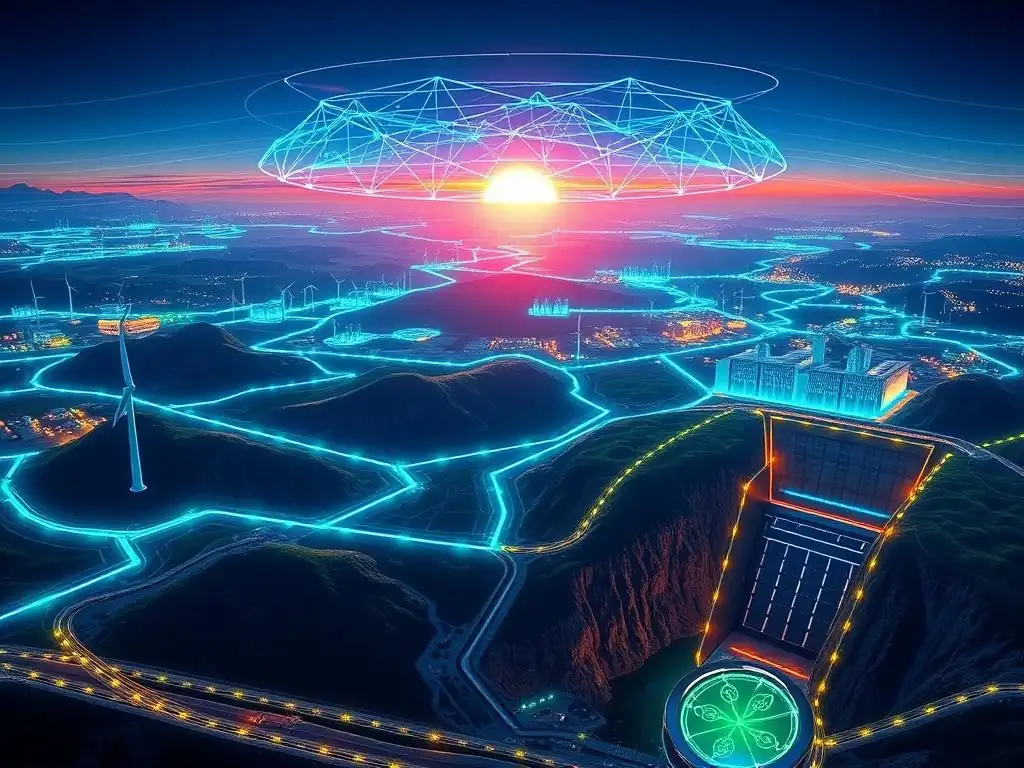
Welcome to Blockchain Trends, your compass in the rapidly evolving world of decentralized technologies!
Delve into uncharted territories beyond the hype and discover how blockchain is reshaping industries. Are you ready to unlock the potential of distributed ledger technology in revolutionizing energy systems? This week, we explore the fascinating intersection of DLT smart grids energy, examining how blockchain is powering a more efficient, sustainable, and decentralized future for renewable energy. Prepare to unravel the complexities and opportunities that lie within this Blockchain Technology Deep Dive.
Exploring the Use of Blockchain in the Energy Sector: Smart Grids and Renewable Energy
- Introduction: Blockchain's Potential in Transforming the Energy Landscape
- Understanding Blockchain and its Relevance to Smart Grids
- Blockchain-Enabled Smart Grids: Enhanced Efficiency and Reliability
- Renewable Energy Integration through Blockchain Solutions
- Use Cases of Blockchain in the Energy Sector: Real-World Examples
- Challenges and Opportunities for Blockchain Adoption in Energy
- The Future of Blockchain in the Energy Sector: A Decentralized Energy Ecosystem
- Conclusion: Blockchain as a Catalyst for Energy Transformation
-
Frequently Asked Questions
- What is the primary benefit of using DLT in smart grids?
- How can blockchain facilitate the integration of renewable energy sources?
- What are some potential regulatory challenges for DLT implementation in the energy sector?
- Beyond smart grids, what other energy sector applications can benefit from DLT?
- How does DLT contribute to a more decentralized energy system?
- Final Reflection: Empowering a Sustainable Energy Future
- Power Up Your Energy Future!
Introduction: Blockchain's Potential in Transforming the Energy Landscape
The Rise of Blockchain Technology and its Applications
Blockchain technology, initially conceived as the backbone of cryptocurrencies like Bitcoin, has rapidly transcended its original purpose. Its inherent characteristics – decentralization, transparency, and immutability – have sparked interest across diverse sectors. From finance and supply chain management to healthcare and voting systems, blockchain's potential to revolutionize traditional processes is becoming increasingly evident. This technological evolution represents a paradigm shift, moving away from centralized, intermediary-dependent systems towards more distributed, secure, and efficient models of operation.
The transformative power of blockchain stems from its ability to create a shared, tamper-proof ledger of transactions or data. This shared ledger, distributed across a network of computers, eliminates the need for a central authority to validate and record information. Smart contracts, self-executing agreements coded onto the blockchain, further automate processes and enforce pre-defined rules without human intervention. This combination of features is driving innovation and efficiency gains across industries, prompting a re-evaluation of how data is managed, transactions are conducted, and trust is established in digital ecosystems.
Blockchain Trends: Focusing on Applications Beyond Cryptocurrencies
While cryptocurrencies remain a prominent application of blockchain, the focus is increasingly shifting towards exploring its broader utility. "Blockchain Trends," as a website, aptly captures this movement, highlighting the diverse and innovative ways blockchain technology is being implemented beyond the realm of digital currencies. This trend is fueled by the recognition that the underlying technology offers solutions to fundamental challenges in data management, security, and operational efficiency across various industries.
The current landscape of blockchain innovation is characterized by a surge in enterprise applications. Companies are actively exploring and implementing blockchain solutions to streamline supply chains, enhance data security, improve transparency, and foster new business models. This expansion beyond cryptocurrencies is driven by the tangible benefits blockchain offers in terms of cost reduction, increased efficiency, and enhanced trust in digital interactions. The energy sector, with its complex infrastructure and evolving needs, stands out as a particularly promising area for blockchain adoption, showcasing the technology's versatility.
The Energy Sector: A Prime Candidate for Blockchain Disruption
The energy sector, a critical infrastructure underpinning modern society, faces significant challenges in adapting to evolving demands and integrating new technologies. Traditional energy systems are often characterized by centralized control, aging infrastructure, and inefficiencies in distribution and management. The integration of renewable energy sources, the rise of distributed generation, and the increasing need for grid modernization are further complicating the landscape. These challenges present a fertile ground for disruptive technologies like blockchain to offer innovative solutions.
Blockchain's decentralized and transparent nature aligns perfectly with the emerging needs of the energy sector. Its potential to enhance grid management, facilitate peer-to-peer energy trading, and streamline renewable energy certificate (REC) tracking makes it a compelling technology for modernizing energy systems. The ability to create secure and transparent energy data management systems is particularly crucial in a sector increasingly reliant on data-driven operations and smart grid technologies. Therefore, the energy sector is not just a candidate for blockchain adoption, but a sector poised to significantly benefit from its transformative capabilities, particularly in the context of DLT smart grids energy.
Understanding Blockchain and its Relevance to Smart Grids
What is Blockchain Technology? A Primer
At its core, blockchain is a distributed, immutable ledger that records transactions in blocks that are linked together chronologically and cryptographically. Imagine a digital record book that is duplicated across many computers in a network. Each "block" in this book contains a set of validated transactions, and once a block is added to the chain, it cannot be altered or removed. This immutability and distribution are fundamental to blockchain's security and transparency.
The technology relies on cryptographic hashing to secure each block and link it to the previous one, forming a chain. Consensus mechanisms, such as Proof-of-Work or Proof-of-Stake, are employed to validate new blocks and ensure agreement among network participants on the state of the ledger. This distributed consensus eliminates the need for a central authority to validate transactions, enhancing security and resilience. While often associated with complex technical jargon, the fundamental concept of blockchain is about creating a secure, transparent, and decentralized record-keeping system, which is highly relevant to the concept of DLT smart grids energy.
Key Features of Blockchain: Decentralization, Transparency, Security
Decentralization is a defining characteristic of blockchain. Instead of relying on a single central entity, control and data are distributed across a network of participants. This eliminates single points of failure and reduces the risk of censorship or manipulation. In the context of energy grids, decentralization could mean shifting away from purely centralized grid management towards more distributed and resilient systems.
Transparency is another key feature. All transactions recorded on a public blockchain are visible to all participants, although the identities of participants can be pseudonymized. This transparency fosters trust and accountability, crucial in sectors like energy where trust in data accuracy and integrity is paramount. Security is inherent in blockchain's design. Cryptography and consensus mechanisms make it extremely difficult to tamper with the blockchain, ensuring data integrity and security, which are vital for sensitive energy grid operations and data management in DLT smart grids energy systems.
How Blockchain Principles Apply to Smart Grid Infrastructure
Smart grids, characterized by advanced communication and control technologies, aim to modernize energy distribution and improve efficiency. However, the increasing complexity and interconnectedness of smart grids also introduce new challenges in data security, grid management, and operational resilience. Blockchain principles offer solutions to address these challenges.
The decentralized nature of blockchain can enhance the resilience of smart grids by distributing control and reducing reliance on central points of failure. Transparency can improve trust and accountability in grid operations, particularly in peer-to-peer energy trading and renewable energy certificate tracking. Security features of blockchain can protect sensitive grid data and infrastructure from cyber threats, a growing concern in increasingly digitalized energy systems. By applying blockchain principles, smart grids can become more efficient, secure, and resilient, paving the way for advanced DLT smart grids energy implementations.
Blockchain-Enabled Smart Grids: Enhanced Efficiency and Reliability
Smart Grids: Addressing the Challenges of Modern Energy Distribution
Modern energy distribution faces a complex set of challenges. Aging infrastructure, increasing demand, the integration of intermittent renewable energy sources, and the need for greater grid flexibility are all straining traditional energy grids. Smart grids are designed to address these challenges by incorporating digital technologies, advanced sensors, and communication networks to optimize energy flow, improve efficiency, and enhance grid reliability.
Smart grids leverage technologies like Advanced Metering Infrastructure (AMI), distributed energy resources (DERs), and sophisticated control systems to enable real-time monitoring and management of energy consumption and generation. However, the vast amounts of data generated by smart grids require robust and secure data management systems. Furthermore, the increasing decentralization of energy generation with the rise of rooftop solar and microgrids necessitates new approaches to grid management and control. DLT smart grids energy solutions can play a crucial role in addressing these modern energy distribution challenges.
Integrating Blockchain for Enhanced Grid Management and Control
Integrating blockchain into smart grids offers a pathway to enhance grid management and control in several key areas. Blockchain's distributed ledger can provide a secure and transparent platform for managing energy transactions, grid data, and communication between grid participants. Smart contracts can automate grid operations, such as demand response programs and dynamic pricing, improving grid efficiency and responsiveness.
For example, blockchain can facilitate real-time energy balancing by providing a transparent and auditable record of energy production and consumption across the grid. Smart contracts can automatically adjust energy distribution based on pre-defined rules and grid conditions, optimizing energy flow and reducing grid congestion. Furthermore, blockchain can enhance the security of grid control systems by providing a tamper-proof audit trail of grid operations and access control mechanisms. This integration contributes to more efficient and reliable DLT smart grids energy systems.
Benefits of Blockchain in Smart Grids: Reduced Costs, Improved Security
The implementation of blockchain in smart grids offers a range of benefits, including reduced costs and improved security. Reduced operational costs can be achieved through automation of grid operations using smart contracts, streamlined energy trading platforms, and more efficient data management systems. For instance, automating billing and settlement processes with blockchain can significantly reduce administrative overhead and transaction costs.
Improved security is another significant benefit. Blockchain's inherent security features, such as cryptography and distributed consensus, enhance the resilience of smart grids against cyberattacks and data breaches. Securing energy data and grid control systems is crucial for maintaining grid stability and preventing disruptions. By providing a secure and transparent platform for grid operations, blockchain can contribute to building more cost-effective and resilient DLT smart grids energy infrastructure.
Renewable Energy Integration through Blockchain Solutions
The Growing Importance of Renewable Energy Sources
The global imperative to transition towards sustainable energy systems has driven the rapid growth of renewable energy sources such as solar, wind, and hydro power. Renewable energy offers a cleaner alternative to fossil fuels, reducing carbon emissions and mitigating climate change. However, the integration of renewable energy into existing energy grids presents unique challenges due to their intermittent nature and distributed generation patterns.
Integrating renewable energy effectively requires modernizing grid infrastructure and developing new mechanisms for managing the variability of renewable energy supply. Smart grids play a crucial role in enabling the seamless integration of renewable energy by providing the necessary infrastructure for monitoring, control, and demand response. Blockchain technology further enhances this integration by providing solutions for transparent renewable energy certificate tracking and peer-to-peer energy trading, facilitating the growth of DLT smart grids energy solutions focused on renewables.
Blockchain for Transparent and Traceable Renewable Energy Certificates (RECs)
Renewable Energy Certificates (RECs) are crucial instruments for tracking and verifying the consumption of renewable energy. RECs represent the environmental attributes of renewable energy generation and are used by consumers and businesses to demonstrate their commitment to sustainability. However, traditional REC systems can be complex, opaque, and prone to fraud.
Blockchain technology offers a solution to enhance the transparency and traceability of RECs. By issuing and tracking RECs on a blockchain, the provenance and ownership of renewable energy can be verified in a tamper-proof and auditable manner. This increased transparency builds trust and confidence in REC markets, encouraging greater investment in renewable energy and facilitating the adoption of DLT smart grids energy powered by clean sources. Blockchain-based REC systems can streamline the process of REC creation, trading, and retirement, making it more efficient and accessible to market participants.
Peer-to-Peer (P2P) Energy Trading Platforms Using Blockchain
Peer-to-peer (P2P) energy trading allows individuals and businesses with distributed energy resources, such as rooftop solar panels, to directly trade energy with each other, bypassing traditional intermediaries. P2P energy trading platforms can foster more decentralized and resilient energy systems, empower consumers, and incentivize the adoption of renewable energy. However, establishing trust and ensuring secure and efficient transactions in P2P energy markets are crucial challenges.
Blockchain technology provides a secure and transparent platform for P2P energy trading. Smart contracts can automate energy trading transactions, settlement, and billing, reducing transaction costs and enhancing efficiency. Blockchain's transparency ensures that all trading activity is recorded and auditable, building trust among participants. P2P energy trading platforms built on blockchain can create more dynamic and decentralized energy markets, promoting the adoption of DLT smart grids energy and empowering consumers to participate actively in the energy ecosystem.
Case Study: Brooklyn Microgrid - A Blockchain-Based Energy Marketplace
The Brooklyn Microgrid project in New York City serves as a real-world example of a blockchain-based P2P energy marketplace. This initiative allows residents with solar panels to sell excess energy directly to their neighbors within a localized microgrid. The project utilizes blockchain technology to facilitate secure and transparent energy transactions between participants.
The Brooklyn Microgrid demonstrates the practical application of blockchain for enabling localized energy trading and fostering community-driven energy initiatives. By eliminating intermediaries and providing a transparent platform for energy exchange, the project empowers consumers to participate in a decentralized energy market and promotes the adoption of renewable energy within the community. This case study highlights the potential of blockchain to create more resilient and sustainable DLT smart grids energy ecosystems at the local level. Early results indicated transaction costs were reduced compared to traditional energy trading methods, and participants experienced greater control over their energy consumption and production.
Use Cases of Blockchain in the Energy Sector: Real-World Examples
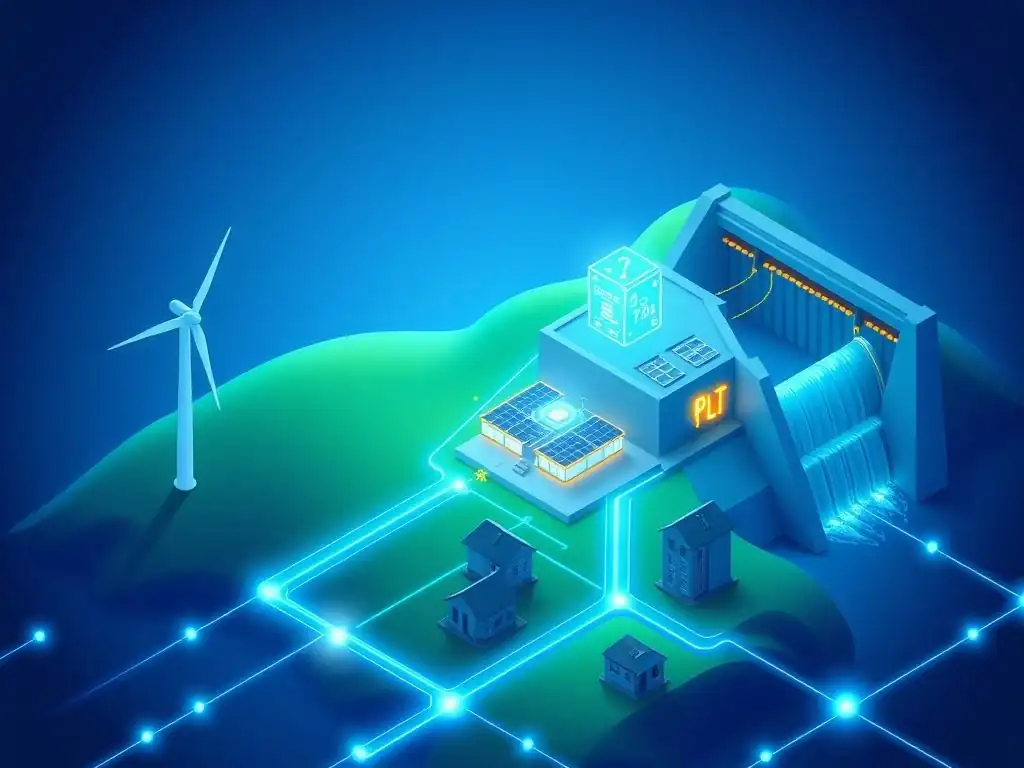
Energy Data Management and Security with Blockchain
The energy sector generates vast amounts of data from smart meters, sensors, and grid operations. Managing and securing this data is critical for efficient grid operation, demand forecasting, and preventing cyberattacks. Traditional centralized data management systems are vulnerable to single points of failure and security breaches. Blockchain offers a decentralized and secure solution for energy data management.
Blockchain can be used to create a secure and tamper-proof record of energy data, ensuring data integrity and auditability. Access control mechanisms built into blockchain can restrict data access to authorized parties, enhancing data security and privacy. For instance, companies like Electron are exploring blockchain-based platforms for energy data exchange and reconciliation. These initiatives demonstrate the growing recognition of blockchain's potential to enhance data security and efficiency in DLT smart grids energy systems. Real-world deployments are showing improved data accuracy and reduced reconciliation times compared to legacy systems.
Supply Chain Optimization for Energy Resources using Blockchain
The energy supply chain, from resource extraction to delivery to consumers, is complex and involves multiple stakeholders. Optimizing this supply chain is crucial for reducing costs, improving efficiency, and ensuring the reliable delivery of energy resources. Blockchain can enhance transparency and traceability across the energy supply chain.
Blockchain can be used to track the origin, transportation, and processing of energy resources, providing a transparent and auditable record of the entire supply chain. This enhanced transparency can improve accountability, reduce fraud, and optimize logistics. For example, companies are exploring blockchain solutions for tracking oil and gas shipments, verifying the origin of minerals used in renewable energy technologies, and managing carbon credits associated with energy production. These applications illustrate the potential of blockchain to improve efficiency and transparency in the energy resource supply chain, contributing to more robust DLT smart grids energy infrastructure.
Smart Metering and Billing Solutions Powered by Blockchain
Smart meters generate granular data on energy consumption, enabling time-of-use tariffs, demand response programs, and personalized energy services. However, concerns about data privacy and security, as well as the complexity of billing processes, remain challenges. Blockchain can enhance the security and efficiency of smart metering and billing systems.
Blockchain can secure smart meter data, ensuring data privacy and preventing unauthorized access. Smart contracts can automate billing processes, making them more efficient and transparent. For instance, projects are exploring blockchain-based platforms for automated micro-billing for electric vehicle charging and pay-as-you-go energy services. These solutions can reduce billing errors, lower administrative costs, and improve the customer experience, showcasing the benefits of DLT smart grids energy solutions for consumer-facing applications. Pilot projects have shown reductions in billing disputes and faster payment processing times.
Electric Vehicle (EV) Charging Infrastructure and Blockchain Integration
The rapid growth of electric vehicles (EVs) necessitates the development of robust and scalable charging infrastructure. Managing EV charging, particularly in public charging stations, requires efficient payment systems, grid integration, and demand management. Blockchain can facilitate seamless EV charging and integration with the energy grid.
Blockchain can enable secure and transparent payment systems for EV charging, eliminating the need for intermediaries and reducing transaction costs. Smart contracts can automate charging sessions and integrate EV charging with grid demand response programs, optimizing grid load and promoting efficient energy utilization. For example, projects are exploring blockchain-based platforms for peer-to-peer EV charging and vehicle-to-grid (V2G) applications. These innovations demonstrate the potential of blockchain to support the growth of EV adoption and create more intelligent and integrated DLT smart grids energy ecosystems.
Challenges and Opportunities for Blockchain Adoption in Energy
Scalability Concerns and Potential Solutions
Scalability is a significant challenge for blockchain technology, particularly in applications requiring high transaction throughput, such as energy grids with millions of smart meters and devices. Traditional blockchain networks can experience limitations in transaction processing speed and capacity. Addressing scalability concerns is crucial for widespread blockchain adoption in the energy sector.
Layer-2 scaling solutions, such as state channels and sidechains, offer potential pathways to improve blockchain scalability. These solutions offload transaction processing from the main blockchain, increasing transaction throughput and reducing latency. Furthermore, the development of more efficient consensus mechanisms and blockchain architectures is ongoing. For DLT smart grids energy to reach its full potential, overcoming scalability limitations through technological advancements and innovative solutions is essential. Research and development in sharding and other advanced scaling techniques are actively being pursued to address these challenges.
Regulatory Hurdles and the Need for Clear Guidelines
Regulatory uncertainty and the lack of clear guidelines pose significant hurdles to blockchain adoption in the energy sector. Existing energy regulations were not designed for decentralized technologies like blockchain, and regulatory frameworks need to adapt to accommodate blockchain-based solutions. Clear regulatory frameworks are essential to provide legal certainty and foster innovation in DLT smart grids energy.
Governments and regulatory bodies need to develop clear guidelines and regulations for blockchain applications in energy, addressing issues such as data privacy, consumer protection, and grid security. Collaboration between industry stakeholders, regulators, and technology developers is crucial to create a regulatory environment that supports responsible blockchain innovation and adoption in the energy sector. Harmonization of regulations across different jurisdictions is also important to facilitate cross-border energy trading and blockchain deployments.
Interoperability Issues Between Different Blockchain Platforms
The proliferation of different blockchain platforms and protocols raises interoperability challenges. Lack of interoperability can hinder the seamless integration of blockchain-based solutions across different energy systems and stakeholders. Ensuring interoperability between different blockchain platforms is crucial for realizing the full potential of DLT smart grids energy.
Efforts to develop interoperability standards and protocols are underway. Cross-chain communication technologies and blockchain bridges aim to enable data and value transfer between different blockchain networks. Industry collaboration and standardization initiatives are needed to promote interoperability and avoid fragmentation of the blockchain ecosystem in the energy sector. Open-source initiatives and collaborative development efforts are crucial to fostering interoperability and enabling seamless integration of blockchain solutions.
Opportunities for Innovation and Collaboration
Despite the challenges, blockchain adoption in the energy sector presents significant opportunities for innovation and collaboration. Blockchain technology is still in its early stages of development, and there is ample room for innovation in developing new applications, improving scalability, and enhancing security. Collaboration between energy companies, technology providers, research institutions, and startups is essential to drive innovation and accelerate blockchain adoption in DLT smart grids energy.
Opportunities for innovation exist in areas such as decentralized energy markets, advanced grid management systems, and consumer-centric energy solutions. Collaborative initiatives, pilot projects, and open-source development can foster knowledge sharing, accelerate technology development, and drive the widespread adoption of blockchain in the energy sector. Industry consortia and partnerships are emerging to promote collaboration and address common challenges in blockchain implementation.
The Future of Blockchain in the Energy Sector: A Decentralized Energy Ecosystem
Predictions for Blockchain Adoption in Smart Grids and Renewable Energy
Predictions for blockchain adoption in smart grids and renewable energy are optimistic, with many experts forecasting significant growth in the coming years. As the energy sector continues to evolve towards decentralization, decarbonization, and digitalization, blockchain's unique capabilities are expected to become increasingly valuable. The convergence of smart grids, renewable energy, and blockchain technology is anticipated to reshape the energy landscape.
Industry analysts predict substantial investment in blockchain-based energy solutions, driven by the potential for cost savings, improved efficiency, and enhanced grid resilience. Adoption is expected to accelerate as regulatory frameworks become clearer and scalability challenges are addressed. DLT smart grids energy is poised to become a mainstream approach to modernizing energy infrastructure and facilitating the transition to a sustainable energy future. Forecasts suggest significant market growth in blockchain for energy, with applications spanning across grid management, renewable energy integration, and consumer energy services.
The Role of Blockchain in Creating a More Sustainable Energy Future
Blockchain technology can play a pivotal role in creating a more sustainable energy future. By facilitating the integration of renewable energy sources, promoting energy efficiency, and empowering consumers, blockchain can contribute to a cleaner, more resilient, and equitable energy system. Its transparency and traceability features are particularly valuable for verifying the environmental impact of energy production and consumption.
Blockchain-based solutions can incentivize the adoption of renewable energy by streamlining REC markets and enabling P2P energy trading. Smart contracts can automate demand response programs, optimizing energy consumption and reducing grid stress. By fostering a more decentralized and efficient energy ecosystem, blockchain can accelerate the transition to a sustainable energy future and support global climate goals. The ability to track and verify carbon emissions using blockchain can also contribute to greater environmental accountability in the energy sector.
Exploring the Potential of Decentralized Energy Markets
Decentralized energy markets, enabled by blockchain technology, represent a paradigm shift in the energy sector. These markets empower consumers to become prosumers, actively participating in energy generation, consumption, and trading. Decentralized energy markets can foster greater competition, innovation, and resilience in the energy system.
Blockchain provides the infrastructure for creating secure, transparent, and efficient decentralized energy markets. P2P energy trading platforms, microgrids, and community energy initiatives can thrive in decentralized market environments. These markets can unlock new revenue streams for distributed energy resources, incentivize energy efficiency, and empower consumers to take control of their energy choices. The shift towards decentralized energy markets, facilitated by DLT smart grids energy solutions, promises to create a more democratic and sustainable energy future.
Conclusion: Blockchain as a Catalyst for Energy Transformation
Recap of Blockchain's Benefits in the Energy Sector
Blockchain technology offers a multitude of benefits to the energy sector, ranging from enhanced grid efficiency and security to streamlined renewable energy integration and empowered consumers. Its decentralized, transparent, and secure nature makes it a powerful catalyst for transforming traditional energy systems. The potential of DLT smart grids energy to address the challenges of modern energy distribution and accelerate the transition to a sustainable energy future is undeniable.
Key benefits include reduced operational costs through automation and efficiency gains, improved grid security and resilience against cyber threats, enhanced transparency and traceability in energy transactions and data management, and facilitation of renewable energy integration through REC tracking and P2P trading. Blockchain empowers consumers to participate more actively in the energy market and fosters innovation in decentralized energy solutions.
The Path Forward: Embracing Blockchain for a More Efficient and Sustainable Energy System
The path forward for the energy sector involves embracing blockchain technology and exploring its diverse applications. Continued innovation, collaboration, and supportive regulatory frameworks are essential to unlock the full potential of blockchain in energy. Pilot projects, real-world deployments, and industry-wide standardization efforts will pave the way for widespread adoption.
By embracing blockchain, the energy sector can move towards a more efficient, secure, sustainable, and consumer-centric future. DLT smart grids energy solutions are not just a technological advancement but a fundamental shift towards a more resilient and equitable energy ecosystem. The journey requires overcoming challenges related to scalability, regulation, and interoperability, but the transformative potential of blockchain for the energy sector makes it a worthwhile endeavor.
Frequently Asked Questions
What is the primary benefit of using DLT in smart grids?
DLT, or Distributed Ledger Technology, enhances transparency and security in energy transactions. This allows for more efficient and reliable energy management.
How can blockchain facilitate the integration of renewable energy sources?
Blockchain enables peer-to-peer energy trading and efficient tracking of renewable energy credits. This makes it easier to integrate and incentivize renewable energy production.
What are some potential regulatory challenges for DLT implementation in the energy sector?
Regulatory uncertainty surrounding data privacy, security standards, and interoperability poses a significant challenge. Clear regulatory frameworks are needed for widespread adoption.
Beyond smart grids, what other energy sector applications can benefit from DLT?
DLT can improve supply chain management for energy resources and enhance transparency in carbon markets. It can also streamline energy trading platforms.
How does DLT contribute to a more decentralized energy system?
DLT empowers consumers to become prosumers, facilitating direct energy transactions and reducing reliance on centralized utilities. This promotes a more resilient and sustainable energy ecosystem.
Final Reflection: Empowering a Sustainable Energy Future
The exploration of Distributed Ledger Technology (DLT) within the energy sector, specifically its application to smart grids and renewable energy sources, reveals a transformative potential that is undeniably relevant today. The convergence of DLT, smart grids, and renewable energy represents a paradigm shift, offering unprecedented transparency, efficiency, and security in a sector vital to global sustainability. This isn't just about technological advancement; it's about building a more resilient and equitable energy future for all.
The impact of DLT on the energy landscape is already being felt, albeit in nascent stages. Its ability to decentralize energy markets, facilitate peer-to-peer energy trading, and enhance the integration of renewable sources is profoundly reshaping the traditional energy paradigm. This shift resonates deeply with the growing global awareness of climate change and the urgent need for sustainable solutions. As the saying goes: We do not inherit the earth from our ancestors, we borrow it from our children.
This quote underscores the moral imperative to embrace innovative technologies like DLT to safeguard our planet for future generations.
Now, more than ever, it's time to consider your role in this energy revolution. How can you, as an individual, a business, or a policymaker, contribute to the adoption and responsible implementation of DLT in the energy sector? Reflect on the possibilities presented in this article and consider how you can champion a future powered by smart grids, renewable energy, and the transformative potential of DLT. The power to shape a sustainable energy future lies, in part, with you.
Okay, I'm ready to craft a compelling Call to Action (CTA) for an article titled "Exploring the Use of DLT in the Energy Sector: Smart Grids and Renewable Energy" on the website "Blockchain Trends" (blockchaintrends.org). Here's my attempt:
Power Up Your Energy Future!
Thanks for diving into the potential of DLT in transforming the energy sector. We hope you've gained valuable insights into how blockchain technology is revolutionizing smart grids and renewable energy. Now, let's turn that knowledge into action!
Here's how you can contribute to a more sustainable and efficient energy landscape:
- Dive Deeper: Start exploring real-world DLT energy projects and identify potential pilot projects or investment opportunities aligned with your interests.: This is your key next step!
- Join the Conversation: Share this article with your network and spark discussions about the future of energy and blockchain technology. Let's spread the word!
- Unconventional Approach: Reach out to a local renewable energy provider and inquire about their interest in exploring DLT solutions. You might be surprised by their response!
What's one innovative application of DLT in the energy sector that you're most excited about and why? Share your thoughts below!
Leave a Reply