
The Importance of CrossChain DApps: Expanding the Reach of Decentralized Applications

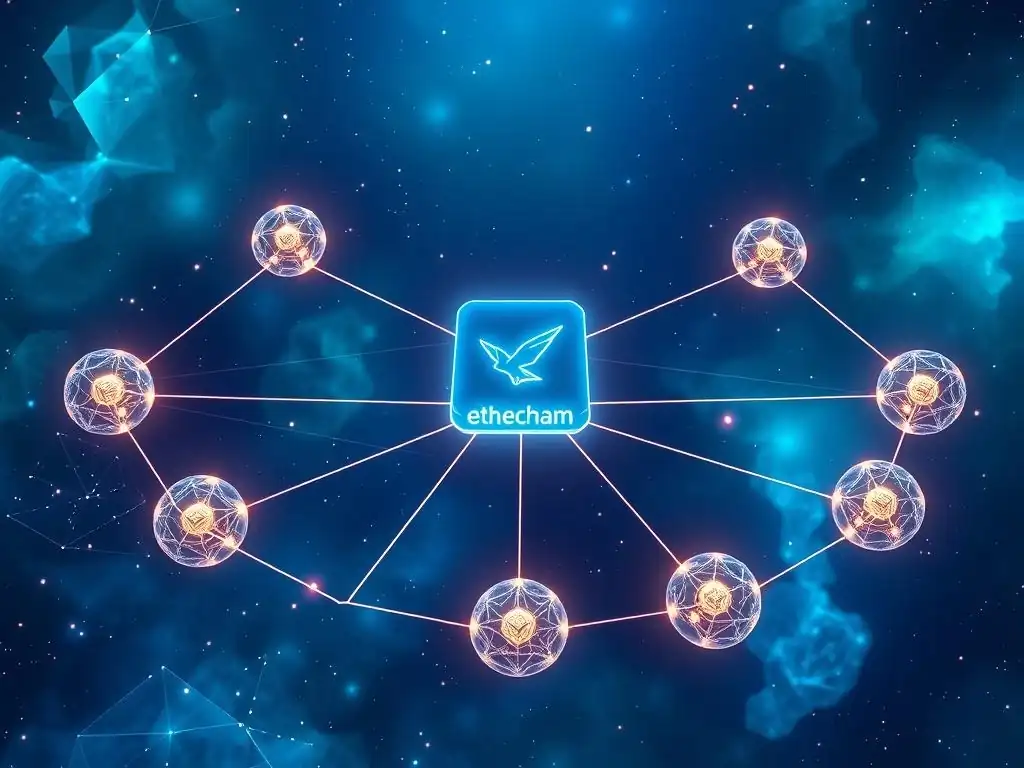
Welcome to Blockchain Trends, your go-to resource for understanding the evolving landscape of blockchain technology.
Ever wondered how decentralized applications (DApps) can transcend the limitations of a single blockchain? Dive into our exploration of CrossChain decentralized application development benefits and discover how this innovative approach is unlocking new possibilities for interoperability, scalability, and user experience. Prepare to uncover the secrets behind building truly decentralized and interconnected systems – the future of blockchain is here!
The Importance of Cross-Chain DApps: Expanding the Reach of Decentralized Applications
- Introduction: Understanding the Limitations of Traditional DApps
- What are Cross-Chain DApps? Defining Interoperable Decentralized Applications
- Cross-Chain Decentralized Application Development Benefits: Why Developers Should Embrace Interoperability
- Key Technologies Enabling Cross-Chain DApps
- Use Cases of Cross-Chain DApps: Real-World Applications
- Challenges and Considerations for Cross-Chain DApp Development
- The Future of Decentralized Applications: Cross-Chain as the New Standard
- Conclusion: Embracing the Power of Cross-Chain DApps for a More Connected Blockchain Ecosystem
-
Frequently Asked Questions
- How does CrossChain DApp development help expand the reach of decentralized applications?
- What are the primary benefits of CrossChain DApp development compared to single-chain DApps?
- How does CrossChain technology impact the development of decentralized finance (DeFi) applications?
- What regulatory considerations should developers be aware of when building CrossChain DApps?
- What is the future outlook for CrossChain DApp development and its impact on decentralized systems?
- Final Reflection: Bridging the Decentralized Future
- Unleash the Potential: Build Your Cross-Chain Future!
Introduction: Understanding the Limitations of Traditional DApps
The Siloed Nature of Early Decentralized Applications
In the nascent stages of blockchain technology, decentralized applications (DApps) were largely confined to the blockchain on which they were initially developed. This meant that a DApp built on Ethereum, for example, operated solely within the Ethereum ecosystem, unable to directly interact with assets or data residing on other blockchains like Bitcoin or Solana. This isolation created fragmented ecosystems, limiting the potential reach and functionality of DApps.
Imagine a decentralized exchange (DEX) only able to trade tokens native to a single blockchain – its liquidity and user base would be inherently restricted compared to a platform that could access assets across multiple chains. This "siloed" approach hindered the broader adoption and evolution of DApps, preventing them from achieving their full transformative potential.
Early blockchain architectures, while groundbreaking in their decentralization and security, lacked built-in mechanisms for cross-chain communication. Each blockchain operated as an independent entity, with its own consensus mechanism, virtual machine, and governance structure. This inherent separation made it challenging for DApps to leverage the unique strengths of different blockchains or to seamlessly transfer value and information between them. This limitation became increasingly apparent as the blockchain space diversified, with the emergence of specialized blockchains optimized for specific use cases, further emphasizing the need to break down these silos.
The Need for Interoperability in the Blockchain Ecosystem
The blockchain ecosystem has rapidly evolved beyond a single dominant chain, with numerous blockchains emerging, each offering unique advantages in terms of speed, cost, security, and functionality. This proliferation of blockchains, while fostering innovation, also underscores the critical need for interoperability. Just as the internet’s value is amplified by the ability of different networks to communicate, the blockchain ecosystem’s true potential hinges on seamless cross-chain interaction. Without interoperability, the benefits of this diverse landscape are significantly diminished, leading to fragmented liquidity, isolated user bases, and limited composability.
Interoperability is not merely a technical nicety; it is a fundamental requirement for the widespread adoption and maturation of blockchain technology. It allows for the creation of more versatile and powerful DApps that can leverage the best features of multiple blockchains. For instance, a DApp might benefit from Ethereum's robust smart contract ecosystem, Solana's high throughput, and Filecoin's decentralized storage capabilities.
Achieving this synergy requires cross-chain communication, enabling DApps to access a wider range of resources, users, and functionalities, ultimately leading to a more interconnected and efficient blockchain ecosystem. This interconnectedness is crucial for unlocking the full spectrum of CrossChain decentralized application development benefits.
What are Cross-Chain DApps? Defining Interoperable Decentralized Applications
Cross-Chain Technology Explained: Bridging Different Blockchains
Cross-chain technology encompasses a range of solutions designed to enable communication and interaction between different blockchains. At its core, it aims to break down the silos between individual blockchains, allowing for the seamless transfer of data and value across disparate networks. This is achieved through various mechanisms, often referred to as "bridges," which act as intermediaries facilitating communication between two or more blockchains. These bridges can take different forms, from simple token bridges that allow for the wrapped representation of assets on another chain, to more complex protocols that enable the execution of smart contracts across multiple chains.
The fundamental challenge cross-chain technology addresses is the inherent isolation of blockchains. Each blockchain operates with its own independent consensus and state. To enable cross-chain functionality, these bridges typically involve mechanisms for locking assets on a source chain and minting corresponding representations on a target chain, or for securely relaying messages and transaction data between chains. Different bridge designs prioritize different aspects, such as security, speed, and cost-effectiveness, leading to a diverse landscape of cross-chain solutions catering to various needs and use cases. Understanding these mechanisms is key to appreciating the CrossChain decentralized application development benefits.
Key Characteristics of Cross-Chain DApps: Functionality and Advantages
Cross-chain DApps are decentralized applications designed to operate across multiple blockchain networks, leveraging cross-chain technology to achieve interoperability. Their defining characteristic is the ability to interact with assets, data, or functionalities on different blockchains from a single application interface. This fundamentally expands the scope and potential of DApps compared to their single-chain predecessors. Instead of being limited to the resources of one blockchain, cross-chain DApps can tap into the collective strengths of multiple ecosystems.
The advantages of cross-chain DApps are numerous and significant. They offer users access to a wider range of assets and opportunities, regardless of the blockchain they primarily operate on. For developers, cross-chain DApps unlock larger potential user bases and markets, as their applications are no longer confined to a single blockchain community.
Furthermore, they can enhance the functionality of DApps by combining the unique features of different blockchains, such as leveraging a faster chain for transaction processing and a more secure chain for data storage. This modularity and flexibility are central to the CrossChain decentralized application development benefits, offering a new paradigm for building powerful and versatile decentralized applications.
Cross-Chain Decentralized Application Development Benefits: Why Developers Should Embrace Interoperability
Expanding User Base and Market Reach with Cross-Chain Compatibility
One of the most compelling CrossChain decentralized application development benefits is the potential to significantly expand the user base and market reach of a DApp. By building a cross-chain application, developers are no longer limited to the users and liquidity within a single blockchain ecosystem. Instead, they can tap into the combined user base of multiple chains, effectively multiplying their potential audience. Consider a DApp initially built on Ethereum, which, while having a large community, might exclude users primarily active on networks like Binance Smart Chain or Polygon due to high gas fees or network preference.
A cross-chain version of this DApp could attract users from all these networks, substantially increasing its adoption and usage. This expanded reach translates directly into greater market opportunities. For example, a cross-chain DEX can aggregate liquidity from various blockchains, offering traders a wider range of trading pairs and deeper order books. Similarly, a cross-chain lending platform can access a larger pool of borrowers and lenders, optimizing capital utilization across the entire blockchain space. This ability to reach a broader audience is a powerful driver for developers considering cross-chain architectures.
Enhanced Scalability and Performance Through Multiple Chains
Scalability and performance are critical considerations for any DApp aiming for mainstream adoption. Single blockchain DApps often face limitations in transaction throughput and speed, especially during periods of high network congestion. CrossChain decentralized application development benefits include the ability to mitigate these scalability challenges by distributing workload and operations across multiple blockchains. By strategically utilizing different chains for specific functions, developers can optimize performance and enhance the overall user experience.
For instance, a DApp might use a high-throughput chain like Solana for transaction processing and settlement, while leveraging a more secure but slower chain like Ethereum for asset custody or governance functions. This multi-chain approach allows DApps to bypass the scalability constraints of any single blockchain and achieve significantly higher performance levels. Furthermore, as the blockchain ecosystem continues to evolve, cross-chain DApps are better positioned to adapt to future scalability solutions and network upgrades across different chains, ensuring long-term performance and resilience.
Increased Security and Resilience by Distributing Risk
Security is paramount in the blockchain space, and CrossChain decentralized application development benefits extend to enhanced security and resilience. By distributing critical components and functionalities of a DApp across multiple blockchains, developers can reduce the risk of catastrophic failures or exploits targeting a single point of vulnerability. This distributed architecture makes the DApp more robust and resistant to attacks, as compromising the entire system would require breaching the security of multiple independent blockchains.
Imagine a cross-chain DApp where user funds are custodied across several blockchains, rather than concentrated on a single chain. If one chain experiences a security breach, the impact is limited, and the DApp as a whole remains operational, with user funds on other chains remaining secure. This diversification of risk significantly improves the overall security profile of the DApp. Moreover, cross-chain architectures can leverage the diverse security models of different blockchains, potentially combining the strengths of various consensus mechanisms and security protocols to create a more fortified and resilient application.
Accessing Unique Functionalities and Data Across Different Blockchains
Each blockchain ecosystem often develops unique functionalities and strengths. Some blockchains excel in specific areas, such as DeFi, NFTs, or gaming, offering specialized tools, infrastructure, and communities tailored to these niches. CrossChain decentralized application development benefits include the ability to tap into these unique functionalities and data sources across different blockchains, creating more feature-rich and versatile applications. Developers can cherry-pick the best features from various chains and combine them within a single cross-chain DApp.
For example, a cross-chain DeFi platform could leverage the advanced privacy features of a chain like Secret Network for confidential transactions, while utilizing the established DeFi infrastructure and liquidity on Ethereum for core trading functionalities. Similarly, a cross-chain NFT marketplace could allow users to trade NFTs minted on different blockchains, accessing a wider selection of digital assets and communities. This ability to combine the strengths of diverse blockchain ecosystems unlocks new possibilities for innovation and allows developers to create DApps that are greater than the sum of their parts.
Key Technologies Enabling Cross-Chain DApps
Blockchain Bridges: Connecting Separate Blockchains
Blockchain bridges are the foundational technology enabling cross-chain DApps. They function as connections between separate blockchains, facilitating the transfer of assets and data between them. Bridges come in various forms, each with its own trade-offs in terms of security, speed, and trust assumptions. One common type is a wrapped asset bridge, which locks tokens on one chain and mints corresponding "wrapped" tokens on another chain. For instance, Wrapped Bitcoin (WBTC) on Ethereum is a representation of Bitcoin locked on the Bitcoin blockchain, allowing Bitcoin holders to participate in the Ethereum DeFi ecosystem.
Another type is a liquidity network bridge, which relies on liquidity pools on both source and target chains to facilitate swaps. These bridges often use automated market makers (AMMs) to enable efficient cross-chain token exchanges. More complex bridges, sometimes referred to as state channel bridges, can relay arbitrary data and smart contract calls between chains, enabling more sophisticated cross-chain interactions. The choice of bridge technology depends on the specific requirements of the cross-chain DApp and the desired balance between security, speed, and complexity.
Atomic Swaps: Facilitating Trustless Asset Exchange
Atomic swaps are a crucial technology for enabling trustless cross-chain asset exchange. They allow for the direct exchange of cryptocurrencies between different blockchains without the need for intermediaries or centralized exchanges. The "atomic" nature of these swaps means that the entire exchange either happens successfully, or it fails completely, ensuring that neither party can cheat or lose funds if the swap is not completed. This is achieved through cryptographic techniques like Hash Time-Locked Contracts (HTLCs), which create conditional transactions that are only executed if both parties fulfill their obligations within a specific timeframe.
Atomic swaps are particularly valuable for cross-chain DApps that involve asset trading or transfers, as they provide a secure and decentralized way to exchange value across different blockchain networks. While initially complex to implement and limited in scalability, advancements in atomic swap technology and related protocols are making them increasingly viable for real-world cross-chain applications. They represent a fundamental building block for truly decentralized and trustless cross-chain interactions.
Interoperability Protocols: Polkadot, Cosmos, LayerZero
Several interoperability protocols are emerging as key enablers of cross-chain DApps, providing frameworks and infrastructure for building interconnected blockchain ecosystems. Polkadot, for example, is a heterogeneous multi-chain architecture that allows different blockchains ("parachains") to connect and interoperate through a central relay chain. This architecture facilitates cross-chain communication and shared security among connected parachains. Cosmos, another prominent protocol, focuses on creating an "Internet of Blockchains" through its Inter-Blockchain Communication (IBC) protocol, enabling sovereign blockchains to communicate and transact with each other.
LayerZero is a different approach, positioned as an "omnichain interoperability protocol" designed to facilitate lightweight and efficient message passing between blockchains. It utilizes off-chain oracles and relayer networks to achieve cross-chain communication while minimizing on-chain overhead. These interoperability protocols offer different approaches and trade-offs, but they all share the common goal of simplifying and standardizing cross-chain development, making it easier for developers to build and deploy cross-chain DApps.
Oracle Networks: Providing Off-Chain Data to Cross-Chain DApps
Oracle networks play a vital role in cross-chain DApps by providing access to real-world data and off-chain information that blockchains inherently cannot access directly. Blockchains are designed to be deterministic and self-contained, meaning they cannot natively retrieve data from external sources like APIs, databases, or IoT devices. Oracle networks bridge this gap by securely and reliably fetching off-chain data and feeding it into smart contracts on the blockchain, enabling DApps to interact with the real world.
In the context of cross-chain DApps, oracles are crucial for enabling cross-chain functionalities that rely on external data, such as price feeds for cross-chain DeFi platforms or real-world events for cross-chain prediction markets. Decentralized oracle networks, like Chainlink, enhance the security and reliability of this data delivery process by using multiple independent oracles to aggregate and verify data, mitigating the risk of manipulation or single points of failure. Without reliable oracle networks, the functionality and utility of many cross-chain DApps would be severely limited.
Use Cases of Cross-Chain DApps: Real-World Applications

Cross-Chain DeFi: Optimizing Yield Farming and Lending Across Chains
Cross-chain DeFi is emerging as a powerful use case, leveraging interoperability to optimize yield farming, lending, and other decentralized finance activities across multiple blockchains. Traditional DeFi often suffers from fragmented liquidity and limited opportunities confined to single chains. Cross-chain DeFi platforms address these limitations by aggregating liquidity and assets from different blockchains, offering users access to a wider range of yield farming opportunities and lending markets.
For instance, a cross-chain yield aggregator might automatically deploy user funds to the highest-yielding opportunities across Ethereum, Binance Smart Chain, and Avalanche, dynamically rebalancing assets to maximize returns. Similarly, cross-chain lending platforms can connect borrowers and lenders from different blockchain ecosystems, optimizing capital utilization and interest rates across the entire DeFi space. These applications demonstrate the practical CrossChain decentralized application development benefits in enhancing efficiency and profitability within DeFi.
Cross-Chain NFTs: Enabling Interoperable Digital Assets
Cross-chain NFTs are revolutionizing the non-fungible token space by enabling interoperability for digital assets across different blockchains. Initially, NFTs were largely confined to the blockchain on which they were minted, limiting their portability and accessibility. Cross-chain NFT solutions allow users to transfer NFTs between different chains, unlocking new possibilities for NFT marketplaces, gaming, and metaverse applications.
For example, a user might purchase an NFT on Ethereum and then transfer it to a faster and cheaper chain like Polygon for use in a blockchain game. Cross-chain NFT bridges and marketplaces are enabling the creation of a more unified and interconnected NFT ecosystem, where digital assets are no longer confined to a single blockchain. This interoperability enhances the utility and value of NFTs, making them more versatile and accessible to a wider audience.
Cross-Chain Gaming: Creating Unified Gaming Experiences
Cross-chain gaming is an exciting application area where interoperability can create more immersive and unified gaming experiences. Traditional blockchain games are often isolated within their own blockchain ecosystems, limiting cross-game asset portability and player interaction. Cross-chain gaming platforms aim to break down these barriers by allowing game assets and player identities to be interoperable across different games and blockchains.
Imagine a gaming metaverse where players can use the same avatars, in-game items, and achievements across multiple games built on different blockchains. Cross-chain technology can enable this level of interoperability, creating more persistent and engaging gaming worlds. Furthermore, cross-chain gaming can facilitate cross-game economies and marketplaces, where players can trade and utilize assets across different gaming ecosystems, enhancing the overall gaming experience and player ownership.
Cross-Chain Identity Management: Streamlining KYC and Verification
Cross-chain identity management is an emerging use case that leverages interoperability to streamline KYC (Know Your Customer) and verification processes across different blockchain applications and services. Currently, users often need to repeat KYC processes for each new DApp or platform they use, creating friction and inefficiencies. Cross-chain identity solutions aim to create portable and reusable digital identities that can be verified and utilized across multiple blockchains.
For instance, a user could complete KYC verification once on a cross-chain identity platform and then use this verified identity to access various DApps and services on different blockchains without needing to re-verify their identity each time. This not only improves user experience but also enhances privacy and security by reducing the need to share personal information repeatedly. Cross-chain identity management has the potential to significantly simplify and improve user onboarding and verification processes in the blockchain space.
Challenges and Considerations for Cross-Chain DApp Development
Security Risks of Bridging and Interoperability
While offering significant advantages, cross-chain DApps also introduce new security challenges, primarily related to the security of bridging and interoperability mechanisms. Blockchain bridges, being intermediaries between chains, can become targets for exploits and attacks. If a bridge is compromised, it can lead to significant loss of funds and disruption of cross-chain functionalities. Several high-profile bridge exploits have highlighted these security risks, underscoring the importance of robust bridge security audits and designs.
The complexity of cross-chain architectures also increases the attack surface. Interacting with multiple blockchains and bridge technologies introduces more potential points of failure and vulnerabilities. Developers need to carefully consider the security implications of their chosen cross-chain solutions and implement robust security measures to mitigate these risks. Security audits, formal verification, and ongoing monitoring are crucial for ensuring the safety and reliability of cross-chain DApps.
Complexity of Cross-Chain Architecture and Development
Developing cross-chain DApps is inherently more complex than building single-chain applications. It requires developers to navigate the intricacies of multiple blockchain platforms, bridge technologies, and interoperability protocols. Understanding the nuances of different blockchain architectures, consensus mechanisms, and smart contract languages is essential for successful cross-chain development. The development process often involves integrating different SDKs, APIs, and tools, adding to the complexity.
Furthermore, debugging and testing cross-chain DApps can be more challenging due to the distributed nature of the application and the involvement of multiple blockchain environments. Developers need specialized expertise and tooling to effectively manage this complexity. However, as the cross-chain ecosystem matures and developer tooling improves, the barriers to entry for cross-chain development are gradually decreasing.
Scalability Challenges of Cross-Chain Transactions
While cross-chain DApps can enhance overall scalability by distributing workload, cross-chain transactions themselves can introduce new scalability challenges. Cross-chain transactions often involve multiple steps and confirmations across different blockchains, which can increase latency and transaction costs. The speed and efficiency of cross-chain transactions are often limited by the slowest link in the chain, which could be the bridge or one of the participating blockchains.
Furthermore, the scalability of cross-chain transactions can be affected by network congestion on any of the involved blockchains. If one chain experiences high congestion, it can impact the speed and cost of cross-chain transactions involving that chain. Addressing these scalability challenges requires ongoing research and development in cross-chain technologies, focusing on optimizing bridge designs, transaction routing, and consensus mechanisms to improve the efficiency and speed of cross-chain interactions.
Governance and Standardization Issues in the Cross-Chain Space
Governance and standardization are critical considerations for the long-term success and interoperability of the cross-chain ecosystem. The lack of standardized protocols and governance frameworks for cross-chain interactions can create fragmentation and hinder widespread adoption. Different cross-chain solutions often operate in isolation, with limited interoperability between different bridge technologies or interoperability protocols.
Establishing industry-wide standards for cross-chain communication, data formats, and security protocols is crucial for fostering a more unified and interoperable cross-chain ecosystem. Furthermore, governance frameworks are needed to manage the evolution and maintenance of cross-chain infrastructure and protocols, ensuring their long-term sustainability and adaptability to future technological advancements. Collaboration and coordination among different stakeholders in the cross-chain space are essential for addressing these governance and standardization challenges.
The Future of Decentralized Applications: Cross-Chain as the New Standard
The Growing Demand for Interoperable Blockchain Solutions
The demand for interoperable blockchain solutions is rapidly growing, driven by the increasing recognition of the limitations of siloed blockchain ecosystems and the potential benefits of cross-chain functionality. As the blockchain space matures and diversifies, the need for seamless communication and interaction between different chains becomes increasingly apparent. Businesses and developers are seeking solutions that can unlock the full potential of the multi-chain landscape, leveraging the unique strengths of various blockchains and accessing broader user bases and markets.
This growing demand is fueling innovation and investment in cross-chain technologies and interoperability protocols. We are witnessing a surge in the development of new bridge solutions, interoperability frameworks, and cross-chain DApp platforms, all aimed at creating a more interconnected and interoperable blockchain ecosystem. This trend indicates that cross-chain functionality is not just a niche requirement but a fundamental need for the future evolution of blockchain technology.
The Role of Cross-Chain DApps in a Multi-Chain Future
Cross-chain DApps are poised to play a central role in shaping a multi-chain future for decentralized applications. As the blockchain ecosystem evolves into a more diverse and interconnected landscape, cross-chain DApps will become the standard for building versatile and powerful decentralized applications. They will enable developers to create applications that are not confined to the limitations of any single blockchain, but instead can leverage the best features of multiple chains, creating richer user experiences and unlocking new functionalities.
In a multi-chain future, users will likely interact with DApps that seamlessly operate across different blockchains without requiring them to be aware of the underlying chain complexities. Cross-chain DApps will abstract away the technical details of cross-chain communication, providing users with a unified and intuitive interface to access decentralized services and assets across the entire blockchain ecosystem. This user-centric approach will be crucial for driving mainstream adoption of decentralized applications.
Increased Adoption Driven by User Experience and Developer Tooling
The increased adoption of cross-chain DApps will be driven by improvements in user experience and developer tooling. As cross-chain technologies mature and become more user-friendly, the barriers to entry for both users and developers will decrease. Simplified cross-chain wallets, intuitive user interfaces for cross-chain DApps, and improved developer tools and SDKs will make it easier for users to interact with cross-chain applications and for developers to build them.
Furthermore, the growing awareness of the CrossChain decentralized application development benefits will incentivize more developers to embrace cross-chain architectures. The ability to reach larger user bases, enhance scalability, and access unique functionalities across different blockchains are compelling advantages that will drive the adoption of cross-chain DApps as the new standard for decentralized application development. This positive feedback loop, driven by improved user experience and developer tooling, will accelerate the transition towards a more interconnected and interoperable blockchain ecosystem.
Conclusion: Embracing the Power of Cross-Chain DApps for a More Connected Blockchain Ecosystem
Cross-chain DApps represent a paradigm shift in decentralized application development, moving beyond the limitations of isolated blockchain ecosystems towards a more interconnected and collaborative future. By embracing interoperability, developers can unlock significant CrossChain decentralized application development benefits, including expanded user bases, enhanced scalability, increased security, and access to unique functionalities across different blockchains. While challenges related to security, complexity, and standardization remain, ongoing innovation and community collaboration are paving the way for a more seamless and robust cross-chain ecosystem.
As the blockchain space continues to evolve, cross-chain DApps are not just a trend but a fundamental evolution towards a more mature and user-centric decentralized web. By breaking down the silos between blockchains and fostering interoperability, cross-chain DApps are empowering developers to build more powerful, versatile, and impactful applications, ultimately driving the widespread adoption of blockchain technology and realizing its transformative potential for a more connected and decentralized future.
Frequently Asked Questions
How does CrossChain DApp development help expand the reach of decentralized applications?
CrossChain DApps address the limitation of DApps confined to a single blockchain. They allow seamless interaction and data exchange across different blockchains, significantly broadening the user base and functionality. This unlocks new possibilities for interoperability.
What are the primary benefits of CrossChain DApp development compared to single-chain DApps?
CrossChain DApps offer enhanced scalability by leveraging multiple blockchains. They also provide access to diverse features and functionalities present on different chains. Ultimately, this leads to reduced network congestion and improved user experience.
How does CrossChain technology impact the development of decentralized finance (DeFi) applications?
CrossChain technology is revolutionizing DeFi, enabling assets and liquidity to flow between different DeFi ecosystems. This unlocks opportunities for advanced financial instruments and yield optimization strategies previously unavailable. It also promotes greater capital efficiency.
What regulatory considerations should developers be aware of when building CrossChain DApps?
Due to the complexity of interacting with multiple blockchains, regulatory compliance becomes a critical concern. Developers must navigate the legal frameworks of each involved jurisdiction. A robust compliance strategy is essential for long-term success.
What is the future outlook for CrossChain DApp development and its impact on decentralized systems?
The future is bright, with CrossChain DApps poised to become the standard for interoperability. We can expect to see increased adoption across various industries. This will drive the evolution of decentralized systems towards a more interconnected and efficient ecosystem.
Final Reflection: Bridging the Decentralized Future
The exploration of CrossChain DApps reveals more than just technological advancements; it highlights the urgent need for interoperability in a fragmented digital landscape. As we've seen, the benefits of CrossChain decentralized application development extend far beyond simple efficiency, promising a future where decentralized applications can truly reach their full potential by seamlessly connecting across diverse blockchain ecosystems.
The impact of CrossChain technology resonates deeply with the core principles of decentralization itself. It’s about breaking down silos and fostering collaboration, allowing innovation to flourish without the constraints of a single chain. This resonates with the very spirit of the decentralized movement. The beauty of decentralization lies in its ability to empower individuals and communities, and CrossChain technology is a crucial step towards realizing that vision.
Now, as you consider the possibilities unlocked by CrossChain DApps, I invite you to reflect on your own role in shaping this decentralized future. How can you contribute to building bridges between chains, fostering greater collaboration, and ultimately, creating a more accessible and interconnected digital world? The future of decentralization is not just about technology; it's about the choices we make today.
Unleash the Potential: Build Your Cross-Chain Future!
Thank you for exploring the world of Cross-Chain DApps with us! We hope you now understand the immense potential they hold for the future of decentralized applications. Now, it's time to put that knowledge into action and become part of the cross-chain revolution.
Here are a few ways you can dive deeper:
- Start experimenting: Choose a small project and begin exploring existing cross-chain frameworks. Think simple – even bridging a basic token between two test networks can be a powerful learning experience!: This is your key step.
- Follow and engage: Keep an eye on the latest projects being built. It may be worth checking out similar projects with competing visions, too.
- Share this article: Help spread awareness about the benefits of Cross-Chain DApps within your network.
Ready to take the leap and explore the infinite possibilities of cross-chain development? What innovative cross-chain use case are you most excited to see emerge?
Leave a Reply