
Real Estate Reimagined: How Smart Contracts are Simplifying Property Transactions


Welcome to Blockchain Trends, your guide to understanding the revolutionary impact of blockchain technology. Beyond the hype, are you ready to discover how blockchain is reshaping industries? Dive into our latest deep dive and uncover how blockchain real estate smart contracts are poised to streamline property transactions, offering unprecedented efficiency and security. Curious to see how this technology is changing the game? Read on to explore the future of real estate!
Real Estate Reimagined: How Smart Contracts are Simplifying Property Transactions
- Introduction: The Blockchain Revolution in Real Estate
- What are Blockchain Real Estate Smart Contracts?
- Simplifying Property Transactions with Smart Contracts
- Use Cases: Blockchain Smart Contracts in Real Estate Applications
- Overcoming Challenges and Addressing Concerns about Blockchain Real Estate
- The Future of Real Estate: Blockchain and Smart Contracts
- Real-World Examples of Blockchain Real Estate Projects
- Conclusion: Embracing the Future of Property Transactions with Blockchain
-
Frequently Asked Questions
- How do blockchain-based smart contracts simplify real estate transactions?
- What are some potential benefits of using smart contracts in real estate?
- What are the main challenges to widespread adoption of blockchain real estate smart contracts?
- How do smart contracts impact the role of traditional real estate professionals?
- What is the future outlook for blockchain real estate smart contracts?
- Final Reflection: Embracing the Future of Property Ownership
- Unlock Your Property Potential: Step into the Future of Real Estate!
Introduction: The Blockchain Revolution in Real Estate
Understanding the Potential of Blockchain for Property Transactions
Blockchain technology, initially famed for powering cryptocurrencies, presents a transformative opportunity for numerous sectors, and real estate is poised to be significantly impacted. The inherent characteristics of blockchain – transparency, security, and decentralization – directly address many inefficiencies and pain points that plague traditional property transactions. Imagine a system where property records are immutable, accessible to authorized parties globally, and transactions are executed automatically based on pre-agreed conditions.
This is the potential that blockchain brings to the table, promising to streamline processes, reduce costs, and enhance trust in real estate dealings. The application of blockchain extends beyond just record-keeping; it can revolutionize how property is bought, sold, managed, and invested in, paving the way for a more efficient and transparent real estate ecosystem.
The promise of blockchain in real estate stems from its ability to create a shared, tamper-proof ledger of information. This ledger can securely store property titles, transaction histories, and ownership details, eliminating the need for multiple intermediaries and reducing the risk of fraud. For instance, in many countries, land registry systems are often outdated, paper-based, and prone to errors or manipulation.
A blockchain-based land registry could provide a single source of truth, accessible to all relevant stakeholders, ensuring data integrity and reducing disputes. Furthermore, the inherent transparency of blockchain allows for greater accountability and reduces information asymmetry, benefiting both buyers and sellers in property transactions. This foundational shift towards a more secure and transparent system is at the heart of the blockchain revolution in real estate.
The Current Challenges in Traditional Real Estate Processes
Traditional real estate transactions are often characterized by lengthy processes, high costs, and a lack of transparency. The involvement of multiple intermediaries, such as brokers, lawyers, notaries, and banks, adds layers of complexity and expense. For example, the process of buying a property can take weeks or even months, involving extensive paperwork, negotiations, and background checks. According to a 2021 study by the National Association of Realtors, the average time to close on a home purchase in the US was around 49 days. This extended timeline is not only inconvenient but also increases the overall cost of the transaction.
Furthermore, the traditional real estate system is vulnerable to fraud and errors. Title fraud, where criminals illegally transfer property ownership, is a significant concern, costing billions annually. In 2022, the FBI reported real estate and rental fraud losses exceeding $350 million in the US alone.
The lack of transparency in property records and transaction processes can also lead to disputes and legal battles, adding further costs and delays. Moreover, the reliance on paper-based systems in many regions makes records susceptible to damage, loss, or manipulation. These inefficiencies and vulnerabilities highlight the urgent need for modernization and improvement in the real estate sector, making the case for innovative solutions like blockchain real estate smart contracts.
What are Blockchain Real Estate Smart Contracts?
Defining Smart Contracts and Their Role in Real Estate
Smart contracts are self-executing contracts with the terms of the agreement directly written into code. These contracts automatically execute when predetermined conditions are met, without the need for intermediaries. In the context of real estate, blockchain real estate smart contracts can revolutionize how property transactions are conducted. Imagine a smart contract that automatically transfers property ownership and releases funds once all agreed-upon conditions, such as inspection completion and mortgage approval, are fulfilled. This automation reduces the need for manual intervention, speeds up the transaction process, and minimizes the potential for human error or disputes.
The role of smart contracts in real estate is multifaceted. They can be used to automate various stages of a property transaction, from initial offer acceptance to final ownership transfer. For instance, a smart contract can manage the escrow process, automatically releasing funds to the seller once the buyer fulfills their obligations.
They can also be used to manage rental agreements, automatically collecting rent payments and triggering penalties for late payments. Furthermore, smart contracts can facilitate fractional ownership of real estate through tokenization, allowing multiple investors to own a share of a property and receive proportional returns. By embedding the terms of real estate agreements into code and executing them automatically on a blockchain, smart contracts bring unprecedented efficiency, transparency, and security to the real estate industry.
Key Features of Smart Contracts for Property Management
Smart contracts offer several key features that are particularly beneficial for property management. Automation is a core feature, allowing for tasks like rent collection, maintenance scheduling, and lease renewals to be executed automatically based on predefined conditions. For example, a smart contract could automatically send rent reminders and initiate late payment penalties if rent is not paid by the due date. This automation reduces administrative overhead and ensures timely execution of property management tasks.
Security is another crucial feature. Blockchain's inherent security and immutability ensure that smart contracts are tamper-proof and resistant to fraud. Once a smart contract is deployed on the blockchain, its code and terms cannot be altered, providing a secure and reliable framework for property management agreements.
Transparency is also enhanced, as all transactions and contract terms are recorded on the blockchain, creating an auditable and transparent record for all parties involved. This transparency builds trust and reduces the potential for disputes. Furthermore, the efficiency of smart contracts in automating processes and reducing intermediaries leads to significant cost savings and faster transaction times in property management operations.
Benefits of Using Blockchain for Real Estate Transactions
Employing blockchain for real estate transactions brings a multitude of benefits, primarily centered around increased efficiency, reduced costs, and enhanced security and transparency. One of the most significant advantages is the reduction in transaction time. By automating processes and eliminating intermediaries, blockchain real estate smart contracts can significantly shorten the closing time for property deals. Estimates suggest that blockchain could reduce the time to complete a real estate transaction by as much as 50%, potentially bringing down the average closing time from weeks to days.
Cost reduction is another major benefit. The elimination of intermediaries, such as brokers, escrow agents, and notaries, translates to lower transaction fees. These intermediaries typically charge fees that can range from a few percentage points to a significant portion of the transaction value.
Blockchain smart contracts can automate many of the functions performed by these intermediaries, resulting in substantial cost savings for both buyers and sellers. Moreover, the enhanced security and transparency offered by blockchain reduce the risk of fraud and disputes, further minimizing potential financial losses associated with real estate transactions. The combination of these benefits makes blockchain a compelling solution for modernizing and improving the real estate industry.
Simplifying Property Transactions with Smart Contracts
Streamlining the Buying and Selling Process
Smart contracts have the potential to drastically streamline the entire process of buying and selling real estate. Currently, this process involves numerous steps, including property search, negotiation, due diligence, financing, and closing, each often requiring significant time and paperwork. Blockchain real estate smart contracts can automate and simplify many of these steps. For instance, property listings could be recorded on a blockchain-based platform, providing a secure and transparent database of available properties, reducing the need for multiple listing services and enhancing search efficiency.
The negotiation and agreement phase can also be streamlined. Smart contracts can be programmed to automatically execute once both buyer and seller agree to the terms, eliminating the need for lengthy contract drafting and review processes. Due diligence can be simplified by accessing property records and transaction history directly from the blockchain, ensuring data integrity and reducing the time spent on verification.
Furthermore, the closing process can be expedited through automated fund disbursement and property title transfer upon fulfillment of contract conditions. By automating these key stages, smart contracts can significantly reduce the complexity and time involved in buying and selling property, making the process more efficient and user-friendly.
Reducing Fraud and Increasing Transparency in Real Estate
One of the most compelling advantages of blockchain real estate smart contracts is their ability to significantly reduce fraud and increase transparency in real estate transactions. The inherent security and immutability of blockchain make it extremely difficult to tamper with property records or manipulate transaction data. Once a property title or transaction is recorded on the blockchain, it becomes a permanent and verifiable record, reducing the risk of title fraud and other forms of real estate scams. The transparent nature of blockchain also allows all authorized parties to access and verify property information, enhancing accountability and reducing information asymmetry.
In traditional real estate systems, fraud often occurs due to opaque processes and the involvement of multiple intermediaries. Blockchain eliminates many of these vulnerabilities by creating a direct and transparent record of all transactions. For example, smart contracts can ensure that funds are released only when predefined conditions are met, reducing the risk of escrow fraud. By providing a secure and transparent platform for real estate transactions, blockchain and smart contracts can build greater trust and confidence in the market, protecting both buyers and sellers from fraudulent activities and ensuring the integrity of property ownership records.
Automating Escrow and Payment Processes with Smart Contracts
Escrow and payment processes in traditional real estate transactions are often time-consuming and involve significant paperwork and fees. Smart contracts offer a solution by automating these processes, making them faster, more efficient, and less expensive. In a smart contract-based escrow system, funds are held in a digital escrow account managed by the smart contract itself. The contract automatically releases the funds to the seller once all pre-agreed conditions, such as property inspection and title clearance, are met. This automation eliminates the need for a traditional escrow agent, reducing fees and speeding up the fund disbursement process.
Similarly, payment processes can be automated using smart contracts. For instance, mortgage payments, property taxes, and insurance premiums can be automatically debited from the buyer's account and credited to the respective recipients based on pre-programmed schedules within the smart contract. This automation ensures timely payments and reduces the risk of errors or delays.
Furthermore, the use of cryptocurrencies or stablecoins for payments within smart contracts can facilitate faster and cheaper cross-border real estate transactions. By automating escrow and payment processes, blockchain real estate smart contracts significantly simplify and optimize financial aspects of property transactions, making them more streamlined and cost-effective.
Use Cases: Blockchain Smart Contracts in Real Estate Applications
Tokenization of Real Estate Assets: A New Investment Avenue
Tokenization of real estate assets is a groundbreaking application of blockchain that is transforming real estate investment. Tokenization involves representing ownership rights of a property as digital tokens on a blockchain. These tokens can be bought, sold, and traded like any other digital asset, opening up new avenues for real estate investment and liquidity. For example, a high-value property can be divided into thousands or even millions of tokens, allowing smaller investors to own a fraction of the property, democratizing access to real estate investment and reducing the barrier to entry.
Blockchain real estate smart contracts play a crucial role in tokenization. Smart contracts can manage the issuance, distribution, and trading of real estate tokens. They can also automate the distribution of rental income or profits to token holders based on their ownership share.
Tokenization enhances liquidity in the real estate market, as tokens can be traded more easily and quickly compared to traditional real estate assets. It also allows for fractional ownership, diversification of investment portfolios, and access to previously illiquid real estate markets. This innovative use case is making real estate investment more accessible, flexible, and efficient through the power of blockchain and smart contracts.
Smart Contract-Based Property Management Systems
Beyond transactions, smart contracts are finding applications in streamlining property management systems. Traditionally, property management involves numerous manual tasks, including rent collection, lease management, maintenance requests, and tenant communication. Smart contract-based property management systems can automate many of these tasks, improving efficiency and reducing administrative overhead. For example, rent collection can be automated through smart contracts, ensuring timely payments and reducing the need for manual reminders and follow-ups.
Lease agreements can also be encoded as smart contracts, automatically enforcing lease terms and conditions. Maintenance requests can be logged and tracked through a blockchain-based system, ensuring transparency and accountability in the maintenance process. Smart contracts can also facilitate communication between landlords and tenants, providing a secure and auditable platform for communication and dispute resolution. By automating key property management functions, smart contract systems can reduce costs, improve tenant satisfaction, and enhance the overall efficiency of property management operations. This application showcases the versatility of blockchain beyond just transactional uses in real estate.
Decentralized Autonomous Organizations (DAOs) for Real Estate Investment
Decentralized Autonomous Organizations (DAOs) are emerging as a novel approach to collective real estate investment, leveraging blockchain and smart contracts. DAOs are community-led entities with rules encoded in smart contracts and decisions made through voting by token holders. In the context of real estate, DAOs can pool funds from multiple investors to collectively purchase and manage properties. This model allows for decentralized and democratic ownership of real estate, empowering communities and individuals to participate in larger-scale real estate projects that would otherwise be inaccessible to them.
Smart contracts are the backbone of DAOs, governing the rules of governance, fund management, and property operations. Investment decisions, property management strategies, and profit distribution are all determined through voting by DAO members, ensuring transparency and democratic participation. DAOs can facilitate fractional ownership of properties, allowing smaller investors to contribute and benefit from collective real estate investments. This model has the potential to democratize real estate investment, foster community ownership, and create more efficient and transparent real estate investment vehicles. DAOs represent a significant evolution in how real estate can be owned and managed through decentralized and community-driven approaches.
Overcoming Challenges and Addressing Concerns about Blockchain Real Estate
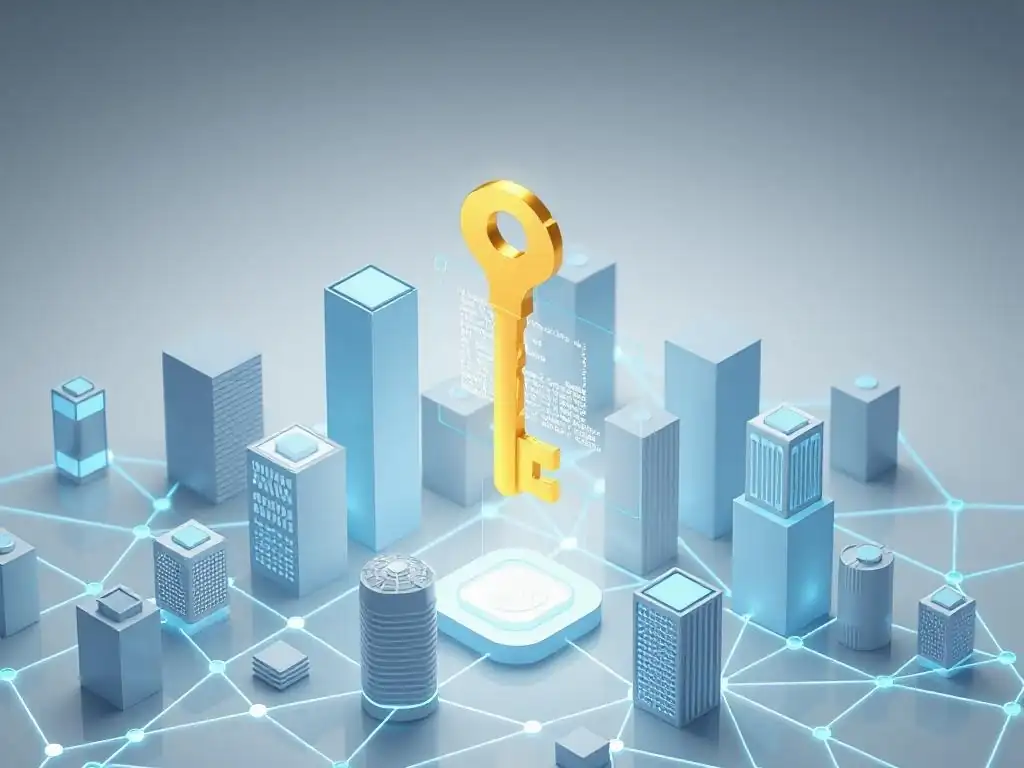
Regulatory Landscape and Legal Considerations for Smart Contracts
While blockchain real estate smart contracts offer numerous benefits, navigating the regulatory landscape and legal considerations is crucial for widespread adoption. The legal status of smart contracts and blockchain-based property ownership is still evolving in many jurisdictions. Regulations regarding digital assets, smart contracts, and online transactions are not yet uniformly established globally, creating uncertainty and potential legal challenges. For instance, the enforceability of smart contracts in court and the legal recognition of blockchain-based property titles are areas that require further clarification and legal frameworks.
Governments and regulatory bodies are beginning to address these issues, with some jurisdictions actively exploring and developing regulations for blockchain and smart contracts in real estate. However, a consistent and globally harmonized regulatory framework is still needed to provide clarity and legal certainty for blockchain real estate applications. Legal professionals and real estate stakeholders need to collaborate to address legal ambiguities, ensure compliance with existing regulations, and contribute to the development of appropriate legal frameworks that support the adoption of blockchain real estate smart contracts while protecting consumer rights and ensuring market integrity.
Scalability and Security Issues in Blockchain Real Estate Platforms
Scalability and security are critical considerations for the widespread adoption of blockchain real estate platforms. Scalability refers to the ability of a blockchain network to handle a large volume of transactions efficiently. As real estate markets are vast and involve a high volume of transactions, blockchain platforms need to be scalable to accommodate the demands of real-world real estate operations. While blockchain technology has made significant advancements, scalability remains a challenge for some platforms, particularly public blockchains.
Security is paramount in real estate transactions, given the high value of assets involved. Blockchain technology is inherently secure due to its cryptographic foundations and decentralized nature. However, vulnerabilities can arise in smart contract code or platform infrastructure.
Rigorous security audits and best practices in smart contract development are essential to mitigate security risks and ensure the integrity of blockchain real estate platforms. Furthermore, choosing appropriate blockchain platforms with robust security features and proven track records is crucial for building secure and reliable real estate solutions. Addressing scalability and security concerns is vital for building trust and confidence in blockchain real estate platforms for mainstream adoption.
Addressing Concerns about Data Privacy and Smart Contract Audits
Data privacy and smart contract audits are important concerns that need to be addressed to ensure responsible and secure implementation of blockchain real estate. Blockchain's transparency means that transaction data is publicly accessible on the ledger. While this transparency enhances accountability, it also raises concerns about data privacy, particularly regarding sensitive personal and financial information. Privacy-enhancing technologies, such as zero-knowledge proofs and homomorphic encryption, are being explored to address data privacy concerns in blockchain applications, allowing for secure and private transactions while leveraging the benefits of blockchain.
Smart contract audits are crucial for ensuring the security and reliability of smart contracts. Smart contracts are code, and like any software, they can contain vulnerabilities or bugs. Independent security audits by reputable firms are essential to identify and rectify potential vulnerabilities in smart contracts before deployment. Audits help ensure that smart contracts function as intended, are free from security flaws, and do not pose risks to users or assets. Addressing data privacy concerns and conducting thorough smart contract audits are vital steps towards building secure, trustworthy, and privacy-preserving blockchain real estate solutions.
The Future of Real Estate: Blockchain and Smart Contracts
Predictions for the Adoption of Blockchain Technology in Real Estate
The adoption of blockchain technology in real estate is predicted to grow significantly in the coming years, driven by the increasing recognition of its potential to address industry inefficiencies and enhance transparency. While widespread adoption is still in its early stages, industry experts anticipate a gradual but steady integration of blockchain into various aspects of real estate, from property transactions and management to investment and financing. Predictions suggest that blockchain could become mainstream in real estate within the next 5 to 10 years, as regulatory frameworks become clearer, technology matures, and industry stakeholders increasingly recognize the benefits.
Early adoption is likely to be seen in areas where blockchain offers the most immediate and tangible benefits, such as land registry systems, property tokenization platforms, and streamlined transaction processes. As successful use cases emerge and demonstrate the value proposition of blockchain, adoption is expected to accelerate across the broader real estate industry. The future of real estate is increasingly intertwined with blockchain technology, with the potential to fundamentally reshape how property is bought, sold, managed, and invested in, leading to a more efficient, transparent, and accessible real estate market.
The Impact of Smart Contracts on Real Estate Professionals
The rise of smart contracts in real estate will undoubtedly impact the roles and responsibilities of real estate professionals. While some may perceive smart contracts as a threat to traditional intermediaries, the reality is more nuanced. Smart contracts are likely to automate certain tasks currently performed by real estate agents, brokers, lawyers, and notaries, particularly those that are routine and transactional in nature. However, this automation will also free up professionals to focus on higher-value activities that require human expertise and judgment.
Real estate professionals will need to adapt to the changing landscape by acquiring new skills and knowledge related to blockchain and smart contracts. They will play a crucial role in guiding clients through blockchain-based real estate transactions, providing advisory services, and navigating the evolving regulatory environment.
The focus will shift towards roles that require strategic thinking, client relationship management, and expertise in complex real estate matters. Smart contracts will not replace real estate professionals entirely but will rather transform their roles, empowering them to be more efficient, effective, and focused on delivering greater value to their clients in a blockchain-enabled real estate market.
Blockchain Real Estate: Towards a More Efficient and Transparent Market
The ultimate vision of blockchain real estate is to create a more efficient and transparent market that benefits all stakeholders. Blockchain and smart contracts have the potential to address many of the inefficiencies, costs, and opacity that currently characterize traditional real estate systems. By streamlining transactions, reducing intermediaries, enhancing security, and increasing transparency, blockchain can create a more level playing field for buyers, sellers, investors, and property managers. A blockchain-powered real estate market can lead to faster transactions, lower costs, reduced fraud, and greater accessibility to real estate investment opportunities.
The move towards a more efficient and transparent market is not just about technological advancements; it's about creating a fairer and more equitable real estate ecosystem. Blockchain can empower individuals by giving them greater control over their property assets, reducing reliance on intermediaries, and increasing access to global real estate markets.
As blockchain technology matures and adoption expands, the real estate industry is poised for a significant transformation, moving towards a future where property transactions are simpler, more secure, and more transparent for everyone involved. Blockchain real estate smart contracts are at the forefront of this revolution, paving the way for a reimagined and improved real estate landscape.
Real-World Examples of Blockchain Real Estate Projects
Case Study 1: Propy's Transaction Platform
Propy is a notable example of a company leveraging blockchain to streamline real estate transactions. Propy has developed a platform that facilitates online real estate transactions using blockchain technology. Their platform allows users to conduct property transactions entirely online, from listing and offer acceptance to closing and title transfer, using blockchain to secure and record all transaction details. Propy has successfully facilitated real estate transactions in various countries, demonstrating the practical application of blockchain in simplifying and accelerating property deals.
One of Propy's key features is its focus on international real estate transactions. Cross-border property deals are often particularly complex and time-consuming due to differing legal and regulatory frameworks. Propy's platform aims to simplify these transactions by providing a unified and transparent platform for international buyers and sellers.
They have also partnered with governments and land registries to explore the use of blockchain for land title recording, further demonstrating their commitment to real-world adoption and integration of blockchain into the real estate industry. Propy serves as a tangible example of how blockchain technology is being used to create more efficient and accessible real estate transaction platforms.
Case Study 2: Atlant's Fractional Ownership Model
Atlant is another pioneering project in the blockchain real estate space, focusing on fractional ownership of real estate assets. Atlant developed a platform that allows for the tokenization of real estate, enabling fractional ownership and peer-to-peer property rentals. Their platform facilitates the creation and trading of real estate tokens, representing fractional ownership shares in properties. This model opens up real estate investment to a wider range of investors, allowing them to invest in smaller increments and diversify their portfolios.
Atlant's platform also includes a decentralized rental marketplace, connecting property owners and tenants directly, reducing reliance on traditional intermediaries. By using blockchain and smart contracts, Atlant aims to create a more liquid and accessible real estate market. While Atlant faced regulatory challenges and operational shifts, their initial vision and platform demonstrated the potential of blockchain for fractional real estate ownership and decentralized property management. Atlant's case highlights the innovative approaches being explored to leverage blockchain for creating new investment models and enhancing liquidity in the real estate sector through tokenization and smart contract applications.
Conclusion: Embracing the Future of Property Transactions with Blockchain
The Transformative Power of Blockchain Real Estate Smart Contracts
Blockchain real estate smart contracts hold immense transformative power for the future of property transactions. They offer a compelling solution to many of the long-standing challenges in the real estate industry, promising greater efficiency, transparency, security, and accessibility. By automating processes, reducing intermediaries, and enhancing data integrity, blockchain smart contracts are poised to revolutionize how property is bought, sold, managed, and invested in. The potential benefits extend to all stakeholders, from individual homebuyers and sellers to large-scale investors and property management companies.
The shift towards blockchain-based real estate is not merely a technological upgrade; it represents a fundamental shift in how the industry operates. It is a move towards a more decentralized, democratic, and user-centric real estate ecosystem. The transformative power of blockchain real estate smart contracts lies in their ability to create a more efficient, transparent, and equitable market, ultimately benefiting both industry participants and the broader economy. Embracing this technological innovation is crucial for the real estate industry to modernize and meet the demands of the digital age.
The Next Steps for the Real Estate Industry in Adopting Blockchain Technology
For the real estate industry to fully embrace the potential of blockchain technology, several key steps are necessary. Firstly, education and awareness are paramount. Industry stakeholders, including real estate professionals, regulators, and consumers, need to understand the benefits and implications of blockchain and smart contracts in real estate. Increased education and awareness will foster greater acceptance and adoption of these technologies. Secondly, collaboration and standardization are crucial. Industry players need to work together to develop industry standards and best practices for blockchain implementation in real estate, ensuring interoperability and seamless integration across different platforms and systems.
Thirdly, regulatory clarity is essential. Governments and regulatory bodies need to provide clear and supportive regulatory frameworks for blockchain and smart contracts in real estate, addressing legal ambiguities and fostering a conducive environment for innovation. Finally, pilot projects and real-world implementations are vital to demonstrate the practical benefits of blockchain and smart contracts in real estate.
Successful pilot projects will build confidence, attract investment, and pave the way for wider adoption. By taking these steps, the real estate industry can effectively navigate the transition towards a blockchain-enabled future, unlocking the transformative potential of blockchain real estate smart contracts and creating a more efficient and transparent property market for all.
Frequently Asked Questions
How do blockchain-based smart contracts simplify real estate transactions?
Smart contracts automate many steps, reducing the need for intermediaries like lawyers and escrow companies. This speeds up the process and can significantly lower transaction costs.
What are some potential benefits of using smart contracts in real estate?
Benefits include increased transparency, as all contract terms are publicly recorded on the blockchain. They also offer enhanced security, making transactions less vulnerable to fraud and tampering. Furthermore, they enable faster settlements.
What are the main challenges to widespread adoption of blockchain real estate smart contracts?
Challenges include the lack of regulatory clarity around smart contracts in many jurisdictions. There's also a need for industry-wide standards and user education to overcome skepticism and build trust.
How do smart contracts impact the role of traditional real estate professionals?
Smart contracts may reduce the need for some traditional services, but real estate professionals can adapt by offering specialized expertise. This might involve managing smart contract implementation or providing consultation on decentralized finance (DeFi) options.
What is the future outlook for blockchain real estate smart contracts?
The future looks promising, with increasing interest in tokenized real estate assets and decentralized property management platforms. As regulations become clearer and technology matures, expect wider adoption and integration of blockchain in the real estate sector.
Final Reflection: Embracing the Future of Property Ownership
The insights explored throughout this article highlight a pivotal shift in real estate, driven by the transformative power of blockchain real estate smart contracts. The potential to streamline transactions, enhance transparency, and reduce costs is no longer a futuristic fantasy but a tangible reality reshaping how we interact with property ownership today. The implications are profound, promising a more accessible and efficient real estate market for all.
This technological evolution is not just about faster deals; it's about fundamentally altering the power dynamics within the industry. The democratization of real estate through blockchain and smart contracts is a movement that resonates deeply, offering a glimpse into a future where ownership is more equitable and accessible. The future is already here – it's just not evenly distributed.
- William Gibson. This quote encapsulates the current state of blockchain real estate; while still nascent, its potential to revolutionize the industry is undeniable, and its wider adoption will be crucial for a truly equitable future.
As we stand on the cusp of this new era, it's crucial to consider how we can contribute to its responsible and equitable development. Let us embrace the possibilities that blockchain real estate smart contracts offer, not just as technological advancements, but as tools to build a more transparent, efficient, and accessible future for property ownership. Reflect on how you can become an informed participant in this revolution, whether as an investor, a developer, or simply a curious observer, and contribute to shaping a future where real estate truly serves the needs of all.
Unlock Your Property Potential: Step into the Future of Real Estate!
Thank you for exploring how smart contracts are revolutionizing property transactions. Now that you've seen the potential, it's time to take the next step and be a part of this exciting transformation.
Here's how you can get started:
- Learn from Real-World Examples: Discover how smart contracts are currently being used in property transactions to understand their practical benefits and implementation. This is the most impactful step you can take to grasp the power of blockchain in real estate.
- Join the Conversation: Share this article with your network on social media and spark a discussion about the future of property ownership. Let's spread awareness!
- Unearth Local Opportunities: Research local real estate companies or blockchain startups that are experimenting with smart contracts. You might be surprised at what you find!
Ready to explore the game-changing potential of smart contracts in your own property ventures? What innovative applications do you envision for this technology? Share your thoughts in the comments below!
Leave a Reply