
Sidechains and Blockchain Architecture: Expanding Functionality and Interoperability


Welcome to Blockchain Trends, your trusted source for in-depth analysis of blockchain's evolving landscape. Forget just cryptocurrencies; we're diving into DeFi, enterprise solutions, and the regulatory frameworks shaping the future of decentralized systems. Ever wondered about the secrets to unlocking greater scalability and interoperability within blockchain networks? Our latest deep dive explores the fascinating world of blockchain sidechain architecture benefits. Discover how these innovative solutions are revolutionizing the way we think about blockchain functionality and opening doors to unprecedented possibilities. Ready to expand your understanding? Let's begin...
Sidechains and Blockchain Architecture: Expanding Functionality and Interoperability
- Understanding Blockchain Sidechains: An Introduction to Scalability Solutions
- Core Components of Blockchain Sidechain Architecture
- Exploring Blockchain Sidechain Architecture Benefits
- Use Cases of Sidechain Technology: Real-World Applications
- Interoperability and Cross-Chain Communication
- Security Considerations and Potential Risks of Sidechains
- The Future of Blockchain Architecture: Sidechains and Beyond
-
Frequently Asked Questions
- What are blockchain sidechains, and how do they relate to the main blockchain?
- What are the key benefits of using a sidechain architecture?
- How does a two-way peg work between a main chain and a sidechain?
- What are some real-world examples of blockchain sidechain applications?
- What are some potential challenges associated with implementing and managing blockchain sidechains?
- Final Reflection: Embracing the Decentralized Future
- Uncover New Possibilities: Take Your Blockchain Journey Further!
Understanding Blockchain Sidechains: An Introduction to Scalability Solutions
What are Sidechains? Defining Sidechain Technology
Sidechains represent a pivotal innovation in blockchain architecture, designed to extend the capabilities of a main blockchain, often referred to as the 'mainchain' or 'parent chain'. In essence, a sidechain is a separate blockchain that runs parallel to the mainchain and is linked to it through a two-way peg.
This peg mechanism allows for the transfer of assets between the mainchain and the sidechain, effectively enabling the extension of the mainchain's functionality without directly altering its core structure. Sidechains operate independently, often with their own consensus mechanisms, block sizes, and governance rules, offering a high degree of customization and flexibility.
The concept of sidechains emerged as a response to the inherent scalability limitations of many first-generation blockchains. Imagine a bustling city center (the mainchain) facing traffic congestion. Sidechains are like building new highway bypasses that divert traffic, relieving the main roads. By offloading specific types of transactions or functionalities to these parallel chains, the mainchain can maintain its security and stability while sidechains handle specialized or high-volume operations. This modular approach allows for innovation and experimentation without risking the integrity of the primary blockchain network.
The Need for Scalability: Limitations of Main Blockchain Networks
The initial promise of blockchain technology was to revolutionize various sectors through decentralization and enhanced security. However, as blockchain adoption grew, limitations in scalability became increasingly apparent, particularly for networks like Bitcoin and Ethereum in their early stages. These main blockchain networks, while robust and secure, were not originally designed to handle the transaction volumes required for mass adoption. For instance, Bitcoin's network historically processes around 7 transactions per second (TPS), while Ethereum, in its pre-Proof-of-Stake era, hovered around 15-25 TPS.
These throughput limitations lead to network congestion, especially during periods of high demand. This congestion manifests as slower transaction confirmation times and significantly higher transaction fees. Users might experience delays in getting their transactions processed, and the cost of transacting on the mainchain can become prohibitive for smaller transactions or high-frequency applications.
This scalability bottleneck hinders the broader adoption of blockchain technology, particularly for use cases requiring fast and cost-effective transactions, such as retail payments, high-frequency trading, or decentralized social media platforms. The need for scalable solutions became a driving force behind the development of technologies like sidechains and layer-2 solutions.
Sidechains vs. Layer-2 Solutions: A Comparative Overview
Both sidechains and layer-2 solutions are designed to address blockchain scalability issues, but they operate with distinct architectural approaches. Layer-2 solutions are built on top of the mainchain, meaning they inherit the security of the mainchain directly. Examples of layer-2 solutions include payment channels, rollups (like Optimistic Rollups and ZK-Rollups), and state channels. These solutions typically process transactions off-chain but periodically anchor or submit summarized transaction data back to the mainchain for security and finality. Think of layer-2 as express lanes on the existing highway, still part of the main road but optimized for faster flow.
In contrast, sidechains are independent blockchains that run parallel to the mainchain. They have their own consensus mechanisms and security models, and while they are linked to the mainchain via a two-way peg, they do not directly inherit the mainchain's security. Sidechains offer greater flexibility in terms of customization, allowing for different consensus algorithms, virtual machines, and privacy features compared to the mainchain.
However, this independence also means they bear the responsibility for their own security. Choosing between sidechains and layer-2 solutions often depends on the specific application requirements, with layer-2 generally favored for applications prioritizing maximum security inherited from the mainchain and sidechains preferred for applications needing greater customization and potentially higher scalability at the cost of managing their own security.
Core Components of Blockchain Sidechain Architecture
Two-Way Pegs: Enabling Asset Transfers Between Chains
At the heart of sidechain architecture lies the two-way peg, a mechanism that enables the seamless and secure transfer of assets between the mainchain and the sidechain. This peg is crucial for sidechain functionality, as it allows users to move value from the mainchain to the sidechain to take advantage of the sidechain's features, and then return those assets back to the mainchain when needed. The most common type of two-way peg is a pegged token system.
In a simplified example using Bitcoin as the mainchain, to move Bitcoin to a sidechain, a user would effectively 'lock up' their Bitcoin on the mainchain in a designated address controlled by a smart contract or a multi-signature setup. Once the locking transaction is confirmed on the mainchain, an equivalent amount of 'pegged Bitcoin' (often represented as a new token on the sidechain) is created on the sidechain and credited to the user's address there.
To move assets back to the mainchain, the process is reversed: the pegged Bitcoin is 'burned' or destroyed on the sidechain, and the original Bitcoin is unlocked and released back to the user on the mainchain. The security and efficiency of the two-way peg mechanism are paramount to the overall integrity and usability of the sidechain architecture.
Consensus Mechanisms in Sidechains: Exploring Different Options (e.g., Proof-of-Stake, Delegated Proof-of-Stake)
Sidechains, being independent blockchains, have the flexibility to implement consensus mechanisms that differ from their mainchain counterparts. While mainchains like Bitcoin originally utilized Proof-of-Work (PoW), sidechains can opt for more energy-efficient and potentially faster consensus algorithms such as Proof-of-Stake (PoS) or Delegated Proof-of-Stake (DPoS). The choice of consensus mechanism significantly impacts the sidechain's performance, security, and decentralization characteristics.
Proof-of-Stake, for example, relies on validators locking up a certain amount of the sidechain's native token to participate in block production and transaction validation. This eliminates the need for energy-intensive mining hardware associated with PoW, potentially leading to faster block times and lower transaction fees. Delegated Proof-of-Stake takes this further by allowing token holders to delegate their staking power to a smaller set of elected validators, further enhancing transaction throughput and efficiency.
RSK, a Bitcoin sidechain, initially used a hybrid consensus model combining PoW and a federation before transitioning towards a PoW-based consensus merged-mined with Bitcoin, demonstrating the evolution and adaptability of consensus mechanisms in sidechain architectures. The selection of a consensus mechanism is a critical design decision for each sidechain, tailored to its specific use case and performance requirements.
Sidechain Security Models: Considerations for Maintaining Integrity
Security is a paramount concern for any blockchain, and sidechains are no exception. While sidechains aim to enhance scalability and functionality, they must also maintain a robust security model to protect against attacks and ensure the integrity of the network and user assets. Unlike layer-2 solutions which often inherit security from the mainchain, sidechains are responsible for establishing their own security framework. This often involves careful consideration of the consensus mechanism, the number and distribution of validators or block producers, and the overall network architecture.
One common approach is to use a federated security model, where a pre-selected group of validators, often reputable entities within the blockchain ecosystem, are responsible for securing the sidechain. This model can offer a balance between security and efficiency, but it also introduces a degree of centralization compared to a fully permissionless system. Another approach is to implement a merged mining scheme, as seen in RSK, where sidechain blocks are validated by miners also mining on the mainchain.
This leverages the security of the mainchain's mining infrastructure to bolster the sidechain's security. Regardless of the chosen security model, rigorous testing, security audits, and ongoing monitoring are crucial to identify and mitigate potential vulnerabilities in sidechain architecture, ensuring the trustworthiness and reliability of these scaling solutions.
Exploring Blockchain Sidechain Architecture Benefits
Enhanced Scalability: Increasing Transaction Throughput
One of the primary benefits of blockchain sidechain architecture is enhanced scalability. By offloading transaction processing from the mainchain to a dedicated sidechain, the overall transaction throughput of the combined system can be significantly increased. Sidechains can be designed with parameters optimized for high transaction volumes, such as smaller block times and larger block sizes, allowing them to process a greater number of transactions per second compared to the mainchain. This is particularly beneficial for applications requiring high transaction throughput, such as payment systems, decentralized exchanges, or gaming platforms.
For example, consider a decentralized application (dApp) built on Ethereum facing scalability bottlenecks. By migrating a portion of its operations or transaction processing to an Ethereum sidechain, the dApp can overcome these limitations and handle a larger user base and transaction volume. Liquid Network, a Bitcoin sidechain focused on fast and confidential Bitcoin transactions, demonstrates this benefit by enabling significantly faster transaction confirmations and higher throughput compared to the Bitcoin mainchain. This ability to scale transaction processing is a core blockchain sidechain architecture benefit, addressing a critical challenge for wider blockchain adoption.
Improved Transaction Speed: Faster Confirmation Times
Beyond increasing throughput, blockchain sidechain architecture also leads to improved transaction speed and faster confirmation times. Mainchain networks, especially during peak periods, can experience delays in transaction confirmations due to network congestion. Sidechains, with their optimized parameters and potentially different consensus mechanisms, can offer substantially faster transaction confirmation times. This is crucial for applications where speed is paramount, such as point-of-sale systems, real-time trading platforms, or any scenario requiring near-instant transaction finality.
For instance, while Bitcoin mainchain transaction confirmations can take upwards of 10 minutes on average, sidechains like Liquid Network boast block times of just one minute, resulting in significantly faster transaction confirmations. This speed advantage is a direct result of the design flexibility inherent in blockchain sidechain architecture, allowing for the tailoring of parameters to prioritize transaction speed. Faster confirmation times, a key blockchain sidechain architecture benefit, enhance user experience and enable a wider range of time-sensitive applications to be built on blockchain technology.
Customization and Flexibility: Tailoring Sidechains to Specific Use Cases
Blockchain sidechain architecture provides a high degree of customization and flexibility, allowing developers to tailor sidechains to specific use cases and application requirements. Unlike modifying the mainchain itself, which is a complex and often contentious process, creating a sidechain allows for experimentation and innovation without disrupting the mainchain's stability and core functionality. Sidechains can be customized in various aspects, including consensus mechanisms, virtual machines, privacy features, tokenomics, and governance models.
This flexibility is a significant blockchain sidechain architecture benefit, enabling the creation of specialized blockchains optimized for particular industries or applications. For example, a sidechain designed for supply chain management might prioritize privacy features and permissioned access, while a sidechain for gaming might focus on high throughput and low transaction fees. This ability to create purpose-built sidechains fosters innovation and allows blockchain technology to be adapted and optimized for a diverse range of use cases, expanding its applicability beyond the limitations of a single, monolithic mainchain.
Reduced Congestion on the Main Chain: Offloading Transaction Volume
Another significant blockchain sidechain architecture benefit is the reduction of congestion on the mainchain. By diverting a portion of transaction volume to sidechains, the mainchain experiences less load, leading to improved performance and lower transaction fees for activities that remain on the mainchain. This offloading effect is crucial for maintaining the efficiency and usability of the mainchain, particularly as blockchain adoption grows and transaction volumes increase.
Consider the Ethereum mainchain, which has experienced periods of high congestion due to the popularity of DeFi and NFTs. By migrating certain types of applications or assets to Ethereum sidechains, a portion of the transaction load can be removed from the mainchain. This reduced congestion on the mainchain translates to faster transaction processing and lower gas fees for users interacting directly with the main Ethereum network. This decongestion effect is a vital blockchain sidechain architecture benefit, ensuring the continued functionality and accessibility of the mainchain even as the broader blockchain ecosystem expands and diversifies.
Use Cases of Sidechain Technology: Real-World Applications
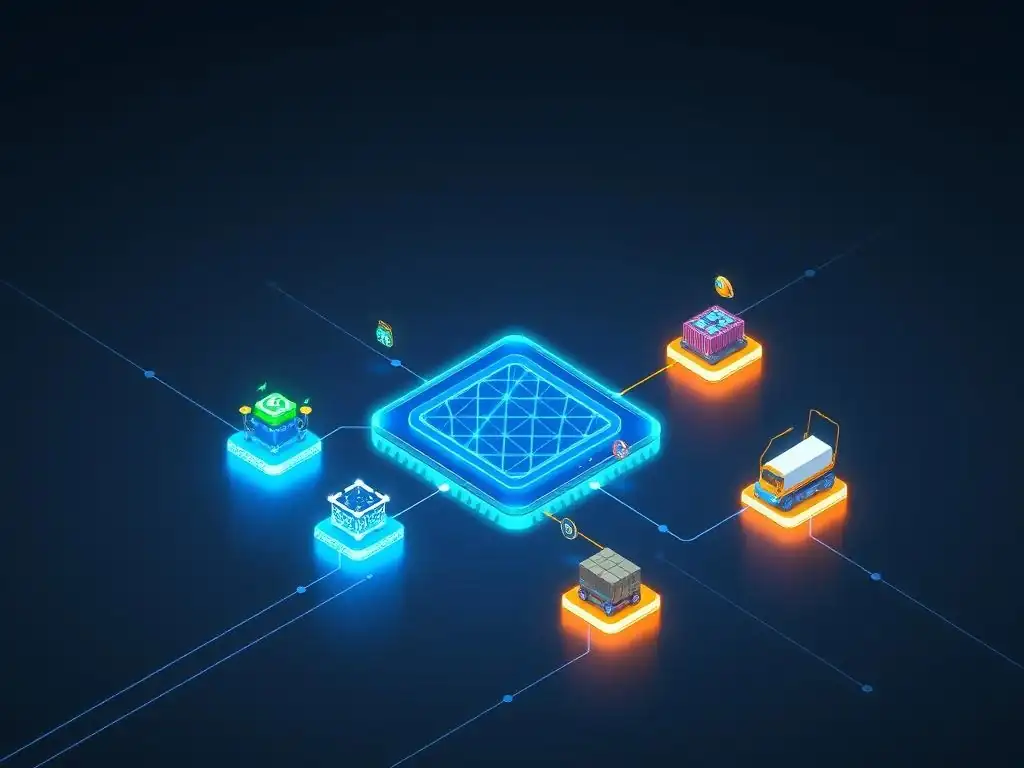
Sidechains in Decentralized Finance (DeFi): RSK, Liquid Network
Sidechains are finding significant traction in Decentralized Finance (DeFi), offering solutions to scalability and cost challenges within this rapidly evolving sector. RSK (Rootstock) is a prominent example, functioning as a Bitcoin sidechain that brings smart contract capabilities and faster transaction speeds to the Bitcoin ecosystem. RSK allows for the creation of Bitcoin-backed DeFi applications, leveraging Bitcoin's security while overcoming its limitations in smart contract functionality and transaction throughput. It enables use cases like Bitcoin-collateralized lending, decentralized exchanges for Bitcoin-based assets, and other DeFi protocols built on a robust and established blockchain.
Liquid Network, another notable Bitcoin sidechain, is focused on facilitating faster and more confidential Bitcoin transactions for traders and exchanges. Liquid offers features like confidential transactions and issued assets, making it suitable for applications requiring privacy and efficient asset transfers within the Bitcoin ecosystem. These examples demonstrate how blockchain sidechain architecture benefits DeFi by providing scalable and feature-rich environments for building and deploying decentralized financial applications, expanding the reach and functionality of mainchain assets like Bitcoin in the DeFi space.
Enterprise Blockchain Solutions: Streamlining Business Processes
Enterprises are increasingly exploring blockchain technology to streamline business processes and enhance efficiency, and sidechains offer a compelling solution for enterprise blockchain deployments. The customization and flexibility of sidechains allow businesses to create permissioned or private blockchain environments tailored to their specific needs, while still potentially benefiting from interoperability with public mainchains. Enterprises can utilize sidechains to build applications for supply chain tracking, digital identity management, secure data sharing, and various other business-critical functions.
For instance, a consortium of companies in the logistics industry could deploy a sidechain to track goods across their supply chain, ensuring transparency and efficiency while maintaining data privacy within the consortium. Sidechains can be designed with specific access controls, privacy features, and consensus mechanisms suitable for enterprise environments, addressing concerns around data security and regulatory compliance. This adaptability makes blockchain sidechain architecture a valuable tool for enterprises seeking to leverage blockchain technology to optimize their operations and gain a competitive advantage.
Gaming and NFTs: Enhancing User Experience and Functionality
The gaming and Non-Fungible Token (NFT) spaces are also benefiting from blockchain sidechain architecture. These applications often require high transaction throughput, low transaction fees, and fast confirmation times to provide a seamless user experience. Mainchain networks can become congested and expensive for the microtransactions and frequent interactions common in gaming and NFT platforms. Sidechains offer a solution by providing scalable and cost-effective environments for these applications.
For example, a blockchain-based game could utilize a sidechain to handle in-game asset transactions, player interactions, and reward distribution. This allows for a smooth and responsive gaming experience without being hindered by mainchain limitations. Similarly, NFT marketplaces or platforms can leverage sidechains to facilitate faster and cheaper NFT minting, trading, and transfers. By addressing scalability and cost issues, blockchain sidechain architecture enables more engaging and functional gaming and NFT experiences, fostering wider adoption and innovation in these rapidly growing sectors.
Interoperability and Cross-Chain Communication
Bridging the Gap: Enabling Seamless Asset Transfers
Interoperability is a critical aspect of the blockchain ecosystem, and sidechains play a key role in bridging the gap between different blockchain networks. By design, sidechains are connected to a mainchain through a two-way peg, enabling the transfer of assets between them. This concept of asset transfer can be extended to facilitate interoperability between different sidechains and even between sidechains and other independent blockchains. Achieving seamless asset transfers across different chains is crucial for realizing the vision of a truly interconnected and collaborative blockchain ecosystem.
Sidechains can act as bridges, allowing value and data to flow more freely between otherwise isolated blockchain networks. This cross-chain communication opens up new possibilities for decentralized applications, enabling them to leverage the unique features and functionalities of different blockchains. For example, a DeFi application could potentially operate across multiple chains, utilizing a sidechain to bridge assets from one blockchain to another and access a wider range of liquidity and functionalities. Enhancing cross-chain interoperability is a key focus in the blockchain space, and sidechains are a vital component in building a more connected and unified blockchain ecosystem.
Atomic Swaps: Facilitating Decentralized Exchange
Atomic swaps are a specific application of cross-chain communication that can be facilitated by sidechain architecture. An atomic swap allows for the direct exchange of cryptocurrencies between two different blockchains without the need for a centralized intermediary or exchange. This decentralized exchange mechanism enhances security and reduces counterparty risk compared to traditional centralized exchanges.
While atomic swaps can be complex to implement directly between mainchains, sidechains can provide a more flexible and efficient environment for facilitating these swaps. By leveraging sidechain technology, developers can create decentralized exchange platforms that enable users to trade assets across different blockchains in a trustless and secure manner. Atomic swaps are a powerful tool for enhancing decentralization and interoperability in the cryptocurrency space, and sidechains can play a crucial role in making these swaps more accessible and practical.
The Future of Cross-Chain Interoperability: LayerZero, Cosmos IBC
The future of cross-chain interoperability is being shaped by innovative projects and protocols that aim to further enhance communication and asset transfers between blockchains. LayerZero is an omnichain interoperability protocol designed to enable lightweight messaging and seamless value transfer across different chains. LayerZero focuses on security and efficiency, aiming to provide a robust foundation for cross-chain applications and interactions.
Cosmos Inter-Blockchain Communication (IBC) protocol is another significant development in cross-chain interoperability. IBC provides a standardized protocol for secure and reliable communication between independent blockchains within the Cosmos ecosystem. IBC enables not only asset transfers but also the exchange of data and functionalities between connected blockchains, fostering a more interconnected and collaborative blockchain environment. These advancements, alongside sidechain technology, are paving the way for a future where blockchains are seamlessly interconnected, enabling a wider range of cross-chain applications and unlocking the full potential of a decentralized web.
Security Considerations and Potential Risks of Sidechains
Centralization Risks: The Importance of Decentralized Sidechain Governance
While sidechains offer numerous benefits, they also introduce certain security considerations and potential risks that must be carefully addressed. One key risk is the potential for centralization, particularly in the governance and operation of sidechains. If a sidechain is controlled by a small number of entities or relies on a centralized federation for validation, it may be vulnerable to censorship, manipulation, or single points of failure.
Decentralized sidechain governance is crucial to mitigate these risks. Implementing mechanisms for community participation in decision-making, ensuring a diverse and geographically distributed set of validators, and promoting transparency in sidechain operations are all important steps towards enhancing decentralization. The level of decentralization in a sidechain directly impacts its security and resilience, and careful consideration must be given to governance models to minimize centralization risks and ensure the long-term integrity of the sidechain.
Bridge Vulnerabilities: Protecting Against Exploits
The two-way peg mechanism that connects sidechains to mainchains, often referred to as a "bridge," is a critical component and also a potential point of vulnerability. Bridges can be complex systems involving smart contracts or multi-signature setups, and if not designed and implemented securely, they can be susceptible to exploits. History has shown several instances of bridge exploits in the blockchain space, resulting in significant financial losses.
Protecting against bridge vulnerabilities requires rigorous security audits of bridge smart contracts, robust monitoring of bridge operations, and the implementation of security best practices in bridge design. Using decentralized and multi-signature approaches for bridge custody, employing secure communication protocols, and implementing redundancy measures are all important considerations for mitigating bridge risks. Securing the bridge is paramount to ensuring the safety of assets transferred between the mainchain and the sidechain and maintaining the overall security of the sidechain architecture.
Smart Contract Security Audits: Ensuring Code Integrity
Sidechains often utilize smart contracts to implement various functionalities, including the two-way peg mechanism, consensus rules, and decentralized applications built on the sidechain. Smart contracts, while powerful, can also introduce security vulnerabilities if their code contains bugs or flaws. Exploiting vulnerabilities in smart contracts can lead to unauthorized access, asset theft, or disruption of sidechain operations.
Therefore, smart contract security audits are essential for sidechains. Independent security experts should thoroughly review and audit the smart contract code to identify and mitigate potential vulnerabilities before deployment. Regular audits and ongoing monitoring of smart contracts are crucial to ensure code integrity and protect against exploits throughout the lifecycle of the sidechain. Prioritizing smart contract security is a fundamental aspect of maintaining the overall security and trustworthiness of blockchain sidechain architecture.
The Future of Blockchain Architecture: Sidechains and Beyond
Sidechains as a Cornerstone of Blockchain Evolution
Sidechains have emerged as a cornerstone of blockchain evolution, providing a crucial scaling solution and expanding the functionality of mainchain networks. As blockchain technology continues to mature and adoption increases, the limitations of monolithic mainchains become more pronounced. Sidechains offer a modular and adaptable approach to scaling and innovation, allowing the blockchain ecosystem to evolve and meet the demands of a wider range of applications and use cases.
The ability to create specialized sidechains tailored to specific needs, while still maintaining interoperability with mainchains, is a powerful paradigm shift in blockchain architecture. Sidechains are not just a temporary fix for scalability issues; they represent a fundamental architectural pattern that enables greater flexibility, customization, and innovation within the blockchain space. Their continued development and adoption are essential for realizing the full potential of blockchain technology and building a truly scalable and interconnected decentralized web.
Exploring Future Innovations in Sidechain Technology
The field of sidechain technology is continuously evolving, with ongoing research and development focused on further enhancing their capabilities and addressing remaining challenges. Future innovations in sidechain technology may include advancements in two-way peg mechanisms, making them more efficient and secure. Research into more robust and decentralized consensus mechanisms for sidechains is also ongoing, aiming to further reduce centralization risks and improve security.
Developments in cross-chain communication protocols will further enhance the interoperability of sidechains with other blockchains, enabling more seamless asset transfers and cross-chain applications. Exploring the integration of privacy-enhancing technologies into sidechains is another area of focus, aiming to address privacy concerns and enable confidential transactions within sidechain environments. These ongoing innovations promise to further strengthen the role of sidechains in the blockchain ecosystem and unlock new possibilities for their application.
The Impact of Sidechains on the Broader Blockchain Ecosystem
The widespread adoption of sidechains is poised to have a significant impact on the broader blockchain ecosystem. By providing scalable and customizable solutions, sidechains can facilitate the mainstream adoption of blockchain technology across various industries and use cases. They can enable the development of more complex and feature-rich decentralized applications, overcoming the limitations of mainchain networks.
Sidechains can also foster greater specialization and diversity within the blockchain ecosystem, allowing for the emergence of purpose-built blockchains optimized for specific applications. This specialization can lead to greater efficiency and innovation, as developers can choose the blockchain architecture best suited for their needs. Ultimately, the impact of sidechains will be to create a more scalable, interoperable, and versatile blockchain ecosystem, paving the way for wider adoption and the realization of blockchain's transformative potential.
Frequently Asked Questions
What are blockchain sidechains, and how do they relate to the main blockchain?
Sidechains are independent blockchains that run parallel to a main blockchain. They enable increased scalability and allow for testing new features without impacting the main chain's stability. They are typically connected to the main chain via a two-way peg.
What are the key benefits of using a sidechain architecture?
Sidechain architecture benefits include enhanced scalability by offloading transactions from the main chain, enabling the testing of new features and innovations in a controlled environment, and providing greater customization for specific applications.
How does a two-way peg work between a main chain and a sidechain?
A two-way peg allows assets to be transferred between the main chain and the sidechain. It typically involves locking assets on the main chain and creating a corresponding representation on the sidechain, enabling seamless asset transfer and interoperability.
What are some real-world examples of blockchain sidechain applications?
Examples include using sidechains for gaming platforms to handle high transaction volumes, supply chain management to improve efficiency, and DeFi applications to experiment with new financial instruments.
What are some potential challenges associated with implementing and managing blockchain sidechains?
Challenges include security risks associated with the two-way peg, complexity in development and maintenance, and the need for robust consensus mechanisms on the sidechain to prevent malicious activity.
Final Reflection: Embracing the Decentralized Future
The exploration of sidechains and their impact on blockchain architecture reveals a crucial truth: innovation thrives on interconnectedness. The benefits of blockchain sidechain architecture extend far beyond mere scalability; they represent a paradigm shift towards a more flexible, adaptable, and ultimately, user-centric decentralized ecosystem. Understanding these benefits is no longer a niche interest, but a necessity for anyone seeking to navigate the evolving landscape of Web3 and beyond.
The promise of seamless interoperability and specialized functionalities offered by sidechains has profoundly shaped the current blockchain landscape. The ability to experiment with new features and applications without jeopardizing the security of the main chain is a game-changer, fostering a culture of continuous improvement and adaptation. The future of blockchain is not about one chain to rule them all, but a constellation of interconnected chains working together.
This quote encapsulates the essence of the sidechain vision, highlighting the power of collaboration and specialization in building a robust and resilient decentralized future.
Now, consider the implications of this interconnectedness in your own life. How can you embrace the spirit of collaboration and innovation that sidechains embody? How can you leverage the power of decentralized technologies to build a more equitable and accessible future? The potential is limitless. Let us all strive to understand, contribute to, and ultimately, shape the future of blockchain architecture, ensuring that its benefits are realized by all.
Uncover New Possibilities: Take Your Blockchain Journey Further!
Thank you for diving into the world of sidechains and blockchain architecture with us. We hope you've gained a solid understanding of how these innovative solutions are expanding functionality and interoperability in the blockchain space. Now, let's put that knowledge into action!
Here are a few ways you can continue exploring the exciting potential of sidechains:
- Dive into a specific sidechain project: Research and select a sidechain like Polygon or Rootstock that interests you. Explore its documentation, understand its specific use case, and even experiment with its testnet to gain hands-on experience. This is the best way to truly grasp the practical implications.
- Discuss the future of interoperability: Engage with other blockchain enthusiasts! Share this article with your network and discuss how sidechains and other interoperability solutions might shape the future of the decentralized web.
- Consider the enterprise applications: Can sidechains improve your business processes or solve specific challenges related to data security and scalability? Explore potential use cases and discuss the possibilities with your team.
What innovative applications of sidechains are you most excited about seeing in the future? Share your thoughts in the comments below!
Leave a Reply