
DeFi Dashboard Explorers: Specialized Tools for Tracking Yield Farming & Staking


Welcome to Blockchain Trends, your go-to source for understanding the revolution unfolding beyond cryptocurrency headlines. Are you ready to dive deep into the world of Decentralized Finance (DeFi) and unlock its potential? This week, we're exploring a crucial element for navigating the DeFi landscape: DeFi yield farming tools. But with so many platforms and strategies, how can you effectively track your investments and optimize your returns? Discover how specialized DeFi dashboard explorers are changing the game, offering unparalleled insights and control. Curious to learn more? Let's get started!
- Introduction to DeFi Yield Farming Tools
- Top DeFi Dashboard Explorers for Yield Farming
- Comparing DeFi Yield Farming Tools
- Benefits of Using DeFi Dashboard Explorers
- Common Challenges in DeFi Yield Farming
- Conclusion: Choosing the Right DeFi Yield Farming Tools
-
Frequently Asked Questions
- What are DeFi dashboard explorers and why are they useful?
- How do DeFi dashboard explorers assist in managing risk in yield farming?
- What kind of information can I typically find on a DeFi dashboard explorer?
- Are there any free DeFi dashboard explorers available?
- What should I consider when choosing a DeFi dashboard explorer?
- Final Reflection: Navigating the Future of Finance
- Uncover Your DeFi Potential Today!
Introduction to DeFi Yield Farming Tools
What are DeFi Yield Farming Tools?
DeFi yield farming tools are specialized platforms designed to simplify and enhance participation in decentralized finance (DeFi) yield farming. These tools act as dashboards and explorers, providing users with a centralized interface to monitor, manage, and optimize their yield farming and staking activities across various DeFi protocols. In the complex landscape of DeFi, where opportunities and risks can change rapidly, these tools are essential for both novice and experienced users looking to navigate the space effectively. They aggregate data from multiple sources, offering a comprehensive view of users' portfolios, potential yields, and the overall health of their DeFi investments.
These tools go beyond simple tracking; they often incorporate advanced analytics and features that help users make informed decisions. For example, many DeFi yield farming tools display real-time data on annual percentage yields (APYs) and total value locked (TVL) in different farming pools. They may also offer features like impermanent loss calculators, portfolio rebalancing suggestions, and risk assessment metrics. By consolidating this information, these tools save users significant time and effort, allowing them to focus on strategic decision-making rather than manual data collection and analysis across disparate DeFi platforms.
Importance of Tracking Yield Farming & Staking
Tracking yield farming and staking activities is paramount for anyone participating in DeFi. Without proper tracking, it becomes incredibly challenging to understand the performance of your investments, optimize your strategies, and manage risk effectively. The DeFi space is characterized by its dynamism and volatility, with APYs fluctuating significantly and new opportunities emerging constantly. Manually tracking positions across multiple protocols, wallets, and blockchains is not only time-consuming but also prone to errors, potentially leading to missed opportunities or unnoticed losses.
Effective tracking provides a clear and concise overview of your DeFi portfolio's performance. This includes monitoring the returns generated from different yield farming pools, tracking the value of staked assets, and understanding the impact of impermanent loss. By visualizing this data, users can identify underperforming investments, reallocate capital to more profitable opportunities, and adjust their strategies based on real-time market conditions.
Furthermore, tracking tools often provide notifications and alerts about significant changes in APYs or potential risks, enabling proactive management and mitigating potential losses before they escalate. In essence, tracking tools transform the complex and often opaque world of DeFi into a more transparent and manageable landscape for users seeking to maximize their yield farming returns.
Overview of DeFi Dashboards and Explorers
DeFi dashboards and explorers are the user-friendly interfaces that empower individuals to navigate the intricate world of decentralized finance. These platforms are designed to aggregate and present complex DeFi data in an accessible and understandable format. They act as central hubs, pulling information from various blockchain networks, decentralized exchanges (DEXs), and lending protocols to provide users with a holistic view of the DeFi ecosystem and their own participation within it. Think of them as command centers for your DeFi activities, offering real-time insights and control over your investments.
These dashboards typically offer a range of features, including portfolio tracking, yield monitoring, transaction history, and analytics on different DeFi protocols. Explorers, on the other hand, often focus more on providing detailed information about specific DeFi projects, tokens, and smart contracts. However, the lines between dashboards and explorers are often blurred, with many platforms incorporating elements of both.
For users focused on yield farming and staking, these tools are indispensable for identifying lucrative opportunities, managing their positions across different protocols, and staying informed about the rapidly evolving DeFi landscape. They simplify the process of engaging with DeFi, making it more accessible to a wider audience and fostering greater participation in decentralized finance.
Top DeFi Dashboard Explorers for Yield Farming
1. Zapper: Comprehensive Portfolio Management
Zapper has emerged as a leading DeFi dashboard, renowned for its comprehensive portfolio management capabilities. It stands out by offering a unified interface that allows users to manage assets and interact with various DeFi protocols across multiple blockchains, including Ethereum, Polygon, Avalanche, Fantom, and Binance Smart Chain. Zapper's user-friendly design and extensive feature set make it a popular choice for both beginners and experienced DeFi users looking for an all-in-one platform to manage their yield farming and staking activities. Its focus on simplifying complex DeFi interactions has contributed significantly to its widespread adoption within the community.
Key Features of Zapper
Zapper boasts a wide array of features designed to streamline the DeFi experience. Portfolio tracking is at its core, providing a clear overview of all assets held across different wallets and blockchains. Users can easily see their total portfolio value, asset allocation, and historical performance. Beyond tracking, Zapper facilitates direct interaction with DeFi protocols.
Users can swap tokens, deposit into liquidity pools, and participate in yield farms directly from the Zapper interface, eliminating the need to navigate multiple websites. Furthermore, Zapper offers a "Zap In" feature, which simplifies entering complex yield farming strategies with a single transaction. For example, users can "Zap In" to a liquidity pool with just one token, and Zapper automatically handles the splitting and depositing of the required tokens. This feature significantly reduces the complexity and gas fees associated with participating in yield farming.
Advantages of Using Zapper for Yield Farming
Using Zapper for yield farming offers several key advantages. Firstly, its cross-chain compatibility is a major benefit. In a multi-chain DeFi ecosystem, managing assets across different blockchains can be cumbersome. Zapper consolidates this, allowing users to view and manage their yield farming activities across various chains from a single dashboard. Secondly, the "Zap In" feature dramatically simplifies the process of entering yield farms.
This reduces the number of transactions required, saving users on gas fees and making it easier to participate in complex strategies. Thirdly, Zapper's user-friendly interface makes DeFi more accessible to newcomers. The platform’s intuitive design and clear presentation of information help demystify the complexities of yield farming, making it easier for users to understand and engage with DeFi protocols. Finally, Zapper is constantly adding support for new protocols and chains, ensuring users have access to a wide range of yield farming opportunities within a single platform.
How to Get Started with Zapper
Getting started with Zapper is a straightforward process. First, users need to visit the Zapper website and connect their Web3 wallet, such as MetaMask, WalletConnect, or Coinbase Wallet. Zapper supports multiple wallets, providing flexibility for users with different preferences. Once the wallet is connected, Zapper automatically scans the connected wallet addresses and displays the user's DeFi portfolio across supported blockchains.
From the dashboard, users can explore various DeFi protocols, view yield farming opportunities, and interact with them directly. To participate in yield farming, users can navigate to the "Invest" section, browse available farms, and use the "Zap In" feature to deposit their assets. Zapper provides clear instructions and guides throughout the process, making it easy even for first-time users to begin yield farming. The platform also offers helpful resources and documentation to assist users in understanding its features and navigating the DeFi landscape.
2. DeFi Pulse: Real-Time Analytics for DeFi Projects
DeFi Pulse stands out as a leading analytics platform in the DeFi space, renowned for providing real-time data and insights into various DeFi protocols and their performance. Unlike portfolio management tools like Zapper, DeFi Pulse focuses primarily on aggregating and presenting data about the broader DeFi ecosystem. It serves as a valuable resource for users seeking to understand market trends, identify promising projects, and assess the overall health of the DeFi market. While it doesn't offer direct portfolio management features, the insights it provides are crucial for informed decision-making in yield farming and staking strategies.
Insights Provided by DeFi Pulse
DeFi Pulse offers a wealth of insights into the DeFi market. Its core offering is the ranking of DeFi protocols by total value locked (TVL). This metric provides a quick overview of the most popular and trusted protocols in the space. Beyond TVL, DeFi Pulse provides detailed analytics on individual protocols, including their token prices, trading volumes, and the distribution of assets within their ecosystems.
Users can access information on lending rates, DEX volumes, and yield farming opportunities across various platforms. DeFi Pulse also publishes insightful reports and analyses on the state of the DeFi market, covering emerging trends, regulatory developments, and potential risks. This comprehensive data offering makes DeFi Pulse an invaluable resource for anyone seeking to stay informed and make data-driven decisions in the DeFi space.
Pros and Cons of Using DeFi Pulse
Using DeFi Pulse offers several significant advantages. Its primary strength lies in its comprehensive and real-time data on the DeFi market. This data is crucial for identifying trends, assessing the risk associated with different protocols, and making informed investment decisions in yield farming. DeFi Pulse's focus on analytics allows users to gain a deeper understanding of the DeFi ecosystem beyond just their own portfolio.
However, DeFi Pulse is primarily an analytics platform and lacks direct portfolio management features. Users cannot directly interact with DeFi protocols or manage their yield farming positions through DeFi Pulse. Its utility is mainly for research and analysis, serving as a valuable complement to portfolio management tools like Zapper. Furthermore, while DeFi Pulse covers a wide range of protocols, its data may not be as granular or real-time as specialized dashboards that focus on specific protocols or chains.
Navigating DeFi Pulse for Effective Yield Farming
To effectively leverage DeFi Pulse for yield farming, users should focus on utilizing its analytical capabilities to identify promising opportunities and assess risks. Start by exploring the rankings of DeFi protocols by TVL to understand which platforms are attracting the most capital and user trust. Delve into the data for individual protocols that offer yield farming opportunities, paying attention to metrics like token price performance, trading volume, and the stability of their APYs.
Use DeFi Pulse to compare different yield farming opportunities across protocols and identify those that align with your risk tolerance and investment goals. While DeFi Pulse doesn't directly manage your portfolio, its insights can guide your strategy by helping you select protocols with strong fundamentals and attractive yields. Combine the analytical insights from DeFi Pulse with portfolio management tools like Zapper to create a comprehensive approach to DeFi yield farming.
3. Yieldwatch: Monitoring Your Yield Farming Investments
Yieldwatch is specifically designed for monitoring yield farming investments, focusing on providing users with a clear and concise overview of their returns and positions across various platforms. It distinguishes itself by its specialization in yield farming tracking, offering features tailored to the needs of yield farmers. While it may not offer the broad portfolio management capabilities of Zapper or the comprehensive analytics of DeFi Pulse, Yieldwatch excels in its niche, providing focused and efficient tracking of yield farming activities across multiple blockchains, particularly Binance Smart Chain (BSC) and Polygon.
Unique Features of Yieldwatch
Yieldwatch offers several unique features that cater specifically to yield farmers. One of its standout features is its focus on calculating and displaying impermanent loss. Impermanent loss is a significant risk in yield farming, and Yieldwatch provides clear metrics and visualizations to help users understand and manage this risk. It also offers detailed breakdowns of yield farming rewards, showing users exactly how much they have earned from different farms and in different tokens.
Yieldwatch supports a wide range of DeFi protocols, particularly on BSC and Polygon, and provides real-time updates on APYs and portfolio performance. Another notable feature is its "Risk Score" for different yield farms, which attempts to quantify the risk associated with each farm based on factors like protocol security and token volatility. This risk assessment tool can be valuable for users seeking to balance yield with risk in their farming strategies.
Benefits of Real-Time Monitoring
Real-time monitoring is a crucial benefit offered by Yieldwatch. In the fast-paced world of DeFi, APYs and market conditions can change rapidly. Yieldwatch provides up-to-the-minute updates on portfolio performance, allowing users to react quickly to market changes and optimize their strategies. Real-time monitoring helps users identify potential impermanent loss situations early, enabling them to take action to mitigate losses.
It also allows users to track the accumulation of yield farming rewards in real-time, providing a clear picture of their earnings. This immediate feedback loop is essential for effective yield farming management, allowing users to make timely adjustments and maximize their returns. Furthermore, Yieldwatch often provides notifications and alerts for significant changes in APYs or potential risks, enabling proactive management and preventing users from missing crucial market movements.
Step-by-Step Guide to Using Yieldwatch
Using Yieldwatch is straightforward and user-friendly. First, users need to visit the Yieldwatch website and connect their Web3 wallet. Yieldwatch primarily supports wallets compatible with Binance Smart Chain and Polygon, such as MetaMask and Trust Wallet.
Once connected, Yieldwatch automatically scans the user's wallet addresses and displays their yield farming positions across supported protocols. The dashboard provides a clear overview of total portfolio value, earned rewards, and impermanent loss. Users can drill down into individual farms to view detailed performance metrics, including APY, earned tokens, and risk score.
To add new farms to their monitoring, users can manually input the relevant smart contract addresses or use Yieldwatch's protocol browser to discover and track new opportunities. Yieldwatch offers a simple and intuitive interface, making it easy for even novice yield farmers to monitor their investments effectively. The platform also provides helpful tutorials and documentation to guide users through its features and functionalities.
4. InstaDapp: Smart DeFi Management Tool
InstaDapp positions itself as a smart DeFi management tool, offering a more advanced and sophisticated approach to managing DeFi assets compared to simpler tracking dashboards. While it includes portfolio tracking features, InstaDapp goes beyond basic monitoring by providing tools for optimizing DeFi strategies, automating tasks, and accessing advanced financial products within the DeFi ecosystem. It caters to more experienced DeFi users who are looking for greater control and efficiency in managing their complex DeFi portfolios and yield farming activities. InstaDapp aims to be a comprehensive platform for navigating the intricacies of decentralized finance.
Features That Enhance Your Yield Farming Strategy
InstaDapp offers a suite of features designed to enhance yield farming strategies. One key feature is its Smart Account system, which allows users to manage their DeFi assets with greater flexibility and control. Smart Accounts enable advanced functionalities like batch transactions, gas optimization, and the ability to interact with complex DeFi protocols more efficiently. InstaDapp also provides tools for automating yield farming strategies, such as auto-compounding rewards and rebalancing portfolios based on predefined parameters.
Furthermore, InstaDapp integrates with various DeFi protocols and aggregators, allowing users to access a wide range of yield farming opportunities from a single platform. It also offers features for managing leverage in DeFi, enabling users to amplify their yield farming returns (while also increasing risk). These advanced features make InstaDapp a powerful tool for optimizing and automating yield farming strategies.
When to Use InstaDapp for Staking & Yield Farming
InstaDapp is particularly useful for users who are actively engaged in more complex staking and yield farming strategies. If you are managing a significant DeFi portfolio across multiple protocols and blockchains, InstaDapp's Smart Account system and advanced features can significantly improve efficiency and control. It is also beneficial for users who want to automate their yield farming activities, such as auto-compounding rewards or rebalancing portfolios. InstaDapp's leverage management features are relevant for users who are comfortable with higher risk and seek to amplify their returns through leveraged yield farming strategies. However, InstaDapp's advanced features may be overkill for beginners or users with simpler DeFi needs. For basic portfolio tracking and simple yield farming, platforms like Zapper or Yieldwatch might be more straightforward and user-friendly. InstaDapp is best suited for experienced DeFi users who are looking for a powerful and versatile tool to optimize and automate their more sophisticated DeFi strategies.
Getting Started with InstaDapp
Getting started with InstaDapp involves a slightly more involved process than simpler dashboards due to its advanced features. First, users need to visit the InstaDapp website and connect their Web3 wallet. InstaDapp supports popular wallets like MetaMask and WalletConnect. Unlike some dashboards, InstaDapp requires users to create a "Smart Account." This involves deploying a smart contract to the blockchain, which acts as the user's programmable DeFi account. While this step might sound complex, InstaDapp provides a user-friendly interface and guides users through the process. Once the Smart Account is created, users can begin exploring InstaDapp's features, including portfolio tracking, yield farming automation tools, and leverage management options. InstaDapp offers extensive documentation and tutorials to help users understand its advanced features and navigate the platform effectively. While the initial setup might be slightly more involved, the added functionalities and control offered by InstaDapp can be highly beneficial for experienced DeFi users.
Comparing DeFi Yield Farming Tools
Key Metrics to Consider When Choosing a DeFi Dashboard
Choosing the right DeFi dashboard depends on individual needs and priorities. Several key metrics should be considered when evaluating different DeFi yield farming tools to ensure they align with your specific requirements and investment goals. These metrics encompass usability, data reliability, and protocol coverage, all of which are crucial for effective DeFi management. By carefully assessing these aspects, users can select a dashboard that best suits their level of experience and their specific yield farming strategies.
User Interface and User Experience
User interface (UI) and user experience (UX) are critical factors, especially for users new to DeFi. A well-designed and intuitive interface can significantly simplify the complexities of yield farming and make the process more accessible. Consider the clarity of information presentation, the ease of navigation, and the overall visual appeal of the dashboard.
Look for dashboards that offer clear visualizations of portfolio performance, easy-to-understand metrics, and a logical workflow for accessing different features. A user-friendly dashboard reduces the learning curve and minimizes the risk of errors when interacting with DeFi protocols. Conversely, a cluttered or confusing interface can lead to frustration and potential mistakes, especially when dealing with time-sensitive yield farming opportunities.
Data Accuracy and Real-Time Updates
Data accuracy and real-time updates are paramount for any DeFi yield farming tool. The DeFi market is highly dynamic, with APYs and asset prices fluctuating rapidly. Ensure that the dashboard you choose provides accurate and up-to-date data on portfolio balances, yield farming rewards, and protocol metrics. Real-time updates are crucial for making timely decisions and reacting quickly to market changes.
Check the dashboard's data sources and reputation for reliability. Dashboards that aggregate data from reputable on-chain sources and have a track record of accuracy are preferable. Inaccurate or delayed data can lead to missed opportunities or incorrect investment decisions, undermining the effectiveness of your yield farming strategies.
Supported DeFi Protocols
The range of supported DeFi protocols is another essential metric. Consider the blockchains and protocols that are relevant to your yield farming activities. If you primarily focus on Ethereum-based DeFi, ensure the dashboard offers comprehensive support for Ethereum protocols. If you are exploring opportunities on other chains like Binance Smart Chain, Polygon, or Avalanche, verify that the dashboard supports these ecosystems as well.
A wider range of supported protocols provides greater flexibility and access to diverse yield farming opportunities. However, ensure that the dashboard's support is not just superficial but provides in-depth data and functionality for each protocol. Evaluate whether the dashboard supports the specific protocols and farms that you are interested in or are likely to explore in the future.
Feature Comparison of Leading DeFi Dashboards
Comparing the features of leading DeFi dashboards side-by-side is essential for making an informed decision. Each dashboard offers a unique set of features and strengths, catering to different user needs and preferences. Understanding these differences allows users to select the tool that best aligns with their specific yield farming strategies and technical expertise. Direct comparisons highlight the trade-offs between different platforms and help users prioritize the features that are most important to them.
Zapper vs. DeFi Pulse: Which is Better for You?
Zapper and DeFi Pulse serve distinct purposes in the DeFi ecosystem. Zapper is primarily a portfolio management tool, excelling at providing a unified interface for tracking assets, interacting with protocols, and simplifying yield farming activities. Its strengths lie in its user-friendliness, cross-chain compatibility, and "Zap In" feature, making it ideal for users who want to actively manage their DeFi portfolios and participate in yield farming with ease.
DeFi Pulse, on the other hand, is an analytics platform focused on providing real-time data and insights into the broader DeFi market. Its strength is in its comprehensive data on DeFi protocols, TVL rankings, and market analysis, making it invaluable for research and informed decision-making.
Choosing between Zapper and DeFi Pulse depends on your primary needs. If you need a tool to actively manage your yield farming portfolio, simplify DeFi interactions, and track your returns, Zapper is the better choice. If you need a platform to conduct in-depth research on DeFi protocols, stay informed about market trends, and make data-driven investment decisions, DeFi Pulse is more suitable. In many cases, these tools are complementary. Users can leverage DeFi Pulse for research and analysis to identify promising yield farming opportunities and then use Zapper to manage their portfolio and participate in those farms efficiently.
Yieldwatch vs. InstaDapp: A Side-by-Side Comparison
Yieldwatch and InstaDapp represent different ends of the spectrum in DeFi dashboard functionality. Yieldwatch is a specialized yield farming monitor, focused on providing clear and real-time tracking of yield farming investments, particularly on BSC and Polygon. Its strengths are its focus on impermanent loss calculation, real-time updates, and user-friendly interface for yield farming tracking. It is ideal for users who primarily want a dedicated tool to monitor their yield farming activities and understand their returns and risks.
InstaDapp is a smart DeFi management tool, offering a broader range of features beyond basic tracking. Its strengths lie in its Smart Account system, automation capabilities, and advanced features for optimizing DeFi strategies. It is better suited for experienced DeFi users who are managing complex portfolios and seeking advanced tools for automation and optimization.
Choosing between Yieldwatch and InstaDapp depends on your level of DeFi experience and the complexity of your strategies. For users primarily focused on tracking yield farming returns and managing impermanent loss, especially on BSC and Polygon, Yieldwatch is a simpler and more focused option. For experienced DeFi users who are managing larger portfolios, automating strategies, and seeking advanced functionalities, InstaDapp offers a more powerful and versatile platform. Yieldwatch is more specialized and user-friendly for yield farming monitoring, while InstaDapp is a more comprehensive and advanced DeFi management tool.
Benefits of Using DeFi Dashboard Explorers
Maximizing Returns through Effective Tracking
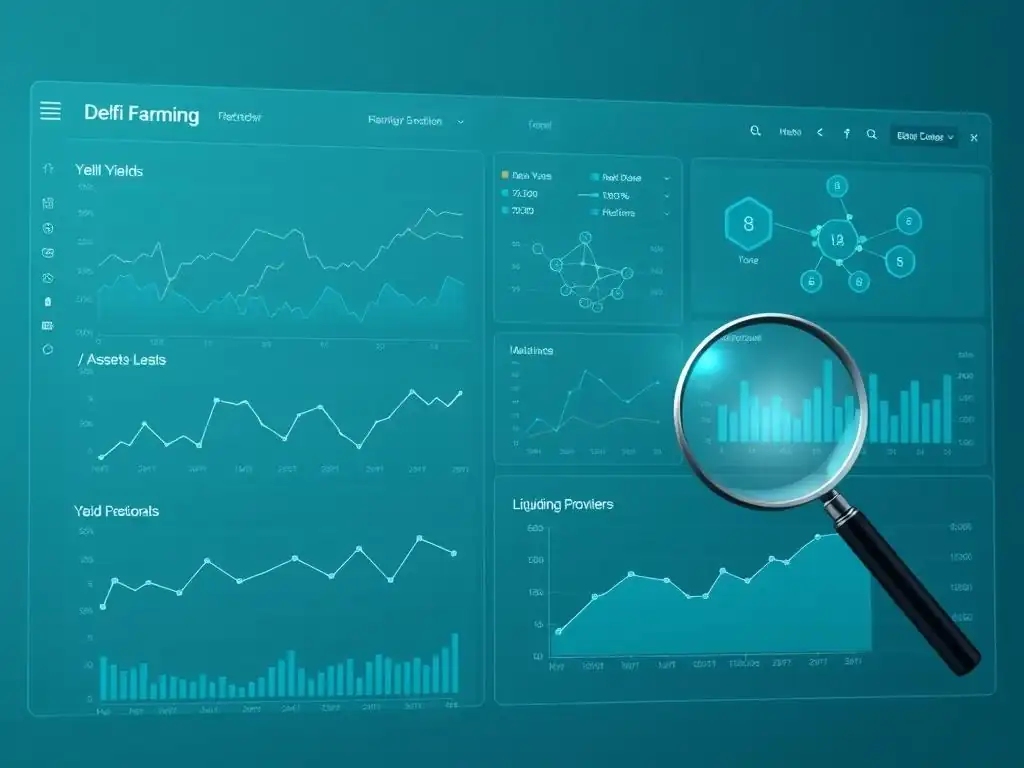
Effective tracking is fundamental to maximizing returns in DeFi yield farming. DeFi dashboard explorers empower users to gain a clear understanding of their portfolio performance, identify underperforming assets, and reallocate capital to more profitable opportunities. By visualizing their yield farming activities in a consolidated dashboard, users can make data-driven decisions rather than relying on guesswork or incomplete information. Tracking allows for the identification of farms with higher APYs, the monitoring of impermanent loss, and the timely adjustment of strategies to optimize returns.
Without proper tracking, it is challenging to assess the true profitability of yield farming activities. Users may be unaware of hidden costs, such as gas fees eroding profits, or be missing out on higher-yielding opportunities available elsewhere. DeFi dashboards provide the necessary transparency and insights to make informed decisions, ensuring that users are maximizing their returns within their chosen risk parameters. By continuously monitoring and analyzing their yield farming performance through these tools, users can proactively optimize their strategies and stay ahead in the dynamic DeFi landscape.
The Role of Analytics in Yield Farming Success
Analytics play a crucial role in achieving success in DeFi yield farming. DeFi dashboard explorers often incorporate analytical features that go beyond basic tracking, providing users with deeper insights into market trends, protocol performance, and risk assessments. These analytical capabilities empower users to make more strategic and informed decisions, leading to improved yield farming outcomes. For example, analytics can help identify protocols with sustainable APYs, assess the risk associated with different farms, and predict potential market shifts that may impact yield farming strategies.
By leveraging analytics, users can move beyond simply chasing the highest APYs and develop more sophisticated and resilient yield farming strategies. Analyzing metrics like TVL, trading volume, and protocol health can help users identify fundamentally strong projects and avoid potentially risky or unsustainable farms. Analytics also enable users to compare different yield farming opportunities, assess the impact of impermanent loss, and optimize their portfolio allocation for maximum risk-adjusted returns. In essence, analytics transform yield farming from a reactive and often speculative activity into a more data-driven and strategic approach.
Integrating Multiple Tools for Enhanced Insights
Integrating multiple DeFi dashboard explorers can significantly enhance insights and provide a more comprehensive view of the DeFi landscape and individual yield farming activities. No single dashboard perfectly captures all aspects of DeFi, and each tool has its own strengths and weaknesses. By strategically combining different dashboards, users can leverage the unique features of each platform to gain a more holistic and nuanced understanding of their DeFi investments. For example, users might combine a portfolio management tool like Zapper with an analytics platform like DeFi Pulse to both manage their positions and gain broader market insights.
Integrating specialized tools like Yieldwatch for yield farming monitoring with a more general DeFi management platform like InstaDapp can also be beneficial. This approach allows users to benefit from the focused tracking capabilities of specialized tools while also leveraging the advanced features and broader functionalities of more comprehensive platforms. By strategically combining tools, users can create a customized DeFi management stack that caters to their specific needs and provides enhanced insights for optimizing their yield farming strategies. This multi-tool approach enables a more robust and well-rounded approach to navigating the complexities of decentralized finance.
Common Challenges in DeFi Yield Farming
Understanding Impermanent Loss
Impermanent loss is a significant challenge and a crucial concept to understand for anyone participating in DeFi yield farming, particularly in automated market maker (AMM) liquidity pools. Impermanent loss occurs when the price of tokens deposited in a liquidity pool diverges in either direction compared to when they were deposited. The term "impermanent" refers to the fact that the loss is only realized if the liquidity provider withdraws their funds while the price divergence persists.
If the prices revert to their original ratios, the loss can disappear. However, understanding and managing impermanent loss is essential to ensure that yield farming activities remain profitable.
The magnitude of impermanent loss depends on the extent of price divergence between the deposited tokens. Larger price swings result in greater potential impermanent loss. While yield farming rewards are intended to compensate for this risk, it is crucial to carefully evaluate the potential for impermanent loss when selecting liquidity pools.
DeFi dashboard explorers that provide impermanent loss calculators and visualizations can be invaluable tools for managing this risk. Understanding impermanent loss allows users to make informed decisions about which liquidity pools to participate in and how to balance the potential for yield farming rewards against the risk of impermanent loss.
Managing Gas Fees and Transaction Costs
Gas fees and transaction costs are a persistent challenge in DeFi yield farming, particularly on blockchains like Ethereum, where gas prices can fluctuate significantly and become prohibitively expensive during periods of network congestion. High gas fees can erode the profitability of yield farming, especially for smaller positions or frequent transactions. Managing gas fees effectively is crucial for maximizing net returns in DeFi yield farming.
Strategies for mitigating gas fees include using layer-2 scaling solutions, such as Polygon or Arbitrum, which offer significantly lower transaction costs compared to Ethereum mainnet. Batching transactions when possible can also reduce gas costs by combining multiple actions into a single transaction. Monitoring gas prices and transacting during periods of lower network activity can also help minimize fees.
DeFi dashboard explorers that provide gas fee estimators and support multiple blockchains can assist users in managing transaction costs effectively. Careful consideration of gas fees is essential to ensure that yield farming activities remain economically viable, particularly for strategies involving frequent adjustments or smaller capital deployments.
Tools for Mitigating Risks in Yield Farming
DeFi yield farming, while potentially lucrative, inherently carries various risks, including smart contract risks, rug pulls, and impermanent loss. Mitigating these risks is crucial for protecting capital and ensuring the long-term sustainability of yield farming activities. Several tools and strategies can be employed to manage and mitigate these risks. Thoroughly researching DeFi protocols and projects before investing is paramount. Auditing smart contracts and assessing the security practices of protocols can help identify and avoid potentially vulnerable platforms. Diversifying yield farming positions across multiple protocols and blockchains can reduce the impact of risks associated with any single platform.
Using DeFi dashboard explorers that provide risk scores and protocol analytics can also aid in risk assessment. Tools that track TVL, protocol age, and community sentiment can offer insights into the relative riskiness of different yield farming opportunities. Employing stop-loss orders and hedging strategies, where applicable, can further mitigate potential losses. Staying informed about the latest developments in the DeFi space, including emerging risks and security best practices, is essential for navigating the evolving landscape of DeFi yield farming safely and effectively. A proactive and risk-aware approach is crucial for long-term success in DeFi yield farming.
Conclusion: Choosing the Right DeFi Yield Farming Tools
Final Recommendations for Effective DeFi Management
Choosing the right DeFi yield farming tools is a personalized decision that depends on individual needs, technical expertise, and investment goals. For beginners or those seeking a user-friendly all-in-one solution for portfolio management and simplified yield farming, Zapper is an excellent choice. For users who prioritize in-depth analytics and market research to inform their yield farming strategies, DeFi Pulse is an invaluable resource.
Yieldwatch is highly recommended for users who are primarily focused on yield farming monitoring, especially on BSC and Polygon, and want a specialized tool for tracking returns and impermanent loss. Experienced DeFi users who require advanced features, automation capabilities, and greater control over their DeFi strategies should consider InstaDapp.
Ultimately, effective DeFi management often involves strategically combining multiple tools to leverage their unique strengths. Integrating a portfolio management dashboard with an analytics platform and specialized monitoring tools can provide a comprehensive and robust approach to navigating the complexities of DeFi yield farming. Continuously evaluating and adapting your toolset as the DeFi landscape evolves is also crucial for staying ahead and maximizing your success in decentralized finance.
The Future of DeFi Dashboards and Their Impact on Yield Farming
The future of DeFi dashboards is poised for significant growth and innovation, with a likely trajectory towards greater sophistication, cross-chain interoperability, and integration of advanced features. As the DeFi ecosystem expands and matures, dashboards will play an increasingly critical role in simplifying user experiences, enhancing accessibility, and fostering wider adoption of decentralized finance. We can expect to see dashboards evolve to incorporate more advanced analytics, personalized recommendations, and automated strategy execution capabilities. Cross-chain functionality will become increasingly essential, allowing users to seamlessly manage their DeFi activities across multiple blockchains from a single interface.
The impact of these advancements on yield farming will be profound. More sophisticated dashboards will empower users to make more informed decisions, optimize their strategies with greater precision, and navigate the complexities of yield farming with increased efficiency. Automated features and personalized recommendations will lower the barriers to entry for new users and enable even novice yield farmers to participate more effectively. As DeFi dashboards continue to evolve, they will undoubtedly play a central role in shaping the future of yield farming and driving the continued growth and maturation of the decentralized finance ecosystem.
Frequently Asked Questions
What are DeFi dashboard explorers and why are they useful?
DeFi dashboard explorers are specialized tools designed to help users track their yield farming and staking activities across various decentralized finance (DeFi) platforms. They provide a consolidated view of portfolio performance.
How do DeFi dashboard explorers assist in managing risk in yield farming?
These tools offer insights into impermanent loss, liquidation risks, and overall portfolio diversification. This empowers users to make informed decisions and mitigate potential losses associated with DeFi investments.
What kind of information can I typically find on a DeFi dashboard explorer?
You can usually find information on your yield farming positions, staking rewards earned, and the overall value of your DeFi portfolio. Many also display transaction history and asset allocations.
Are there any free DeFi dashboard explorers available?
Yes, many DeFi dashboard explorers offer free versions with limited features. However, more advanced features, such as historical data and custom alerts, often require a paid subscription.
What should I consider when choosing a DeFi dashboard explorer?
Consider factors like supported protocols, data accuracy, user interface simplicity, and security features. Also, check if the tool integrates with your preferred wallets and exchanges.
The rise of DeFi dashboards signifies more than just technological advancement; it represents a fundamental shift in how we interact with finance. These specialized tools are democratizing access to complex financial instruments, empowering individuals to participate in yield farming and staking with unprecedented transparency and control. This evolution is not merely a trend but a foundational building block for a more inclusive and decentralized financial future.
The impact of DeFi and its associated tools extends far beyond the realm of cryptocurrency enthusiasts. It's reshaping our understanding of ownership, investment, and the very nature of financial institutions. The ability to actively manage and optimize one's assets through platforms like those explored in this article is a powerful force. The future of finance is decentralized, and the power is shifting from institutions to individuals.
This quote encapsulates the profound potential of DeFi to create a more equitable and accessible financial landscape.
As you navigate the ever-evolving world of DeFi, remember that knowledge is your greatest asset. Embrace the power of these DeFi yield farming tools, but always approach them with diligence and a commitment to continuous learning. Explore, experiment, and contribute to the growth of this revolutionary ecosystem. The future of finance is being built now, and your informed participation can shape its trajectory for the better.
Uncover Your DeFi Potential Today!
Thank you for exploring DeFi dashboard tools with us! Now that you understand how these powerful platforms can help you monitor your investments, it’s time to take action and enhance your yield farming and staking strategies.
Here’s how to get started:
- Bookmark your preferred DeFi dashboard and start tracking your portfolio’s performance. Experience firsthand the clarity and insights it provides!
- Compare different dashboards’ features and share your findings with fellow DeFi enthusiasts on social media. Which tools offer the most valuable analytics for your needs?
- Explore the community forums linked to your chosen platform. You might discover useful tips, learn new strategies, or find opportunities to contribute to the development of the tool.
Are you ready to elevate your DeFi journey from passive observer to active participant? What innovative strategy will you try first using your new dashboard skills?
Leave a Reply