
From Idea to Implementation: Integrating Security Audits Throughout the Smart Contract Lifecycle


Welcome to Blockchain Trends, your compass in navigating the revolutionary landscape of blockchain technology! Beyond the buzz of cryptocurrencies, we delve into the transformative potential of decentralized finance (DeFi), enterprise-level applications, evolving regulations, and the very future of decentralized systems. Curious about ensuring the integrity of your blockchain projects?
Our latest deep dive explores the vital smart contract security audit process, offering a comprehensive understanding of how to safeguard your innovations. Discover how to move From Idea to Implementation with robust security measures woven into every stage of the smart contract lifecycle, and unlock the full potential of blockchain. Dive in and explore the future, today!
- Introduction to Smart Contract Security Audit Process
- Stages of the Smart Contract Lifecycle
- The Smart Contract Security Audit Process
- Integrating Security Audits into the Development Workflow
- Challenges and Solutions in the Smart Contract Security Audit Process
- Future Trends in Smart Contract Security Aud.
-
Frequently Asked Questions
- What is the significance of a Smart Contract Security Audit Process?
- At what stage of development should a Smart Contract Security Audit Process be integrated?
- What are the key components of a robust Smart Contract Security Audit Process?
- How can a Smart Contract Security Audit Process help with regulatory compliance?
- What are the potential benefits of investing in a comprehensive Smart Contract Security Audit Process?
- Final Reflection: Fortifying the Future of Decentralization
- Fortify Your Future: Embrace Proactive Smart Contract Security!
Introduction to Smart Contract Security Audit Process
Understanding the Importance of Security in Smart Contracts
Smart contracts, the self-executing agreements that underpin decentralized applications (dApps) and blockchain-based systems, operate on the principle of immutability. Once deployed, their code is notoriously difficult and often prohibitively expensive to alter. This characteristic, while providing transparency and trust, also amplifies the criticality of security. A vulnerability in a smart contract can have devastating consequences, potentially leading to significant financial losses, data breaches, and irreparable damage to reputation. Unlike traditional software where patches and updates can swiftly rectify flaws, smart contract vulnerabilities can be exploited with irreversible outcomes, highlighting the paramount importance of robust security measures from inception.
The financial implications of insecure smart contracts are substantial. Consider the infamous DAO hack in 2016, where a vulnerability in the smart contract code led to the theft of approximately $50 million in Ether. More recently, in 2021, the Poly Network exploit resulted in the theft of over $600 million due to a flaw in their smart contract logic.
These high-profile incidents underscore the real-world financial risks associated with poorly secured smart contracts. Beyond direct financial losses, vulnerabilities can erode user trust and hinder the broader adoption of blockchain technology. Therefore, ensuring the security of smart contracts is not just a technical necessity but a fundamental requirement for the sustainable growth and credibility of the entire blockchain ecosystem.
Overview of the Smart Contract Lifecycle
The journey of a smart contract, from its initial conception to its active operation on a blockchain, can be broadly categorized into several key phases, forming what is known as the smart contract lifecycle. This lifecycle typically begins with the concept and design phase, where the core functionalities, business logic, and overall architecture of the smart contract are defined. This stage is crucial for laying a solid foundation and identifying potential security considerations early on.
Following design, the process moves into the development phase, where the smart contract code is written, usually in languages like Solidity for Ethereum or Vyper. This is where coding best practices and secure development principles are paramount.
Once the development is complete, the testing phase commences. This phase involves rigorous testing of the smart contract's functionality, security, and performance. Various testing methodologies, including unit testing, integration testing, and fuzzing, are employed to identify bugs and vulnerabilities before deployment. After thorough testing, the smart contract is ready for the deployment phase, where it is deployed onto the blockchain network, making it immutable and operational.
Finally, the maintenance and monitoring phase follows deployment. Although smart contracts are immutable, ongoing monitoring for unexpected behavior, gas optimization, and potential future vulnerabilities is essential. Understanding this lifecycle provides a framework for strategically integrating security audits at various stages to maximize their effectiveness.
The Role of Security Audits in Blockchain Technology
Security audits play a pivotal role in the blockchain technology landscape, particularly concerning smart contracts, by acting as a critical layer of independent verification. In the traditional software development world, security audits are common practice, but in the blockchain domain, they are arguably even more crucial due to the immutable and financially sensitive nature of smart contracts.
A smart contract security audit is a comprehensive, systematic, and independent review of smart contract code, conducted by specialized security experts. The primary goal is to identify potential vulnerabilities, security flaws, and logical errors that could be exploited, ensuring the contract's integrity and reliability before it is deployed and becomes irreversible.
The role of security audits extends beyond simply finding bugs. They instill trust and confidence in the system. For projects involving significant financial transactions, user data, or critical operations, a successful security audit acts as a validation of the contract's robustness. This validation is often a prerequisite for user adoption, investor confidence, and regulatory compliance.
Moreover, audits contribute to the overall maturity of the blockchain ecosystem by promoting secure development practices. By highlighting common vulnerabilities and best practices, security audits educate developers and raise the general security awareness within the blockchain community. In essence, security audits are not just a reactive measure to find flaws, but a proactive investment in the long-term security, reliability, and trustworthiness of blockchain applications.
Stages of the Smart Contract Lifecycle
Concept and Design Phase
Identifying Security Risks Early in the Process
The concept and design phase of a smart contract lifecycle is arguably the most opportune moment to proactively identify and mitigate potential security risks. At this stage, the fundamental logic, data flow, and intended interactions of the smart contract are being defined. Security considerations at this stage are often focused on architectural vulnerabilities and flaws in the business logic itself, rather than specific coding errors that might emerge later.
For instance, if the initial design fails to adequately consider access control mechanisms, it could lead to unauthorized users gaining administrative privileges in the deployed contract. Similarly, flaws in the economic model or incentive structures embedded within the smart contract logic can be exploited, leading to unintended financial consequences.
Early risk identification involves a thorough analysis of the intended functionality and potential attack vectors. This might include asking critical questions such as: "What are the most valuable assets this contract manages? ", "Who are the intended users and what are their permission levels? ", and "What external systems will this contract interact with?".
By addressing these questions during the design phase, developers can proactively incorporate security measures from the ground up. For example, if the contract is designed to handle user funds, the design should explicitly include robust mechanisms to prevent reentrancy attacks or unauthorized fund withdrawals. Neglecting security at this early stage can lead to deeply embedded vulnerabilities that are significantly more challenging and costly to rectify later in the development lifecycle.
Tools for Risk Assessment in Smart Contract Design
Several tools and methodologies can be effectively employed during the concept and design phase to facilitate risk assessment for smart contracts. Threat modeling is a structured approach that systematically identifies potential threats and vulnerabilities. Frameworks like STRIDE (Spoofing, Tampering, Repudiation, Information Disclosure, Denial of Service, Elevation of Privilege) can be adapted to smart contract design to categorize and analyze potential risks associated with different aspects of the contract's functionality and interactions. This process often involves creating diagrams of the system architecture and data flow, then brainstorming potential attack scenarios for each component.
Another valuable tool is the use of security questionnaires and checklists specifically tailored for smart contract design. These resources guide designers to consider a range of security aspects, from access control and data validation to gas optimization and event handling. Organizations like the Open Web Application Security Project (OWASP) provide resources that can be adapted for smart contract security.
Furthermore, design reviews conducted by security experts or experienced blockchain architects can provide invaluable insights. These reviews involve a critical examination of the contract's design documents, use case scenarios, and intended logic to identify potential flaws and suggest improvements before any code is written. By leveraging these tools and methodologies, developers can significantly enhance the security posture of their smart contracts from the very outset of the development process.
Development Phase
Best Practices for Secure Coding in Smart Contracts
The development phase of a smart contract is where secure coding practices become paramount. Given the immutability of deployed smart contracts and the potential for significant financial and reputational damage from vulnerabilities, developers must adhere to rigorous security guidelines. One fundamental best practice is input validation. Smart contracts should meticulously validate all inputs, whether from external users or other contracts, to prevent injection attacks, unexpected behavior, or contract malfunctions. This includes checking data types, ranges, and formats to ensure they conform to expected values.
Another critical area is access control. Smart contracts often involve different roles and permission levels. Implementing robust access control mechanisms, such as role-based access control (RBAC) or using modifiers to restrict function access, is essential to prevent unauthorized actions. Furthermore, developers must be vigilant about reentrancy attacks, a common vulnerability in smart contracts, especially those interacting with external contracts.
Implementing checks-effects-interactions patterns and using reentrancy guards can mitigate this risk. Secure error handling is also crucial. Smart contracts should handle errors gracefully, preventing them from propagating and causing unintended state changes or security breaches. Utilizing secure libraries and frameworks, like OpenZeppelin Contracts, which provide pre-audited and robust implementations of common smart contract patterns, can significantly reduce the risk of introducing vulnerabilities.
Recommended Development Tools for Security
To aid developers in writing secure smart contracts, a range of specialized development tools are available. Static analysis tools, such as Slither and Mythril, are invaluable for automatically detecting potential vulnerabilities in Solidity code before deployment. These tools analyze the code for common security flaws like reentrancy, integer overflows, and gas-related issues, providing developers with early warnings and guidance for remediation. IDEs (Integrated Development Environments) like Remix and VS Code with Solidity extensions offer features like syntax highlighting, linting, and integrated debugging, which contribute to writing cleaner and more secure code.
Linters, such as Solhint, enforce coding style guidelines and best practices, helping to maintain code consistency and reduce the likelihood of introducing errors. For testing purposes during development, frameworks like Hardhat, Truffle, and Foundry provide robust environments for unit testing, integration testing, and gas optimization analysis.
These frameworks allow developers to write comprehensive test suites that simulate various scenarios and edge cases, ensuring the contract behaves as expected under different conditions. Furthermore, using formal verification tools, although more complex and resource-intensive, can provide mathematical proof of the correctness of smart contract logic, significantly increasing confidence in the contract's security and reliability, especially for high-stakes applications.
Testing Phase
Importance of Comprehensive Testing in the Audit Process
Comprehensive testing is an absolutely indispensable phase within the smart contract security audit process, serving as a critical bridge between development and deployment. It is during this phase that the smart contract is subjected to rigorous scrutiny to uncover any remaining vulnerabilities, logical errors, or unexpected behaviors that may have been missed during development.
The importance of thorough testing cannot be overstated, as it is often the last line of defense before a potentially flawed and immutable contract is deployed onto the blockchain. Testing is not merely about confirming functionality; it is about actively trying to break the contract, exploring edge cases, and simulating attack scenarios to ensure its resilience against malicious actors.
Effective testing encompasses a variety of methodologies, each designed to target different aspects of the smart contract. Unit testing focuses on individual functions or modules of the contract, verifying that they perform as intended in isolation. Integration testing examines how different components of the contract interact with each other and with external contracts or systems.
Fuzz testing, or fuzzing, involves feeding the contract with a large volume of random or malformed inputs to identify unexpected behaviors or crashes. Security testing specifically targets known vulnerability patterns, such as reentrancy or integer overflows, attempting to exploit them in a controlled environment. Without comprehensive testing across these different dimensions, vulnerabilities can easily slip through, potentially leading to severe consequences post-deployment.
Top Testing Frameworks for Smart Contracts
Several robust testing frameworks are available to facilitate comprehensive testing of smart contracts, significantly enhancing the security audit process. Hardhat is a popular Ethereum development environment that provides a comprehensive suite of tools for testing, deploying, and verifying smart contracts. It offers a local development network for fast and isolated testing, a plugin ecosystem, and built-in support for Solidity debugging and coverage analysis. Hardhat's flexibility and extensive documentation make it a favorite among developers and auditors alike.
Truffle is another widely adopted framework that provides a structured environment for smart contract development, testing, and deployment. Truffle includes a built-in testing framework with support for JavaScript and Solidity testing, allowing developers to write tests in languages they are comfortable with. It also offers features like contract migration management and network configuration. Foundry, a newer but rapidly gaining popularity framework, is built in Rust and known for its speed and efficiency.
Foundry provides a powerful testing environment with advanced features like fuzzing, symbolic execution, and formal verification capabilities. Its performance and sophisticated testing tools make it particularly well-suited for security audits and in-depth vulnerability analysis. Choosing the right testing framework depends on project needs and team familiarity, but leveraging these tools is crucial for conducting effective and thorough smart contract testing as part of the security audit process.
The Smart Contract Security Audit Process
What is a Security Audit for Smart Contracts?
A security audit for smart contracts is a systematic and independent assessment of a smart contract's codebase to identify potential vulnerabilities, security flaws, and logical errors. It's a specialized service performed by security experts who possess a deep understanding of smart contract development, blockchain technology, and common attack vectors.
Unlike a general code review, a security audit focuses specifically on security-related aspects, aiming to ensure the contract's robustness, reliability, and resistance to exploitation. The primary objective of a smart contract security audit is to provide an unbiased and expert opinion on the security posture of the contract before it is deployed and becomes immutable on the blockchain.
The audit process typically involves a combination of automated and manual techniques. Auditors examine the smart contract code line by line, analyze its architecture and design, and test its functionality against known security threats. They look for vulnerabilities such as reentrancy, integer overflows, underflows, timestamp dependence, and gas-related issues, among others.
The audit process culminates in a detailed report that outlines the identified vulnerabilities, their severity, and recommendations for remediation. This report serves as a guide for developers to fix the identified issues and enhance the overall security of their smart contract. A successful security audit provides stakeholders with increased confidence in the contract's security and reduces the risk of post-deployment exploits and financial losses.
Key Components of a Security Audit
Code Review and Analysis Techniques
Code review and analysis form the bedrock of any comprehensive smart contract security audit. Auditors employ a range of techniques, blending automated tools with manual expert analysis to thoroughly examine the codebase. Manual code review involves a meticulous line-by-line inspection of the Solidity or Vyper code by experienced security auditors. This process is crucial for understanding the contract's logic, identifying subtle vulnerabilities, and assessing the overall code quality. Auditors look for deviations from secure coding best practices, potential logical flaws, and areas where vulnerabilities might be present.
Automated analysis tools, such as Slither, Mythril, and Securify, complement manual review by automatically scanning the code for known vulnerability patterns. These tools use static analysis techniques to detect potential issues like reentrancy, integer overflows, and gas-related vulnerabilities, significantly speeding up the process of identifying common flaws. Dynamic analysis techniques involve executing the smart contract in a controlled environment and observing its behavior under various conditions and inputs. This helps in identifying runtime vulnerabilities and understanding how the contract reacts to unexpected or malicious inputs. Symbolic execution is a more advanced technique that uses symbolic values instead of concrete values to explore all possible execution paths of the smart contract, helping to uncover deeper vulnerabilities and logic errors that might be missed by other methods. The combination of these techniques provides a multi-layered approach to code review and analysis, maximizing the chances of identifying a wide spectrum of security vulnerabilities.
Threat Modeling and Vulnerability Assessment
Threat modeling and vulnerability assessment are crucial components of a smart contract security audit, providing a structured approach to identifying and evaluating potential security risks. Threat modeling is the process of systematically identifying potential threats and attack vectors that a smart contract might face. Auditors work to understand the contract's architecture, functionalities, and interactions with external systems to anticipate how malicious actors might attempt to exploit it.
This process often involves creating diagrams of the system, identifying critical assets, and brainstorming potential attack scenarios. Frameworks like PASTA (Process for Attack Simulation and Threat Analysis) or STRIDE can be adapted for smart contract threat modeling.
Following threat modeling, vulnerability assessment focuses on identifying specific weaknesses in the smart contract code that could be exploited to realize the identified threats. This involves systematically examining the code for known vulnerability patterns, such as reentrancy, integer overflows/underflows, cross-contract call vulnerabilities, and access control issues. Auditors use both automated tools and manual code review to identify these vulnerabilities.
The assessment also includes evaluating the severity and impact of each vulnerability, often using a risk scoring system like CVSS (Common Vulnerability Scoring System), to prioritize remediation efforts. By combining threat modeling and vulnerability assessment, security audits provide a comprehensive understanding of the security risks associated with a smart contract, allowing developers to focus on mitigating the most critical vulnerabilities effectively.
Choosing a Smart Contract Audit Service
Comparison of Leading Smart Contract Audit Firms
Selecting the right smart contract audit service is a critical decision that significantly impacts the security and reliability of a blockchain project. Several reputable firms specialize in smart contract security audits, each with its own strengths and areas of expertise. ConsenSys Diligence is a well-established firm known for its deep expertise in Ethereum and Solidity smart contracts. They offer comprehensive audit services, including code review, penetration testing, and formal verification.
Their reports are often highly detailed and well-regarded in the industry. OpenZeppelin is another leading firm, renowned for its contributions to smart contract development through its widely used OpenZeppelin Contracts library. Their audit services benefit from their extensive experience in building and securing smart contract systems.
Trail of Bits is recognized for its rigorous and research-driven approach to security audits, covering a wide range of blockchain platforms and smart contract languages. They are known for their expertise in identifying complex and subtle vulnerabilities. CertiK distinguishes itself by offering formal verification services alongside traditional audit methods, providing mathematically proven guarantees of contract correctness.
Hacken is another prominent firm, offering a range of cybersecurity services, including smart contract audits, with a focus on speed and efficiency. When comparing these firms, factors to consider include their specialization areas, methodologies, pricing, and reputation within the blockchain community. Each firm brings unique strengths, and the best choice depends on the specific needs and priorities of the project.
Factors to Consider When Selecting an Auditor
Choosing the right smart contract auditor involves evaluating several key factors to ensure the selected service aligns with the project's needs and security requirements. Expertise and experience are paramount. Look for firms with a proven track record in auditing smart contracts similar in complexity and functionality to your project. Assess their team's expertise in relevant smart contract languages (e.g., Solidity, Vyper), blockchain platforms, and common vulnerability patterns. Methodology and approach are also crucial. Understand the firm's audit process, including the techniques they employ (manual code review, automated analysis, penetration testing, formal verification), and ensure it is comprehensive and rigorous.
Reputation and credibility within the blockchain community are important indicators of audit quality. Check for testimonials, case studies, and industry recognition. Look for firms that are transparent about their processes and willing to communicate effectively throughout the audit. Communication and reporting are essential for a smooth audit process. The auditor should be responsive, provide clear and understandable reports, and be available to discuss findings and recommendations.
Finally, pricing and timelines should be considered. Audit costs can vary significantly based on contract complexity and the firm's reputation. Obtain quotes from multiple firms and ensure the proposed timeline aligns with the project's development schedule. Balancing these factors will help in selecting an auditor that provides both high-quality security assessment and a positive collaborative experience.
Cost Implications and Budgeting for Security Audits
The cost of a smart contract security audit is a significant consideration for any blockchain project, and understanding the factors that influence pricing is crucial for effective budgeting. The complexity and size of the smart contract codebase are primary drivers of audit costs. Larger and more intricate contracts, with numerous functions and external interactions, require more auditor time and effort, leading to higher fees.
The level of rigor and depth of the audit also affects the cost. Basic audits may focus primarily on automated analysis and high-level manual review, while more comprehensive audits incorporate deeper manual code review, penetration testing, and potentially formal verification, increasing the cost.
The reputation and experience of the audit firm play a role in pricing. Highly reputable firms with experienced auditors often command higher fees due to their proven track record and perceived higher quality of service. Timelines and deadlines can also impact costs. Rush audits with tight deadlines may incur premium charges.
As a general guideline, smart contract audit costs can range from a few thousand dollars for simpler contracts to tens or even hundreds of thousands of dollars for complex and large-scale projects. It is advisable to budget proactively for security audits early in the project planning phase, allocating a realistic portion of the overall budget for this critical security measure. Obtaining quotes from multiple audit firms and carefully evaluating their proposals against project requirements is essential for making informed decisions about audit costs.
Integrating Security Audits into the Development Workflow
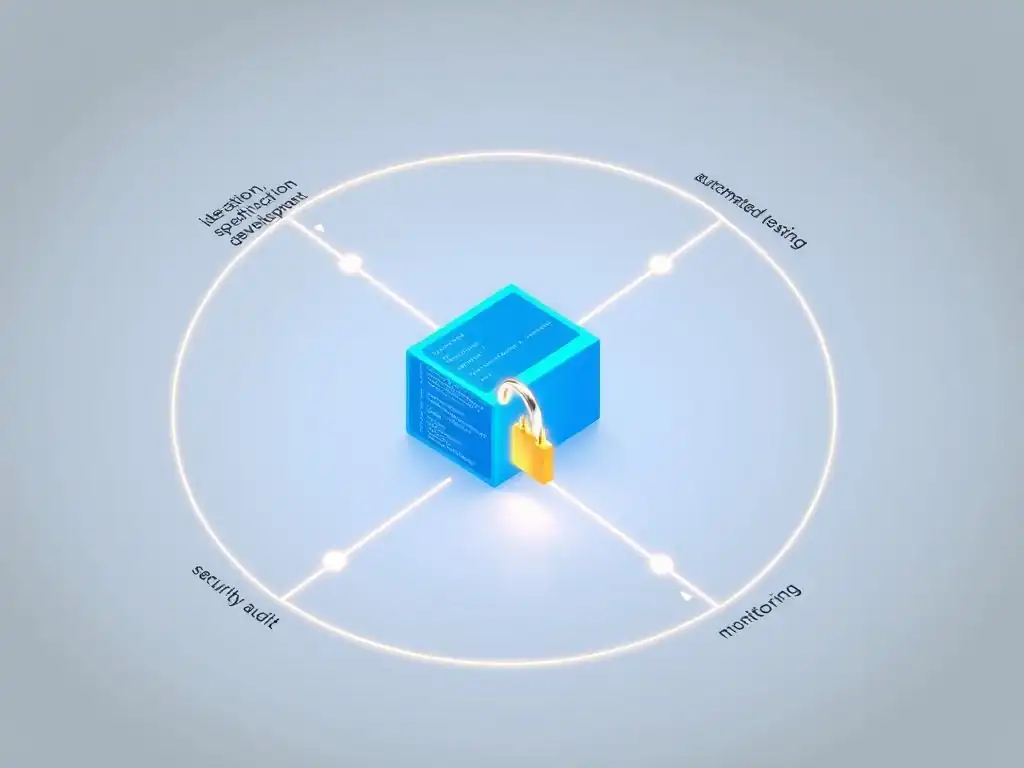
Continuous Security Auditing for Ongoing Projects
For projects that involve ongoing development, updates, or maintenance of smart contracts, integrating continuous security auditing into the development workflow is a crucial best practice. Traditional, one-time security audits, while valuable, may not be sufficient to address security risks that emerge from new features, code changes, or evolving attack vectors over time. Continuous security auditing involves embedding security checks and assessments throughout the software development lifecycle (SDLC), rather than treating security as a separate, isolated phase. This approach ensures that security is considered proactively at every stage, from design to deployment and beyond.
In the context of smart contracts, continuous security auditing can encompass several practices. Regular code reviews by security-conscious developers, even for minor code changes, can help catch potential issues early. Automated security scanning tools should be integrated into the CI/CD (Continuous Integration/Continuous Deployment) pipeline to perform static analysis and vulnerability checks automatically whenever code changes are committed.
For significant updates or new features, periodic external security audits by professional audit firms should be conducted to provide a deeper and more independent assessment. This layered approach, combining ongoing internal checks with periodic external reviews, helps maintain a strong security posture for smart contracts throughout their lifecycle, especially in dynamic and evolving projects.
Tools for Automated Smart Contract Security Checks
Several tools are available to facilitate automated smart contract security checks, enabling continuous security monitoring and integration into development workflows. Static analysis tools, such as Slither, Mythril, and Securify, are particularly well-suited for automated checks within CI/CD pipelines. These tools can be configured to automatically scan smart contract code whenever changes are pushed to a repository, providing rapid feedback on potential vulnerabilities. They can be integrated into popular CI/CD platforms like GitHub Actions, GitLab CI, and Jenkins.
Smart contract linters, such as Solhint, can also be automated to enforce coding style guidelines and best practices, contributing to code quality and reducing the likelihood of introducing errors. Some platforms offer automated vulnerability scanning services that continuously monitor deployed smart contracts for known vulnerabilities and emerging threats.
These services often leverage on-chain data and real-time monitoring to detect anomalies and potential exploits. By incorporating these automated tools into the development workflow, teams can proactively identify and address security issues early in the development cycle, reducing the risk of deploying vulnerable smart contracts and enhancing the overall security posture of ongoing projects.
Best Practices for Collaboration Between Developers and Auditors
Effective collaboration between developers and auditors is essential for a successful smart contract security audit process. Clear communication, mutual understanding, and a collaborative mindset are key to maximizing the value of the audit and ensuring that identified vulnerabilities are effectively addressed. Establish clear communication channels from the outset. Designate primary points of contact on both the development and audit teams to facilitate efficient communication and information exchange. Regular meetings, whether virtual or in-person, can help maintain alignment and address any questions or concerns promptly.
Provide auditors with comprehensive documentation about the smart contract's design, functionality, and intended use cases. This context helps auditors understand the contract's logic and identify potential vulnerabilities more effectively. Be responsive to auditor inquiries and provide timely clarifications or additional information as needed. Treat audit findings as valuable feedback and not as criticisms.
Embrace a collaborative approach to remediation. Work closely with auditors to understand the identified vulnerabilities and discuss potential solutions. Consider involving auditors in the remediation process to ensure that fixes are implemented correctly and do not introduce new vulnerabilities. Iterative feedback loops, where developers implement fixes based on audit findings and auditors review the fixes, are crucial for ensuring effective vulnerability remediation and improving the overall security of the smart contract.
Case Studies: Successful Implementation of Security Audits
Numerous real-world examples illustrate the significant benefits of implementing security audits in the smart contract development process. One notable case involves Aave, a decentralized lending protocol. Aave underwent multiple security audits by firms like ConsenSys Diligence and PeckShield throughout its development. These audits identified and helped remediate several critical vulnerabilities before they could be exploited. For instance, early audits helped refine their flash loan mechanism and access control implementations, contributing to Aave's reputation for security and its subsequent success as a leading DeFi protocol.
Another example is Uniswap, a decentralized exchange. Uniswap also prioritized security audits, working with firms like Trail of Bits and Runtime Verification. Audits conducted on Uniswap v2 and v3 helped identify and address potential vulnerabilities related to price manipulation and reentrancy attacks.
These proactive security measures were crucial in maintaining user trust and ensuring the integrity of the exchange, which now handles billions of dollars in daily trading volume. While specific details of vulnerabilities found are often confidential, these cases demonstrate that investing in security audits is not merely a cost but a strategic investment that can significantly mitigate risks, enhance user confidence, and contribute to the long-term success of blockchain projects. These examples underscore that a proactive approach to security, including rigorous audits, is a hallmark of successful and resilient smart contract deployments.
Challenges and Solutions in the Smart Contract Security Audit Process
Common Issues Faced During Security Audits
Miscommunication Between Developers and Auditors
Miscommunication between developers and auditors is a common challenge in the smart contract security audit process, often stemming from differing technical backgrounds, terminology, and perspectives. Developers, deeply immersed in the technical details of code implementation, may sometimes struggle to articulate the nuances of their design or understand the security implications highlighted by auditors. Auditors, on the other hand, may lack complete context about the project's specific business logic or intended use cases, leading to potential misunderstandings or misinterpretations of the code. This communication gap can result in inefficient audit processes, delayed remediation, and even overlooking critical vulnerabilities.
Another aspect of miscommunication arises from the reporting of audit findings. Audit reports, often highly technical, may be challenging for developers to fully comprehend or prioritize effectively, especially if the severity and impact of vulnerabilities are not clearly communicated. Furthermore, a lack of clear and consistent communication channels can exacerbate these issues.
If communication is ad-hoc or infrequent, misunderstandings can accumulate, leading to frustration and hindering the collaborative effort required for a successful audit. Addressing miscommunication requires proactive measures to establish clear communication protocols, use accessible language, and foster a collaborative environment where both developers and auditors feel comfortable asking questions and sharing information openly.
Time Constraints and Budget Limitations
Time constraints and budget limitations are frequently encountered challenges in the smart contract security audit process, often impacting the depth and scope of audits. Project timelines, especially in fast-paced blockchain development environments, can be tight, leaving limited time for thorough security audits. Developers may face pressure to deploy contracts quickly, potentially squeezing the audit phase or opting for less comprehensive audits to meet deadlines.
Budget limitations can also constrain the choice of audit firms and the level of effort allocated to security assessments. Comprehensive audits by reputable firms can be expensive, and projects with limited budgets may be tempted to cut corners on security to reduce costs.
These constraints can lead to rushed audits that may not be as thorough as needed, potentially missing subtle but critical vulnerabilities. Inadequate time for remediation can also result in developers deploying contracts with known vulnerabilities due to deadline pressures. Balancing the need for thorough security audits with project timelines and budget constraints is a delicate but crucial aspect of project management in the blockchain space. Addressing these challenges requires proactive planning, realistic timelines that incorporate sufficient audit time, and a commitment to prioritizing security even within budget limitations.
Effective Strategies to Overcome Audit Challenges
Establishing Clear Communication Channels
Establishing clear and robust communication channels is paramount to overcoming miscommunication challenges between developers and auditors in the smart contract security audit process. The first step is to define primary points of contact on both the development and audit teams. This ensures that there are designated individuals responsible for facilitating communication and information flow. Regularly scheduled meetings, whether daily stand-ups, weekly progress meetings, or ad-hoc calls, should be established to provide opportunities for open dialogue, question clarification, and progress updates. These meetings should be structured and focused, with clear agendas and action items.
Utilizing shared communication platforms, such as Slack channels, project management tools, or dedicated communication portals, can streamline information sharing and ensure that all relevant parties are kept informed. Encouraging open and transparent communication is crucial. Auditors should be encouraged to ask clarifying questions, and developers should be receptive to feedback and willing to provide detailed explanations of their code and design choices.
Using clear and concise language, avoiding overly technical jargon when communicating across teams, can minimize misunderstandings. Finally, documenting communication, summarizing key discussions and decisions, helps maintain a record of agreements and ensures that everyone is on the same page, further mitigating the risks associated with miscommunication.
Prioritizing Security in Project Planning
Prioritizing security from the outset of project planning is a fundamental strategy for effectively addressing challenges related to time constraints and budget limitations in smart contract security audits. Integrate security considerations into the initial project roadmap and timeline. Allocate sufficient time for security audits as a dedicated phase within the development lifecycle, rather than treating it as an afterthought. Realistic timelines should account for both the audit process itself and the subsequent remediation phase.
Budget proactively for security audits. Allocate a dedicated portion of the project budget specifically for security assessments. Treat security audits as a necessary investment, rather than an optional expense, recognizing their crucial role in mitigating risks and ensuring long-term project success.
Engage auditors early in the development process, ideally during the design phase. Early involvement allows auditors to provide valuable security input from the beginning, potentially preventing vulnerabilities from being baked into the contract architecture. Adopt a phased audit approach for larger or more complex projects.
Break down the audit into smaller, more manageable stages that align with development milestones. This can help distribute audit costs and timelines more effectively. By prioritizing security in project planning and proactively integrating security audits into the development lifecycle, projects can mitigate the pressures of time and budget constraints and ensure that security receives the attention and resources it deserves.
Future Trends in Smart Contract Security Aud.
The field of smart contract security auditing is continually evolving to address emerging challenges and leverage technological advancements. One significant future trend is the increasing adoption of AI-powered security audit tools. Machine learning and artificial intelligence are being integrated into static analysis tools to enhance vulnerability detection capabilities, improve accuracy, and reduce false positives. AI can help automate repetitive tasks in code review, identify complex vulnerability patterns, and potentially even predict emerging attack vectors, making audits more efficient and comprehensive.
Another trend is the growing interest in formal verification techniques. While traditionally complex and resource-intensive, advancements in formal verification tools and methodologies are making them more practical for smart contract security. Formal verification offers the potential to mathematically prove the correctness of smart contract code, providing a higher level of assurance than traditional testing and auditing methods. As blockchain technology matures and mission-critical applications emerge, formal verification is likely to play an increasingly important role in ensuring the security of high-value smart contracts.
Furthermore, evolving audit methodologies for new blockchain architectures are emerging. With the rise of layer-2 solutions, cross-chain protocols, and alternative smart contract platforms beyond Ethereum, audit methodologies are adapting to address the unique security challenges posed by these new environments. This includes developing specialized tools and techniques for auditing complex interactions between different blockchain systems and ensuring security across diverse blockchain ecosystems.
Frequently Asked Questions
What is the significance of a Smart Contract Security Audit Process?
A security audit is crucial for identifying vulnerabilities and ensuring the reliability and safety of smart contracts. It protects against potential exploits that could lead to significant financial losses.
At what stage of development should a Smart Contract Security Audit Process be integrated?
Ideally, security audits should be integrated throughout the entire smart contract lifecycle, starting from the design phase. This allows for early detection of flaws and reduces the risk of costly rework later.
What are the key components of a robust Smart Contract Security Audit Process?
A robust process typically includes automated code analysis, manual code review, penetration testing, and formal verification. These components help identify a wide range of potential security weaknesses.
How can a Smart Contract Security Audit Process help with regulatory compliance?
A proper audit process demonstrates a commitment to security best practices, which can aid in meeting regulatory requirements related to data protection and financial security. It provides evidence of due diligence and responsible development.
What are the potential benefits of investing in a comprehensive Smart Contract Security Audit Process?
Investing in security audits can save significant costs by preventing costly exploits, boosting user confidence, and fostering long-term trust in the smart contract. It also enhances the reputation of the project and the team behind it.
Final Reflection: Fortifying the Future of Decentralization
The journey from a nascent idea to a fully implemented smart contract is fraught with peril, and as we've explored, integrating security audits throughout the lifecycle is paramount to mitigating those risks. The vulnerabilities inherent in decentralized systems demand a proactive, rather than reactive, approach to security, ensuring that innovation doesn't come at the cost of user trust and financial stability.
The impact of compromised smart contracts extends far beyond mere code; it erodes confidence in the entire blockchain ecosystem. Witnessing the fallout from past exploits underscores the critical need for a robust and continuous smart contract security audit process. As Vitalik Buterin wisely stated: Security is not a feature, it's a requirement.
This sentiment resonates deeply, reminding us that the very foundation of decentralized trust rests upon the integrity and security of the code that governs it.
Now, as you navigate the exciting world of smart contract development, remember the lessons learned. Embrace a culture of security, prioritize rigorous auditing at every stage, and contribute to a future where decentralized applications are not only innovative but also inherently secure. The responsibility to safeguard the future of blockchain lies with each of us.
Fortify Your Future: Embrace Proactive Smart Contract Security!
Thank you for exploring how to incorporate security audits into every stage of your smart contract development. You've gained valuable insights into building more robust and reliable blockchain solutions. Now, it's time to put that knowledge into action:
- Prioritize security: Schedule your first smart contract security audit today—don't wait for a vulnerability to be exploited!
- Explore: Check out our comprehensive guide on selecting the right audit partner for your project.
- Share: Spark a discussion! Share this article with your team and brainstorm ways to integrate these audit practices into your current workflow.
What immediate steps will you take to strengthen your smart contract security, and how will you measure their success over time?
Leave a Reply