
Blockchain for Disaster Relief: Streamlining Aid and Ensuring Accountability

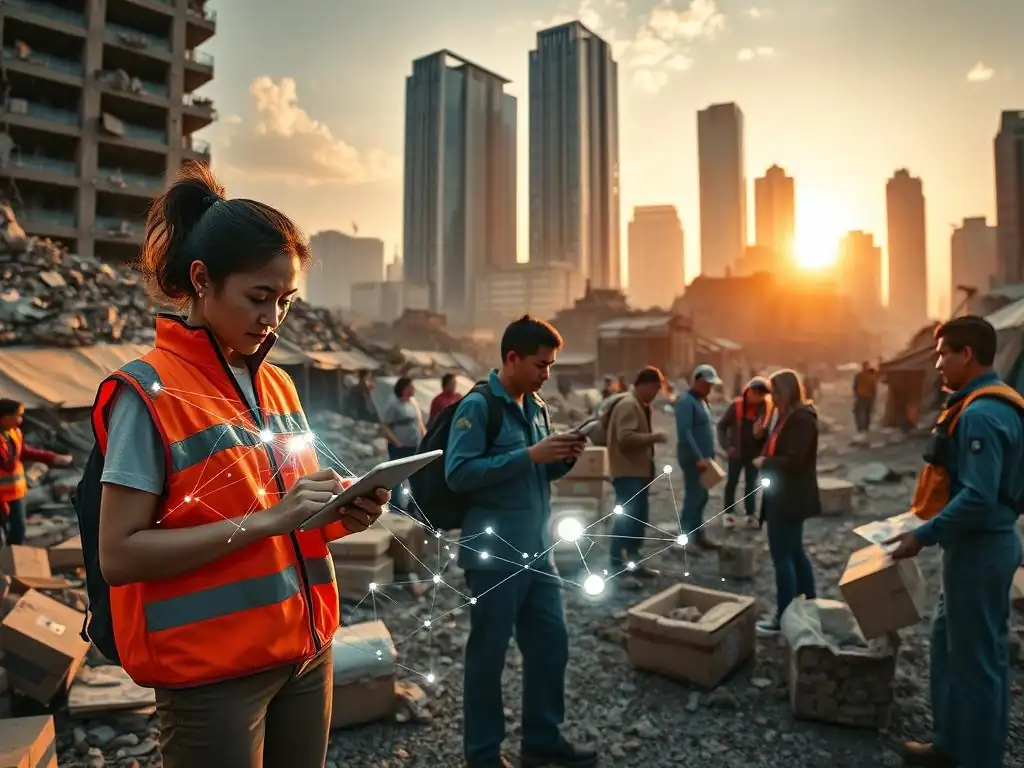
Welcome to Blockchain Trends, your guide to understanding the real-world impact of blockchain technology.
Can blockchain truly revolutionize disaster relief? In this article, we delve into a compelling case study exploring how blockchain disaster relief accountability is streamlining aid distribution, increasing transparency, and ultimately, ensuring that vital resources reach those who need them most. Discover how this innovative technology is forging a more efficient and trustworthy future for humanitarian assistance.
Blockchain for Disaster Relief: Streamlining Aid and Ensuring Accountability
- The Urgent Need for Improved Disaster Relief Efforts
- Blockchain's Role in Enhancing Disaster Relief Accountability
- Use Cases: Blockchain Applications in Disaster Management
- Benefits of Using Blockchain for Disaster Relief
- Overcoming Challenges in Blockchain Adoption for Disaster Relief
- Blockchain Disaster Relief Accountability: A Deeper Dive
- The Future of Blockchain in Disaster Response
- Conclusion: Blockchain as a Catalyst for Effective and Accountable Disaster Relief
-
Frequently Asked Questions
- How can blockchain improve the efficiency of disaster relief efforts?
- What role does blockchain play in enhancing accountability in disaster relief?
- How can blockchain technology help prevent aid from being misappropriated during a disaster?
- What are some potential challenges in implementing blockchain for disaster relief?
- How does blockchain contribute to building trust between donors and aid recipients in disaster relief scenarios?
- Final Reflection: Embracing Transparency in Crisis
- Reimagine Disaster Response: Empower Change Now!
The Urgent Need for Improved Disaster Relief Efforts
Challenges in Traditional Disaster Response Systems
Traditional disaster relief systems often face significant hurdles that impede their effectiveness. A primary challenge is the lack of transparency throughout the aid chain, from donor to beneficiary. This opacity can lead to inefficiencies, delays, and, critically, opportunities for aid diversion or misuse.
The complex web of international organizations, local NGOs, government agencies, and logistics providers involved makes coordination difficult, resulting in duplicated efforts or, conversely, critical gaps in aid delivery. A 2018 report by the Overseas Development Institute highlighted that up to 30% of humanitarian aid could be lost to corruption and mismanagement, underscoring the scale of this issue in traditional systems.
Furthermore, identifying and verifying affected populations in disaster zones is a complex and often manual process. Without a robust and reliable system for identity management, ensuring that aid reaches the most vulnerable and preventing duplicate claims becomes challenging. This difficulty is compounded by damaged infrastructure, displacement of populations, and the sheer chaos that follows a major disaster. The lack of real-time data on needs, resources, and distribution status hinders rapid decision-making and adaptability, often leading to aid arriving late or not matching the actual requirements on the ground.
The Promise of Blockchain Technology in Humanitarian Aid
Blockchain technology offers a transformative approach to addressing the systemic challenges in disaster relief. Its core principles of decentralization, transparency, and immutability provide a foundation for building more resilient and accountable aid systems. By creating a shared, tamper-proof ledger, blockchain can track transactions and assets throughout the entire relief process, offering unprecedented visibility into the flow of funds and goods. This inherent transparency directly tackles the issue of opacity and potential corruption that plagues traditional methods.
The potential applications of blockchain extend beyond financial transactions. It can be used to manage identity, track supply chains, and even facilitate smart contracts for automated aid distribution. This ability to create a single source of truth accessible to authorized parties can significantly improve coordination among diverse stakeholders. The immutability of blockchain records ensures that audit trails are reliable, enhancing trust and fostering greater Blockchain disaster relief accountability across all stages of the response. This technological shift promises to make aid delivery faster, more efficient, and more targeted.
Blockchain's Role in Enhancing Disaster Relief Accountability
Transparency and Traceability in Aid Distribution
One of the most significant benefits of blockchain in disaster relief is its ability to provide unparalleled transparency and traceability. Every transaction, whether it's the transfer of funds, the movement of goods, or the verification of identity, can be recorded on a blockchain ledger. This record is then visible to all authorized participants, creating an open and auditable trail from the source of the aid to the recipient. For instance, when funds are donated, their journey through various intermediaries to the final beneficiary can theoretically be tracked step-by-step on the distributed ledger.
This level of granular traceability makes it much harder for aid to be diverted or misappropriated. Donors can see where their money is going, aid organizations can track the distribution of resources, and beneficiaries can potentially verify that they have received their allocated assistance. This inherent transparency fundamentally enhances Blockchain disaster relief accountability, building trust among donors, implementing agencies, and affected populations. It shifts the paradigm from a black box system to one where the flow of aid is visible and verifiable.
Reducing Fraud and Corruption in Disaster Relief Programs
Fraud and corruption are persistent threats that erode the effectiveness of disaster relief efforts. The complex, opaque, and often cash-based nature of traditional systems creates numerous vulnerabilities. Estimates suggest that significant percentages of aid can be lost before reaching those in need due to fraudulent activities, from inflated invoices to outright theft. Blockchain's immutable and transparent ledger directly counters these risks by making illicit transactions difficult to conceal.
By recording every transaction on an unchangeable distributed ledger, blockchain makes it extremely difficult to alter records or insert fraudulent entries without detection. Smart contracts can automate fund distribution based on pre-defined conditions, reducing the need for human intermediaries who might be susceptible to corruption. For example, funds could be automatically released to a verified beneficiary's digital wallet upon confirmation of their identity and eligibility. This automation, combined with the transparency of the ledger, significantly strengthens controls and promotes Blockchain disaster relief accountability, ultimately ensuring more resources reach their intended recipients.
Use Cases: Blockchain Applications in Disaster Management
Case Study: World Food Programme's "Building Blocks" - Improving Cash Assistance with Blockchain
The World Food Programme (WFP) has been a pioneer in implementing blockchain technology for humanitarian aid through its "Building Blocks" project. Launched in 2017, initially to support Syrian refugees in Jordan, the project uses a private, permissioned blockchain network to manage cash and voucher assistance. Instead of traditional banking transfers or physical vouchers, beneficiaries' identities and entitlements are recorded on the blockchain. When beneficiaries purchase food from registered vendors using iris scans, the transaction is recorded on the blockchain, and vendor payments are processed through the system.
Building Blocks has demonstrated significant success in enhancing efficiency and Blockchain disaster relief accountability. By processing transactions internally on the blockchain, WFP has reduced transaction fees traditionally paid to financial service providers, reportedly saving millions of dollars annually that can be redirected to aid. The system provides WFP with real-time visibility into spending patterns, allowing for better resource allocation and fraud detection. By 2020, the project had scaled to serve over one million refugees in multiple countries, processing millions of transactions monthly and proving the scalability and practical benefits of blockchain in a complex humanitarian context.
Supply Chain Management: Ensuring the Right Resources Reach the Right People
Disaster relief involves complex supply chains, moving everything from food and water to medical supplies and temporary shelter. Tracking these goods through multiple handoffs, often in damaged infrastructure environments, is notoriously difficult. Blockchain can create a transparent and verifiable ledger for the entire supply chain journey. Each point of origin, transfer, and delivery can be recorded on the blockchain, along with details about the goods themselves (e.g., batch numbers, expiry dates).
Using blockchain for supply chain management ensures that goods are tracked from donation or purchase to the final distribution point. This provides stakeholders with real-time information on the location and status of critical supplies, helping to prevent loss, theft, or spoilage. It also allows for quicker identification of bottlenecks or issues in the supply chain. By providing an immutable record of every step, blockchain significantly improves Blockchain disaster relief accountability within logistics, ensuring that essential resources arrive where and when they are needed most.
Identity Verification: Streamlining Aid to Verified Victims
Identifying and verifying individuals affected by a disaster is a critical first step in providing targeted aid, but it can be incredibly challenging, especially when official documents are lost or destroyed. Blockchain-based digital identity systems offer a potential solution. By creating secure, verifiable digital identities for beneficiaries, aid organizations can streamline the registration process and ensure that aid is delivered to legitimate recipients. This identity could be linked to biometric data or other verifiable credentials stored securely on a distributed ledger.
Such systems can help prevent duplicate registrations and ensure that aid reaches the intended individuals, reducing the risk of aid diversion. Organizations can quickly verify a person's eligibility for specific types of assistance based on pre-defined criteria recorded on the blockchain. While privacy concerns must be carefully managed, a well-designed blockchain identity system can provide a secure and efficient way to manage beneficiary data, enhancing the speed and accuracy of aid distribution and bolstering Blockchain disaster relief accountability at the individual recipient level.
Benefits of Using Blockchain for Disaster Relief
Increased Efficiency and Speed of Aid Delivery
One of the most critical factors in disaster response is speed. Delays in delivering aid can have life-threatening consequences. Blockchain technology can significantly increase the efficiency and speed of aid delivery by streamlining processes and reducing friction points. Automated systems powered by smart contracts can disburse funds or allocate resources much faster than manual processes or traditional banking systems, which can be slow and costly, especially across borders or in areas with limited financial infrastructure.
Furthermore, the transparency and real-time data provided by a blockchain ledger allow for quicker decision-making and better coordination. Supply chain issues can be identified and resolved faster, and the allocation of resources can be adjusted dynamically based on verifiable needs and distribution status recorded on the chain. This improved operational efficiency means that aid, whether financial or material, can reach affected populations more rapidly when they need it most, directly contributing to the life-saving goals of disaster relief.
Enhanced Trust and Accountability Among Stakeholders
Trust is paramount in humanitarian aid, but it can be fragile, particularly following reports of mismanagement or corruption. Blockchain's inherent properties of transparency, immutability, and decentralization build trust among all stakeholders involved in disaster relief. Donors can trust that their contributions are being tracked and used effectively, aid organizations can trust the integrity of beneficiary data and transaction records, and affected populations can trust that aid is being distributed fairly and transparently.
The public, auditable nature of the blockchain ledger provides a verifiable record of all activities, making it difficult to dispute or conceal actions. This enhanced transparency directly leads to improved Blockchain disaster relief accountability. Every participant in the network, from the largest international body to a local distribution point, is accountable for their actions as recorded on the immutable ledger. This shared source of truth fosters greater collaboration and confidence among diverse actors working under immense pressure.
Improved Coordination Between Aid Organizations
Disaster relief efforts often involve a multitude of organizations, including UN agencies, international NGOs, local charities, and government bodies, each with their own systems and procedures. Coordinating these disparate entities effectively is a major challenge. Blockchain can serve as a shared, neutral platform for coordination, allowing organizations to share relevant information securely and transparently without relying on a single central authority.
By using a common blockchain ledger, organizations can gain a shared understanding of the situation, track aid flows, manage beneficiary lists (while respecting privacy), and coordinate logistics. For example, multiple organizations providing cash assistance could use a shared system to ensure beneficiaries don't receive duplicate payments. This interoperability and shared data source, built on a foundation of trust and transparency, can significantly improve the overall efficiency and effectiveness of the coordinated response, leading to better Blockchain disaster relief accountability across the entire network of responders.
Overcoming Challenges in Blockchain Adoption for Disaster Relief

Technical Infrastructure Limitations in Disaster Zones
Implementing blockchain solutions in disaster zones faces significant technical hurdles. These areas often suffer from damaged or non-existent internet connectivity, unreliable power sources, and a lack of technical expertise. Running and accessing blockchain networks requires robust infrastructure, which is precisely what is often destroyed in a disaster. Relying solely on online blockchain solutions in such environments is impractical.
Solutions must consider offline capabilities and resilient infrastructure. This might involve hybrid approaches where data is recorded offline and synced to the blockchain when connectivity is restored, or using technologies like satellite communication. Furthermore, the devices needed to interact with blockchain systems (e.g., smartphones for digital wallets, scanning equipment) may not be readily available or accessible to affected populations or aid workers. Addressing these infrastructure gaps and ensuring technological accessibility are critical steps for successful blockchain adoption in these challenging contexts.
Data Privacy and Security Concerns
While blockchain offers security through cryptography and immutability, implementing it in humanitarian contexts raises significant data privacy and security concerns, especially when dealing with sensitive information about vulnerable populations. Storing personally identifiable information (PII) or even anonymized data patterns on a public or semi-public ledger requires careful consideration. There are risks associated with data breaches, potential re-identification of individuals, and ensuring compliance with data protection regulations like GDPR, even in emergency settings.
Designing blockchain solutions with privacy by design is paramount. This could involve storing only hashes of sensitive data on the main chain, with the actual data stored off-chain in secure, permissioned databases. Access controls must be strictly managed, and consent mechanisms, where feasible, should be implemented. Ensuring the security of digital identities and wallets against hacking or coercion is also vital. Addressing these privacy and security challenges is crucial to building trust and ensuring the ethical use of blockchain in humanitarian aid and maintaining Blockchain disaster relief accountability over sensitive data.
Regulatory and Legal Frameworks for Blockchain in Humanitarian Aid
The regulatory and legal landscape surrounding blockchain technology is still evolving globally, and this uncertainty poses challenges for its adoption in disaster relief. Issues such as the legal status of blockchain transactions, the recognition of digital identities, data ownership, and cross-border regulations on cryptocurrency or digital asset transfers need clarification. Operating across multiple jurisdictions, as is common in international disaster response, adds complexity to navigating these diverse legal environments.
Furthermore, integrating blockchain systems with existing legal and financial frameworks requires significant effort. Aid organizations need legal certainty regarding the use of blockchain for managing funds, contracts, and identities. Governments in affected countries may have varying levels of understanding or acceptance of the technology. Developing clear guidelines, engaging with regulatory bodies, and potentially advocating for supportive legal frameworks are necessary steps to facilitate the widespread and effective use of blockchain in humanitarian efforts and establish clear lines of Blockchain disaster relief accountability within legal structures.
Blockchain Disaster Relief Accountability: A Deeper Dive
Smart Contracts for Automated Aid Distribution
Smart contracts are self-executing contracts with the terms of the agreement directly written into code. Deployed on a blockchain, they can automate processes based on predefined conditions without the need for intermediaries. In disaster relief, smart contracts can significantly enhance Blockchain disaster relief accountability by automating the distribution of aid based on verifiable triggers. For example, a smart contract could be programmed to release funds to a beneficiary's digital wallet once their identity is verified on the blockchain and a specific event (like registration at a relief camp) is confirmed.
This automation reduces the potential for human error, bias, or corruption in the distribution process. The rules for aid allocation are transparently written into the code and executed automatically, ensuring fairness and consistency. Every execution of the smart contract is recorded on the immutable ledger, providing a clear audit trail of every disbursement. This level of automated, rule-based execution, combined with the transparency of the blockchain, offers a powerful mechanism for ensuring that aid is distributed exactly as intended, directly contributing to Blockchain disaster relief accountability.
Real-Time Monitoring and Tracking of Aid Flows
Traditional aid tracking often relies on manual reporting and reconciliation, leading to delays and incomplete information. Blockchain enables real-time or near real-time monitoring of aid flows. As transactions occur – whether the transfer of funds, the movement of goods in a supply chain, or the distribution of resources to beneficiaries – they are recorded on the blockchain ledger. This provides stakeholders with an immediate and continuously updated view of where aid is, who has received it, and how resources are being utilized.
This live visibility allows aid organizations, donors, and even affected communities (with appropriate access) to track the journey of aid from source to destination. Discrepancies or delays can be identified instantly, enabling rapid intervention. This continuous stream of verifiable data significantly improves operational efficiency and provides unprecedented Blockchain disaster relief accountability. Stakeholders can see exactly how resources are moving through the system, making it much harder for aid to disappear or be misused without detection.
Immutable Records for Auditability and Transparency
A cornerstone of blockchain technology is the immutability of its records. Once a transaction is validated and added to the blockchain, it cannot be altered or deleted. This creates a permanent, tamper-proof historical record of all activities within the network. For disaster relief, this property is invaluable for ensuring long-term auditability and transparency. Every step of the aid process, from initial donations to final distribution, is recorded in an unchangeable ledger.
This immutable audit trail is critical for demonstrating Blockchain disaster relief accountability to donors, governments, and the public. Auditors can examine the complete history of transactions on the blockchain with confidence, knowing the records have not been manipulated. This level of transparency builds trust and confidence in the integrity of the relief operation. It allows for thorough post-disaster analysis to identify successes and failures, facilitating continuous improvement in humanitarian response strategies based on verifiable data.
The Future of Blockchain in Disaster Response
Exploring New Applications of Blockchain Technology
The current applications of blockchain in disaster relief, such as cash assistance and supply chain tracking, represent just the beginning. The future holds potential for numerous other innovative uses. For example, blockchain could be used to manage land and property records in post-disaster reconstruction efforts, helping displaced persons prove ownership. It could facilitate decentralized crowdfunding platforms for disaster relief, allowing direct peer-to-peer donations with transparent tracking.
Furthermore, blockchain could play a role in coordinating emergency medical responses, managing medical supplies, or even creating decentralized systems for reporting needs from affected communities. The tokenization of aid or assets could open up new ways to distribute and track resources. As the technology matures and understanding grows, the humanitarian sector will likely discover increasingly sophisticated ways to leverage blockchain's unique properties to address complex challenges in disaster preparedness, response, and recovery, further enhancing Blockchain disaster relief accountability across the entire disaster management lifecycle.
Collaboration and Partnerships for Scalable Solutions
Achieving the full potential of blockchain in disaster relief requires extensive collaboration and partnerships across sectors. No single organization can build and maintain the necessary infrastructure or gain the trust required for widespread adoption. Collaboration between humanitarian organizations, technology providers, governments, and the private sector is essential to develop scalable, interoperable, and sustainable blockchain solutions.
Sharing knowledge, resources, and best practices will accelerate the development of effective applications. Partnerships can help overcome technical hurdles, navigate regulatory complexities, and build capacity within the humanitarian sector. Developing common standards and protocols for blockchain use in aid will be crucial for interoperability and avoiding fragmented systems. These collaborative efforts are key to moving blockchain from pilot projects to mainstream implementation, ultimately leading to more effective and accountable global disaster response efforts.
The Potential for Global Impact in Disaster Preparedness and Response
Blockchain technology has the potential to fundamentally transform global disaster preparedness and response, making it more efficient, transparent, and accountable. By establishing robust, verifiable systems for identity, finance, and logistics before a disaster strikes, relief efforts can be initiated more rapidly and effectively when needed. A globally recognized, secure digital identity system could, for instance, dramatically speed up aid distribution to verified individuals in the aftermath of a crisis.
The ability to track aid flows globally with unprecedented transparency could revolutionize donor confidence and encourage greater contributions. Immutable records provide a basis for continuous learning and improvement in disaster management strategies worldwide. While challenges remain, the foundational capabilities of blockchain – transparency, immutability, and automation – offer a compelling vision for a future where disaster relief is not only faster and more efficient but also demonstrably more accountable to those who provide aid and, most importantly, to those who desperately need it.
Conclusion: Blockchain as a Catalyst for Effective and Accountable Disaster Relief
The traditional systems for disaster relief, while built on noble intentions, face significant challenges related to transparency, efficiency, and accountability. Fraud, corruption, and logistical bottlenecks can impede the timely and effective delivery of aid to those most in need. Blockchain technology offers a powerful suite of tools to address these systemic issues head-on. Its core properties of decentralization, transparency, and immutability provide a robust foundation for building more resilient and trustworthy aid systems.
From enhancing cash assistance through initiatives like the WFP's Building Blocks to improving supply chain visibility and streamlining identity verification, blockchain is demonstrating its potential to make humanitarian aid faster, more efficient, and significantly more accountable. While technical, privacy, and regulatory challenges exist and require careful consideration and collaborative solutions, the benefits in terms of increased efficiency, enhanced trust, and, critically, improved Blockchain disaster relief accountability are compelling.
As the technology matures and adoption grows, blockchain is poised to become an indispensable catalyst for transforming global disaster response, ensuring that aid reaches the right people, at the right time, with maximum impact.
Frequently Asked Questions
How can blockchain improve the efficiency of disaster relief efforts?
Blockchain can streamline aid distribution by providing a transparent and immutable ledger. This allows for real-time tracking of funds and resources, reducing delays and ensuring aid reaches those who need it most. It minimizes bureaucratic hurdles.
What role does blockchain play in enhancing accountability in disaster relief?
Blockchain's inherent transparency creates a permanent and auditable record of all transactions. This makes it easier to track aid distribution and identify potential fraud or corruption, thereby increasing accountability for all stakeholders.
How can blockchain technology help prevent aid from being misappropriated during a disaster?
By using blockchain, aid organizations can establish smart contracts that automatically release funds when pre-defined conditions are met. This ensures that aid is used for its intended purpose and prevents misappropriation or diversion of resources. Transparency is key.
What are some potential challenges in implementing blockchain for disaster relief?
Challenges include the lack of infrastructure in disaster-stricken areas, the digital literacy gap among aid recipients, and the scalability of blockchain networks to handle large volumes of transactions. Regulations are also a concern.
How does blockchain contribute to building trust between donors and aid recipients in disaster relief scenarios?
Blockchain fosters trust by providing verifiable and transparent information about how donations are used. Donors can track their contributions and see the impact they are having, while aid recipients can be assured that they are receiving the intended assistance. Trust is paramount.
Final Reflection: Embracing Transparency in Crisis
The potential of blockchain technology to revolutionize disaster relief is no longer a futuristic concept; it's a tangible solution for ensuring aid reaches those who need it most, efficiently and transparently. The challenges of corruption, logistical bottlenecks, and lack of accountability that plague traditional disaster response efforts demand innovative approaches, and blockchain offers a powerful antidote, promising a future where aid is delivered with unprecedented speed and integrity.
The impact of blockchain on disaster relief extends far beyond mere efficiency; it fosters trust and empowers affected communities. Witnessing the potential for verifiable aid distribution, where every transaction is recorded and accessible, underscores the profound importance of this technology in building resilience and fostering a sense of ownership among those recovering from devastation. The ultimate measure of a man is not where he stands in moments of comfort and convenience, but where he stands at times of challenge and controversy.
- Martin Luther King, Jr. This quote resonates deeply, reminding us that true progress lies in our ability to leverage technology for the benefit of humanity, especially during times of immense suffering.
As we look ahead, let us all consider how we can contribute to the adoption and refinement of blockchain solutions for disaster relief. Reflect on the power of transparency and accountability, and ask yourselves: How can I support initiatives that leverage this technology to build a more resilient and equitable world, ensuring that aid reaches those who need it most, leaving no one behind in the face of adversity? The future of disaster relief hinges on our collective commitment to embracing innovation and fostering a culture of trust and collaboration.
Reimagine Disaster Response: Empower Change Now!
Thank you for exploring how blockchain can revolutionize disaster relief. You've gained valuable insights into creating more transparent and efficient aid distribution. Now, let's put that knowledge into action and become part of the solution.
Here's how you can contribute:
- Become an Advocate: Share this article with your network to help raise awareness about the potential of blockchain in disaster relief. Let’s increase understanding of this innovative approach!
- Explore Blockchain-Based Charity Platforms: Investigate existing platforms that utilize blockchain technology for charitable donations. Consider supporting or volunteering with organizations that prioritize transparency and direct aid delivery.
- Connect with Local Relief Efforts: Reach out to local disaster relief organizations and suggest integrating blockchain technology into their operations. Offer to help explore pilot projects or connect them with blockchain experts. This hands-on involvement can make a meaningful difference.
What innovative blockchain solutions for disaster relief do you envision in the coming year? Share your ideas in the comments below!
Leave a Reply