
Carbon Footprint Tracking: A Blockchain Case Study in Environmentally Conscious Supply Chains

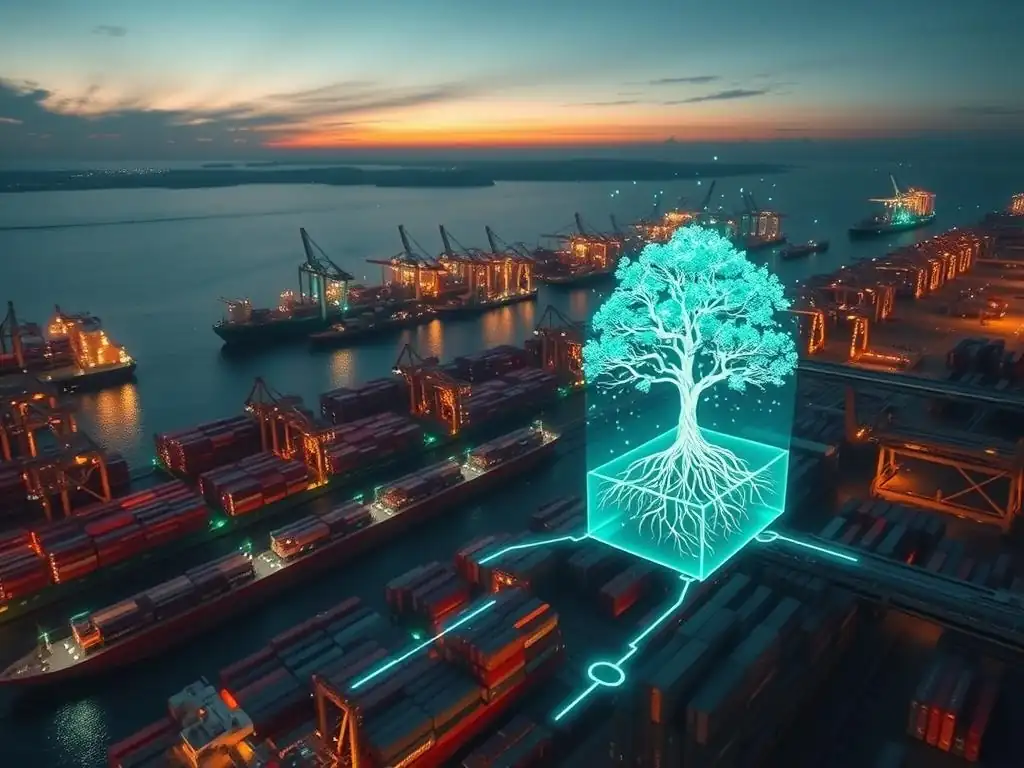
Welcome to Blockchain Trends, where we embark on a journey to uncover the transformative potential of blockchain technology beyond the realm of cryptocurrencies. In our latest case study, we dive into the fascinating world of Blockchain supply chain carbon tracking, revealing how innovative solutions are reshaping environmentally conscious supply chains. Curious about how this technology can not only enhance transparency but also significantly reduce carbon footprints? Join us as we explore the intersection of sustainability and blockchain, and discover how these advancements are paving the way for a greener future. Your exploration starts here!
Carbon Footprint Tracking: A Blockchain Case Study in Environmentally Conscious Supply Chains
- Introduction: The Growing Need for Sustainable Supply Chains
- The Challenge: Lack of Transparency in Carbon Emissions Data
- Blockchain Supply Chain Carbon Tracking: A Solution Overview
- Case Study: Implementing Blockchain for Carbon Footprint Reduction in Coffee Bean Supply Chain
- Benefits of Blockchain Supply Chain Carbon Tracking
- Measuring the Impact: Results and Key Performance Indicators (KPIs)
- Challenges and Considerations for Blockchain Carbon Tracking Implementation
- The Future of Blockchain in Sustainable Supply Chains
- Conclusion: Blockchain as a Catalyst for Environmentally Conscious Supply Chains
-
Frequently Asked Questions
- How can blockchain technology specifically help with carbon footprint tracking in supply chains?
- What are the key benefits of using blockchain for supply chain carbon tracking compared to traditional methods?
- What are some potential challenges in implementing blockchain-based carbon tracking systems for supply chains?
- How does blockchain supply chain carbon tracking contribute to achieving sustainability goals?
- What is the role of regulation in the adoption of blockchain for supply chain carbon tracking?
- Final Reflection: Empowering Sustainable Futures
- Empower Change: Start Tracing Your Impact Today!
Introduction: The Growing Need for Sustainable Supply Chains
Understanding the Environmental Impact of Supply Chains
Supply chains are inherently complex networks, stretching from raw material extraction to final product delivery and disposal. Their environmental footprint is significant, encompassing greenhouse gas emissions from transportation, energy consumption in manufacturing and processing, waste generation, water usage, and land degradation. Studies suggest that supply chain emissions can account for over 80% of a company's total carbon footprint, far exceeding direct operational emissions. This vast impact stems from the interconnected activities of numerous entities, each contributing to the overall environmental burden.
Effectively measuring and mitigating this impact requires detailed visibility across the entire chain. However, traditional methods often rely on aggregated data, estimates, or self-reported figures from various partners, leading to inaccuracies and a lack of granular insight. For instance, calculating the precise carbon emissions from transporting goods across multiple continents involves tracking fuel consumption, vehicle types, routes, and intermediaries, a process often fragmented and opaque. Without a clear, verifiable picture of where and how emissions are generated, businesses struggle to identify hotspots, implement effective reduction strategies, and communicate their environmental performance credibly to stakeholders.
The Role of Blockchain in Promoting Sustainability
Blockchain technology offers a promising pathway to address the transparency and trust deficits that hinder sustainability efforts in supply chains. Its core characteristics—immutability, transparency (for authorized participants), and decentralization—make it suitable for creating a shared, tamper-proof ledger of environmental data. By recording transactions and data points related to emissions, resource usage, and waste management on a blockchain, companies can build a verifiable history of their environmental performance.
This capability is particularly valuable for initiatives like blockchain supply chain carbon tracking. It allows for the creation of a digital, auditable trail for every step in the supply chain that contributes to the carbon footprint. Unlike centralized databases, which can be altered or siloed, a blockchain provides a single source of truth that all participating parties can access and trust. This shared visibility fosters collaboration and enables more accurate data collection and reporting, moving beyond estimations to data-driven insights for reducing environmental impact.
The Challenge: Lack of Transparency in Carbon Emissions Data
Current Limitations in Carbon Footprint Measurement
Measuring carbon footprints accurately across complex supply chains faces significant hurdles. Existing methods often rely on periodic audits, surveys, and data aggregation from disparate sources. This approach is prone to errors, inconsistencies, and delays. Data points such as energy consumption at a processing plant, fuel used by a third-party logistics provider, or fertilizer use at a farm might be recorded using different standards, units, or reporting frequencies.
Furthermore, the manual collection and consolidation of this data can be time-consuming and resource-intensive. Businesses often lack the tools or incentives to collect highly granular data from their upstream and downstream partners. The result is a high-level estimate rather than a precise measurement, making it difficult to pinpoint emission sources effectively and track progress on reduction targets. For example, a large retailer might know their total transportation emissions but struggle to identify which specific routes, carriers, or product types contribute the most, hindering targeted interventions.
The Problem of Data Silos and Trust in Supply Chain Emissions
A fundamental challenge in achieving accurate carbon footprint tracking is the prevalence of data silos. Each entity within a supply chain—from raw material suppliers and manufacturers to distributors and retailers—typically maintains its own separate data systems. Information about energy use, waste, and transportation is often kept within these private systems, shared only intermittently and often in summarized forms.
This fragmentation creates a trust deficit. How can one party verify the accuracy of environmental data provided by another? Without a shared, verifiable record, it's difficult to build confidence in reported carbon emissions figures. This lack of trust discourages collaboration on sustainability initiatives and makes it hard to implement effective blockchain supply chain carbon tracking solutions. Companies are hesitant to share potentially sensitive operational data, even for environmental purposes, unless there is a secure and trusted mechanism for doing so, which traditional systems often fail to provide.
Blockchain Supply Chain Carbon Tracking: A Solution Overview
How Blockchain Enables Transparent Carbon Accounting
Blockchain technology addresses the challenges of data silos and trust by providing a distributed, immutable ledger where environmental data can be recorded. Each transaction or data point related to carbon emissions—such as energy consumed, fuel liters used, or waste generated at a specific location and time—can be cryptographically hashed and added as a block to the chain. This creates a permanent, verifiable record that cannot be altered once added.
Participants in the supply chain network, with appropriate permissions, can access and view this shared ledger. This transparency allows stakeholders to trace the origin of carbon data, understand how it was calculated, and verify its integrity. By linking specific activities (like transporting a batch of goods) to calculated emissions data recorded on the blockchain, companies can build a transparent and auditable history of their carbon footprint for specific products or journeys. This is the essence of effective blockchain supply chain carbon tracking.
Key Features of a Blockchain-Based Carbon Tracking System
A robust blockchain-based system for tracking carbon emissions typically incorporates several key features:
- Data Capture Mechanisms: Integration points to collect data from various sources (IoT sensors, manual inputs, existing enterprise systems like ERP or WMS) across the supply chain.
- Standardized Data Models: Agreed-upon frameworks for structuring environmental data (e.g., energy units, fuel types, transportation modes) to ensure consistency across different participants.
- Emission Factor Libraries: Integration with or inclusion of verified databases of emission factors (e.g., CO2e per kWh of electricity, CO2e per liter of diesel) to convert activity data into estimated carbon emissions.
- Smart Contracts: Automated rules encoded on the blockchain that can trigger actions based on data inputs, such as calculating emissions for a specific leg of a journey or verifying data against predefined standards.
- Permissioned Access: Control over who can write data to the blockchain and who can view specific types of data, balancing transparency with privacy needs.
- Auditable Trails: The immutable nature of the blockchain provides a clear, verifiable history of all recorded data, simplifying audits and compliance reporting.
These features collectively create a powerful tool for implementing comprehensive blockchain supply chain carbon tracking, enabling businesses to move towards more accurate and trustworthy environmental reporting.
Case Study: Implementing Blockchain for Carbon Footprint Reduction in Coffee Bean Supply Chain
Background: Fairtrade Coffee Cooperative and Their Sustainability Goals
Consider a large Fairtrade coffee cooperative operating across multiple countries in East Africa, focused on producing high-quality, ethically sourced coffee. This cooperative works with thousands of smallholder farmers, multiple washing stations, dry mills, exporters, and international shipping partners. Their core sustainability goals include ensuring fair wages for farmers, promoting organic farming practices, and significantly reducing their overall carbon footprint from farm to port. Tracking emissions across this complex, multi-party supply chain, however, proved challenging due to fragmented data and limited technological infrastructure among some partners.
The cooperative recognized that achieving their ambitious carbon reduction targets required unprecedented visibility into emissions generated at each stage: farming (fertilizer use, energy for irrigation), processing (energy for washing, drying, milling), and transportation (trucking from farms to mills, shipping from port). Traditional methods provided only rough estimates, making it difficult to identify specific areas for improvement or verify the impact of sustainability initiatives implemented at the farm or processing level. They needed a system that could unify data from diverse sources and provide a trusted, transparent record for all stakeholders.
The Blockchain Solution: Architecture and Components
To address this, the cooperative partnered with a technology provider to implement a blockchain supply chain carbon tracking platform. The architecture involved a permissioned blockchain network (e.g., based on Hyperledger Fabric or a similar enterprise-grade platform) where key supply chain partners could participate.
The system's core components included:
- Mobile Application for Farmers: A simplified interface for farmers to record inputs like fertilizer type and quantity, energy use for pumps, or organic waste management practices.
- Processing Station Interface: Web-based or API integration for washing stations and mills to log energy consumption (electricity, fuel for generators), water usage, and processing volumes.
- Logistics Module: Integration with transportation providers to capture data like fuel consumption, distance traveled, and mode of transport for moving coffee from farm to mill, mill to warehouse, and warehouse to port.
- Carbon Calculation Engine: An off-chain or on-chain component that uses verified emission factors (e.g., from IPCC guidelines or regional databases) to convert activity data into CO2e emissions.
- Blockchain Ledger: The central repository where all recorded activity data and calculated emission figures are immutably stored, linked to specific batches of coffee.
- Dashboard and Reporting Interface: A user-friendly portal for the cooperative and authorized partners to visualize carbon footprints, generate reports, and track progress.
This architecture allowed for data collection at the source, ensuring greater accuracy and providing a shared, trusted record accessible to participants, significantly enhancing blockchain supply chain carbon tracking capabilities.
Data Integration: Connecting Farm Data, Processing Data, and Transportation Data to the Blockchain
Integrating data from the diverse sources within the coffee supply chain was critical. At the farm level, simplified mobile apps allowed farmers to input data, which was then validated (e.g., against expected yields or input norms) before being hashed and added to the blockchain, linked to their specific farm and coffee batch. Processing stations integrated their energy meters and fuel logs via API or manual upload, with smart contracts automatically calculating emissions per kilogram of coffee processed.
Transportation data, often coming from third-party logistics providers, was integrated through APIs or data uploads, capturing details like vehicle type, fuel used, and distance. This data was also linked to specific coffee shipments on the blockchain, allowing for granular emission tracking for each leg of the journey. Unique identifiers for batches of coffee created at the farm gate were maintained throughout the supply chain, ensuring that all environmental data points could be traced back to their origin. This comprehensive data integration across the entire chain solidified the effectiveness of the blockchain supply chain carbon tracking system.
Benefits of Blockchain Supply Chain Carbon Tracking
Enhanced Transparency and Traceability of Carbon Emissions
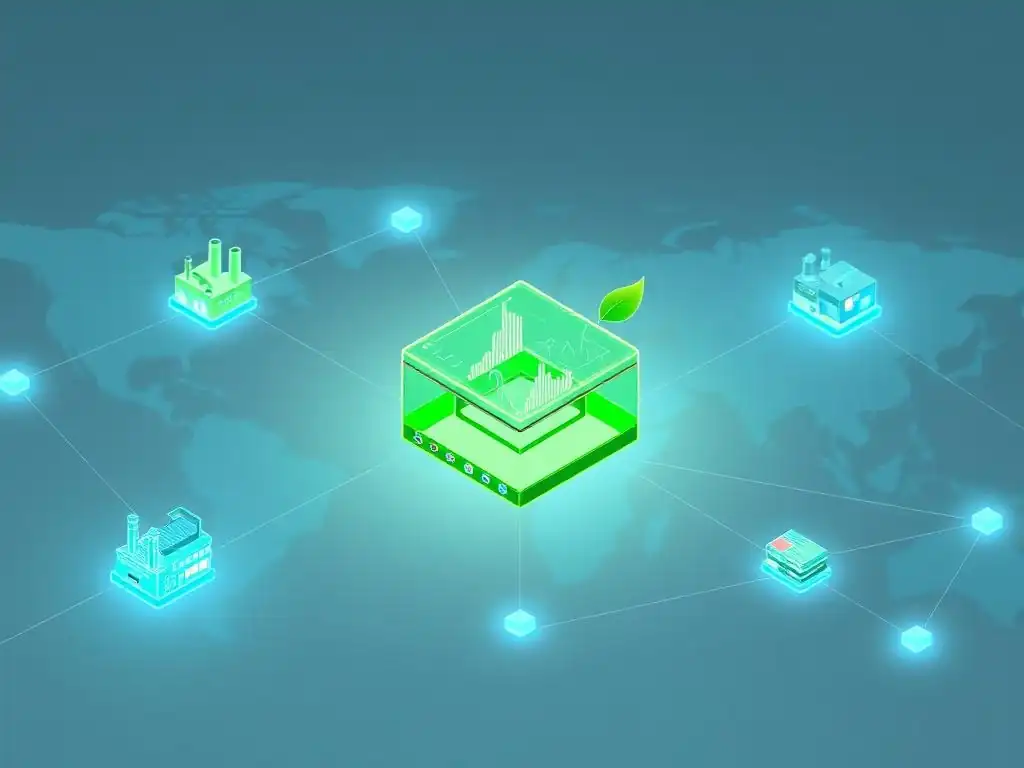
One of the most significant benefits of blockchain supply chain carbon tracking is the dramatic increase in transparency. By recording every relevant data point on an immutable ledger, stakeholders gain unprecedented visibility into the source and magnitude of carbon emissions throughout the supply chain. This allows businesses to trace emissions back to specific activities, locations, or even product batches.
For consumers and regulators, this means increased confidence in sustainability claims. They can potentially access (with appropriate permissions) a verifiable history of a product's environmental journey. For example, scanning a QR code on a coffee bag could theoretically provide access to the blockchain record detailing the carbon footprint associated with its production and transport, broken down by stage. This level of granular traceability goes far beyond traditional aggregate reporting, fostering trust and enabling informed decision-making.
Improved Data Accuracy and Reliability for Carbon Reporting
Traditional carbon reporting often suffers from data inaccuracies due to manual collection, estimations, and inconsistent methodologies across supply chain partners. A blockchain-based system mitigates these issues by capturing data closer to the source and creating a single, immutable record. Data entered onto the blockchain is timestamped and linked to specific transactions, making it difficult to falsify or alter without detection.
Smart contracts can also be used to enforce data standards and automate calculations, reducing the risk of human error. This results in more reliable data for internal analysis, external reporting (e.g., ESG reports), and compliance with regulations. Improved data reliability is crucial for setting meaningful reduction targets and accurately measuring progress towards them, making blockchain supply chain carbon tracking a powerful tool for corporate accountability.
Increased Stakeholder Trust and Collaboration
The shared, transparent, and immutable nature of a blockchain ledger inherently builds trust among supply chain participants. When all parties are contributing data to and viewing the same verifiable record, it fosters a sense of shared responsibility and encourages collaboration on sustainability goals. Suppliers are more likely to invest in emission reduction efforts when they know their contributions will be accurately recorded and recognized.
Furthermore, enhanced trust extends beyond the immediate supply chain partners to consumers, investors, and regulators. Credible, verifiable carbon data increases a company's reputation and brand value. Investors increasingly use ESG performance as a key metric, and accurate blockchain supply chain carbon tracking provides the data needed to demonstrate genuine environmental commitment, potentially attracting investment and improving access to green financing.
Streamlined Carbon Auditing and Compliance
Carbon auditing and compliance reporting are often complex, time-consuming processes that require gathering and verifying data from numerous sources. A blockchain-based system significantly streamlines these activities. Auditors can access the immutable ledger to easily trace data points, verify their origin, and confirm the methodologies used for calculation.
The ready availability of verifiable, granular data reduces the need for extensive manual data collection and validation during audits. This not only saves time and resources for both the company and the auditors but also increases the rigor and reliability of the audit process. For companies operating under evolving climate regulations (e.g., carbon taxes, cap-and-trade systems, mandatory reporting), a robust blockchain supply chain carbon tracking system provides the solid data foundation needed to ensure compliance and demonstrate adherence to environmental standards.
Measuring the Impact: Results and Key Performance Indicators (KPIs)
Reduction in Carbon Footprint Achieved
In the case study of the Fairtrade coffee cooperative, implementing blockchain supply chain carbon tracking allowed them to gain precise insights into emission hotspots. Initial data revealed that transportation, particularly from processing mills to ports, accounted for a larger percentage of emissions (estimated at 40-50% of the post-farm gate footprint) than previously estimated. Farm-level emissions, primarily from fertilizer and energy use, also showed significant variability between different regions and farming practices.
Armed with this accurate data, the cooperative could implement targeted interventions. For instance, they optimized logistics routes based on verifiable fuel consumption data recorded on the blockchain and incentivized farmers using the platform to adopt specific low-carbon practices, such as composting organic waste. Within the first two years of full implementation, the cooperative reported an estimated 15% reduction in their verifiable carbon footprint per kilogram of exported coffee, a significant step towards their long-term goals, directly attributable to the insights gained from granular blockchain supply chain carbon tracking.
Improvements in Supply Chain Efficiency
Beyond environmental benefits, the transparency and data flow enabled by the blockchain system also led to improvements in operational efficiency. The system provided a clearer, real-time view of product movement and associated activities, reducing delays caused by data discrepancies between partners. Smart contracts automated certain data validation and payment processes linked to verified activities, such as confirming a shipment arrived and its associated carbon data was recorded, which streamlined administrative tasks.
For example, the time required to reconcile data between the cooperative and its logistics partners regarding shipment volumes and routes decreased by an estimated 25%. This efficiency gain, though secondary to the primary goal of carbon reduction, highlighted the broader benefits of implementing a transparent, shared data platform like blockchain supply chain carbon tracking.
Cost Savings and Return on Investment (ROI)
While the initial investment in developing and implementing the blockchain platform was substantial (estimated in the range of $100,000 - $300,000+ depending on scale and complexity), the cooperative saw potential for cost savings and a return on investment over time. The reduction in transportation emissions, driven by route optimization based on blockchain data, directly translated into lower fuel costs. Furthermore, improved data accuracy reduced the resources spent on manual data collection and verification for audits and reports.
The ability to provide verifiable, low-carbon coffee also opened up new market opportunities and potentially commanded a premium price from environmentally conscious buyers. While quantifying the exact ROI from price premiums is complex, the operational savings and the enhanced market position contributed significantly to the business case for blockchain supply chain carbon tracking. The estimated annual operational savings from increased efficiency and reduced emissions-related costs were projected to offset the initial investment within 3-5 years.
Challenges and Considerations for Blockchain Carbon Tracking Implementation
Data Standardization and Interoperability
Implementing blockchain supply chain carbon tracking requires participants across the chain to adopt standardized methods for collecting and reporting environmental data. This can be challenging when partners use diverse systems, units of measurement, and reporting frequencies. Defining common data schemas for energy consumption, fuel types, waste volumes, etc., is crucial but requires significant coordination and agreement among all stakeholders.
Ensuring interoperability between the blockchain platform and existing enterprise systems (like ERP, WMS, or farm management software) is also a technical hurdle. Data needs to flow seamlessly and accurately from these systems onto the blockchain, which often requires custom integrations or middleware. Without robust data standardization and interoperability, the integrity and completeness of the carbon data on the blockchain can be compromised.
Scalability and Performance of the Blockchain Network
The volume of data generated by tracking carbon emissions across a large, complex supply chain can be immense. Every activity contributing to emissions, from a tractor's fuel usage to a factory's energy consumption, potentially generates data points that need to be recorded. As the number of participants and transactions grows, the underlying blockchain network must be able to handle the load efficiently.
Choosing the right blockchain technology is critical. Public, proof-of-work chains might face issues with transaction speed and cost (gas fees), although newer layers and proof-of-stake chains offer better scalability. Permissioned or private blockchains can offer higher throughput and lower transaction costs but require careful governance to maintain decentralization and trust guarantees. Ensuring the platform can scale without compromising performance or significantly increasing costs is a key consideration for widespread blockchain supply chain carbon tracking.
Regulatory Compliance and Data Privacy Concerns
Navigating the evolving landscape of environmental regulations and data privacy laws is another significant challenge for blockchain supply chain carbon tracking. While transparency is a benefit, businesses must ensure that sharing data on a blockchain complies with regulations like GDPR or regional environmental reporting mandates. Determining which data is publicly visible, which is permissioned, and which remains private is crucial.
Furthermore, the immutability of blockchain data, while advantageous for verification, can pose challenges if incorrect or sensitive data is accidentally recorded. Strategies for handling data errors, while maintaining the integrity of the chain, need to be carefully designed. Companies must also consider how the system aligns with future regulatory requirements for carbon reporting and verification.
Grower Onboarding and Technology Access
In supply chains involving smallholder farmers or businesses in regions with limited technological infrastructure, onboarding participants onto a blockchain supply chain carbon tracking platform can be difficult. Many farmers may not have access to smartphones, reliable internet, or the technical literacy required to interact with the system directly.
Solutions often require simplified interfaces, offline data collection methods, or intermediaries (like cooperative staff or local NGOs) to assist with data input. Providing adequate training and support is essential to ensure accurate data capture at the source and encourage participation. The success of blockchain supply chain carbon tracking hinges on the willingness and ability of all stakeholders, including those at the 'first mile' of the supply chain, to engage with the technology.
The Future of Blockchain in Sustainable Supply Chains
Emerging Trends in Blockchain-Based Sustainability Solutions
The application of blockchain technology in sustainable supply chains is rapidly evolving beyond just carbon tracking. Emerging trends include using blockchain for:
- Circular Economy Tracking: Tracing materials and products through recycling, reuse, and repair loops to verify claims about recycled content or product lifespan.
- Water Usage Monitoring: Recording and verifying water consumption at different stages of production.
- Ethical Sourcing Verification: Creating immutable records of fair labor practices, responsible sourcing of raw materials, and compliance with social standards.
- Green Finance and Tokenization: Tokenizing carbon credits or other environmental assets on the blockchain to facilitate transparent trading and investment in sustainability projects.
These applications leverage the same core blockchain properties—transparency, immutability, and trust—to address various environmental and social challenges within complex supply chains, expanding the scope of blockchain supply chain carbon tracking into broader sustainability management.
Potential for Integration with IoT and AI
The synergy between blockchain, the Internet of Things (IoT), and Artificial Intelligence (AI) holds immense potential for advancing sustainable supply chains. IoT sensors can collect real-time environmental data (e.g., energy consumption, temperature, humidity, GPS location for transport) directly from equipment and facilities. This data can be automatically fed onto the blockchain, reducing manual input errors and providing highly granular, verifiable information for blockchain supply chain carbon tracking.
AI can be used to analyze the vast datasets collected via IoT and stored on the blockchain to identify patterns, predict potential emission hotspots, optimize resource usage (like energy or water), and verify the integrity of incoming data. For instance, AI could detect anomalies in reported energy consumption that might indicate inaccurate data. This integration creates a powerful feedback loop, enabling continuous monitoring, analysis, and improvement of environmental performance based on trustworthy, real-time data.
The Role of Blockchain in Achieving Global Sustainability Goals
Blockchain technology has a significant role to play in helping industries and nations achieve ambitious global sustainability goals, such as those outlined in the UN Sustainable Development Goals (SDGs) and the Paris Agreement. By providing a trusted infrastructure for tracking, reporting, and verifying environmental data, blockchain can enable greater accountability and drive collective action.
Transparent blockchain supply chain carbon tracking can facilitate international carbon accounting, support the development of effective carbon markets, and provide the data needed for monitoring national climate commitments. As regulatory pressures increase and stakeholder expectations rise, blockchain's ability to create verifiable records of environmental impact will become increasingly essential for demonstrating progress towards a more sustainable global economy.
Conclusion: Blockchain as a Catalyst for Environmentally Conscious Supply Chains
Key Takeaways from the Case Study
The case study of the Fairtrade coffee cooperative demonstrates the tangible benefits of implementing blockchain supply chain carbon tracking. It showed that despite the challenges of data integration and onboarding, a blockchain-based system can provide the necessary transparency and data reliability to move beyond estimates to verifiable carbon footprint measurements. The key takeaways are:
- Granular, verifiable data reveals actual emission hotspots, enabling targeted reduction strategies.
- Improved data accuracy leads to more reliable reporting and builds stakeholder trust.
- Operational efficiencies can be gained alongside environmental benefits.
- Successful implementation requires addressing data standardization, scalability, and participant access.
While not a panacea, blockchain offers a powerful framework for tackling the inherent opacity in traditional supply chains regarding environmental impact.
The Potential for Widespread Adoption of Blockchain Carbon Tracking
The potential for widespread adoption of blockchain supply chain carbon tracking is significant, driven by increasing regulatory pressure, consumer demand for sustainable products, and corporate sustainability commitments. As the technology matures and implementation costs decrease, more companies across various sectors—from agriculture and manufacturing to logistics and retail—are likely to explore and adopt these solutions.
The benefits of enhanced transparency, data reliability, and stakeholder trust are compelling arguments for integrating blockchain into sustainability strategies. While challenges remain, ongoing developments in blockchain technology, data standardization efforts, and integration with IoT and AI are paving the way for blockchain to become a standard tool for creating truly environmentally conscious and accountable supply chains globally.
Frequently Asked Questions
How can blockchain technology specifically help with carbon footprint tracking in supply chains?
Blockchain provides a transparent and immutable ledger for tracking carbon emissions at each stage of the supply chain. This allows for accurate measurement and verification of environmental impact. It also improves accountability and reduces greenwashing.
What are the key benefits of using blockchain for supply chain carbon tracking compared to traditional methods?
Traditional methods often lack transparency and are prone to manipulation. Blockchain offers enhanced data security and tamper-proof records. This facilitates trust and collaboration among stakeholders. Improved data accuracy and traceability are also key benefits.
What are some potential challenges in implementing blockchain-based carbon tracking systems for supply chains?
Challenges include the initial investment costs associated with setting up the system. Also, the lack of standardized data formats across different supply chain actors and ensuring interoperability with existing systems can be difficult.
How does blockchain supply chain carbon tracking contribute to achieving sustainability goals?
By providing accurate and verifiable data on carbon emissions, blockchain helps companies identify areas for improvement. This enables them to reduce their environmental impact and meet sustainability targets. It also promotes greater consumer awareness and responsible consumption.
What is the role of regulation in the adoption of blockchain for supply chain carbon tracking?
Clear and consistent regulations can provide a framework for the responsible use of blockchain. This will help to ensure data privacy and security. It also fosters greater trust and encourages wider adoption of the technology.
Final Reflection: Empowering Sustainable Futures
The journey through blockchain supply chain carbon tracking reveals more than just technological innovation; it unveils a powerful tool for environmental accountability. The ability to transparently monitor and reduce carbon footprints across complex supply chains is no longer a futuristic ideal, but a tangible reality, poised to reshape how businesses operate and consumers make informed choices. This shift is crucial in a world grappling with the urgent need for sustainable practices.
This exploration has underscored the profound impact of technology on our collective responsibility towards the planet. The potential for blockchain to foster trust and transparency in environmental claims is immense, offering a pathway towards a more sustainable and ethical future. We do not inherit the earth from our ancestors; we borrow it from our children.
This quote serves as a constant reminder that our actions today will define the world our future generations inherit, and blockchain offers a powerful mechanism to ensure that inheritance is a healthy one.
As we conclude this exploration, I invite you to consider your own role in this transformative journey. How can you, as a consumer, a business leader, or a technology enthusiast, contribute to the adoption of blockchain supply chain carbon tracking? Let us embrace this technology not just as a tool for efficiency, but as a catalyst for change, empowering us to build a future where sustainability is not just a buzzword, but a deeply ingrained principle in every aspect of our lives.
Empower Change: Start Tracing Your Impact Today!
Thanks for diving into the world of blockchain and its potential to revolutionize environmentally conscious supply chains! You've now seen how transparency and accountability can drastically reduce carbon footprints. Ready to put this knowledge into action?
Here are a few steps you can take right now:
- Calculate your personal carbon footprint using an online tool and identify areas for improvement. This is the most crucial step in understanding your impact and setting meaningful goals.
- Share this article with your network to spark discussions about blockchain's role in environmental sustainability – let's amplify the conversation!
- Explore ethical and sustainable brands that actively track their supply chain using blockchain technology – support businesses leading the way!
What's one small change you can make this week to reduce your carbon footprint and inspire others to do the same?
Leave a Reply