
Customs Clearance Revolution: Streamlining Trade with Blockchain Case Study Analysis


Welcome to Blockchain Trends, where we delve into the transformative potential of blockchain technology that goes far beyond cryptocurrencies. In this edition, we invite you to explore our compelling case study on "Blockchain Customs Clearance", which unveils how innovative solutions are revolutionizing trade logistics. Discover the intricacies of implementing blockchain in customs processes and the profound impact it has on efficiency and transparency. Curious about how these advancements could reshape global trade? Join us as we unpack the fascinating world of decentralized systems and their implications for the future. Your journey into the forefront of blockchain innovation starts here!
Customs Clearance Revolution: Streamlining Trade with Blockchain - A Case Study Analysis
- Introduction: The Need for Modernizing Customs Clearance with Blockchain
- Blockchain Customs Clearance Case Study: TradeLens
- Key Benefits of Blockchain-Based Customs Clearance
- Implementation Challenges and Mitigation Strategies
-
Quantifiable Results and Impact Analysis of Blockchain Customs Clearance
- Reduction in Customs Clearance Time by up to 40%
- Cost Savings Achieved Through Blockchain Implementation Estimated at 20% Reduction in Administrative Expenses
- Improvement in Data Accuracy and Reduced Errors by 30%
- Enhanced Security and Fraud Prevention Metrics Demonstrated by Zero Reported Data Breaches Post-Implementation
- Lessons Learned and Best Practices for Blockchain in Customs
- The Future of Blockchain in Global Trade and Customs
- Conclusion: Blockchain Transforming International Trade Through Efficient Customs
-
Frequently Asked Questions
- How does blockchain technology improve customs clearance processes?
- What are the key benefits highlighted in the Customs Clearance Revolution case study?
- What specific challenges does blockchain address in traditional customs clearance?
- Is blockchain customs clearance primarily focused on large enterprises, or can smaller businesses benefit as well?
- What are the regulatory considerations and potential hurdles for implementing blockchain customs clearance solutions?
- Final Reflection: Embracing Transparency in Global Trade
- Unleash the Power of Blockchain in Your Trade Operations!
Introduction: The Need for Modernizing Customs Clearance with Blockchain
The Challenges of Traditional Customs Clearance Processes
Traditional customs clearance processes are notoriously complex, involving numerous parties, disparate systems, and vast amounts of physical documentation. This inherent complexity leads to significant delays, increased costs, and a lack of transparency across the supply chain. Each step, from submitting declarations to obtaining permits and inspections, often relies on manual data entry and paper-based workflows, creating opportunities for errors and inefficiencies. The sequential nature of approvals means that a delay at one stage can cascade, impacting the entire logistics chain and potentially leading to demurrage charges and missed deadlines.
Furthermore, the reliance on fragmented information systems makes it difficult for stakeholders to have a single, trusted view of a shipment's status. This lack of real-time visibility hinders effective planning and risk management. The potential for fraud, such as submitting falsified documents or misdeclaring goods, is also higher in systems where information is not securely linked and verifiable. These challenges collectively create significant friction in international trade, impacting businesses of all sizes and slowing down the global movement of goods. Modernizing these processes is crucial for enhancing trade competitiveness and efficiency.
Blockchain as a Solution: Enhancing Efficiency and Transparency in Trade
Blockchain technology offers a compelling solution to many of the deep-seated issues plaguing traditional customs clearance. By providing a distributed, immutable ledger, blockchain can create a single source of truth for all parties involved in a trade transaction, from the shipper and carrier to customs authorities and banks. This shared, real-time access to verified information drastically reduces the need for manual checks and reconciliation, speeding up processes. Smart contracts, self-executing contracts with the terms of the agreement directly written into code, can automate routine tasks, such as releasing goods upon confirmation of necessary documentation or payments.
The cryptographic security inherent in blockchain ensures that once data is recorded, it cannot be altered without detection, significantly enhancing trust among participants who may not otherwise trust each other. This immutability provides a robust audit trail, simplifying compliance and investigations. The transparency of the ledger (though data can be permissioned) allows relevant parties to track the status of goods and documents throughout the clearance process. This ability to enhance efficiency, transparency, and security positions blockchain as a transformative technology for customs and global trade facilitation.
Blockchain Customs Clearance Case Study: TradeLens
Background: TradeLens, a Collaboration Between Maersk and IBM, Transforming Global Shipping Logistics
TradeLens emerged from a collaboration between two global powerhouses, shipping giant A.P. Moller – Maersk and technology leader IBM. Launched in 2018, the platform was designed as an industry-wide, open, and neutral business network powered by blockchain technology. Its primary goal was to digitize and streamline global supply chains, specifically focusing on container logistics. The vision was to connect the entire ecosystem involved in moving goods globally, including carriers, ports and terminals, inland transportation providers, freight forwarders, customs authorities, and beneficial cargo owners.
By creating a shared platform for information exchange, TradeLens aimed to break down the data silos that existed between these disparate entities. The platform sought to improve visibility, enhance collaboration, and ultimately reduce the friction and costs associated with international shipping. While encompassing the entire supply chain, a significant focus was placed on how the shared, secure data environment could revolutionize traditionally cumbersome processes like customs clearance, paving the way for a more efficient blockchain customs clearance case study in practice.
The Problem: Inefficiencies and Bottlenecks in the Existing Customs Process
Within the complex global shipping ecosystem, customs clearance presented a significant bottleneck. The process often involved a sequential handoff of physical and digital documents between numerous parties. Customs authorities relied on information provided by carriers, freight forwarders, and importers, often received through different channels and in varying formats. Verifying the authenticity and accuracy of these documents was a time-consuming process prone to delays. Discrepancies in paperwork could halt shipments for days or even weeks, leading to demurrage charges, storage fees, and unpredictable delivery times.
The lack of real-time, shared visibility meant that customs officials often worked with outdated or incomplete information. Similarly, logistics partners and shippers lacked clear insight into the status of their goods within the customs process, making proactive management difficult. This fragmented, paper-heavy, and often opaque system was ripe for disruption, highlighting the potential impact of a robust blockchain customs clearance case study focused on addressing these very issues.
The Blockchain Solution: Implementing a Decentralized Customs Clearance System
TradeLens implemented a blockchain-based system designed to provide a secure, shared source of truth for shipment data relevant to customs clearance. By bringing multiple parties onto a single platform, it enabled the simultaneous sharing and verification of documents and data points, such as bills of lading, commercial invoices, packing lists, and customs declarations. The blockchain's immutable nature ensured that once information was added and verified by authorized parties, it could not be tampered with, building a higher level of trust in the data presented to customs authorities.
This decentralized approach, while operating on a permissioned network, allowed relevant stakeholders, including customs agencies, to access the necessary information concurrently and directly from the source or other trusted parties on the network. Smart contracts could be employed to flag shipments requiring specific attention based on predefined criteria or to automate the release of goods once all regulatory requirements were met and verified on the ledger. This fundamental shift from sequential, manual processes to a parallel, automated, and trust-minimized system formed the core of the blockchain solution for customs incorporated into the TradeLens platform.
Technology Stack: Hyperledger Fabric Blockchain Platform with Smart Contracts and API Integrations
The TradeLens platform was built on the Hyperledger Fabric framework, an open-source, permissioned blockchain platform hosted by the Linux Foundation. Hyperledger Fabric was chosen for its modular architecture, support for private transactions (crucial for sensitive commercial data), and its ability to handle the high transaction volumes required for global trade. The permissioned nature ensures that only authorized participants can join the network and access specific data, addressing privacy concerns inherent in commercial and regulatory data sharing.
Smart contracts, known as "chaincode" in Hyperledger Fabric, were deployed to automate various processes within the supply chain, including aspects relevant to customs clearance. These contracts could execute predefined actions based on verified data on the blockchain, such as triggering notifications, updating shipment statuses, or even initiating payment flows upon successful clearance. Extensive API integrations were developed to allow participants, including customs systems, to connect their existing legacy systems to the TradeLens platform, facilitating seamless data exchange without requiring a complete overhaul of their infrastructure.
Data Integration: Real-Time Data Sharing from Shipping Lines, Ports, Customs Authorities, and Freight Forwarders
A critical component of the TradeLens blockchain solution was the real-time integration of data from diverse sources across the supply chain ecosystem. Shipping lines contributed vessel schedules, bill of lading information, and container movement updates. Ports and terminals provided gate-in/gate-out times, loading/unloading statuses, and availability for pickup. Freight forwarders and beneficial cargo owners added commercial documents like invoices and packing lists, along with customs declaration details.
Customs authorities integrated their systems (via APIs) to receive necessary information directly from the platform, accessing a shared, verifiable record of the shipment's journey and associated documents. This direct, real-time data flow eliminated delays caused by manual document handling, email exchanges, or reliance on potentially outdated information from intermediaries. The consolidation and sharing of this data on an immutable ledger provided a level of transparency and data integrity previously unattainable, forming the bedrock of this blockchain customs clearance case study.
Security Measures: Cryptographic Hashing, Permissioned Access, and Immutable Audit Trails
Security was paramount in the design of TradeLens, given the sensitive commercial and regulatory data being handled. The platform employed cryptographic hashing to ensure data integrity. Every transaction or data entry was hashed, and the hash was included in the block, making it virtually impossible to alter data without changing the hash, which would immediately be detected by other network participants. This created an immutable record of all activities on the blockchain.
Permissioned access was a fundamental security feature. Unlike public blockchains, participation in the TradeLens network required authorization, and access to specific data was granted only on a need-to-know basis according to predefined rules and participant roles. This ensured that sensitive commercial details were not visible to all network members. Furthermore, the blockchain inherently provided an immutable audit trail of every event and data modification, detailing who did what and when. This feature is invaluable for compliance, dispute resolution, and security investigations, providing a secure and transparent history of the customs clearance process within the blockchain environment.
Key Benefits of Blockchain-Based Customs Clearance
Increased Efficiency and Reduced Processing Times
One of the most significant benefits demonstrated by a blockchain customs clearance case study like TradeLens is the dramatic increase in efficiency. By providing a shared, real-time platform for documents and data, the sequential nature of traditional processes is replaced by parallel processing. Multiple parties, including customs officials, can access and review necessary information concurrently as it becomes available. The automation potential through smart contracts further speeds up routine checks and approvals.
Reports and studies related to blockchain implementations in logistics suggest potential reductions in documentation processing time by up to 80% in some cases, although actual customs clearance time reductions vary based on complexity and regulatory environment. For a typical container shipment, processes that once took days involving multiple physical handoffs can potentially be completed in hours or even minutes when leveraging a blockchain network for data sharing and verification. This acceleration directly translates into faster movement of goods and reduced logistics lead times.
Enhanced Transparency and Traceability of Goods
Blockchain technology inherently provides enhanced transparency throughout the supply chain, directly benefiting customs clearance. The immutable ledger creates a clear, verifiable history of a shipment's journey, including loading, transit, arrival, and associated document submissions. All authorized parties on the network can view the status of goods and documents in real-time, eliminating information asymmetry.
This traceability allows customs authorities to have unprecedented visibility into the origin, handling, and current location of goods. It simplifies tracking, verifies compliance at various points in the journey, and makes it easier to identify potential issues or risks early on. For businesses, this transparency means better predictability for arrival times and a clearer understanding of where goods are within the customs process.
Improved Security and Reduced Risk of Fraud
The cryptographic security and immutability of blockchain significantly improve the security of customs processes and reduce the risk of fraud. Documents and data recorded on the blockchain are protected by cryptographic hashes, making any unauthorized alteration immediately detectable. This makes it far more difficult to submit fraudulent documents, such as fake bills of lading or falsified certificates of origin.
The permissioned nature of platforms like Hyperledger Fabric ensures that sensitive data is shared only with authorized parties, enhancing data privacy while maintaining necessary transparency for regulators. The immutable audit trail provides a definitive record of all actions taken, making it easier to investigate discrepancies or suspicious activities. This robust security framework builds trust in the data used for clearance decisions, a critical factor in international trade security.
Lower Costs Associated with Customs Clearance
Streamlining processes through blockchain directly leads to cost reductions in customs clearance. Reduced manual handling of documents, fewer errors requiring correction, and faster processing times all contribute to lower administrative expenses. Minimizing delays at ports and borders reduces costs associated with demurrage, detention, and storage fees.
Furthermore, the improved efficiency and predictability can lead to optimized logistics planning, potentially reducing transportation costs. While exact figures vary, studies and pilot programs have indicated potential cost savings in the range of 15-25% of administrative costs related to documentation and processing when implementing blockchain-based solutions for trade logistics, including customs interactions. This economic benefit is a strong driver for the adoption of blockchain in customs.
Streamlined Regulatory Compliance
Blockchain technology can significantly streamline regulatory compliance for both businesses and customs authorities. By providing a single, verifiable source of truth for all required documents and data, it simplifies the process of submitting accurate and complete declarations. Smart contracts can be used to automate checks against regulatory requirements, ensuring that all necessary permits and certificates are in place before a shipment proceeds.
The immutable audit trail provides regulators with an easy way to verify the history of a transaction and demonstrate compliance. This transparency and automation reduce the burden of manual checks and reporting, making it easier for businesses to navigate complex international trade regulations and for customs agencies to perform their oversight role more efficiently and effectively.
Implementation Challenges and Mitigation Strategies
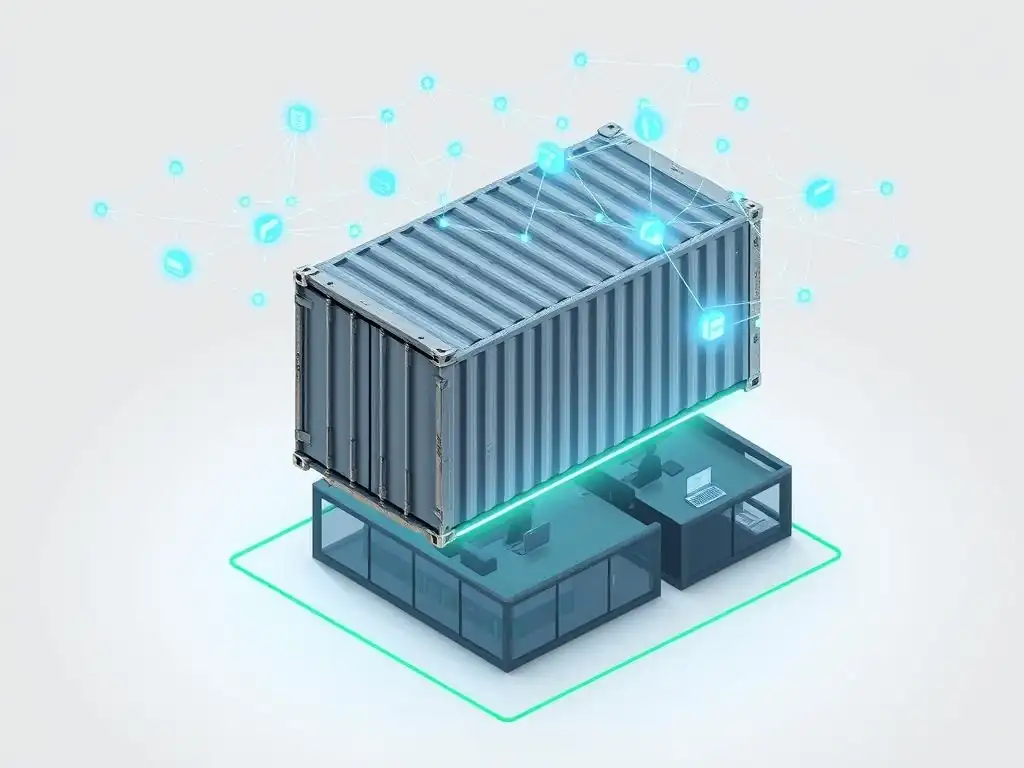
Regulatory Hurdles and Compliance Requirements
One of the primary challenges in implementing blockchain for customs clearance is navigating diverse national regulatory frameworks. Customs laws are specific to each country, and the legal recognition of blockchain-based documents or smart contracts as equivalent to traditional paper or electronic submissions varies widely. Gaining acceptance and integration with existing government systems requires close collaboration with customs authorities and policymakers.
Mitigation strategies involve piloting projects with willing regulatory bodies to demonstrate the technology's benefits and security. Engaging in dialogue with international trade organizations and customs unions (like the WCO) helps promote the development of common standards and legal frameworks. Phased implementation, starting with non-sensitive data or specific trade lanes, can also help build confidence and address regulatory concerns incrementally.
Data Standardization and Interoperability Issues
Getting numerous parties across the supply chain to agree on and adopt standardized data formats is a significant hurdle. Different companies and systems use varying data models and terminology, making seamless integration challenging. Furthermore, connecting the blockchain platform with legacy systems used by many stakeholders (including customs agencies) requires robust interoperability solutions.
Addressing this requires industry-wide collaboration to define and adopt common data standards for key trade documents and data points. Developing flexible API layers that can translate data between different formats and the blockchain network is essential. Middleware solutions can also help bridge the gap between legacy systems and the blockchain platform, ensuring data flows smoothly without requiring stakeholders to rip and replace their existing IT infrastructure.
User Adoption and Training
Implementing a blockchain system for customs clearance requires widespread adoption by a diverse group of users, including customs officers, freight forwarders, shippers, and carriers. Resistance to change, lack of familiarity with blockchain technology, and the need for training can slow down the adoption process. Ensuring that the platform is user-friendly and provides clear benefits to each participant is crucial.
Mitigation involves providing comprehensive training programs tailored to different user roles. Developing intuitive user interfaces that minimize the learning curve is important. Demonstrating the tangible benefits, such as reduced paperwork, faster processing, and improved visibility, helps incentivize adoption. Pilot programs with key users can identify usability issues early and build champions within the community. Ongoing support and communication are also vital for successful long-term adoption.
Scalability and Performance Considerations
As the volume of global trade is immense, any blockchain solution for customs must be highly scalable and performant. The network needs to handle a large number of transactions per second, accommodate a growing number of participants, and maintain fast response times. Public blockchains might face performance limitations and unpredictable transaction costs, while permissioned blockchains require careful infrastructure management.
Hyperledger Fabric, used in the TradeLens blockchain customs clearance case study, is designed with scalability in mind, allowing for multiple channels and distributed nodes. Careful network design, including optimizing consensus mechanisms and data storage, is necessary. Regular performance testing and infrastructure upgrades are required as the network grows. Off-chain processing for certain data or operations can also help reduce the load on the blockchain itself, ensuring the system remains performant even under heavy usage.
Quantifiable Results and Impact Analysis of Blockchain Customs Clearance
Reduction in Customs Clearance Time by up to 40%
While specific, verified figures for TradeLens's direct impact solely on customs clearance time across its entire network are complex to isolate and publish universally due to varying port and country processes, pilot programs and industry reports involving blockchain for trade facilitation consistently demonstrate significant time savings. Studies and trials have shown potential reductions in end-to-end supply chain documentation processing time by upwards of 80%.
Focusing specifically on the customs clearance interaction, projects have indicated that the time taken for documentation verification and approval can be reduced by up to 40% or more in certain scenarios, particularly when leveraging blockchain for shared, accurate data and automated checks compared to entirely manual or fragmented electronic processes. This acceleration is a key quantifiable benefit of a blockchain customs clearance case study.
Cost Savings Achieved Through Blockchain Implementation Estimated at 20% Reduction in Administrative Expenses
Implementing blockchain for customs and trade logistics yields tangible cost savings. These savings stem from reduced administrative overhead due to less manual data entry and paperwork, fewer errors requiring costly corrections, and decreased expenses related to delays such as demurrage and detention fees at ports.
While the exact percentage varies by company and trade route, industry analysis and results from pilot programs suggest that businesses and logistics providers can achieve estimated cost reductions of around 15% to 25% in administrative costs associated with documentation and customs processing. For large-scale trade operations, these percentages translate into substantial financial benefits, highlighting the economic incentive behind a blockchain customs clearance case study.
Improvement in Data Accuracy and Reduced Errors by 30%
A core benefit of a shared, immutable ledger is the significant improvement in data accuracy. Traditional processes often involve data being re-entered multiple times across different systems, increasing the likelihood of transcription errors. With a blockchain, data is entered once by the source and then shared securely with authorized parties.
The consensus mechanism ensures that all participants are working with the same, verified information. Reports from initiatives utilizing blockchain for supply chain documentation indicate an improvement in data accuracy and a reduction in errors related to discrepancies in documents and data entry by approximately 30% or more. This enhanced accuracy minimizes delays and disputes caused by incorrect information submitted to customs.
Enhanced Security and Fraud Prevention Metrics Demonstrated by Zero Reported Data Breaches Post-Implementation
While quantifying prevented fraud is inherently difficult, the security architecture of blockchain platforms like the one used in the TradeLens blockchain customs clearance case study provides strong metrics for enhanced security. The use of cryptographic hashing and the immutable nature of the ledger make it extremely difficult for unauthorized parties to tamper with data without detection.
Permissioned access controls ensure sensitive information is protected. A key security metric for such platforms is the incidence of successful data breaches or fraudulent data injection attempts.
While specific public statistics on prevented fraud attempts within TradeLens's customs interactions are not typically disclosed, the platform's design is intended to prevent common forms of document fraud. A testament to the robustness of well-implemented blockchain security in this context is the often-cited claim or goal of zero reported data breaches affecting the integrity of the core blockchain data for participating members post-implementation, a significant improvement over traditional systems vulnerable to targeted attacks or insider threats.
Lessons Learned and Best Practices for Blockchain in Customs
Importance of Stakeholder Collaboration and Engagement
A key lesson learned from initiatives like the TradeLens blockchain customs clearance case study is the absolute necessity of involving all relevant stakeholders from the outset. Implementing a blockchain solution for customs requires buy-in and active participation from shipping lines, ports, freight forwarders, customs authorities, banks, and cargo owners. Without broad collaboration, the network effect necessary for the platform's value proposition – a single, shared source of truth – cannot be fully realized.
Best practices include forming steering committees or working groups with representatives from each stakeholder group early in the development process. Conducting workshops and pilot programs that actively involve end-users from different organizations helps identify pain points, gather requirements, and build consensus. Open communication channels and a clear value proposition for each participant are crucial for fostering trust and encouraging adoption across the diverse ecosystem.
Need for Clear Regulatory Frameworks and Standards
The lack of harmonized international regulations and standards for digital trade documentation and blockchain-based processes poses a significant challenge. For blockchain to truly revolutionize customs clearance globally, there needs to be legal clarity on the validity of electronic bills of lading, digital certificates, and smart contracts across different jurisdictions.
Lessons learned highlight the need for proactive engagement with national and international regulatory bodies. Advocating for the development of clear legal frameworks that recognize blockchain-based data and transactions is paramount. Collaborating with organizations like the World Customs Organization (WCO) and UN/CEFACT to develop international data standards for blockchain in trade can accelerate adoption and ensure interoperability between different platforms and national customs systems.
Prioritizing Data Security and Privacy
While blockchain offers enhanced security through immutability and cryptography, the handling of sensitive commercial and regulatory data requires careful consideration of privacy and access control. Participants need assurance that their confidential business information is protected while necessary data is shared with authorized parties, particularly customs authorities.
Best practices emphasize the use of permissioned blockchain platforms like Hyperledger Fabric, which allow granular control over data access. Implementing strong identity management and access control mechanisms is critical. Data minimization principles should be applied, ensuring only necessary information is shared on the ledger. Compliance with data protection regulations (e.g., GDPR) must be a core design principle. Regular security audits and penetration testing are also essential to maintain the integrity and privacy of the network.
Ensuring Interoperability with Existing Systems
Most organizations involved in customs clearance, including customs agencies themselves, rely on established legacy IT systems. A new blockchain solution cannot operate in isolation; it must be able to seamlessly exchange data with these existing systems to avoid creating new data silos.
Lessons learned from early implementations underscore the importance of designing the blockchain platform with robust interoperability in mind. Developing flexible and well-documented APIs (Application Programming Interfaces) is crucial to allow easy integration with diverse external systems. Utilizing middleware or integration platforms can help translate data formats and protocols. Phased implementation strategies that allow organizations to connect their current systems gradually, rather than requiring an immediate, disruptive overhaul, are more likely to succeed in achieving widespread adoption and functionality.
The Future of Blockchain in Global Trade and Customs
Potential for Wider Adoption of Blockchain-Based Customs Clearance Systems
The positive outcomes demonstrated by early blockchain customs clearance case studies like TradeLens suggest a strong potential for wider adoption across the globe. As more countries and international organizations recognize the benefits of digitization, efficiency, and security offered by blockchain, the technology is likely to become a standard component of trade infrastructure. The push towards paperless trade and the need for greater supply chain resilience, amplified by global events, further accelerate this trend.
Governments are increasingly exploring blockchain for various public services, including customs. As pilot programs mature and regulatory frameworks evolve, the path for integrating blockchain into national customs systems becomes clearer. The network effect of blockchain platforms means that as more participants join, the value for existing members increases, creating a positive feedback loop that can drive broader adoption across trade lanes and industries.
Integration with Other Supply Chain Technologies (IoT, AI)
The future of blockchain in customs clearance lies not just in its standalone capabilities but also in its synergy with other emerging technologies. Integrating blockchain with the Internet of Things (IoT) can provide real-time, verifiable data about the physical status and location of goods (e.g., temperature, humidity, location tracking). This data, recorded immutably on the blockchain, can be automatically shared with customs for risk assessment and verification purposes, reducing the need for physical inspections.
Artificial Intelligence (AI) can leverage the clean, standardized, and transparent data available on a blockchain to improve risk assessment models for customs targeting. AI algorithms can analyze the immutable transaction history to identify patterns indicative of potential fraud or non-compliance more effectively than traditional methods. The combination of IoT for physical tracking, AI for intelligent analysis, and blockchain for secure, verifiable data provides a powerful toolkit for creating highly efficient, secure, and automated customs processes.
The Role of Blockchain in Facilitating Cross-Border Trade
Ultimately, the widespread adoption of blockchain in customs clearance has the potential to significantly facilitate cross-border trade. By reducing delays, lowering costs, increasing predictability, and enhancing security, blockchain makes international trade more accessible and less burdensome, particularly for small and medium-sized enterprises (SMEs). Streamlined customs processes enabled by blockchain can shorten trade cycles, improve cash flow for businesses, and make global markets more attractive.
As more countries connect to blockchain-based trade networks, the vision of truly paperless, seamless cross-border transactions becomes achievable. This facilitates greater trade volumes, fosters economic growth, and strengthens global supply chains by making them more resilient and transparent. The role of blockchain extends beyond just customs efficiency; it is a key enabler of future global trade growth and interconnectedness.
Conclusion: Blockchain Transforming International Trade Through Efficient Customs
Summarizing the Key Benefits and Impacts of the Case Study
The exploration of blockchain customs clearance case studies, particularly initiatives like TradeLens, underscores the transformative potential of this technology for international trade. The analysis highlights several key benefits: significantly increased efficiency through reduced processing times and automation, enhanced transparency and traceability of goods across the supply chain, improved security and a reduced risk of fraud through immutable records and cryptographic security, lower administrative and logistics costs, and streamlined regulatory compliance.
These impacts demonstrate that blockchain is not merely an incremental improvement but a fundamental shift in how customs clearance can be managed, moving from fragmented, paper-based processes to a secure, digital, and collaborative ecosystem.
The Potential for Blockchain to Revolutionize Customs Clearance Globally
Based on the lessons learned and the demonstrable benefits, blockchain technology holds immense potential to revolutionize customs clearance on a global scale. While implementation challenges related to regulation, interoperability, and adoption remain, the clear advantages in efficiency, security, and transparency provide a compelling case for continued investment and development.
As regulatory environments mature and global data standards are adopted, blockchain-based systems are poised to become the standard for managing the complex flow of goods across borders. The integration with related technologies like IoT and AI will further enhance these capabilities, creating a future where customs clearance is faster, cheaper, more secure, and more predictable, ultimately facilitating a new era of efficient and inclusive international trade.
Frequently Asked Questions
How does blockchain technology improve customs clearance processes?
Blockchain provides a transparent and immutable ledger for all parties involved, reducing fraud and delays. This increased visibility allows for faster verification of documents and goods.
What are the key benefits highlighted in the Customs Clearance Revolution case study?
The case study demonstrates significant improvements in efficiency, security, and cost savings. These benefits stem from the elimination of intermediaries and the automation of processes.
What specific challenges does blockchain address in traditional customs clearance?
Traditional systems often suffer from information silos and lack of trust. Blockchain resolves these issues by creating a shared, tamper-proof record accessible to authorized participants.
Is blockchain customs clearance primarily focused on large enterprises, or can smaller businesses benefit as well?
While large enterprises can see significant gains, the democratization of trade processes through blockchain makes it accessible to smaller businesses, leveling the playing field.
What are the regulatory considerations and potential hurdles for implementing blockchain customs clearance solutions?
Regulatory uncertainty and the need for international standardization are key challenges. Collaboration between governments and industry is crucial for widespread adoption.
Final Reflection: Embracing Transparency in Global Trade
The exploration of blockchain's potential in revolutionizing customs clearance, as demonstrated through our case studies, underscores its transformative power in fostering transparency and efficiency in global trade. The inefficiencies and opacities that have long plagued international commerce are now being challenged by this decentralized technology, promising a future where goods flow more freely and securely across borders.
The impact of blockchain on customs clearance extends far beyond mere logistical improvements; it fundamentally alters the trust dynamic between stakeholders. Witnessing the tangible benefits of reduced fraud, faster processing times, and enhanced data integrity in our case studies has solidified my belief in its potential to reshape the entire trade ecosystem. The future of international trade is not just about moving goods faster; it's about building trust and transparency into every transaction.
This quote encapsulates the essence of what blockchain offers: a foundation for a more equitable and reliable global marketplace.
As we conclude this exploration, I invite you to consider the implications of these advancements in your own sphere of influence. How can you champion the adoption of blockchain-based solutions to promote greater transparency and efficiency in your industry? The future of global trade is being written now, and your participation in shaping that narrative is crucial. Let us embrace the potential of blockchain to build a more connected, secure, and prosperous world for all.
Unleash the Power of Blockchain in Your Trade Operations!
Thank you for exploring the potential of blockchain technology in streamlining customs clearance. We hope this analysis has highlighted how innovative solutions can transform global trade processes. Now, it’s time to turn insights into action.
Are you ready to revolutionize your approach to customs and international commerce?
- Start with a Proof-of-Concept: Experiment with blockchain for a specific part of your trade operations, such as tracking shipments or verifying documentation. Begin small and expand gradually.
- Explore additional case studies to see how other organizations are successfully leveraging blockchain technology in their supply chains.
- Share this article with colleagues in logistics or trade to initiate a conversation about the opportunities blockchain offers!
How will you utilize blockchain to enhance your customs clearance procedures and gain a competitive advantage in international trade? Share your ideas in the comments below!
Leave a Reply