
Ethical and Sustainable Sourcing: Blockchain Best Practices and Case Study Examples

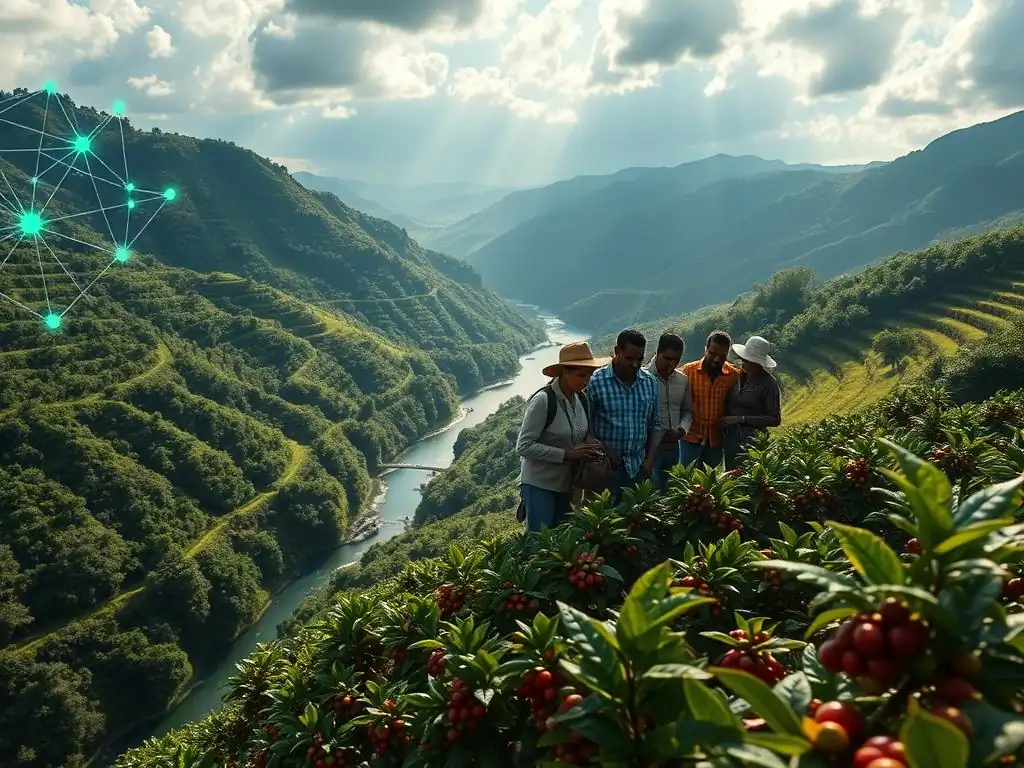
Welcome to Blockchain Trends, your source for in-depth analysis of blockchain's evolution beyond the hype. Are you ready to discover how distributed ledger technology can revolutionize ethical business practices? This article dives deep into blockchain supply chain ethics sourcing, revealing best practices and compelling case studies that demonstrate how transparency and sustainability are becoming realities. Curious about how blockchain is driving accountability? Let's explore.
Ethical and Sustainable Sourcing: Blockchain Best Practices and Case Study Examples
- Introduction: Blockchain's Role in Ethical and Sustainable Supply Chains
- Understanding the Intersection: Blockchain, Ethics, and Sustainability
-
Blockchain Best Practices for Ethical and Sustainable Sourcing
- Data Integrity and Immutability for Supply Chain Traceability
- Smart Contracts for Automated Compliance and Fair Trade
- Implementing Blockchain for Conflict Minerals Tracking and Verification
- Using Blockchain for Carbon Footprint Monitoring and Reduction
- Best Practices for Onboarding Suppliers and Ensuring Data Accuracy
- Case Study 1: Farmer Connect's Blockchain-Enabled Sustainable Coffee Supply Chain
- Case Study 2: Provenance's Blockchain Solution for Ethical Seafood Sourcing
- Case Study 3: De Beers' Tracr Blockchain for Ethical Diamond Sourcing and Provenance
- Overcoming Challenges in Blockchain Implementation for Supply Chain Ethics
- The Future of Blockchain and Sustainable Supply Chain Management
- Conclusion: Blockchain as a Catalyst for Ethical and Sustainable Supply Chains
-
Frequently Asked Questions
- How can blockchain improve transparency in the supply chain?
- What role does blockchain play in ensuring ethical sourcing of raw materials?
- What are some potential challenges in implementing blockchain for supply chain ethics?
- How can blockchain help combat counterfeit goods in the supply chain?
- What is the future outlook for blockchain in promoting ethical and sustainable supply chains?
- Final Reflection: Empowering Ethical Supply Chains
- Empower Change: Implement Blockchain for Good!
Introduction: Blockchain's Role in Ethical and Sustainable Supply Chains
Addressing Supply Chain Challenges with Blockchain Technology
Modern supply chains are vast, intricate networks spanning continents and involving numerous stakeholders. This complexity often creates opacity, making it difficult to verify the origin of goods, track their journey, and ensure that production methods adhere to ethical and sustainable standards. Issues like forced labor, environmental degradation, and fraudulent claims about product origin are rampant, undermining consumer trust and posing significant risks to businesses' reputations and legal compliance. The lack of a single, immutable source of truth makes it challenging to gain visibility into every step, from raw material extraction to final delivery.
Blockchain technology offers a potential solution to these deep-seated challenges by providing a decentralized, immutable, and transparent ledger. By recording transactions and events at each stage of the supply chain, blockchain creates a verifiable history of a product's journey. This inherent transparency allows stakeholders, including consumers, regulators, and businesses, to access reliable information about provenance, handling, and compliance with ethical and sustainable practices. Implementing blockchain supply chain ethics sourcing strategies enables companies to move beyond traditional, siloed tracking methods towards a more integrated and trustworthy system.
Why Ethical Sourcing and Sustainability Matter in Modern Supply Chains
Consumer demand for ethically sourced and sustainable products is rapidly increasing. Studies consistently show that a significant percentage of consumers are willing to pay more for products from companies with transparent and ethical supply chains. For instance, a 2021 IBM study found that consumers are more likely to purchase from brands they believe are sustainable and transparent, with a substantial portion willing to pay a premium. Beyond consumer sentiment, regulatory pressures are mounting globally. New legislation, such as stricter reporting requirements on human rights and environmental impact, necessitates greater diligence and transparency from companies regarding their supply chain practices.
Furthermore, embedding ethical sourcing and sustainability into supply chain operations is not just a matter of compliance or public relations; it's a strategic imperative. Companies with robust ethical sourcing and sustainability programs often experience reduced operational risks, improved brand loyalty, enhanced employee engagement, and potential cost savings through efficiency gains. For example, mitigating risks associated with labor disputes or environmental fines directly impacts the bottom line. Focusing on blockchain supply chain ethics sourcing helps companies build resilient supply chains that are both profitable and responsible, addressing the growing imperative for corporate accountability.
Understanding the Intersection: Blockchain, Ethics, and Sustainability
Defining Ethical Sourcing and Sustainable Practices
Ethical sourcing refers to the process of ensuring that the products being sourced are produced in a responsible and sustainable way, minimizing harm to people and the environment. This includes adhering to fair labor practices, such as ensuring safe working conditions, fair wages, and prohibiting child or forced labor. It also involves respecting human rights throughout the supply chain.
Sustainable practices, on the other hand, focus on minimizing the environmental impact of production and transportation, including reducing carbon emissions, conserving resources, managing waste effectively, and protecting biodiversity. Both ethical sourcing and sustainability are interconnected and crucial for building responsible business models that consider the long-term impact of their operations.
Achieving true ethical sourcing and sustainability requires deep visibility into complex, multi-tiered supply chains. Traditional methods, relying on audits and certifications, often provide only snapshots in time and can be susceptible to fraud or misrepresentation. Proving compliance with standards like fair trade or organic certification across every node of a global network is incredibly challenging. This is where blockchain supply chain ethics sourcing solutions offer a transformative approach, providing the infrastructure needed for continuous, verifiable tracking of ethical and sustainable attributes, ensuring claims can be substantiated with immutable data.
How Blockchain Enhances Transparency and Accountability in Supply Chains
Blockchain's core attributes of decentralization, immutability, and transparency are fundamentally suited to improving visibility and accountability within supply chains. When data points related to sourcing, production, handling, and transportation are recorded on a blockchain, they create a tamper-proof audit trail. Each transaction or event is time-stamped and linked to the previous one, forming a chain that is extremely difficult to alter retroactively without detection. This ensures that the information about a product's journey and the conditions under which it was produced is reliable and verifiable by authorized parties.
This enhanced transparency directly leads to greater accountability. If a specific batch of goods is flagged for not meeting ethical labor standards or environmental requirements, the blockchain record can pinpoint exactly where and when the deviation occurred. This allows for targeted intervention and holds specific actors within the supply chain responsible.
For example, if a garment is labeled as "ethically produced," the consumer or a third-party auditor could potentially trace its components back to the source, verifying claims about factory conditions or material origins. Implementing blockchain supply chain ethics sourcing initiatives makes it significantly harder for unethical or unsustainable practices to remain hidden, fostering a culture of integrity across the network.
The Benefits of Blockchain for Ethical and Sustainable Sourcing: A Summary
Leveraging blockchain technology for ethical and sustainable sourcing offers a multitude of benefits. Primarily, it provides unparalleled transparency and traceability, allowing companies and consumers to verify the provenance of goods and the conditions under which they were produced. This builds trust and confidence in products and brands. Secondly, the immutability of the blockchain ledger significantly reduces the risk of fraud and misrepresentation regarding ethical or sustainable claims, ensuring that certifications and data are accurate and reliable.
Furthermore, blockchain can streamline compliance and reporting processes by providing easily accessible, verifiable data for audits and regulatory requirements. It can also facilitate fairer compensation for producers, particularly in developing regions, through transparent payment systems and smart contracts. By enabling companies to demonstrate tangible progress towards ethical and sustainable goals with verifiable data, blockchain supply chain ethics sourcing initiatives not only mitigate risks but also enhance brand reputation, attract socially conscious consumers, and contribute to building more equitable and environmentally sound global trade practices.
Blockchain Best Practices for Ethical and Sustainable Sourcing
Data Integrity and Immutability for Supply Chain Traceability
Maintaining data integrity is paramount for any traceability system, especially when dealing with sensitive information related to ethical and sustainable practices. Blockchain's inherent design, where data is grouped into blocks and cryptographically linked, makes it virtually impossible to alter historical records without the change being immediately detectable across the network. This immutability ensures that once information about a product's origin, certifications (like Fair Trade or organic), or environmental impact (like carbon footprint data) is recorded on the blockchain, it remains a permanent and trustworthy part of the product's history.
To leverage this for blockchain supply chain ethics sourcing, it is crucial to define clear data standards and protocols for all participants. This includes specifying what information needs to be captured at each stage (e.g., date of harvest, factory working hours, waste disposal methods), the format for this data, and the process for adding it to the blockchain.
Implementing mechanisms to verify data before it is added to the chain, perhaps through trusted third-party validators or IoT devices, is also a best practice to ensure the accuracy of the initial input, as blockchain guarantees immutability but not the truthfulness of the data entered.
Smart Contracts for Automated Compliance and Fair Trade
Smart contracts are self-executing contracts with the terms of the agreement directly written into code. They run on the blockchain, automatically triggering actions when predefined conditions are met. This capability is incredibly powerful for enforcing ethical and sustainable sourcing agreements without the need for intermediaries or manual verification, which can be time-consuming and prone to error. For example, a smart contract could be programmed to automatically release payment to a farmer only after verified data confirming sustainable harvesting practices or compliance with fair wage standards is recorded on the blockchain.
Using smart contracts in blockchain supply chain ethics sourcing can automate various compliance checks. A contract could verify that a supplier holds valid environmental certifications before ordering raw materials, or ensure that workers are paid above a certain threshold based on submitted payroll data (verified through integration with other systems or oracles). This automation reduces administrative overhead, minimizes the potential for human error or deliberate circumvention, and provides a transparent, auditable record of compliance, ensuring that ethical and sustainable commitments are not just stated but automatically enforced.
Implementing Blockchain for Conflict Minerals Tracking and Verification
Tracking conflict minerals, such as tin, tantalum, tungsten, and gold (3TG), is a critical aspect of ethical sourcing, particularly for industries like electronics and jewelry. These minerals often originate from conflict zones and their trade can finance armed groups, contributing to human rights abuses. Regulations like the Dodd-Frank Act in the US and the EU Conflict Minerals Regulation require companies to exercise due diligence and report on the origin of these minerals. Traditional methods for tracking conflict minerals involve complex paper trails and audits, which are difficult to verify and susceptible to manipulation.
Blockchain provides a robust framework for creating an immutable, verifiable chain of custody for conflict minerals from mine to finished product. Each transfer of ownership or processing step can be recorded on the blockchain, along with associated documentation like certifications of origin or audit reports.
This creates a transparent ledger that allows companies and regulators to trace the minerals back to their source and verify that they did not originate from conflict-affected areas. Implementing blockchain supply chain ethics sourcing specifically for minerals like 3TG significantly enhances the reliability of due diligence processes, making it easier to comply with regulations and assure customers that products are free from conflict-related materials.
Using Blockchain for Carbon Footprint Monitoring and Reduction
Monitoring and reducing the environmental impact of supply chains, particularly carbon emissions, is a key component of sustainability. Calculating the carbon footprint of a product involves tracking energy consumption, transportation distances, and production processes across multiple suppliers. This data is often fragmented and difficult to consolidate accurately, making it challenging to identify emission hotspots and measure the impact of reduction efforts.
Blockchain can provide a shared, transparent platform for tracking and verifying carbon emissions data throughout the supply chain. As goods move or processes are completed, relevant data points – such as energy usage at a factory, fuel consumption during transportation, or waste generated – can be recorded on the blockchain. This creates a verifiable ledger of the product's environmental impact.
Smart contracts could potentially be used to automate carbon offsetting based on recorded emissions data or to incentivize suppliers who achieve specific carbon reduction targets. Utilizing blockchain supply chain ethics sourcing in this manner allows companies to gain granular insights into their environmental footprint, report on it accurately, and implement targeted strategies for reduction, contributing to broader climate action goals.
Best Practices for Onboarding Suppliers and Ensuring Data Accuracy
Successfully implementing blockchain for ethical and sustainable sourcing heavily relies on the participation and accurate data input from all supply chain partners, especially suppliers at the lower tiers. A major challenge is onboarding diverse suppliers, who may have varying levels of technological capability and understanding of blockchain. Best practices include providing clear education and training on the benefits of the system and the required data input processes. It's crucial to design user-friendly interfaces and potentially offer support or simplified methods for data submission, especially for smaller suppliers or those in remote areas.
Ensuring data accuracy at the point of origin is critical, as blockchain's immutability means that incorrect data, once recorded, is difficult to rectify. Implementing validation mechanisms is key. This could involve integrating with IoT devices (like sensors monitoring temperature or humidity), using digital identities for verification, or incorporating human verification steps at critical junctures.
Incentivizing accurate data submission through performance metrics or financial rewards can also encourage participation and diligence. A phased rollout, starting with key suppliers or specific product lines, can help refine the onboarding process and data validation protocols before scaling the blockchain supply chain ethics sourcing solution across the entire network.
Case Study 1: Farmer Connect's Blockchain-Enabled Sustainable Coffee Supply Chain
The Challenge: Ensuring Fair Labor Practices and Environmental Sustainability in Coffee Production
The global coffee supply chain is notoriously complex, involving millions of smallholder farmers, intermediaries, roasters, and retailers. Farmers, often operating on small plots in developing countries, face significant challenges, including volatile market prices, lack of access to credit, and limited bargaining power. This can lead to poor livelihoods, inadequate investment in sustainable farming practices, and even reliance on child labor or exploitative practices to survive.
Consumers, on the other hand, increasingly demand ethically sourced coffee, but lack transparency into the journey of their beans from farm to cup, making it hard to verify claims about fair wages or sustainable cultivation methods. The opacity in the supply chain makes it difficult to ensure that premium prices paid for "fair trade" or "sustainable" coffee actually reach the farmers.
Addressing these issues requires a system that can provide verifiable transparency across the entire value chain, linking consumers directly (or indirectly) to the farmers who grew their coffee and ensuring that ethical and sustainable standards are met at the source. Without such a system, claims about blockchain supply chain ethics sourcing in the coffee industry remain difficult to substantiate, leaving farmers vulnerable and consumers uncertain.
The Solution: Implementing a Blockchain Platform for End-to-End Traceability
Farmer Connect, in collaboration with companies like IBM, launched a blockchain-based platform designed to bring transparency to the coffee supply chain. The platform allows farmers, cooperatives, traders, roasters, and retailers to record data about the coffee beans at each stage of their journey. This includes information about the farm of origin, farming practices (e.g., organic certification, water usage), harvesting details, processing, transportation, and roasting. Consumers can use a mobile app (like "Thank My Farmer") to scan a QR code on the coffee packaging and access this information, seeing the story of their coffee and where it came from.
The blockchain acts as a shared, immutable ledger for this data, creating a verifiable record of the coffee's provenance and the conditions under which it was produced. Smart contracts are used to facilitate transactions and potentially disburse funds directly to farmers based on verified data, ensuring they receive a fair share of the final price. This implementation of blockchain supply chain ethics sourcing provides an unprecedented level of visibility, allowing all stakeholders to access trusted information about the coffee's journey and ethical attributes.
Results: Increased Transparency, Improved Farmer Livelihoods, and Enhanced Consumer Trust
The Farmer Connect platform has demonstrated tangible results in improving transparency and supporting ethical sourcing in the coffee industry. By providing end-to-end traceability, it empowers consumers to make informed choices and verify claims about the coffee they purchase. This increased transparency puts pressure on intermediaries to maintain high standards and ensures that ethical practices are rewarded. For farmers, the platform offers the potential for improved livelihoods by enabling direct connections with buyers and ensuring fairer distribution of value. Some initiatives on the platform include micro-financing opportunities or direct payments based on sales data recorded on the blockchain.
Initial reports from pilot programs indicated positive impacts, with increased farmer engagement and interest from consumers in accessing the provenance data. The platform helps build trust between consumers and brands by offering verifiable evidence of ethical and sustainable sourcing efforts. This case study highlights how blockchain supply chain ethics sourcing solutions can empower multiple stakeholders, creating a more equitable and transparent system that benefits farmers, businesses, and consumers while promoting sustainable practices in a major global commodity market.
Case Study 2: Provenance's Blockchain Solution for Ethical Seafood Sourcing

The Challenge: Combating Illegal Fishing and Ensuring Sustainable Seafood Practices
The global seafood industry faces significant challenges related to illegal, unreported, and unregulated (IUU) fishing, as well as unsustainable fishing practices that deplete fish stocks and damage marine ecosystems. It is estimated that IUU fishing costs the global economy tens of billions of dollars annually and undermines conservation efforts. The complex and opaque nature of seafood supply chains, often involving multiple landings, processing steps, and international trade routes, makes it incredibly difficult to track fish from the point of catch to the consumer.
This lack of traceability facilitates seafood fraud, where cheaper or illegally caught fish are mislabeled and sold as premium or sustainably sourced varieties. Consumers and businesses alike struggle to verify the origin and sustainability claims of the seafood they purchase.
Ensuring that seafood is ethically sourced – meaning caught legally, sustainably, and under fair labor conditions – requires a reliable system for tracking each batch of fish. Without such a system, efforts to combat IUU fishing and promote sustainable aquaculture remain hampered by a lack of verifiable data and accountability across the supply chain. Blockchain supply chain ethics sourcing solutions offer a path towards addressing this opacity.
The Solution: Utilizing Blockchain to Track Fish from Catch to Consumer
Provenance, a leading transparency technology company, developed a blockchain-powered platform specifically for the seafood industry. The platform enables fishers, processors, distributors, and retailers to record key data points about seafood products at every stage. This includes information about the species, catch location (verified via GPS data), fishing vessel details, date of catch, processing facility, certifications (e.g., MSC certification for sustainable fishing), and transportation information. This data is added to the blockchain, creating a secure and transparent record of the fish's journey.
Using the Provenance platform, businesses and consumers can access this verifiable history. For example, a consumer purchasing a piece of fish in a supermarket could scan a code on the packaging to see exactly where, when, and by whom the fish was caught, as well as its journey through the supply chain. This provides tangible proof of origin and sustainability claims. This application of blockchain supply chain ethics sourcing creates a digital identity for each batch of seafood, making it traceable and accountable from the moment it leaves the water.
Results: Reduced Seafood Fraud, Improved Supply Chain Visibility, and Support for Sustainable Fishing Practices
Provenance's blockchain solution has yielded significant results in improving transparency and combating fraud in the seafood sector. By providing an immutable record of provenance and handling, it makes it much harder to mislabel or substitute seafood. Pilot projects have demonstrated the ability to trace specific fish batches back to their source with high accuracy, significantly reducing the potential for fraud. For instance, Provenance worked with the WWF and partners in Southeast Asia to track tuna, demonstrating the feasibility of tracing fish through complex regional supply chains.
The increased visibility offered by the platform benefits all stakeholders. Retailers and restaurants can confidently source seafood knowing its origin and sustainability credentials have been verified on the blockchain. This helps them meet regulatory requirements and consumer expectations. Fishers who adhere to sustainable practices can use the platform to prove their compliance and potentially access premium markets. Ultimately, this type of blockchain supply chain ethics sourcing solution supports global efforts to combat IUU fishing, protect marine ecosystems, and ensure the long-term viability of fish stocks by creating a transparent and accountable system for the entire industry.
Case Study 3: De Beers' Tracr Blockchain for Ethical Diamond Sourcing and Provenance
The Challenge: Eliminating Conflict Diamonds and Ensuring Ethical Diamond Production
The diamond industry has long faced challenges related to conflict diamonds (also known as blood diamonds), which are mined in war zones and sold to finance insurgencies, civil wars, and human rights abuses. While the Kimberley Process Certification Scheme was established to prevent the flow of conflict diamonds, its effectiveness has been debated, and concerns remain about traceability and verification within the complex global diamond supply chain.
Diamonds pass through numerous hands – miners, cutters, polishers, traders, jewelers – often across multiple countries, making it difficult to definitively track a rough diamond from its origin mine through its transformation into a finished gem and sale to a consumer. Ensuring that diamonds are ethically sourced, free from conflict, and produced under fair labor conditions requires robust, tamper-proof traceability.
The lack of complete transparency undermines consumer confidence and poses a significant reputational risk to the diamond industry. Proving the ethical provenance of every stone is essential for building trust and meeting the demands of increasingly socially conscious consumers. Traditional paper certificates and internal tracking systems are often insufficient to provide the level of assurance required for blockchain supply chain ethics sourcing in such a high-value, globally distributed commodity.
The Solution: A Blockchain-Based System for Verifying Diamond Origin and Tracking Provenance
De Beers, one of the world's leading diamond companies, developed the Tracr platform, a blockchain-based system designed to track diamonds from mine to retailer. Tracr creates a unique, immutable digital record for each registered diamond. When a rough diamond is mined, key attributes (like weight, color, clarity, and unique identifiers) are recorded on the blockchain. As the diamond moves through the cutting, polishing, and manufacturing stages, additional data points are added to its digital identity on the ledger. This includes information about the facilities where it was processed and the companies involved.
This blockchain ledger provides a secure and verifiable history of the diamond's journey. Participants in the diamond value chain, from miners to retailers, can access this shared record, creating an unprecedented level of transparency. The system helps verify that diamonds originate from ethical and conflict-free sources by linking them directly to certified mines and tracking their movement through verified participants. This is a prime example of using blockchain supply chain ethics sourcing to enhance trust and accountability in a high-value industry.
Results: Enhanced Diamond Traceability, Increased Consumer Confidence, and Support for Ethical Sourcing
The Tracr platform has significantly enhanced traceability within the diamond industry. By creating a unique digital fingerprint for each diamond and recording its journey on an immutable ledger, it becomes much easier to verify the stone's origin and ensure it has not been involved in illicit trade. De Beers reported successfully tracking a significant number of diamonds through the value chain using Tracr, demonstrating its scalability and effectiveness. This increased traceability directly supports efforts to eliminate conflict diamonds and promotes ethical sourcing practices by providing verifiable proof of provenance.
This enhanced transparency and assurance build greater confidence among consumers who are increasingly concerned about the ethical impact of their purchases. Jewelers using Tracr can offer their customers verifiable proof that the diamonds they are buying are ethically sourced and conflict-free, strengthening brand reputation and customer loyalty. The Tracr platform serves as a compelling case study demonstrating how blockchain supply chain ethics sourcing can transform an entire industry by providing the necessary transparency and accountability to address long-standing ethical challenges and meet evolving consumer expectations.
Overcoming Challenges in Blockchain Implementation for Supply Chain Ethics
Data Privacy and Security Considerations
While blockchain offers immutability and transparency, implementing it for blockchain supply chain ethics sourcing raises important data privacy and security considerations. Sensitive information, such as supplier identities, production volumes, proprietary processes, or specific GPS locations of farms, may be recorded on the chain. While the data itself can be encrypted or permissioned, the decentralized nature means careful design is needed to control who has access to what information. Not all data needs to be publicly visible; often, only certain parties require access to specific subsets of the data for verification or audit purposes.
Best practices involve using private or permissioned blockchains where access is restricted to authorized participants. Techniques like zero-knowledge proofs can allow parties to verify information (e.g., that a supplier meets a certain standard) without revealing the underlying sensitive data. Robust data encryption and access controls are essential. Furthermore, companies must comply with data protection regulations like GDPR, which may necessitate careful consideration of how personal data is handled on the blockchain, including the right to be forgotten, which conflicts with blockchain's immutability. Designing a system that balances transparency with necessary privacy is crucial for successful implementation.
Scalability and Interoperability Challenges
Blockchain networks, particularly public ones, can face scalability issues, meaning they may struggle to handle the high volume of transactions generated by complex, global supply chains. The process of validating and adding blocks can be time-consuming and computationally intensive, potentially slowing down operations. While private and permissioned blockchains often offer better scalability than public ones, they still need to be designed to handle the expected transaction load. As supply chains grow and the amount of data being recorded increases, the underlying blockchain infrastructure must be able to scale efficiently without compromising performance.
Interoperability is another significant challenge. Different companies or industries may adopt different blockchain platforms or protocols, making it difficult to share data seamlessly across disparate networks. A single supply chain might involve participants using various systems, from legacy databases to different blockchain solutions.
For blockchain supply chain ethics sourcing to be truly effective, there needs to be a way for these different systems to communicate and share relevant information securely. Developing industry standards and using middleware or interoperability protocols can help bridge these gaps, allowing data to flow across different blockchain and traditional systems, creating a more connected and visible supply chain ecosystem.
The Importance of Collaboration and Standardization
Successful implementation of blockchain for ethical and sustainable sourcing requires significant collaboration among all supply chain stakeholders. A blockchain network is most effective when a critical mass of participants joins and actively contributes data. Convincing diverse parties, from large corporations to smallholder farmers or independent truck drivers, to adopt a new technology and share data can be challenging. Building trust and demonstrating the value proposition for each participant is key. This often involves extensive outreach, education, and incentivization programs to encourage adoption across the network.
Standardization is equally vital. Without common data standards, protocols, and governance models, the data recorded on the blockchain may not be consistently formatted or easily understood by all participants. Establishing industry-wide standards for recording ethical and sustainable data points (e.g., defining what constitutes "fair wage" data or how carbon emissions should be measured and reported on the blockchain) is crucial for ensuring data quality and interoperability. Collaborative efforts through industry consortia and working groups are essential for developing these standards and promoting widespread adoption of blockchain supply chain ethics sourcing best practices.
Addressing the Digital Divide and Ensuring Inclusive Access
Implementing blockchain supply chain ethics sourcing solutions must also consider the digital divide, particularly when working with suppliers in developing regions or small businesses with limited access to technology and digital literacy. Requiring all participants to have sophisticated smartphones, reliable internet access, or complex software can exclude vulnerable groups, such as smallholder farmers or artisanal miners, who are often the most critical link for ensuring ethical practices at the source. Excluding these participants undermines the goal of end-to-end transparency and inclusivity.
Solutions must be designed with these users in mind. This could involve developing simplified interfaces accessible via basic mobile phones, utilizing intermediaries or local agents to assist with data input, or integrating with existing low-tech data collection methods (like SMS or voice). Providing training and support tailored to the specific needs and capabilities of different participants is essential. Ensuring that the benefits of the blockchain system, such as increased income or access to markets, are shared equitably can incentivize participation and help bridge the digital divide, making blockchain supply chain ethics sourcing a tool for empowerment rather than exclusion.
The Future of Blockchain and Sustainable Supply Chain Management
Emerging Trends and Innovations in Blockchain for Sourcing
The field of blockchain for supply chain management, particularly concerning ethical and sustainable sourcing, is continuously evolving. One key emerging trend is the integration of blockchain with other technologies like the Internet of Things (IoT), Artificial Intelligence (AI), and machine learning.
IoT devices (sensors, GPS trackers, smart packaging) can automatically capture and feed real-time data about conditions (temperature, location, air quality) directly onto the blockchain, reducing the need for manual data entry and increasing accuracy and trust. AI and machine learning can analyze the vast amounts of data on the blockchain to identify anomalies, predict risks (e.g., potential labor violations or environmental incidents), and optimize supply chain routes for reduced environmental impact.
Another innovation is the development of more specialized blockchain platforms and protocols tailored for specific industries or use cases, offering improved scalability, efficiency, and features relevant to ethical sourcing. The exploration of decentralized autonomous organizations (DAOs) governing supply chain networks could also lead to more equitable and transparent decision-making processes among participants. These advancements promise to make blockchain supply chain ethics sourcing solutions more robust, automated, and intelligent, further enhancing transparency and accountability.
The Potential of Blockchain for Circular Economy Initiatives
The circular economy aims to minimize waste and maximize resource utilization by keeping products and materials in use for as long as possible through strategies like reuse, repair, remanufacturing, and recycling. Tracking materials and products through multiple lifecycle loops is a significant challenge in implementing circular economy models effectively. Once a product is sold and leaves the traditional linear supply chain, its journey often becomes invisible, making it hard to recover components or verify recycled content.
Blockchain technology is uniquely positioned to enable circular economy initiatives by providing a transparent and immutable system for tracking the lifecycle of products and materials beyond the initial sale. A blockchain ledger can store information about a product's composition, origin of materials (including recycled content), repair history, and instructions for disassembly or recycling. This creates a "digital passport" for each item.
When the product reaches its end-of-life, this digital record can facilitate its return, sorting, and processing for reuse or recycling, ensuring materials are tracked and accounted for within the circular flow. This application of blockchain supply chain ethics sourcing extends beyond initial production to encompass the entire lifespan of goods, promoting resource efficiency and waste reduction.
Predictions for the Continued Adoption of Blockchain in Ethical Sourcing
Predictions suggest a significant increase in the adoption of blockchain technology specifically for ethical and sustainable sourcing in the coming years. As regulatory pressure for supply chain transparency mounts and consumer demand for responsible products continues to grow, companies will increasingly turn to blockchain as a reliable tool to verify and communicate their ethical and sustainability efforts. Analyst firms predict substantial growth in the blockchain supply chain market, with ethical sourcing and sustainability being key drivers.
It is likely that we will see more industry-wide consortia forming to develop shared blockchain platforms and standards, reducing the cost and complexity for individual companies. The integration with IoT and AI will become more seamless, leading to more automated and intelligent traceability systems. While challenges related to scalability, interoperability, and data privacy will persist, ongoing technological advancements and collaborative efforts are expected to address these hurdles. Ultimately, blockchain is poised to become a foundational technology for building truly ethical, sustainable, and resilient supply chains in the future, transforming how goods are produced, traded, and consumed globally.
Conclusion: Blockchain as a Catalyst for Ethical and Sustainable Supply Chains
Key Takeaways: Leveraging Blockchain for a More Ethical and Sustainable Future
Blockchain technology offers a powerful paradigm shift for building ethical and sustainable supply chains. Its core properties of transparency, immutability, and decentralization directly address the fundamental challenges of opacity and lack of accountability that plague traditional supply networks. By creating a verifiable, tamper-proof record of a product's journey and associated data points related to ethical and sustainable practices – from origin and labor conditions to environmental impact and certifications – blockchain empowers stakeholders with trusted information.
This enhanced visibility fosters accountability, reduces the potential for fraud, and enables companies to substantiate their ethical and sustainability claims with credible data. The case studies of Farmer Connect, Provenance, and Tracr demonstrate the practical application and tangible benefits of blockchain supply chain ethics sourcing across diverse industries, from coffee and seafood to diamonds.
While implementing blockchain solutions for ethical sourcing involves challenges related to data management, scalability, interoperability, and ensuring inclusive access, these are being addressed through ongoing technological advancements, industry collaboration, and thoughtful design. The future holds promise for further integration of blockchain with other technologies like IoT and AI, and its application in enabling circular economy models.
Call to Action: Embracing Blockchain Technology to Drive Positive Change in Supply Chains
The imperative for ethical sourcing and sustainability is clearer than ever, driven by consumer demand, regulatory requirements, and the need for resilient business models. For companies serious about building trust, mitigating risks, and contributing to a more responsible global economy, embracing blockchain technology for supply chain ethics sourcing is no longer a futuristic concept but a strategic necessity.
Organizations should explore pilot programs, engage with industry consortia, and invest in the necessary infrastructure and training to leverage blockchain effectively. By implementing blockchain-based traceability and verification systems, businesses can move beyond aspirational goals to demonstrate tangible progress in ensuring fair labor practices, minimizing environmental impact, and providing consumers with the transparency they demand. Adopting blockchain supply chain ethics sourcing is a proactive step towards creating a more transparent, accountable, and ultimately more ethical and sustainable future for global trade.
Frequently Asked Questions
How can blockchain improve transparency in the supply chain?
Blockchain provides an immutable and transparent ledger of transactions. This allows for easy tracking and verification of product origin and movement, reducing the risk of fraud and unethical practices.
What role does blockchain play in ensuring ethical sourcing of raw materials?
Blockchain can record the entire provenance of raw materials, from origin to manufacturer. This helps verify fair labor practices and environmental sustainability claims, enabling consumers to make informed choices.
What are some potential challenges in implementing blockchain for supply chain ethics?
Challenges include the cost of implementation, the need for industry-wide collaboration, and ensuring data integrity across all participating parties.
How can blockchain help combat counterfeit goods in the supply chain?
By providing a unique digital identity for each product, blockchain can verify authenticity at every stage. This makes it harder for counterfeiters to introduce fake goods into the supply chain.
What is the future outlook for blockchain in promoting ethical and sustainable supply chains?
The future looks promising as blockchain adoption grows, leading to greater supply chain visibility and accountability. This will drive more businesses to adopt ethical and sustainable sourcing practices.
Final Reflection: Empowering Ethical Supply Chains
The journey through ethical and sustainable sourcing, illuminated by the transparency of blockchain technology, culminates in a crucial realization: responsible supply chains are no longer a luxury, but a necessity. The case studies explored demonstrate the tangible benefits – from enhanced consumer trust to reduced environmental impact – that arise when ethical considerations are woven into the very fabric of sourcing practices. Ignoring these principles risks not only reputational damage but also contributes to a system that perpetuates inequality and environmental degradation.
This exploration has underscored the profound influence of blockchain on reshaping the cultural landscape of consumerism. It's become increasingly clear that consumers are demanding more than just products; they're demanding transparency, accountability, and a commitment to ethical practices. This shift is not merely a trend; it's a fundamental re-evaluation of our relationship with the goods we consume and the systems that produce them. The future of supply chains is not just about efficiency, it's about trust. Blockchain provides the tools to build that trust, ensuring that products are sourced ethically and sustainably from origin to consumer.
As we conclude, consider the power you hold as a consumer, a business leader, or simply a conscious individual. Embrace the principles of ethical and sustainable sourcing, demand transparency from the brands you support, and explore how blockchain technology can be leveraged to create a more just and equitable world. The future of our planet and the well-being of countless individuals depend on our collective commitment to building supply chains that are not only efficient but also ethical, sustainable, and truly responsible.
Empower Change: Implement Blockchain for Good!
Thank you for exploring how blockchain is revolutionizing ethical and sustainable sourcing! You've now seen the potential for enhanced transparency and accountability in supply chains. Let's turn that knowledge into action.
Here are a few steps you can take right now to drive positive change:
- Start a pilot project: Identify a segment of your supply chain and explore how blockchain technology can improve its ethical and sustainable practices. This is a highly impactful move.
- Expand your understanding: Research different blockchain platforms suitable for supply chain management and review innovative case studies beyond those mentioned here.
- Share your insights: Discuss this article with colleagues or on social media using #BlockchainForGood to inspire a broader conversation about ethical sourcing.
What is one small change you can make today to promote ethical and sustainable sourcing through blockchain? Share your ideas in the comments below!
Leave a Reply