
Global Trust Networks: Building Confidence in International Supply Chains with Blockchain Case Studies


Welcome to Blockchain Trends, your go-to source for understanding the real-world impact of blockchain technology.
Ever wondered how to build unshakeable trust in global trade? Our latest article dives deep into blockchain supply chain trust networks, showcasing compelling case studies that reveal how this innovative technology is revolutionizing international commerce and fostering unprecedented confidence. Discover how businesses are leveraging decentralized systems to ensure transparency, efficiency, and security – and what this means for the future of global supply chains. Intrigued? Let's explore the future, together.
Building Trust in International Supply Chains with Blockchain: Case Studies
- Introduction: The Need for Trust in Global Supply Chains
- Understanding Blockchain Supply Chain Trust Networks
- Case Study 1: De Beers - Enhancing Diamond Traceability with Blockchain
- Case Study 2: Walmart - Ensuring Food Safety and Traceability with Blockchain
- Case Study 3: TradeLens (Maersk and IBM) - Streamlining Cross-Border Trade with Blockchain
- Overcoming Challenges in Implementing Blockchain Supply Chain Trust Networks
- The Future of Blockchain Trust Networks in Global Supply Chains
- Conclusion: Building a More Transparent and Trustworthy Global Supply Chain
-
Frequently Asked Questions
- What are Blockchain Supply Chain Trust Networks and why are they important?
- How does blockchain technology contribute to building trust in supply chains?
- What are some real-world examples of Blockchain Supply Chain Trust Networks in action?
- What are the main challenges in implementing Blockchain Supply Chain Trust Networks?
- How will regulations impact the future of Blockchain Supply Chain Trust Networks?
- Final Reflection: Forging Trust in a Connected World
- Empower Your Supply Chain: Embrace Trust & Transparency!
Introduction: The Need for Trust in Global Supply Chains
Challenges of Traditional Supply Chain Management
Global supply chains are inherently complex networks involving numerous participants across different geographies, from raw material suppliers and manufacturers to distributors, logistics providers, and retailers. This intricate web often suffers from a lack of transparency and visibility. Information about goods, their origin, current location, and condition can be siloed within individual company systems, making it difficult for stakeholders to access a unified, real-time view. This opacity contributes significantly to inefficiencies, delays, and increased operational costs, often leading to disputes and a general lack of confidence among partners.
Furthermore, traditional supply chain processes are heavily reliant on paper-based documentation and manual data entry, which are prone to errors, fraud, and loss. Transferring ownership, verifying certifications, or tracing the provenance of goods across multiple borders and entities becomes a laborious and time-consuming task.
The lack of a single, verifiable source of truth means that reconciling discrepancies can take days or even weeks, impacting the speed of trade and the ability to quickly respond to issues like quality control problems or recalls. Estimates suggest that administrative costs related to documentation can represent up to one-fifth of total shipping costs in international trade.
Blockchain's Role in Fostering Supply Chain Transparency
Blockchain technology offers a fundamental shift in how information is shared and verified within complex networks. By providing a distributed, immutable ledger, blockchain creates a single version of truth that all authorized participants can access. Each transaction or data point added to the blockchain is time-stamped and cryptographically linked to the previous one, making it virtually impossible to alter historical records without detection. This inherent feature builds a layer of trust based on cryptographic proof rather than relying solely on the reputation or manual verification by intermediaries.
Implementing blockchain in supply chains allows for the tracking of goods and associated data – such as origin, manufacturing details, shipping information, and customs documentation – across every step of their journey. As goods move, relevant data can be recorded on the blockchain by different parties. This creates an end-to-end, transparent record that is accessible to all permissioned participants. For example, a product's journey from a farm in one country to a supermarket shelf in another could have every transfer of ownership, temperature reading during transit, and customs clearance recorded on a shared ledger, providing unprecedented visibility and accountability.
Introducing Blockchain Supply Chain Trust Networks
Leveraging the core principles of blockchain, blockchain supply chain trust networks are emerging as powerful solutions to address the trust deficit in global trade. These networks are collaborative ecosystems built on blockchain technology, designed to connect disparate stakeholders within a supply chain or across multiple supply chains. Unlike private, internal databases, these networks facilitate secure, permissioned data sharing among participants who may not inherently trust each other, such as competing logistics providers or different entities within a complex manufacturing process.
The primary goal of these blockchain supply chain trust networks is to establish a shared, verifiable, and tamper-evident record of transactions and events related to the movement and transformation of goods. By providing a common digital infrastructure for data exchange and process execution, these networks foster greater collaboration and efficiency. They move beyond simply tracking data to creating a trusted environment where participants can confidently interact, verify information, and automate processes using smart contracts, ultimately building a more robust and reliable global trade system.
Understanding Blockchain Supply Chain Trust Networks
What are Blockchain-Based Trust Networks?
Blockchain-based trust networks, specifically in the context of supply chains, are distributed ledger technology (DLT) platforms designed to facilitate secure, transparent, and efficient interactions among multiple, often independent, entities involved in the movement and production of goods. These networks operate on the principle of shared, immutable records, where all authorized participants have access to the same version of truth regarding transactions and data points. Unlike traditional centralized systems controlled by a single entity, these networks distribute data and validation processes across multiple nodes, enhancing resilience and reducing reliance on intermediaries.
These networks are not just databases; they are collaborative platforms where participants agree upon a set of rules and protocols for data entry, validation, and access. Membership is typically permissioned, meaning participants are vetted and granted specific levels of access based on their role in the supply chain.
This controlled environment ensures data privacy and security while still enabling the necessary transparency among relevant parties. The foundation of these blockchain supply chain trust networks is built on cryptographic security, ensuring that once data is recorded, it cannot be altered or deleted, providing a high level of integrity and trust in the shared information.
Key Features of a Blockchain Trust Network for Supply Chains
A robust blockchain supply chain trust network incorporates several key features that collectively contribute to building confidence and efficiency within global trade operations. These features leverage the inherent capabilities of blockchain technology to address common pain points in traditional supply chain management. Understanding these components is crucial to appreciating the transformative potential of such networks.
Immutability and Transparency
One of the foundational features is the immutability of the ledger. Once data is recorded on the blockchain, it is exceptionally difficult to change or tamper with. Each new block of data is cryptographically linked to the previous one, forming a chain. Any attempt to alter a historical record would break this chain, making the tampering obvious to all participants.
This immutability ensures that the history of a product or transaction is reliable and trustworthy. Coupled with immutability is transparency; while the network can be permissioned, meaning not everyone sees everything, authorized participants have access to relevant transaction data. This shared, verifiable record eliminates information silos and provides a single source of truth accessible to all parties involved in a specific process or shipment.
Enhanced Traceability and Provenance
Blockchain significantly enhances the ability to trace the origin and journey of goods. By recording every touchpoint, transfer of ownership, or change in condition on the distributed ledger, a complete and verifiable history is created. This allows stakeholders to quickly and accurately trace a product back to its source, verifying its provenance and authenticity.
For industries dealing with high-value goods, sensitive materials, or products where origin is critical (like food or pharmaceuticals), this enhanced traceability is invaluable. For example, tracing a specific batch of produce from the farm field, through processing, packaging, and distribution, to the retail store can be accomplished in seconds rather than days, as demonstrated in real-world applications.
Improved Security and Data Integrity
The decentralized and cryptographic nature of blockchain networks inherently improves data security and integrity compared to centralized systems. Data is not stored in a single location, reducing the risk of a single point of failure or a centralized hack compromising all information. Instead, data is distributed across multiple nodes in the network.
Cryptographic hashing and digital signatures ensure that data is secure and that transactions are authenticated. Participants can be confident that the data they are viewing on the blockchain supply chain trust network is accurate and has not been tampered with since it was recorded, building trust in the shared information.
Smart Contracts and Automated Processes
Smart contracts are self-executing contracts with the terms of the agreement directly written into code. They run on the blockchain and automatically execute when predefined conditions are met.
In a supply chain context, smart contracts can automate various processes, such as payments triggered upon delivery confirmation, automatic insurance claims based on sensor data (like temperature deviations), or the release of goods upon customs clearance verification. This automation reduces the need for manual intervention, minimizes delays, lowers administrative costs, and reduces the risk of errors or disputes, further solidifying the trust between parties by ensuring that agreements are executed automatically and impartially based on verifiable data on the blockchain supply chain trust network.
Benefits of Implementing Blockchain Trust Networks
The adoption of blockchain supply chain trust networks offers a multitude of benefits that can significantly impact the efficiency, security, and reliability of global trade operations. These advantages extend to all participants in the network, from suppliers and manufacturers to logistics providers, financial institutions, and end consumers. Realizing these benefits requires careful planning and collaboration among stakeholders.
Increased Trust and Collaboration Among Stakeholders
At the core of these networks is the ability to foster greater trust and collaboration among parties who may not have a pre-existing relationship or inherent trust. By providing a shared, transparent, and immutable record of transactions and data, the network reduces the need for reliance on individual audits or intermediaries to verify information. Participants can trust the data on the blockchain itself.
This shared confidence encourages greater collaboration, enabling more efficient planning, execution, and problem-solving across the entire supply chain. For instance, sharing real-time inventory data or shipment status on the network allows partners to coordinate more effectively, leading to smoother operations and stronger business relationships within the blockchain supply chain trust network.
Reduced Fraud and Counterfeiting
The enhanced traceability and immutability provided by blockchain technology make it significantly harder for counterfeit goods to enter the supply chain or for fraudulent activities to occur undetected. Each legitimate product or shipment can be assigned a unique digital identity recorded on the blockchain. As the product moves, its journey is documented, creating a verifiable history.
Consumers or retailers can potentially scan a QR code on the product to access this blockchain record, verifying its authenticity and origin. This capability is particularly valuable in industries plagued by counterfeiting, such as luxury goods, pharmaceuticals, and electronics, helping to protect brand reputation and consumer safety.
Streamlined Processes and Cost Savings
Automating processes through smart contracts and eliminating the need for manual data reconciliation and paper-based documentation leads to significant streamlining of operations. Processes like customs clearance, trade finance, and payment execution can be accelerated from days or weeks to hours or minutes. For example, TradeLens reported reducing the time taken to process certain shipping documents by over 50%.
This increased efficiency translates directly into reduced operational costs, including lower administrative overhead, decreased demurrage charges, and more optimized inventory management. The overall effect is a more agile and cost-effective supply chain operating on a foundation of trust provided by the blockchain supply chain trust network.
Enhanced Regulatory Compliance
Meeting complex regulatory requirements is a major challenge in global supply chains. Blockchain supply chain trust networks can simplify compliance by providing an easily auditable and tamper-evident record of all relevant activities. Information required for customs declarations, safety certifications, or environmental regulations can be recorded directly on the blockchain. Regulators, if granted permission, can access this data directly, speeding up inspections and audits. This not only reduces the burden on businesses but also helps ensure that goods meet all necessary standards, contributing to a safer and more compliant global trade environment.
Case Study 1: De Beers - Enhancing Diamond Traceability with Blockchain
The Problem: Challenges with Tracking Diamonds from Mine to Retail
The diamond industry has historically faced significant challenges regarding transparency and traceability. Ensuring that diamonds are sourced ethically and are not associated with conflict or illicit activities (often referred to as "blood diamonds") has been a persistent issue. Traditional paper-based certification processes, like the Kimberley Process, while important, can be susceptible to manipulation and do not provide a continuous, verifiable record of a diamond's journey from the mine through cutting, polishing, manufacturing, and retail. Consumers and retailers increasingly demand assurance about the origin and ethical sourcing of the diamonds they purchase.
Tracking individual diamonds through multiple hands across the globe is a complex logistical challenge. A single diamond can pass through numerous companies and countries before reaching a retail customer. Maintaining accurate records at each transfer point, verifying ownership, and ensuring that the physical diamond matches its documentation is a labor-intensive and error-prone process. This lack of end-to-end visibility made it difficult to definitively prove a diamond's provenance and build consumer confidence in the integrity of the supply chain.
The Solution: Implementing Tracr - A Blockchain Trust Network for Diamond Traceability
In response to these challenges, De Beers, one of the world's leading diamond companies, developed and implemented Tracr, a distributed blockchain supply chain trust network designed to track diamonds from their point of origin at the mine to the retail store. Launched in 2018 after successful pilots, Tracr aims to provide a secure, tamper-proof digital trail for each registered diamond, enhancing transparency and building trust across the value chain. The platform is open to the entire diamond industry, not just De Beers, encouraging wider adoption and collaboration.
Tracr assigns a unique digital ID to each rough diamond at the mine. This ID, along with details like weight, color, and clarity, is recorded on the blockchain. As the diamond progresses through the supply chain – through sorting, cutting, polishing, and setting into jewelry – each significant transaction and transformation is updated on the diamond's digital record on the blockchain.
This creates a comprehensive and immutable history for each stone. By providing this verifiable history, Tracr empowers industry participants and consumers to trace a diamond's journey and confirm its authenticity and ethical sourcing, effectively creating a blockchain supply chain trust network specifically for the diamond industry.
Key Components of the Blockchain Solution
The Tracr platform is built upon a private, permissioned blockchain network, ensuring that only authorized participants within the diamond industry can access and contribute data. This approach balances the need for transparency among stakeholders with the commercial need for data privacy among individual companies.
Tracr Platform
The core of the solution is the Tracr platform itself, which serves as the shared digital ledger for recording diamond data. Participants, such as miners, manufacturers, and retailers, connect to the platform to input information about the diamonds they handle. The platform is designed to handle the unique characteristics of diamonds, capturing key attributes and linking them to a persistent digital identity. The use of blockchain ensures that once data is entered and validated by the network, it becomes a permanent part of the diamond's history, accessible to all authorized parties.
Integration with Diamond Manufacturing Systems
A crucial aspect of Tracr's functionality is its ability to integrate with the existing systems used by diamond manufacturers and polishers. When a rough diamond is cut and polished, it often results in multiple smaller polished stones.
Tracr's system is designed to digitally split the original rough diamond's record into records for the resulting polished stones, maintaining the link back to the original rough stone and its mine of origin. This requires seamless data capture and integration with the specialized equipment and software used in diamond manufacturing facilities to accurately record the transformation process on the blockchain supply chain trust network.
Data Capture and Integration Methods
Data is captured at various stages of the diamond's journey. At the mine, data about the rough diamond is entered. As it moves to cutting and polishing centers, information about the transformation process, including laser inscriptions on the polished stones, is added. Retailers can also add data about the final piece of jewelry. Data capture methods range from manual input by authorized personnel to integration with automated weighing and scanning equipment. The system validates the data entered against network rules before adding it to the blockchain, ensuring data integrity within the blockchain supply chain trust network.
Results and Impact: Increased Transparency and Consumer Confidence
The implementation of Tracr has demonstrated tangible results in enhancing transparency and building confidence within the diamond industry and among consumers. While specific aggregate metrics across the entire industry are still evolving as adoption grows, De Beers' internal testing and early participant feedback highlight significant improvements.
Improved Traceability and Efficiency
Tracr has dramatically reduced the time and effort required to trace a diamond's origin. What previously might have taken days or weeks of manual record-checking can now potentially be done in minutes by accessing the immutable record on the blockchain. For example, in pilot tests, the platform successfully traced 100 high-value diamonds from mine to retailer. This improved efficiency extends beyond simple tracing; it streamlines auditing processes and provides a clear, shared view of inventory movements across participating companies within the blockchain supply chain trust network.
Positive Impact on Brand Reputation and Customer Loyalty
For companies using Tracr, the ability to provide verifiable proof of a diamond's provenance and ethical journey is a powerful differentiator. Retailers can confidently assure customers that the diamonds they are buying are conflict-free and sourced responsibly. This transparency resonates with increasingly socially conscious consumers and strengthens brand reputation. While quantifying the direct impact on sales or loyalty is complex, the ability to offer this level of assurance is expected to drive increased consumer confidence and potentially command a premium for certified, traceable diamonds, reinforcing the value proposition of participating in the blockchain supply chain trust network.
Case Study 2: Walmart - Ensuring Food Safety and Traceability with Blockchain
The Problem: Tracking Foodborne Illness Outbreaks and Enhancing Food Safety
Food safety is paramount, but tracing the source of contaminated food during an outbreak can be a painfully slow process in traditional supply chains. When a foodborne illness occurs, health officials and retailers need to quickly identify the origin of the contaminated product to initiate recalls and prevent further spread.
Relying on paper records, faxes, emails, and phone calls between numerous entities – farms, packers, distributors, and stores – means that tracing a product from shelf back to source can take days or even weeks. For instance, during a 2018 E. coli outbreak linked to romaine lettuce, it took health officials many days to identify the likely source farms.
This delay in tracing not only puts public health at risk but also results in significant economic losses for the entire industry. Broad, precautionary recalls of products from entire regions or multiple suppliers become necessary when the specific source cannot be quickly identified. This leads to wasted food, lost revenue for producers and retailers, and damage to consumer confidence in the food supply. Enhancing visibility and speed in tracing is critical for minimizing the impact of such events.
The Solution: Building a Blockchain-Based Platform for Food Traceability
Recognizing the urgent need for faster, more accurate food tracing, Walmart partnered with IBM to develop and implement a blockchain supply chain trust network specifically for food products. This initiative led to the creation of the IBM Food Trust platform, a collaborative network designed to connect participants across the food ecosystem – from growers and processors to wholesalers, distributors, and retailers. Walmart mandated its leafy green suppliers to join the network, setting a precedent for adoption.
The IBM Food Trust platform leverages blockchain technology to create a shared, immutable record of food products as they move through the supply chain. Each participant in the network can record data about the products they handle, such as origin, processing dates, shipping details, and temperature logs.
This creates an end-to-end digital trail for every product batch. By providing all authorized participants with access to this shared ledger, the network enables rapid and precise tracing of food items, dramatically reducing the time it takes to identify the source of a potential contamination, thereby establishing a vital blockchain supply chain trust network for food safety.
Key Components of the Blockchain Solution
The IBM Food Trust platform is built on IBM Blockchain, a platform based on Hyperledger Fabric, a permissioned blockchain framework. This choice allows for controlled access and the scalability required for the vast amounts of data generated in the food supply chain.
IBM Food Trust Platform
The core platform provides the infrastructure for participants to securely upload, store, and share data about their food products. It offers various modules that allow participants to track goods, manage certifications, and collaborate with trading partners. The permissioned nature of the network ensures that companies only share data with authorized partners, addressing privacy concerns while maintaining the necessary transparency for tracing. The platform acts as the central nervous system for the blockchain supply chain trust network dedicated to food safety.
Integration with IoT Devices for Real-Time Data
To enhance the richness and accuracy of the data on the blockchain, the IBM Food Trust platform facilitates integration with Internet of Things (IoT) devices. Sensors placed in storage facilities or shipping containers can automatically record conditions like temperature and humidity and upload this data directly to the blockchain record associated with a specific shipment. This provides real-time, verifiable information about the environmental conditions during transit, which is crucial for maintaining food quality and safety and provides critical, automated inputs into the blockchain supply chain trust network.
Governance Model for the Blockchain Network
A key aspect of the IBM Food Trust platform's success is its robust governance model. As a collaborative network involving many independent companies, clear rules and standards are necessary for data sharing, access control, and dispute resolution. The governance model, overseen by a steering committee composed of network participants, defines how the network operates, how new members are onboarded, and how decisions are made. This collaborative governance structure is essential for building and maintaining trust among diverse participants in the blockchain supply chain trust network.
Results and Impact: Enhanced Transparency and Accountability in Food Sourcing
The implementation of the blockchain-based food traceability platform has yielded significant results, particularly in improving the speed and accuracy of tracing food products. Walmart's experience provides compelling evidence of the benefits.
Faster Traceability During Outbreaks
Perhaps the most cited impact is the dramatic reduction in tracing time. Walmart reported that tracing a package of sliced mangoes back to its farm of origin using their traditional systems took approximately seven days. With the IBM Food Trust blockchain platform, they were able to trace the same product back to the source farm in just 2.2 seconds.
This capability is revolutionary during a foodborne illness outbreak, allowing for much faster identification of contaminated products, targeted recalls, and quicker containment of the public health threat. This speed is a direct benefit of the shared, immutable record provided by the blockchain supply chain trust network.
Increased Consumer Trust in Food Safety
While direct consumer access to the blockchain data is still evolving, the ability of retailers and health authorities to quickly and accurately trace food products instills greater confidence in the food supply chain's safety and accountability. Knowing that the industry has the capability to rapidly pinpoint the source of contamination and remove affected products from shelves provides reassurance. This enhanced transparency at the operational level contributes to building overall consumer trust in the brands and retailers that participate in the blockchain supply chain trust network, demonstrating a commitment to public health and safety.
Case Study 3: TradeLens (Maersk and IBM) - Streamlining Cross-Border Trade with Blockchain
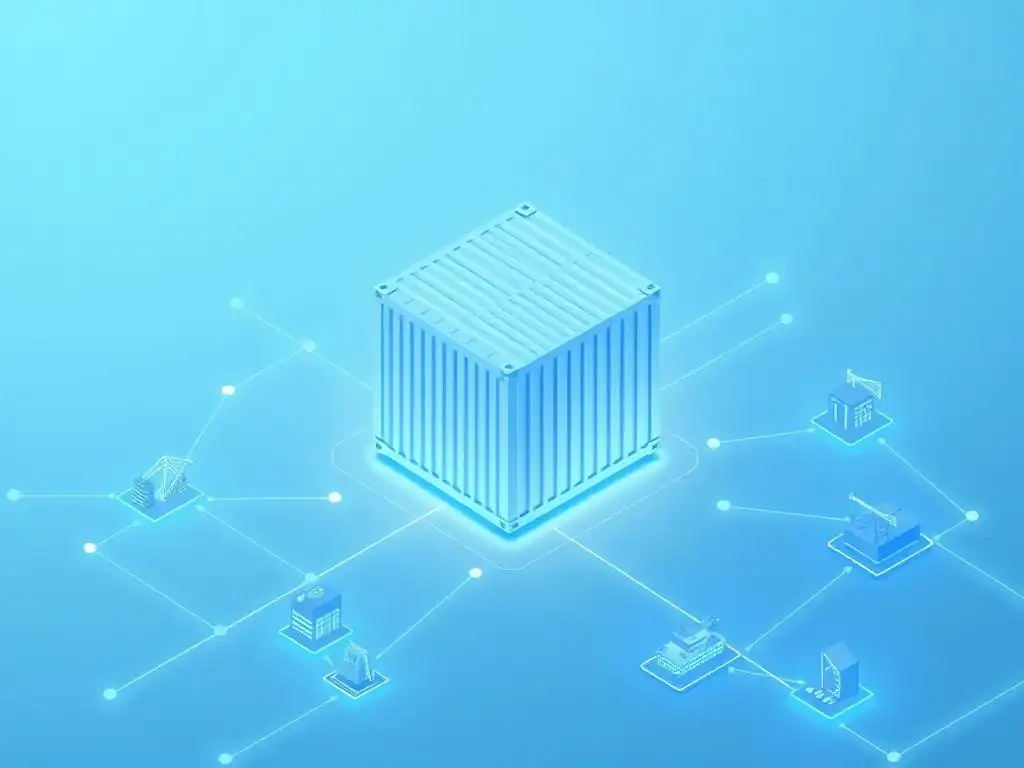
The Problem: Inefficiencies and Delays in Cross-Border Trade Processes
International container shipping and cross-border trade are notoriously complex, involving a multitude of parties including shippers, carriers, freight forwarders, port authorities, customs agencies, banks, and insurance companies. The process relies heavily on paper documentation – bills of lading, customs declarations, invoices, certificates of origin, etc. – which are exchanged manually, often requiring physical couriers. This leads to significant delays, errors, and lack of visibility. It is estimated that handling trade documentation can cost as much as the physical transportation of goods.
The lack of a single, trusted platform for sharing information among these disparate entities creates bottlenecks and inefficiencies. Discrepancies between documents, delays in approvals, and the risk of fraud are common issues. A single shipment can generate hundreds of pages of documents. The opaqueness and complexity also make it difficult to secure trade finance, as banks lack real-time, verifiable data on the status and ownership of goods. Streamlining these processes is essential for facilitating global commerce and reducing costs.
The Solution: Implementing a Blockchain-Based Platform for Trade Finance and Documentation
To address these systemic inefficiencies, Maersk, the world's largest container shipping line, partnered with IBM to develop TradeLens, a blockchain supply chain trust network designed to digitize and streamline global containerized freight. Launched in 2018, TradeLens is a neutral, industry-wide platform that provides a shared, immutable ledger for shipping data and documentation. The goal is to connect the entire ecosystem of participants involved in a shipment, enabling them to share information securely and efficiently.
TradeLens uses blockchain technology to create a single, shared record of a shipment's journey, accessible to all authorized parties. Key documents like bills of lading can be digitized and managed on the platform. The platform also integrates data from various sources, including shipping lines, ports, and customs. By providing a transparent and verifiable flow of information, TradeLens aims to reduce delays, cut costs, and improve the predictability of cross-border trade. It functions as a comprehensive blockchain supply chain trust network for the global shipping industry.
Key Components of the Blockchain Solution
TradeLens is built on Hyperledger Fabric, allowing for a permissioned network where participants control who sees their data. The platform's architecture focuses on digitizing key trade assets and connecting disparate systems.
Digitalization of Trade Documents
A core function of TradeLens is the digitalization of critical trade documents, such as the Bill of Lading (BOL). The platform allows for the creation, management, and transfer of electronic BOLs (eBOLs) on the blockchain. This eliminates the need for physical paper documents, which can be lost, delayed, or forged. The eBOL on the blockchain provides a secure, verifiable proof of ownership and contract, streamlining trade finance and customs processes. Other documents, like customs declarations and certificates, can also be linked or uploaded, creating a comprehensive digital package on the blockchain supply chain trust network.
Secure and Transparent Payment Processing
While not directly handling payment transfers itself, TradeLens provides the verifiable data points needed to trigger and secure trade finance and payment processes. Banks and financial institutions connected to the network can access real-time, confirmed data about shipment milestones (e.g., goods loaded, arrival at port, customs clearance). This verifiable information reduces risk for lenders and can facilitate faster approval and execution of trade finance transactions and payments, based on the trusted data provided by the blockchain supply chain trust network.
Integration with Customs and Regulatory Agencies
A critical aspect of streamlining cross-border trade is interaction with customs and other regulatory bodies. TradeLens facilitates the secure sharing of relevant shipment data with customs authorities, allowing for faster pre-clearance and reducing the need for manual inspections. Several customs authorities globally have engaged with TradeLens to explore or implement data sharing, demonstrating the platform's potential to improve compliance and accelerate the movement of goods across borders by providing them with a trusted source of information from the blockchain supply chain trust network.
Results and Impact: Faster and More Efficient Cross-Border Trade
TradeLens has demonstrated significant potential in reducing the friction and cost associated with international shipping and trade. While widespread adoption is still a process, participating entities have reported tangible benefits.
Reduced Transaction Costs and Processing Times
Early adopters and pilot programs on TradeLens have shown promising reductions in the time and cost associated with processing trade documentation. For example, pilot tests indicated that using the platform could reduce the time taken to process certain shipping instructions and bills of lading by over 50%. By eliminating paper, manual data entry, and reconciliation, the platform cuts administrative overhead and speeds up the flow of information, directly impacting transaction costs and processing times within the blockchain supply chain trust network.
Improved Compliance and Reduced Risk of Fraud
The immutable and transparent nature of the TradeLens blockchain record makes it much harder for fraudulent activities, such as forging documents, to occur undetected. Every transaction and data update is recorded and verifiable by authorized parties. This enhanced security and data integrity improve compliance with trade regulations and significantly reduce the risk of fraud throughout the supply chain. The ability for customs and regulatory bodies to access trusted data on the platform also helps in faster and more accurate risk assessment, leading to smoother clearance processes.
Overcoming Challenges in Implementing Blockchain Supply Chain Trust Networks
Despite the compelling benefits demonstrated by case studies like De Beers, Walmart, and TradeLens, implementing blockchain supply chain trust networks is not without its challenges. These hurdles range from technical complexities to organizational and regulatory issues that need careful consideration and strategic planning.
Scalability and Interoperability Issues
Blockchain technology, particularly public blockchains, has faced challenges with scalability – processing a high volume of transactions quickly and efficiently. While permissioned blockchains like Hyperledger Fabric, often used for enterprise supply chain solutions, offer better scalability than public chains like early Bitcoin or Ethereum, handling the sheer volume of transactions and data generated by massive global supply chains still requires robust infrastructure and optimization.
Furthermore, ensuring interoperability between different blockchain networks and legacy systems used by various supply chain partners remains a significant technical challenge. A blockchain supply chain trust network needs to seamlessly connect with existing ERP systems, logistics software, and IoT devices, which often requires complex integration layers.
Building a network that can handle millions or billions of transactions daily, involving diverse data types from numerous participants, is a non-trivial task. Ensuring fast transaction finality and low latency is crucial for real-time supply chain visibility. Moreover, as different industries or consortia launch their own blockchain initiatives, the ability for these distinct networks to exchange data and interoperate becomes increasingly important for end-to-end visibility across complex, multi-industry supply chains. Standards for data formats and network protocols are still evolving, posing challenges for seamless integration across different blockchain supply chain trust networks.
Data Privacy and Security Concerns
While blockchain is often touted for its security, implementing it in a supply chain context raises specific data privacy and security concerns. Supply chain data can be highly sensitive, including information about pricing, customer lists, production volumes, and intellectual property. Participants in a shared blockchain supply chain trust network need assurance that their commercially sensitive data is protected from competitors or unauthorized parties. Permissioned blockchains offer more control over data access compared to public chains, but designing granular access controls that meet the needs of all participants is complex.
Furthermore, while the blockchain ledger itself is immutable, the data before it is written to the chain is still vulnerable. Ensuring the integrity and security of data capture at the source (e.g., IoT devices, manual input points) is critical. Smart contract security is also paramount; vulnerabilities in the code can lead to significant losses or disruptions.
Participants need to trust the security measures implemented by the network operator and ensure their own internal systems connected to the blockchain supply chain trust network are adequately secured. Implementing robust cryptographic practices and secure data handling protocols is essential to build and maintain trust.
Regulatory Uncertainty and Standardization
The regulatory landscape surrounding blockchain technology is still evolving globally. Different countries and jurisdictions have varying approaches to digital assets, data ownership, data privacy regulations (like GDPR), and the legal status of smart contracts. This lack of regulatory clarity can create uncertainty for businesses looking to implement blockchain supply chain trust networks that span multiple countries. Harmonizing legal frameworks and ensuring compliance across diverse regulatory environments is a significant hurdle.
The absence of universal standards for blockchain technology in supply chain applications also slows down adoption. Developing common data models, interoperability protocols, and governance frameworks is crucial for enabling widespread adoption and network effects. Without agreed-upon standards, different blockchain initiatives may struggle to connect and share data, limiting the potential for true end-to-end supply chain visibility. Industry-wide collaboration is needed to establish these standards and provide a clear path for businesses to confidently invest in and deploy blockchain supply chain trust networks.
Change Management and Stakeholder Adoption
Implementing a blockchain supply chain trust network requires significant change management within participating organizations and across the entire network of partners. It involves shifting from traditional, often siloed, processes and paper-based systems to a new, collaborative digital workflow. This requires training employees, updating internal systems, and fostering a culture of data sharing and transparency. Gaining buy-in from all stakeholders – including potentially reluctant partners, small businesses with limited technical resources, and even end consumers – is challenging.
The network effect is crucial for the success of a blockchain supply chain trust network; its value increases with the number of participants. However, convincing early adopters to invest time and resources before the network reaches critical mass can be difficult. Addressing concerns about cost, complexity, perceived lack of control over data, and the need for collaboration with competitors requires strong leadership, clear communication of the benefits, and a well-defined onboarding process. Overcoming resistance to change and fostering a collaborative ecosystem are vital for the successful implementation and growth of these networks.
The Future of Blockchain Trust Networks in Global Supply Chains
Despite the challenges, the trajectory for blockchain supply chain trust networks points towards increasing adoption and sophistication. The foundational benefits of enhanced transparency, security, and efficiency are too significant for businesses to ignore in the long term. Several emerging trends and potential applications suggest a transformative future for global supply chains built on a foundation of trust.
Emerging Trends and Technologies
The evolution of blockchain technology itself will drive future capabilities. Advances in scalability solutions, such as layer 2 protocols and sharding, promise to increase transaction throughput and reduce costs, making blockchain supply chain trust networks viable for even high-volume, low-margin goods. Improved privacy-preserving technologies, like zero-knowledge proofs, will allow participants to verify data authenticity without revealing the underlying sensitive information, addressing critical privacy concerns.
Furthermore, the convergence of blockchain with other technologies like Artificial Intelligence (AI), Machine Learning (ML), and the Internet of Things (IoT) will create even more powerful and intelligent supply chain networks. AI and ML can analyze the vast datasets on the blockchain to predict disruptions, optimize routes, and identify potential fraud patterns, while IoT devices will continue to feed real-time physical data onto the immutable ledger, creating a digital twin of the physical supply chain.
Another key trend is the development of industry-specific blockchain solutions and consortia. As seen with TradeLens for shipping and IBM Food Trust for food, tailored platforms addressing the unique needs and complexities of particular industries are gaining traction. We can expect to see more specialized blockchain supply chain trust networks emerge for sectors like pharmaceuticals (tracking drugs and preventing counterfeiting), automotive (tracking parts and vehicle history), and fashion (verifying sustainability and ethical sourcing). These focused networks can build the necessary industry-specific standards and governance models more effectively.
Potential Applications in New Industries
Beyond the early adopters in shipping, food, and diamonds, the principles of blockchain supply chain trust networks are applicable to a wide range of industries where transparency, traceability, and trust among multiple parties are critical. The pharmaceutical industry, for example, can leverage blockchain to track prescription drugs, combat counterfeiting (estimated to be a multi-billion dollar problem), and ensure compliance with regulations like the U.S. Drug Supply Chain Security Act (DSCSA). Tracking pharmaceuticals from manufacturer to pharmacy on a blockchain can provide an immutable record of ownership and handling, ensuring product integrity and patient safety.
The automotive industry can use blockchain to track the provenance of parts, manage vehicle maintenance history, and even facilitate secure data sharing for autonomous vehicles. The luxury goods market can employ blockchain to authenticate high-value items and provide customers with a verifiable digital certificate of ownership and authenticity. Even industries like waste management and recycling can benefit from blockchain to track materials and verify sustainable practices. Essentially, any supply chain involving multiple handoffs, complex documentation, or a high risk of fraud or lack of trust is a potential candidate for a blockchain supply chain trust network.
The Role of Standards and Regulations in Driving Adoption
The future widespread adoption of blockchain supply chain trust networks will heavily depend on the development and acceptance of industry standards and supportive regulatory frameworks. Standardizing data formats, protocols for network interaction, and governance models will reduce fragmentation and enable different networks to interoperate, creating a more connected global trade ecosystem. Organizations like the ISO and industry consortia are working on developing these standards, which will lower the barrier to entry for companies and foster greater confidence in the technology.
Furthermore, clearer and more consistent regulations across jurisdictions will provide legal certainty for businesses operating blockchain-based supply chains. Regulatory bodies can play a crucial role by recognizing blockchain records as valid legal evidence and establishing guidelines for data privacy and security within these networks. Government mandates or incentives for adopting transparent and traceable supply chain technologies could also accelerate the implementation of blockchain supply chain trust networks. As regulations mature and standards become more established, the path for businesses to leverage blockchain for building trust and efficiency in their supply chains will become clearer, driving mainstream adoption.
Conclusion: Building a More Transparent and Trustworthy Global Supply Chain
Key Takeaways from the Case Studies
The case studies of De Beers' Tracr, Walmart's implementation of IBM Food Trust, and the TradeLens platform vividly illustrate the transformative power of blockchain supply chain trust networks. De Beers demonstrated how blockchain can provide unprecedented traceability for high-value goods, combating illicit trade and building consumer confidence. Walmart showcased blockchain's critical role in enhancing food safety by enabling near-instantaneous tracing of products during outbreaks, a capability that saves lives and reduces economic impact. TradeLens highlighted how blockchain can digitize and streamline complex cross-border trade processes, reducing costs and improving efficiency across a network of diverse participants.
These examples underscore several key takeaways:
- Blockchain provides an immutable and transparent record, essential for building trust among disparate parties.
- Enhanced traceability is a direct and impactful benefit, crucial for provenance, safety, and compliance.
- Automation through smart contracts streamlines processes and reduces reliance on manual intervention.
- Collaboration among industry participants is fundamental to the success of blockchain supply chain trust networks.
- Real-world implementations, even if initially focused on specific use cases, demonstrate tangible improvements over traditional systems.
The Importance of Collaboration and Innovation
Building effective blockchain supply chain trust networks requires a high degree of collaboration among all stakeholders. No single company, no matter how large, can successfully implement a network that requires participation from their entire value chain without the cooperation of their partners, competitors, and even regulatory bodies. These networks are inherently collaborative platforms that derive their value from the collective participation and data sharing of the ecosystem. Fostering an environment of shared goals and mutual benefit is crucial for overcoming the challenges of adoption and governance.
Furthermore, continuous innovation is necessary to address the evolving needs of global supply chains and the technical challenges of blockchain technology. This includes ongoing development of scalable and interoperable blockchain platforms, advancements in privacy-preserving techniques, and the integration of complementary technologies like AI and IoT. Businesses and technology providers must work together to develop solutions that are not only technologically sound but also practical, user-friendly, and aligned with the operational realities of diverse supply chain participants. The success of future blockchain supply chain trust networks hinges on this collaborative and innovative spirit.
Blockchain as a Catalyst for Supply Chain Transformation
Ultimately, blockchain technology, when implemented as blockchain supply chain trust networks, acts as a powerful catalyst for fundamental transformation in global supply chains. It moves beyond incremental improvements to create a new paradigm based on shared, verifiable truth rather than siloed, potentially unreliable information. By providing a foundation of trust, these networks enable greater efficiency, resilience, sustainability, and ethical sourcing throughout the entire value chain.
The journey towards fully decentralized and transparent global supply chains is ongoing, facing technical, regulatory, and organizational hurdles. However, the proven benefits demonstrated by early adopters in critical industries provide a compelling vision for the future. As the technology matures, standards are adopted, and more companies embrace collaboration, blockchain supply chain trust networks have the potential to revolutionize how goods are produced, moved, and consumed, creating a more transparent, efficient, and trustworthy global trade system for everyone involved.
Frequently Asked Questions
What are Blockchain Supply Chain Trust Networks and why are they important?
Blockchain Supply Chain Trust Networks are decentralized systems that use blockchain technology to enhance transparency and security in supply chains. They are crucial for building trust and confidence among participants in international trade.
How does blockchain technology contribute to building trust in supply chains?
Blockchain creates an immutable and transparent record of transactions. This allows for verifiable tracking of goods, origins, and ownership, significantly reducing the risk of fraud and counterfeiting, fostering greater trust.
What are some real-world examples of Blockchain Supply Chain Trust Networks in action?
Several companies are using blockchain to track products like food, pharmaceuticals, and luxury goods. These case studies demonstrate improved traceability and authenticity, leading to increased consumer confidence and operational efficiency.
What are the main challenges in implementing Blockchain Supply Chain Trust Networks?
Challenges include data interoperability between different systems, scalability concerns as the network grows, and the need for collaboration among all participants in the supply chain ecosystem.
How will regulations impact the future of Blockchain Supply Chain Trust Networks?
Regulations are still evolving, but they will likely focus on data privacy, security standards, and cross-border compliance. Clear regulatory frameworks are essential for the widespread adoption and sustainability of these networks.
Final Reflection: Forging Trust in a Connected World
The exploration of blockchain's potential to revolutionize global supply chains, as detailed in this article, underscores its critical role in fostering trust and transparency in an increasingly interconnected world. The case studies presented are not merely isolated examples; they represent a fundamental shift towards verifiable provenance and enhanced accountability, vital components for building resilient and ethical global commerce.
The impact of blockchain on supply chains extends far beyond mere efficiency gains. It's about rebuilding confidence in a system often plagued by opacity and vulnerability. Witnessing the tangible benefits of this technology – from combating counterfeiting to ensuring fair labor practices – reinforces the urgency of its wider adoption. Trust is the glue of life. It's the most essential ingredient in effective communication. It's the foundational principle that holds all relationships together.
- Stephen Covey. This quote perfectly encapsulates the transformative power of blockchain in forging stronger, more reliable relationships within the complex web of global supply chains.
As we conclude this exploration, I invite you to consider the implications of these advancements in your own sphere of influence. How can you champion transparency and accountability in the systems you interact with? Embrace the potential of blockchain and similar technologies to build a future where trust is not just an aspiration, but a foundational element of our global economy. Let us all strive to contribute to a world where supply chains are not just efficient, but also ethical, sustainable, and built on unwavering confidence.
Empower Your Supply Chain: Embrace Trust & Transparency!
Thanks for diving into the world of blockchain and international supply chains! We hope you've gained valuable insights into how this technology can build confidence and efficiency in a globalized world. Now, it's time to put that knowledge into action!
Here are a few ways to start building trust in your own supply chains:
- Begin with a Proof of Concept: Identify one key area in your supply chain where blockchain could offer the most immediate benefits and start small. Experiment with a pilot program to see the technology in action.
- Share this game-changing article with your network.
- Research different blockchain platforms and providers to find the best fit for your unique needs.
What's one specific step you can take this week to explore the potential of blockchain in your own supply chain? Share your ideas in the comments below!
Leave a Reply