
Nigeria's Digital ID Revolution: Blockchain at the Forefront of Citizen Empowerment

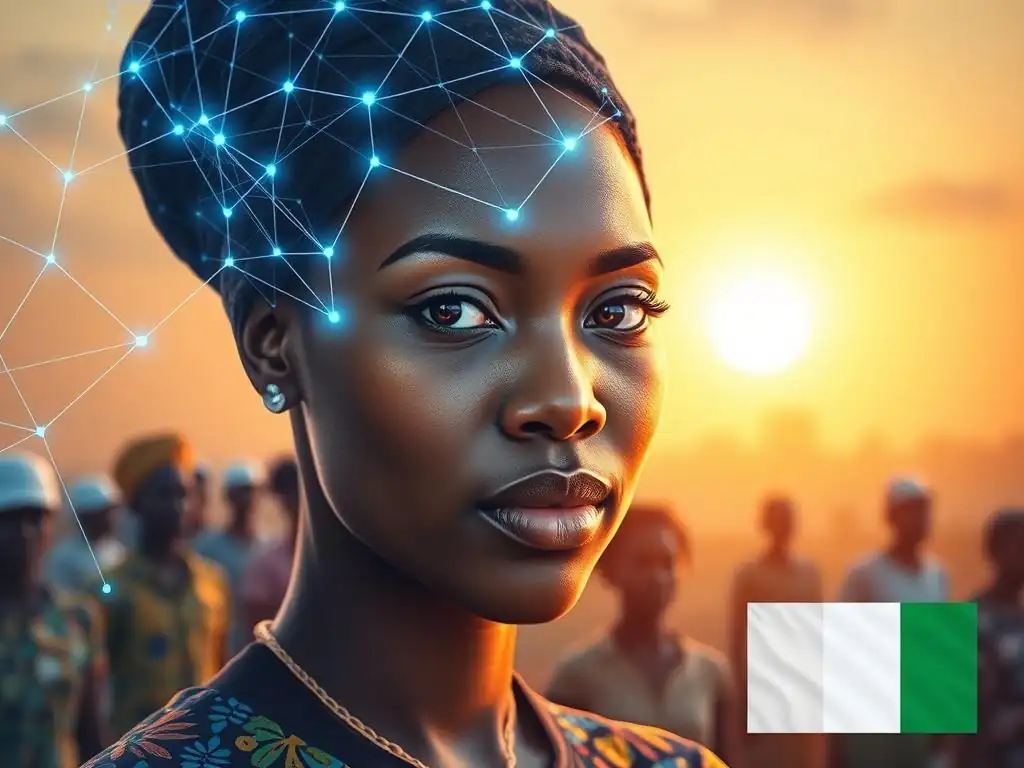
Welcome to Blockchain Trends, your compass in the ever-evolving world of decentralized technologies. Dive in to uncover the transformative power of blockchain, extending far beyond cryptocurrencies. This week, we explore a fascinating case study: the Nigeria blockchain digital identity revolution. How is blockchain paving the way for citizen empowerment and secure digital identities in Africa's most populous nation? Explore this groundbreaking initiative and discover the potential for similar applications worldwide. Read on to unravel the complexities and the promising future of this innovative approach.
Nigeria's Digital ID Revolution: Blockchain at the Forefront of Citizen Empowerment
- Introduction: Unveiling Nigeria's Ambitious Blockchain-Based Digital Identity Program
- The Current State of Identity Management in Nigeria: Challenges and Opportunities
- Blockchain as the Foundation: Building a Secure and Transparent National ID System
- Key Features and Functionality of Nigeria's Blockchain Digital ID
- Case Study: Implementation and Early Results of the Nigeria Blockchain Digital Identity Revolution
- Addressing Challenges and Mitigating Risks in Nigeria's Digital ID Initiative
- The Future of Digital Identity in Nigeria: Blockchain as a Catalyst for Innovation
- Conclusion: Nigeria's Blockchain Digital Identity Revolution as a Model for Africa
-
Frequently Asked Questions
- What role does blockchain play in Nigeria's digital identity revolution?
- How can blockchain-based digital IDs empower Nigerian citizens?
- What are some of the key challenges to implementing blockchain for digital identity in Nigeria?
- Beyond cryptocurrencies, what other applications of blockchain are relevant to Nigeria's development?
- How might regulations impact the future of blockchain and digital identity in Nigeria?
- Final Reflection: Embracing a Future Forged in Trust
- Ignite Your Digital Identity Journey!
Introduction: Unveiling Nigeria's Ambitious Blockchain-Based Digital Identity Program
The Urgent Need for Digital Identity in Nigeria: Addressing Inclusion and Security
Nigeria, Africa's most populous nation, faces significant challenges in ensuring all its citizens have a secure and verifiable identity. Millions, particularly those in rural areas or marginalized communities, lack formal identification documents, hindering their access to essential services like banking, healthcare, education, and social welfare programs. This identity gap contributes to financial exclusion, limits economic participation, and complicates governance, making it difficult to accurately track populations for planning and service delivery. Furthermore, inadequate identity systems pose security risks, potentially enabling fraud, corruption, and other illicit activities.
The drive for a universal digital identity is therefore not just a technological upgrade but a fundamental necessity for national development and citizen empowerment. Estimates suggest that a substantial portion of the Nigerian population remains unregistered in comprehensive national databases, creating a significant barrier to effective public service provision and private sector engagement. A robust, inclusive digital identity system is seen as a foundational layer to unlock economic potential, improve security, and ensure that every Nigerian can participate fully in society, addressing the critical need for widespread inclusion and streamlined access.
How Blockchain Technology is Driving Nigeria's Digital Transformation
Blockchain technology is emerging as a pivotal force in Nigeria's broader digital transformation efforts, extending far beyond its origins in cryptocurrency. Its inherent characteristics – immutability, transparency, security through cryptography, and distributed ledger architecture – offer compelling solutions to long-standing issues in data management, trust, and verification, particularly relevant for sensitive applications like national identity. The Nigerian government and various agencies have shown increasing interest in leveraging this distributed ledger technology to build more resilient, efficient, and trustworthy digital infrastructure.
In the context of the Nigeria blockchain digital identity revolution, blockchain provides a framework to move away from fragmented, centralized databases prone to single points of failure and manipulation. By distributing identity records across a network, it enhances security against tampering and unauthorized access. Furthermore, blockchain's ability to record transactions and verifications in an immutable log creates an unprecedented level of transparency and auditability, building trust among citizens, government agencies, and private sector entities that rely on verified identities. This technological shift is poised to underpin a new era of digital trust and efficiency across various sectors in Nigeria.
The Current State of Identity Management in Nigeria: Challenges and Opportunities
Existing Identification Systems and Their Limitations: A Critical Overview
Nigeria currently operates a multitude of identification systems managed by various government agencies, including the National Identification Number (NIN) issued by the National Identity Management Commission (NIMC), voter registration cards from the Independent National Electoral Commission (INEC), driver's licenses from the Federal Road Safety Corps (FRSC), and passport data from the Nigeria Immigration Service (NIS). While each system serves a specific purpose, they often operate in silos, leading to fragmentation, duplication of effort, and difficulty in cross-verification. Citizens often possess multiple forms of ID, none of which provides a single, universally accepted, and easily verifiable digital identity.
These disparate systems suffer from several limitations. Data quality and consistency can vary significantly across databases, making it challenging to establish a definitive identity for individuals. The process of obtaining certain IDs can be cumbersome, time-consuming, and geographically inaccessible for many, particularly those in remote areas. Furthermore, centralized databases are vulnerable targets for cyberattacks and data breaches, raising concerns about the security and privacy of sensitive personal information. The lack of seamless interoperability between these systems hinders efficient service delivery and makes it difficult to build a comprehensive national identity infrastructure.
The absence of a universal, easily verifiable digital identity has profound consequences for Nigeria's economic development and social inclusion goals. Without a recognized form of identification, millions struggle to open bank accounts, access credit, or participate in formal financial systems, contributing to high rates of financial exclusion. This limits opportunities for entrepreneurship and investment at the grassroots level. Access to essential social services, such as healthcare enrollment, pension disbursements, and targeted welfare programs, also becomes significantly more difficult, disproportionately affecting vulnerable populations.
Economically, the inability to reliably verify identities increases transaction costs for businesses, fuels the informal economy where participants are harder to track for taxation and regulation, and hinders the growth of digital commerce and service delivery. For instance, mobile money adoption and agent banking expansion face hurdles related to identity verification required by financial regulations. The Nigeria blockchain digital identity revolution aims to address these systemic issues by providing a trusted, accessible, and verifiable digital identity layer that can serve as a foundation for widespread economic participation and equitable access to opportunities for all citizens.
Blockchain as the Foundation: Building a Secure and Transparent National ID System
Exploring the Benefits of Blockchain for Digital Identity: Immutability, Security, and Decentralization
Blockchain technology offers inherent advantages that are particularly well-suited for building a secure and transparent national digital identity system. At its core is the principle of immutability: once data is recorded on the blockchain, it is extremely difficult, if not impossible, to alter or delete it without consensus from the network participants. This ensures the integrity and trustworthiness of identity records, preventing fraud and unauthorized modifications. Each transaction or update is cryptographically linked to the previous one, creating a tamper-evident chain.
Security is another critical benefit. Blockchain uses advanced cryptographic techniques to secure data and verify transactions. While sensitive personal data might not be stored directly on the public chain, hashes or proofs linked to verified identity attributes can be recorded. Access to verify these attributes can be controlled through digital keys, enhancing privacy and security compared to traditional centralized databases which present a single, high-value target for malicious actors. The decentralized or distributed nature of a blockchain network also means there is no single point of failure, making the system more resilient and robust against outages or attacks.
Nigeria's Choice: Permissioned Blockchain Architecture Considerations
While specific details about the definitive blockchain platform for a full national rollout under the Nigeria blockchain digital identity revolution may still be evolving or not fully public, discussions and pilot projects often point towards the suitability of permissioned blockchain architectures. Unlike public, permissionless chains (like Bitcoin or Ethereum mainnets) where anyone can participate, permissioned blockchains restrict participation to known and authorized entities, such as government agencies, banks, or other approved institutions. This model offers greater control over network participants, transaction throughput, and data privacy, which are critical requirements for a national identity system.
Platforms like Hyperledger Fabric or Quorum are examples of permissioned frameworks that could be considered, offering features like channel isolation for different types of data or participants, fine-grained access controls, and higher transaction speeds compared to public chains. The choice would likely depend on factors such as scalability requirements for a population exceeding 200 million, the need for regulatory compliance, the cost of implementation and maintenance, and the ease of integration with existing infrastructure.
Such platforms allow for the creation of a trusted network where identity data verifiers (like banks or government departments) can interact securely based on verified credentials recorded on the distributed ledger.
Ensuring Data Privacy and Security in a Blockchain-Based Digital Identity System
Implementing a blockchain-based digital identity system in Nigeria requires careful consideration of data privacy and security, especially given the sensitivity of personal information. While the blockchain itself provides immutability and security for transaction records or data hashes, storing sensitive personal data directly on a public or even a permissioned chain might not always be the most private approach. A common strategy involves storing the actual identity attributes off-chain in secure, encrypted databases, with only cryptographic hashes or verifiable credentials recorded on the blockchain.
This approach, often associated with Self-Sovereign Identity (SSI) models, allows individuals to control their data. They can grant specific parties (e.g., a bank, a hospital) permission to verify specific attributes (e.g., age, address) by presenting a verifiable credential linked to the blockchain record, without revealing all their personal information.
Advanced cryptographic techniques like Zero-Knowledge Proofs (ZKPs) can further enhance privacy, allowing one party to prove that a statement about their data is true (e.g., "I am over 18") without revealing the underlying data itself (e.g., their specific date of birth). Implementing robust access controls, encryption for off-chain data storage, and adhering to data protection regulations (like the Nigeria Data Protection Regulation 2019) are paramount to building trust and ensuring the privacy and security of citizens' data within the Nigeria blockchain digital identity revolution framework.
Key Features and Functionality of Nigeria's Blockchain Digital ID
Citizen Self-Sovereign Identity: Empowering Individuals with Control Over Their Data
A core principle envisioned for the Nigeria blockchain digital identity revolution is the adoption of a Self-Sovereign Identity (SSI) model. In this paradigm, individuals are placed at the center of their identity management, having control over their digital identity and personal data. Unlike traditional systems where identity is managed by central authorities (government agencies or corporations), SSI allows individuals to store their identity attributes and credentials securely, often on their own devices (like smartphones), and choose which information to share, with whom, and when.
This model shifts the power dynamic, moving towards a user-centric approach. The blockchain acts as a trust anchor, providing an immutable and verifiable record of credentials issued by trusted entities (e.g., a university issuing a degree credential, NIMC issuing a verified NIN).
The individual holds these verifiable credentials and can present them digitally. The relying party (e.g., an employer verifying a degree) can then cryptographically verify the credential against the record on the blockchain, ensuring it hasn't been tampered with and was issued by a legitimate source, all while the individual maintains control over the act of sharing and the extent of information disclosed.
Secure Data Storage and Verification: Enhancing Trust and Reliability
Secure data storage and verification are foundational to the reliability of the Nigeria blockchain digital identity system. While sensitive personal data attributes (like full name, address, biometric data) are ideally stored securely off-chain in encrypted formats, accessible only by the individual or authorized entities with consent, the blockchain component plays a crucial role in ensuring the integrity and verifiability of identity credentials and claims. Cryptographic hashes of data or verifiable credentials are recorded on the distributed ledger, creating an immutable audit trail.
When an individual needs to prove an aspect of their identity (e.g., that they have a valid driver's license), they present a verifiable credential from their digital wallet. The relying party (e.g., a police officer) can then use the public key associated with the issuing authority (FRSC) and the hash or pointer on the blockchain to cryptographically verify that the credential is authentic, hasn't been revoked, and corresponds to the individual presenting it.
This distributed verification process, anchored by the blockchain's integrity, significantly reduces the potential for identity fraud and enhances trust in digital transactions, making the Nigeria blockchain digital identity revolution a more secure alternative to easily forgeable physical documents or hackable centralized databases.
Interoperability and Integration: Connecting with Existing Government Systems
A critical aspect of the Nigeria blockchain digital identity revolution is ensuring seamless interoperability and integration with existing government systems and databases. While the blockchain provides a new, secure foundation for identity verification, it must be able to interact effectively with legacy systems used by various agencies like the Nigeria Immigration Service for passports, the Federal Inland Revenue Service (FIRS) for tax identification, or the National Health Insurance Scheme (NHIS).
This requires developing standardized APIs and data exchange protocols that allow different government departments and potentially approved private sector entities to verify identity attributes against the blockchain-anchored system, with the individual's consent.
Achieving this interoperability is essential to avoid creating yet another siloed identity system. The goal is to unify the verification process, allowing a single, blockchain-verified digital identity to be used across multiple government services and potentially private sector applications (like banking or telecommunications KYC). This integration streamlines processes, reduces administrative burden, improves data consistency across government functions, and enhances the overall efficiency of public service delivery. It represents a significant step towards a truly digital government enabled by the Nigeria blockchain digital identity revolution.
Case Study: Implementation and Early Results of the Nigeria Blockchain Digital Identity Revolution
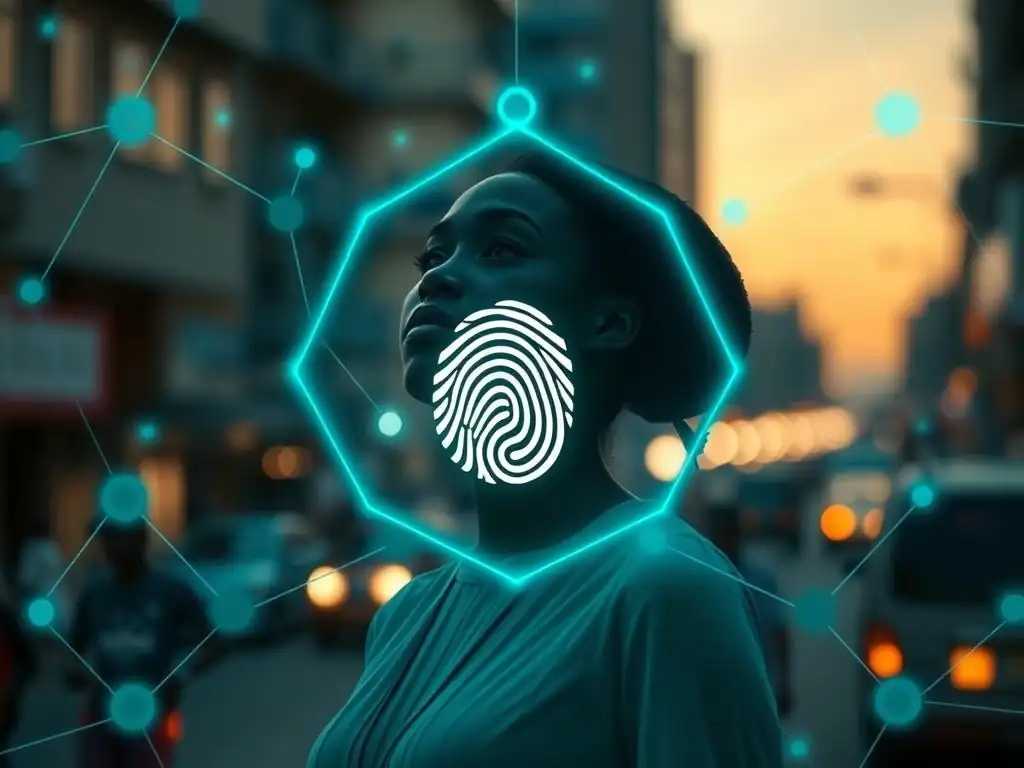
Pilot Programs and Initial Rollout: Lessons Learned and Best Practices
While a full-scale national blockchain digital ID rollout is a complex undertaking, Nigeria has seen various initiatives and pilot programs exploring the use of digital identity and distributed ledger technologies. For instance, specific projects might involve using blockchain for verifying academic certificates or land records, which share similar principles with identity management regarding immutability and verification.
The National Information Technology Development Agency (NITDA) and other bodies have been involved in exploring use cases for blockchain across different sectors. While specific public data on a large-scale national blockchain digital ID pilot with detailed metrics is still emerging, insights can be drawn from related digital identity efforts and smaller-scale blockchain pilots.
Lessons learned from these initiatives often highlight the importance of robust infrastructure (internet connectivity, device penetration), user education and awareness campaigns, and the need for clear regulatory frameworks. Best practices emerging include starting with defined pilot groups or specific use cases (e.g., identity verification for a particular government service or social program), ensuring strong collaboration between relevant government agencies, and designing user interfaces that are accessible and intuitive, even for individuals with limited digital literacy. These initial steps are crucial for refining the technology, process, and strategy before attempting a broader deployment of the Nigeria blockchain digital identity revolution.
Measuring the Impact: Key Metrics for Evaluating Success
Evaluating the success of the Nigeria blockchain digital identity revolution requires defining and tracking specific metrics. While precise figures from a nationwide blockchain deployment are not yet available, the intended metrics would likely include:
- Enrollment Rate: The percentage of the target population successfully registered and issued a blockchain-verified digital identity.
- Usage Rate: How frequently the digital ID is used for accessing services (e.g., banking, government services, healthcare).
- Reduction in Fraud: Quantifiable decrease in identity-related fraud cases across various sectors.
- Cost Savings: Reduction in operational costs for government agencies and businesses due to streamlined identity verification processes.
- Service Delivery Time: Improvement in the speed at which citizens can access essential services requiring identity verification.
- Financial Inclusion: Increase in the number of previously unbanked or underbanked individuals gaining access to financial services using their digital ID.
- Data Accuracy and Consistency: Improvement in the reliability and consistency of identity data across integrated systems.
Tracking these and other relevant metrics will be crucial for assessing the effectiveness, reach, and overall impact of the Nigeria blockchain digital identity revolution on governance, economy, and society.
Success Stories: Empowering Citizens in Specific Sectors (Anticipated/Pilot Examples)
While comprehensive success stories from a fully implemented Nigeria blockchain digital identity revolution are yet to be written, the potential impact can be illustrated through anticipated outcomes based on pilot projects and the capabilities of the technology. For instance, in the financial sector, a secure, verifiable digital ID could drastically simplify the Know Your Customer (KYC) process for opening bank accounts or accessing loans, potentially bringing millions of unbanked Nigerians into the formal financial system. This empowerment allows individuals to save, invest, and build credit history.
In the social welfare sector, a blockchain-based digital ID could ensure that subsidies or relief funds reach the intended beneficiaries directly and transparently, reducing leakage and corruption. Imagine a pilot program where individuals in a specific state receive conditional cash transfers verified through their blockchain-anchored digital identity, providing an immutable record of distribution. Such targeted programs become more efficient and accountable. These examples illustrate the transformative potential of the Nigeria blockchain digital identity revolution to empower citizens by providing verifiable access to essential services and economic opportunities.
Addressing Challenges and Mitigating Risks in Nigeria's Digital ID Initiative
Overcoming Technical Hurdles: Scalability, Interoperability, and User Accessibility
Implementing a national blockchain digital identity system for a population exceeding 200 million presents significant technical challenges. Scalability is paramount; the chosen blockchain platform and its associated infrastructure must be capable of handling a massive volume of registrations, identity updates, and verification requests concurrently and efficiently. Ensuring high transaction throughput and low latency across the network is critical for widespread adoption and usability.
Interoperability with diverse existing legacy systems across different government agencies and private sector entities is another major hurdle. Developing standardized protocols and APIs that allow seamless, secure data exchange and verification between the new blockchain-based system and older databases requires significant technical expertise and coordination. Furthermore, ensuring user accessibility is vital. This includes designing interfaces that are simple to use, even for individuals with limited digital literacy, and addressing infrastructure gaps like inconsistent internet connectivity or lack of compatible devices in some regions to ensure the Nigeria blockchain digital identity revolution is truly inclusive.
Regulatory and Legal Considerations: Ensuring Compliance and Data Protection
Navigating the regulatory and legal landscape is crucial for the successful and ethical deployment of the Nigeria blockchain digital identity revolution. Establishing a clear legal framework that recognizes the blockchain-based digital identity as a valid form of identification is a fundamental step. This involves potentially amending existing laws related to identity, data protection, and electronic transactions.
Ensuring compliance with data protection regulations, such as the Nigeria Data Protection Regulation (NDPR) 2019, is paramount. The system must be designed with privacy by design principles, clearly defining how personal data is collected, stored, processed, and who has access to it.
Addressing issues like data ownership, the right to be forgotten (which presents a philosophical challenge with blockchain's immutability, requiring careful architectural choices like off-chain storage for sensitive data), and establishing clear governance structures for the network are critical legal considerations. A robust legal framework builds trust and provides a foundation for the widespread acceptance and use of the Nigeria blockchain digital identity revolution.
Public Awareness and Adoption: Strategies for Promoting Trust and Usage
Achieving widespread public awareness and encouraging adoption are vital for the success of the Nigeria blockchain digital identity revolution. Many citizens may be unfamiliar with blockchain technology or digital identity concepts, and there may be inherent skepticism or resistance to adopting a new system, especially concerning personal data. Lack of trust in government initiatives can also be a significant barrier.
Effective strategies for promoting trust and usage include launching comprehensive, multi-channel public awareness campaigns explaining the benefits of the digital ID, how it works, and how personal data is protected. Educational programs tailored to different demographics, including those in rural areas, are essential. Building trust requires transparency in the system's operation and clear communication channels for addressing citizen concerns. Providing accessible and user-friendly registration processes and demonstrating tangible benefits (like easier access to services) are key to driving adoption and ensuring that the Nigeria blockchain digital identity revolution serves the entire population.
The Future of Digital Identity in Nigeria: Blockchain as a Catalyst for Innovation
Expanding Use Cases: Integrating Digital ID with E-Governance, Financial Services, and More
The successful implementation of the Nigeria blockchain digital identity revolution has the potential to serve as a powerful catalyst for innovation across various sectors. Beyond basic identification, this secure and verifiable digital ID can be integrated with a wide range of e-governance services, streamlining processes for everything from filing taxes with FIRS, applying for permits, accessing healthcare records, to voting. Imagine a future where citizens can securely interact with all government agencies online using their single, blockchain-verified digital identity.
The integration with financial services is particularly transformative. A reliable digital ID enables easier access to banking, credit, insurance, and mobile money services, fostering greater financial inclusion. Furthermore, it can underpin secure digital contracts, property registration, and even supply chain verification. The potential use cases are vast, limited only by the ability to integrate systems and develop applications that leverage the trust and security provided by the blockchain-anchored identity, paving the way for a more digitally advanced Nigerian society.
The Nigeria blockchain digital identity revolution holds immense potential for driving significant economic growth and social development. By providing a universal, verifiable identity, it reduces the friction associated with economic transactions, making it easier for businesses to onboard customers, extend credit, and operate efficiently. This can stimulate growth in sectors ranging from fintech and e-commerce to agriculture and healthcare.
Socially, the digital ID can facilitate more equitable access to education, healthcare, and social welfare programs, ensuring that government support reaches those who need it most. It empowers individuals to participate fully in the digital economy and civic life. A future vision sees the blockchain digital ID as a foundational element enabling everything from secure online voting to personalized healthcare delivery and access to remote education, ultimately contributing to poverty reduction, improved living standards, and a more connected and inclusive society across Nigeria.
The Role of Blockchain in Fostering a More Inclusive and Efficient Society
Blockchain technology, through its application in the Nigeria blockchain digital identity revolution, plays a crucial role in fostering a more inclusive and efficient society. By providing a secure, transparent, and immutable record of identity, it helps to overcome barriers that have historically excluded millions from participating fully in the formal economy and accessing essential services. The distributed nature of the technology can potentially make the system more resilient and accessible than traditional centralized models, provided adequate infrastructure and user support are in place.
Moreover, the efficiency gains derived from streamlined identity verification processes across government and private sectors can lead to reduced bureaucracy, lower costs, and faster service delivery. This efficiency benefits both citizens and institutions. By anchoring trust in a decentralized ledger, blockchain helps build a foundation for digital interactions that is resistant to manipulation and corruption, paving the way for a more transparent and accountable governance system and a more vibrant, inclusive digital economy in Nigeria.
Conclusion: Nigeria's Blockchain Digital Identity Revolution as a Model for Africa
Key Takeaways and Lessons Learned from Nigeria's Experience
Nigeria's journey towards a blockchain-based digital identity system offers valuable insights and lessons for other nations, particularly across Africa, grappling with similar identity management challenges. A key takeaway is the critical need for a universal digital identity to address financial exclusion, improve governance, and unlock economic potential. Nigeria's exploration of blockchain highlights the technology's potential to provide the necessary security, transparency, and immutability required for such a foundational national system, moving beyond the limitations of fragmented, centralized databases.
Lessons learned from pilot programs and the ongoing development process emphasize the importance of strategic planning, overcoming infrastructure hurdles, developing robust regulatory frameworks, and prioritizing public awareness and trust. The complexity of integrating new blockchain technology with existing legacy systems and ensuring widespread accessibility are significant challenges that require dedicated effort and investment. Nigeria's experience underscores that while the technological potential is immense, successful implementation hinges on addressing socio-economic and regulatory factors alongside technical development in the pursuit of a nationwide digital identity solution.
The Potential for Replicating the Model in Other African Nations
The challenges Nigeria faces regarding identity management – including a large unbanked population, need for improved governance, and fragmented identity systems – are common across many other African nations. Therefore, the Nigeria blockchain digital identity revolution, as it evolves, has the potential to serve as a compelling model for replication across the continent. The lessons learned from Nigeria's approach to leveraging blockchain for identity can inform strategies in countries aiming to build their own secure, inclusive, and efficient national identification systems.
Sharing best practices regarding technology selection (e.g., permissioned vs. public chains), privacy considerations, interoperability standards, and strategies for public engagement can accelerate the adoption of similar initiatives elsewhere. As African nations increasingly focus on digital transformation as a driver for development, Nigeria's experience with blockchain-based digital identity provides a practical case study demonstrating both the promise and the practicalities of deploying cutting-edge technology to address fundamental societal needs and foster digital inclusion on a national scale.
The Broader Implications for Blockchain Adoption in Governance and Public Services
The Nigeria blockchain digital identity revolution has broader implications that extend beyond identity management, signaling a growing acceptance and potential for blockchain adoption in governance and public services across Africa and globally. The successful deployment of blockchain in a high-stakes national application like digital identity can build confidence in the technology's reliability and security for other government use cases.
This could pave the way for the use of blockchain in areas such as land registries to prevent fraud, supply chain management for public procurement to enhance transparency, secure storage of health records, or even in electoral processes to improve integrity. Nigeria's initiative demonstrates that governments are increasingly looking at distributed ledger technology not just as a financial tool but as a fundamental infrastructure layer for building more trustworthy, efficient, and citizen-centric public services. The lessons from Nigeria's blockchain digital identity revolution will undoubtedly contribute to the global discourse on harnessing blockchain for public good.
Frequently Asked Questions
What role does blockchain play in Nigeria's digital identity revolution?
Blockchain is being explored as a secure and transparent technology for managing and verifying digital identities in Nigeria. This aims to create a more reliable and efficient system compared to traditional methods, ensuring greater control and privacy for citizens over their data.
How can blockchain-based digital IDs empower Nigerian citizens?
By providing a verifiable and portable digital identity, blockchain can facilitate access to essential services like healthcare, education, and financial inclusion. This empowerment stems from greater control over personal data and reduced reliance on centralized authorities, fostering increased trust and efficiency.
What are some of the key challenges to implementing blockchain for digital identity in Nigeria?
Challenges include regulatory uncertainty, infrastructure limitations (internet access and digital literacy), and the need for widespread adoption and interoperability among different systems. Overcoming these hurdles is crucial for the successful implementation of a blockchain-based digital ID system.
Beyond cryptocurrencies, what other applications of blockchain are relevant to Nigeria's development?
DeFi (Decentralized Finance) can promote financial inclusion by offering alternative lending and investment opportunities. Supply chain management can enhance transparency and traceability of goods. Blockchain can also improve land registry systems to reduce fraud and disputes.
How might regulations impact the future of blockchain and digital identity in Nigeria?
Clear and supportive regulations are essential to foster innovation and investment in blockchain technology. Unfavorable regulations could hinder adoption and limit the potential benefits of digital identity solutions. The balance between innovation and security is key.
Final Reflection: Embracing a Future Forged in Trust
The journey of Nigeria's digital identity revolution, powered by blockchain, is not merely a technological advancement; it's a profound shift in how citizens interact with their government and the world. This transformation, built on the principles of transparency and security, holds the key to unlocking unprecedented opportunities for economic growth and social inclusion. The potential for a more equitable and efficient Nigeria, where every citizen's identity is verifiable and protected, is now within reach.
This initiative has the power to reshape the very fabric of Nigerian society. The ability to securely and seamlessly access essential services, participate in democratic processes, and engage in the global economy is not just a privilege, but a fundamental right. The blockchain-based digital identity system promises to empower individuals, fostering a sense of ownership and agency. Technology is nothing. What's important is that you have a faith in people, that they're basically good and smart, and if you give them tools, they'll do wonderful things with them.
- Steve Jobs. This quote resonates deeply with the potential of this revolution, placing trust in the Nigerian people to leverage this technology for the betterment of their lives.
As we stand at the cusp of this digital dawn, let us not be passive observers. Let us embrace the possibilities that Nigeria's blockchain digital identity revolution presents. Consider how you, as a citizen, can contribute to its success, ensuring that its benefits are shared by all. Reflect on the power of secure identity and the role it plays in building a more just and prosperous future for Nigeria. The future is not just coming; it's being built, brick by digital brick, and your participation is vital.
Ignite Your Digital Identity Journey!
Thank you for exploring how blockchain is transforming Nigeria's digital ID landscape. You've gained valuable insights into empowering citizens through secure and transparent identification. Now, it's time to take action!
Here's how you can contribute to this exciting revolution:
- Support initiatives that promote blockchain-based digital ID systems in Nigeria. This is a vital step toward creating a more inclusive and transparent future.
- Explore existing blockchain ID solutions and share your insights with the community. Your knowledge can help others understand this rapidly evolving space.
- Discuss the potential benefits and challenges of digital ID with your network—raising awareness is essential for widespread adoption.
What blockchain applications for digital ID do you believe will have the greatest impact on Nigerian society? Share your thoughts in the comments below!
Leave a Reply