
Supply Chain Resilience: Mitigating Risks with Blockchain RealWorld Case Studies

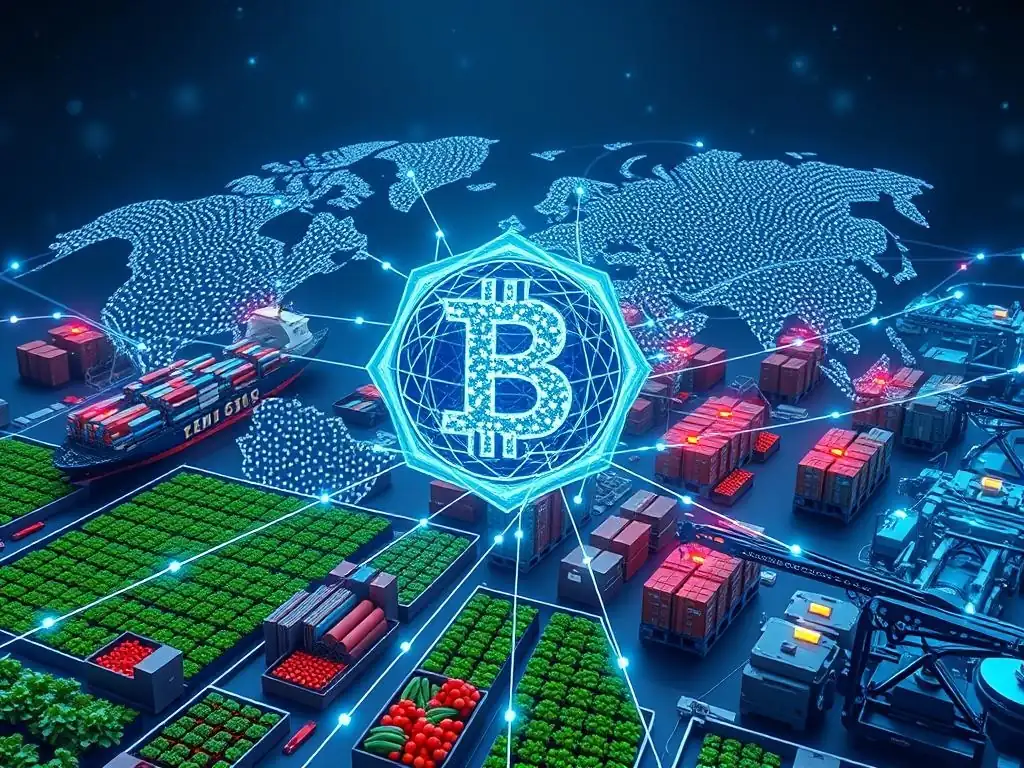
Welcome to Blockchain Trends, your premier source for understanding the real-world impact of blockchain technology! Dive into the transformative potential beyond cryptocurrencies, exploring everything from DeFi to enterprise solutions. Ready to uncover how blockchain can revolutionize industries? Our latest case study sheds light on a critical application: Blockchain supply chain risk mitigation. Discover how leading companies are leveraging decentralized solutions to build more resilient and transparent supply chains – and what lessons you can learn. Read on to explore the future of decentralized systems and how they're already shaping tomorrow's businesses...
Supply Chain Resilience: Mitigating Risks with Blockchain - Real-World Case Studies
- Introduction: The Imperative of Resilient Supply Chains
- Understanding Supply Chain Risks and Vulnerabilities
- Blockchain for Supply Chain Risk Mitigation: Core Principles
-
Real-World Blockchain Supply Chain Case Studies: Mitigating Risks
- Case Study 1: De Beers - Tracking Diamonds with Blockchain for Provenance
- Case Study 2: Walmart - Using Blockchain for Food Supply Chain Transparency and Safety
- Case Study 3: Pfizer - Optimizing Pharmaceutical Supply Chain Security with Blockchain
- Case Study 4: Arianee - Securing the Luxury Goods Supply Chain with Blockchain Provenance
- Benefits of Blockchain Implementation for Supply Chain Risk Management
- Overcoming Challenges to Blockchain Adoption in Supply Chains
- The Future of Blockchain in Supply Chain Resilience
- Conclusion: Embracing Blockchain for a More Resilient Future
-
Frequently Asked Questions
- How can blockchain technology help mitigate risks in the supply chain?
- What are some real-world examples of blockchain being used for supply chain risk mitigation?
- What are the key benefits of using blockchain for supply chain management beyond risk mitigation?
- What are the main challenges to implementing blockchain solutions for supply chain risk mitigation?
- How does blockchain help in complying with regulatory requirements related to supply chain transparency?
- Final Reflection: Embracing Blockchain for Supply Chain Security
- Uncover the Power of Blockchain for Your Supply Chain!
Introduction: The Imperative of Resilient Supply Chains
Why Supply Chain Resilience is Crucial in Today's Global Economy
In an interconnected world, supply chains are the lifeblood of global commerce, facilitating the movement of goods and services across continents. However, this complexity also exposes them to a myriad of potential disruptions, ranging from natural disasters and geopolitical conflicts to cyberattacks and pandemics. The COVID-19 pandemic, in particular, highlighted the fragility of many global supply chains, causing significant delays, shortages, and economic losses for businesses worldwide. Building supply chain resilience is no longer just a strategic advantage; it is a fundamental necessity for survival and sustained growth in a volatile environment.
Resilient supply chains are those capable of anticipating, adapting to, and recovering quickly from disruptions while maintaining continuity of operations and minimizing adverse impacts. Achieving this requires not only robust planning and risk assessment but also enhanced visibility and agility across the entire network. Traditional supply chain management systems often lack the transparency and real-time data sharing needed to effectively identify vulnerabilities and respond swiftly to crises, making advanced solutions like blockchain supply chain risk mitigation increasingly critical.
The Role of Blockchain in Enhancing Supply Chain Security and Transparency
Blockchain technology offers a transformative approach to enhancing supply chain security and transparency, directly addressing many of the inherent weaknesses in traditional systems. By providing a decentralized, immutable, and transparent ledger, blockchain can create a single, shared source of truth for all participants in a supply chain, from raw material suppliers to end consumers. This shared ledger records every transaction and movement of goods, making it incredibly difficult to alter data retrospectively and providing an unprecedented level of visibility.
This inherent transparency and security make blockchain an ideal tool for blockchain supply chain risk mitigation. It enables businesses to track the provenance of goods with high confidence, verify the authenticity of products, automate processes through smart contracts, and improve collaboration among stakeholders. These capabilities are crucial for identifying potential bottlenecks, verifying compliance with regulations, detecting fraudulent activities, and responding effectively when disruptions occur, ultimately contributing to a more robust and resilient supply chain network.
Understanding Supply Chain Risks and Vulnerabilities
Identifying Common Supply Chain Disruptions: Natural Disasters, Geopolitical Instability, Cyberattacks
Supply chains face a constant barrage of potential disruptions originating from various sources. Natural disasters, such as earthquakes, hurricanes, floods, and volcanic eruptions, can cripple infrastructure, destroy facilities, and halt transportation routes, causing immediate and severe breaks in the supply chain. For instance, the 2011 Tohoku earthquake and tsunami in Japan severely impacted the global automotive and electronics industries due to disruptions in component supply chains.
Geopolitical instability, including trade wars, political unrest, sanctions, and actual conflicts, also poses significant risks. Changes in trade policies can suddenly increase costs or block access to markets and suppliers, while conflicts can disrupt logistics and create security concerns. Furthermore, cyberattacks are an increasingly prevalent threat, targeting sensitive supply chain data, disrupting logistics systems, or compromising manufacturing operations, potentially leading to significant financial losses and operational downtime. Effective blockchain supply chain risk mitigation strategies must account for this diverse threat landscape.
Assessing the Impact of Supply Chain Risks on Businesses
The consequences of supply chain disruptions can be far-reaching and devastating for businesses. Direct impacts include production stoppages, delayed deliveries, increased operational costs due to expedited shipping or alternative sourcing, and inventory imbalances. A single disruption at a critical node can cascade through the entire network, affecting multiple tiers of suppliers and customers.
Beyond direct financial costs, disruptions can damage a company's reputation, erode customer trust due to inability to fulfill orders, and lead to loss of market share. For example, a major recall due to a food safety issue, often linked to a lack of traceability, can cost millions in direct expenses and inflict long-term brand damage. Quantifying these potential impacts is a crucial step in developing effective blockchain supply chain risk mitigation plans and justifying investments in resilient technologies.
Blockchain as a Solution: Addressing Key Vulnerabilities
Blockchain technology directly addresses several fundamental vulnerabilities within traditional supply chains. The lack of a centralized, immutable record makes data manipulation easier and hinders trust among disparate parties. This opacity complicates tracing the origin and journey of goods, making it difficult to identify sources of contamination, fraud, or ethical concerns quickly.
By providing a tamper-evident ledger accessible to authorized participants, blockchain significantly enhances transparency and data integrity. This allows for rapid verification of information, improving trust and accountability. Furthermore, the ability to track assets digitally from origin to destination provides unparalleled traceability, enabling swift responses to issues like recalls or quality control failures. This foundational capability is central to effective blockchain supply chain risk mitigation.
Blockchain for Supply Chain Risk Mitigation: Core Principles
Immutability and Data Integrity: Ensuring Trustworthy Supply Chain Information
One of the most significant contributions of blockchain to blockchain supply chain risk mitigation is its inherent immutability. Once data is recorded on a blockchain, it is extremely difficult, if not impossible, to alter or delete it without detection, especially on public or permissioned blockchains with multiple validating nodes. This creates a highly reliable and trustworthy record of all transactions, movements, and status updates within the supply chain.
This unalterable ledger ensures data integrity across the network. Participants can trust that the information they are viewing is accurate and has not been tampered with, whether it relates to the origin of materials, timestamps of shipments, or quality control checks. This shared confidence in the data reduces disputes, simplifies audits, and provides a solid foundation for making informed decisions, particularly during times of disruption or uncertainty.
Enhanced Traceability and Provenance: Tracking Goods from Origin to Consumer
Blockchain excels at providing granular traceability and provenance for goods as they move through the supply chain. By recording each step of a product's journey – from the source of raw materials, through manufacturing processes, transportation, distribution, and finally to the consumer – on the distributed ledger, a complete and verifiable history is created. This digital thread allows stakeholders to trace items backward to their origin and forward to their current location.
This enhanced traceability is vital for blockchain supply chain risk mitigation. It allows businesses to quickly identify the source of contaminated products during a recall, verify ethical sourcing claims, combat counterfeiting by confirming authenticity, and improve visibility into inventory levels and locations across the network. Knowing exactly where goods are and where they came from enables faster response times to disruptions and enhances overall supply chain control.
Smart Contracts for Automated Processes and Risk Management
Smart contracts, self-executing contracts with the terms of the agreement directly written into code, reside on the blockchain and automatically execute actions when predefined conditions are met. In the context of supply chains, smart contracts can automate various processes, such as payments upon delivery confirmation, triggering insurance claims based on shipment delays exceeding a certain threshold, or releasing goods from customs upon receipt of necessary documentation.
Automating these processes through smart contracts reduces reliance on manual intervention, minimizes errors, and speeds up transactions. More importantly for risk management, smart contracts can be programmed to automatically respond to specific risk events. For example, a smart contract could automatically initiate sourcing from an alternative supplier if the primary supplier fails to log a shipment by a certain deadline, thereby mitigating the risk of delay without human oversight.
Improved Collaboration and Communication Among Supply Chain Stakeholders
Traditional supply chains often suffer from siloed information systems, where different parties – manufacturers, logistics providers, distributors, retailers – use disparate platforms that do not easily share data. This lack of interoperability hinders effective communication and collaboration, creating blind spots and slowing down responses to issues.
Blockchain provides a shared, secure platform where authorized participants can access relevant information in real-time. This shared visibility fosters greater trust and collaboration among stakeholders. By having access to the same, verified data regarding shipment status, inventory levels, or quality reports, parties can coordinate more effectively, resolve disputes faster, and collectively work towards blockchain supply chain risk mitigation and building a more resilient network.
Real-World Blockchain Supply Chain Case Studies: Mitigating Risks
Case Study 1: De Beers - Tracking Diamonds with Blockchain for Provenance
The Challenge: Ensuring Ethical Sourcing and Combating Conflict Diamonds
The diamond industry has long faced challenges related to provenance, specifically concerns about "conflict diamonds" – diamonds mined in war zones and sold to finance insurgencies or warlords. Ensuring that diamonds are ethically sourced and not contributing to conflict is crucial for maintaining consumer trust and adhering to international regulations like the Kimberley Process. Traditional paper-based certification and tracking methods were susceptible to fraud and lacked the transparency needed to provide absolute assurance of a diamond's origin and journey.
The Blockchain Solution: Implementing Tracr, a Diamond Tracking Platform
De Beers, a leading diamond company, developed and implemented Tracr, a blockchain-based platform designed to track diamonds from the moment they are unearthed at the mine through polishing, cutting, and retail. Each diamond is registered on the platform with a unique ID, and its key attributes (carat, color, clarity, cut) and ownership are recorded at each stage of its journey. This creates an immutable digital trail accessible to authenticated participants.
Results: Enhanced Transparency and Consumer Confidence in Diamond Provenance
The implementation of Tracr has significantly enhanced transparency and traceability in the diamond supply chain. By providing a verifiable record of a diamond's journey from mine to retailer, De Beers can offer greater assurance to consumers and stakeholders about the ethical sourcing and authenticity of their diamonds.
While specific figures on fraud reduction are proprietary, the platform aims to track a substantial portion of De Beers' production, estimated to be millions of diamonds annually, bolstering trust and reinforcing the value proposition of natural diamonds against synthetics and unverified stones. This is a prime example of blockchain supply chain risk mitigation addressing ethical and reputational risks.
Case Study 2: Walmart - Using Blockchain for Food Supply Chain Transparency and Safety
The Challenge: Improving Food Safety and Reducing E. coli Outbreaks
Food safety is a paramount concern for retailers, and tracing contaminated products back to their source quickly during an outbreak is critical to preventing further illness and limiting economic damage. In traditional food supply chains, tracing the origin of a product like a mango could take days or even weeks, involving manual checks of paper records and various databases across multiple intermediaries. This delay significantly increases the risk of consumers continuing to consume contaminated food.
The Blockchain Solution: Tracking Mangoes from Farm to Store
Walmart partnered with IBM to pilot a blockchain solution for tracking food products, initially focusing on mangoes and eventually expanding to leafy greens. The system records data points at each step: the farm where the mango was grown, the packing facility, the shipper, and the distribution center, all the way to the retail store. This information is stored on a permissioned blockchain network accessible to authorized participants.
Results: Reduced Traceability Time from Weeks to Seconds
The blockchain pilot demonstrated a dramatic reduction in the time required to trace a product back to its origin. What previously took approximately seven days using traditional methods could be achieved in as little as 2.2 seconds using the blockchain system. This rapid traceability allows Walmart and other participants to quickly identify the source of a potential contamination, isolate affected products, and notify consumers, significantly improving food safety and demonstrating effective blockchain supply chain risk mitigation in a critical industry.
Case Study 3: Pfizer - Optimizing Pharmaceutical Supply Chain Security with Blockchain
The Challenge: Preventing Counterfeit Drugs and Ensuring Medication Integrity
The pharmaceutical industry faces a severe threat from counterfeit drugs, which pose significant health risks to patients and cause substantial financial losses. Ensuring the integrity and authenticity of medications throughout a complex global supply chain, from manufacturing to pharmacy, is a major challenge. Traditional serialization and tracking methods can be vulnerable to tampering and lack real-time verification capabilities across the network.
The Blockchain Solution: Pilot program tracking oral solid dosage forms.
Pfizer has explored the use of blockchain technology through participation in initiatives like the MediLedger Project, a consortium focused on leveraging blockchain for the pharmaceutical supply chain. One pilot program specifically focused on tracking oral solid dosage forms (e.g., pills) as they moved through the distribution network. The blockchain recorded product identifiers, transaction data, and ownership transfers, creating a secure and transparent ledger of the medication's journey.
Results: Enhanced Traceability and Prevention of Counterfeit Drugs
While still in pilot and development phases for widespread deployment, these initiatives have shown promising results in enhancing the traceability and security of pharmaceutical products. The blockchain ledger provides a verifiable history of each package, making it significantly harder to introduce counterfeit products into the legitimate supply chain undetected. The ability to instantly verify the authenticity and chain of custody of a drug package strengthens the overall security posture and contributes directly to blockchain supply chain risk mitigation against counterfeiting and ensuring patient safety.
Case Study 4: Arianee - Securing the Luxury Goods Supply Chain with Blockchain Provenance
The Challenge: Verifying Authenticity and Combating Fraud in High-Value Items
The luxury goods market is particularly susceptible to counterfeiting and fraud, impacting brand reputation and consumer trust. Verifying the authenticity of high-value items like watches, jewelry, and designer bags throughout their lifecycle, especially in the secondary market, is a significant challenge. Traditional paper certificates of authenticity can be lost, damaged, or forged.
The Blockchain Solution: Digital passports for luxury goods
Arianee provides a blockchain-based protocol that allows luxury brands to create unique, secure digital identities or "passports" for their products. When a product is purchased, its digital passport, containing information about its origin, materials, and warranty, is transferred to the customer's digital wallet. This passport serves as an immutable proof of ownership and authenticity, verifiable on the blockchain.
Results: Increased Consumer Trust and Reduced Fraudulent Activities
By linking a physical luxury item to a secure, verifiable digital identity on the blockchain, Arianee helps brands combat counterfeiting and unauthorized resale. Consumers gain confidence knowing they possess an authentic item with a clear, verifiable history. While specific fraud reduction percentages vary by brand implementation, the technology provides a powerful tool for authentication in both primary and secondary markets, enhancing brand value and acting as a proactive measure for blockchain supply chain risk mitigation in the luxury sector.
Benefits of Blockchain Implementation for Supply Chain Risk Management
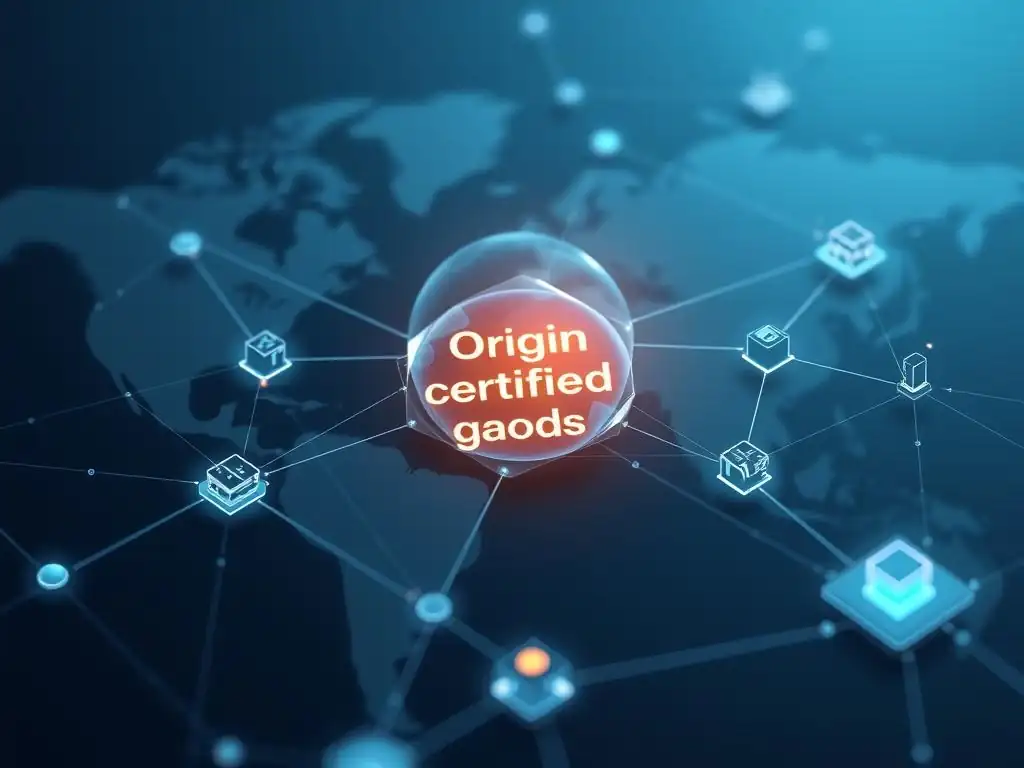
Improved Supply Chain Visibility and Control
Implementing blockchain provides an unprecedented level of visibility across the entire supply chain network. With a shared, immutable ledger, all authorized participants can access real-time information about the status, location, and condition of goods. This comprehensive view eliminates blind spots and enables better monitoring of potential risks.
This enhanced visibility translates into improved control. Businesses can more accurately predict lead times, manage inventory more efficiently, and quickly identify deviations from planned routes or schedules. During disruptions, this real-time insight allows for faster assessment of the situation and more agile decision-making, crucial for effective blockchain supply chain risk mitigation.
Reduced Counterfeiting and Fraud
The immutability and transparency of blockchain make it a powerful deterrent against counterfeiting and fraudulent activities. By creating a secure, verifiable record of a product's journey and ownership, it becomes extremely difficult to introduce fake goods into the legitimate supply chain or alter provenance data.
Consumers and businesses can verify the authenticity of products by checking the blockchain record linked to a unique product identifier (like a QR code or RFID tag). This capability is particularly valuable for high-value goods, pharmaceuticals, and consumer electronics, significantly reducing losses associated with fraud and protecting brand reputation. This is a direct benefit of blockchain supply chain risk mitigation focused on product integrity.
Enhanced Traceability and Accountability
Blockchain provides granular, end-to-end traceability, allowing any participant to trace a product back to its origin or follow its path forward through the supply chain. This level of detail is invaluable for various purposes, including verifying ethical sourcing, complying with regulations, and conducting targeted recalls.
This enhanced traceability also fosters greater accountability among supply chain partners. Since every transaction and transfer of custody is recorded on the shared ledger, it becomes clear who was responsible for the goods at each step. This transparency encourages best practices and simplifies the process of identifying responsible parties in case of issues or disputes.
Increased Efficiency and Cost Savings
While initial implementation requires investment, blockchain can lead to significant long-term efficiencies and cost savings in supply chain operations. Automating processes through smart contracts reduces manual paperwork and administrative overhead. Reduced disputes due to verifiable data save time and legal costs.
Improved visibility and traceability minimize losses from damaged or lost goods, reduce the need for excessive safety stock, and optimize logistics planning. Faster response times to disruptions also minimize their financial impact. These efficiencies contribute to a more streamlined and cost-effective supply chain, indirectly supporting blockchain supply chain risk mitigation by freeing up resources and improving operational robustness.
Strengthened Regulatory Compliance
Many industries are subject to complex and evolving regulations concerning product origin, handling, safety, and tracking (e.g., pharmaceuticals, food, conflict minerals). Demonstrating compliance often involves extensive record-keeping and auditing processes, which can be cumbersome and prone to errors with traditional systems.
Blockchain provides a secure, auditable trail of all relevant data points, making it much easier to demonstrate compliance with regulatory requirements. The immutable nature of the ledger provides regulators with a trustworthy source of information, simplifying audits and reducing the risk of penalties for non-compliance. This proactive approach to regulatory adherence is a key aspect of blockchain supply chain risk mitigation.
Overcoming Challenges to Blockchain Adoption in Supply Chains
Data Privacy and Security Concerns
While blockchain offers security through immutability, concerns about data privacy remain, especially in permissioned networks where sensitive business data is shared. Determining what information should be public or permissioned, and ensuring that access controls are robust, is critical. Companies may be hesitant to share commercially sensitive data, even with partners.
Addressing these concerns requires careful design of the blockchain network, potentially utilizing privacy-enhancing technologies like zero-knowledge proofs or secure multi-party computation. Establishing clear governance rules and access permissions is paramount to building trust and ensuring data security within the supply chain network.
Interoperability and Standardization Issues
The blockchain landscape is fragmented, with various platforms and protocols (e.g., Hyperledger Fabric, Ethereum, VeChain) being used. Ensuring interoperability between different blockchain networks, as well as with existing legacy systems (ERP, WMS, TMS), is a significant challenge. Without effective integration, data silos can persist, hindering the benefits of a unified ledger.
Developing industry-wide standards for data formats, protocols, and governance is essential for widespread blockchain adoption in supply chains. Initiatives focused on creating common frameworks and APIs are crucial to enabling seamless data flow and collaboration across diverse networks and systems.
Scalability Limitations
Some blockchain platforms, particularly public ones, can face scalability limitations in terms of transaction throughput and speed, which might be a concern for high-volume, fast-paced supply chains. Processing millions of transactions daily, as required by large global networks, demands robust and scalable infrastructure.
Permissioned blockchains or specialized enterprise blockchain solutions are often better suited for supply chain applications due to their higher transaction speeds and lower costs compared to public blockchains. Ongoing technological advancements in blockchain architecture and consensus mechanisms are continuously improving scalability.
Implementation Costs and Technical Expertise
Implementing blockchain technology requires significant upfront investment in technology infrastructure, software development, and integration with existing systems. Furthermore, companies need access to specialized technical expertise in blockchain development, cryptography, and distributed systems, which can be scarce and expensive.
The perceived complexity and cost can be barriers to adoption, particularly for small and medium-sized enterprises (SMEs). Building a strong business case demonstrating clear ROI and starting with pilot projects focused on specific high-value use cases can help mitigate these concerns and facilitate a phased implementation approach.
The Future of Blockchain in Supply Chain Resilience
Emerging Trends and Technologies
The future of blockchain in supply chains is characterized by continuous innovation and integration with other cutting-edge technologies. Beyond basic traceability, emerging trends include the use of non-fungible tokens (NFTs) to represent unique physical assets digitally, enhancing ownership verification and tracking for high-value goods or components.
Furthermore, advancements in blockchain consensus mechanisms and sharding techniques are addressing scalability concerns, paving the way for handling even larger volumes of supply chain data. The development of more user-friendly interfaces and standardized integration tools will also lower the barrier to entry for businesses looking to leverage blockchain supply chain risk mitigation.
The Convergence of Blockchain with IoT and AI
A particularly powerful synergy is emerging from the convergence of blockchain with the Internet of Things (IoT) and Artificial Intelligence (AI). IoT devices (sensors, trackers, smart tags) can automatically collect real-time data about a product's condition (temperature, humidity, location) and status, which can then be securely and immutably recorded on the blockchain.
AI algorithms can analyze this vast amount of verifiable data from the blockchain and IoT devices to identify patterns, predict potential disruptions before they occur, and optimize supply chain routes and processes autonomously. This integration creates intelligent, self-monitoring supply chains capable of proactive blockchain supply chain risk mitigation and dynamic adaptation to changing conditions.
The Role of Blockchain in Building More Sustainable Supply Chains
Blockchain technology is poised to play a significant role in enabling more sustainable supply chains. By providing verifiable traceability of materials and products, companies can more easily track and prove adherence to environmental, social, and governance (ESG) standards.
This includes verifying the origin of raw materials from sustainable sources, tracking carbon footprints associated with transportation, and ensuring fair labor practices throughout the production process. The transparency offered by blockchain allows consumers and regulators to verify sustainability claims, promoting greater accountability and driving the adoption of more ethical and environmentally friendly practices across the supply chain.
Conclusion: Embracing Blockchain for a More Resilient Future
Key Takeaways from Real-World Blockchain Supply Chain Implementations
The real-world case studies from De Beers, Walmart, Pfizer, and Arianee demonstrate the tangible benefits of leveraging blockchain technology for supply chain risk mitigation. These examples highlight how blockchain's core attributes – immutability, transparency, and traceability – can be applied to solve critical industry-specific challenges, from ensuring ethical sourcing and food safety to combating counterfeiting and verifying authenticity.
The key takeaway is that blockchain is not just a theoretical concept; it is being successfully implemented by leading companies to build more secure, transparent, and resilient supply chain operations. These pioneering efforts provide valuable blueprints for other businesses seeking to enhance their own risk management strategies.
The Potential of Blockchain to Transform Supply Chain Risk Management
The potential of blockchain to fundamentally transform supply chain risk management is immense. By providing a single source of verifiable truth, automating processes, and enabling unprecedented visibility and traceability, blockchain empowers businesses to move from reactive responses to proactive risk mitigation.
It allows for faster identification of issues, more accurate root cause analysis, and more effective collaboration among partners. As the technology matures and integrates further with IoT and AI, supply chains will become not only more resilient to disruptions but also more intelligent, efficient, and sustainable.
Call to Action: Exploring Blockchain Solutions for Your Supply Chain.
Given the increasing volatility of the global economy and the growing imperative for supply chain resilience, businesses should seriously explore the potential of blockchain technology. Assess your current supply chain vulnerabilities and identify specific areas where enhanced transparency, traceability, and data integrity could yield significant benefits.
Consider piloting blockchain solutions for critical processes, such as high-value product tracking, ensuring compliance, or improving food safety. Engaging with blockchain experts and industry consortia can provide valuable insights and guidance on implementing a blockchain supply chain risk mitigation strategy tailored to your specific needs and industry challenges. The time to build a more resilient supply chain future is now.
Frequently Asked Questions
How can blockchain technology help mitigate risks in the supply chain?
Blockchain offers immutable records and enhanced transparency, enabling businesses to track products from origin to consumer. This helps identify and address vulnerabilities, reducing the risk of counterfeit goods and supply chain disruptions.
What are some real-world examples of blockchain being used for supply chain risk mitigation?
Several companies are using blockchain to track products and authenticate their origin. For example, Walmart uses blockchain to trace mangoes, improving food safety and reducing response time to recalls. Another example is in the pharmaceutical industry to combat counterfeit drugs.
What are the key benefits of using blockchain for supply chain management beyond risk mitigation?
Beyond risk mitigation, blockchain enhances supply chain efficiency, reduces costs through automation, and improves trust and collaboration among stakeholders. This can lead to better inventory management and faster delivery times.
What are the main challenges to implementing blockchain solutions for supply chain risk mitigation?
Challenges include the lack of standardization, the high initial investment required for implementation, and the need for collaboration among all participants in the supply chain. Getting everyone on board can be complex.
Blockchain's tamper-proof records provide a verifiable audit trail that can be used to demonstrate compliance with regulations. This is especially important for industries with strict traceability requirements, such as food and pharmaceuticals.
Final Reflection: Embracing Blockchain for Supply Chain Security
The intricate web of global supply chains, so vital to our modern world, is increasingly vulnerable to disruption. Blockchain technology offers a powerful solution to fortify these chains, providing unprecedented transparency and traceability that can significantly mitigate risks. The real-world case studies explored in this article demonstrate that blockchain is not just a theoretical concept, but a tangible tool capable of enhancing resilience in the face of ever-present uncertainties.
The impact of blockchain on supply chain management extends far beyond mere efficiency gains. It fosters trust, empowers consumers with verifiable information, and ultimately contributes to a more ethical and sustainable global economy. The ability to track products from origin to consumer, ensuring authenticity and ethical sourcing, is a game-changer. The supply chain is the only thing that matters, because that's where all the money is.
- Scott Galloway. This quote underscores the critical importance of securing and optimizing these networks, and blockchain provides a key to unlocking their full potential.
As we look to the future, the lessons learned from these early adopters of blockchain technology are invaluable. We invite you to consider how these principles of transparency, immutability, and decentralized control can be applied to your own sphere of influence. Whether you're a business leader, a consumer, or simply a concerned citizen, embracing the potential of blockchain to build more resilient and ethical supply chains is a responsibility we all share. Let us strive to create a future where the flow of goods is not only efficient but also secure, transparent, and ultimately, beneficial for all.
Uncover the Power of Blockchain for Your Supply Chain!
Thank you for exploring how blockchain can strengthen supply chains against disruptions. You've gained valuable insights into practical applications and strategies for managing risks. Now, it's time to put that knowledge into action.
Start by identifying a critical area in your supply chain where implementing blockchain could improve transparency and traceability. Initiating a pilot project in this area can be highly impactful. Additionally, consider exploring innovative use cases, such as environmental tracking—monitoring the carbon footprint of products throughout the supply chain. Sharing this information with your network can also foster discussions about the key challenges you face.
What is one small step you can take today to begin integrating blockchain solutions and enhancing your supply chain resilience?
Leave a Reply