
Telemedicine and Decentralized Healthcare: Blockchain Case Studies Unveiled


Welcome to Blockchain Trends, where we delve into the transformative potential of blockchain technology that extends far beyond the realm of cryptocurrencies. In our featured article, "Telemedicine and Decentralized Healthcare: Blockchain Case Studies Unveiled," we explore compelling blockchain telemedicine case studies benefits that highlight how this innovative technology is revolutionizing healthcare delivery. Prepare to uncover remarkable insights and real-world applications that are shaping the future of decentralized systems. Are you ready to see how blockchain is paving the way for a healthier tomorrow? Let’s dive in!
Telemedicine and Decentralized Healthcare: Blockchain Case Studies Unveiled
- Introduction: The Convergence of Telemedicine and Blockchain
-
Blockchain Telemedicine Case Study 1: Secure Patient Data Management
- MedBloc: A Decentralized EHR System
- Problem: Data Security and Interoperability Challenges in Traditional Telemedicine
- Solution: Implementing a Blockchain-Based Electronic Health Record (EHR)
- Results: Enhanced Data Security, Patient Control, and Interoperability
- Key Takeaways from MedBloc Case Study
-
Blockchain Telemedicine Case Study 2: Streamlining Remote Consultations and Payments
- Solve.Care: Secure and Transparent Teleconsultations
- Problem: Inefficient Payment Systems and Lack of Transparency in Remote Healthcare
- Solution: Utilizing Blockchain for Secure Payment Processing and Smart Contracts
- Results: Reduced Transaction Costs, Improved Transparency, and Faster Payments
- Key Takeaways from Solve.Care Case Study
-
Blockchain Telemedicine Case Study 3: Enhancing Prescription Management and Supply Chain Security
- Chronicled: Blockchain-Based Prescription Tracking
- Problem: Counterfeit Drugs and Inefficient Prescription Management in Telemedicine
- Solution: Implementing a Blockchain-Enabled Prescription Tracking System
- Results: Improved Supply Chain Security, Reduced Counterfeit Drugs, and Enhanced Patient Safety
- Key Takeaways from Chronicled Case Study
- Analyzing the Benefits: Blockchain Telemedicine Case Studies Compared
- Overcoming Challenges and Future Directions for Blockchain in Telemedicine
- Conclusion: Blockchain Revolutionizing Telemedicine
-
Frequently Asked Questions
- What is the main focus of the article on telemedicine and blockchain?
- How does blockchain enhance telemedicine services?
- What are some key benefits of using blockchain in healthcare?
- Can you provide examples of blockchain telemedicine case studies?
- What does the future hold for blockchain in telemedicine?
- Final Reflection: Embracing the Decentralized Future of Healthcare
- Ignite Your Healthcare Revolution!
Introduction: The Convergence of Telemedicine and Blockchain
The Growing Need for Decentralized Healthcare Solutions
The global healthcare landscape is undergoing a significant transformation, driven by the increasing demand for accessible, affordable, and secure medical services. Telemedicine, leveraging digital technologies to provide remote healthcare, has emerged as a critical component of this evolution, particularly accelerated by recent global health events. However, traditional telemedicine systems often grapple with inherent challenges related to data silos, privacy concerns, interoperability across different providers, and the complexity of managing patient records and billing securely. These issues highlight a pressing need for more robust, patient-centric, and decentralized frameworks that can ensure data integrity and trust.
The existing centralized models frequently result in fragmented patient health information, making it difficult for healthcare providers to obtain a complete view of a patient's medical history during a remote consultation. Furthermore, the sensitive nature of health data makes it a prime target for cyber threats, necessitating advanced security measures.
A decentralized approach, where data is distributed and controlled by the patient rather than residing in isolated institutional databases, offers a promising path forward. This shift is essential to unlock the full potential of telemedicine, making it not just a convenient alternative but a truly secure and integrated part of the healthcare ecosystem.
How Blockchain Enhances Telemedicine: An Overview
Blockchain technology, best known for its role in cryptocurrencies, offers unique properties that are highly relevant to addressing the challenges faced by telemedicine. Its core features – immutability, transparency (for permitted parties), security through cryptography, and decentralization – can fundamentally transform how health data is stored, shared, and managed. By providing a secure, tamper-proof ledger, blockchain can ensure the integrity of electronic health records, prescription histories, and even consultation logs, building a foundation of trust between patients, providers, and payers.
Beyond secure data storage, blockchain enables the creation of decentralized applications (dApps) and smart contracts that can automate processes within telemedicine workflows. This includes streamlining patient identity verification, managing consent for data sharing, automating payment processing for remote consultations, and securing the pharmaceutical supply chain for prescribed medications.
The integration of blockchain creates a framework where patients can have greater control over their health information, deciding who can access it and under what conditions, thereby enhancing privacy and promoting a more patient-empowered healthcare model. The benefits of blockchain telemedicine case studies often highlight these improvements in security and process efficiency.
The Benefits of Blockchain Telemedicine: Improved Security and Efficiency
The implementation of blockchain technology in telemedicine yields significant benefits, primarily centered around enhanced security and operational efficiency. Security is paramount in healthcare, and blockchain's cryptographic principles make it exceptionally difficult to alter records once they are added to the chain. This immutability protects patient data from unauthorized changes or deletion, a critical feature for maintaining accurate medical histories and ensuring trust in the information exchanged during remote consultations. Furthermore, the distributed nature of blockchain networks reduces single points of failure, making the system more resilient against cyberattacks compared to traditional centralized databases.
Efficiency gains are realized through the automation of various processes via smart contracts and the creation of a single source of truth for shared data. This can drastically reduce administrative overhead associated with data reconciliation, billing, and claims processing. For instance, smart contracts can automatically trigger payments upon the completion of a telemedicine consultation, reducing delays and administrative costs. Streamlined access to verified patient history for authorized providers improves the speed and quality of care delivery. These tangible blockchain telemedicine case studies benefits demonstrate the technology's potential to create a more secure, cost-effective, and responsive healthcare system.
Blockchain Telemedicine Case Study 1: Secure Patient Data Management
MedBloc: A Decentralized EHR System
MedBloc (or a similar conceptual model representing decentralized EHR efforts) illustrates the application of blockchain technology to create a patient-centric electronic health record (EHR) system. The core idea is to move away from siloed, institution-specific EHRs towards a shared, secure, and patient-controlled platform. In this model, patient data is encrypted and stored off-chain, while cryptographic hashes and access permissions are recorded on an immutable blockchain ledger. This structure ensures that the sensitive health data itself is not on the public ledger but its integrity and access controls are managed transparently and securely by the blockchain.
The system aims to empower patients by giving them ownership and control over their medical records. Patients can grant or revoke access permissions to different healthcare providers, specialists, or even researchers, directly via the blockchain platform. This granular control is a significant departure from traditional systems where patients often have limited visibility or authority over how their data is shared. The MedBloc concept represents a shift towards a healthcare data ecosystem built on trust, security, and patient autonomy, addressing long-standing issues in health information management.
Problem: Data Security and Interoperability Challenges in Traditional Telemedicine
Traditional telemedicine platforms and healthcare systems often rely on disparate, centralized databases for storing patient health information. This architecture presents significant security vulnerabilities; a breach in one central system can expose millions of sensitive patient records. High-profile data breaches in healthcare have unfortunately become common, with costs running into millions of dollars per incident, including regulatory fines, legal fees, and reputational damage. For example, a 2022 report indicated the average cost of a healthcare data breach reached \$10.1 million, highlighting the severe financial implications of inadequate security.
Beyond security, interoperability is a major hurdle. Different hospitals, clinics, and telemedicine providers use various EHR systems that often cannot easily communicate or share data with one another. This lack of interoperability leads to fragmented patient histories, redundant tests, delays in treatment, and inefficiencies during remote consultations when a provider lacks access to a patient's complete medical background. Patients themselves struggle to gather and share their comprehensive records when switching providers or seeking care from multiple specialists, hindering effective care coordination.
Solution: Implementing a Blockchain-Based Electronic Health Record (EHR)
The solution implemented in models like MedBloc involves using a private or consortium blockchain to manage patient health data access and integrity. When a healthcare provider interacts with a patient's record (e.g., adding a new diagnosis or prescription during a telemedicine consult), the data update is encrypted and stored securely, often in decentralized storage. A hash of this data, along with a timestamp and the identity of the interacting party, is then recorded on the blockchain. This blockchain entry serves as an immutable log of all data access and modification events.
Patient consent for data sharing is also managed on the blockchain using smart contracts. When a patient agrees to share their records with a new provider, a transaction is recorded on the ledger, granting that specific provider temporary or permanent access rights. Revoking access is just as simple, executed by another blockchain transaction. This system ensures transparency regarding data access and empowers the patient, directly addressing the privacy and control issues inherent in traditional systems.
Results: Enhanced Data Security, Patient Control, and Interoperability
Implementing a blockchain-based EHR system, as demonstrated by the MedBloc concept and similar initiatives, leads to tangible improvements in data security and patient control. The distributed and cryptographic nature of the blockchain makes data tampering virtually impossible; any attempt to alter a record would break the cryptographic link and be immediately visible to the network participants, significantly deterring malicious activity. While exact breach statistics for blockchain EHRs are limited due to their relatively early adoption, the architectural resilience inherently lowers the risk profile compared to centralized systems.
Patient control is vastly enhanced, shifting from institutional ownership of data to patient ownership. Patients gain a user-friendly interface (often via a mobile app) to view their complete medical history aggregated from various sources and manage access permissions in real-time. Furthermore, by standardizing the logging and access layer on the blockchain, the system facilitates greater interoperability.
Different healthcare providers, regardless of their underlying internal systems, can potentially interact with the same patient's data via the blockchain layer, provided they have the necessary permissions. This fosters a more connected and efficient healthcare ecosystem, which is a key benefit highlighted in many blockchain telemedicine case studies.
Key Takeaways from MedBloc Case Study
- Data Immutability: Blockchain provides a tamper-proof log of all interactions with patient data, drastically improving security and auditability.
- Patient Empowerment: Patients gain unprecedented control over who accesses their sensitive health information, enhancing privacy and trust.
- Improved Interoperability Potential: A shared blockchain layer can facilitate smoother data exchange between disparate healthcare systems, reducing silos.
- Enhanced Audit Trails: Every data access or modification is logged on the blockchain, providing a transparent and verifiable history crucial for compliance and security investigations.
Blockchain Telemedicine Case Study 2: Streamlining Remote Consultations and Payments
Solve.Care: Secure and Transparent Teleconsultations
Solve.Care is a prominent example of a platform leveraging blockchain technology to streamline healthcare administration and delivery, including telemedicine services. Their model focuses on creating "Care Networks" – digital health communities built on blockchain where patients, doctors, pharmacies, labs, and payers can interact securely and efficiently. For telemedicine, Solve.Care provides a framework for patients to find providers, book appointments, conduct secure remote consultations, and manage payments, all within a transparent and automated ecosystem powered by blockchain and smart contracts.
The platform aims to reduce the administrative burden and costs associated with traditional healthcare processes, estimated to consume a significant portion of healthcare expenditure (some reports suggest up to 30% in certain regions). By automating interactions and transactions on the blockchain, Solve.Care seeks to make telemedicine consultations more accessible, affordable, and easier for both patients and providers, addressing pain points like complex billing, delayed payments, and lack of transparency in service delivery.
Problem: Inefficient Payment Systems and Lack of Transparency in Remote Healthcare
One significant challenge in scaling telemedicine is the complexity and inefficiency of payment and claims processing. Traditional systems often involve multiple intermediaries, manual verification steps, and lengthy delays between service delivery and payment. For remote consultations, this can be exacerbated by differing regulations across regions and the need to integrate with various insurance providers or direct payment methods. Healthcare providers face administrative overhead, delayed revenue cycles, and uncertainty regarding payment approvals.
Patients, on the other hand, often struggle with understanding billing statements, co-pays, deductibles, and the overall cost of telemedicine services. The lack of transparency in pricing and payment flows can lead to patient frustration and reluctance to use remote care options. The administrative friction and lack of clear, automated payment processes create barriers to widespread adoption and efficient operation of telemedicine services.
Solution: Utilizing Blockchain for Secure Payment Processing and Smart Contracts
Solve.Care addresses these problems by using blockchain and smart contracts to automate and secure the payment process for telemedicine consultations. When a patient schedules a consultation through the platform, a smart contract can be initiated, outlining the service terms, agreed-upon fee, and payment conditions. Upon completion of the verified telemedicine session, the smart contract can automatically trigger the payment directly from the patient (or their payer/insurer, if integrated) to the healthcare provider.
This process removes the need for manual claims submission and verification in many cases, significantly speeding up the payment cycle. The blockchain records every transaction immutably, providing a transparent and auditable history of services rendered and payments made. This transparency benefits both providers (clear record of services) and patients (clear record of payments and costs). The use of blockchain also ensures the security of financial transactions, reducing the risk of fraud and errors inherent in manual processes.
Results: Reduced Transaction Costs, Improved Transparency, and Faster Payments
The implementation of blockchain for payment processing in telemedicine, as demonstrated by Solve.Care, has shown promising results in reducing administrative costs and improving payment efficiency. By automating processes via smart contracts, the need for manual intervention in billing and claims is significantly lowered. While specific cost reduction percentages vary depending on the implementation scale, projections and early results from platforms like Solve.Care indicate potential savings of 10-20% or more on administrative overhead related to payments.
Payments are also processed much faster. Instead of waiting weeks or months for claims to be reviewed and paid through traditional channels, payments can be settled within days or even hours after the service is rendered, improving the financial health of healthcare providers. The blockchain ledger provides unparalleled transparency; all parties involved (patient, provider, payer) can view the status and details of a transaction on the immutable ledger, reducing disputes and building trust. These are direct blockchain telemedicine case studies benefits that address critical operational inefficiencies.
Key Takeaways from Solve.Care Case Study
- Automated Payments: Smart contracts streamline and automate the payment process for telemedicine, reducing administrative work.
- Faster Settlements: Payments are processed significantly faster than traditional methods, improving provider cash flow.
- Enhanced Transparency: All transaction details are recorded on an immutable ledger, providing clarity for patients, providers, and payers.
- Reduced Administrative Costs: Automation leads to lower overhead associated with billing, claims, and payment reconciliation.
Blockchain Telemedicine Case Study 3: Enhancing Prescription Management and Supply Chain Security
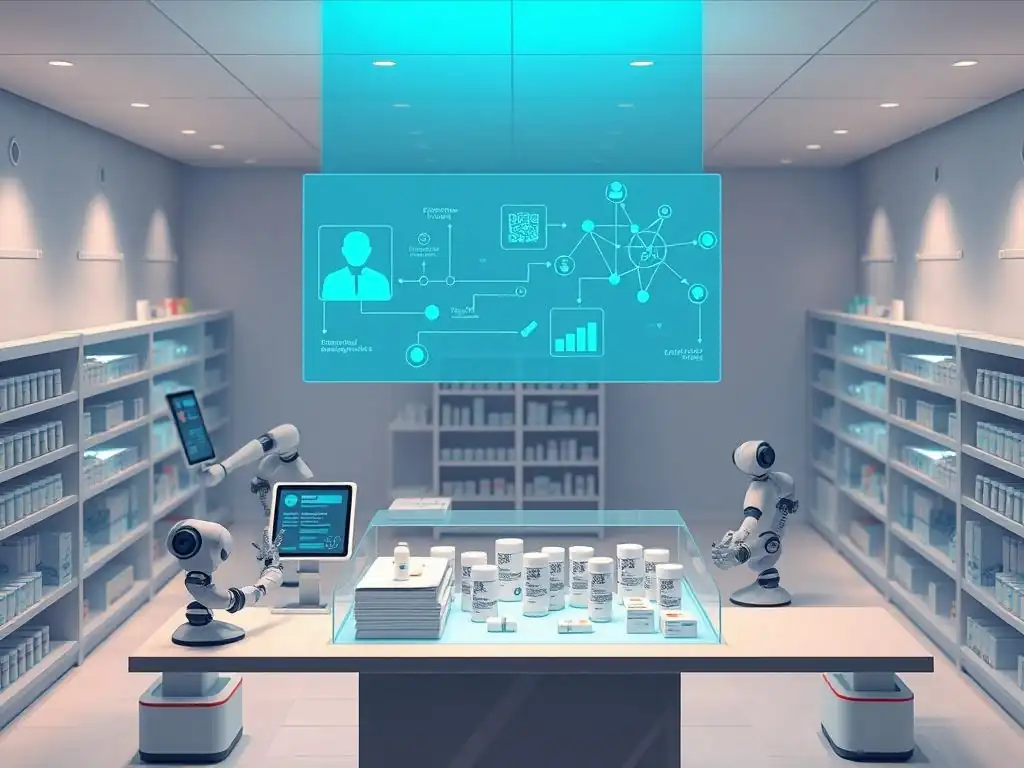
Chronicled: Blockchain-Based Prescription Tracking
Chronicled, now known as TruTrace Technologies in some contexts or having influenced subsequent initiatives, provides a strong example of how blockchain can be applied to secure supply chains, including pharmaceuticals crucial for telemedicine prescriptions. The core challenge is ensuring the authenticity and safe delivery of medications prescribed during remote consultations. Chronicled's approach involves creating a secure, shared ledger to track pharmaceutical products from manufacturing through distribution to the point of dispensing, leveraging unique identifiers and blockchain's immutability.
This system is designed to combat the pervasive problem of counterfeit drugs entering the supply chain and to provide transparency and accountability for every hand a medication passes through. For telemedicine, where a physical prescription may be sent to a pharmacy or delivered directly to a patient, ensuring the integrity of that medication is paramount for patient safety. A blockchain-based tracking system offers a robust solution to verify the provenance and legitimacy of prescribed drugs.
Problem: Counterfeit Drugs and Inefficient Prescription Management in Telemedicine
The global market for counterfeit drugs is a major public health crisis, estimated by some sources to be worth tens of billions of dollars annually. These fake medications can be ineffective, harmful, or even fatal. The rise of online pharmacies and telemedicine, while offering convenience, can inadvertently create new avenues for counterfeit or substandard drugs to reach patients if supply chains are not rigorously secure and transparent. Patients receiving prescriptions via telemedicine need assurance that the medication they receive is genuine and has been handled correctly.
Traditional prescription management and drug supply chain systems often rely on siloed databases and manual verification processes, making them vulnerable to fraud and errors. Tracking a specific prescription from the prescriber through the pharmacy to the patient can be difficult, lacking real-time visibility and immutable records. This inefficiency and lack of transparency pose significant risks to patient safety, particularly in the context of remote healthcare where the physical interaction points are different from traditional in-person visits.
Solution: Implementing a Blockchain-Enabled Prescription Tracking System
Chronicled and similar initiatives implement a blockchain-enabled system by assigning unique serial numbers or identifiers to individual drug packages at the point of manufacturing. This identifier, along with manufacturing details and subsequent handling information (packaging, shipping, distribution), is recorded on a blockchain ledger. As the drug moves through the supply chain – from manufacturer to wholesaler, distributor, pharmacy, and potentially to the patient – each transaction and change in custody is also recorded on the immutable ledger.
This creates a verifiable, end-to-end history for every drug package. Pharmacists receiving a prescription (whether physical or electronic from a telemedicine consult) can scan the drug's identifier and instantly verify its authenticity and trace its journey on the blockchain. Patients could potentially use a similar system to verify their medication upon receipt. Smart contracts can also be used to manage prescription refills and ensure compliance with regulations, adding another layer of security and efficiency to the process.
Results: Improved Supply Chain Security, Reduced Counterfeit Drugs, and Enhanced Patient Safety
The primary result of implementing blockchain in pharmaceutical supply chains, as demonstrated by Chronicled's work, is a significant improvement in security and a reduction in the likelihood of counterfeit drugs entering the legitimate supply chain. The immutable ledger makes it nearly impossible to introduce fake products without detection, as they would lack the verifiable blockchain history.
While specific, publicly available statistics on counterfeit reduction directly attributable to blockchain in telemedicine are still emerging, the technology provides the necessary infrastructure to achieve this goal. The U.S. Drug Supply Chain Security Act (DSCSA), which mandates electronic, interoperable tracking by 2023 (though timelines have shifted), represents a move towards this level of transparency, with blockchain being a strong candidate technology to fulfill these requirements.
Enhanced tracking also improves efficiency by providing real-time visibility into the movement of drugs. This helps manage inventory more effectively and ensures that prescribed medications reach patients promptly. Ultimately, this leads to enhanced patient safety by ensuring that patients receive legitimate, safe, and properly handled medications prescribed during their telemedicine consultations. These are critical blockchain telemedicine case studies benefits that directly impact public health.
Key Takeaways from Chronicled Case Study
- Counterfeit Prevention: Immutable tracking makes it extremely difficult for fake drugs to infiltrate the legitimate supply chain.
- End-to-End Visibility: Provides a transparent, verifiable history of a drug's journey from manufacturer to patient.
- Improved Patient Safety: Ensures patients receive authentic and properly handled medications.
- Regulatory Compliance: Offers a robust system to meet traceability requirements like those mandated by the DSCSA.
Analyzing the Benefits: Blockchain Telemedicine Case Studies Compared
Data Security and Privacy in Blockchain Telemedicine: A Comparative Analysis
Examining the blockchain telemedicine case studies benefits side-by-side reveals a common thread of enhanced data security and privacy. In the MedBloc-like EHR scenario, security is improved by decentralizing control and using cryptographic hashing on an immutable ledger, making unauthorized data alteration virtually impossible and providing a clear audit trail. Patient privacy is enhanced by granting individuals granular control over who accesses their sensitive medical records.
While Solve.Care's primary focus is payments, the underlying platform leverages blockchain for secure identity management and communication, ensuring that sensitive consultation and billing data exchanged between parties is recorded transparently (to authorized parties) and immutably. This reduces the risk of data manipulation in financial transactions and service logs. Chronicled's supply chain system, though focused on products, secures data related to product movement and authenticity.
The common element is the use of blockchain's core properties – immutability, transparency (where appropriate), and cryptography – to build trust and security in areas previously vulnerable to breaches, fraud, or lack of accountability. Compared to traditional centralized systems, the distributed nature offers resilience, while cryptography protects data integrity and privacy.
Efficiency and Cost Savings Through Blockchain Implementation
Efficiency and cost savings are significant blockchain telemedicine case studies benefits. The Solve.Care example clearly demonstrates how automating payment processing via smart contracts can drastically reduce administrative overhead and speed up transaction settlements. This leads to lower operational costs for healthcare providers and potentially reduces overall healthcare expenditure by eliminating inefficiencies in billing and claims.
In the context of EHRs (MedBloc), efficiency gains come from improved interoperability and streamlined data access for authorized personnel, reducing time spent searching for or reconciling fragmented patient information. This allows healthcare professionals to focus more on patient care during telemedicine sessions. For supply chain management (Chronicled), efficiency is improved through real-time visibility and automated tracking, reducing losses due to counterfeit goods, expired products, or inefficient inventory management. While upfront implementation costs for blockchain can be substantial, the long-term operational savings and reduction in losses (e.g., from fraud or data breaches) present a compelling economic case.
Improved Patient Outcomes and Access to Care: Blockchain's Impact
Ultimately, the blockchain telemedicine case studies benefits should translate into better patient outcomes and improved access to care. By enhancing data security and granting patients control over their records (MedBloc), providers can access more complete and accurate patient histories during telemedicine consultations, leading to more informed diagnoses and treatment plans. This improved data flow is critical for effective remote care, especially for patients with complex medical histories or those seeing multiple specialists.
Streamlining administrative processes and payments (Solve.Care) makes telemedicine more accessible and affordable for patients and more sustainable for providers. Reduced administrative friction encourages wider adoption of telemedicine, particularly in remote or underserved areas, expanding access to healthcare services. Ensuring the authenticity and secure delivery of medications (Chronicled) is directly linked to patient safety and the effectiveness of treatments prescribed via telemedicine. By building trust and efficiency into the core processes of telemedicine, blockchain technology contributes significantly to improving the quality, safety, and accessibility of remote healthcare services, directly impacting patient well-being.
Overcoming Challenges and Future Directions for Blockchain in Telemedicine
Scalability and Interoperability Challenges
Despite the promising blockchain telemedicine case studies benefits, significant challenges remain. Scalability is a major concern; public blockchains can struggle with processing a high volume of transactions quickly and at low cost, which is essential for widespread healthcare applications. While private or consortium blockchains offer better performance, they may sacrifice some degree of decentralization.
Developing blockchain architectures that can handle the immense data and transaction load generated by a national or global healthcare system is an ongoing area of research and development. Achieving true interoperability between different blockchain platforms and existing legacy healthcare IT systems also presents technical and organizational hurdles, requiring industry-wide standards and collaboration.
Another aspect of scalability relates to data storage. Storing large volumes of patient data directly on a blockchain is impractical and expensive. Solutions involve storing encrypted data off-chain in decentralized storage systems and using the blockchain only for hashes, metadata, and access controls. Ensuring secure and efficient linkage between the on-chain ledger and off-chain data is crucial and adds complexity to system design.
Regulatory Considerations for Blockchain-Based Healthcare Solutions
The regulatory landscape for blockchain in healthcare is still evolving and presents a significant challenge. Health data is subject to strict regulations like HIPAA in the United States, GDPR in Europe, and similar laws globally, which govern privacy, security, and data handling. Applying these existing regulations to decentralized, immutable blockchain systems can be complex. For example, the "right to be forgotten" under GDPR conflicts with the immutable nature of blockchain ledgers.
Furthermore, establishing clear legal frameworks for smart contracts in healthcare, determining liability in case of errors or disputes arising from automated processes, and navigating cross-border data regulations when using distributed ledgers are critical issues that need to be addressed. Regulatory uncertainty can slow down adoption and investment in blockchain-based healthcare solutions. Collaboration between technologists, healthcare providers, regulators, and legal experts is essential to develop appropriate guidelines and standards that ensure compliance and foster responsible innovation.
The Future of Decentralized Healthcare: Blockchain's Role
The future of decentralized healthcare is intrinsically linked to the evolution and adoption of technologies like blockchain. As the blockchain telemedicine case studies benefits become more widely demonstrated and understood, the technology is poised to play a foundational role in building more secure, efficient, and patient-centric healthcare systems. We can expect to see continued development of blockchain-based solutions for managing electronic health records, securing supply chains for medications and medical devices, streamlining insurance claims processing, and enabling secure health data exchange for research while protecting patient privacy.
The convergence of blockchain with other emerging technologies like Artificial Intelligence (AI) and the Internet of Medical Things (IoMT) holds immense potential. Blockchain can provide the secure, immutable infrastructure for managing data generated by IoMT devices and ensuring the integrity of data used to train AI algorithms for diagnostics or personalized medicine. As technical challenges like scalability are addressed and regulatory clarity improves, blockchain is likely to move from pilot projects to mainstream adoption, transforming telemedicine and the broader healthcare industry into a truly decentralized, interoperable, and patient-controlled ecosystem.
Conclusion: Blockchain Revolutionizing Telemedicine
The Transformative Potential of Blockchain in Healthcare
Blockchain technology possesses truly transformative potential for the healthcare industry, particularly in the rapidly expanding field of telemedicine. By offering unparalleled security through immutability and cryptography, enhancing transparency where needed while protecting privacy, and enabling automation through smart contracts, blockchain can address many of the fundamental challenges plaguing traditional healthcare systems. From securing sensitive patient data and ensuring interoperability between disparate systems to streamlining administrative processes like payments and securing the integrity of the pharmaceutical supply chain, blockchain provides the building blocks for a more efficient, trustworthy, and patient-focused healthcare future.
The shift towards decentralized healthcare, empowered by blockchain, moves away from siloed, institution-centric models towards a network where patients have greater control and data flows securely and seamlessly between authorized parties. This not only improves operational efficiency but also lays the groundwork for innovative new models of care delivery and health data utilization for research and public health initiatives, all while maintaining robust security and privacy safeguards.
The Importance of Blockchain Telemedicine Case Studies for Future Innovation
The real-world examples and pilot projects highlighted in blockchain telemedicine case studies benefits are crucial for driving future innovation and broader adoption. These case studies provide tangible evidence of how blockchain technology can move beyond theoretical potential to deliver measurable improvements in security, efficiency, and patient outcomes. They demonstrate the practical applications and highlight the specific benefits, such as reduced administrative costs, faster access to patient data, improved drug safety, and enhanced patient empowerment.
Sharing the lessons learned from these early implementations is vital for building confidence among healthcare providers, regulators, and patients. As more blockchain telemedicine case studies benefits are documented and analyzed, they will inform the development of best practices, industry standards, and scalable solutions. These success stories pave the way for overcoming remaining challenges related to regulation, interoperability, and scalability, accelerating the integration of blockchain into the core infrastructure of telemedicine and decentralized healthcare globally. The insights gained from these pioneering efforts are indispensable for realizing the full transformative promise of blockchain in revolutionizing how healthcare is delivered and experienced.
Frequently Asked Questions
What is the main focus of the article on telemedicine and blockchain?
The article explores the transformative potential of blockchain technology in decentralized healthcare, highlighting various case studies that demonstrate its benefits.
How does blockchain enhance telemedicine services?
Blockchain improves telemedicine by ensuring data security, enhancing patient privacy, and streamlining medical records management, ultimately leading to better patient outcomes.
What are some key benefits of using blockchain in healthcare?
The benefits of blockchain in healthcare include increased transparency, improved interoperability, and enhanced trust between patients and providers, making healthcare delivery more efficient.
Can you provide examples of blockchain telemedicine case studies?
Yes, the article presents multiple case studies showcasing how organizations are leveraging blockchain for secure patient data sharing, remote consultations, and enhancing healthcare access.
What does the future hold for blockchain in telemedicine?
The future of blockchain in telemedicine looks promising, with potential developments in regulatory frameworks, wider adoption, and the continuous evolution of decentralized systems improving healthcare delivery.
Final Reflection: Embracing the Decentralized Future of Healthcare
The exploration of blockchain telemedicine case studies reveals not just technological innovation, but a fundamental shift in how we perceive and access healthcare. The potential for increased accessibility, security, and patient empowerment through decentralized systems is no longer a futuristic fantasy, but a tangible reality being built today. These case studies serve as powerful examples of how blockchain can address critical challenges within the existing healthcare infrastructure, paving the way for a more equitable and efficient system for all.
The impact of blockchain on telemedicine extends far beyond mere convenience; it touches upon the very core of patient autonomy and data ownership. Witnessing the evolution of these decentralized models has reinforced my belief in the power of technology to democratize access to essential services, particularly in underserved communities. The future of healthcare is not about bigger hospitals, but about smaller, smarter, more connected systems that empower individuals to take control of their own health.
This quote encapsulates the essence of what blockchain telemedicine strives to achieve: a patient-centric ecosystem where data is secure, transparent, and readily accessible.
As we stand on the cusp of this decentralized revolution, I urge you to consider the implications of these advancements in your own life and community. How can you advocate for the adoption of blockchain solutions that prioritize patient privacy and accessibility? How can you contribute to a future where healthcare is truly decentralized, empowering individuals to manage their health with confidence and control? The time to embrace this transformative technology is now, and the potential benefits for generations to come are immeasurable.
Ignite Your Healthcare Revolution!
Thank you for exploring the transformative potential of blockchain in telemedicine! We hope this deep dive into real-world case studies has illuminated the path toward a more decentralized and patient-centric healthcare system. Now, it's time to take action and contribute to this exciting evolution.
Here's how you can get involved:
- Explore Further: Consider launching your own secure, blockchain-based platform. If you are a technology leader within a small or medium-sized medical practice or clinic, you'll be pleased to find how accessible this technology has become.
- Share This Insight: Share this article with colleagues, friends, and family who are interested in the future of healthcare. Let's spark a conversation and build momentum!
- Join the Community: Become a part of our community forums and discuss your vision for the future. Let's brainstorm new applications, address challenges, and collaborate on solutions.
What is the first blockchain-based healthcare application you plan to explore? Let us know in the comments!
Leave a Reply